
The Easy 1.5-Mile Oregon Hike That Feels Almost Too Scenic To Be Real
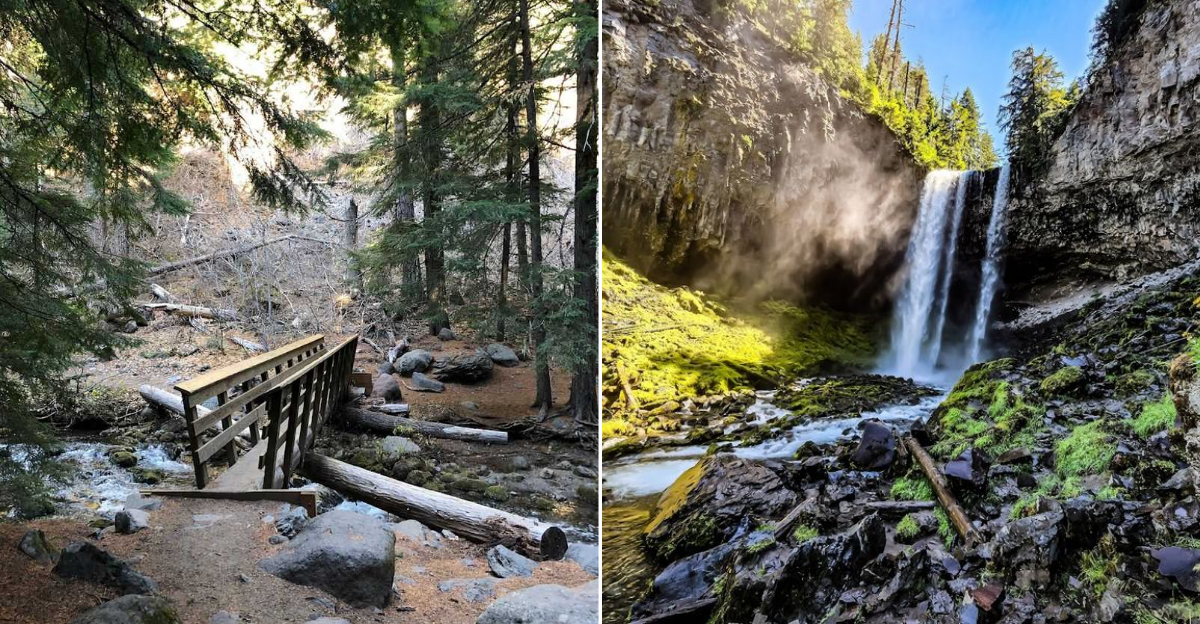
Some hikes make you earn the wow factor. This one starts handing it out almost immediately.
Oregon has plenty of trails that tease you with a big finish, but this route feels generous from the first stretch of forest to the final roar of falling water. You get a cold, fast-moving creek beside you, tall trees overhead, rocky canyon drama, and the thrill of knowing the best part is still ahead.
Even better, it does not ask you to be a hardcore hiker to enjoy it. The path feels approachable, the scenery keeps shifting, and the payoff never waits until the very end to show up.
Then comes the waterfall, crashing down with the kind of energy that makes everyone stop talking for a second. It is the rare trail that feels easy to love, hard to forget, and absolutely worth the muddy shoes.
What Makes This Trail So Special
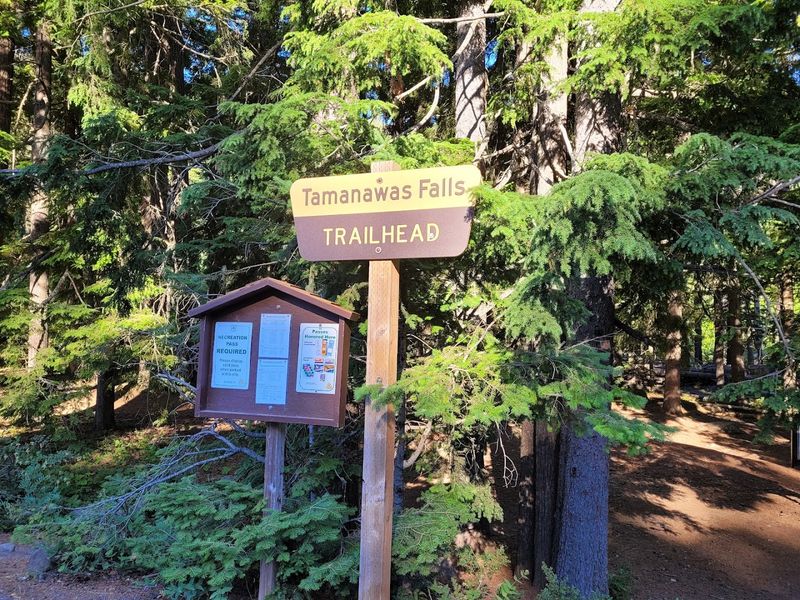
Not every trail earns a reputation for being both easy and jaw-dropping, but Tamanawas Falls Trail manages both without breaking a sweat.
Located in Mt. Hood National Forest, the trail follows Cold Spring Creek through a lush, forested canyon that feels completely removed from everyday life.
The trail is about 3.2 miles round trip with minimal elevation gain, sitting around 400 feet total. That means you are not grinding up steep switchbacks or gasping for air.
The path is well-maintained, clearly marked, and wide enough for families with young kids or older hikers who want a manageable outing.
What sets this trail apart is how consistently beautiful it is from start to finish. You are not waiting for a payoff at the end.
The forest canopy, the creek sounds, the mossy boulders, and the canyon walls keep the experience engaging the whole way through.
By the time you reach the falls, you already feel like you have earned something special, even though the hike itself was not that hard.
The address for the trailhead is off Highway 35, near Oregon 97041, making it easy to find with a GPS or basic directions.
A Closer Look At The Trail Itself
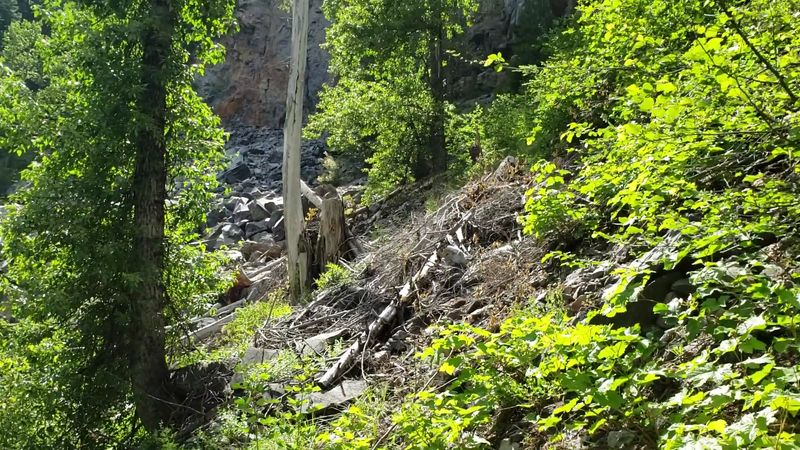
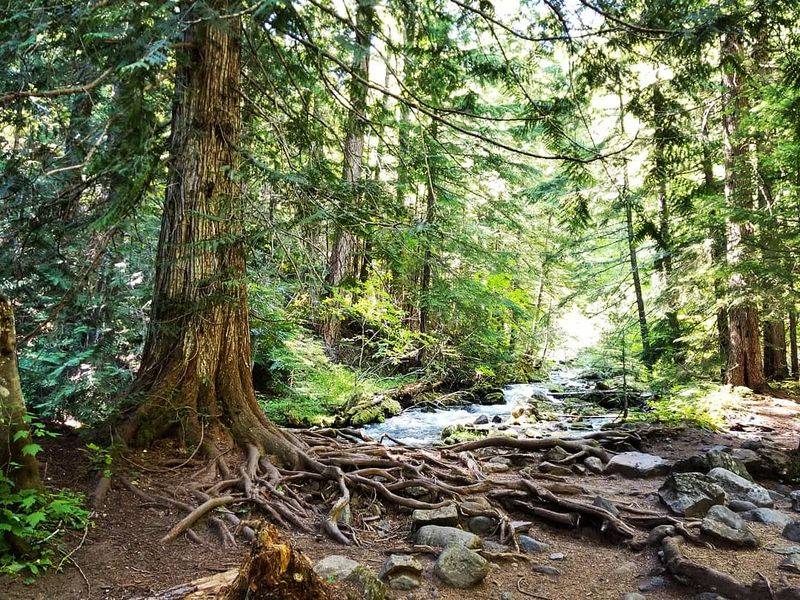
The moment you step onto the trail, the forest takes over. Tall Douglas firs and western red cedars line the path, and the air carries that cool, earthy smell that only old-growth forests produce.
The ground underfoot is a mix of packed dirt, roots, and river rock, so wearing proper trail shoes or hiking boots makes a real difference in comfort.
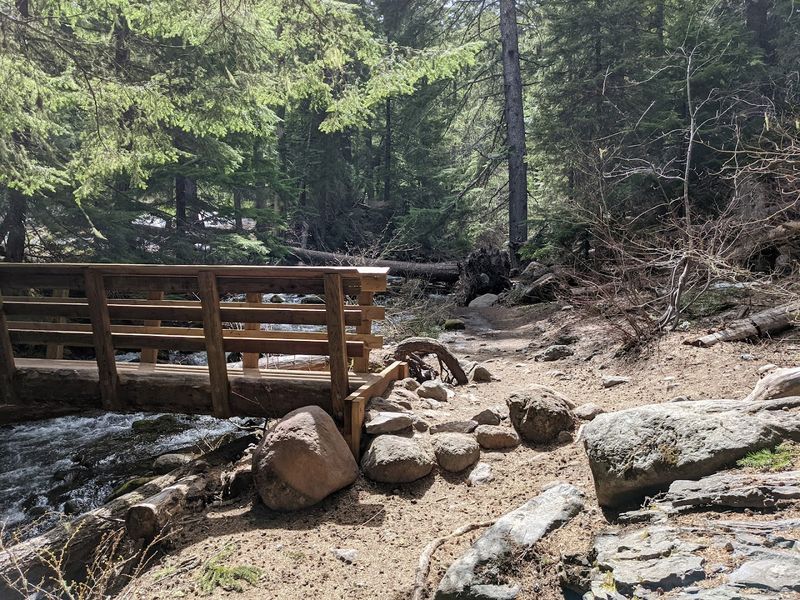
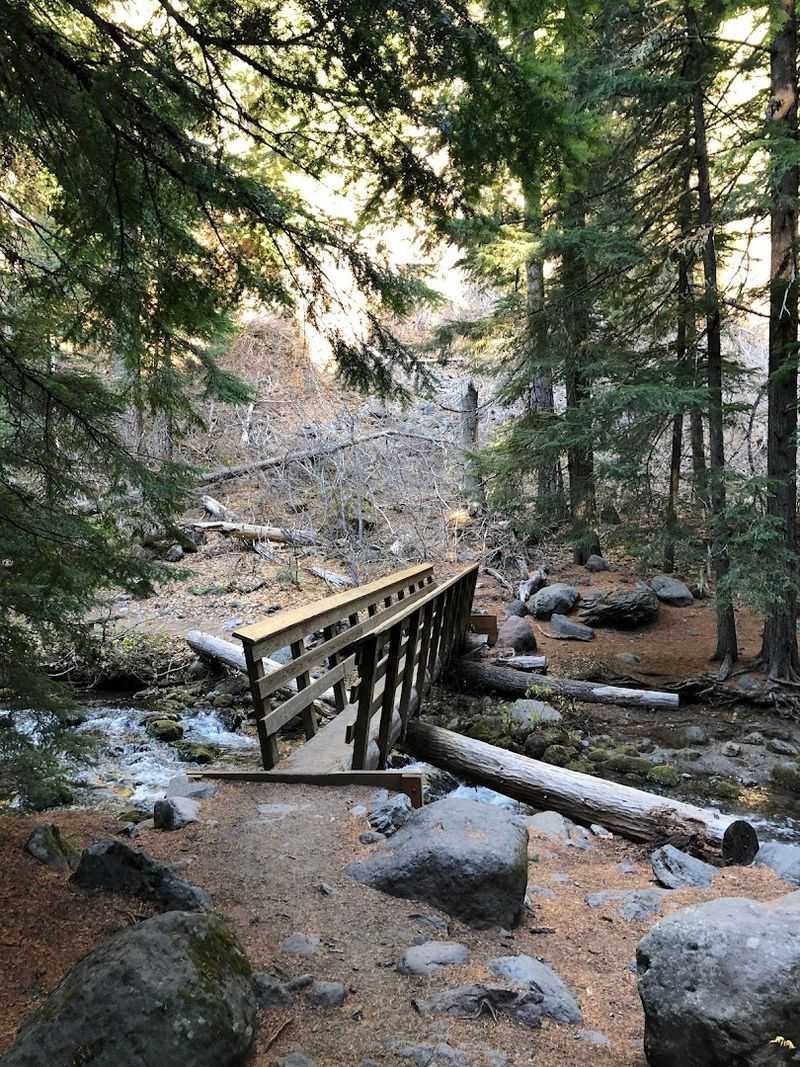
You will cross Cold Spring Creek a few times along the way. Some crossings have log bridges, while others require a bit of rock-hopping depending on the season and water levels.
Spring and early summer can bring higher water, so check conditions before visiting with young children or anyone uneasy with wet crossings.
The trail hugs the creek for much of the route, which means the sound of moving water is your constant companion. About halfway through, the canyon walls start to close in, and the trail gets a little rockier as you approach the falls.
That last stretch feels almost theatrical, like the forest is building suspense before revealing the main attraction. You can also walk behind the falls when water flow allows, which is a genuinely memorable experience that most short hikes simply cannot offer.
A Scenic Reward At The End
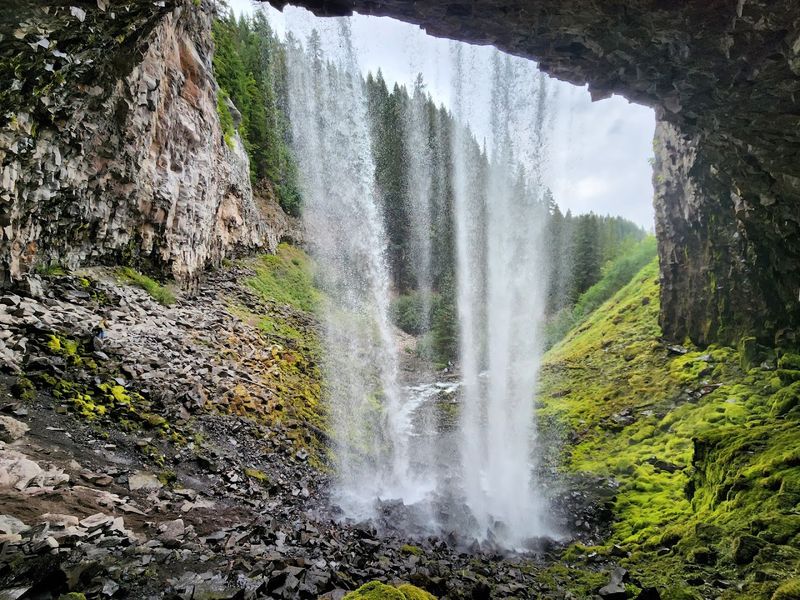
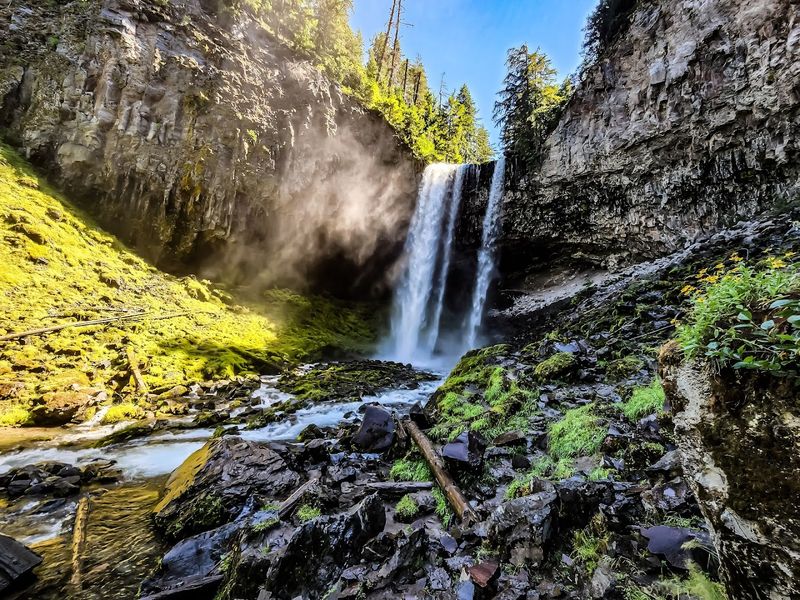
Tamanawas Falls is the kind of waterfall that stops you mid-sentence. Standing roughly 100 feet tall, the water drops off a dark basalt cliff face and crashes into a rocky pool below with a force you can feel in your chest.
The mist that rolls off the falls keeps the surrounding area cool and green, even on warm summer days.
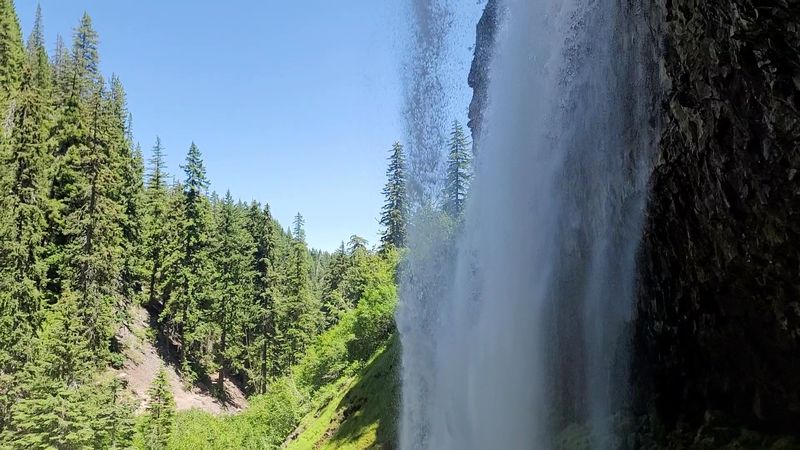
What makes this waterfall especially exciting is the walk-behind option. During drier months, you can carefully make your way across the boulders and stand directly behind the curtain of water.
The view from inside that rocky alcove, looking out through the falling water, is something that photographs struggle to capture accurately. You have to be there to fully appreciate it.
The basalt wall itself is striking up close. The dark, jagged rock contrasts sharply with the white rushing water and the surrounding green forest, creating a natural composition that feels almost too dramatic to be real. Photographers love this spot for good reason.
Even casual visitors who never pick up a camera tend to linger here far longer than planned. The falls have a pull to them that is hard to explain but easy to understand once you are standing right in front of them.
The Season That Makes The Hike Shine
Oregon gives you a genuinely different experience on this trail depending on the season you choose. Summer is the most popular time, and for good reason. The trail is dry, the creek crossings are manageable, and you can often walk behind the falls without issue.
Wildflowers bloom along the lower sections of the trail, and the long daylight hours give you plenty of time to take your time.
Fall is arguably the most visually striking season on this trail. The deciduous trees along the creek corridor turn gold and orange, and the contrast against the dark basalt and rushing water is stunning.
Crowds thin out compared to summer, which means you might have stretches of the trail entirely to yourself.
Spring brings the highest water volume to the falls, making them more powerful and dramatic than any other time of year. The downside is that creek crossings can be tricky, and the trail can be muddy in spots.
Winter is possible for experienced hikers, but snow and ice can make the rocky sections near the falls genuinely dangerous. Late June through October is the sweet spot for most visitors. No matter when you go, the trail delivers something worth seeing.
The Hikers Who Will Love This Route
Few trails manage to work equally well for such a wide range of hikers, but this one genuinely does. Families with kids as young as five or six can handle the distance and terrain without too much trouble.
The trail is not stroller-friendly because of uneven ground and creek crossings, but older kids comfortable on dirt paths should handle the full route.
Dogs are welcome on the trail and tend to love it. The creek provides plenty of opportunities for a quick splash, and the shaded forest keeps both pets and people comfortable on warmer days.
Keep your dog on a leash, as the trail can get busy during peak season and the rocky terrain near the falls requires careful footing for animals and people alike.
Solo hikers, couples, and small groups all find something to enjoy here. The trail is social enough that you rarely feel isolated, but peaceful enough that you can have a genuine outdoor experience without feeling like you are in a theme park.
If you love big Oregon scenery without a grueling hike, Tamanawas Falls Trail is a natural starting point that rarely disappoints.
Prep Tips For A Smoother Hike
Even short trails deserve a little preparation, and this one is no exception. The most important thing you can bring is proper footwear.
Trail runners or hiking boots with good grip make the rocky sections near the falls much easier and safer to navigate. Sandals and flat sneakers work fine on the lower sections of the trail but can become a liability near the waterfall.
Water is essential, even on a trail this short. Carry at least one liter per person, more if you are hiking with kids or visiting on a warm day. The creek water looks crystal clear, but drinking untreated water from any backcountry source is not recommended without a filter.
Pack snacks, a light jacket for the cool mist near the falls, and a small first aid kit just in case.
Parking at the trailhead fills up fast on summer weekends. Arriving before 9 a.m. significantly improves your chances of finding a spot without circling.
A Northwest Forest Pass or America the Beautiful pass is required for parking, so have one ready before you arrive. Cell service in the area can be unreliable, so download an offline map or screenshot your directions before leaving the main highway.
A little preparation goes a long way on this trail.
How Nature Shaped The Landscape
The dramatic scenery along this trail did not happen by accident. The basalt cliffs around Tamanawas Falls come from ancient volcanic activity tied to Mount Hood, the stratovolcano dominating this part of Oregon.
The same geological forces that built the mountain also shaped the canyon you walk through on your way to the falls.
Cold Spring Creek, which runs the length of the trail, is fed largely by glacial melt and snowpack from the upper slopes of Mount Hood. That glacial origin is part of why the water looks so strikingly clear and feels so cold even in midsummer.
The creek has carved its way through layers of volcanic rock over thousands of years, creating the narrow canyon walls that frame the trail so dramatically.
The forest itself is a classic Pacific Northwest old-growth ecosystem. Douglas fir, western hemlock, and red cedar dominate the canopy, while sword ferns, oxalis, and various mosses carpet the forest floor.
This dense, layered forest feels increasingly rare and offers a glimpse of what the region looked like before widespread timber clearing. The trail preserves a genuinely intact slice of Oregon’s natural heritage.
Why The Journey Feels Rewarding
The drive to the trailhead along Highway 35 is worth the trip on its own. The highway curves through the Hood River Valley and along Mount Hood, with orchards, farmland, and mountain views making the drive part of the experience.
The trailhead is located in Mt. Hood National Forest, one of the most accessible national forests in Oregon. From Portland, the drive takes roughly 90 minutes, making it a realistic day trip that does not require an early wake-up or overnight gear.
The fact that such dramatic scenery is available within a short drive of a major city is something that even longtime Oregon residents sometimes overlook.
After the hike, the Hood River area offers plenty of ways to extend your day. Farm stands, small restaurants, and scenic overlooks are all within a short drive of the trailhead.
The combination of an easy, beautiful hike and a region full of things to see and do makes this more than just a trail stop.
It becomes the kind of day that reminds you why living near the outdoors, or making the effort to visit them, is always worth it. Tamanawas Falls Trail earns every bit of the attention it receives.
Lace up, grab your camera, and let this little Oregon trail prove that big scenery does not need a big mileage count.