
This Low Key Restaurant In Nevada Serves Some Of The Best Steaks Around
Nobody moves to Las Vegas for the food. Then they find this place and suddenly the city makes a lot more sense.
Nevada has no shortage of restaurants trying to dazzle you with chandeliers, celebrity names, and prix fixe menus that cost more than your flight. This is not that.
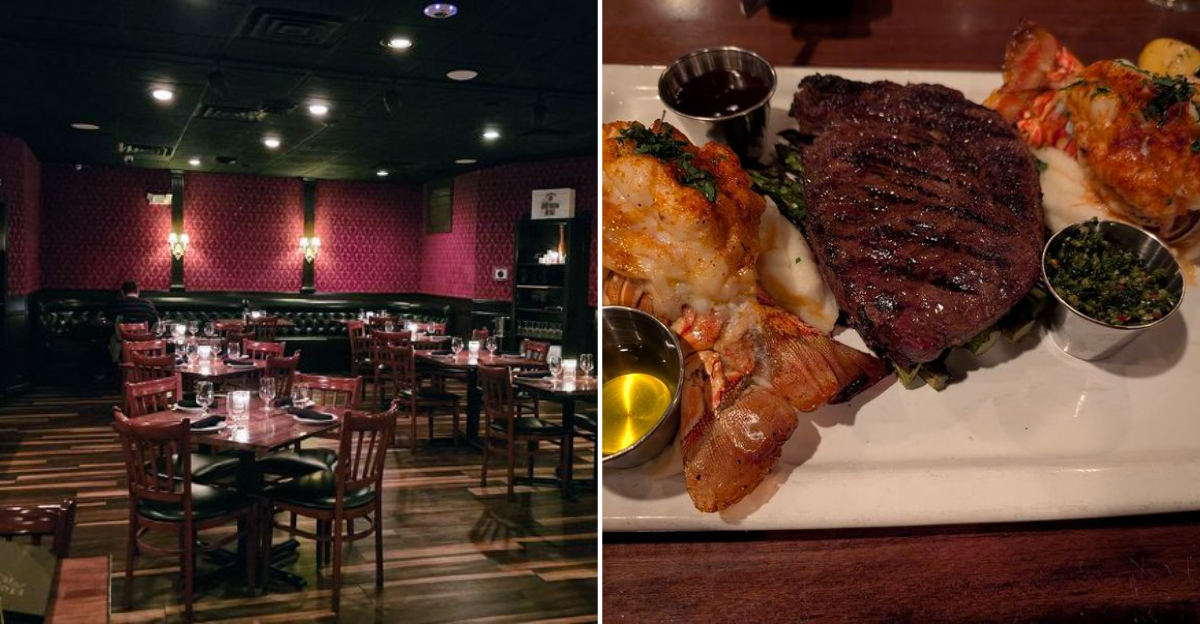
This is a dark, moody spot with a 1920s soul, a kitchen that treats a New York strip the way it deserves to be treated, and sides that somehow manage to steal the show. The French onion soup alone is worth the drive off the Strip.
But the steak is the reason people keep coming back, quietly, without making too much noise about it. Because when you find a place this good in a city this loud, the last thing you want to do is tell everyone about it.
Choosing The Perfect Cut For A Juicy Steak
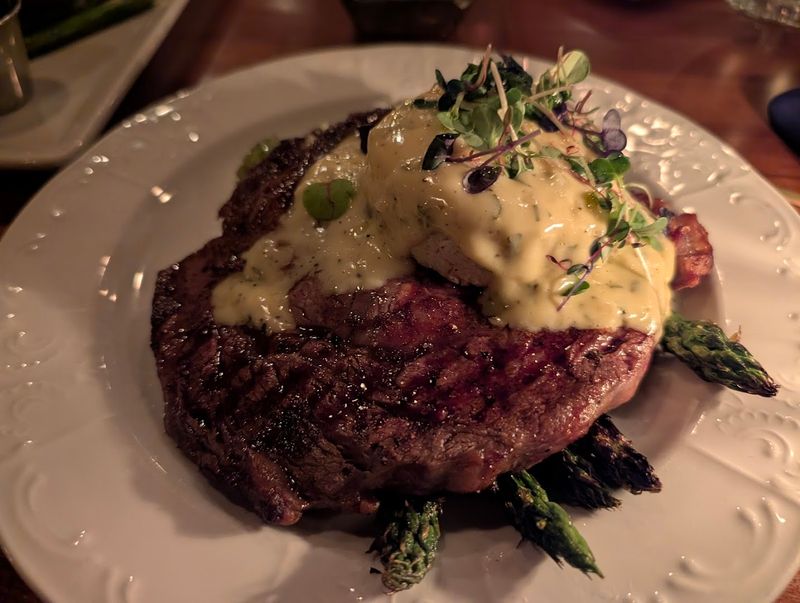
The cut you choose makes or breaks your entire steak experience. At Herbs and Rye, the menu offers several serious options worth knowing before you sit down.
Ribeye is the crowd favorite for good reason. The fat marbling throughout the meat melts during cooking, creating a rich, beefy flavor that is hard to beat.
If you want something lean but still full of flavor, the New York Strip delivers a firm texture with a bold taste that satisfies every time.
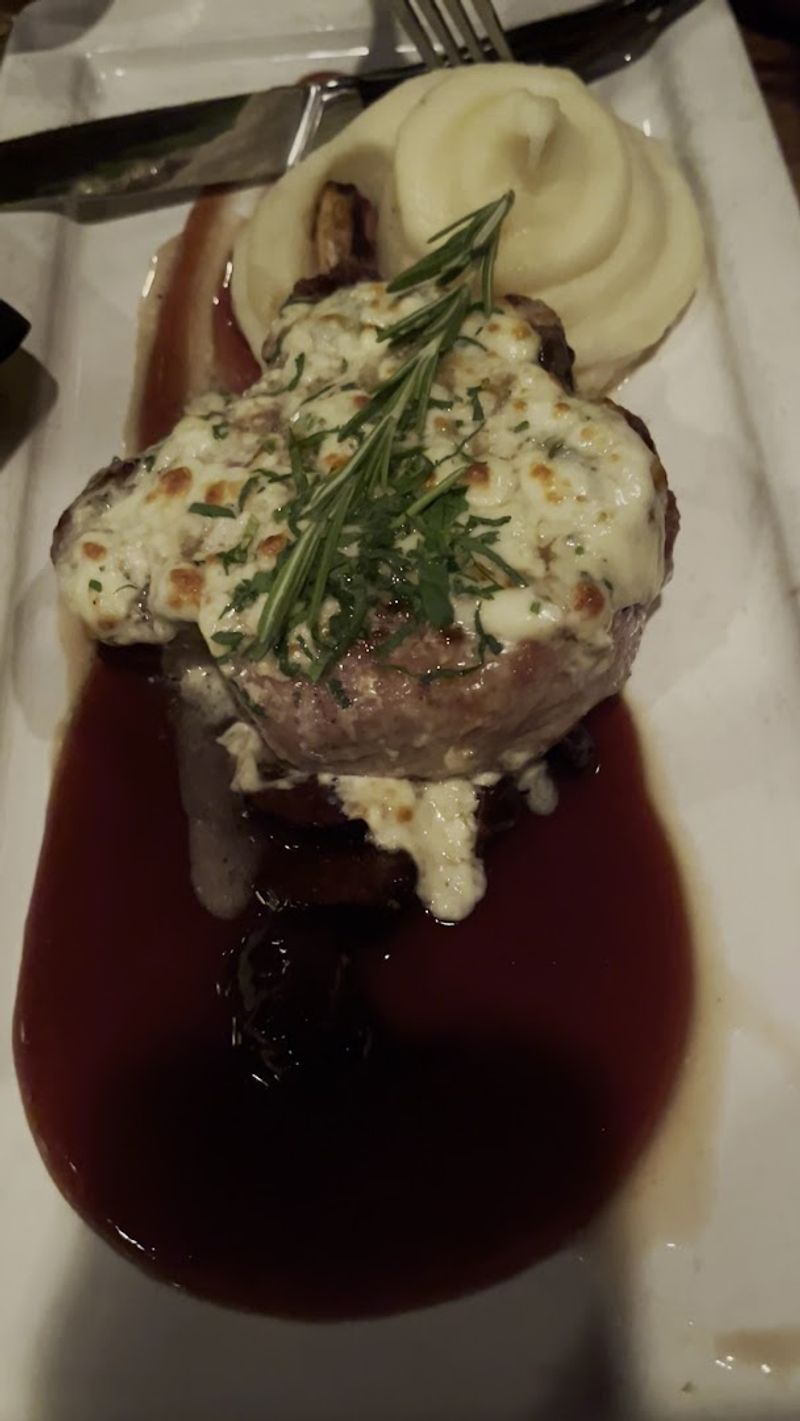
Filet mignon is the go-to for anyone who wants a buttery, tender bite. The bleu cheese-crusted filet at this restaurant has earned serious praise among regulars.
Flat iron cuts are another smart pick because they offer great flavor at a friendlier price point.
Knowing your preferred cut ahead of time helps you order with confidence. Each cut behaves differently under heat, so understanding what you enjoy most saves you from ordering regret.
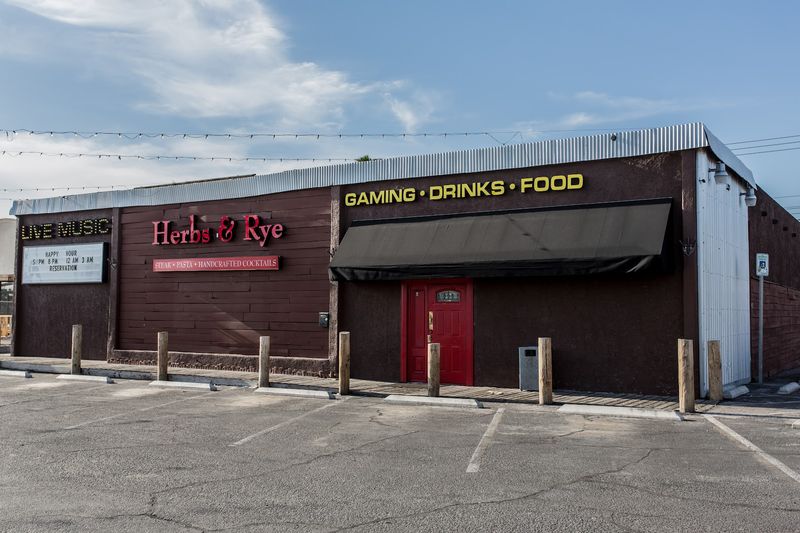
Marbling, thickness, and muscle location all affect the final result on your plate. Find this spot on 3713 W Sahara Ave, Las Vegas, NV 89102.
Secrets To Achieving Ideal Steak Seasoning
Seasoning a steak sounds simple, but most people get it wrong in ways they never realize. The biggest mistake is under-seasoning, and yes, even a restaurant as celebrated as Herbs and Rye has received feedback about this from time to time.
Salt is the foundation of great steak flavor. Coarse kosher salt or sea salt applied at least 40 minutes generously before cooking pulls moisture to the surface and then draws it back in, creating a natural brine.
This process builds depth of flavor from the inside out.
Black pepper adds bite and a subtle heat that balances the richness of the beef. Beyond salt and pepper, garlic powder, smoked paprika, and a touch of onion powder can round out the seasoning profile beautifully.
Some chefs add a small amount of brown sugar to encourage caramelization on the crust.
The bleu cheese-crusted filet at Herbs and Rye is a great example of layering flavors on top of a well-seasoned base. The cheese adds a tangy, creamy contrast that elevates the entire bite.
Seasoning is not just about salt. It is about building a complete flavor story from start to finish.
Mastering The Art Of Grilling Techniques
Getting a perfect sear on a steak is one of the most satisfying things to achieve in cooking. The goal is a deeply browned crust on the outside while keeping the inside juicy and tender.
This is not luck. It is a technique.
High heat is non-negotiable for a proper sear. Whether you use a cast-iron skillet, a charcoal grill, or a commercial flat-top like the pros, the surface needs to be screaming hot before the steak ever touches it.
A cold pan creates steam instead of a sear, and steam is the enemy of a good crust.
Pat the steak completely dry before it hits the heat. Moisture on the surface prevents browning and kills the Maillard reaction, which is the chemical process responsible for that gorgeous, flavorful crust.
Dry surface plus high heat equals magic.
Resist the urge to move the steak around constantly. Let it sit undisturbed for at least two to three minutes per side.
The restaurant kitchen at Herbs and Rye demonstrates this principle every night, turning out steaks with consistent results that keep diners coming back repeatedly.
Pairing Side Dishes To Complement Steak
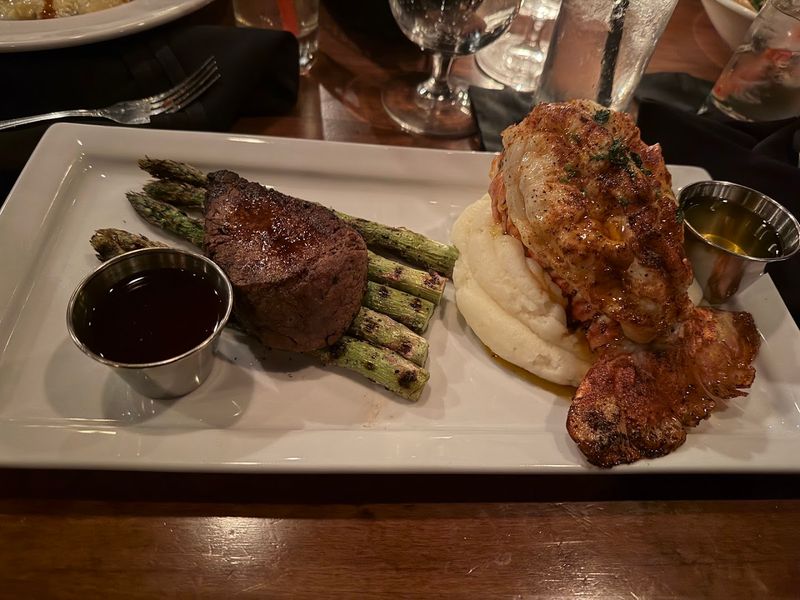
A great steak deserves equally great company on the plate. Side dishes are not afterthoughts.
They are supporting characters that can make the whole meal sing when chosen well.
Herbs and Rye serves its sides family-style, which means you are getting a real portion meant to be shared at the table. The truffle mac and cheese has become legendary among regulars.
Creamy, rich, and loaded with flavor, it pairs beautifully with the bold beefiness of a ribeye or strip steak.
Garlic spinach is a smart choice for balance. The slight bitterness of the greens cuts through the fat of the steak and refreshes your palate between bites.
Asparagus works the same way, offering a clean, slightly earthy flavor that does not compete with the meat.
Whiskey scalloped potatoes are another standout option that brings warmth and comfort to the table. Mashed potatoes with garlic are a classic pairing that never goes out of style.
The key is choosing sides that contrast the steak rather than mirror it. Rich with rich gets overwhelming fast.
Mixing textures and flavors keeps every bite interesting from the first to the very last forkful.
Understanding The Importance Of Meat Aging
Meat aging might sound like a fancy restaurant buzzword, but it genuinely changes the quality of your steak in ways you can taste. There are two main methods: dry aging and wet aging.
Both improve tenderness and flavor, but they do it differently.
Dry aging involves hanging beef in a controlled environment with specific temperature and humidity levels for weeks at a time.
During this process, moisture evaporates, and natural enzymes break down muscle fibers, resulting in a more concentrated, nutty flavor and a noticeably tender texture. It is time-consuming and requires skill to execute properly.
Wet aging is more common in restaurants and involves vacuum-sealing the beef and letting it age in its own juices. The result is a tender cut that retains more of its original weight and moisture.
Most steakhouses use wet-aged beef as their standard offering.
Understanding aging helps explain why two steaks from the same cut can taste completely different. A well-aged piece of beef practically melts under the knife.
When you sit down at a quality steakhouse, the aging process has already been working behind the scenes long before your order is even placed.
Exploring Different Steak Cooking Temperatures
Ordering a steak at the right temperature is one of the most personal decisions in dining. Everyone has an opinion, and honestly, all of them are valid as long as you know what you are getting into.
Rare sits around 125 degrees Fahrenheit internally. The center is cool, red, and very soft.
It is not for everyone, but fans of rare steak love the pure, almost raw beefiness of the flavor. Medium-rare lands between 130 and 135 degrees and is widely considered the sweet spot for most cuts.
The center is warm, pink, and juicy with a fully developed crust on the outside.
Medium takes the steak to around 140 to 145 degrees. You get a slightly firmer texture and less pink in the center, but the flavor is still strong.
Medium-well and well-done continue up the scale, with the meat becoming progressively firmer and less juicy as moisture cooks off.
At Herbs and Rye, steaks are consistently cooked to the requested temperature, which is not as common as you might think. Getting that right every time on a busy night speaks to the kitchen team’s focus and consistency.
Know your temperature before you order.
Tips For Serving Steak With Elegant Presentation
Presentation is the first impression your steak makes before anyone takes a single bite. A beautifully plated dish builds anticipation and signals that care went into every step of the process.
It does not require fancy tricks. It requires intention.
Start by letting the steak rest before plating. Resting for five to ten minutes after cooking allows the juices to redistribute throughout the meat.
Cut into it too soon, and all that flavor runs right off the plate. Patience here pays off dramatically.
Slice against the grain when presenting at the table. This shortens the muscle fibers and makes each piece easier to chew.
A clean, sharp knife creates smooth cuts that look professional and inviting. Ragged edges make even a perfectly cooked steak look like an afterthought.
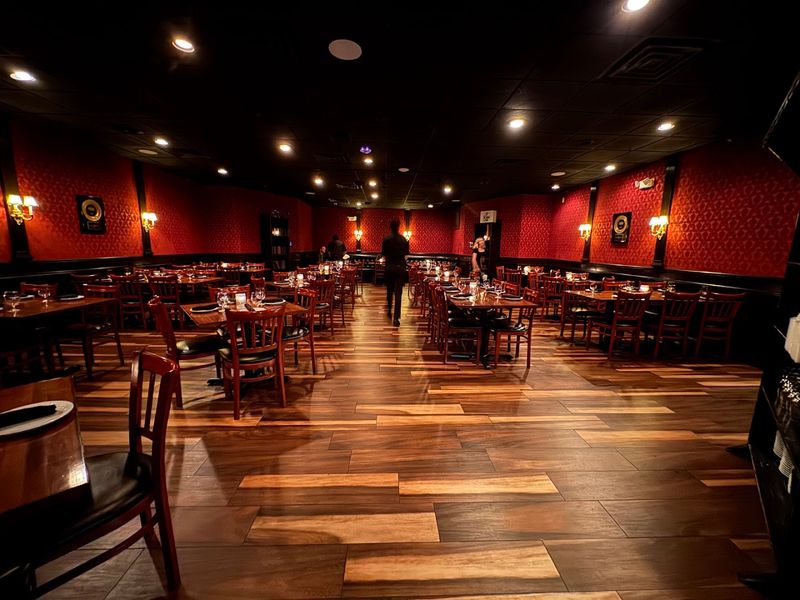
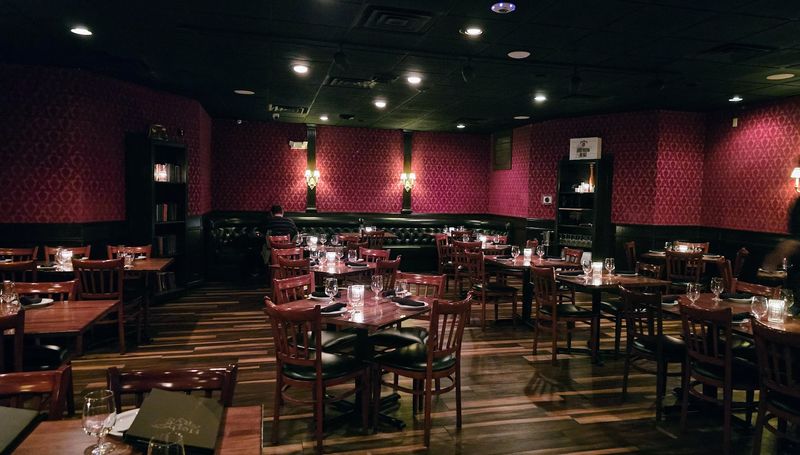
The atmosphere at Herbs and Rye enhances how every dish feels when it arrives. The dim lighting, the dark interior, and the moody energy of the room make even a straightforward plate feel elevated.
Presentation is not just about the food. It is about the full sensory experience surrounding it.
The right environment transforms a good meal into a memorable one that stays with you long after the check is paid.
Selecting The Right Steak Sauce Alternatives
Steak sauce gets a bad reputation in serious steakhouse circles, but the truth is that the right accompaniment can genuinely elevate a great cut of beef. The keyword is right.
Drowning a perfectly seasoned ribeye in bottled brown sauce is a crime. Pairing it with a thoughtful condiment is an art.
Chimichurri is one of the best options available. Made from fresh parsley, garlic, olive oil, vinegar, and chili flakes, it adds brightness and acidity that cuts through the richness of the beef.
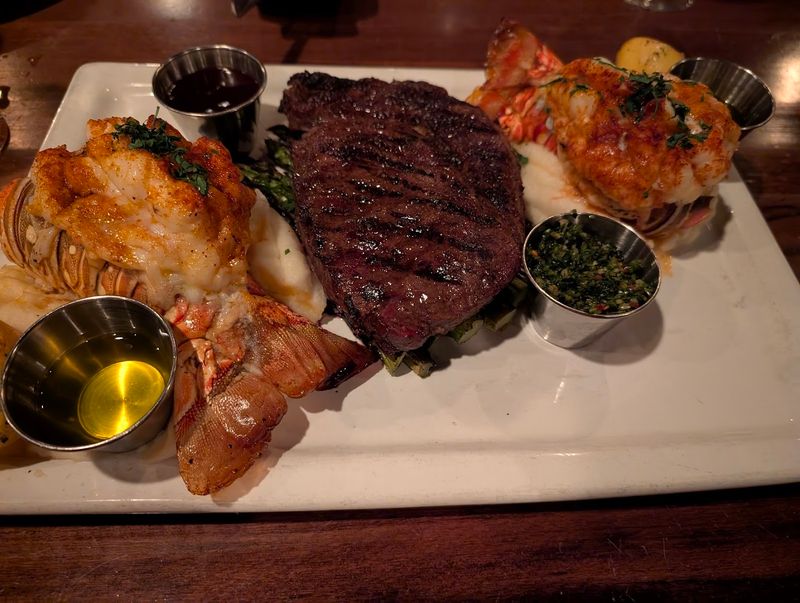
It is bold without overpowering the meat itself. The surf and turf at Herbs and Rye has been served with chimichurri, and diners consistently call it a perfect match.
Herb butter is another winner. A compound butter made with garlic, thyme, and rosemary melts over a hot steak and bastes it naturally as it sits on the plate.
Peppercorn sauce brings warmth and depth for those who want something creamy and savory.
Bleu cheese crust is a Herbs and Rye signature move that functions as both topping and sauce in one. The tangy, creamy cheese melts into the steak and creates a flavor layer that needs nothing else added.
Sometimes the best sauce is already built right in.