
A Hidden Idaho Waterfall Hike Leads To A Beautiful Pool Perfect For Summer Adventures
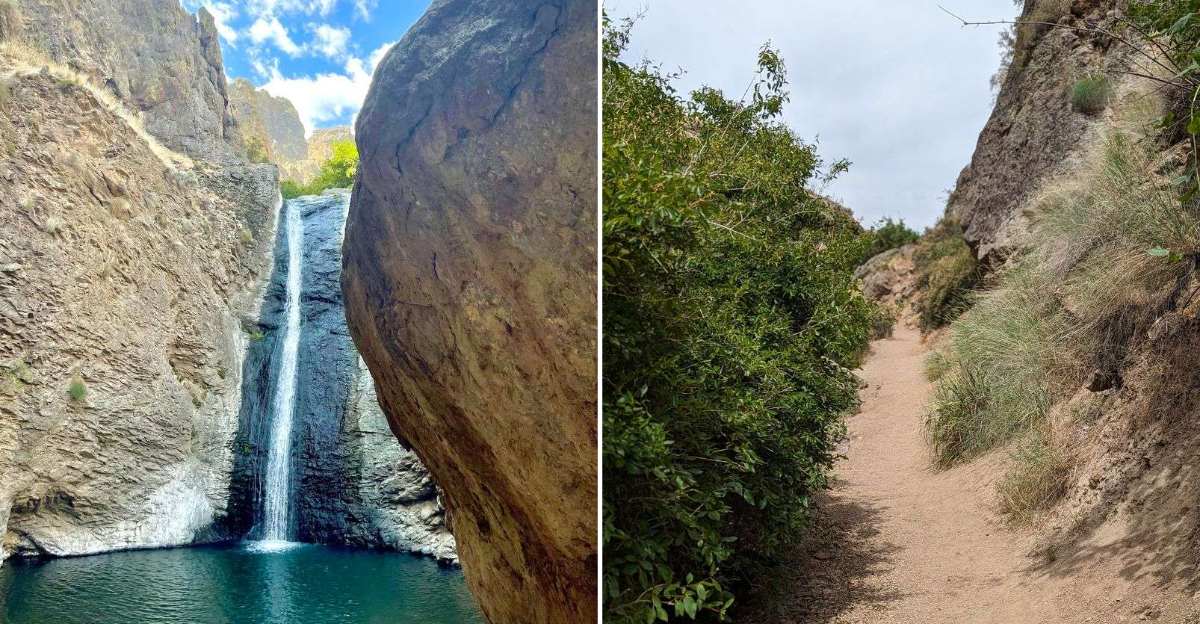
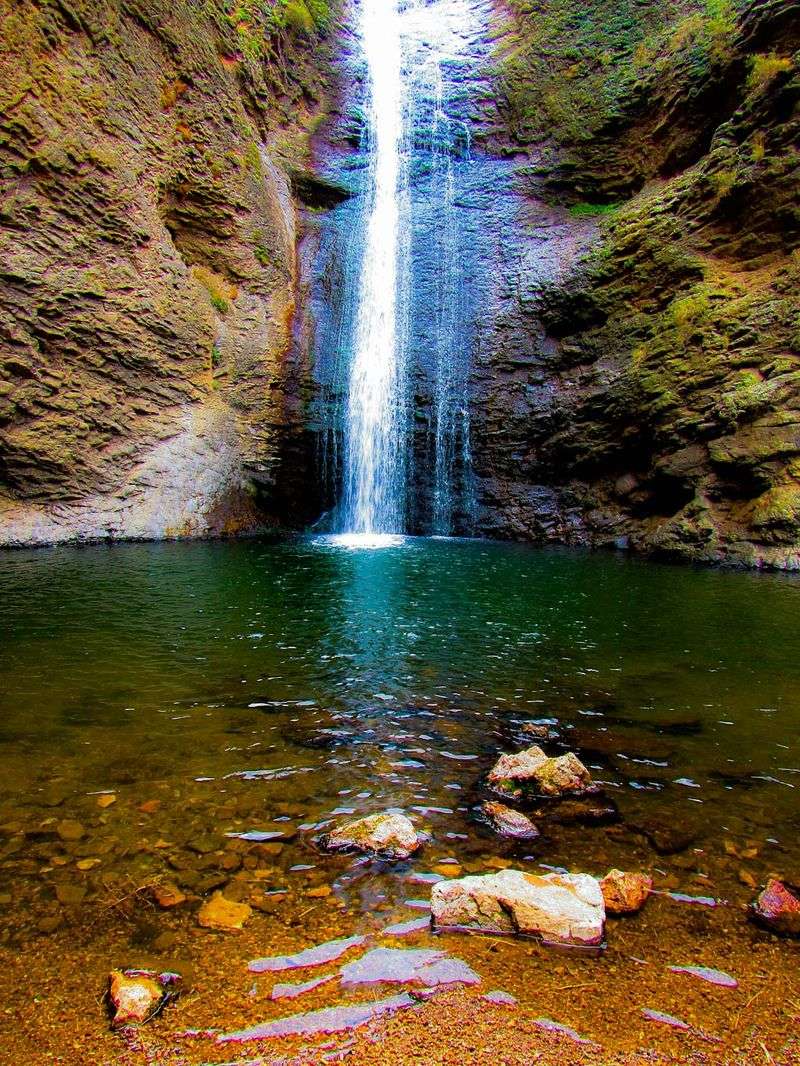
At this Idaho spot, you get the chance to experience something usually seen only in movies. A hidden waterfall hike leads directly to a beautiful pool perfect for cooling off during summer adventures.
The trail winds through shaded forest that keeps the hike comfortable even during peak summer heat. Water at the base stays cool enough to beat the hottest afternoons of the season.
Regulars know the best times to visit, avoiding crowds that build up later in the day. Nothing about the setting feels overrun despite its growing popularity among hikers.
Photography opportunities exist around nearly every turn, especially once the falls come into view. This hike proved that sometimes the best summer adventures require a little effort to reach.
Scenic Trail Features And Terrain Varieties
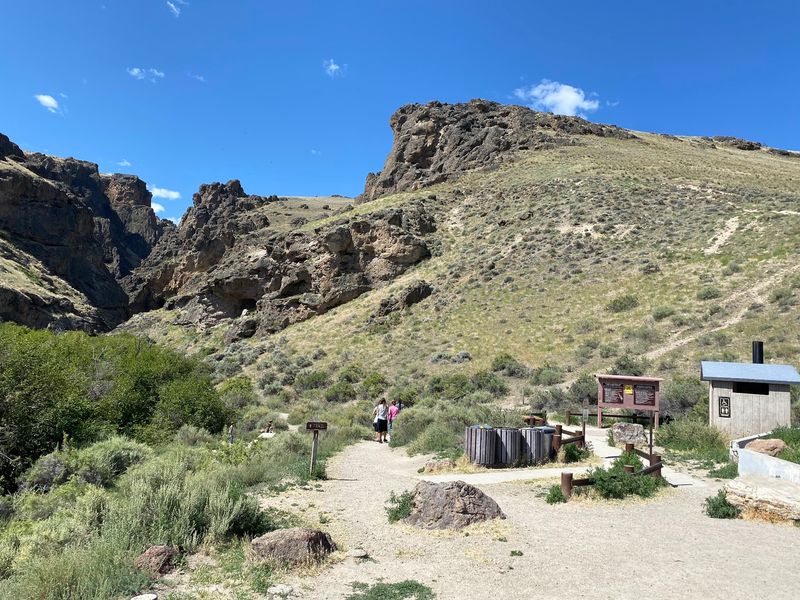
Quarter of a mile. That is all that separates the lower parking lot from one of the most dramatic waterfalls in southwest Idaho.
The round trip is under a mile, which makes it a favorite for families hauling toddlers and grandparents alike. Still, calling it a stroll would be a small lie.
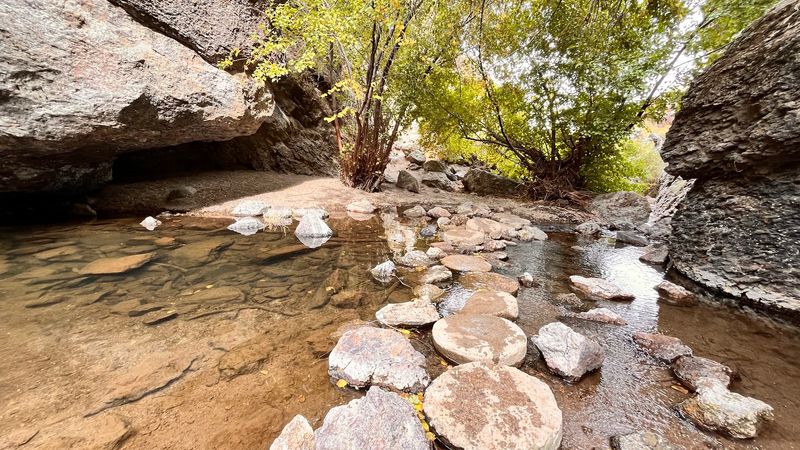
Boulders litter parts of the path, and the dirt turns powdery and dusty during dry stretches. A few sections narrow right up against the creek, so careless footing can end with a soggy shoe.
Stepping stones handle the creek crossings, though not all of them sit perfectly steady. One short slope drops down toward the water and climbs back up the other side, which is the trickiest bit for anyone with balance concerns.
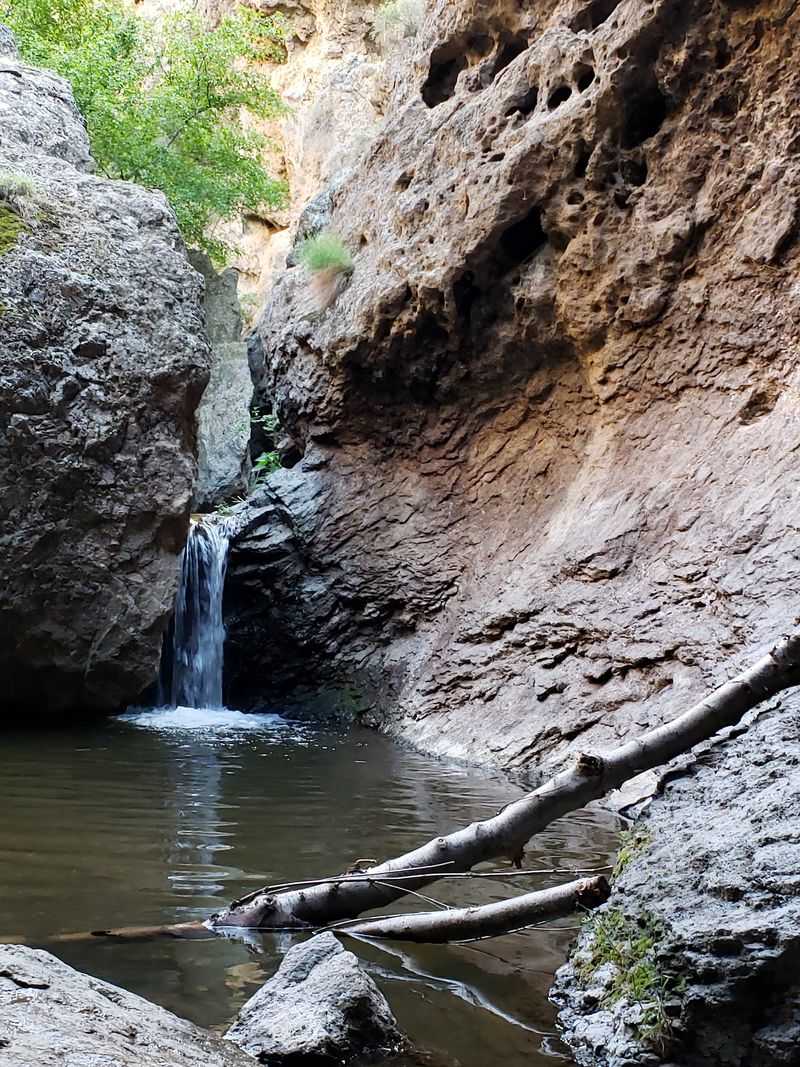
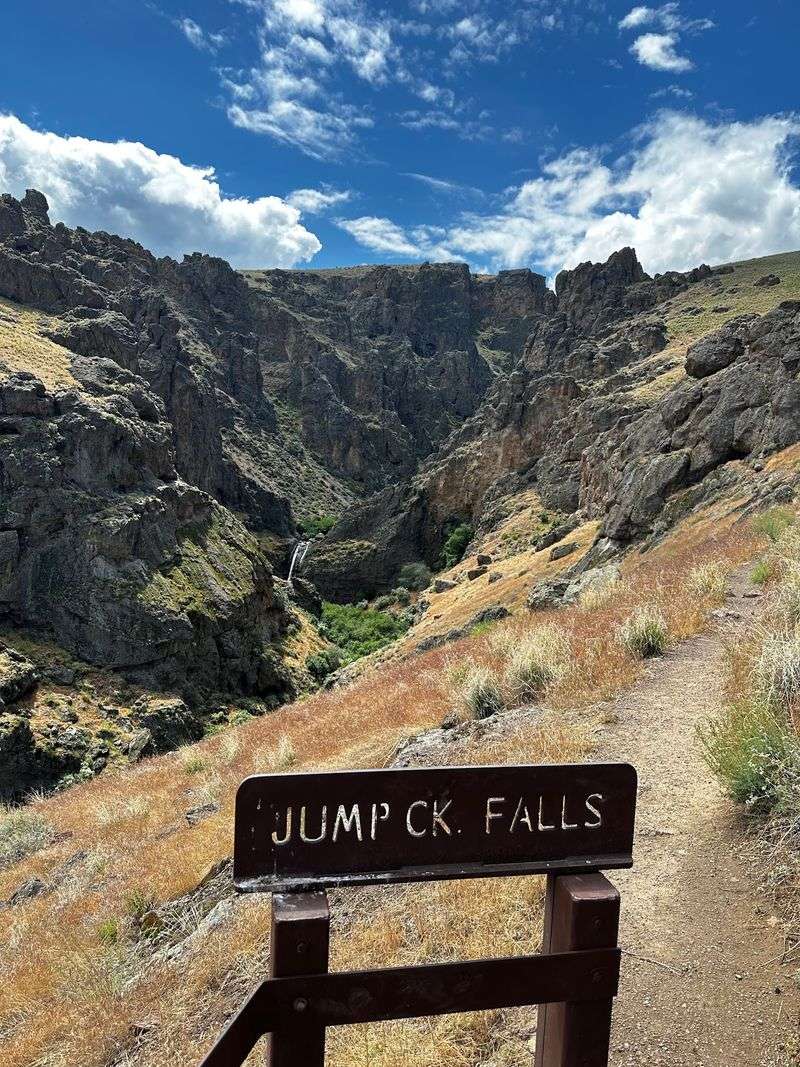
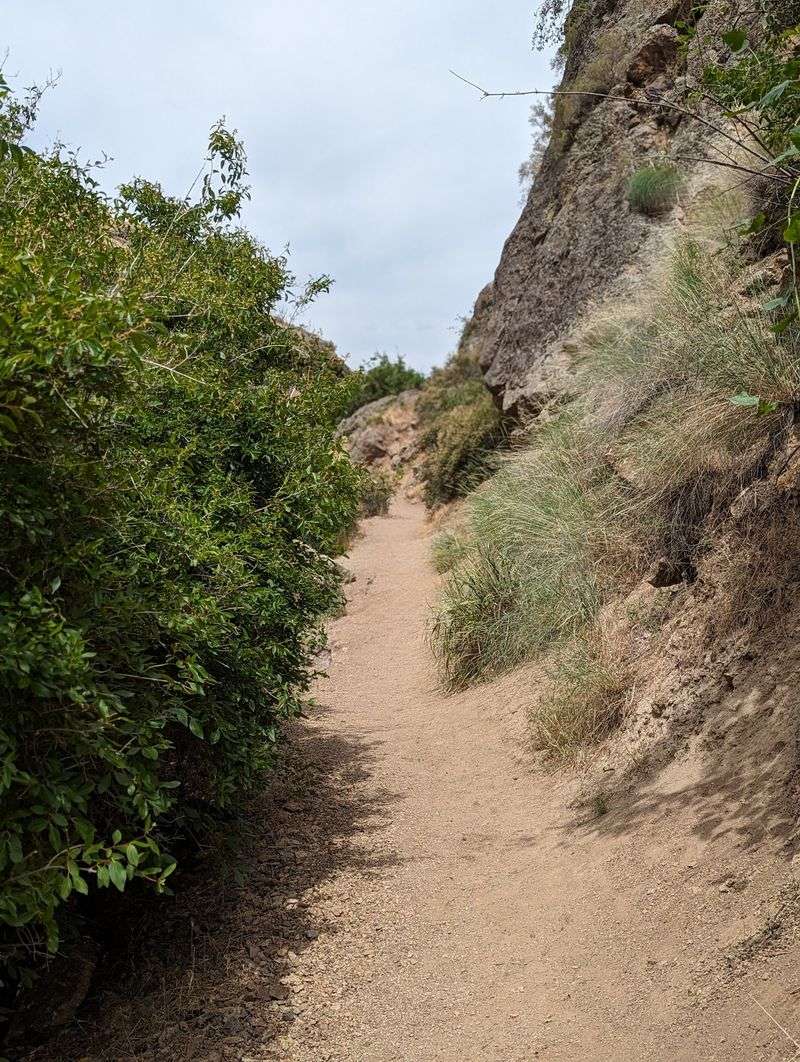
Canyon walls rise on both sides in layered volcanic rock, showing off geology that took an absurdly long time to form. The shift from dry scrubland to shaded, tree-lined canyon happens fast enough to feel almost theatrical.
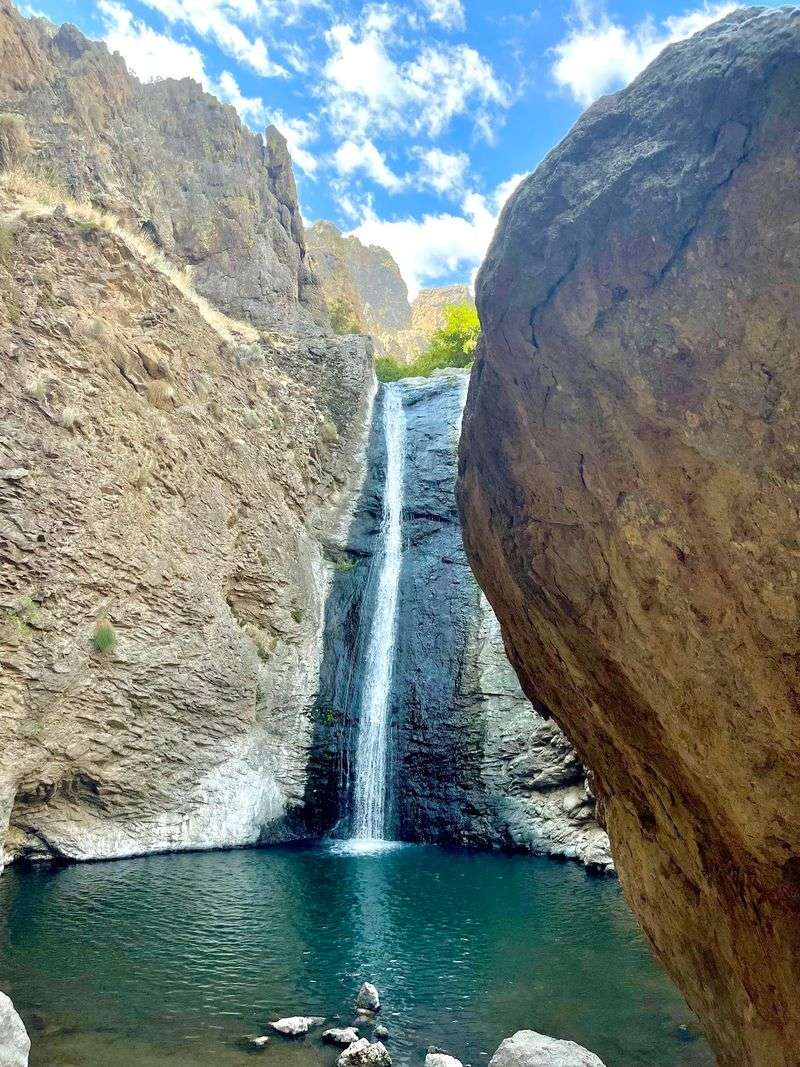
Small caves and rock openings appear along the way, carved into the lava rock and perfect for a quick detour. Near the end, a short tunnel through a large boulder opens onto a small beach facing the falls.
Longer, steeper trails branch upward toward the canyon rim for anyone wanting more. Find it all at Jump Creek Falls, Idaho 83639.
Flora And Fauna Along The Waterfall Path
Two completely different worlds share one short trail here. Up on the canyon rim, bitterbrush, rabbitbrush, and native bunchgrasses handle the heat and the wind.
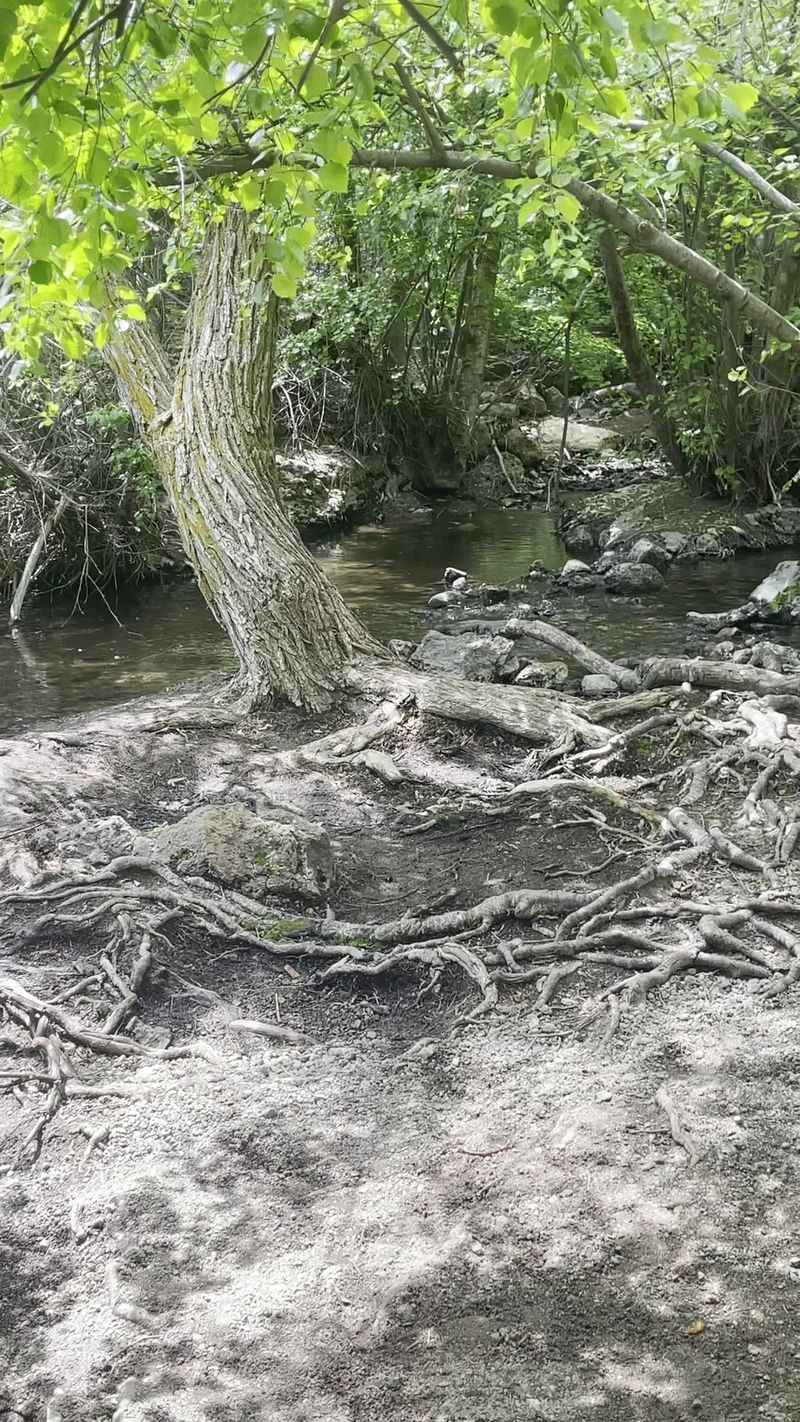
Drop into the canyon, and the plant life gets noticeably lusher. Water birch and red osier dogwood crowd the creek banks, fed by moisture the surrounding desert never sees.
That green pocket comes with one catch. Poison ivy grows thickly in certain spots along the creek and trail, so long pants and a careful eye pay off more than people expect.
Raptors ride the thermals overhead, circling the canyon walls without much effort. Smaller desert creatures tuck themselves into the talus slopes beside the path, scurrying out of sight the moment footsteps get close.
Peer into the shallow creek pools and native redband trout sometimes flash past. Lizards bask on warm rock and garter snakes slide through the brush.
Rattlesnakes also live in this region, which is worth remembering before anyone goes sticking hands into rock crevices. Sticking to the trail and watching where feet land solves most of the risk.
Shade from the canyon trees keeps things cooler than the open desert, which is why so many plants and animals crowd this narrow strip.
The whole place works like a tiny oasis surrounded by miles of dry, sunbaked ground.
Swimming Safety Tips For Natural Pools
Never dive headfirst. That single rule matters more than every other piece of advice about this plunge pool.
Clear water hides plenty. Submerged rocks, sunken logs, and shifting debris can sit just below the surface no matter how inviting things look from shore.
Entering feet first from the edge lets swimmers feel out the depth and find obstacles before committing. Slow beats brave in a natural pool.
Water directly under the falls churns with air and force, and currents there can move faster than they appear. Swimming right beneath the cascade or wading upstream toward it invites trouble.
Mist and algae coat the rocks along the pool, turning them into something closer to greased glass. Water shoes with real grip make a genuine difference.
Bringing a companion is smart, and being honest about swimming ability is smarter. Cold water saps strength quickly, even for strong swimmers.
Checking water levels, clarity, and temperature before a trip helps a lot, especially after rainfall or heavy snowmelt. High water and storm conditions are reasons to skip the swim entirely.
Kids need close supervision, and dogs should stay leashed near the water where footing gets sketchy.
Carrying a sturdy rope is an old but effective habit. If someone struggles, throwing the rope from shore beats jumping in after them.
Essential Gear For Waterfall Hiking Excursions
Flip-flops have ruined more canyon hikes than bad weather ever has. Rocky, dusty, sometimes slick terrain calls for closed-toe footwear with real traction, whether that means hiking boots or grippy trail shoes.
Water shoes deserve their own spot in the bag. The pool bottom and surrounding rocks stay rough and slippery, and bare feet lose that fight fast.
Quick-dry synthetic or wool swimwear beats cotton every time. Cotton soaks up water, stays heavy, and leaves swimmers shivering long after they climb out.
Water and snacks matter because facilities out here are minimal at best. Nobody is selling cold drinks at the trailhead.
A towel, bug repellent, and a hat round out the comfort items. Sun in the open desert stretches feels much stronger than the numbers suggest.
Phones and car keys belong in a dry bag or waterproof stuff sack. Mist travels farther than people expect near a 60-foot waterfall.
Trekking poles help on the steeper, uneven pitches, particularly on the trails that climb toward the canyon rim. Rolling rocks up there make stability worth the extra weight.
Toss in a trash bag for everything that comes back out. Glass containers should stay home entirely, since broken shards in a swimming hole ruin the day for everyone barefoot.
Wildlife Observation Opportunities Nearby
Wild horses. Actual free-roaming wild horses live near this canyon, managed as a herd in the nearby Sands Basin Horse Management Area.
Overhead, red-tailed hawks circle on rising columns of warm air, barely flapping. Owls also make their homes in the area, though spotting one takes luck and patience.
Coyotes move through the sagebrush country surrounding the canyon, usually heard long before they are seen. Their yipping carries a long way after dark.
Pygmy rabbits, one of the smallest rabbit species in North America, live in this high desert habitat. Deer and elk pass through the broader landscape too.
Raccoons show up closer to water, where food is easier to find. Talus slopes beside the trail hide smaller rodents that dart between the rocks.
Down in the shallow creek pools, native redband trout hold in the current. Quiet feet and a slow approach improve the odds of seeing them.
Lizards are practically guaranteed on warm days, doing push-ups on sunlit rock. Snakes appear less often but deserve respect when they do.
Early morning and late evening deliver the best wildlife activity, since midday heat pushes most animals into shade.
Binoculars turn a short hike into a proper wildlife outing, and they weigh almost nothing in a daypack.
Ideal Seasonal Conditions For Hiking Visits
Timing changes this place completely. April through June brings snowmelt, and the falls thunder at full strength, loud enough to make conversation difficult near the base.
The tradeoff is temperature. That spring water runs genuinely cold, the kind that shortens a swim to about eight seconds and a lot of yelling.
July and August flip the equation. Water warms to its most comfortable range, making late summer the sweet spot for anyone whose main goal is floating in the pool.
September and October bring thinner crowds and canyon foliage turning color. Cooler air makes the uphill trails much more pleasant.
Dry stretches leave the trail dusty, so shoes and pant cuffs take on a permanent tan. Nobody seems to mind much.
Water levels, clarity, and temperature shift with recent weather, which makes checking conditions before driving out a genuinely useful habit.
The recreation area opens at 6 a.m. and closes at 9 p.m. Early mornings and weekdays are far quieter than sunny weekends.
Even winter weekends fill the parking lot when the sun shows up, since the hike stays short and accessible year-round.
Boise sits about an hour away, close enough that this works as a half-day trip with time left for lunch.
Photography Techniques For Capturing Waterfalls
Blown highlights are one of the biggest challenges when shooting waterfalls. Bright, reflective water overexposes fast, and once that detail is gone, no editing software can bring it back.
Expose for the brightest part of the water first. Shadows can be lifted later in post-processing, so a slightly dark frame beats a washed-out one.
Manual mode gives full control over the result. Semi-automatic shooters can dial in negative exposure compensation and get most of the way there.
That silky, flowing look needs longer shutter speeds. Dropping ISO to its lowest setting and closing the aperture to a higher f-number buys extra time.
A neutral density filter helps enormously, cutting light so shutters can stay open without frying the exposure. Think of it as sunglasses for the lens.
Circular polarizers reduce glare on wet rock and dogwood leaves, and they gently tame surface reflections on the pool.
Some photographers shoot two frames, one with silky water and one freezing the spray, then blend them afterward.
Overcast or drizzly days actually work in your favor, since soft light keeps contrast manageable inside the canyon.
Strong compositions wait along the trail, at the pool edge, and in wide-angle shots of the whole canyon. Golden hour light on the volcanic walls is worth the early alarm.
Leave No Trace Principles To Protect Nature
Popular places wear out fast without a little care. Leave No Trace is the reason this canyon still looks worth photographing after decades of visitors.
Planning comes first. Checking weather, local regulations, and trail conditions prevents most of the problems people run into out here.
Travel on durable surfaces means staying on established trails instead of cutting new ones. Desert soil and streamside plants recover painfully slowly once trampled.
Disposing of waste properly means everything packed in gets packed out. Trash, food scraps, orange peels, and pet waste all count.
For solid human waste, dig a cathole 6 to 8 inches deep, at least 200 feet from water, trails, and campsites, then cover and disguise it. Toilet paper and hygiene products get packed out too.
Leaving what you find applies to the tempting stuff. Rocks, wildflowers, and artifacts belong in the canyon, not in a backpack.
Respecting wildlife means watching from a distance, never offering food, and keeping dogs leashed. Mating and nesting seasons call for extra space.
Being considerate of other visitors covers the simple things. Yield on narrow sections, keep music off, and let the sound of the falls do the talking.
Glass has no business near a swimming hole, so it stays in the car or at home.