
A Nevada Day Trip That Combines A Waterfall, A Classic Diner, And A Scenic Drive In One Afternoon
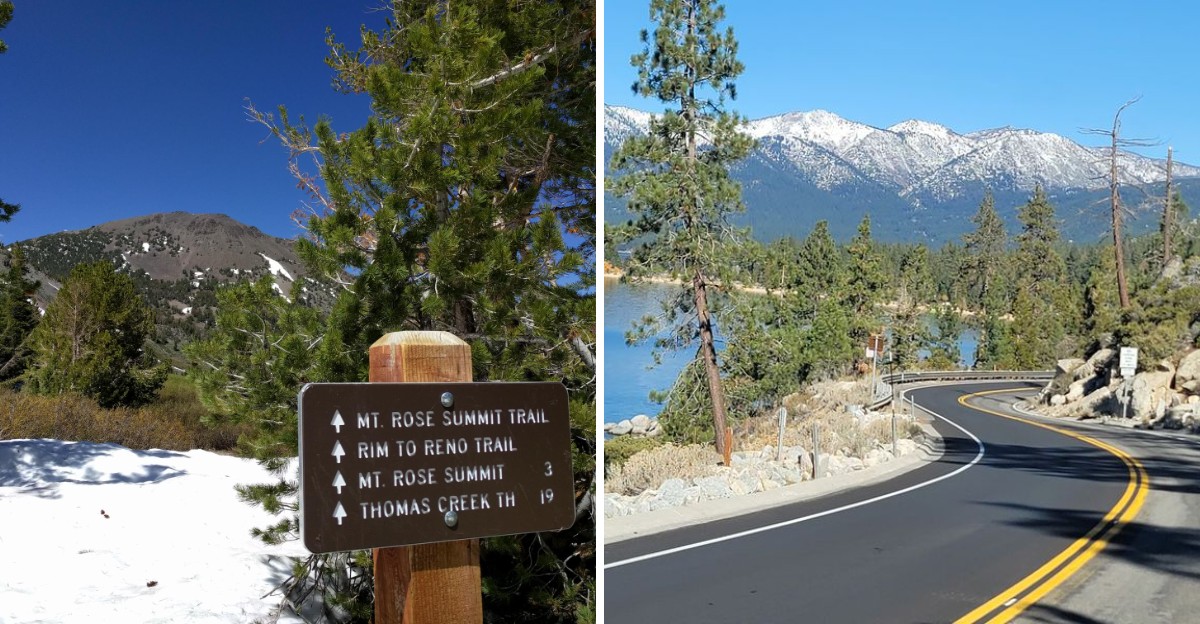
One road delivers three completely different moods before lunch even happens.
Nevada climbs fast here, trading desert heat for cool, pine scented air within minutes. Switchbacks open onto sweeping valley views before a quiet lake finally comes into sight.
Cold water spills over dark rock in a wide, fan shaped curtain, pulling hikers off the road. A shaded trail waits beyond it, lined with wildflowers, ancient pines, and mountain air that keeps the walk memorable.
Hungry legs eventually lead back down to a diner booth loaded with skillets and decades of family history. Nevada packs a surprising amount of personality into one short loop.
A full tank and comfortable shoes turn this loop into an afternoon worth circling on the calendar.
Climbing NV-431 Out Of Reno And Into The Pines
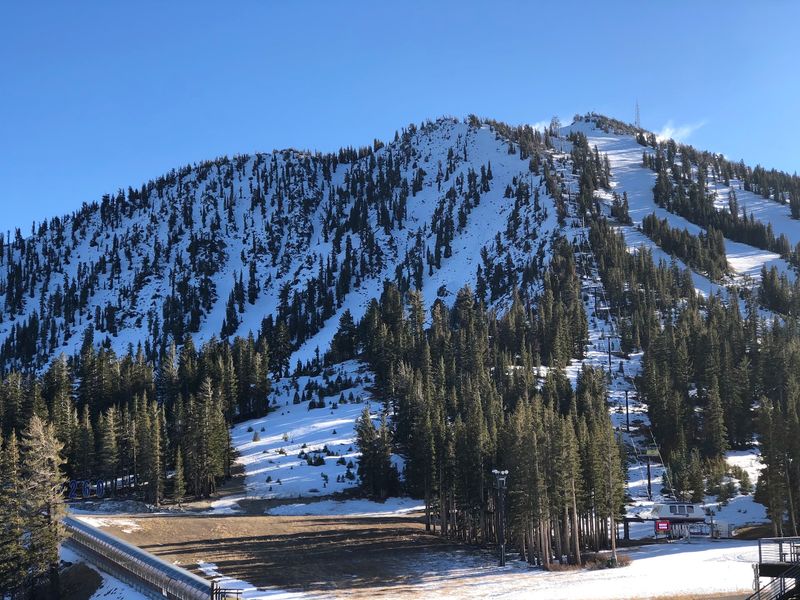
Ready for a road that gains a mile of sky? Mount Rose Highway climbs fast and rewards even faster.
The route runs about 25 paved miles. It links Reno with Incline Village on the Lake Tahoe shore.
Signs mark it as a Nevada Scenic Byway. The designation fits, because the scenery changes every few minutes.
Sagebrush hills start the climb. Jeffrey pines take over as the air cools.
Drivers feel the engine work on the steady grade. Curves tighten, then open into long straight stretches.
Traffic moves steadily on weekends, so patience helps. Slower vehicles usually pull over at the wide shoulders.
The highway serves as the spine of this day trip. Everything else branches off it.
Cyclists share the road in warmer months. Give them space and keep speeds reasonable.
Cell service can fade in spots along the climb. Download maps before leaving town.
The Mount Rose Trailhead sits off NV-431 near Incline Village, in Washoe County, Nevada, United States. Plug that into the navigation app and the rest falls into place.
Pack water and a light jacket. Mountain weather rarely asks permission before changing.
Golden light early on makes the first miles glow.
Where The Road Tops Out Near 8,911 Feet
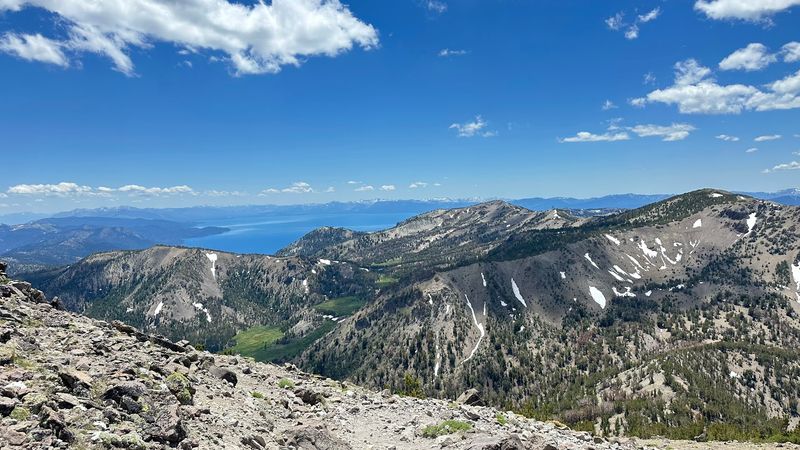
Ears pop before the mind catches up. Mount Rose Summit sits at roughly 8,911 feet above sea level.
That makes it the highest all-season pass in the Sierra Nevada range. Crews work to keep it open through winter, though closures can still happen.
Snowbanks linger here long after Reno turns warm. Drifts sometimes stack beside the pavement into late spring.
The summit area holds a large trailhead parking lot. Spots fill early on bright weekend mornings.
Breathing feels different at this height. Steps that felt easy in town suddenly take effort.
Give the body a few minutes before hiking. A slow start beats a pounding headache.
Views stretch across granite ridges and dense conifer forest. Clouds drift below eye level on some mornings.
Temperatures run cooler than the valley by a noticeable margin. A fleece earns its place in the back seat.
Storms can build quickly on summer afternoons. Watching the sky matters more than sticking to a schedule.
Photos rarely capture the scale, but people try anyway. Windows down at the top brings a rush of pine-scented air.
Few passes deliver this much altitude with so little effort behind the wheel.
Pullouts That Hand Over Washoe Valley And Tahoe
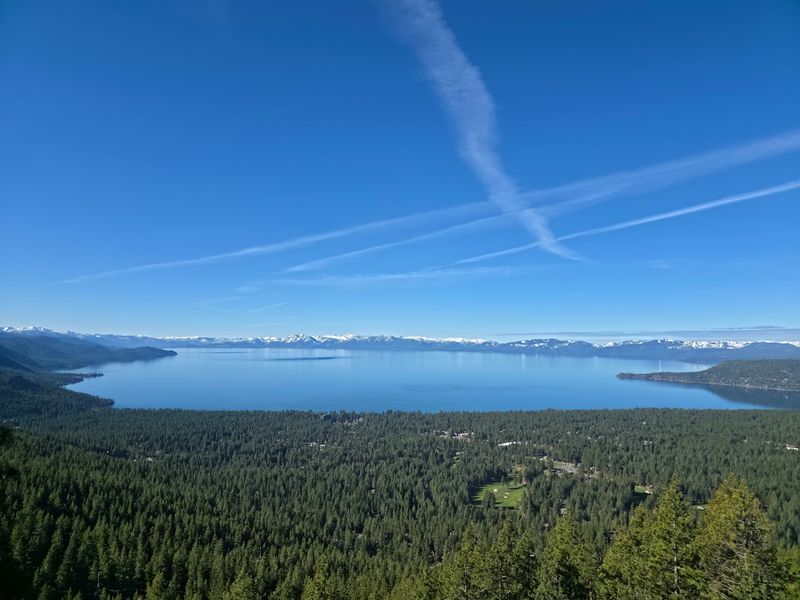
Turnouts along the byway do real work. Mount Rose Highway offers several pullouts where the valley opens wide below.
One popular stop looks east over Washoe Valley. Washoe Lake sits flat and bright on the valley floor.
Farther up, the western side reveals the Lake Tahoe Basin. Blue water appears between ridges, then vanishes behind trees.
High Sierra peaks line the horizon in almost every direction. Ridge after ridge fades into paler shades of gray.
Tahoe Meadows near the summit offers flat ground and easy walking. Boardwalk paths keep boots out of wet grass.
Photographers favor late afternoon light here. Shadows stretch long across sagebrush and granite.
Binoculars help spot distant boats and far shoreline coves. Wind picks up at the exposed overlooks, so hold onto hats.
Layers solve that problem quickly. Parking areas crowd quickly on clear weekends.
Arriving earlier usually means a better spot. Signal a turn well before slowing down.
Other drivers move fast on the descending curves. The eastward descent toward Reno delivers one final show.
City lights flicker on as evening settles over the valley. Cameras out, engines off, conversations paused.
Views like these earn the stop.
A Trailhead That Starts High And Stays Cool
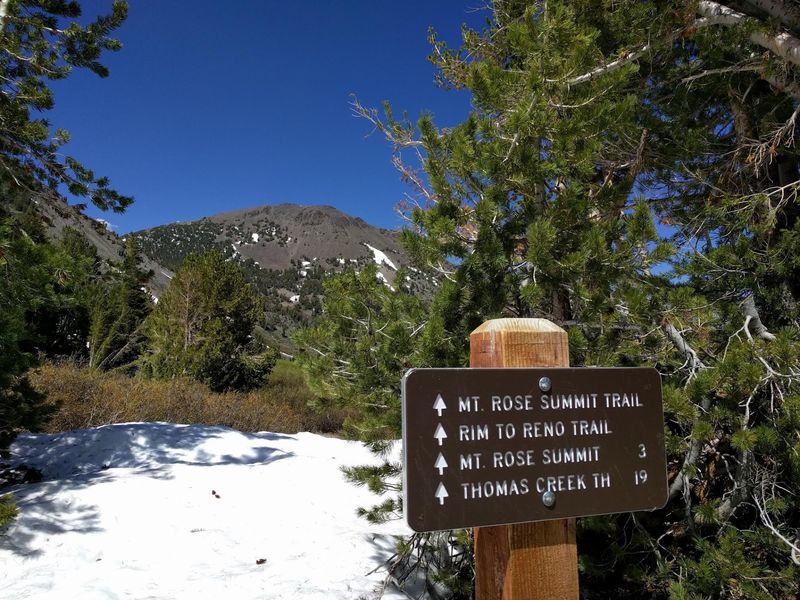
Few waterfall hikes start this far above sea level. The Mount Rose Trailhead sits right beside the highway near the summit.
Routes to Galena Falls run roughly 4.8 to 5.2 miles round trip. Most walkers finish in about one and a half to two hours.
Trail difficulty lands in the moderate range. The path rolls gently at first, then dips toward the creek.
Dust and loose rock show up in dry months. Sturdy shoes handle it better than sneakers.
Signs mark junctions clearly along the way. The same trail continues toward Mount Rose summit for longer days out.
Families often turn around at the falls and head back. Shade comes and goes between meadows and stands of conifers.
Sun protection matters at this elevation. A hat and sunscreen belong in the daypack.
Water bottles empty faster than expected up here. Carry more than seems necessary.
Snow can cover sections well into early summer. Check recent trail conditions before committing to the hike.
Parking and basic facilities sit at the trailhead lot. Arrive early, because that lot fills on sunny weekends.
Trekking poles help on the return climb. Boots on, phone stowed, the waterfall does the rest.
Fan-Shaped Water Over Dark Sierra Rock
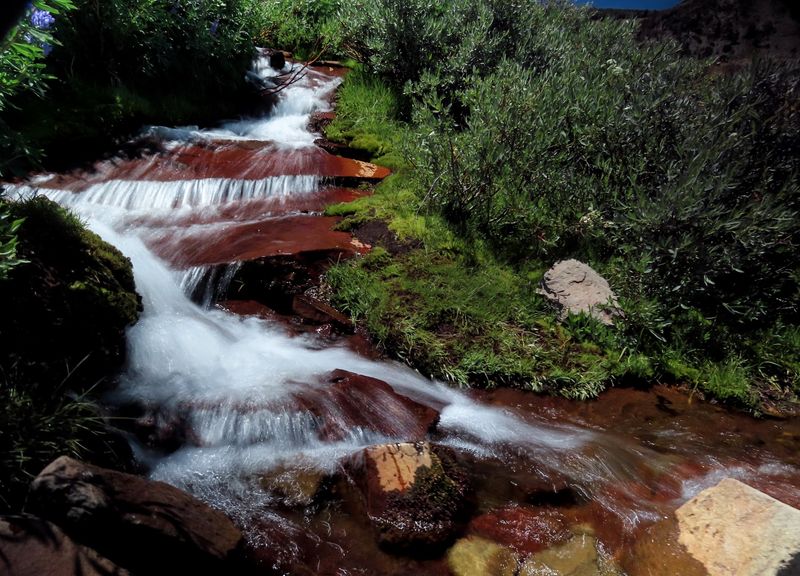
Sound arrives before the view does. Galena Falls spills down dark rock in a wide, fan-shaped sheet.
Water fans out rather than dropping in a single column. Spring runoff makes the flow strongest.
By late summer, the curtain thins noticeably. Galena Creek feeds the falls with snowmelt off the high slopes.
That water stays cold all year. Rocks near the base turn slick with mist.
Careful footing prevents an unplanned sit-down. Pines frame the scene on both sides.
Wildflowers cluster in the damp ground nearby during warm months. Shade keeps the area cool even at midday.
A snack break here feels well earned. Flat rocks serve as natural benches.
Photographers often shoot from slightly downstream. Morning light works better than harsh afternoon glare.
Voices carry, so quiet groups hear more birdsong. Chipmunks patrol the area looking for dropped crumbs.
Feeding them helps nobody, so pack out every wrapper. Winter transforms the falls into ice formations.
Access then requires snow travel skills and proper gear. Most visitors stick to the warmer months.
The hike back climbs gradually. Legs notice the thin air on that return stretch.
Galena Falls rewards patience with sound, spray, and shade.
Wildflower Meadows, Old Trees, And Thin Air
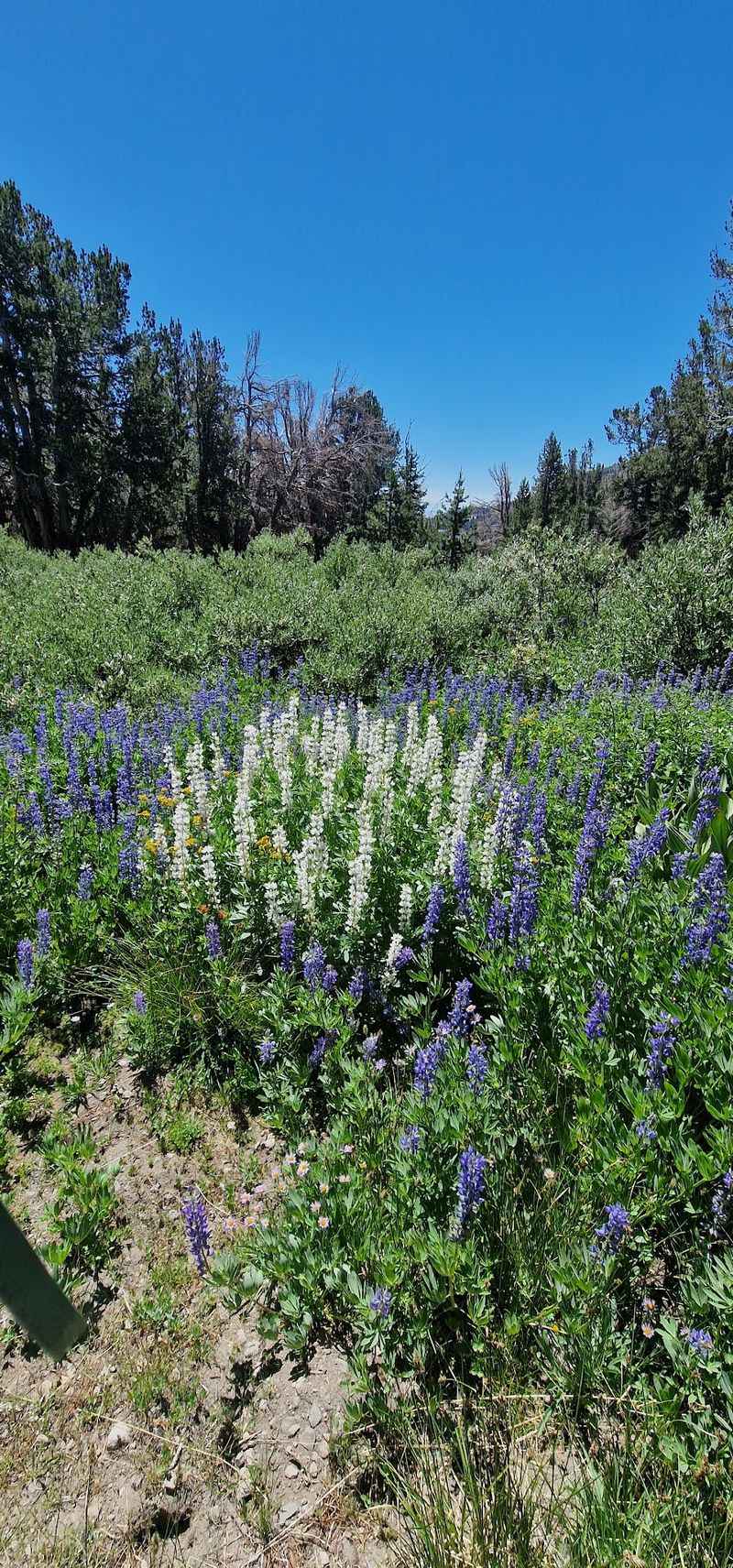
Summer runs short at 9,000 feet, so the flowers hurry. Meadows along the Galena Falls trail fill with color in July.
Lupine, paintbrush, and mule ears show up in patches. Old conifers line the drier slopes above.
Some of those trees have stood for generations. Openings in the forest frame Lake Tahoe far below.
Mount Rose itself rises to the north. Altitude deserves respect on this route.
Headaches, dizziness, and nausea can hit visitors arriving from lower elevations. Drinking water early helps more than drinking it late.
A slower pace lowers the risk considerably. Turning back counts as a smart choice, not a failure.
Afternoon thunderstorms build fast over the Sierra crest. Open meadows offer no shelter during lightning.
Starting early keeps hikers ahead of that pattern. Mosquitoes appear near wet ground in early summer.
Repellent solves most of the annoyance. Stay on the trail to protect fragile meadow plants.
Shortcuts scar the ground for years. Birds, marmots, and deer make regular appearances.
Binoculars turn a walk into a wildlife outing. Flowers fade by late August as grasses turn gold.
Autumn brings crisp air and quieter trails. Each season shows a different face up here.
A Family Diner With Roots Going Back Decades

Breakfast tastes better with a backstory behind it. Peg’s Glorified Ham & Eggs opened in Reno in 1999.
The family behind it started much earlier. Their first restaurant opened in Oregon back in 1959.
Retirement eventually brought them to northern Nevada. Retirement did not stick, and a new diner followed.
The business stayed family owned and operated. Several locations now serve breakfast around the region.
The downtown Reno address sat at 420 S Sierra St, Reno, NV 89501. Reports indicate that particular location has permanently closed.
Other Peg’s restaurants continue operating elsewhere in the state. Checking current locations before driving over saves disappointment.
The name promises glorified breakfast, and portions back that up. Skillets arrive loaded with eggs, potatoes, and toppings.
Pancakes hang off the edges of plates. Regulars treat the place as a weekend ritual.
Hikers coming down the mountain fit right in. Dusty boots raise no eyebrows here.
Wait times can stretch during peak morning hours. Arriving before or after the rush works best.
Coffee refills keep conversations going. Booths fill with families, workers, and visitors.
A diner like this anchors a neighborhood. History, eggs, and hospitality land on the same plate.
Refueling In Town After A Mountain Morning

Thin air and uphill miles build serious appetites. A diner stop solves that problem completely.
Reno sits close enough to make the round trip easy. The drive between the city and the summit takes well under an hour in good conditions.
Some travelers eat first and hike afterward. Others hike first and reward themselves later.
Both plans work, though the second feels sweeter. Peg’s Glorified Ham & Eggs keeps breakfast available past sunrise hours.
Late-morning plates suit hikers returning from Galena Falls. Parking near downtown Reno takes a little patience.
Garages and street spots both exist nearby. Casual clothing fits the setting.
Nobody dresses up for eggs. Tables turn over steadily during peak times.
Groups larger than four should expect a wait. Booths hold gear bags without complaint.
Conversation levels stay lively rather than quiet. The energy suits a post-hike mood.
Refueling here also breaks up the drive home. Long stretches of highway feel shorter after a real meal.
Drowsiness after a big plate is real, so plan the drive accordingly. A short walk around the block helps.
Then the afternoon can continue however it likes. Few day trips end on such a satisfying note.
Building The Afternoon Around Light And Crowds
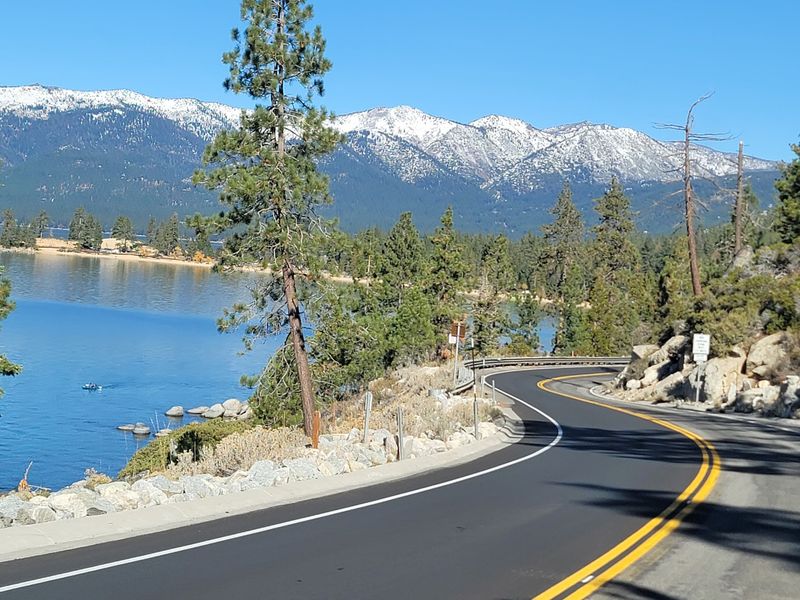
Half a day covers everything without rushing. A simple order keeps the plan smooth.
Fill the tank in Reno before heading up NV-431. Service stations thin out past the city edge.
Morning light favors the eastern overlooks. Midday works better for the Lake Tahoe side.
Allow about two hours for the Galena Falls hike. Add extra time for photos and breathing breaks.
Weekend crowds peak between late morning and mid-afternoon. Weekdays feel noticeably calmer on the trail.
Sunset on the descent toward the valley looks spectacular. Headlights help on the curves afterward.
Driving the pass after dark demands extra attention. Deer cross the road without warning.
Winter changes the timeline entirely. Chains or all-wheel drive may become necessary.
Checking road conditions before leaving is smart practice. The Mount Rose Highway stays open year-round in most conditions.
Storms still close it occasionally. Packing snacks prevents cranky passengers.
Restrooms exist at the trailhead and in town. Options in between stay limited.
Cell coverage improves again near Incline Village. Sharing the route plan with someone at home adds a safety layer.
Flexibility beats a rigid schedule up here. Mountains set their own pace, and visitors adjust.
Seasons, Layers, And What The Pack Should Hold
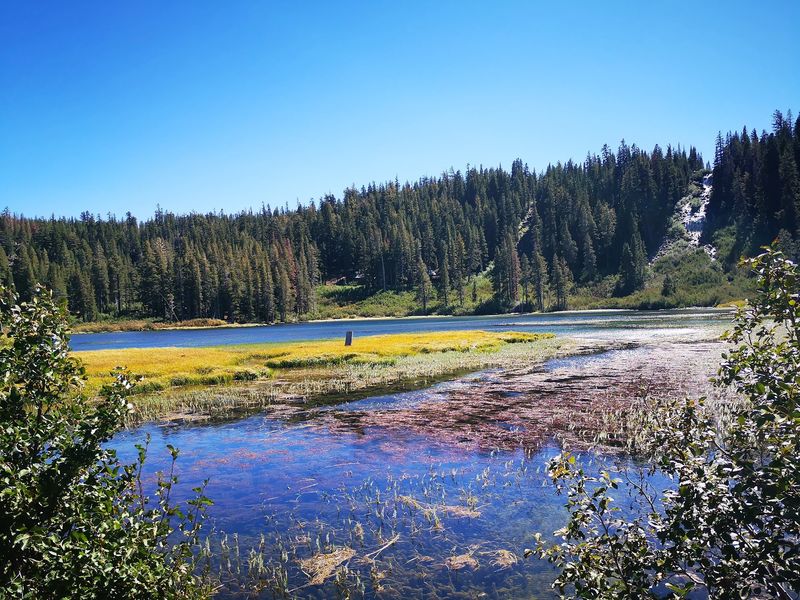
One highway delivers four completely different experiences. Spring brings roaring water and lingering snowbanks.
Runoff makes Galena Falls loud and full. Trails stay muddy and sometimes buried.
Summer opens the meadows and dries the path. Wildflowers peak, and mornings stay pleasantly cool.
Autumn quiets everything down. Aspens along lower slopes turn gold.
Winter belongs to skiers and snowshoers. The pass serves as a gateway to nearby ski terrain.
Packing changes with the calendar. Layers work in every season across northern Nevada.
Mornings can start near freezing even in June. Afternoons can feel hot in direct sun.
Sunglasses matter more at altitude than most expect. Snow reflects light straight into the eyes.
Traction devices help on icy early-season trails. A small first aid kit belongs in every pack.
Extra water covers unexpected delays. Snacks with salt help at elevation.
A paper map backs up an unreliable phone signal. Wind gusts at the summit cut through thin jackets.
A windbreaker fixes that fast. Boots with grip beat fashion sneakers on rocky ground.
Dressing for the mountain, not the city, keeps the day comfortable. Preparation turns a good outing into an easy one.
Conditions shift quickly, so plans should too.
One Road, Three Moods, And A Very Full Day
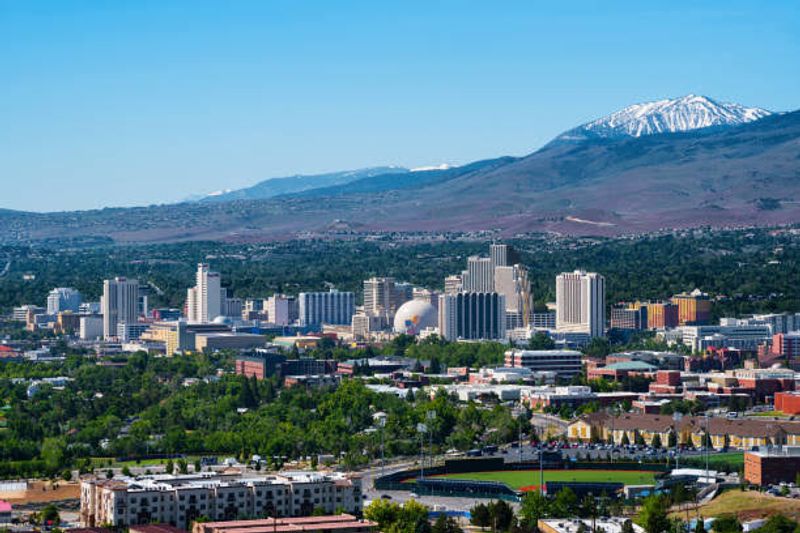
Three stops, one afternoon, and almost no wasted miles. The combination works because each piece contrasts the others.
A high pass delivers big scenery with minimal effort. A moderate trail adds movement and cold mountain spray.
A classic diner closes the day with warm plates. Northern Nevada packs that variety into a small radius.
Desert valleys and alpine forests sit surprisingly close together. Lake views appear only minutes after sagebrush flats.
Travelers often underestimate how quickly the landscape changes. Elevation explains most of it.
Planning stays simple because everything connects along one road. No shuttle, no permits, no complicated logistics.
A full tank and decent shoes cover the basics. Families, solo drivers, and weekend visitors all fit this itinerary.
Distances stay short enough for young hikers. Views stay grand enough for seasoned travelers.
Photographers find subjects at every turnout. Hungry people find skillets at the end.
Conditions vary by season, so checking ahead matters. Roads, trails, and restaurant details all shift over time.
Flexibility keeps the trip enjoyable. Few places let a waterfall and a breakfast counter share the same afternoon.
That quiet versatility keeps people coming back for another loop.