
A Nevada Wildlife Refuge Draws Thousands Of Pelicans Out Of Nowhere
The sky suddenly turns white, and for a moment, it looks like a snowstorm is drifting across the desert. Then the wings begin to move. Thousands of pelicans sweep over the water, circle in enormous groups, and settle into a wetland that feels completely out of place in Nevada.
Wide pools, marshy edges, and open skies create a welcome break for migrating birds, while curious visitors get front-row views of a natural show few people expect to find here.
Bring binoculars, keep your camera ready, and watch the horizon carefully. Pelicans may steal the spotlight, but they are only part of the adventure.
Waterfowl glide through the reeds, distant calls echo across the marsh, and every turn offers another reason to slow down and look closer.
Where Nevada’s Desert Suddenly Turns Wild
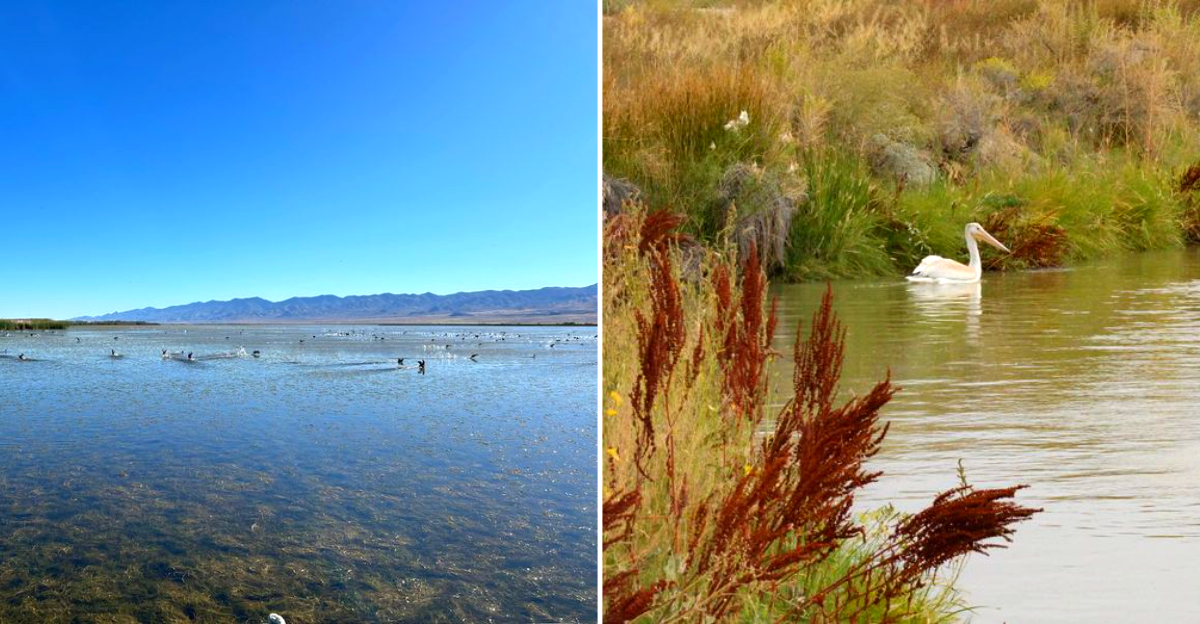
You would not expect to find a bird-filled wetland in one of the driest regions of the American West. Yet Stillwater National Wildlife Refuge offers a vivid contrast to the surrounding desert that can stop visitors in their tracks.
The refuge spans more than 80,000 acres within Nevada’s Great Basin, a region better known for sagebrush than splashing waterfowl.
Managed by the U.S. Fish and Wildlife Service, the refuge protects migratory birds traveling the Pacific Flyway, one of North America’s busiest migration routes.
Water diverted from the Carson River system feeds managed marshes and ponds that attract an impressive variety of wildlife.
Visiting during migration seasons, especially spring and fall, can bring excellent opportunities to see large concentrations of birds. Water levels, road conditions, and wildlife activity vary throughout the year.
The refuge address is 13303 Stillwater Road, Fallon, NV 89406-2613. Check current access information, road conditions, and office hours before visiting.
For anyone curious about what Nevada holds beyond its famous cities, this refuge is an eye-opening destination that can reward every visit with something new.
The Pelican Phenomenon That Leaves Visitors Speechless
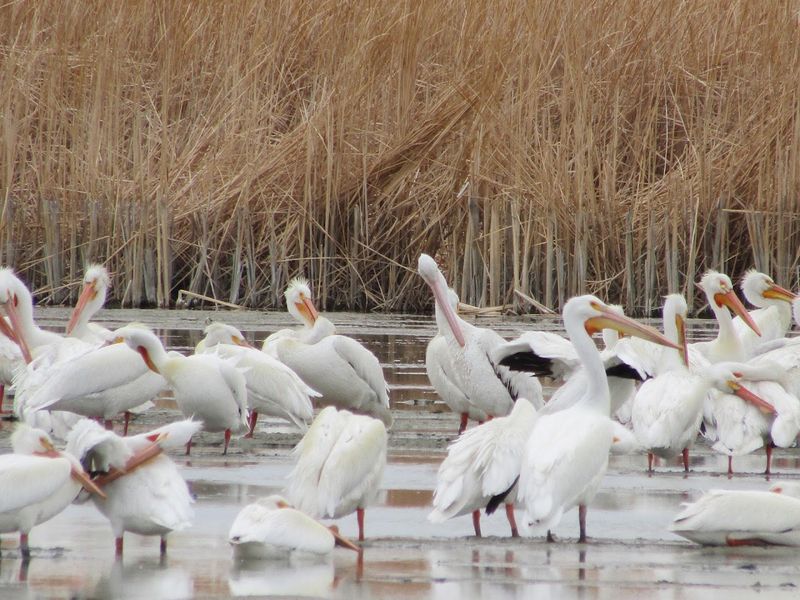
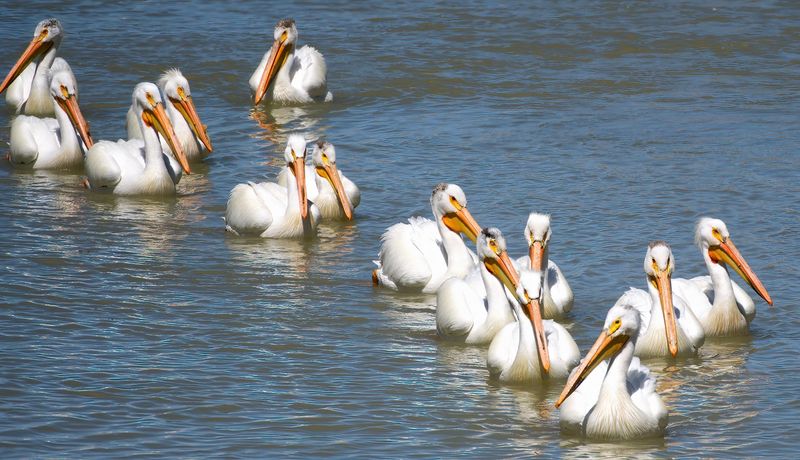
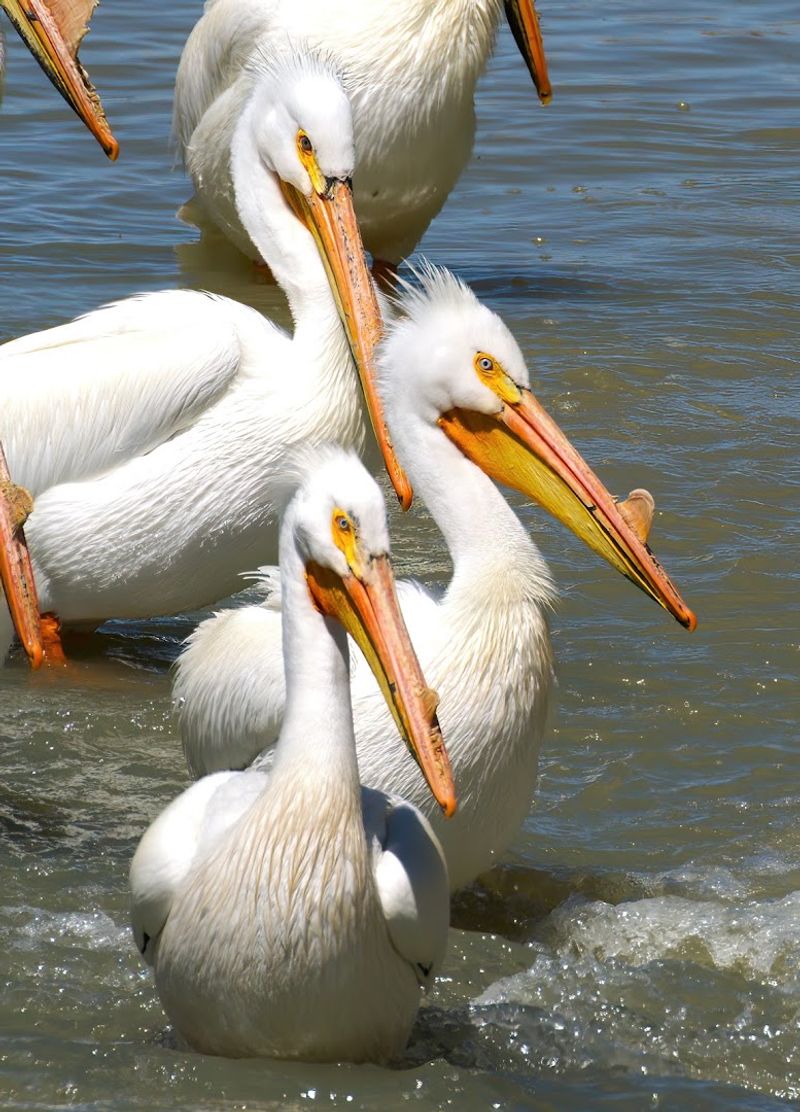
American white pelicans are not exactly small birds. With wingspans reaching more than nine feet, they are among the largest birds in North America, and seeing a large group gathered in one place is breathtaking.
At Stillwater National Wildlife Refuge, pelicans can appear in numbers that surprise visitors who never expected to find them this far inland.
Unlike their brown coastal cousins, American white pelicans do not dive for fish. They often work cooperatively, swimming in coordinated groups to herd fish into shallow water before scooping them up in their large pouched bills.
Watching this behavior across the refuge marshes can be one of the most entertaining wildlife spectacles in Nevada.
Pelicans may arrive during spring migration and remain through summer or early fall, depending on water conditions and food availability. Their bright white plumage against the blue water and golden desert grasses creates an almost surreal scene.
Photographers, birders, and curious families often stop to watch them glide effortlessly across the water.
A Closer Look At The Wildlife Beyond The Pelicans
Pelicans get a lot of attention here, and rightfully so, but the wildlife story at Stillwater goes much deeper than one species. The refuge supports an extraordinary range of birds and animals that can make every visit feel like a fresh discovery.
You might spot great blue herons at the water’s edge or flocks of white-faced ibis moving across the marsh.
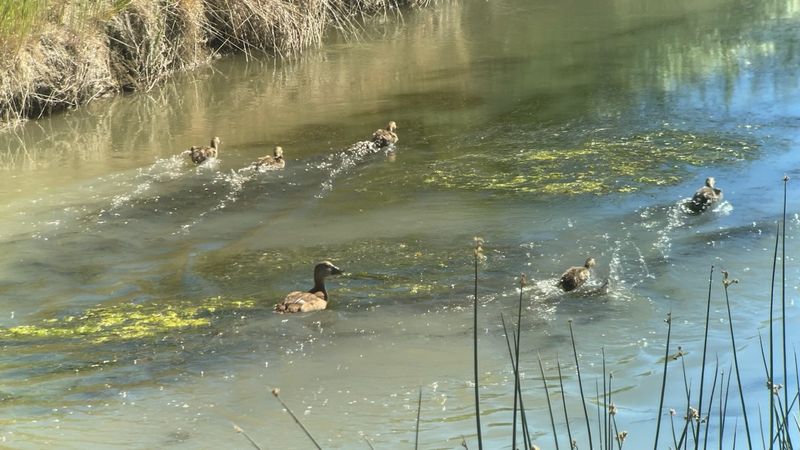
Many duck species use the refuge throughout the year, with numbers changing by season and water conditions. During nesting season, visitors may also spot ducklings swimming close to the reeds. Swallows can sometimes be seen darting above the wetlands in pursuit of insects.
Tundra swans, sandpipers, avocets, and black-necked stilts are among the many other species recorded at the refuge.
Beyond birds, the refuge provides habitat for mule deer, coyotes, muskrats, lizards, and snakes. The diversity reflects how important these wetlands are within an otherwise arid landscape.
Bringing binoculars makes a big difference, offering clearer views of wildlife that might otherwise blend into the reeds. Patience also plays a role.
The more time you spend quietly observing, the more the refuge may reveal. It rewards slow, attentive exploration rather than rushing through on a tight schedule.
Understanding The Pacific Flyway And Why This Refuge Matters
The Pacific Flyway is a massive migration corridor stretching from Alaska and western Canada through Mexico and into Central and South America.
Millions of migratory birds use portions of this system each year, and Stillwater provides an important stopover in the western United States. Birds rely on wetlands like these to rest, feed, and build energy reserves before continuing their long journeys.
Without dependable stopover habitat, many species would face greater challenges during migration. Wetlands across the Great Basin have been affected by water diversions, drought, development, and changing hydrology.
Stillwater helps preserve important remaining habitat by directing Carson River water through ditches that flood marshes and fill ponds.
The refuge also contributes to broader conservation and wildlife monitoring efforts. Scientists and wildlife managers collect information about bird populations, habitat conditions, and wetland health to guide future management.
For visitors, knowing this context adds real depth to what you are seeing.
Every pelican, duck, or heron you spot is part of a larger ecological story connecting Nevada with distant places across the continent. Visiting responsibly and sharing appreciation for the refuge can help build public support for protecting these habitats.
How To Plan Your Visit For The Best Experience
Getting the most out of a trip to Stillwater National Wildlife Refuge takes a little planning, but nothing overly complicated. The refuge is located at Stillwater Rd, Fallon, NV 89406, roughly 12 miles northeast of the town of Fallon.
The drive out is straightforward, and the surrounding landscape gives you a preview of just how different the refuge feels from everything around it.
Spring and fall are generally the best seasons for wildlife viewing, especially for migratory birds. Early morning visits tend to yield the most activity, as birds are more active in cooler temperatures and softer light.
Bring water, sunscreen, and insect repellent, particularly during summer months when mosquitoes can be present near the marshes.
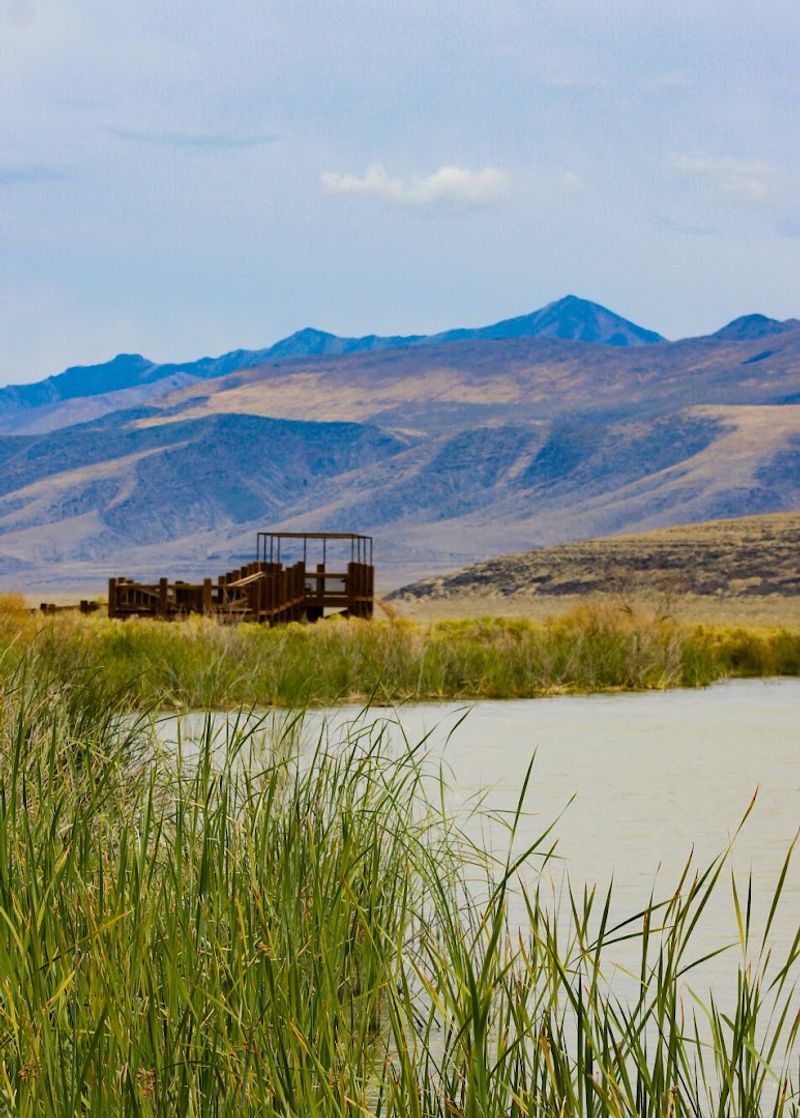
The refuge features a self-guided auto tour route that takes less than an hour to complete at a leisurely pace. Several wildlife viewing platforms and pullouts along the route give you great spots to stop, observe, and photograph.
The road can be rough in sections, so driving slowly is actually encouraged and helps you notice more. You can also walk portions of the trail network on foot if you prefer a more immersive experience.
Contact the refuge office or check the official website for current conditions and updates.
The Landscape Itself Is Worth The Drive
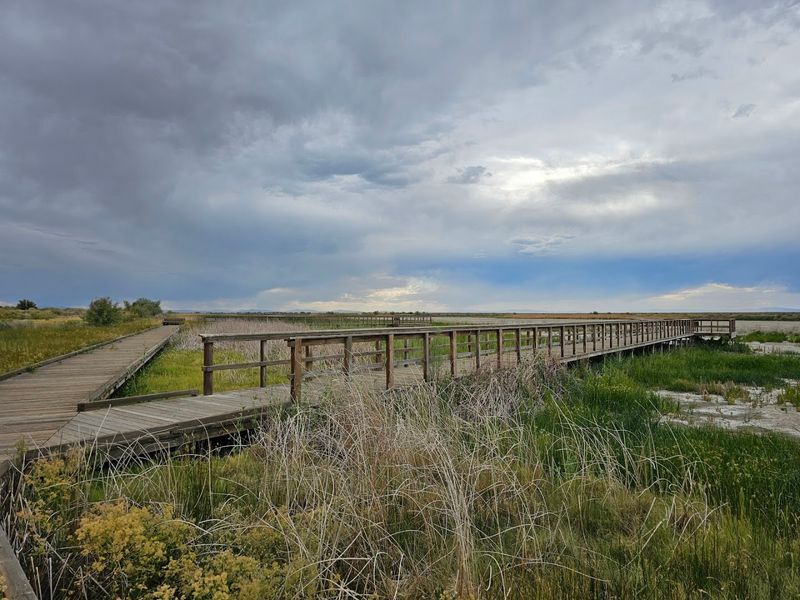
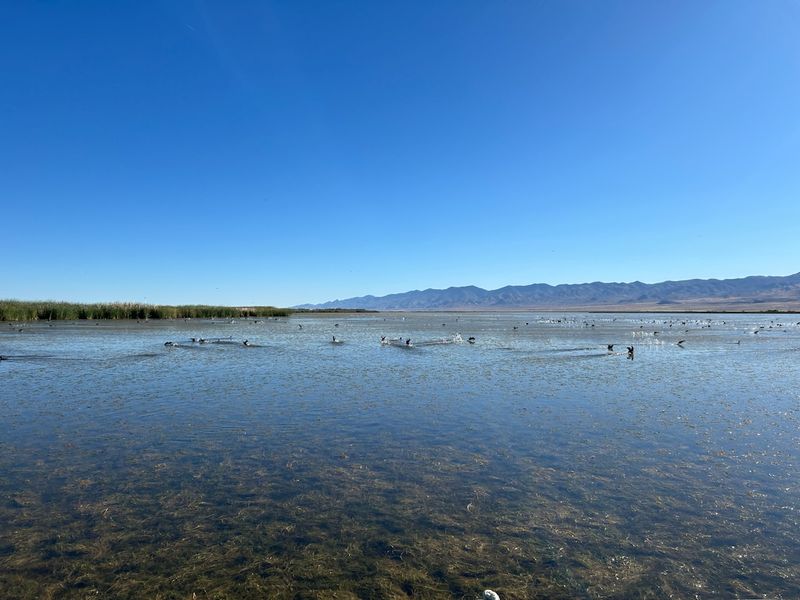
There is something quietly powerful about the scenery at Stillwater that goes beyond the wildlife. The wide sky, distant mountains, and shifting light on the water create a setting that feels remote yet alive.
Nevada sunsets here are particularly vivid, painting the sky in deep oranges and purples that reflect across the marsh water below.
The contrast between the dry, sun-baked desert surrounding the refuge and the lush, green wetland interior is striking. Looking over bird-filled water surrounded by miles of dry sagebrush shows just how precious this habitat is. It feels like a secret the landscape has been keeping.
Photographers will find strong shots throughout the refuge, from wide landscapes to close-up bird portraits. The open terrain also makes it easy to watch weather systems move across the sky, adding another visual layer to the experience.
Even on quieter days when bird numbers are lower, the landscape alone justifies the trip. The Great Basin has a raw, understated beauty that grows on you the longer you spend time in it, and Stillwater sits right at the heart of that feeling.
Birdwatching Tips That Will Elevate Your Time Here
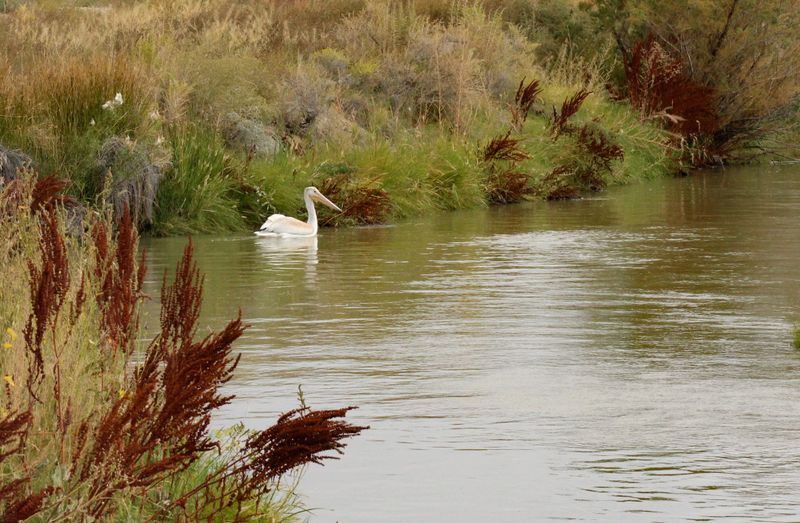
Birdwatching at Stillwater National Wildlife Refuge can be deeply satisfying, even for beginners. Peak migration periods can bring large numbers of birds, while the open landscape offers broad viewing opportunities.
A good pair of binoculars is one of the most useful tools here, helping reveal details that may be difficult to see with the naked eye.
A field guide covering western North American birds is another helpful companion. Apps like Merlin Bird ID can suggest birds by sight or sound, especially when calls come from hidden reeds.
Learning a few common species before your visit can help you recognize details more quickly and make the experience more rewarding.
Moving slowly and quietly is one of the best strategies at any wildlife refuge. Birds may react to sudden movement and noise, so patience near viewing areas often produces better results than rushing between stops.
Early morning and late afternoon can provide attractive light for photography. Bringing a notebook to record the species you spot also creates a fun personal record of your visit.
Why This Wild Nevada Escape Belongs On Your Adventure
Places that genuinely surprise you are rare. Stillwater National Wildlife Refuge is one of them.
The idea that thousands of pelicans, herons, ibis, and ducks gather in the middle of a Nevada desert is the kind of fact that sounds made up until you see it firsthand. Once you do, it stays with you in a way that few nature experiences manage to achieve.
The refuge offers something for nearly every type of visitor. Families with kids enjoy the auto tour and the easy thrill of spotting large, photogenic birds up close.
Dedicated birders find the species diversity genuinely impressive, with well over 200 species recorded on the refuge across the year.
Photographers, hikers, and anyone simply looking for a peaceful escape from the noise of daily life all find what they came for here.
Conservation matters, and refuges like Stillwater are proof that protecting habitat produces real, visible results. The pelicans do not show up by accident. They come because the water is there, the food is there, and the space is protected.
Supporting that system by visiting, learning, and sharing the experience with others keeps public awareness and funding for these places alive. Stillwater National Wildlife Refuge is open every day of the year, free to explore, and genuinely worth every mile of the drive out to Fallon, Nevada.