
A Peaceful Michigan Inland Village Where Weekends Stay Quiet
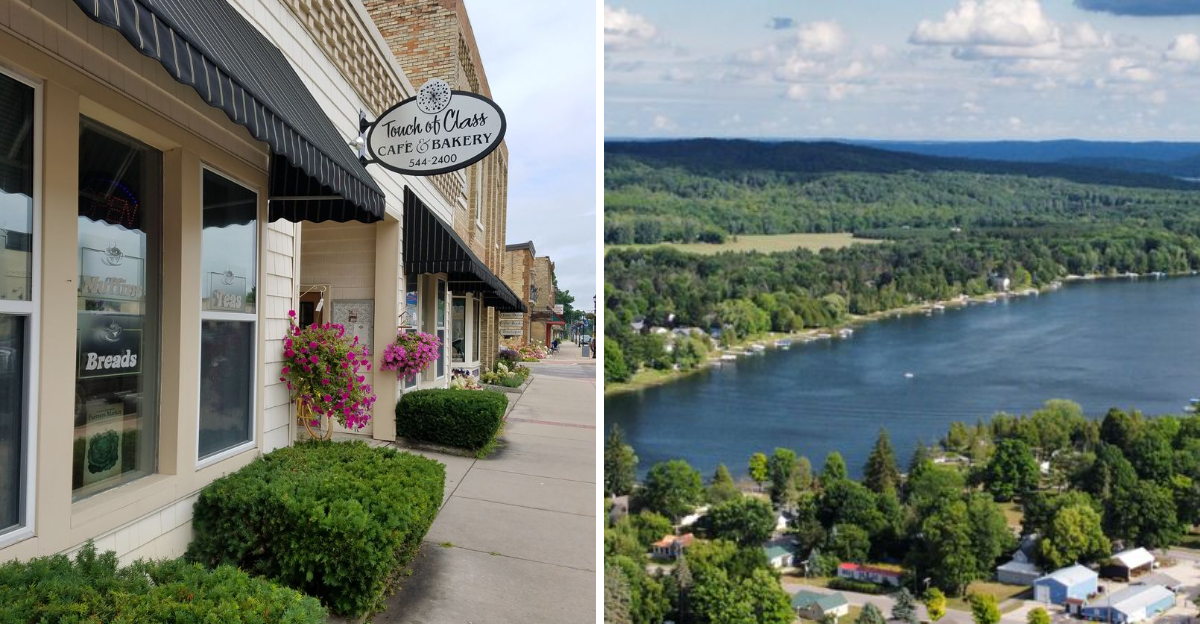
Central Lake sits inland from the tourist rush that defines much of northern Michigan’s summer season.
This village of fewer than a thousand residents occupies a modest stretch of Antrim County, where a chain of connected lakes and rivers forms the center of daily life.
The pace here stays measured throughout the year, and even July weekends pass without the congestion that overwhelms coastal towns just a few miles west.
A Quiet Inland Village Far From Michigan’s Tourist Trails
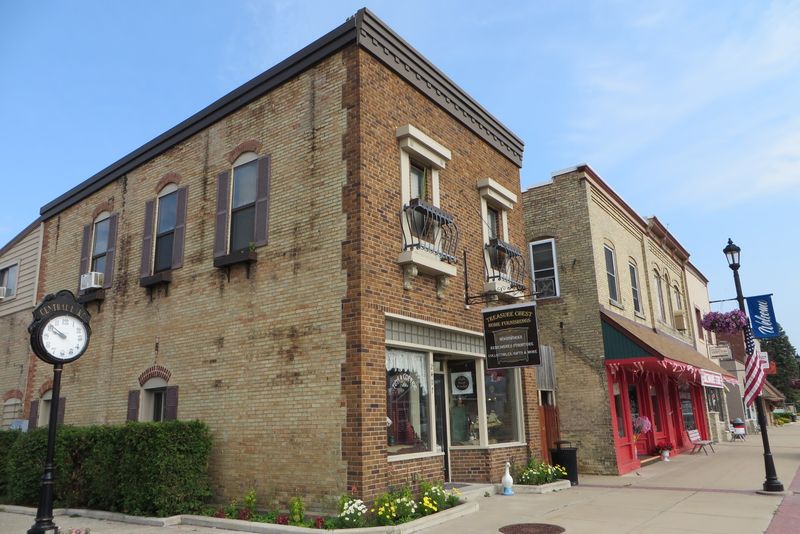
Central Lake rests several miles east of US-31, the highway that funnels vacationers toward Traverse City and the Sleeping Bear Dunes.
That distance matters.
While coastal towns fill with rental properties and seasonal shops, this village maintains its year-round character without apology.
The population recorded 960 residents in the 2020 census, a number that barely shifts when summer arrives.
Most visitors who do pass through are locals from neighboring townships or anglers who know the chain of lakes by reputation.
There are no boardwalks, no tchotchke shops lining the streets, and no parking meters.
The village exists primarily for the people who live here, and that distinction shapes everything from the rhythm of the morning to the businesses that survive.
Central Lake Township encompasses the village itself, and the surrounding farmland and forest reinforce the sense of separation from the tourist economy that dominates the lakeshore.
Quiet isn’t marketed here—it’s simply the default.
Life Built Around A Chain Of Lakes And Rivers
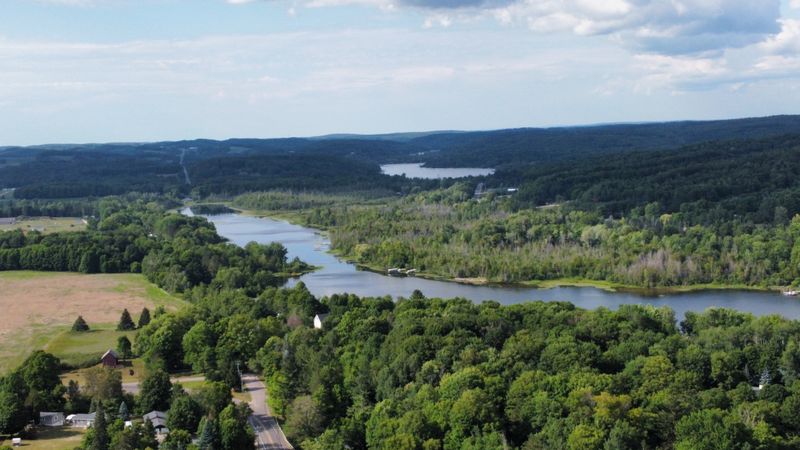
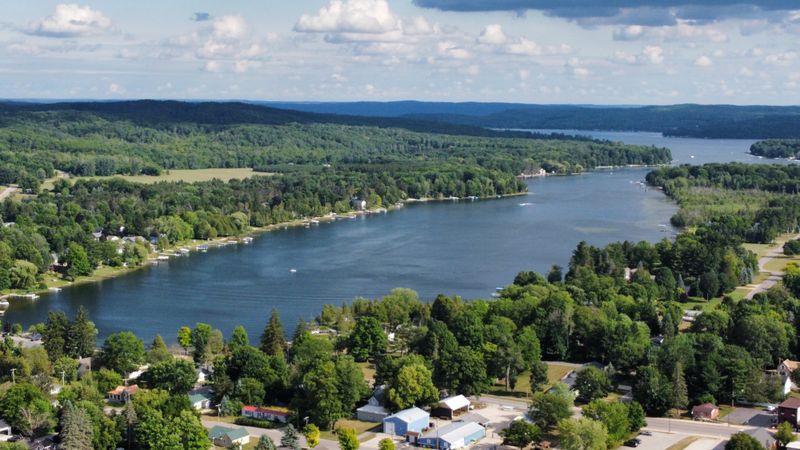
The village takes its name from its position at the center of a natural waterway system that links several lakes and rivers across Antrim County.
This chain includes Intermediate Lake to the north and Torch Lake farther south, with Central Lake serving as a literal and geographic midpoint.
Boaters navigate these connections throughout the warmer months, moving between bodies of water without trailering their craft.
The system creates a sense of continuity that defines recreational life here, though it never becomes crowded or chaotic.
Fishing remains a primary draw, with bass, pike, and panfish present in healthy numbers.
The shores are dotted with private docks and modest cottages, most of which have been in the same families for decades.
The water is clean, the access points are uncomplicated, and the experience feels unhurried.
This chain of lakes doesn’t compete with the grandeur of Lake Michigan, and that’s precisely why it retains its calm character season after season.
Why Weekends Stay Calm Even In Summer
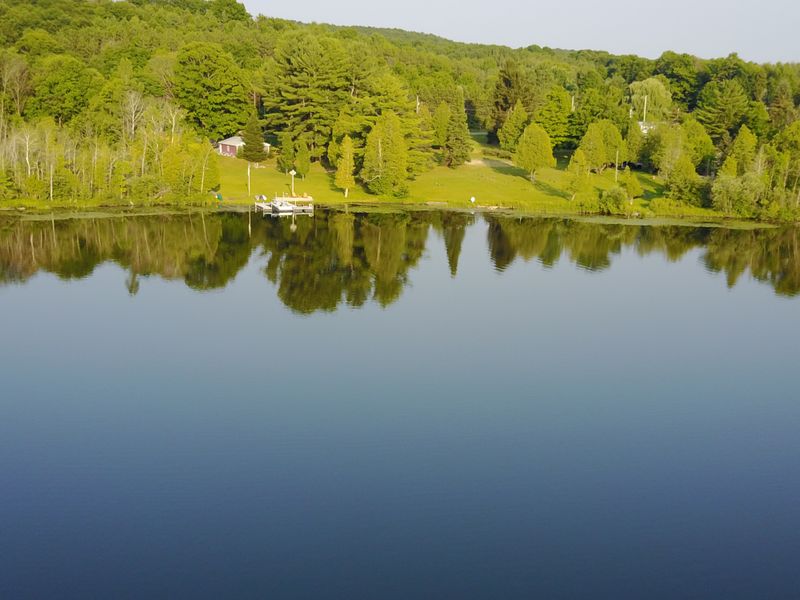
Summer weekends bring no surge of traffic, no line at the gas station, and no scramble for parking.
Central Lake simply doesn’t appear on the itineraries of most tourists heading north.
The village lacks the name recognition of Charlevoix or Petoskey, and it offers none of the amenities that draw crowds.
There are no festivals scheduled every other weekend, no wine tours, and no boutique hotels.
The businesses that operate here serve practical needs—groceries, hardware, bait—and they close at reasonable hours.
Families who own property on the chain of lakes tend to arrive quietly and stay put.
They fish, read on the dock, and cook meals at home.
The rhythm of a weekend here resembles a weekday elsewhere.
Even the busiest Saturday in July feels manageable.
The roads stay clear, the lake remains uncrowded, and the sense of ease that defines the village persists without interruption.
This isn’t a place that tolerates chaos, and the calendar reflects that.
A Small Population That Keeps The Pace Slow
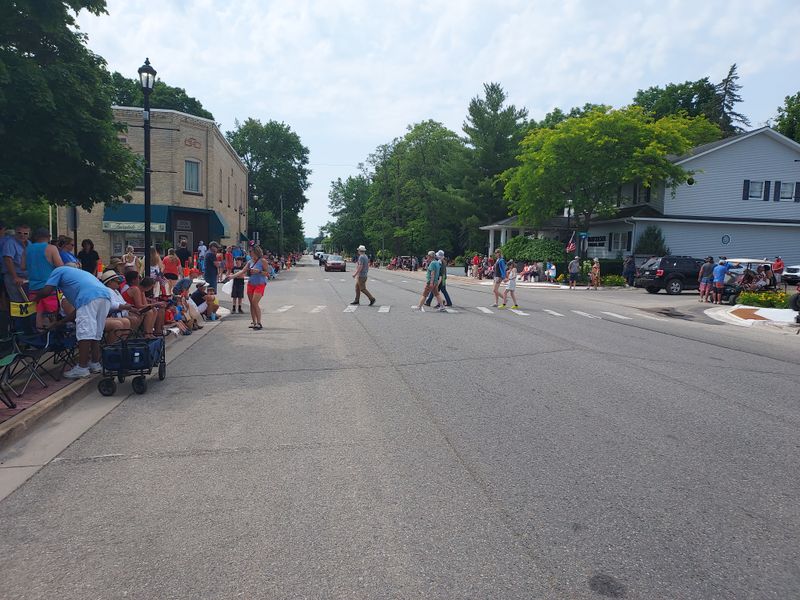
Fewer than a thousand people call Central Lake home, and that scale determines nearly everything about daily life.
There are no traffic lights in the village, and most errands can be completed on foot or with a short drive.
The school serves students from the surrounding township, and athletic events draw more attention than any other public gathering.
People know their neighbors, and newcomers are noticed—not with suspicion, but with the mild curiosity that comes from living in a place where faces become familiar quickly.
The pace here doesn’t accommodate hurry.
Conversations at the post office or the grocery store tend to extend beyond pleasantries, and there’s no cultural pressure to rush through interactions.
This small population also means that services are limited.
There’s no urgent care clinic, no movie theater, and no chain restaurants.
What exists is what’s needed, and the absence of excess contributes to the village’s unhurried character.
Growth isn’t pursued aggressively, and that restraint preserves the quiet that residents value most.
Water Views Without The Lake Michigan Crowds
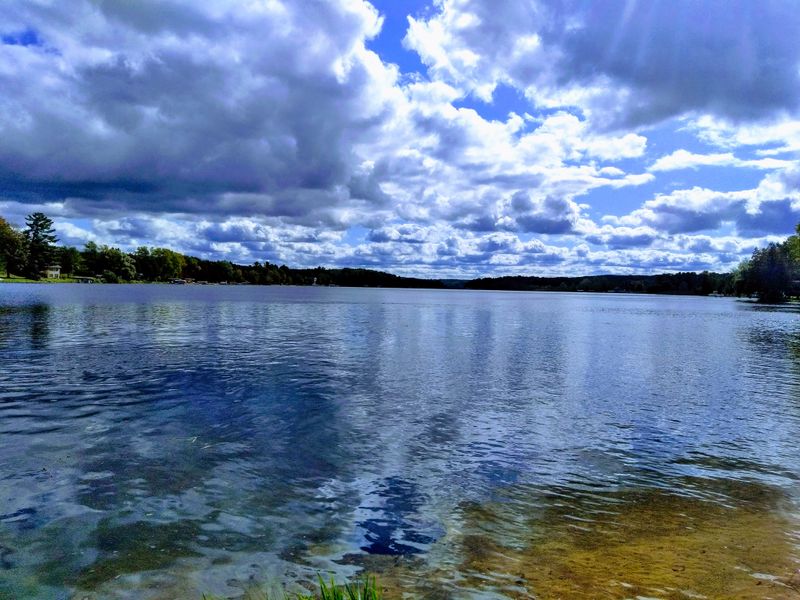
Lake Michigan draws millions of visitors each summer, and the shoreline communities absorb the full weight of that attention.
Central Lake offers water access without the accompanying congestion, and the difference is immediately apparent.
The lakes here are smaller, quieter, and far less publicized.
There are no public beaches with lifeguards, no jet ski rentals, and no sunset cruises.
What you find instead are calm mornings on the water, undisturbed afternoons along the shore, and evenings marked by the sound of loons rather than music from neighboring docks.
The views lack the dramatic expanse of Lake Michigan, but they compensate with intimacy and stillness.
You can kayak for an hour and encounter only a handful of other boats.
You can fish from the shore without competing for space.
For those who prefer solitude over spectacle, the inland lakes provide everything necessary.
The water is swimmable, the scenery is pleasant, and the experience remains consistently peaceful—even on the warmest days of summer.
A Downtown That Still Feels Local
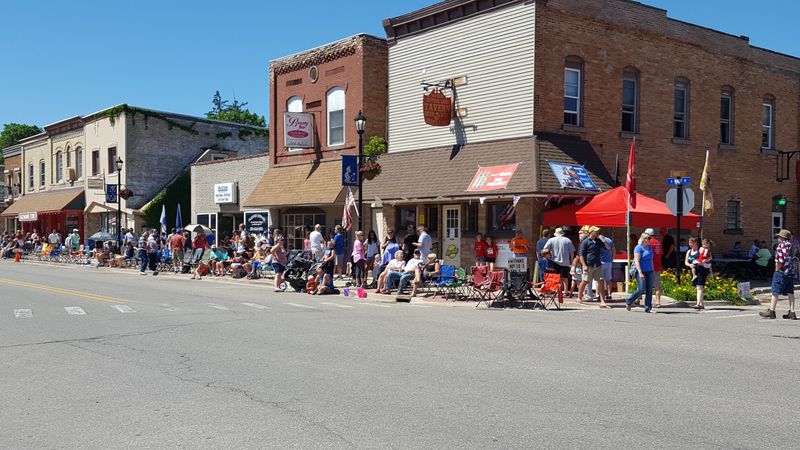
The downtown district consists of a few blocks along the main street, where businesses cater to residents rather than tourists.
You’ll find a hardware store, a small grocery, a post office, and a handful of other essential services.
Nothing feels designed for Instagram.
The storefronts are practical, the signage is straightforward, and the pace inside matches the pace outside.
Shopkeepers recognize regular customers, and transactions often include brief updates about weather, fishing conditions, or local news.
There are no art galleries, no coffee shops with reclaimed wood furniture, and no boutiques selling scented candles.
What exists serves a purpose beyond aesthetics, and that functional character gives the downtown an honest, unpretentious feel.
This isn’t a place that’s been revitalized or reimagined for a new demographic.
It’s simply remained itself, serving the same community it has for decades.
That continuity is rare in northern Michigan, and it’s one of the qualities that keeps Central Lake from feeling like so many other towns that have traded local identity for tourist appeal.
Mornings Shaped By Lake Air And Silence
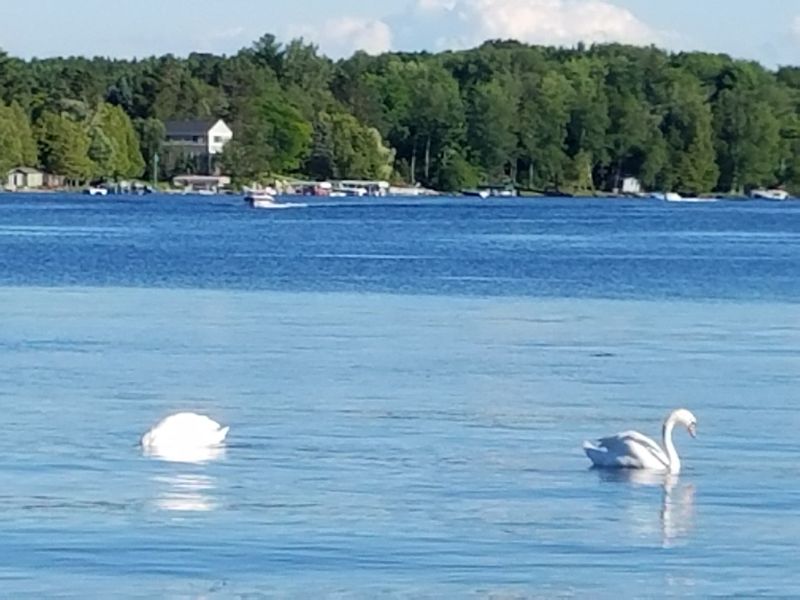
Mornings in Central Lake begin without urgency.
The air carries the coolness of the lake, and the village wakes slowly.
There’s no rush hour, no distant hum of highway traffic, and no ambient noise beyond birdsong and the occasional sound of a screen door closing.
The light arrives softly over the water, and the first hours of the day feel unhurried.
People walk dogs, sip coffee on porches, and move through their routines without the pressure that defines mornings in busier places.
The lake itself remains still until mid-morning, when a few boats venture out.
Even then, the activity stays minimal.
The silence isn’t absolute, but it’s consistent, and it shapes the mood of the entire day.
For those accustomed to waking to alarms, traffic, and immediate demands, the quiet here can feel disorienting at first.
But after a day or two, the rhythm becomes familiar, and the absence of noise starts to feel less like a void and more like a gift.
Outdoor Living Without The Rush
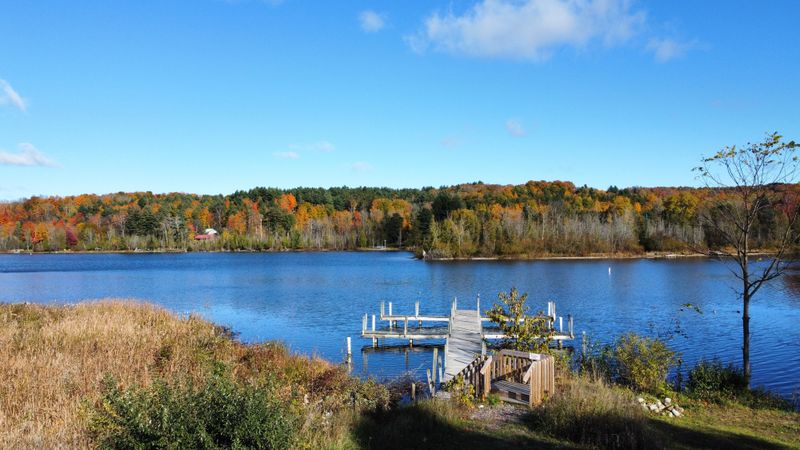
Outdoor recreation here doesn’t require reservations, guidebooks, or advance planning.
You can launch a kayak, hike a trail, or fish from the shore without consulting a schedule or competing for access.
The experience feels spontaneous and uncomplicated.
The surrounding forests and lakes support a range of activities—biking, birdwatching, canoeing, and simple wandering—but none of them are packaged or promoted aggressively.
There are no guided tours, no adventure outfitters, and no branded experiences.
You simply go outside and do what you came to do.
The trails are unmarked but well-worn.
The fishing spots are known locally but rarely crowded.
The pace of outdoor life here matches the pace of everything else—steady, unhurried, and free from the performance that often accompanies recreation in more popular destinations.
This approach won’t appeal to everyone.
Those seeking adrenaline, organized events, or social validation will find Central Lake lacking.
But for those who prefer solitude and simplicity, the outdoor offerings here are more than sufficient.
A Village That Serves Residents, Not Visitors
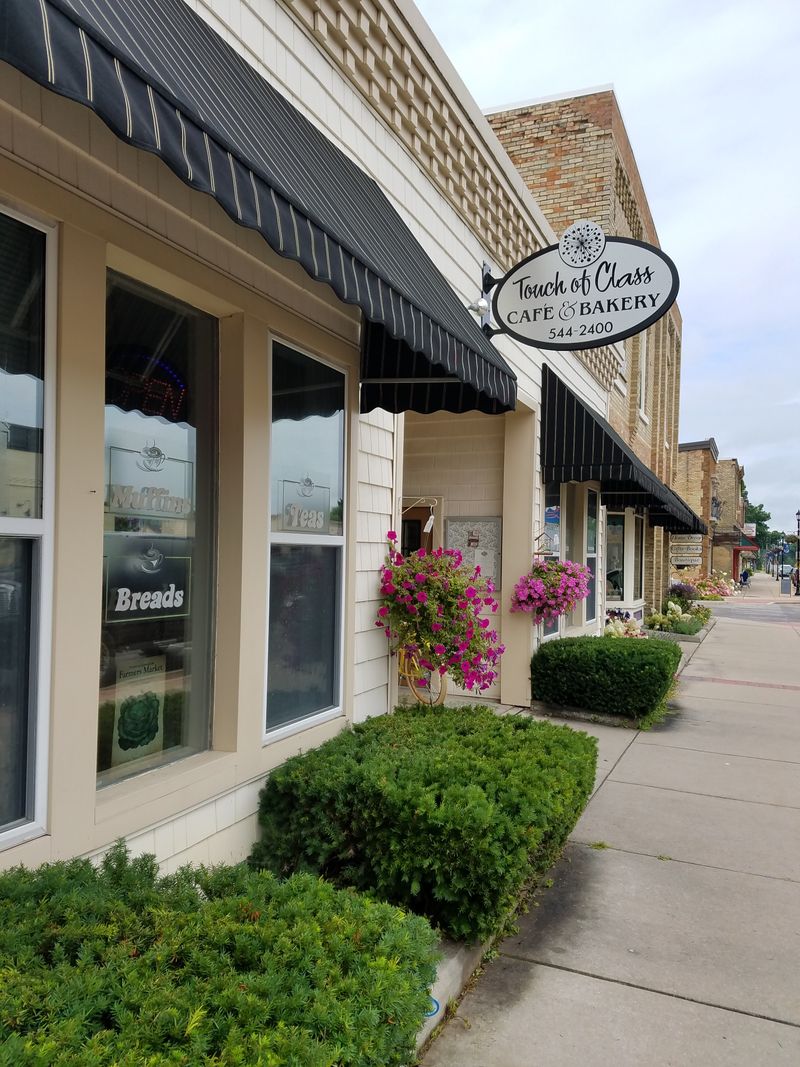
Central Lake doesn’t cater to tourists, and that fact defines much of its character.
The businesses that exist serve the people who live here year-round, and the services available reflect practical needs rather than vacation desires.
You won’t find souvenir shops, ice cream parlors with whimsical names, or restaurants with seasonal menus designed to impress out-of-towners.
What you will find are the essentials—fuel, food, hardware, and basic supplies—delivered without fanfare.
This orientation toward residents creates a sense of authenticity that’s increasingly rare in northern Michigan.
The village hasn’t been repackaged for consumption, and it hasn’t adjusted its identity to attract a different demographic.
It simply continues to function as it always has.
That approach has trade-offs.
Visitors expecting amenities or entertainment will be disappointed.
But for those who appreciate a place that exists primarily for the people who call it home, Central Lake offers something increasingly difficult to find—a community that hasn’t compromised its character for economic gain.
Seasonal Change Without Seasonal Chaos
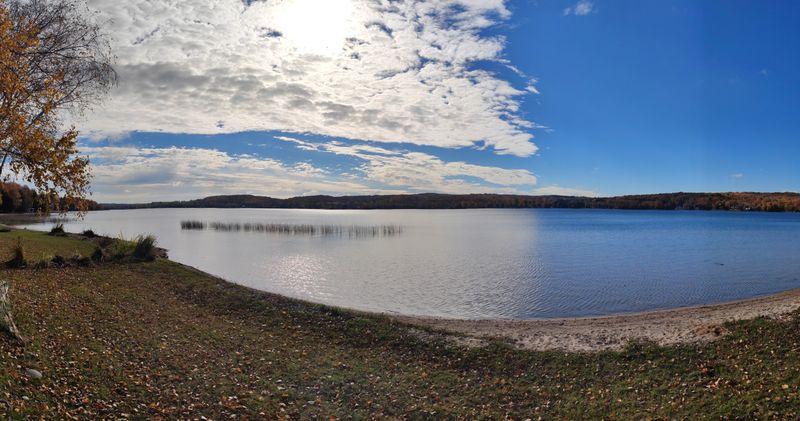
The shift from summer to fall and winter to spring happens here without the dramatic swings in population or activity that mark other Michigan towns.
Central Lake remains occupied year-round, and the rhythm of life adjusts gradually rather than abruptly.
Autumn brings color to the surrounding forests, and the lakes cool enough to discourage swimming but remain accessible for fishing.
Winter arrives with snow, and the village settles into a quieter version of itself.
Snowmobiles appear, ice fishing shacks dot the frozen lakes, and the pace slows further.
Spring thaw brings mud and the return of migratory birds.
Summer warms the water and lengthens the days, but the increase in activity remains modest.
The village never feels empty, but it never feels overwhelmed either.
This consistency across seasons reflects the stability of the population and the absence of a tourism-driven economy.
The calendar changes, the weather shifts, but the character of the place remains intact.
That continuity is one of Central Lake’s defining qualities.
Where Even Busy Days Feel Unhurried
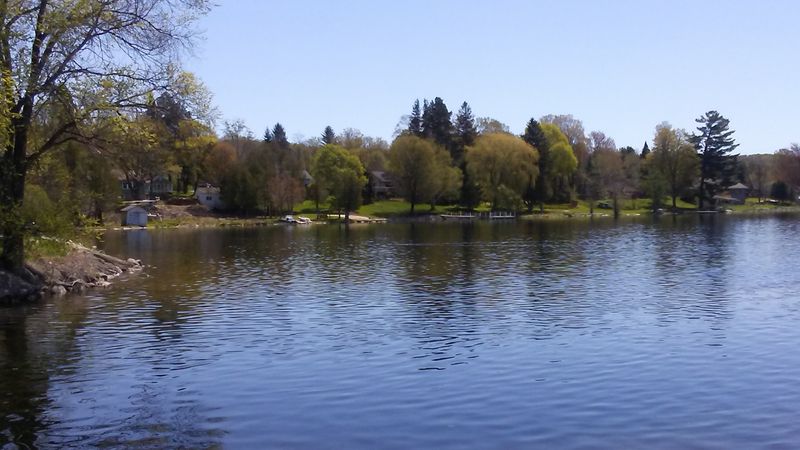
Busy, in Central Lake, means something different than it does elsewhere.
A Saturday with a youth baseball game, a few boats on the water, and a handful of errands to run qualifies as a full day.
But even then, the pace never accelerates to the point of stress.
There’s no traffic to navigate, no lines to wait in, and no competition for space.
The infrastructure handles the activity with ease, and the village absorbs whatever motion occurs without strain.
You can accomplish what you need to without feeling rushed.
This quality isn’t accidental.
It’s the result of a small population, limited commercial development, and a culture that doesn’t equate busyness with importance.
People here move at a human speed, and the environment supports that.
For those accustomed to urban or suburban life, this can feel strange at first.
The absence of urgency might register as boredom or stagnation.
But given time, the unhurried pace reveals itself as one of the village’s greatest assets—a rare opportunity to live without constant pressure.
Why Central Lake Remains One Of Michigan’s Best-Kept Secrets
Central Lake stays under the radar because it offers little that appeals to the typical vacationer.
There are no luxury accommodations, no celebrated restaurants, and no attractions that generate headlines.
The village doesn’t market itself aggressively, and it doesn’t appear in travel guides with any frequency.
That obscurity protects it.
Without the influx of visitors that transforms other northern Michigan towns, Central Lake retains its character and its calm.
The people who do discover it tend to be those seeking exactly what it offers—quiet, simplicity, and a break from the performance of modern travel.
The location helps as well.
Situated inland and off the main tourist routes, the village requires intentional effort to reach.
You don’t stumble upon Central Lake on your way to somewhere else.
You come here because you know what you’re looking for.
That selectivity preserves the village’s best qualities.
It remains a place where weekends stay quiet, where life moves at a measured pace, and where the absence of spectacle becomes its own kind of appeal.
For those who value that, Central Lake is exactly right.