
A Real Apollo Spacecraft Sits Inside This Kansas Museum Most Families Have Never Heard Of
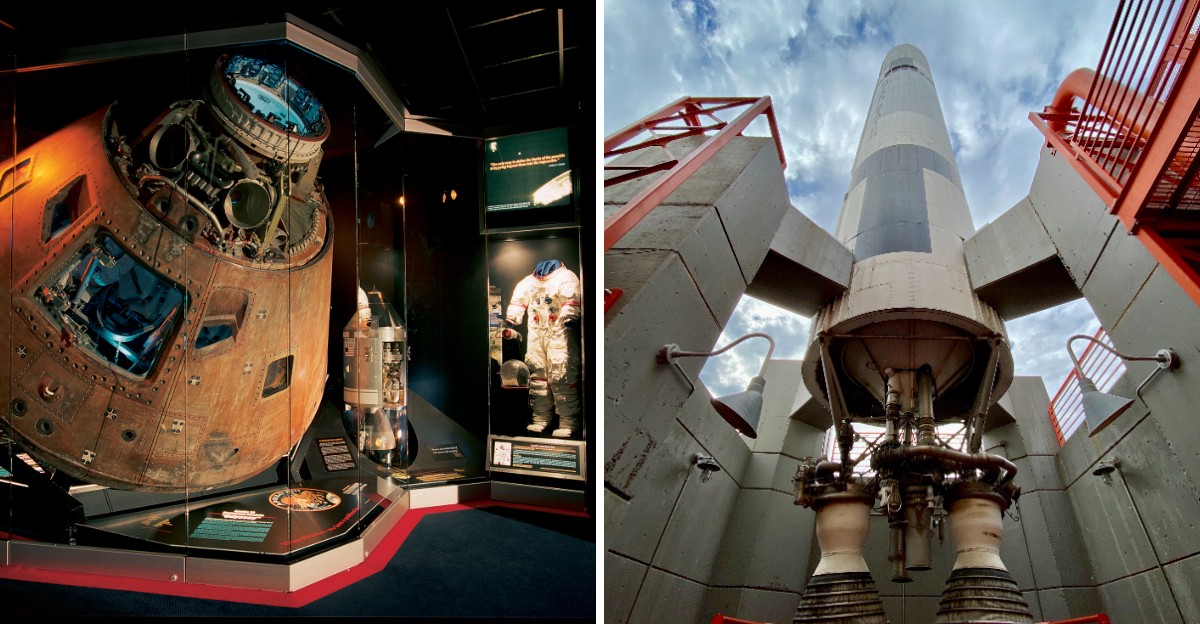
A real Apollo spacecraft, still scarred from its fiery ride home, sits under soft museum lights. And yes, it lives in Kansas!
Most families have never heard of this treasure, which feels almost unbelievable.
Lean close and you can almost feel the tension of a mission that nearly went wrong. The capsule looks impossibly small in person.
Could three grown astronauts really squeeze inside for days? A sleek supersonic spy plane hangs over the lobby, and kids freeze mid-step to gaze up at it.
Rare relics from the Space Race wait deeper inside, each one carrying a story bigger than its gallery. Why let Kansas keep a cosmic secret like that from your family?
Your crew deserves a front-row seat to the stars.
From Chicken Coop To Cosmic Powerhouse
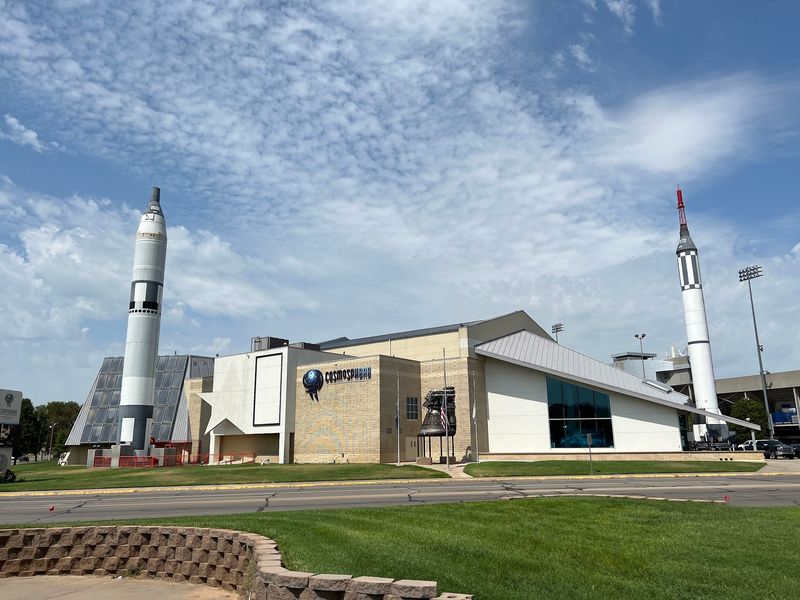
Big dreams sometimes start in odd places. This one began in a poultry building at the Kansas State Fairgrounds.
Back in 1962, a local planetarium opened there with a simple goal. It wanted to show people the night sky.
Folks loved it, and the tiny theater quickly ran out of room.
Growth came fast after that. Space artifacts started arriving, and each new piece needed a home.
The small planetarium kept expanding over the years. Eventually it became the Cosmosphere, an international science education center with a world-famous collection.
Families today see the result of decades of hard work. The building feels modern and well kept, with galleries that flow in a clear order.
Knowing this backstory makes a visit more fun. Every rocket and capsule tells a story, and the museum itself has one too.
Here is a smart tip for curious kids. Ask them to guess how a fairground planetarium turned into a space giant.
The answer involves patience, community support, and a lot of big thinking.
Hutchinson proved that you do not need an ocean coast to reach for the stars. A wheat field works just fine.
Three Programs, One Amazing Room Of Capsules
Mercury, Gemini, and Apollo walk into a museum. That sounds like a joke, but it happens in Kansas.
The Cosmosphere ranks among very few museums worldwide that display flown spacecraft from all three early American crewed programs. That is a rare trio.
Liberty Bell 7 represents the Mercury era. The little capsule sank into the Atlantic Ocean after splashdown in 1961.
It stayed on the ocean floor for decades. Then a team recovered it, and the museum’s specialists restored it.
Gemini 10 shows the next step in the story. Gemini missions helped astronauts practice skills needed for the Moon.
Odyssey from Apollo 13 completes the set. Seeing all three in one trip shows how fast spaceflight changed.
Here is a fun game for families. Compare the sizes of each capsule and guess how crews fit inside.
The differences can surprise both kids and adults.
Take photos of each one to build a mini timeline at home. It makes a great school project later.
Few places on Earth can offer this lineup. Hutchinson somehow pulled it off.
Meet Odyssey, The Capsule That Came Home
Houston once had a problem. Now Hutchinson has the proof.
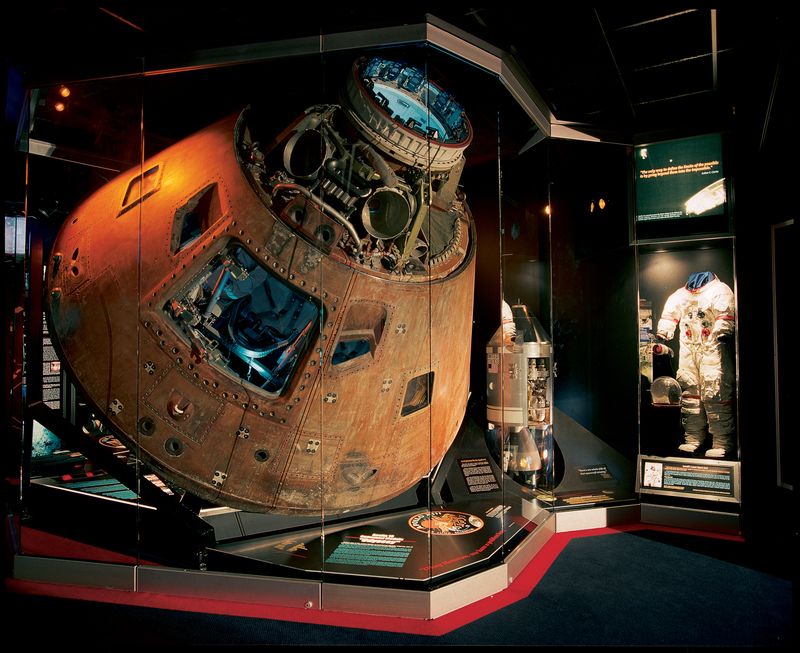
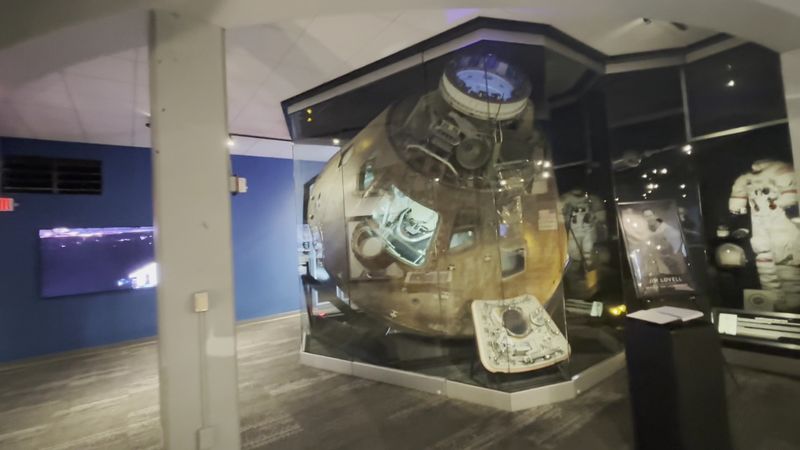
The Apollo 13 Command Module Odyssey rests inside the Cosmosphere. It is a real, flown spacecraft, not a model or a movie prop.
Odyssey carried its crew safely back to Earth after a famous emergency in 1970. The mission never landed on the Moon.
Still, it became one of the greatest rescue stories in space history.
The museum’s own experts restored the capsule. Their careful work brought it back to its post-flight look.
Standing beside it feels different than seeing it in a book. You notice how small the crew space really was.
Three astronauts squeezed inside for the long trip home.
Parents can turn this stop into a teaching moment. Talk about teamwork, quick thinking, and staying calm under pressure.
Kids often remember that lesson long after the trip.
Plan to linger here for a while. Crowds sometimes gather around Odyssey, so a little patience helps.
Many visitors call this capsule the heart of the whole museum. After one look, it is easy to see why.
A Blackbird Greets You At The Door
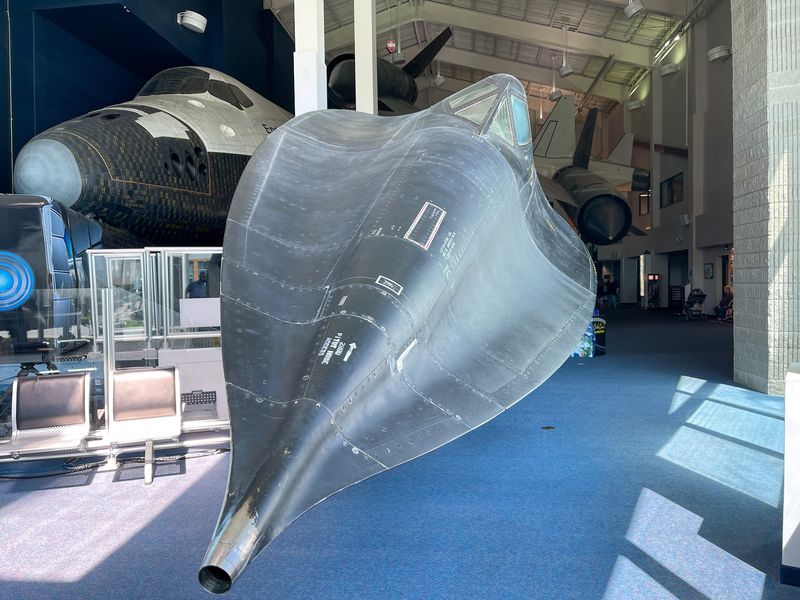
Most lobbies offer a welcome mat. This one offers a supersonic spy plane.
A flown Lockheed SR-71 Blackbird hangs in the Cosmosphere lobby. It is the first thing many guests notice, and jaws tend to drop.
The Blackbird was built for speed and height. It flew faster than nearly any jet of its time.
Its long, dark shape looks almost like something from science fiction. Kids often stop in their tracks to stare upward.
Grab a moment here before heading into the galleries. Early in the visit, the lobby can feel calmer.
This is also a great spot for a family photo. The jet fills the frame in a dramatic way.
Some fans travel to Hutchinson mainly to see this aircraft. Then they discover a whole museum waiting behind it.
Ask young visitors what makes a plane fast. Point out the sharp nose and thin wings as clues.
It turns a quick look into a mini science lesson.
The Blackbird sets the tone for everything ahead. Expect big machines and even bigger stories.
The Space Race From Both Sides Of The Track
Two rival nations raced to space. One museum in the middle of America tells both sides.
The Cosmosphere holds the largest combined collection of American and Russian spaceflight artifacts in the world. Its Russian collection ranks as the biggest outside Moscow.
How did that happen? The museum built a relationship with NASA that brought many items on loan.
Later, during hard economic times in Russia, the museum purchased Soviet space pieces. Those items joined its permanent collection.
Visitors can view a Vostok capsule and a flight-ready backup of Sputnik. Seeing Soviet and American designs near each other is eye-opening.
The engineering styles look quite different. Kids can spot how each country solved the same problems in its own way.
The updated Space Race area flows like a story. It moves from early rockets through the Moon landing years.
A helpful tip is to read the panels in order. The timeline makes more sense that way.
Families leave with a bigger view of history. Competition pushed both nations higher, faster, and farther.
Rockets, Bunkers, And A Real Moon Rock
Long before the Moon, rockets took their first giant leaps in early engineering labs.
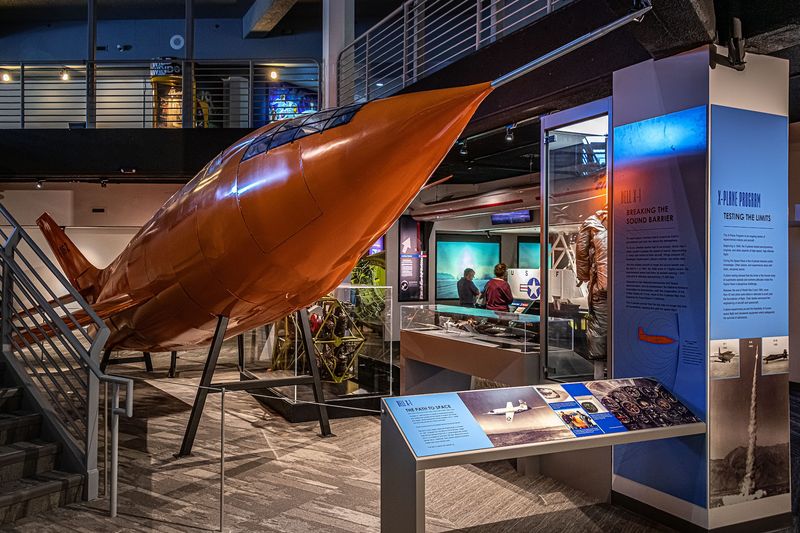
The Cosmosphere explains that chapter clearly. A lower gallery shows a real V-1 and V-2 from the 1940s, displayed in a dramatic, bunker-style setting.
A lower gallery shows a real V-1 and V-2 from World War II. The space is styled to look like a wartime bunker.
These machines matter in space history. The V-2 helped shape the rockets that later carried people into orbit.
Upstairs, the story keeps climbing. Exhibits cover the Space Shuttle and the International Space Station.
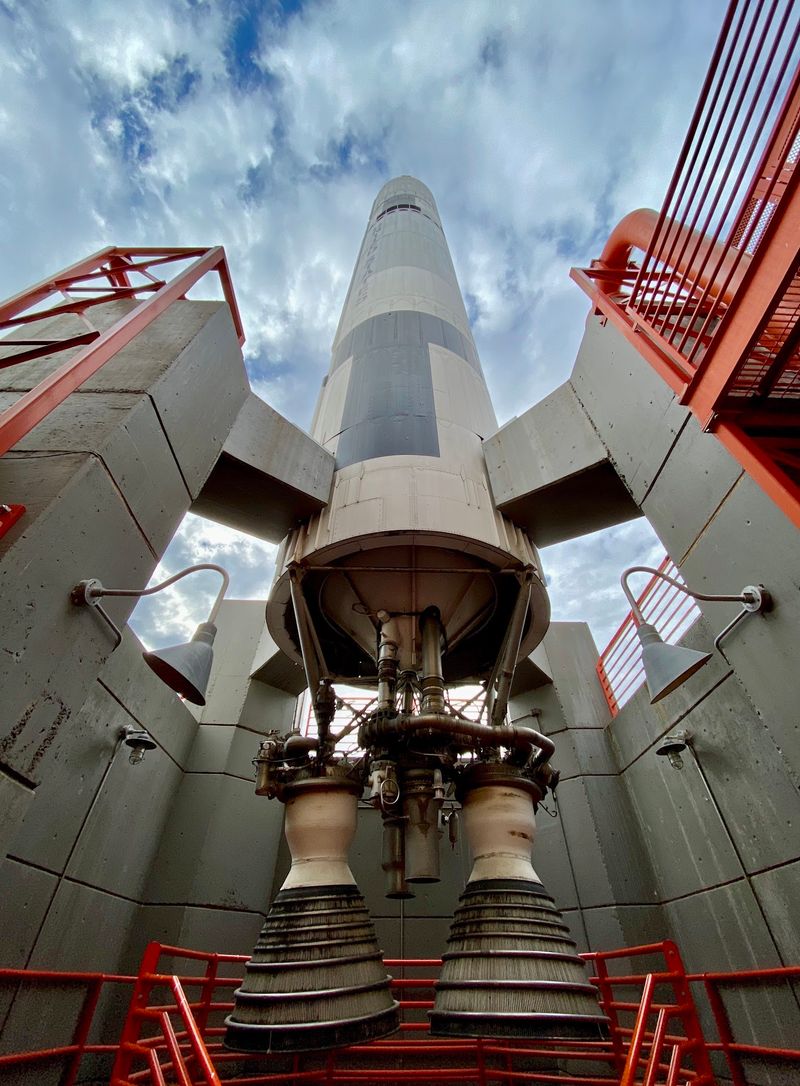
An Atlas booster engine shows the raw power behind early launches. A mission control console from the Moon landing era adds another real link.
Then comes a small but mighty treasure. An Apollo 11 Moon rock sits on display for everyone to see.
It may look like a plain stone at first. Remind kids it traveled a very long way to reach Kansas.
Visitors also report seeing Apollo cameras and spacesuits. Exact displays may change, so check what is on view.
Give this section plenty of time. The details reward slow, curious eyes.
Hollywood Calls The Prairie Repair Shop
Movie magic has a secret address. Some of it comes from a workshop in Kansas.
SpaceWorks is the Cosmosphere’s restoration and replica division. Its team cares for rare space artifacts and rebuilds them with great skill.
The crew restored both Liberty Bell 7 and Odyssey. That alone would earn bragging rights.
They also created many artifacts and props for the movie Apollo 13. So the film and the real capsule share a hometown connection.
Their work reached Houston too. The team helped restore historic consoles in the Mission Operations Control Room at Johnson Space Center.
Families may not tour the shop on every visit. Still, knowing about it changes how the exhibits feel.
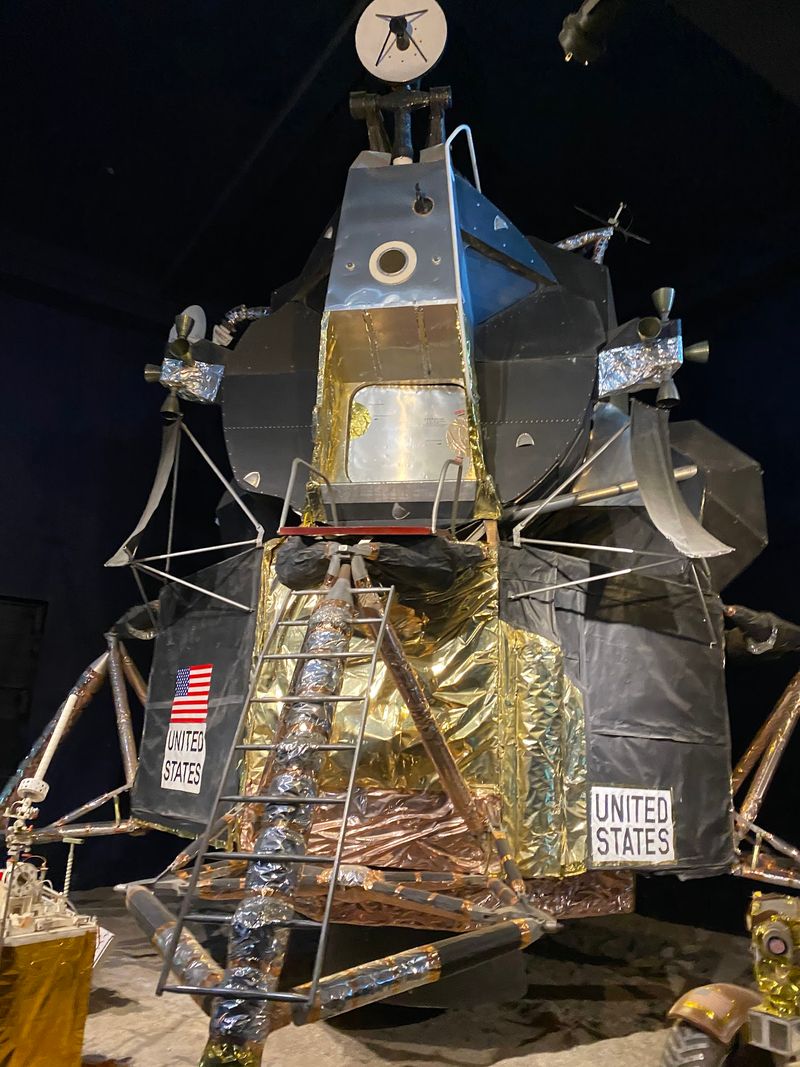
Look closely at the replicas on display. They are built to match the real thing in fine detail.
A fun activity is to quiz kids on what is real and what is recreated. The museum mixes flown items, backups, and full-scale copies.
SpaceWorks shows that space history needs caretakers. Hutchinson happens to have some of the best.
Fizz, Boom, And Stars Under The Dome
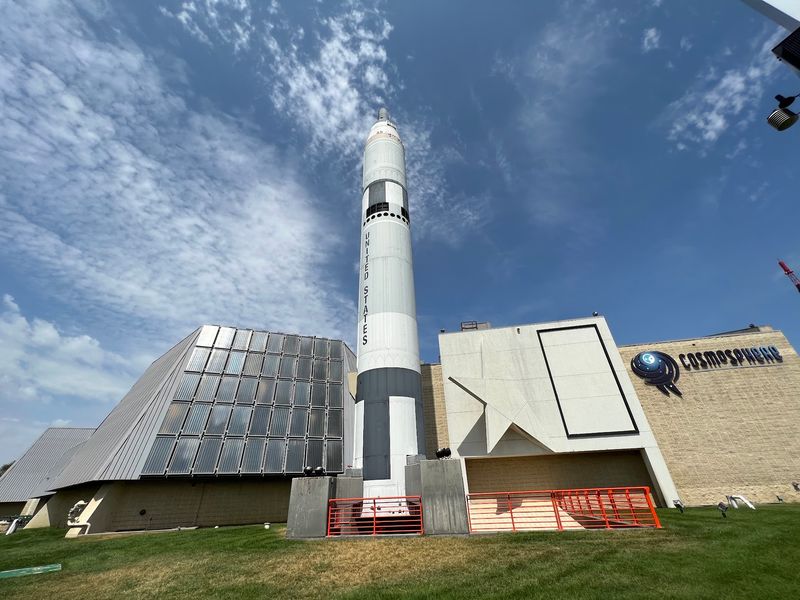
Ready for a little science with a big bang? Dr. Goddard’s Lab delivers just that.
This live show at the Cosmosphere focuses on rocketry history. Presenters often invite kids to help, which keeps young audiences locked in.
Loud moments may surprise smaller children. A quick heads-up beforehand can help them enjoy the fun.
Next, look up inside the Justice Planetarium. The remodeled theater fills the ceiling with stars, planets, and faraway galaxies.
The Carey Digital Dome Theater offers another treat. Documentary films wrap around viewers on a giant curved screen.
Some families catch two different dome shows in one day. Others pick one and spend more time in the galleries.
These shows usually cost extra, so plan your budget ahead. Bundles may help, depending on current offers.
Bring a light jacket too. Guests mention that indoor spaces can feel quite chilly.
Shows give tired legs a needed break. They also turn hard ideas into simple, exciting moments.
Science rarely feels this entertaining. Kids often walk out asking for more.
Camps And Classes For Future Astronauts
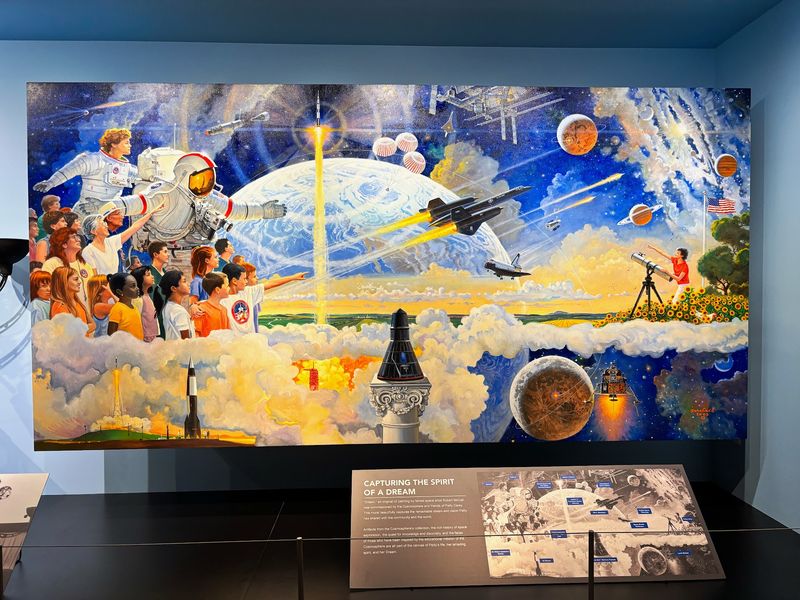
Future astronauts need a starting point. Many have found one in Hutchinson.
Cosmosphere Camps began in 1985 under a different name. The program once went by the Future Astronaut Training Program.
Campers enjoy hands-on activities tied to science, technology, engineering, art, and math. They tackle challenges, solve problems, and work in teams.
Some grown-ups who attended as kids come back years later. They often say the memories still feel fresh.
The museum also welcomes school field trips and youth groups. Scouts and classes visit year-round.
Kansas high school students can also apply to the Ad Astra STEAM Academy, a four-year program that pairs online coursework with weekly hands-on labs at the Cosmosphere.
The CosmoKids area serves younger explorers. Play and learning blend together there in a playful way.
Here is a planning tip. Busy school seasons can bring large groups, while summer may feel quieter.
Call ahead to ask about expected crowds. That small step can shape a smoother day.
Every great mission starts with curiosity. This place helps young minds lift off.
Smart Tips Before You Launch Your Visit
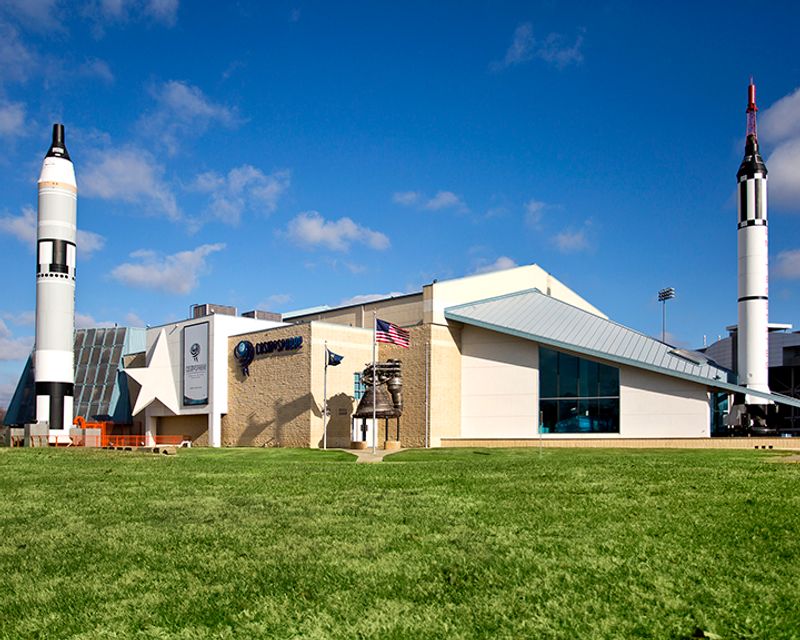
Good missions need good planning. A trip to this museum is no different.
The Cosmosphere sits at 1100 N Plum St, Hutchinson, KS 67501, in central Kansas. Wichita is roughly an hour away by car.
It is also the only Smithsonian Affiliate in the state. That honor reflects the quality of its collection and programs.
Give yourself plenty of time. Space fans can easily spend most of a day exploring.
Many extras, like shows and simulators, cost more than general admission. Decide in advance which ones matter most.
Hungry travelers can visit the on-site cafe. Guests often praise the food, though prices can run higher.
The gift shop carries lots of space-themed goodies. Set a spending plan before kids spot the astronaut ice cream.
Accessibility is strong here. Elevators and wheelchair lifts help guests move between levels.
Bring a sweater, comfy shoes, and a sense of wonder. The building can feel cool inside.
One visit rarely covers everything. Many families start planning a return before they reach the parking lot.