
A Short Boardwalk Leads Deep Into A Cypress Swamp At This Unusual Tennessee Preserve
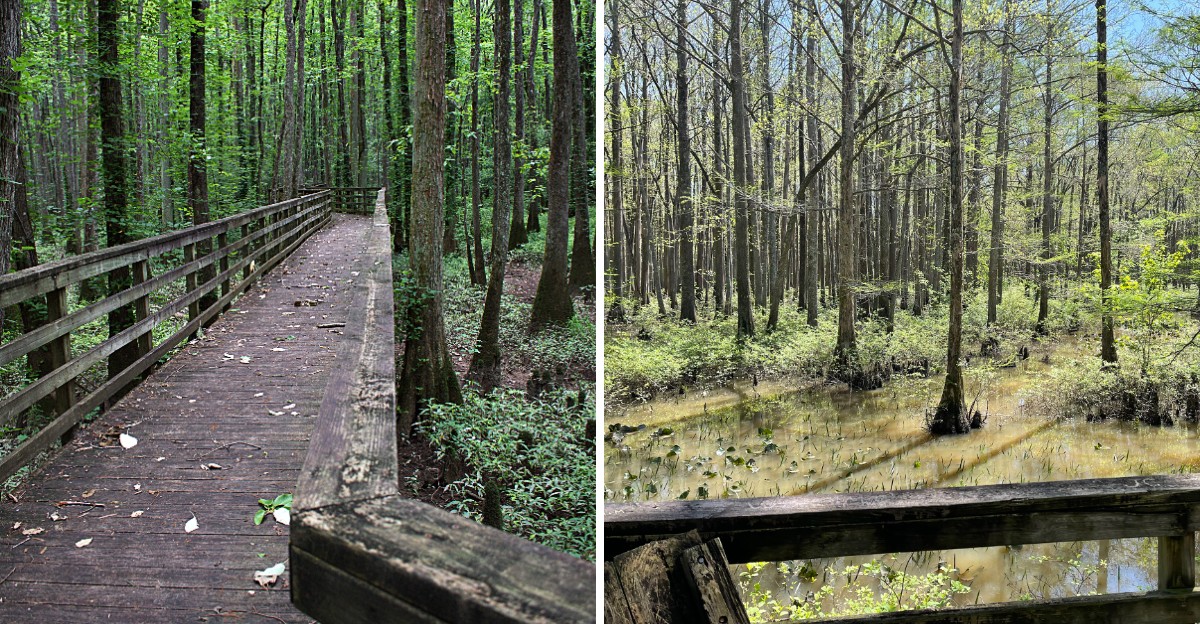
How often can you follow a short boardwalk and suddenly feel surrounded by a landscape that looks nothing like the rest of Tennessee?
At this unusual preserve, the path carries you straight into a cypress swamp where dark water, tall trunks, and quiet pockets of wildlife make the scenery feel almost otherworldly. The walk itself is short, but the setting gives you plenty to notice along the way.
Look closely and the swamp starts revealing its details. Cypress knees rise near the water, reflections shift beneath the trees, and birds move through the branches overhead.
It is a completely different side of Tennessee, and that is exactly what makes the visit so memorable. You do not need a long hike or a full day to experience it.
Just a short boardwalk, a curious eye, and a few minutes to slow down.
A Modest Parking Lot With A Big Secret
Great adventures rarely announce themselves with fireworks. Here, the starting line is a simple gravel lot beside a quiet country road. You could drive past it and never guess what waits behind the trees.
William B. Clark State Natural Area sits along State Highway 194 near Rossville, in Fayette County.
The mapped address is 1250 TN-194, Rossville, TN 38066. Some GPS apps get a little confused, so look for the river bridge as your landmark.
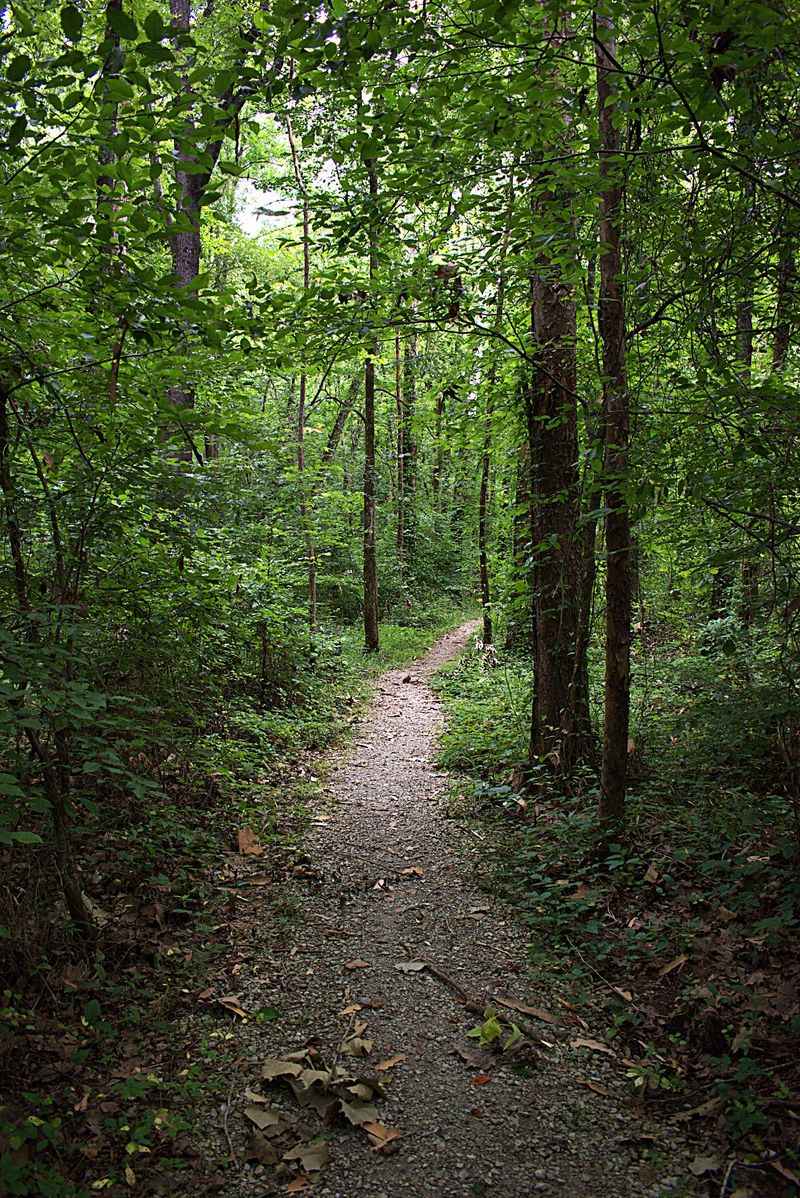
From the lot, a short trail slips into thick green woods. The change happens fast. Within a few steps, traffic sounds fade and birdsong takes over the soundtrack.
The preserve is open daily, with posted hours from 6 AM to 8 PM. That gives early birds and sunset lovers plenty of room to plan.
Morning light tends to be softer, and the air feels cooler in summer.
Parking is free, and the area rarely feels crowded. That makes it an easy stop on a road trip through West Tennessee.
It also works well as a quick escape from busy Memphis, which is less than an hour away.
Pack water, sturdy shoes, and a camera before you leave the car. There are no fancy visitor buildings here.
The real welcome center is the forest itself, and it does a fine job.
A Boardwalk That Seems To Float
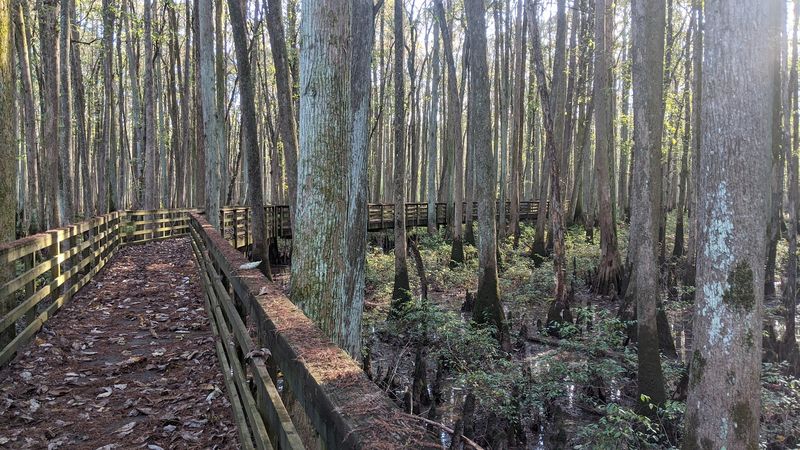
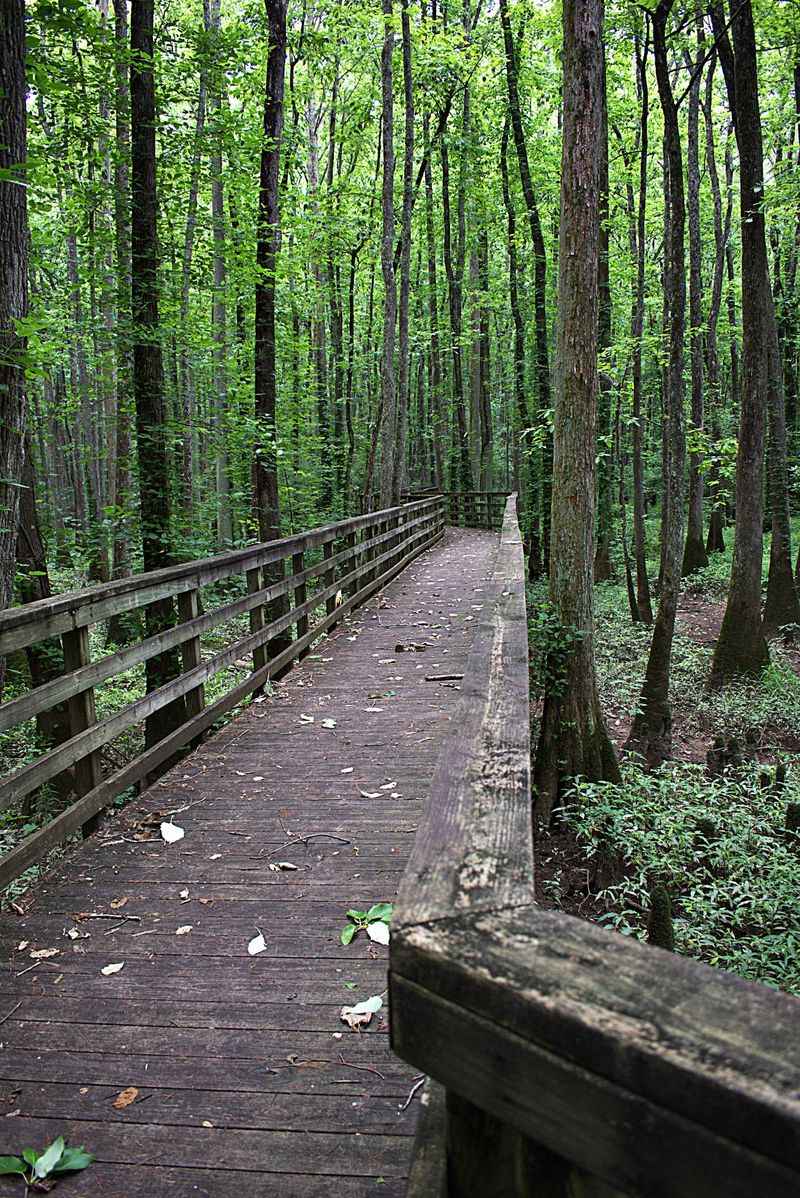
Walking on water is usually reserved for miracles, but this boardwalk gets close. It rises above the swamp on sturdy posts. The water sits calm and dark just a few feet below your shoes.
The walkway runs roughly 1,600 feet into the wetland. Round trip, you will cover a bit more than half a mile. Most people finish in under an hour, though many slow down to linger.
Raised boards do more than keep your feet dry. They protect the soft ground and the plants that grow in it.
Hikers can explore without trampling roots or stirring up mud.
The path is flat and easy, which makes it friendly for kids and older walkers. Little ones often treat it like a runway and dash to the end. Just keep an eye on small hands near the edges.
A few tips help. Fallen branches sometimes land on the boards after storms, so watch your step. Heavy rain can also flood the area and close access for a while.
Checking recent weather before heading out is smart. A dry spell usually means easy walking. After a soaking week, the swamp might decide it wants the whole place to itself.
Cypress Knees And Swollen Tupelo Trunks
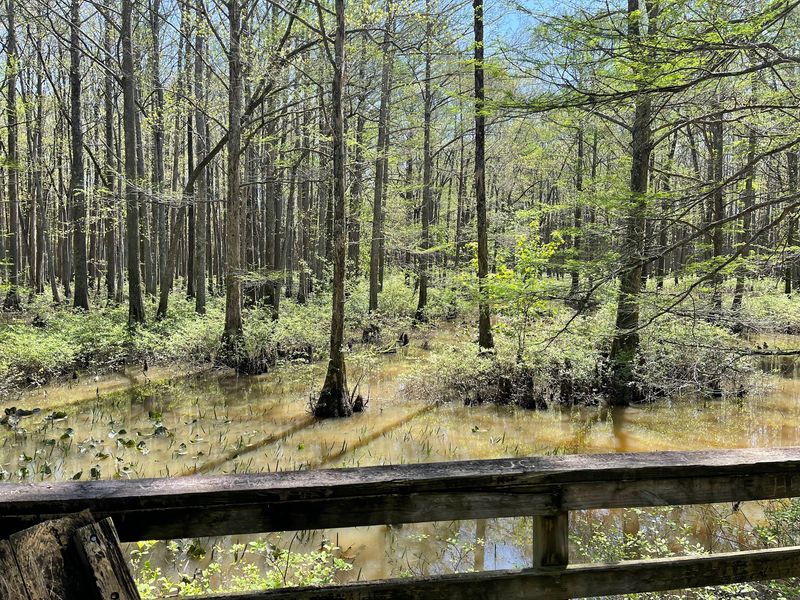
Trees with knees sound like something from a cartoon. Yet bald cypress trees really do grow knobby bumps that poke up from the water.
They look like tiny wooden statues scattered across the swamp.
Scientists still debate exactly why cypress knees form. Some think they help steady the tree in soft mud.
Others suspect they play a role in getting air to the roots. Either way, they make the scenery wonderfully strange.
Standing beside the cypress are water tupelo trees. Their trunks bulge wide at the bottom, a bit like a bell. That shape helps them stay upright in soggy soil.
Together, these two trees form a bald cypress and water tupelo swamp. This kind of habitat is becoming rare in West Tennessee.
Much of it was drained or cleared over the years for farming and building. That is what makes William B. Clark State Natural Area so special.
It protects a living slice of an older landscape. Standing on the boardwalk, you get a glimpse of what much of the region once looked like.
Bring a friend and play a game of counting knees. You will lose track fast. The swamp has far more than anyone can tally in one walk.
Feathered Neighbors In Bright Yellow
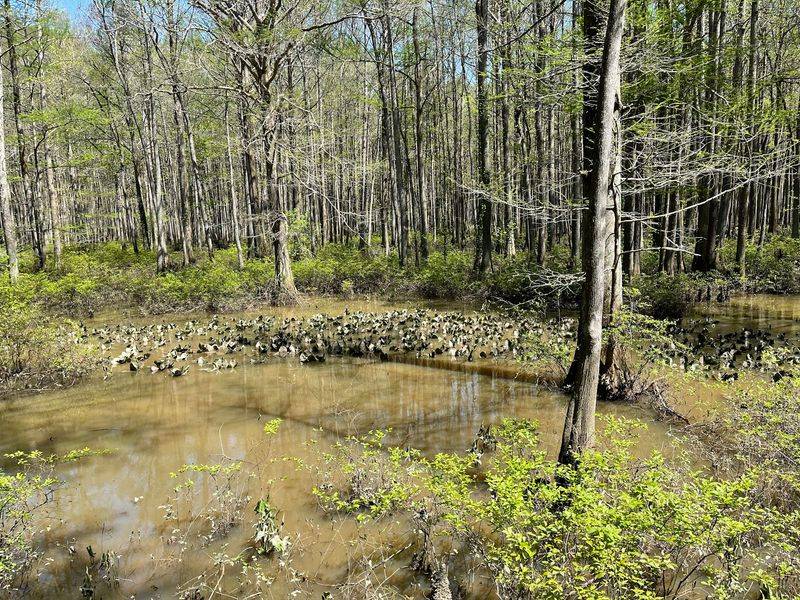
Some birds dress for attention, and the prothonotary warbler wins the fashion prize. Its feathers glow golden yellow against the dark swamp. Spotting one feels like finding a living sunbeam.
These warblers arrive in early spring for nesting season. They love wooded wetlands and often build nests in tree cavities near water. The boardwalk puts you right in their favorite neighborhood.
Common yellowthroats also flit through the brush during warmer months. Listen for their quick, bouncy song.
It sounds a bit like someone saying “witchety, witchety.”
Bigger birds make appearances too. Wood ducks glide across quiet pools with colorful heads held high. Great blue herons stand perfectly still, waiting for a fish to swim too close.
Overhead, red-shouldered hawks call with sharp, repeating cries. Barred owls may hoot from deep in the trees, even during the day. Their famous call sounds like “who cooks for you?”
A pair of binoculars makes a huge difference here. So does patience. Stand quietly for a few minutes, and the swamp often fills with movement you missed at first.
A free bird app can help match songs to names. Birding in a cypress swamp turns a short stroll into a treasure hunt.
Frogs, Crawdads, And Other Swamp Characters
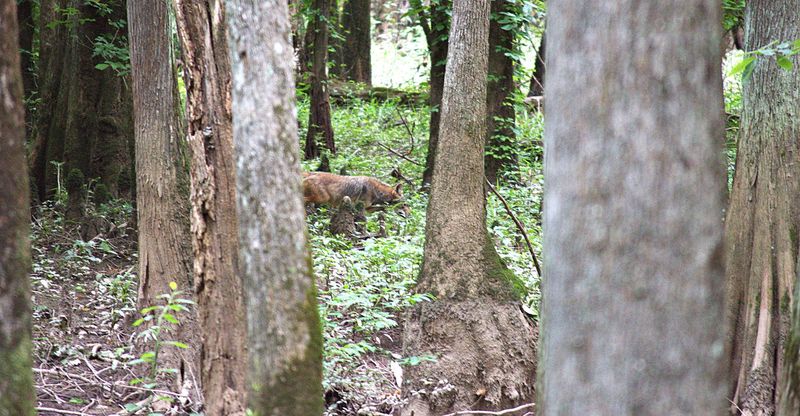
Not every swamp star has feathers. Down at water level, a whole cast of small creatures keeps busy. Frogs croak, crawdads scuttle, and turtles soak up sun on logs.
Crawdads, also called crayfish, look like tiny lobsters. Watch muddy edges for little chimneys of mud. Those towers often mark the entrance to a crawdad burrow.
Frogs are easier to hear than see. On warm evenings, their calls can fill the whole forest. Each species has its own sound, from deep croaks to high peeps.
Snakes live here too, as they do in most Southern wetlands. The good news is that the raised boardwalk keeps you above their space. Give any snake plenty of room, and it will happily go about its day.
Mammals sometimes pass through as well. White-tailed deer move quietly through the underbrush.
Beavers work along the water, especially in spring and fall. Those beavers are skilled builders. Their dams slow water and create wetlands. That helps clean the water and keeps soil from washing away.
Kids especially love this part of the walk. Turn it into a scavenger hunt with a simple list. Frog, turtle, crawdad, and heron make a great starting lineup.
Where The Wolf River Runs Free
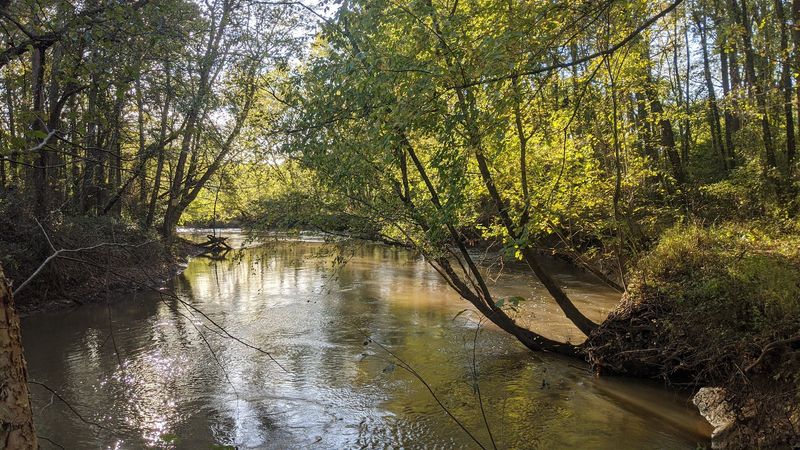
Rivers that wiggle are rivers that thrive. At the end of the boardwalk, the trees open into a marshy area with wide views.
Nearby flows the Wolf River, curving freely through the forest.
Many rivers in the South were straightened into channels long ago. This section of the Wolf was left in its natural shape. It still bends, loops, and forms side pools called sloughs.
Those twists matter a lot. They slow the current and create many kinds of habitat. Rare freshwater mussels and other water life depend on these conditions.
Mussels may seem dull at first glance. In truth, they are tiny water filters. A healthy mussel population is a sign of a healthy river.
The preserve also offers access to the river for paddlers. Canoes and kayaks can launch from a ramp near the bridge. The Wolf is a popular paddling route in this part of Tennessee.
Paddlers should respect the current, especially near the bridge. Heading upstream can be tough work. Going with the flow is much more relaxing.
Even without a boat, the riverbank is worth a pause. The water moves slowly, sunlight flickers on the surface, and the whole scene feels calm and unhurried.
A Quiet Worker For Clean Water
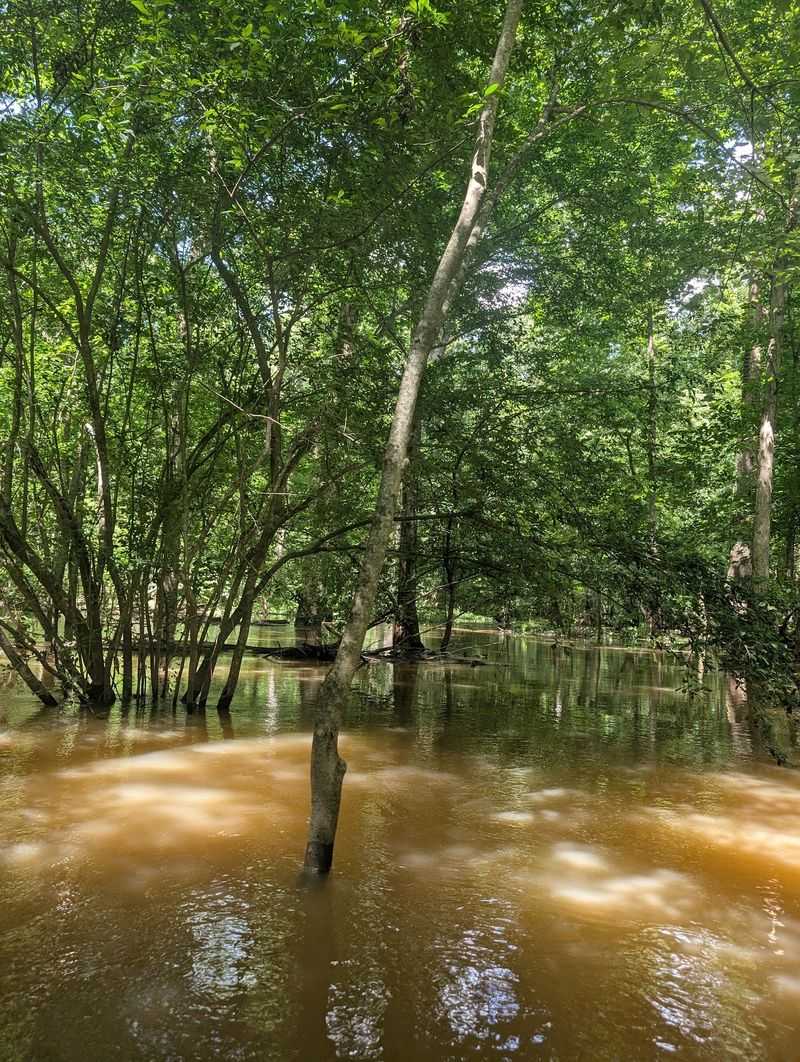
Plenty of places look pretty, but few work this hard behind the scenes. William B. Clark State Natural Area covers about 460 acres of bottomland hardwood forest. All of it sits within the Wolf River watershed.
Bottomland forests grow in low areas that flood from time to time. Those floods are part of the plan. The forest soaks up extra water like a giant sponge.
During heavy rain, this land helps lower the Wolf River’s flood peaks. Water spreads out and slows down instead of rushing downstream. That eases pressure on farms and towns further along.
Wetland plants and soil also clean the water. They trap mud and filter out extra nutrients.
Those nutrients get recycled back into the forest food web.
The Nature Conservancy has played a key role in protecting this area. Today, it is recognized as a state natural area. That status helps keep the land wild for years to come.
The Wolf River eventually flows toward Memphis. Clean water here helps the whole region. So a peaceful walk on these boards connects you to a much bigger story.
Next time you see a muddy swamp, remember its job. It might be one of the hardest workers around.
Copper Needles And Changing Seasons
Trees that wear evergreen needles usually keep them all year. Bald cypress likes to break that rule. Each fall, its needles turn copper and bronze, then drop to the water below.
That yearly shedding explains the name “bald” cypress. The color show usually peaks in late September and early October. Reflections in the still water double the effect.
Virginia willow adds another splash of color in autumn. Its leaves turn a rich purple-red. Against the rusty cypress, the scene looks almost painted.
Spring brings a different kind of energy. Warblers return, frogs start singing, and fresh green needles sprout on the cypress. Everything feels busy and new.
Summer is lush and shady, but it is also mosquito season. Bring strong bug spray, and plenty of it. Light long sleeves help too.
Winter strips the swamp down to its bones. Bare branches reveal the shapes of trunks and knees. Birds become easier to spot without leaves in the way.
Each season gives William B. Clark State Natural Area a new personality. Coming back at different times of year is the best way to see them all. One short boardwalk, four very different walks through a little piece of wild Tennessee.