
A Tennessee Museum Is Opening A Powerful New Civil Rights Experience In Spring 2026
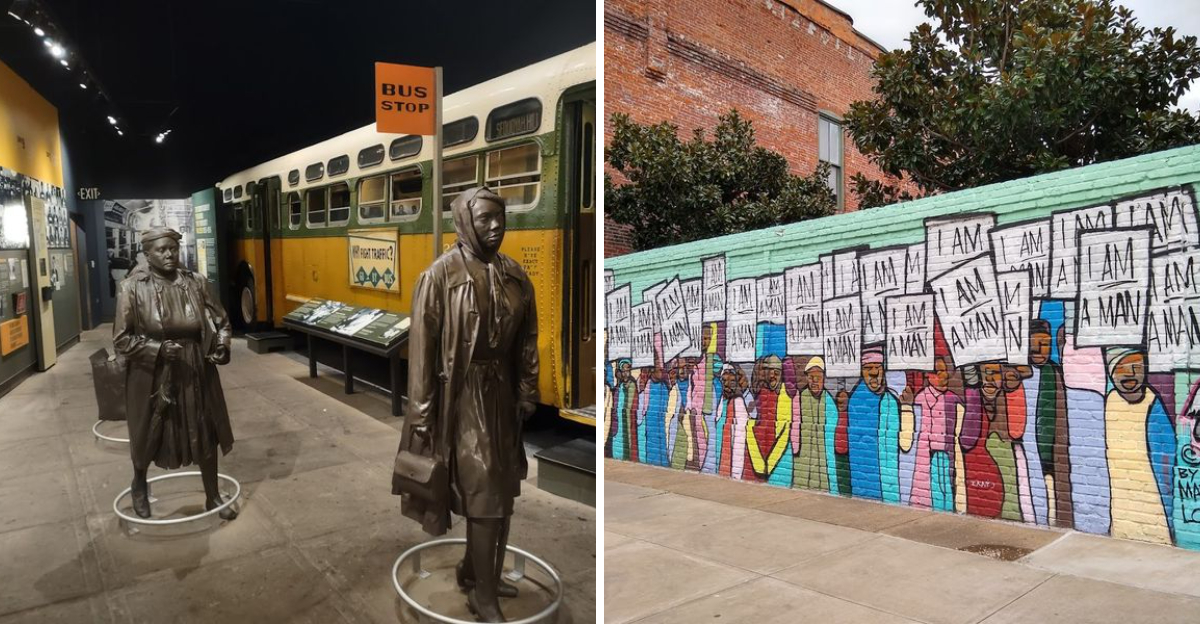
History does not stop at one moment. It keeps moving, challenging, and asking people to look closer.
In spring 2026, a Tennessee museum is set to open a new civil rights experience that looks beyond 1968 and into the movements, strategies, and human stories that followed. The new space will guide visitors through powerful chapters shaped by courage, grief, resistance, and progress.
It is not just about remembering the past. It is about understanding how those struggles continued, how they changed, and why their impact still matters today.
The Legacy Experience Opens On May 16, 2026
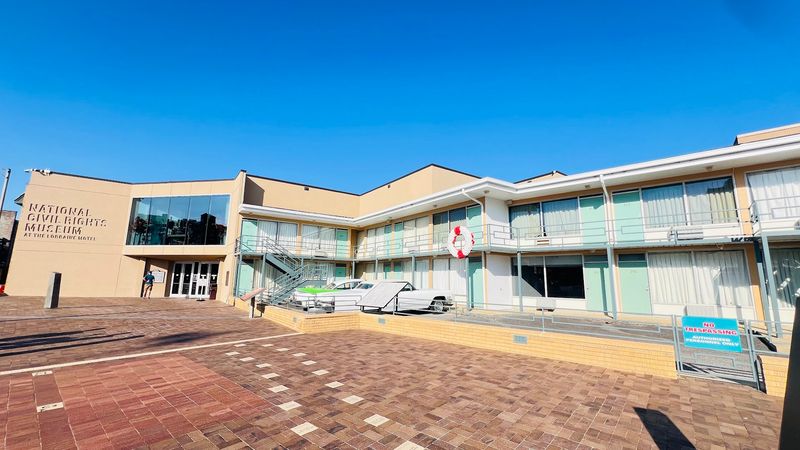
Mark the date clearly: Saturday, May 16, 2026, is when this museum officially unveils its sweeping new permanent exhibition, the Legacy Experience. The opening coincides with the museum’s 35th anniversary year, making the occasion doubly significant for the institution and for Memphis as a city.
A community day event runs from 10:00 a.m. to 4:00 p.m., featuring a ribbon-cutting ceremony, live music, storytelling performances, and activities designed for children. The atmosphere promises to be celebratory while maintaining the solemn respect the subject matter deserves.
This is not a temporary traveling show or a seasonal display. The Legacy Experience is a permanent addition to the museum’s offerings, designed to stand alongside its existing exhibits as a lasting educational resource.
Visitors who have toured the museum before will find an entirely new dimension waiting for them. Those visiting for the first time will encounter a richer, more expansive journey than any previous version of the museum offered.
Planning your visit around the opening weekend gives you the rare opportunity to experience a piece of American cultural history at its very first public moment.
A $34 Million Renovation Transformed The Historic Site
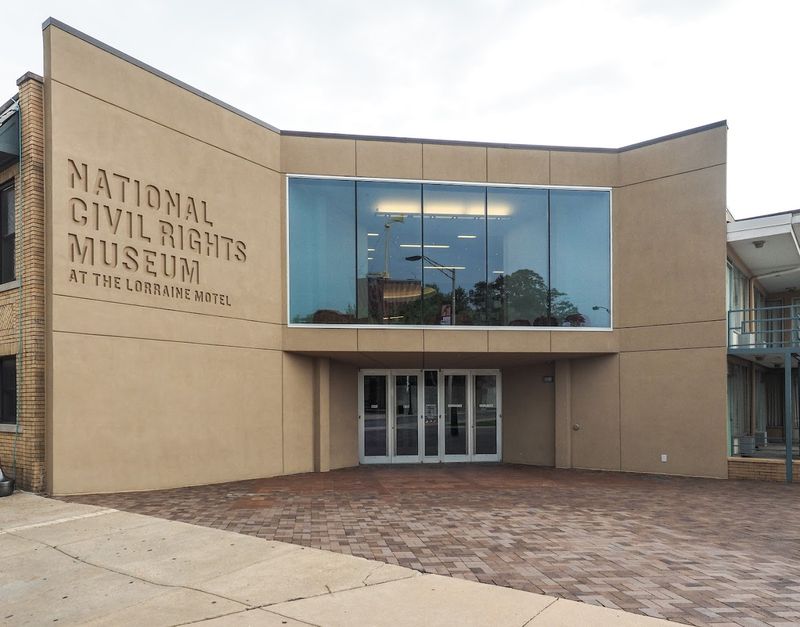
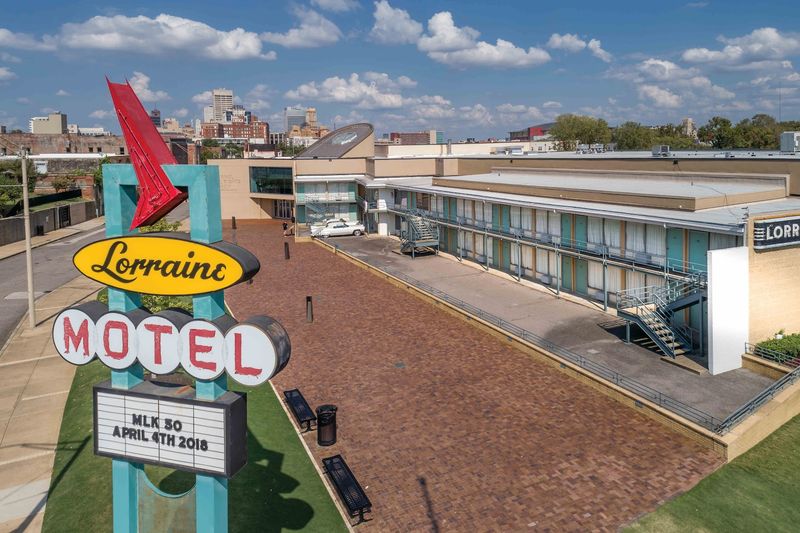
Thirty-four million dollars is a serious investment, and every dollar of it went toward reshaping how visitors understand civil rights history at one of America’s most meaningful landmarks. The renovation project, formally known as the Legacy Expansion Project, involved a thorough revitalization of the historic Lorraine Motel site, which serves as the physical and emotional heart of the National Civil Rights Museum at 450 Mulberry St, Memphis, TN 38103.
The Lorraine Motel is not merely a backdrop. It is the place where Dr. Martin Luther King Jr. was assassinated on April 4, 1968, and its walls carry a weight that no amount of architectural renovation can diminish.
The project worked carefully to honor that gravity while creating space for modern, immersive storytelling.
What the renovation accomplished goes beyond fresh paint and new galleries. It created a physical environment that supports deeper engagement, quieter reflection, and more dynamic multimedia experiences than the museum’s previous layout allowed.
The result is a space that respects its origins while speaking clearly to contemporary audiences. For a museum rated 4.9 stars by more than 14,000 reviewers, the bar was already extraordinarily high, and this expansion was built to clear it with room to spare.
Five Thematic Galleries Address Structural Inequality
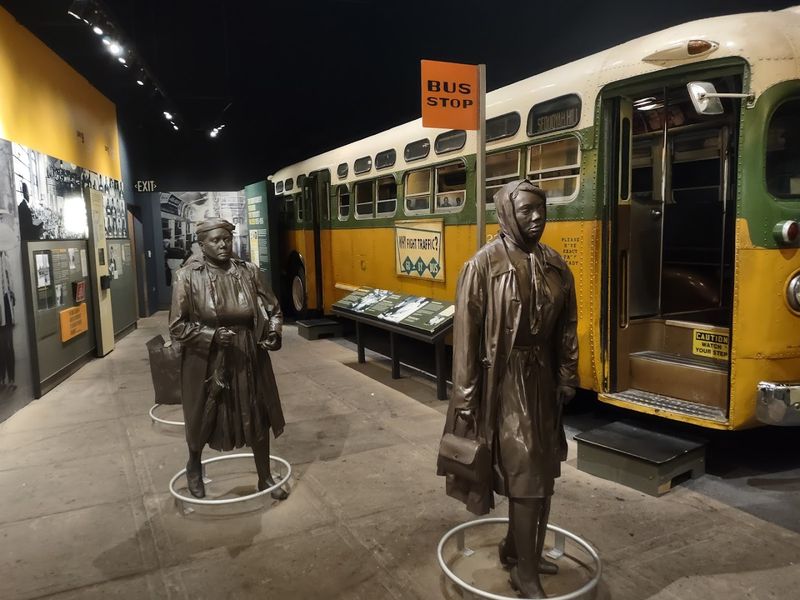
One of the most thoughtful architectural decisions in the Legacy Experience is its division into five thematic galleries, each focused on a specific dimension of structural inequality. The themes covered are poverty, education, housing, gender equity, and nonviolence.
Together they map out the terrain of civil rights work that extended far beyond the legislative victories of the 1960s.
This structure reflects a sophisticated understanding of how inequality operates in practice. Poverty and housing discrimination do not exist in isolation from each other, and the gallery layout encourages visitors to draw those connections organically as they move through the space.
Education and gender equity receive dedicated attention rather than being folded into broader narratives where their specifics might get lost.
The nonviolence gallery deserves particular attention. In a cultural moment when debates about protest, resistance, and civic action are highly charged, a gallery dedicated to examining the philosophy and practice of nonviolence offers visitors something genuinely valuable.
It does not preach or simplify. Instead, it presents the strategic and moral reasoning behind nonviolent movements with the seriousness those arguments have always deserved.
Each gallery functions as a standalone experience while contributing to a coherent overarching story.
Dr. King’s 1967 Book Provides The Intellectual Foundation
Few museum exhibitions are grounded in a specific text, but the Legacy Experience builds its entire intellectual framework around Dr. Martin Luther King Jr.’s 1967 book, “Where Do We Go from Here: Chaos or Community?” That choice is deliberate and revealing. The book was King’s final full-length work, written in the year before his assassination, and it grappled directly with what the civil rights movement still needed to accomplish after its early legislative wins.
King argued in that book that ending legal segregation was not the finish line. Economic justice, equitable education, and the dismantling of systemic poverty remained urgent and largely unaddressed.
The Legacy Experience uses those arguments as its organizing principle, framing the entire exhibition around what King called the unfinished business of civil rights.
Choosing this particular book as a foundation gives the exhibition an intellectual depth that distinguishes it from simpler chronological presentations. Visitors are not just walking through a timeline of events.
They are engaging with a set of questions that King posed nearly sixty years ago and that remain stubbornly relevant today. That continuity between past argument and present reality is one of the most quietly powerful things the Legacy Experience accomplishes.
The Investigation Into King’s Assassination Gets New Scrutiny
A dedicated gallery within the Legacy Experience examines the investigations into Dr. King’s assassination with a level of detail and candor that few public institutions have attempted. Historian Ryan M.
Jones contributed to this section by analyzing recently declassified government documents, and the gallery incorporates both newly uncovered materials and long-standing questions about what actually happened on April 4, 1968.
The assassination gallery does not traffic in sensationalism. Its purpose is not to alarm visitors but to present the documented record honestly, including the aspects of that record that official narratives have historically downplayed or omitted.
Conspiracy theories that have circulated for decades are addressed directly rather than dismissed, and the gallery invites visitors to examine the evidence with their own judgment.
Standing in a gallery dedicated to this investigation while physically present at the Lorraine Motel creates an experience of unusual intensity. The museum has always carried the weight of being the actual site of King’s death, and this new gallery uses that proximity thoughtfully rather than exploitatively.
For visitors who have spent years curious about unresolved questions surrounding the assassination, this section of the Legacy Experience will likely be the most arresting and memorable part of the entire museum visit.
A Timeline Gallery Charts Five Decades Of Activism
History rarely moves in straight lines, but a well-designed timeline gallery can show how decades of activism connect, overlap, and build on each other in ways that isolated exhibits cannot. The Legacy Experience includes a dedicated timeline gallery that charts the evolution of civil rights work from the 1970s through the present day, covering ground that most visitors may know only partially.
The 1970s through the 1990s represent a period that often gets compressed or skipped in popular accounts of the civil rights movement, which tend to focus heavily on the 1950s and 1960s. This gallery corrects that imbalance by giving sustained attention to the movements, organizations, and individuals who carried the work forward after the legislative victories of the earlier era.
Seeing five decades laid out in sequence also makes visible the recurring patterns in American social history: moments of progress followed by resistance, coalitions forming and fracturing, strategies evolving in response to changing political conditions. The timeline does not offer easy conclusions or triumphant endings.
It presents the record as it is, complex and ongoing, and trusts visitors to sit with that complexity. That kind of intellectual honesty is increasingly rare in public history, and it is one of the Legacy Experience’s genuine strengths.
Multimedia Narratives And Digital Surveys Create Active Engagement
Passive observation has its place in museum design, but the Legacy Experience was built with active engagement in mind. Visitors encounter powerful multimedia narratives from changemakers across different eras and movements, presented in formats that draw you into the story rather than simply presenting it from a distance.
The combination of video, audio, and personal testimony creates an atmosphere that is genuinely immersive.
Digital touchscreen surveys are positioned throughout the exhibition, prompting visitors to reflect on present-day strategies for advancing civil rights. These are not quiz questions or trivia prompts.
They are substantive invitations to consider how the issues explored in the galleries connect to choices and conditions in contemporary American life. The surveys make the experience interactive without making it feel like an educational game.
For families visiting with children, this interactive dimension is especially valuable. Young visitors who might disengage from text-heavy exhibits often respond strongly to multimedia formats and touchscreen elements.
The Legacy Experience seems designed with that reality in mind, creating multiple points of entry for audiences with different learning styles and attention patterns. Reviews of the existing museum frequently mention staff who are warm and genuinely helpful, and that human element will complement the digital interactivity throughout the new galleries.
BlueCross Healthy Places At Founders Park Enhances The Outdoor Experience
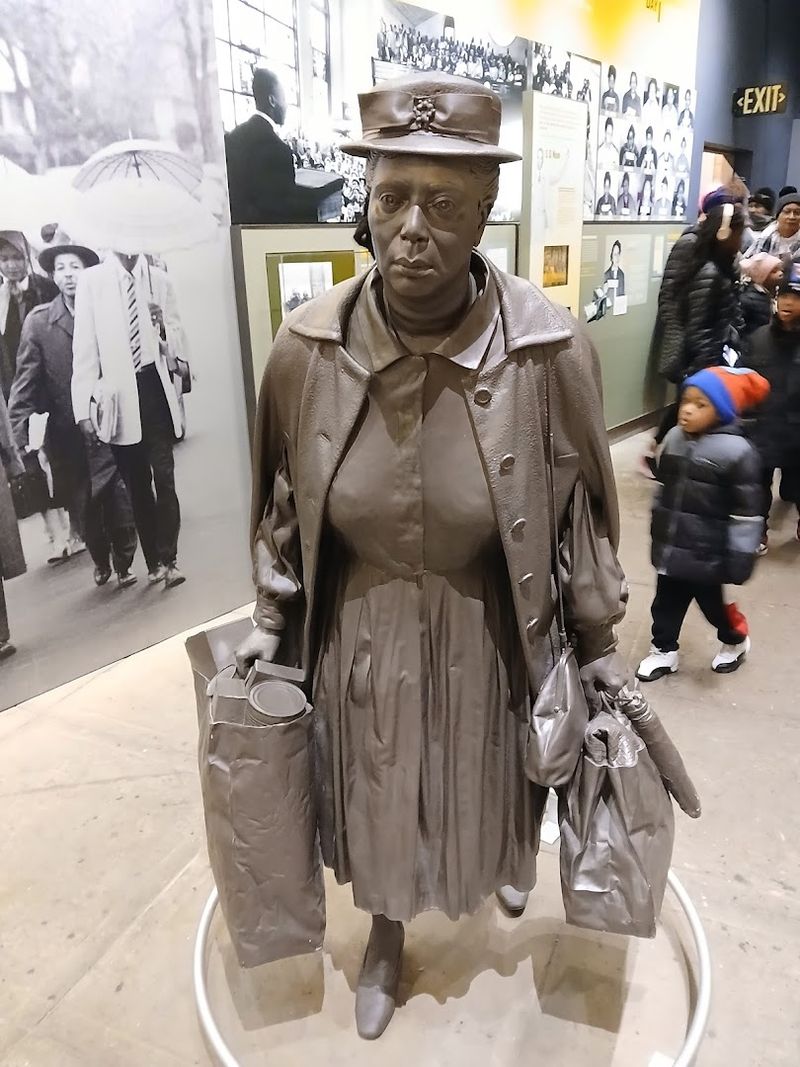
The museum experience does not end at the exit door. The museum’s Founders Park is being renamed the BlueCross Healthy Places at Founders Park as part of the Legacy Expansion Project, funded by a multi-million dollar investment from the BlueCross BlueShield of Tennessee Foundation.
The renamed and renovated outdoor space offers enhanced areas for gatherings, events, and quiet reflection.
Outdoor spaces adjacent to emotionally intense museum experiences serve a function that is easy to underestimate. After spending several hours moving through exhibits about assassination, structural inequality, and decades of hard-fought social struggle, having a thoughtfully designed outdoor space to pause and process is genuinely valuable.
The park gives visitors room to breathe before returning to the ordinary rhythms of the day.
The park will also serve as a venue for community events, which extends the museum’s reach beyond its interior galleries and into the broader Memphis community. The National Civil Rights Museum has always functioned as more than a tourist destination.
It is a living institution with deep roots in the city that surrounds it.
Enhancing the outdoor space reinforces that community dimension and creates a more complete and welcoming experience for every type of visitor, from school groups to solo travelers to families planning a full day at 450 Mulberry St.
Leading Scholars Shaped The Exhibition’s Historical Accuracy
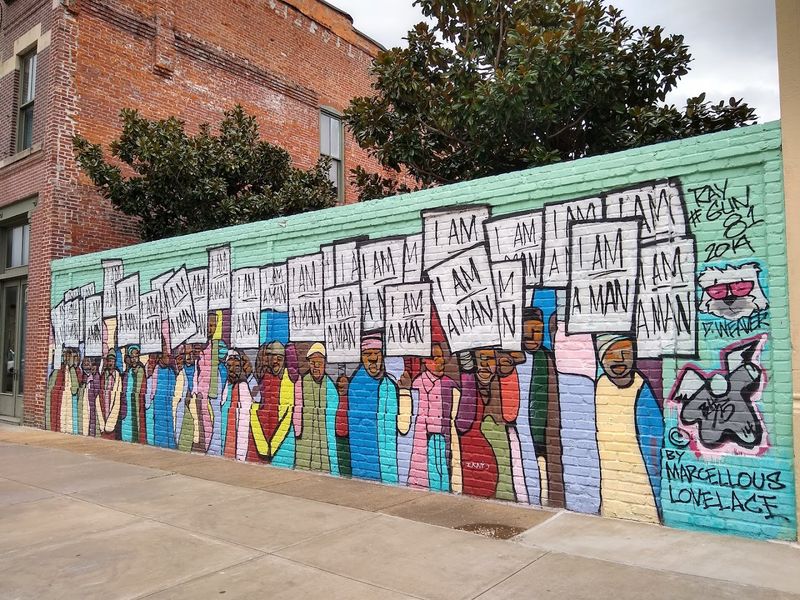
An exhibition of this ambition requires scholarly rigor, and the Legacy Experience was developed with serious academic input. Dr. Hasan Jeffries, a professor of history at The Ohio State University, served as lead exhibition scholar.
His involvement brought both academic precision and a contemporary perspective to the material, ensuring that the exhibition engages honestly with current historical scholarship rather than relying on outdated or simplified accounts.
Dr. Jeffries is known for his work on civil rights history and his ability to communicate complex historical arguments to broad audiences. That combination of scholarly depth and accessibility is exactly what an exhibition like this requires.
History that is accurate but impenetrable serves no one, and history that is accessible but imprecise does a disservice to the people and events it claims to represent.
Historian Ryan M. Jones contributed additional expertise by examining recently declassified government documents related to political assassinations, bringing new primary source material into the exhibition’s most sensitive section.
The involvement of multiple scholars with distinct areas of expertise gave the Legacy Experience a layered, cross-checked foundation that visitors can trust. For a museum already rated among the most powerful and educational in the country, that commitment to scholarly integrity is both fitting and essential to the institution’s long-term credibility.