
10 Abandoned Industrial Sites In Vermont That Nature Is Quietly Taking Over
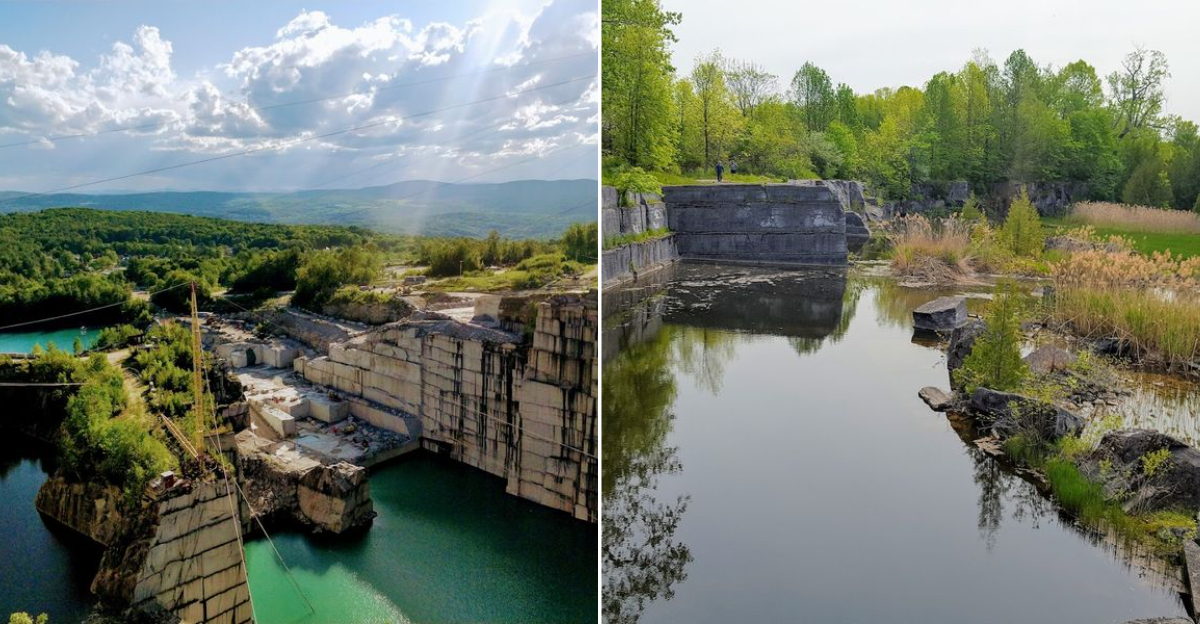
Most people come to Vermont expecting postcard stuff. Maple syrup. Covered bridges. Fiery fall color. I get it. That version of the state is easy to love.
But the side that really grabs me feels quieter, stranger, and a whole lot more haunting. Drive far enough into the hills and you start finding the leftovers. Old factories. Forgotten mills.
Abandoned quarries. Places that used to roar with workers, machinery, and daily routine now sit in near silence, slowly being taken back by moss, vines, trees, and time. That contrast is what pulls me in every single time.
One minute I am looking at crumbling brick and rusted metal, and the next I am imagining what the place sounded like when it was alive. I have always been drawn to places with a past you can still feel.
And here, these hidden ruins do more than look interesting. They spark questions.
They make me want to stop, look closer, and picture the lives that once moved through them. If you love history with a rough edge and adventure with a curious twist, this is the kind of place you will not forget.
1. Elizabeth Mine, Strafford / South Strafford
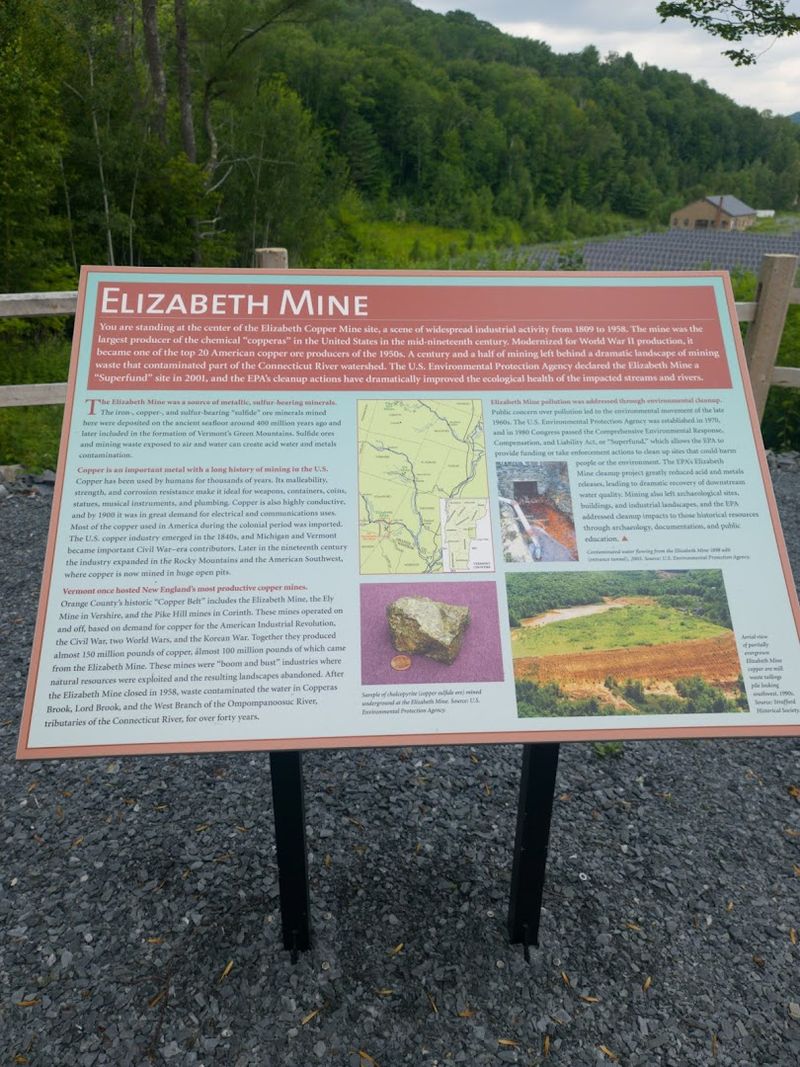
Copper was king here once, and the Elizabeth Mine made sure everyone knew it. This site operated for over a century before shutting down in 1958.
Walking through what remains feels less like a hike and more like stepping into a forgotten chapter of American industry.
The ruins at 222 Mine Rd, South Strafford, VT 05070 are dramatic. Crumbling stone buildings, rusted processing equipment, and waste piles called tailings stretch across the landscape.
Nature has been busy here, with birch trees pushing through cracked concrete and ferns carpeting the old work floors.
What makes Elizabeth Mine stand out is the sheer scale of what was left behind. This was not a small operation.
It was a sprawling industrial complex that employed hundreds of people at its peak, and the bones of that ambition are still visible everywhere you look.
The site is now part of a Superfund cleanup effort, which means public access is limited in certain areas. Still, the visible perimeter alone is worth the drive.
The contrast between the rusted industrial skeleton and the lush Vermont forest growing around it is genuinely striking.
Few places in New England capture the tension between human ambition and natural reclamation quite this powerfully. It is eerie, beautiful, and oddly inspiring all at once.
2. Freedleyville Quarry, Dorset
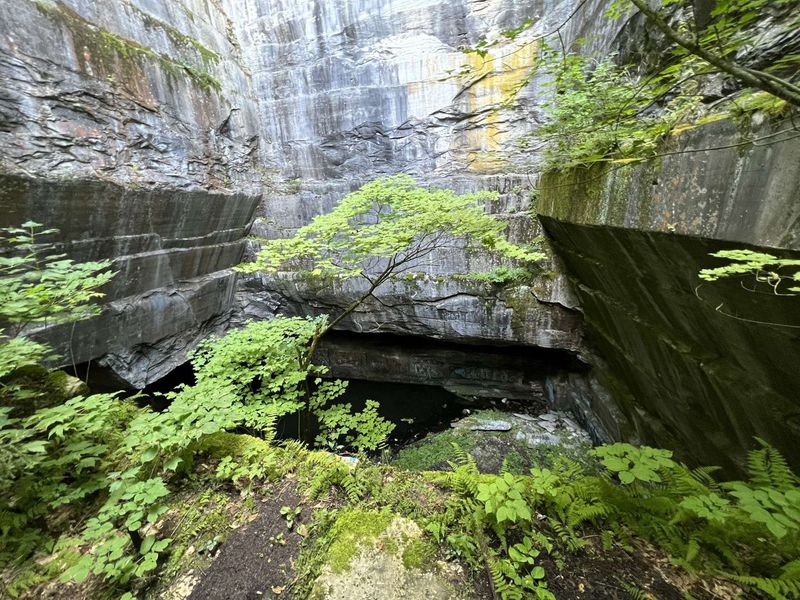
Marble has a way of making everything look expensive, even when it is just sitting in a hole in the ground. This is exactly that kind of place.
Near Dorset Hill Rd in Freedleyville Quarry, Dorset, VT 05251, raw geological beauty and industrial history collide in a strikingly photogenic way.
Dorset was home to the first commercial marble quarry in the United States, and that legacy still shows in the exposed stone and crumbling ledges here. The old quarrying relics scattered around the site give you a real sense of how labor-intensive this work once was.
I remember standing at the edge of one flooded pit and thinking it looked more like a painting than a real place. The water was this impossible shade of green, the marble walls were bright white, and birch trees were leaning in from every direction like curious spectators.
The surrounding landscape has absorbed the industrial scars remarkably well. Vegetation has softened the sharp edges of the old cuts, and wildlife has moved into the spaces left by the workers.
Turtles sun themselves on marble slabs. Birds nest in the equipment ruins.
The whole place has a quiet, settled energy that feels earned rather than manufactured. Vermont does not always advertise these spots, which is honestly part of what makes finding them feel so rewarding.
3. Abandoned Quarries Of Barre, Barre Town Forest
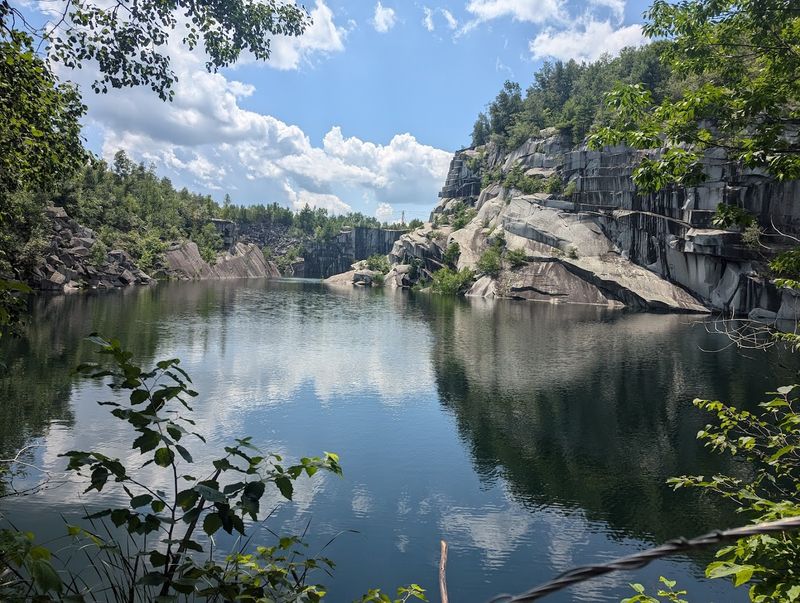
Granite built this town, and the quarries around Barre are where that story started. The trail area off Websterville Rd near Barre Town Forest, VT gives you access to a landscape that feels both industrial and wildly natural at the same time.
It is one of those places where history and ecology are having a very slow, very interesting conversation.
Barre is often called the Granite Capital of the World, and the old quarry zones around the town forest show you exactly why that title was earned. The amount of stone cut and hauled out of these hills over the decades is hard to grasp when you stand among the remains.
What strikes me most is how quickly the forest moves in once the machines stop. Birch and maple saplings sprout from rock crevices.
Mosses turn every flat surface into a soft green carpet. The old quarry walls become cliff faces for birds and small mammals.
Hikers regularly pass through this area without fully registering the industrial history beneath their feet. The trails are well-used and the scenery is beautiful, but if you slow down and look carefully, the old quarry features are everywhere.
Flooded pits, granite debris piles, rusted cable remnants. Each one is a quiet reminder that this peaceful forest floor was once a roaring, dusty, incredibly productive workplace.
That layered history makes every step more interesting.
4. Greenbanks Hollow, Danville / South Danville
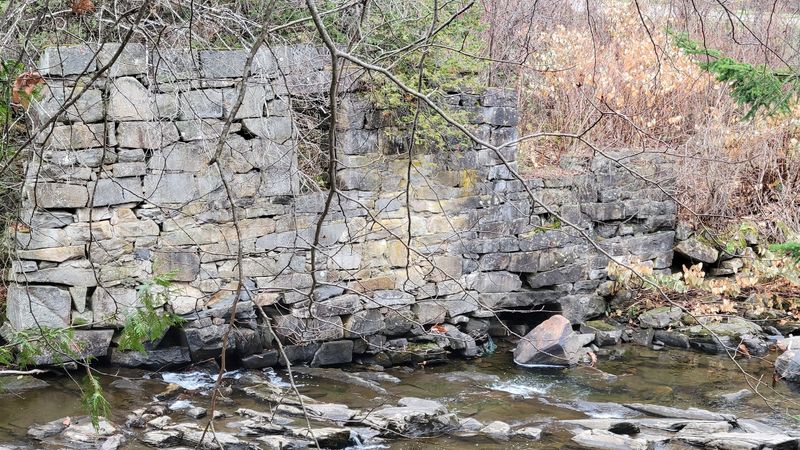
Most people drive right past this area without a second glance. At Greenbanks Hollow Rd, Danville, VT 05828, they are missing one of the more quietly fascinating corners of the Northeast Kingdom.
This former mill village is the kind of place that rewards curiosity and punishes impatience.
At its peak, Greenbanks Hollow was a self-contained industrial community. There was a mill, a mill house, worker housing, and all the supporting infrastructure that comes with a functioning manufacturing operation.
Then the economy shifted, the workers left, and the forest moved in with zero hesitation.
Stone foundations are still visible along the stream corridor, half-buried under decades of leaf litter and root growth.
The mill stream still runs strong through the same channel it has used for centuries, even though no wheel turns above it anymore.
What I find most compelling about this spot is the silence. Not the uncomfortable kind, but the deep, layered quiet that only comes when a place has been left alone long enough to settle back into itself.
The trees are tall, the understory is thick, and the ruins feel genuinely integrated into the landscape rather than just dumped in it. Greenbanks Hollow is not dramatic or cinematic.
It is subtle and contemplative, and sometimes that is exactly what you need from a place like this.
5. Old Red Mill, Jericho
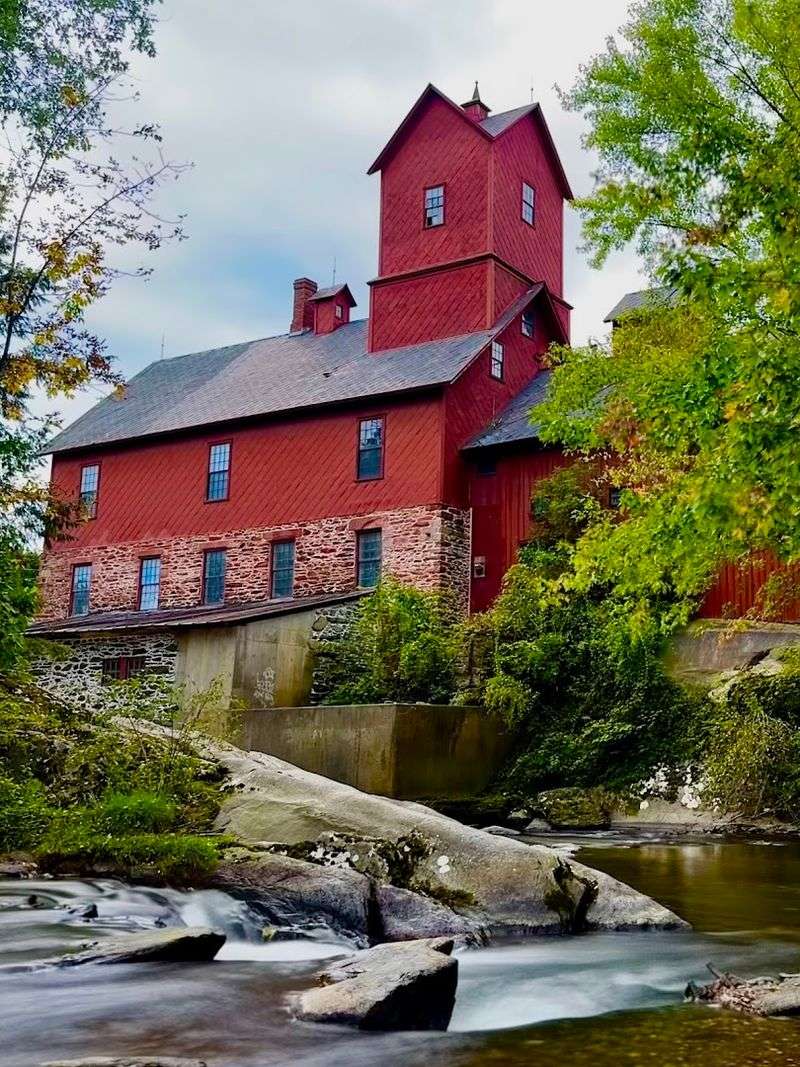
The Old Red Mill in Jericho is the kind of building that makes you stop mid-sentence. Right off Red Mill Dr near VT-15 in Jericho, VT, this structure has stood since 1825, and you can see that age in its weathered boards and mossy foundation stones.
Originally built as a grist mill, it processed grain for the surrounding farms and community for generations. The mill is more preserved than wild, but the surrounding landscape and its age make it feel caught between active use and natural reclamation.
The stream beside it still runs hard enough that you can hear it from the parking area.
What makes this place memorable beyond its postcard looks is the texture. The wood has turned that deep, saturated red that only comes from decades of weather and repainting.
The stone foundation is thick with moss. The millrace beside the building is half-filled with sediment and volunteer plants that nobody planted on purpose.
It is also home to the Snowflake Bentley Museum, celebrating the Jericho man who first photographed individual snowflakes in the late 1800s. That combination of industrial history and scientific curiosity in one small building is genuinely delightful.
The Old Red Mill is not a ruin in the traditional sense, but it absolutely belongs on any list of Vermont’s most evocative industrial survivors.
6. Mill Village Historic District, Waterbury
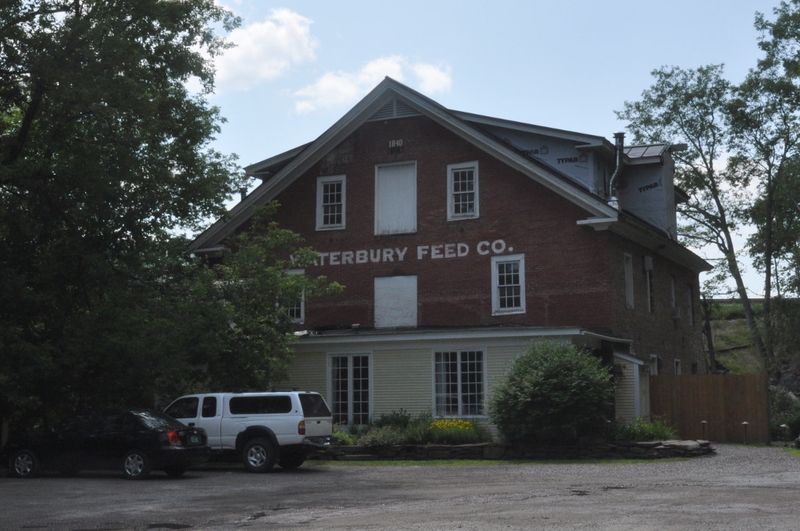
Waterbury is mostly known these days for being near a famous ice cream factory. But the Mill Village Historic District along Stowe Street tells a much older story.
This compact industrial neighborhood was once a humming center of manufacturing activity, and the bones of that era are still standing.
The district includes several mill-era structures along the river, with brick and timber frames marked by the kind of wear that only comes with real age.
Some buildings have found new uses over the years, while others sit in quiet decline, with vegetation climbing their walls and windows gone dark.
What strikes me about this area is how the industrial past and the natural present coexist without either one winning completely. The river that powered these mills still runs right alongside the old buildings.
Willows and alders crowd the banks. Swallows nest in the eaves of structures that once housed looms and lathes.
The historic district designation helps protect some of that character. That is good news for anyone who appreciates a place that feels used, abandoned, partly saved, and slowly reclaimed by nature all at once.
Waterbury rewards the kind of visitor who slows down and reads the buildings rather than just photographing them from the car window.
7. Rock Of Ages Old Quarry Features, Graniteville
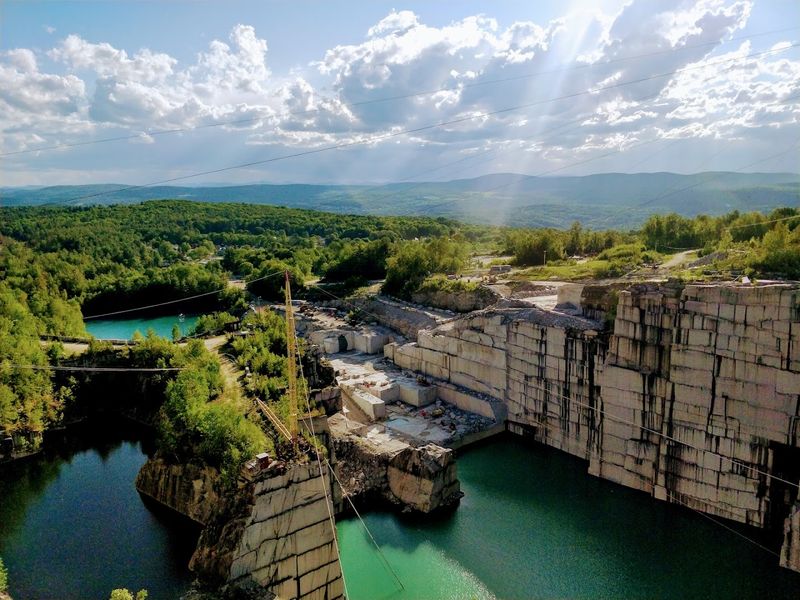
The Rock of Ages quarry complex is one of those places where active industry and abandoned industrial history exist side by side in a genuinely unusual way.
The working quarry is still one of the deepest in the world, but the surrounding landscape holds older features that have been left to the elements for decades.
The older parts of the quarry grounds include abandoned cutting sheds, rusted equipment, and stone debris fields now covered in moss, lichens, and scrubby growth.
These areas have a completely different character from the active quarry zones, quieter and wilder, with a texture that comes from years of undisturbed weathering.
Granite dust still coats certain surfaces in the older sections, giving plants an unusual pale substrate to grow from.
Watching green moss spread across grey granite waste at 558 Graniteville Rd, Graniteville, VT 05654 feels like watching geology and biology negotiate in slow motion.
The visitor center area and quarry tours give you a sanitized version of the industrial story, which is genuinely interesting. But the real texture of the place lives in the older, quieter corners, where the machines stopped long ago and the landscape has slowly taken over ever since.
Graniteville is not a typical tourist stop, but the mix of industrial scale and slow natural takeover makes it worth the detour through central Vermont.
8. Rutland Marble Quarry Ruins, Rutland / West Rutland
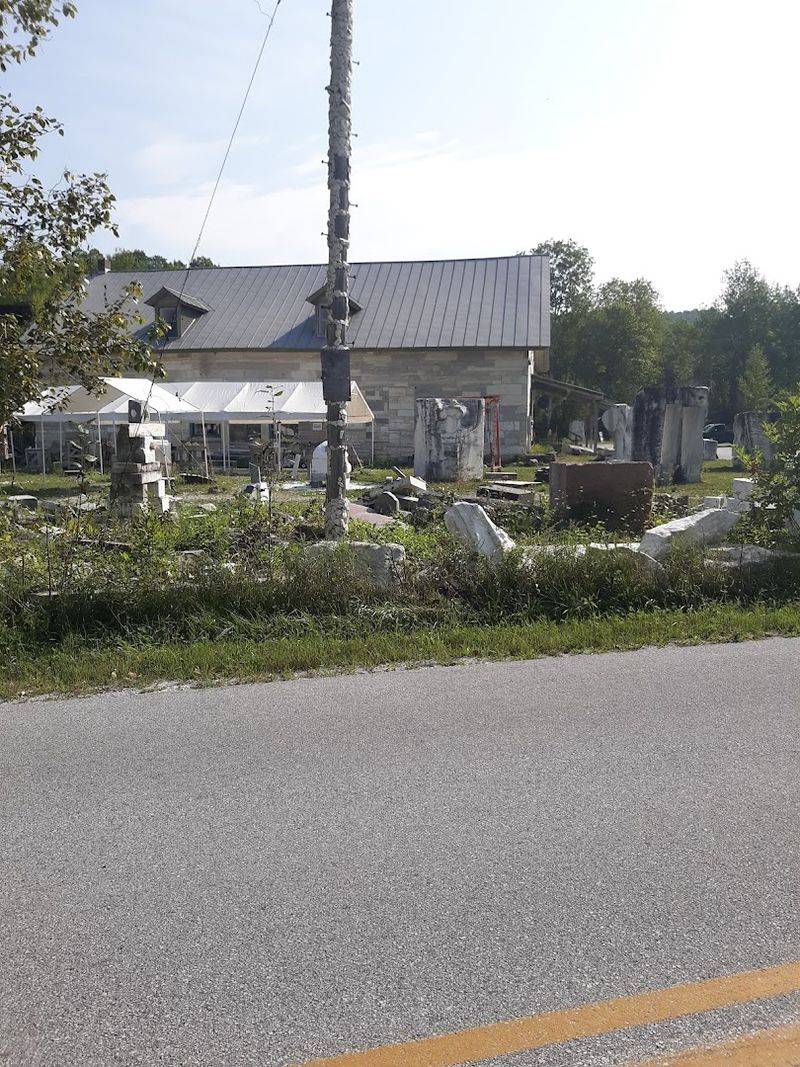
Rutland and the surrounding towns were once the center of Vermont’s marble industry. And the quarry ruins near Marble St and across the broader Rutland area still show just how dominant that industry once was.
The scale of the old extraction landscape is genuinely impressive even in its abandoned state.
Vermont marble ended up in some of the most famous buildings in the United States, including the Supreme Court in Washington, D.C. The quarries that produced it were enormous, loud, and deeply tied to the landscape and local economy for generations.
Today, the abandoned sections of the marble quarry landscape have a ghostly elegance.
White marble faces catch the light in ways that make the ruins look almost intentional, like someone designed them to be beautiful after the work stopped. Flooded pits reflect the sky in that particular shade of blue-green that you only find in marble quarry water.
Vegetation has moved in selectively, with certain plant species thriving on the alkaline marble substrate while others struggle. The result is a botanical patchwork that is genuinely different from the surrounding Vermont forest.
You can find wild columbine blooming from the marble ledges here.
It is exactly the kind of detail that makes an abandoned industrial site worth exploring slowly instead of just photographing from the road and moving on.
9. Redstone Quarry Area, South Burlington
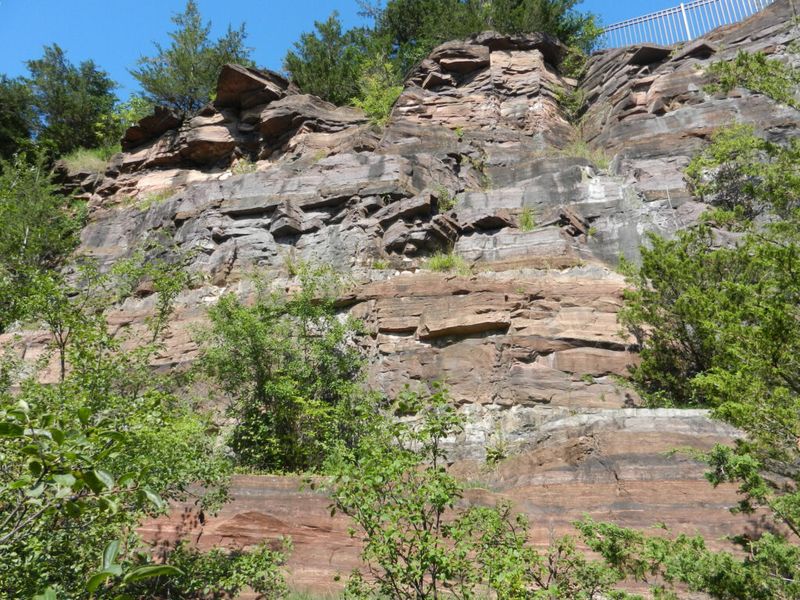
Not every abandoned industrial site in Vermont is vast and dramatic. The Redstone quarry area near the Hoover St end in South Burlington, VT is a smaller look at the state’s quarrying history, and that scale adds to its appeal.
This place feels like a neighborhood secret rather than a tourist attraction.
The red sandstone that gives this area its name was quarried here in the 19th century for use in local construction projects. The distinctive reddish stone appears in several historic Burlington-area buildings.
That makes this small quarry a surprisingly important part of the region’s architectural story.
The quarry has been largely absorbed into the surrounding landscape, but the rock faces and cuts are still visible if you know where to look. Vegetation has softened the hard industrial edges, with sumac, wild grape, and young trees filling the gaps in the stone.
What I appreciate about this spot is that it proves you do not need a massive industrial ruin to get that particular feeling of time layered over itself. Even a small, neighborhood-scale quarry carries its own quiet history.
The Redstone area is the kind of place you stumble across on a walk and keep thinking about afterward.
It makes you wonder who worked there and where all that stone ended up.
10. Fisk Quarry Preserve, Isle La Motte
Isle La Motte is already one of Vermont’s more unexpected destinations, a small island in Lake Champlain with a geology that is genuinely world-class.
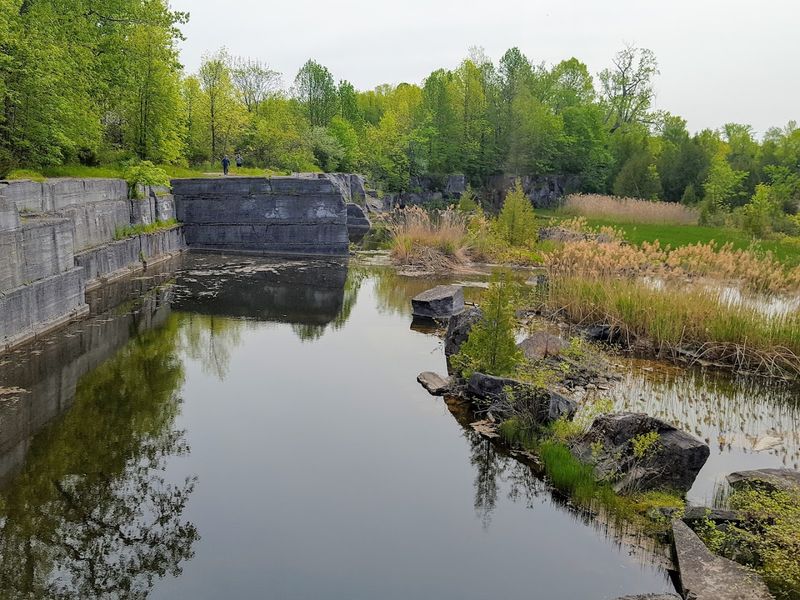
The Fisk Quarry Preserve on Isle La Motte, VT 05463 adds an industrial layer to that natural story that makes the whole place even more interesting to explore.
The quarry was worked for its black limestone, which contains some of the oldest coral reef fossils on the planet. The Chazy Reef, preserved in the quarry walls and floor, is approximately 480 million years old.
That number barely registers, which is part of what makes standing in this quarry feel so disorienting in the best way.
After quarrying operations stopped, the site was preserved specifically because of its paleontological significance. Nature has been working on the non-fossil sections with its usual patience.
Mosses and ferns colonize the damp quarry floor. Shrubs crowd the old access paths. Shallow pools have formed where the rock surface dips.
The preserve is managed and accessible, which means you can actually walk through it without worrying about trespassing or safety hazards. That accessibility makes it one of the more visitor-friendly spots on this list.
But do not let the manicured access fool you.
Standing in a 480-million-year-old reef that also became an active quarry is about as strange and wonderful as Vermont gets.
Take the back road, wear shoes you do not mind getting dusty, and let one of these eerie Vermont sites turn your day trip into a full-blown curiosity spiral.