
11 Abandoned North Carolina Destinations Every Explorer Should Visit
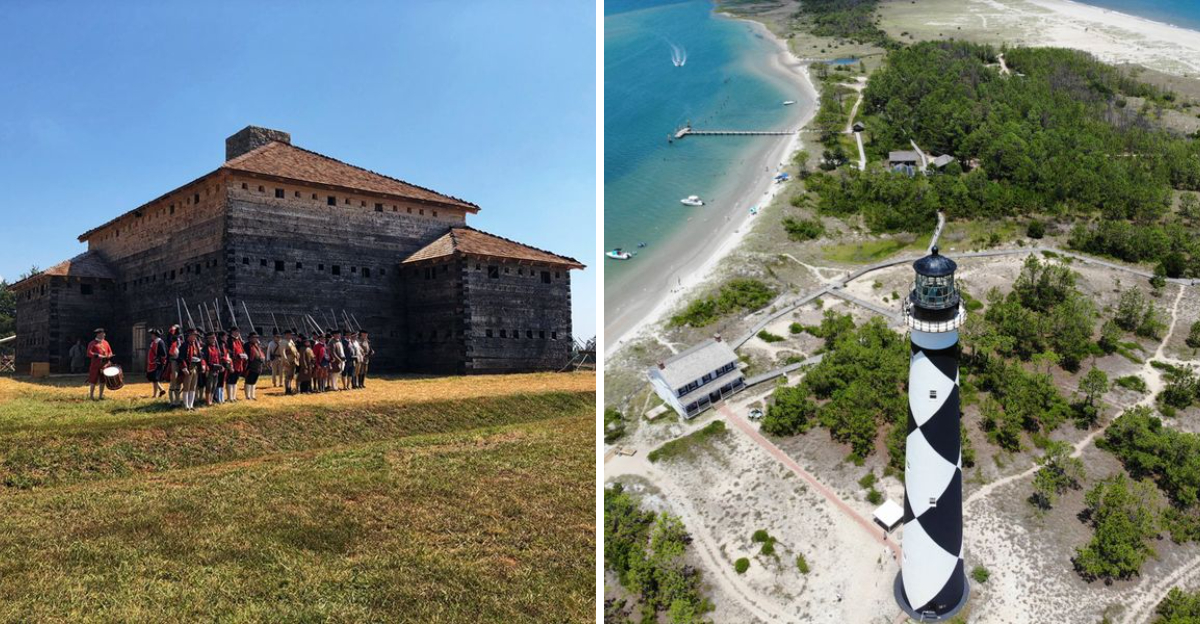
North Carolina holds secrets in its forgotten corners, where history whispers through abandoned buildings and overgrown paths.
These deserted places tell stories of communities that once thrived, industries that boomed, and dreams that faded with time.
Exploring these haunting locations offers a unique window into the past, revealing how people lived, worked, and eventually moved on.
Pack your curiosity and prepare for an adventure through the Tar Heel State’s most fascinating forgotten destinations.
1. Henry River Mill Village
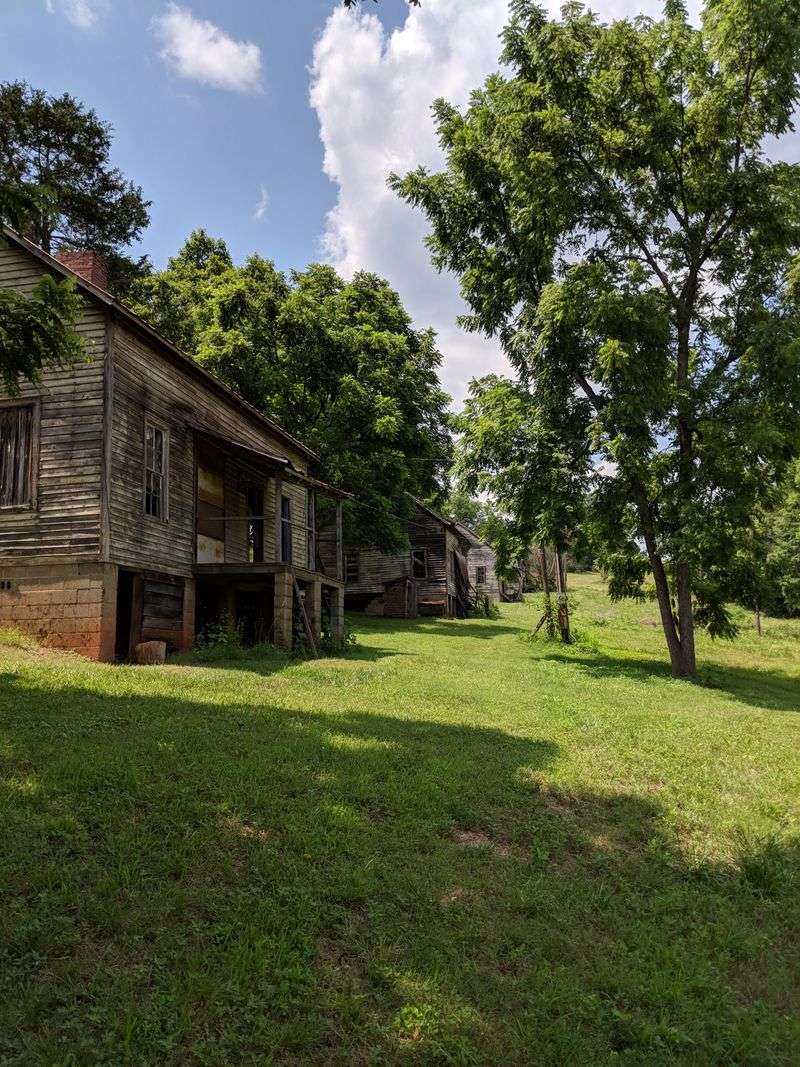
Movie magic brought this cotton mill village back into the spotlight when it stood in as District 12 for The Hunger Games.
Built in 1905, the village housed workers and their families who kept the textile mill running day and night.
Twenty houses still stand alongside the river, their windows empty and porches sagging.
Walking through feels like stepping onto a movie set frozen in time.
The property changed hands recently, so check access rules before visiting this cinematic ghost town.
2. Portsmouth Island
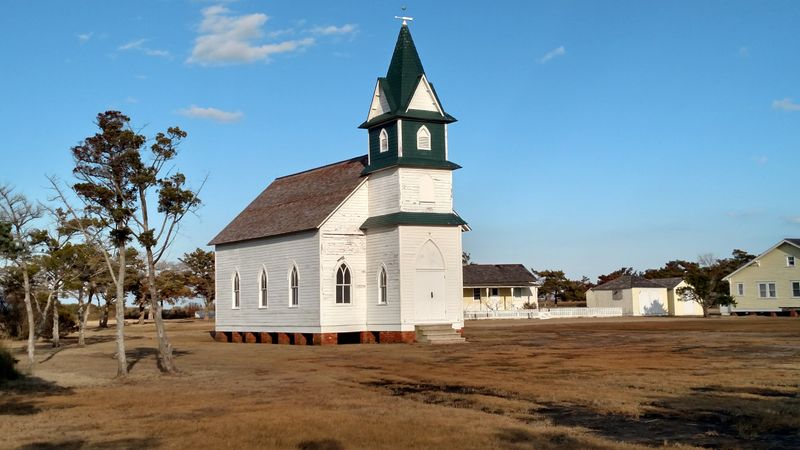
Accessible only by boat, this barrier island village once bustled with fishermen, lifesavers, and their families numbering over 700 souls.
The last two residents packed up and left in 1971, leaving behind a perfectly preserved coastal community.
Churches, homes, and the old post office still stand against the salt air and storms.
Wild horses now roam the empty streets where children once played.
Ferry services from Ocracoke make this haunting island accessible for day trips.
3. Cape Lookout Village
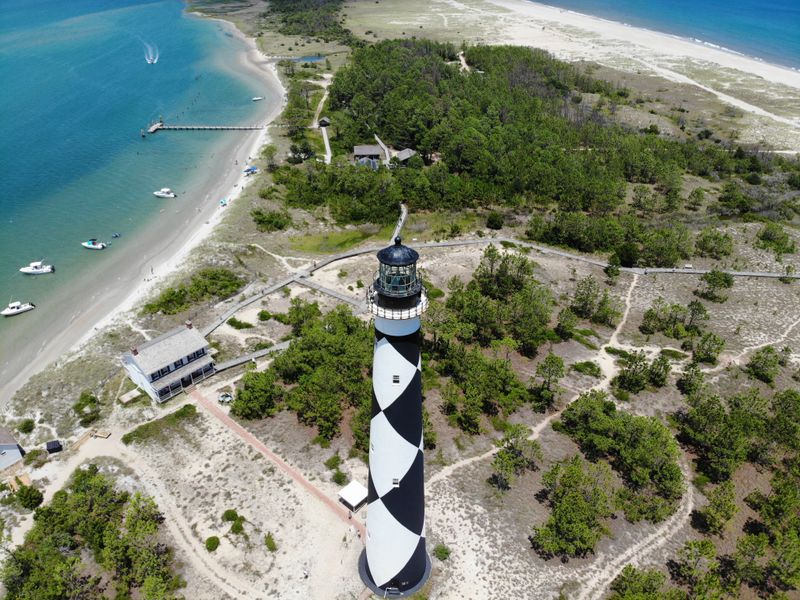
Standing in the shadow of its famous black-and-white lighthouse, this fishing village tells tales of maritime life along the treacherous Graveyard of the Atlantic.
Families lived here seasonally, working the waters and maintaining the lighthouse until the 1980s.
Buildings remain remarkably intact, protected by the National Park Service.
You can peer through windows at kitchens where fish once sizzled and bedrooms where lighthouse keepers dreamed.
Passenger ferries provide access during warmer months for curious explorers.
4. Brunswick Town
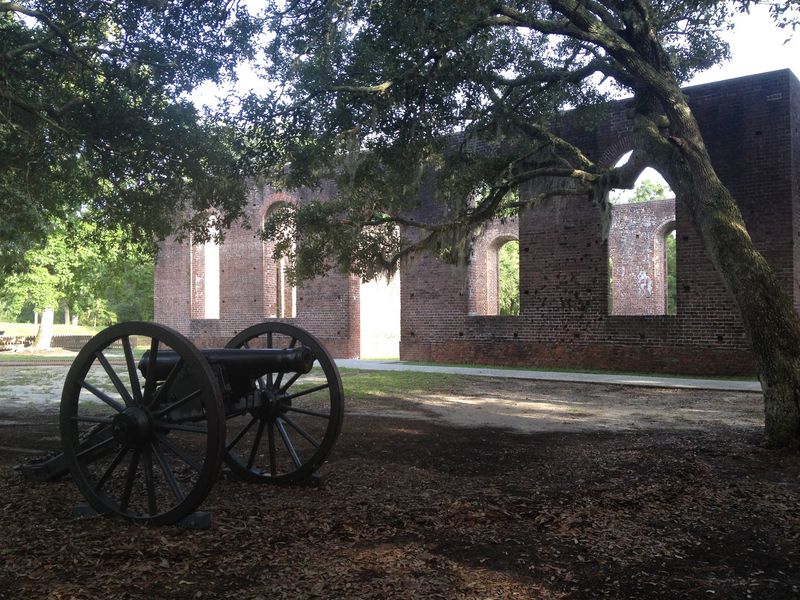
Before Wilmington rose to prominence, Brunswick Town thrived as a bustling colonial port in the 1700s.
British soldiers torched it during the Revolutionary War, and the town never recovered from the flames.
Today, brick foundations and towering chimneys mark where merchants lived and conducted business.
The adjacent Fort Anderson earthworks add Civil War history to this layered historical site.
Walking paths wind through the ruins, making history tangible beneath your feet.
5. Fort Dobbs
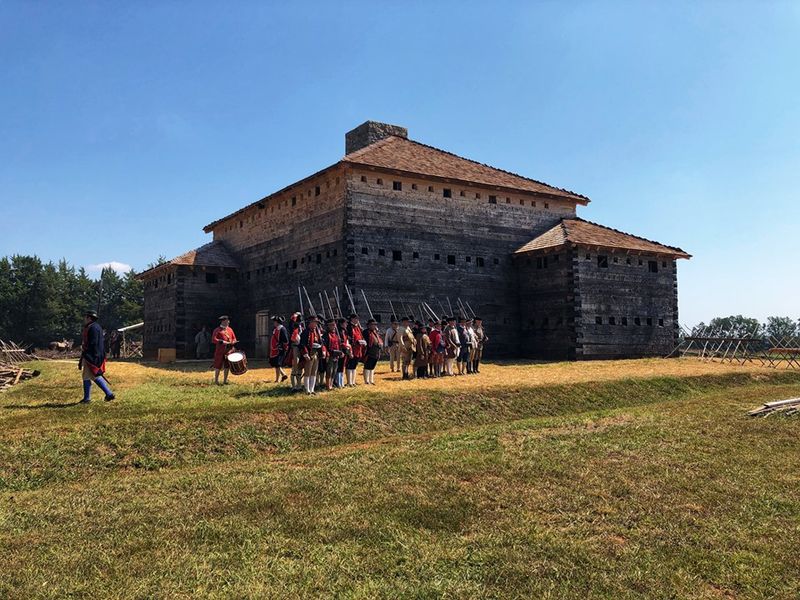
Named after Royal Governor Arthur Dobbs, this frontier fort protected settlers during the French and Indian War before fading into obscurity.
Only earthworks remained until archaeologists uncovered the fort’s secrets buried beneath centuries of soil.
A reconstructed fort building now stands where soldiers once kept watch for Cherokee warriors and French forces.
Interactive exhibits bring the 1750s frontier experience alive.
The surrounding woods still feel wild and remote, echoing the isolation early settlers faced daily.
6. Lost Cove
Hidden deep in the Pisgah National Forest, this mountain community earned its name honestly—finding it requires serious hiking skills and determination.
Families carved out lives here from the 1800s until the government bought them out to create the national forest.
Stone chimneys and crumbling foundations peek through the undergrowth.
The isolation that once protected residents now makes this one of North Carolina’s most challenging abandoned sites to reach.
Bring maps, supplies, and ideally an experienced guide.
7. Gimghoul Castle
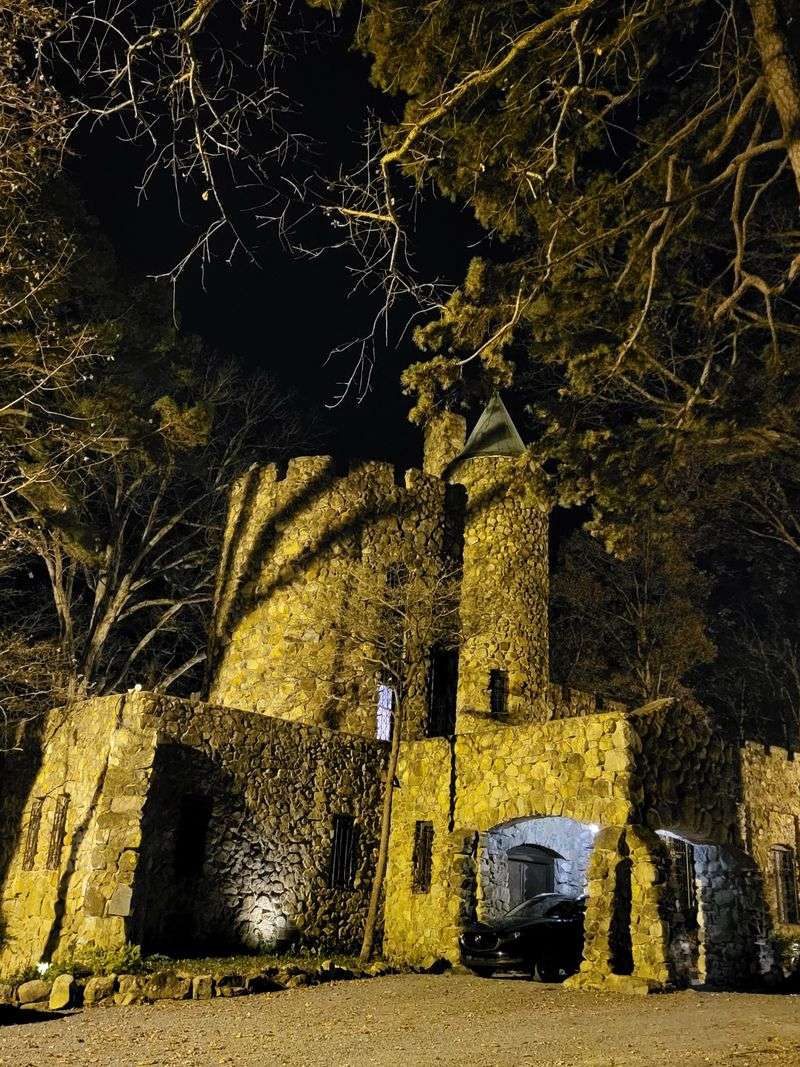
Built in 1926 by a secretive student society at UNC Chapel Hill, this stone castle looks like it belongs in medieval Europe rather than North Carolina.
The Order of Gimghoul still exists, making this technically not abandoned, but the mysterious structure captivates curious onlookers.
Perched on a wooded hillside, the castle remains private property surrounded by rumors and legends.
You can glimpse its towers from nearby streets but cannot enter.
The intrigue alone makes it worth seeking out.
8. Buffalo City
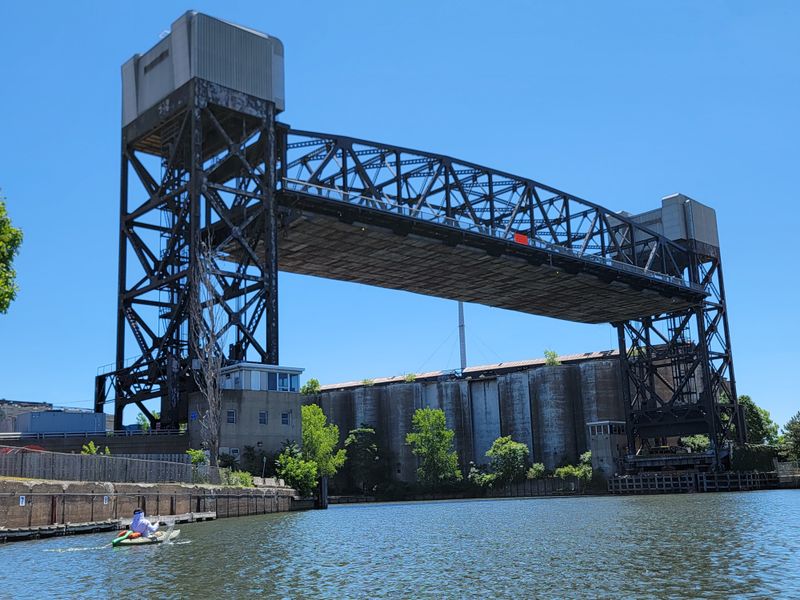
Once a roaring logging town with 3,000 residents, saloons, and sawmills, Buffalo City now lies submerged beneath the swampy waters of Dare County.
Founded in the 1880s, it boomed briefly before the timber ran out and residents scattered.
Today, kayakers paddle over streets where loggers once walked.
Pilings poke through the dark water like skeletal fingers reaching upward.
Alligators and snakes have reclaimed this swampy ghost town, adding adventure to exploration.
9. Cataloochee Valley
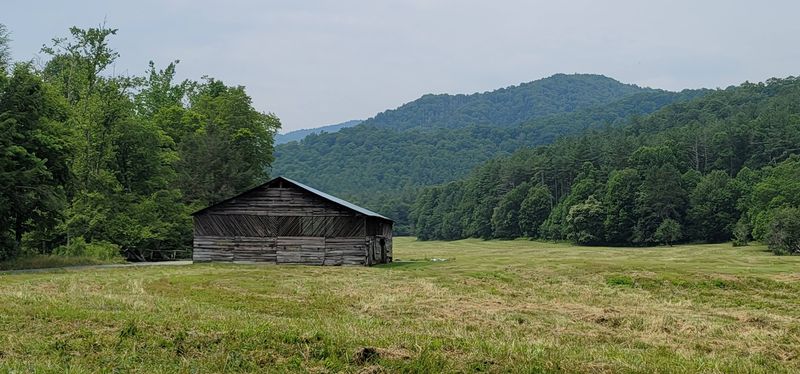
Before becoming part of Great Smoky Mountains National Park, over 1,200 people called this mountain valley home.
Families farmed, raised livestock, and built a tight-knit community that thrived from the early 1800s until the 1940s.
The National Park Service maintains several buildings including churches, homes, and a schoolhouse.
Elk now graze in fields where crops once grew, adding wildlife watching to your historical exploration.
The valley offers camping and easy access for families.
10. Proctor
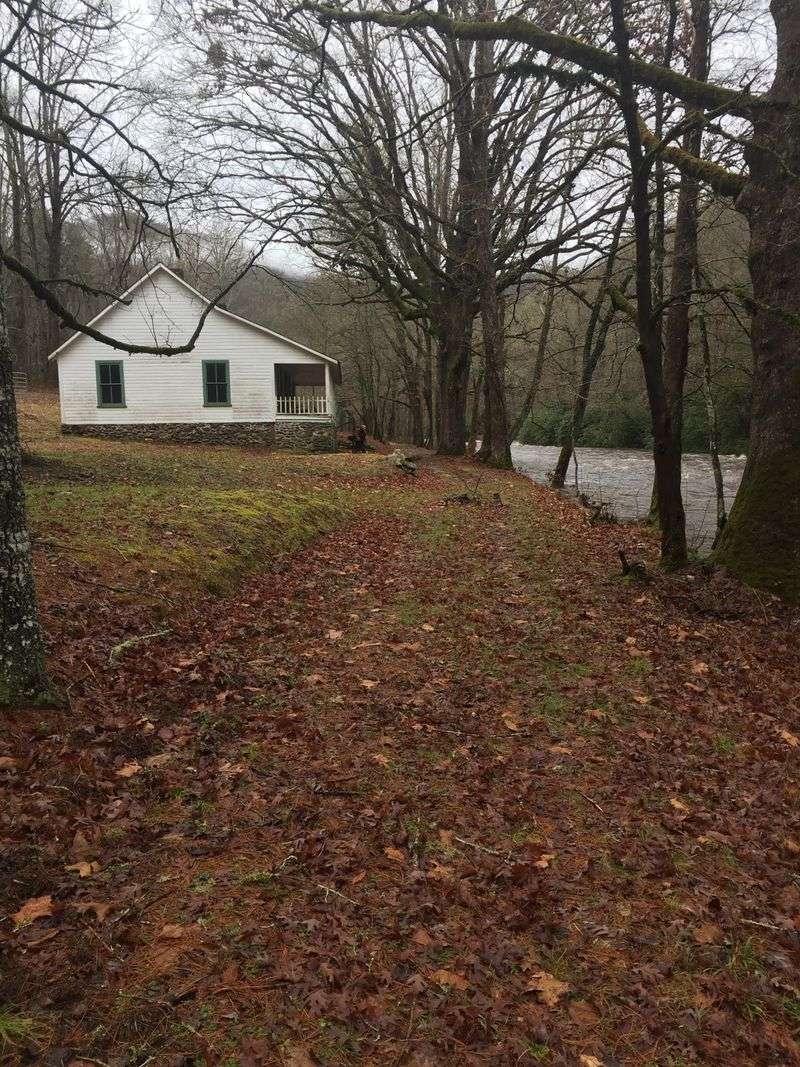
Deep in the Hazel Creek area of the Smokies, Proctor served as a company town for logging operations that stripped the mountains bare.
At its peak, 1,000 people lived here, supporting schools, stores, and a thriving community.
When the park formed, residents relocated, leaving behind foundations and memories.
Reaching Proctor requires a boat ride across Fontana Lake followed by serious hiking.
The remote location preserves the site while challenging modern visitors to work for their discovery.
11. Road To Nowhere (Lakeview Drive)
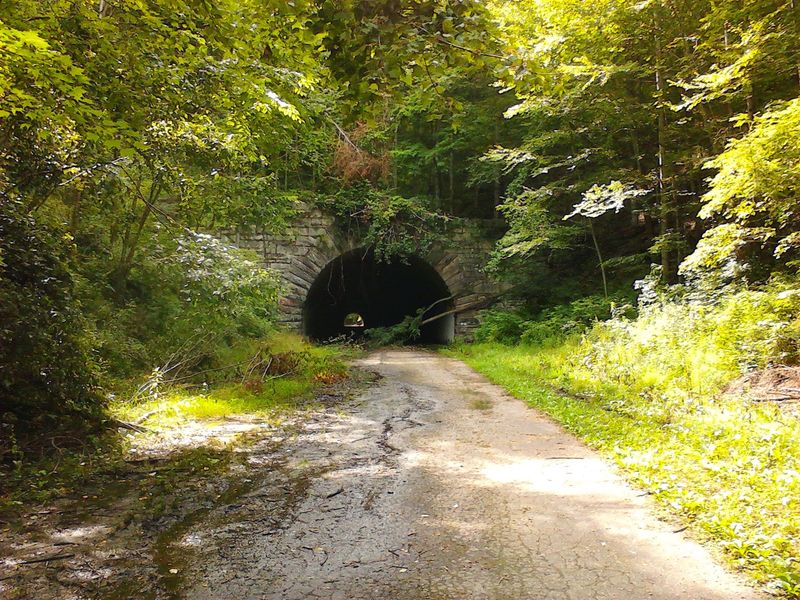
Construction started on this highway in 1943 to replace roads flooded by Fontana Dam, but it abruptly ended after six miles, earning its ominous nickname.
A tunnel through the mountain leads nowhere, symbolizing broken government promises to displaced families.
The paved road offers easy hiking with stunning views and a haunting reminder of incomplete projects.
The tunnel stays cool even in summer, echoing with footsteps and whispers.
Parking areas provide convenient access near Bryson City.