
Abandoned North Carolina Villages Lost To Time
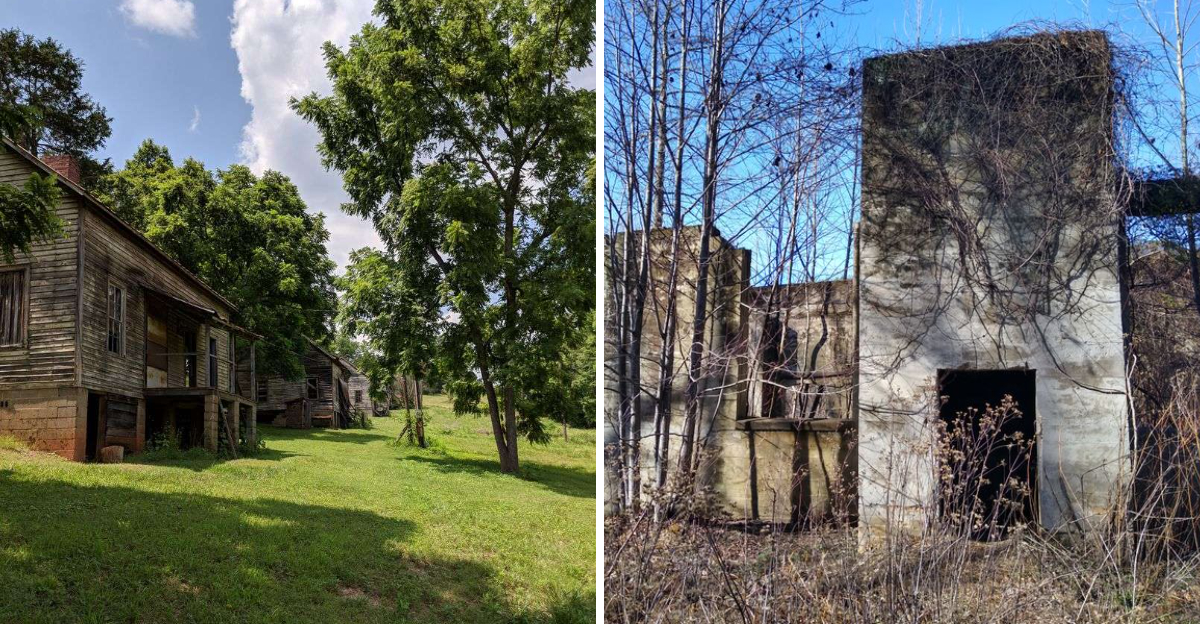
North Carolina holds secrets in its mountains and coasts that most people never discover.
Ghost towns and forgotten villages dot the landscape, each with stories of communities that once thrived before vanishing into history.
These abandoned places remind us how quickly bustling settlements can turn into memory and dust.
From coastal islands to mountain hollows, these lost villages tell tales of economic shifts, natural disasters, and changing times that left buildings empty and streets silent.
1. Portsmouth Village
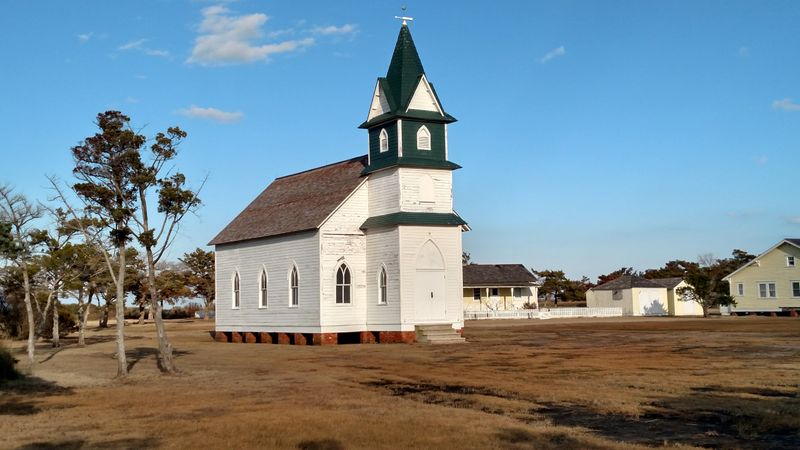
Once a thriving port on the Outer Banks, this coastal settlement buzzed with ship pilots and fishermen who guided vessels through treacherous waters.
The village served as a vital shipping hub during the 1800s, with families building lives around maritime trade.
Hurricanes and economic changes slowly drained the population until the last residents departed in 1971.
Today, the weathered buildings stand as silent witnesses to a bygone era of coastal commerce and island living.
2. Henry River Mill Village
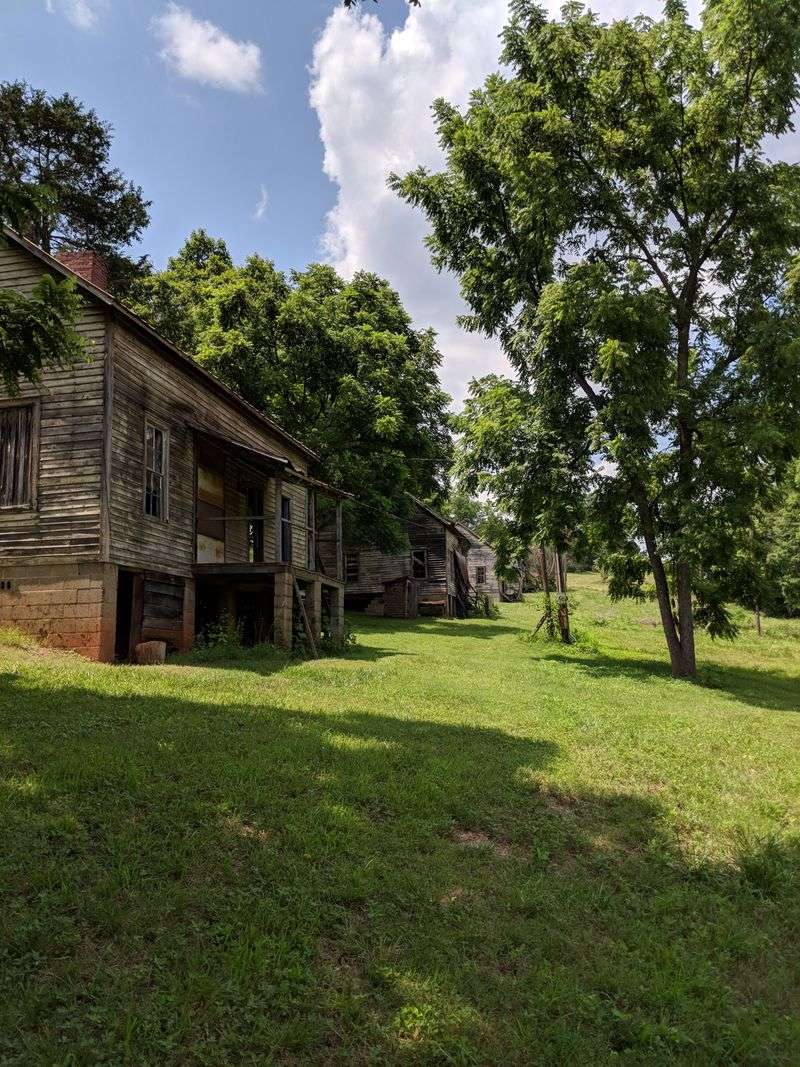
This textile mill town achieved unexpected fame when Hollywood transformed it into District 12 for The Hunger Games movies.
Before the cameras arrived, generations of mill workers lived in company houses, their lives revolving around cotton production and factory whistles.
When the mill closed in 1973, families scattered to find work elsewhere.
The village sat frozen in time until movie magic gave it temporary new life, though today it remains hauntingly empty between the trees.
3. Brunswick Town
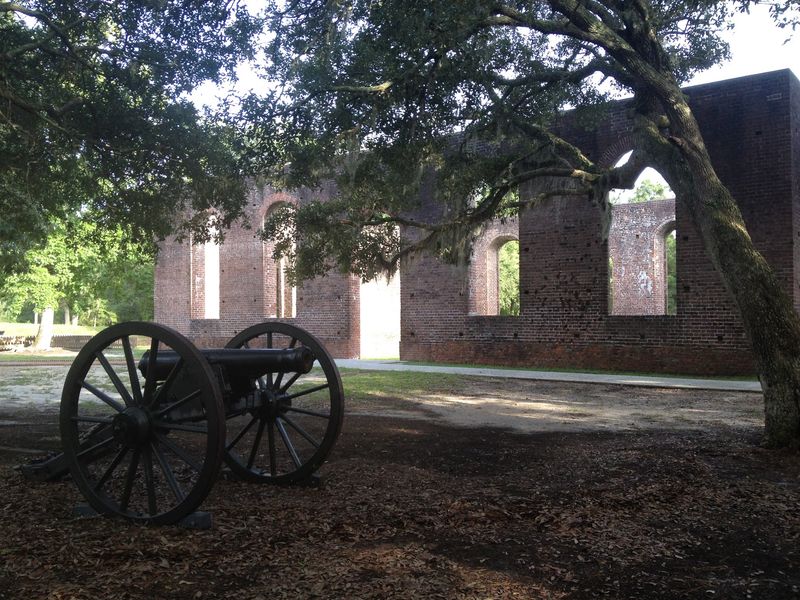
Founded in 1726, this colonial port town competed fiercely with Wilmington for shipping dominance along the Cape Fear River.
Wealthy merchants built impressive homes and the settlement seemed destined for greatness as a major trading center.
British forces burned it during the Revolutionary War, delivering a devastating blow from which Brunswick never recovered.
Residents gradually relocated to nearby Wilmington, leaving behind ruins that now serve as a fascinating state historic site and archaeological treasure.
4. Mortimer
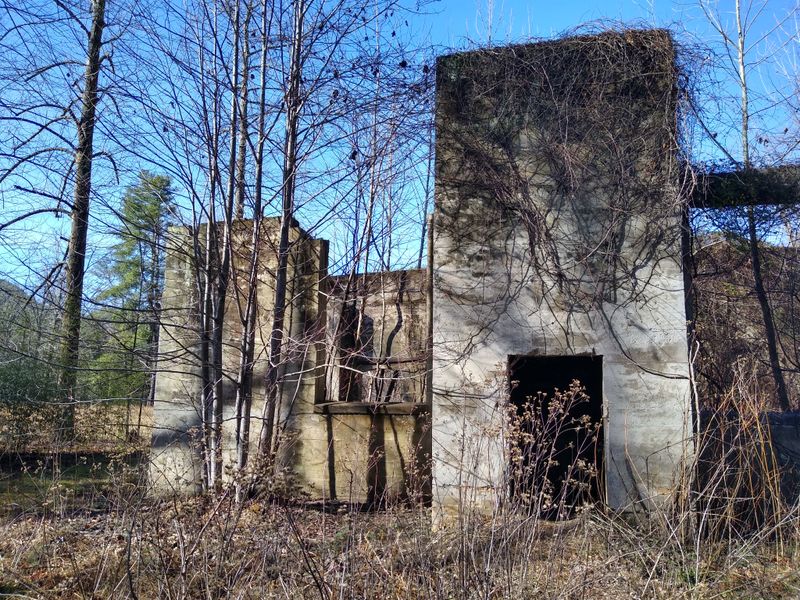
Railroad tracks brought this company town to life in the early 1900s when timber barons eyed the region’s massive hardwood forests.
Workers and their families filled company housing, and the community boasted stores, schools, and all the trappings of civilization.
By 1940, the forests were stripped bare and the railroad pulled up stakes, literally removing the tracks.
Mortimer faded faster than mountain fog on a sunny morning, leaving behind scattered ruins that hikers occasionally stumble upon during backcountry adventures.
5. Cataloochee Valley
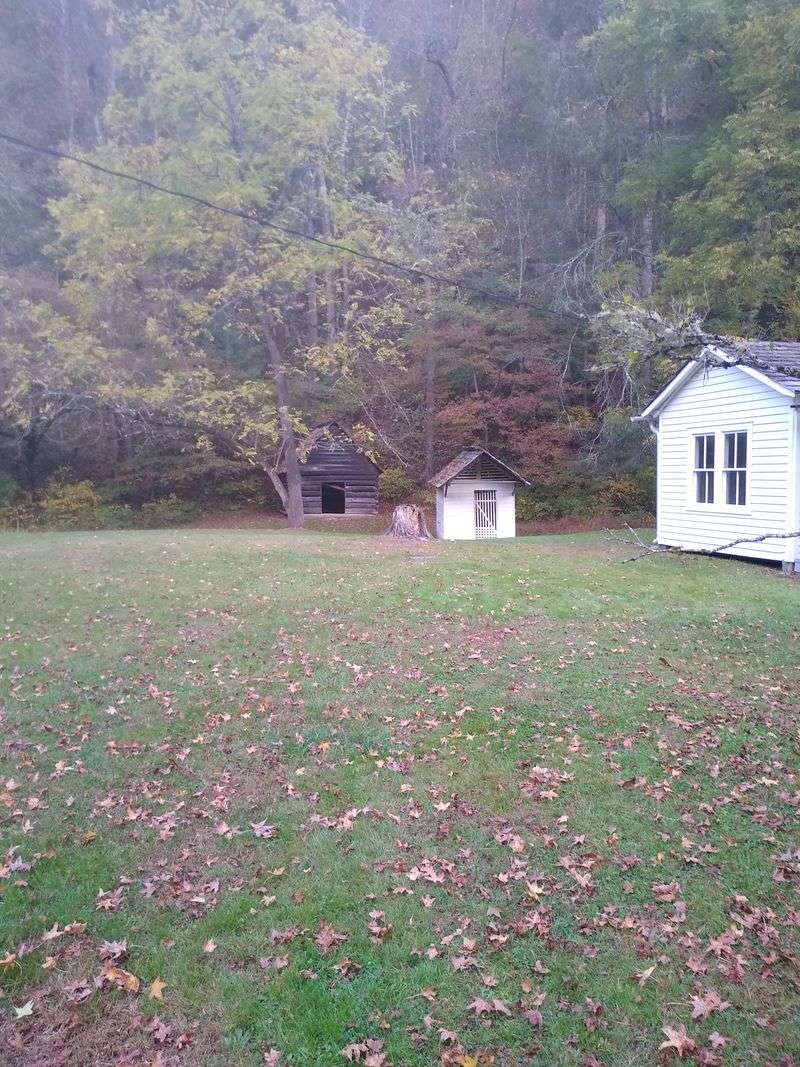
Nestled in what’s now Great Smoky Mountains National Park, this mountain community thrived with over 1,200 residents who farmed, raised livestock, and built tight-knit neighborhoods.
Churches, schools, and homes dotted the valley where families had lived for generations.
National park creation in the 1930s meant residents had to leave their ancestral homeland.
Unlike most ghost towns, many buildings here received preservation efforts, creating a fascinating time capsule that visitors can explore while elk graze nearby in misty meadows.
6. Judson
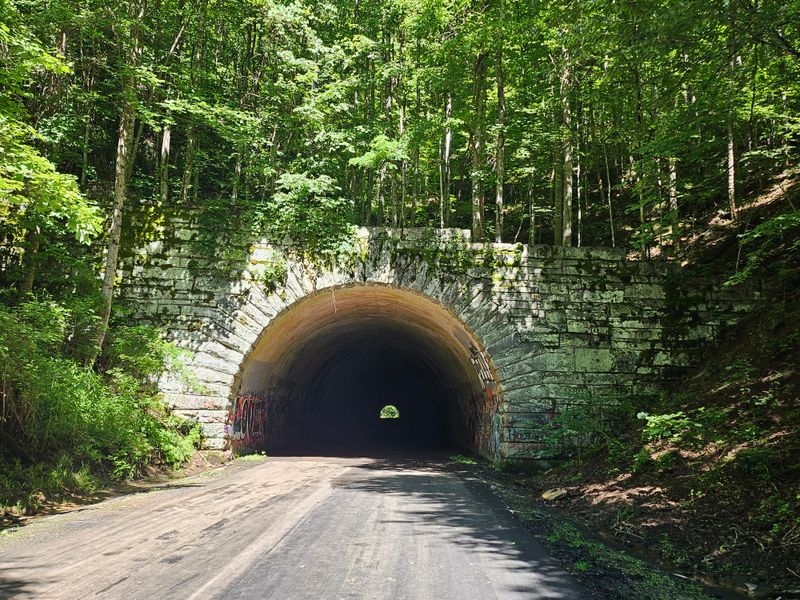
Before Lake Fontana covered it in watery silence, Judson served as a busy railroad town where trains hauled copper and timber from the surrounding mountains.
The community featured hotels, stores, and homes where workers raised families in the shadow of the Appalachians.
The Tennessee Valley Authority’s dam project in the 1940s sealed Judson’s fate beneath hundreds of feet of water.
During severe droughts, foundations and remnants occasionally peek above the surface like ghosts rising briefly to remind us what lies below.
7. Proctor
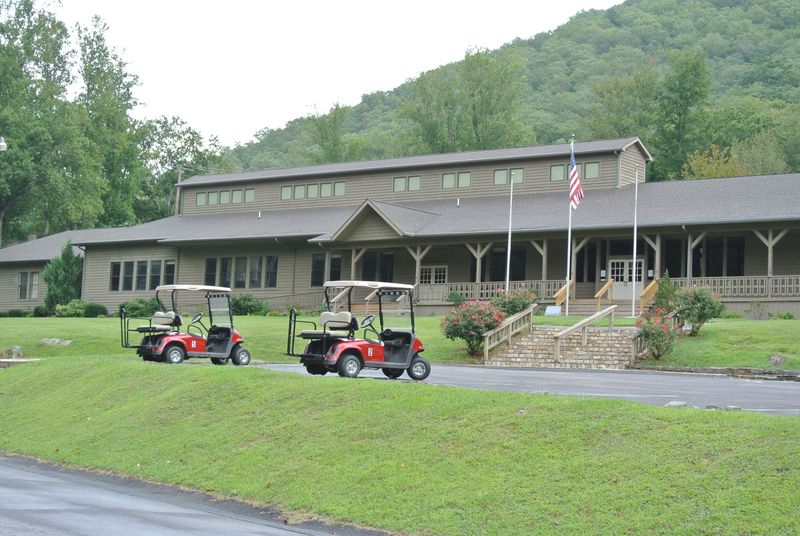
Logging money built this booming mountain town where over 1,000 people worked the forests and filled company stores with their earnings during the early 1900s.
Proctor even boasted electric lights and modern conveniences rare in such remote locations, making it surprisingly sophisticated for a wilderness settlement.
When logging ended and park boundaries expanded, residents reluctantly departed their mountain paradise.
Hikers now trek miles to find scattered foundations and cemeteries where former residents occasionally return to honor their ancestors.
8. Glenville
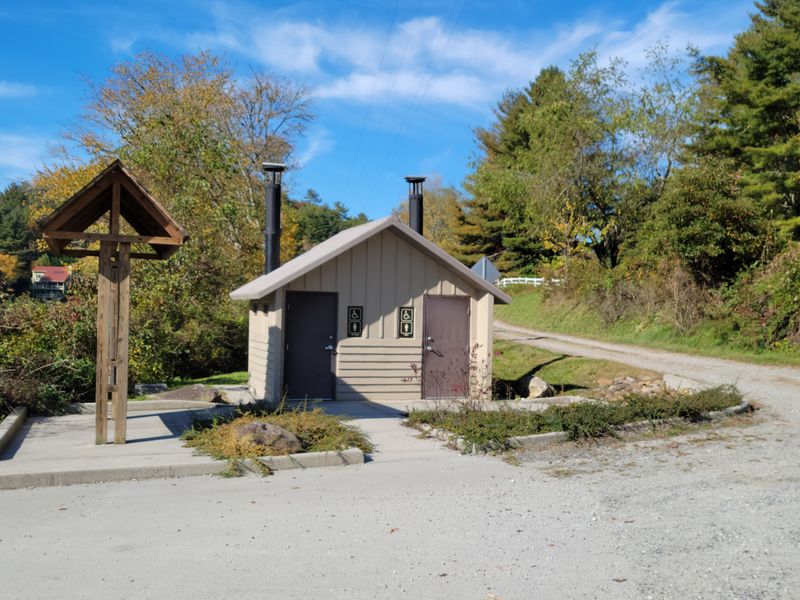
The original Glenville sat in a valley where families farmed and operated small businesses, completely unaware their town would eventually become fish habitat.
When Nantahala Power constructed a dam in 1941, residents watched their community disappear beneath rising waters that created Lake Glenville.
A new Glenville emerged on higher ground, but the old town rests beneath the surface.
During extreme low water conditions, curious boaters can sometimes spot foundations and roads that once connected homes now visited only by bass and catfish.