
11 Abandoned Spots In Virginia Every Explorer Needs To Visit
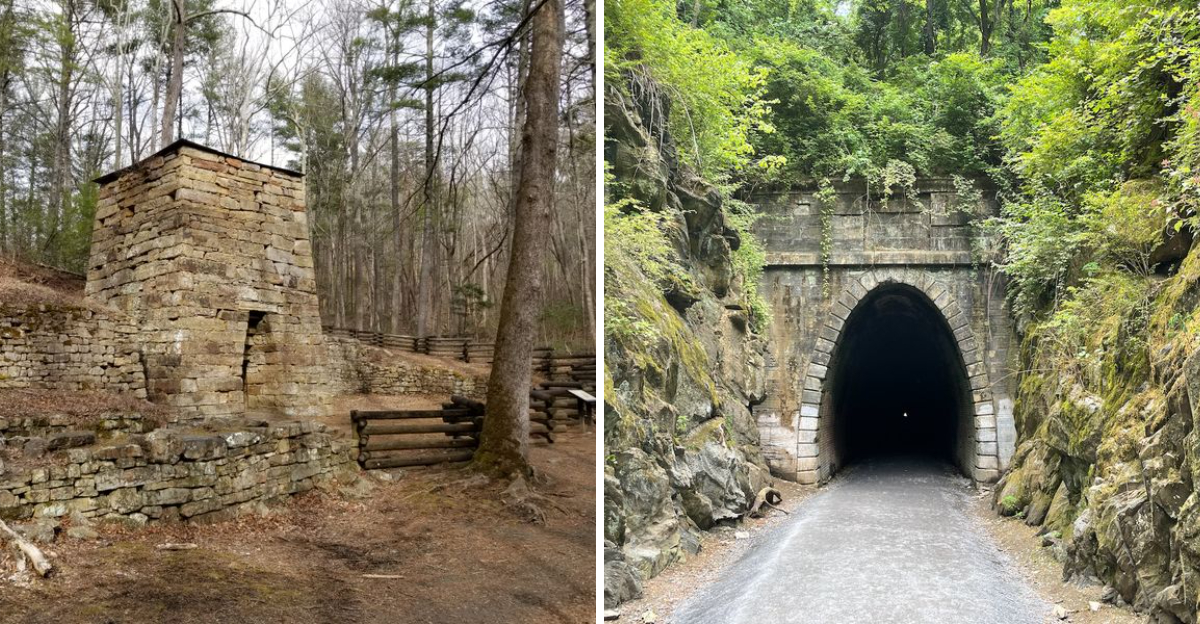
Virginia holds secrets from centuries past, hidden in forgotten corners where nature slowly reclaims what humans left behind.
These abandoned places tell stories of industry, war, triumph, and loss, each one offering a glimpse into history you won’t find in any textbook.
Whether you’re drawn to crumbling ruins, ghostly ships, or mysterious tunnels, the Old Dominion has something to spark your curiosity.
Grab your camera and sense of adventure because these eleven spots are waiting to be explored.
1. Claudius Crozet Blue Ridge Tunnel Trail
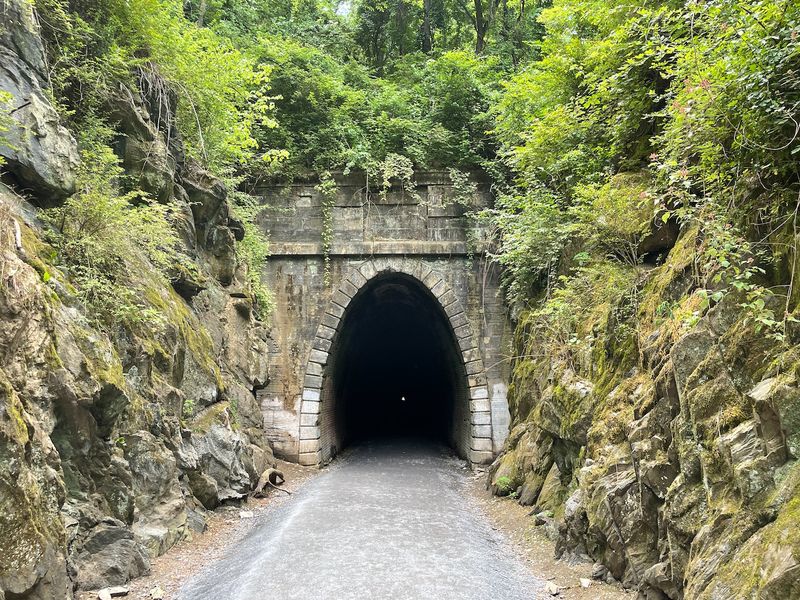
Walking through a mountain feels like stepping into another world entirely.
This engineering marvel was completed in 1858 and served as a vital railroad passage through the Blue Ridge Mountains for decades.
The tunnel stretches over 4,200 feet, and every footstep echoes off the curved brick walls as you venture deeper into darkness.
Bring a flashlight because you’ll need it—the middle section is pitch black.
Cool air rushes past you even on hot summer days, and the experience feels both eerie and exhilarating.
At the opposite end, sunlight bursts through like a reward for your bravery.
The trail surrounding the tunnel offers gorgeous views of rolling hills and dense forests.
History buffs will love imagining steam locomotives chugging through here over a century ago.
2. Historic Jamestowne (New Towne Ruins)
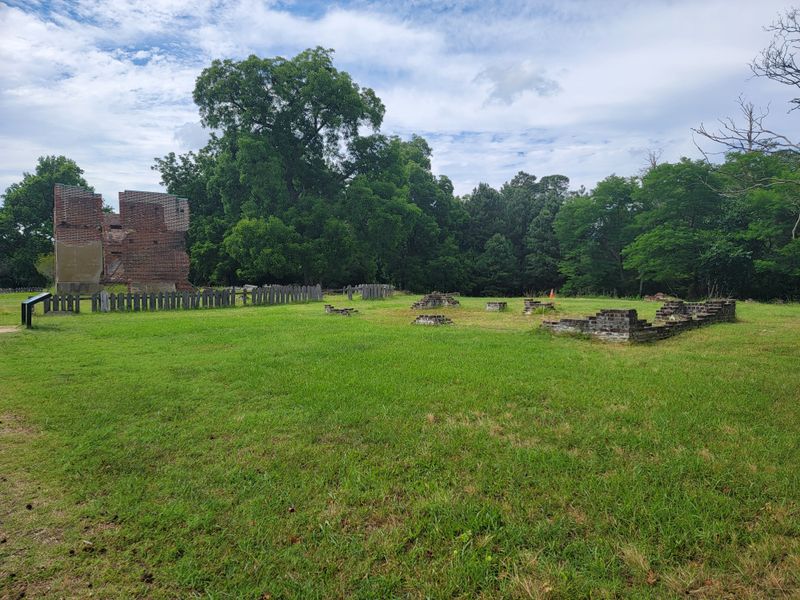
America’s first permanent English settlement left behind more than just history books—it left actual ruins you can touch.
New Towne was where colonists expanded beyond the original fort in the early 1600s.
Today, you’ll find scattered brick foundations, old wells, and remnants of homes where families once struggled to survive in a new land.
Archaeological work continues here, so you might even spot researchers carefully uncovering artifacts.
The ruins sit quietly among trees, creating an almost haunting atmosphere that makes you reflect on those early settlers’ hardships.
Interpretive signs explain what each structure was, helping you visualize bustling streets where there’s now only silence.
Kids find it fascinating to walk where people lived four hundred years ago.
Combine your visit with the nearby museum for the full story.
3. Wash Woods Settlement Ruins
Reaching these ruins requires effort—you’ll hike, bike, or kayak through False Cape State Park since no cars are allowed.
Wash Woods was once a thriving community of fishermen and their families during the 1800s.
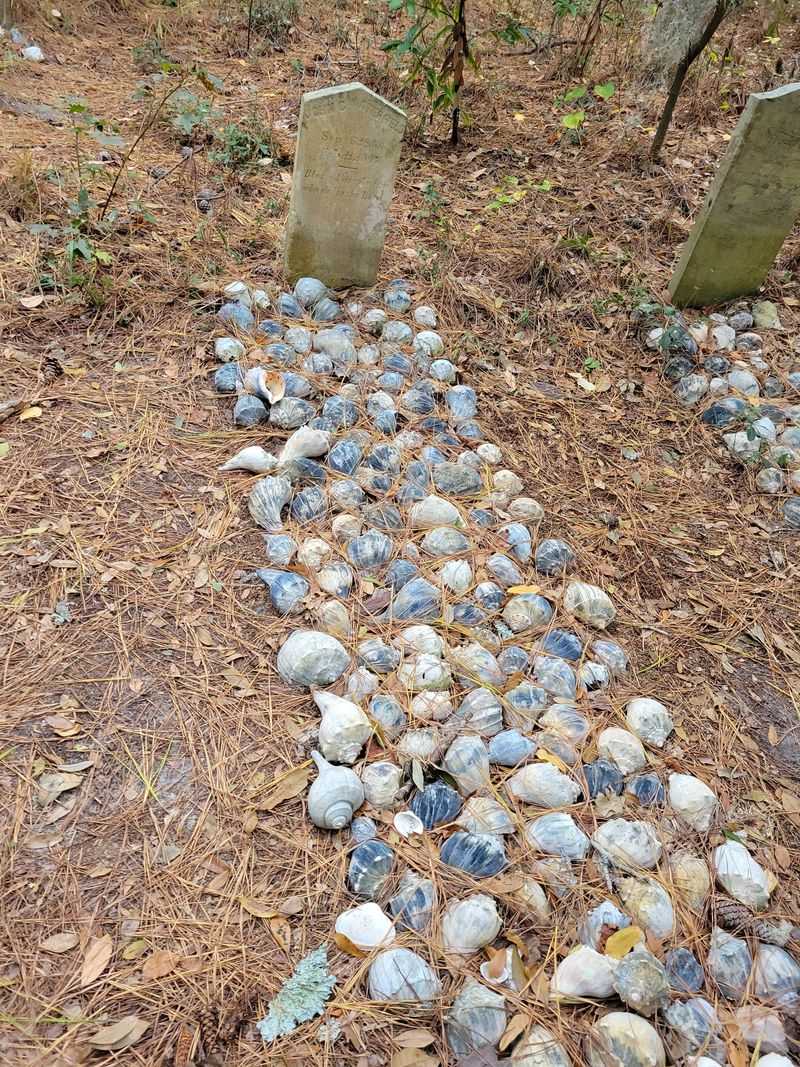
Harsh storms and erosion eventually forced everyone to abandon their homes, leaving behind crumbling chimneys, foundation stones, and an old cemetery.
The isolation makes this place incredibly atmospheric.
Wind whistles through the dunes, and you might be the only person there, surrounded by evidence of lives interrupted by nature’s power.
A small church cemetery remains surprisingly well-preserved, with weathered headstones telling stories of shipwrecks and difficult coastal living.
The beach nearby is pristine and wild, adding to the feeling of being completely removed from modern civilization.
Pack water and snacks because this adventure takes planning.
4. Falling Creek Ironworks Park
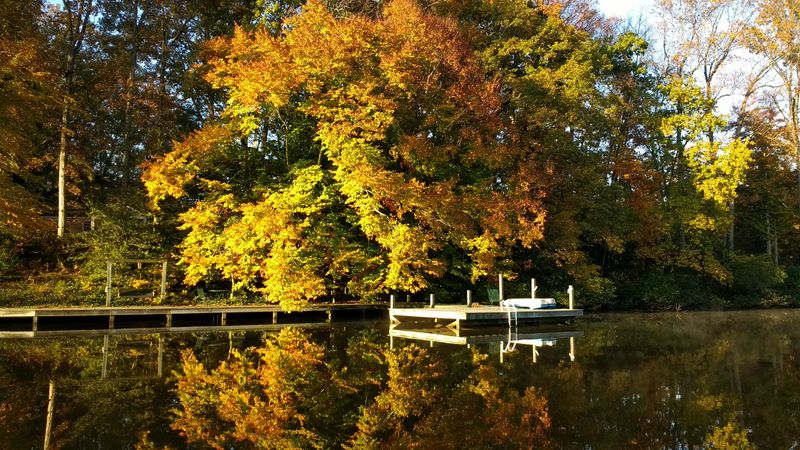
America’s first iron production facility stood right here in 1619, making this spot incredibly significant historically.
The ironworks operated briefly before being destroyed during an attack, and now only stone remnants peek through the forest floor.
A lovely trail system winds through the park, allowing you to explore at your own pace while reading informational plaques.
You’ll spot foundation walls, slag piles, and other evidence of early industrial activity.
It’s wild to think people were smelting iron here over four centuries ago, trying to build a new economy in the wilderness.
The park also features beautiful creek views and picnic areas, making it perfect for combining history with outdoor recreation.
Families appreciate the easy walking paths that even young kids can handle.
Spring wildflowers add extra beauty to your exploration.
5. Barboursville Ruins
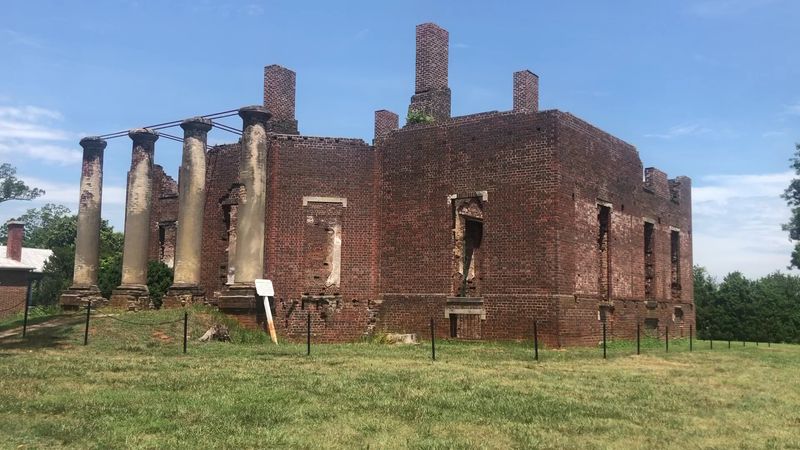
Thomas Jefferson designed this mansion, and seeing its skeleton against the sky is genuinely breathtaking.
Built in the early 1800s for Governor James Barbour, the estate burned on Christmas Day in 1884, leaving behind these magnificent brick walls and columns.
The ruins have been carefully preserved, allowing visitors to wander through what were once grand rooms.
You can still see the elegant proportions and architectural details Jefferson incorporated into his design.
The setting is peaceful, with manicured grounds and a working vineyard nearby that produces excellent wine.
Many couples choose this romantic backdrop for wedding photos, and it’s easy to understand why.
The contrast between refined architecture and nature’s reclamation creates something visually stunning.
Guided tours share fascinating stories about the families who lived here and the fateful night fire consumed everything.
6. Sweet Run State Park Historic Ruins
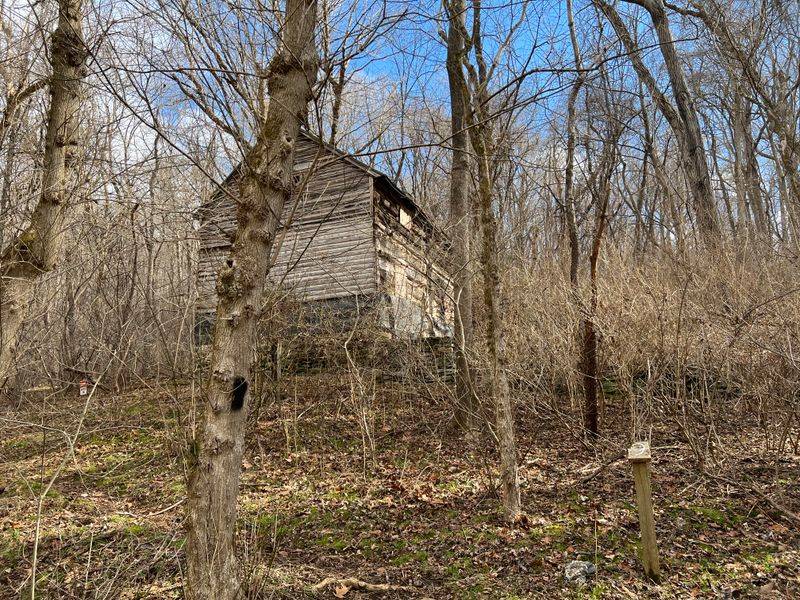
Tucked away in western Loudoun County, these ruins surprise hikers who stumble upon them unexpectedly.
The park preserves remains of old homesteads, mills, and other structures from the 1800s when this area supported a small farming community.
Stone walls emerge from the hillsides, and you’ll find old chimneys standing guard over nothing but forest now.
Trails wind past these historical remnants, creating a treasure hunt atmosphere as you spot each new discovery.
The surrounding landscape is gorgeous, with mountain views and seasonal foliage that makes every visit different.
Interpretive signs are minimal, so there’s an element of mystery about who lived here and why they left.
That unknown quality actually enhances the experience, letting your imagination fill in the gaps.
Bring sturdy shoes because some ruins require venturing off main paths.
7. Kiptopeke Concrete Fleet (Ghost Ships)
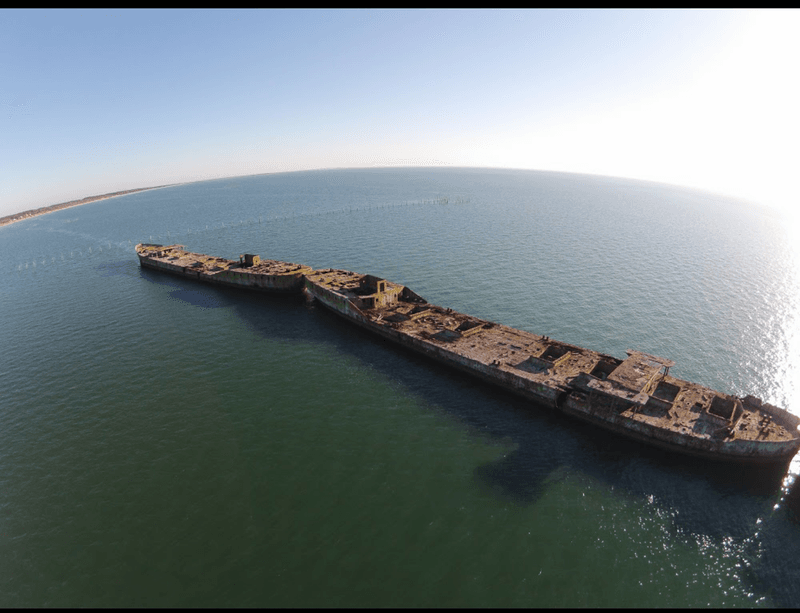
Nine concrete ships sit partially submerged just offshore, creating one of Virginia’s most unusual sights.
These vessels were built during World War I when steel was scarce, and concrete seemed like a practical alternative.
After the war ended, they were deemed obsolete and intentionally sunk here in the 1940s to create a breakwater.
Today they rise from the water like skeletal giants, covered in barnacles and visited by countless seabirds.
You can view them from the beach at Kiptopeke State Park, and during low tide, some are accessible for closer inspection.
Photographers absolutely love this location, especially during golden hour when the light hits just right.
The ships have become artificial reefs, supporting diverse marine life beneath the surface.
Fishing is popular here too, with the structures attracting various species year-round.
8. Belle Isle Industrial Ruins
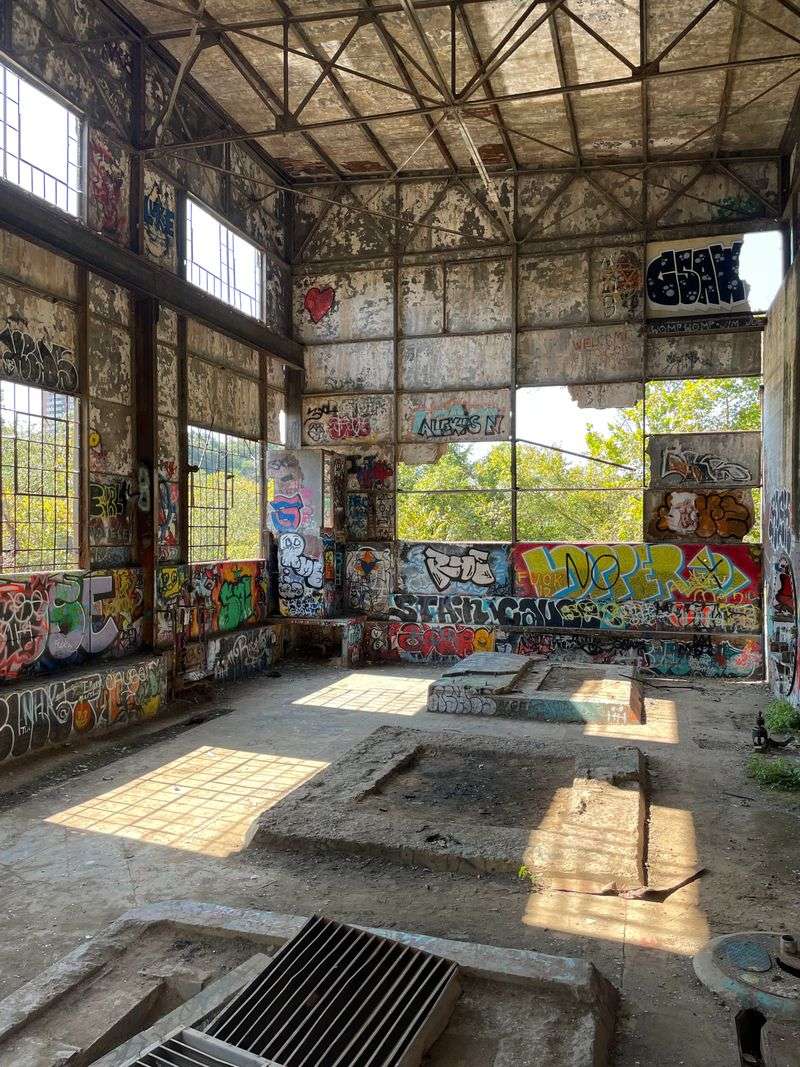
Right in the heart of Richmond, this island holds layers of history spanning centuries.
Belle Isle served as a Civil War prison camp, then later hosted various industrial operations including an iron works and hydropower station.
The massive brick ruins scattered across the island create an urban explorer’s paradise, with graffiti art adding modern color to historic walls.
Trails crisscross the island, leading to different ruins and offering stunning views of the James River rapids.
Rock climbers practice on the old walls, and mountain bikers navigate challenging terrain between structures.
The combination of natural beauty and industrial decay creates a unique atmosphere you won’t find elsewhere.
It’s easily accessible via a pedestrian bridge, making it perfect for a quick adventure without leaving the city.
Sunset visits are particularly magical when golden light illuminates the crumbling architecture.
9. Catharine Furnace Ruins — Spotsylvania Area
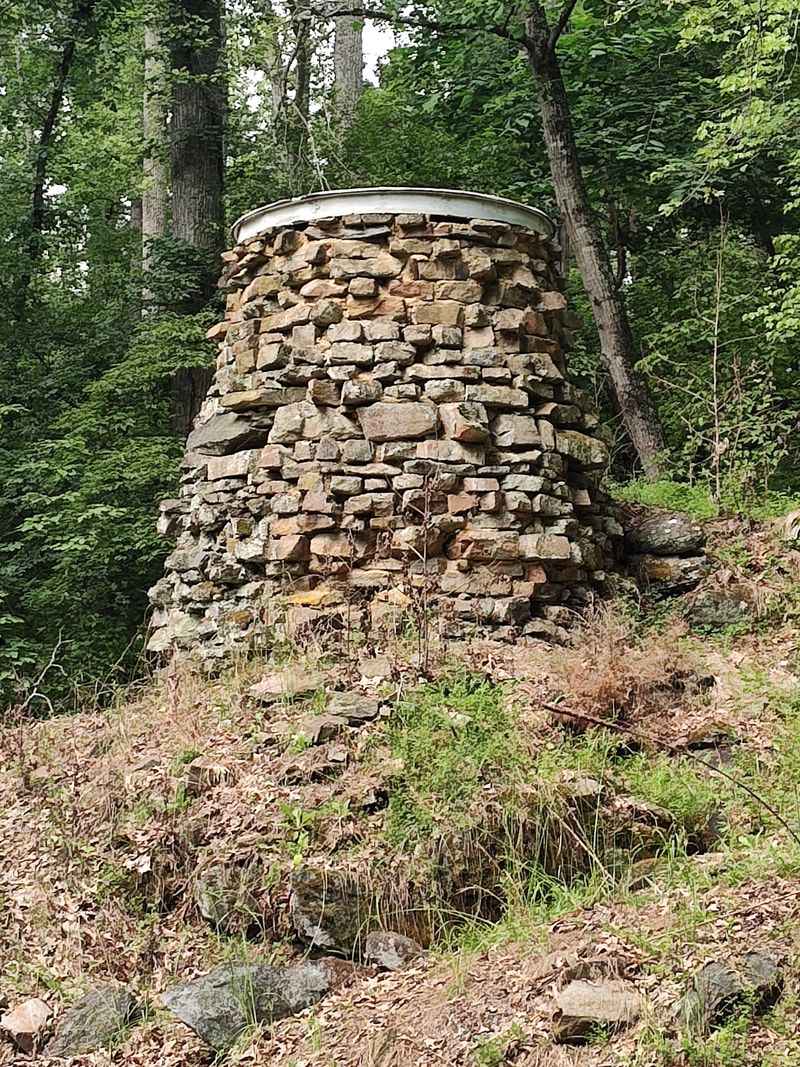
This iron furnace played a role in both industrial history and Civil War strategy.
Built in the 1830s, Catharine Furnace produced iron until the war disrupted operations.
Confederate General Stonewall Jackson used the area as a staging point before his famous flanking maneuver at Chancellorsville.
The massive stone furnace structure still stands, impressive in its scale and construction.
You can walk right up to it and peer inside where molten iron once flowed.
Surrounding trails connect to the larger Fredericksburg and Spotsylvania National Military Park, so you can combine industrial archaeology with battlefield exploration.
Informational markers explain both the furnace operations and the military significance.
The forest has reclaimed much of the site, creating a peaceful setting that contrasts sharply with the violent history.
Spring brings wildflowers that soften the industrial ruins beautifully.
10. Roaring Run Iron Furnace — Botetourt County
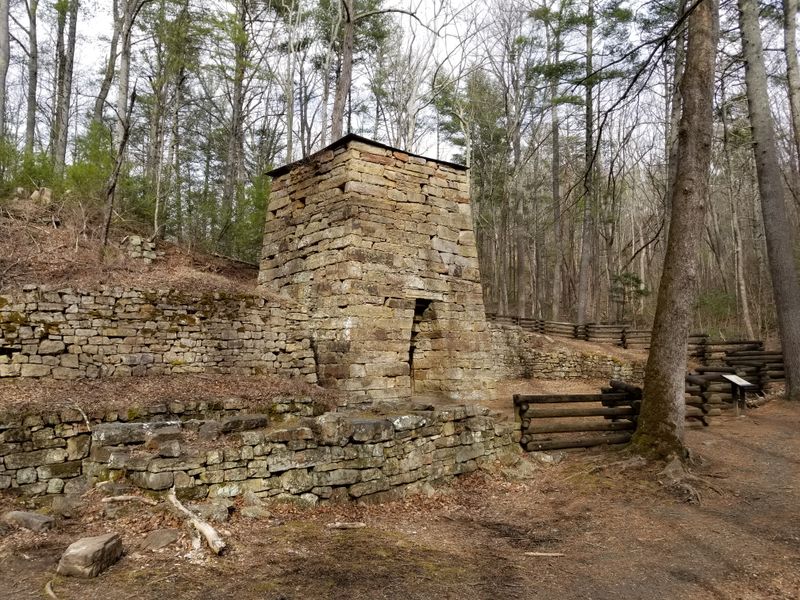
A gorgeous waterfall tumbles beside these furnace ruins, creating an absolutely picture-perfect combination.
Roaring Run Furnace operated during the mid-1800s, producing iron using ore mined from nearby mountains.
The stone structure stands remarkably intact, towering above the trail like a monument to industrial ambition.
A short, easy hike leads to both the furnace and the waterfall, making this accessible for most fitness levels.
The sound of rushing water provides a constant soundtrack as you explore the site.
Interpretive signs explain how workers would have operated the furnace, giving you appreciation for the hard labor involved.
The surrounding forest is beautiful year-round, though fall colors make it especially stunning.
Picnic areas nearby let you make a full afternoon of your visit.
Kids love climbing on the rocks near the waterfall while parents photograph the scenic ruins.
11. Elizabeth Furnace Recreation Area
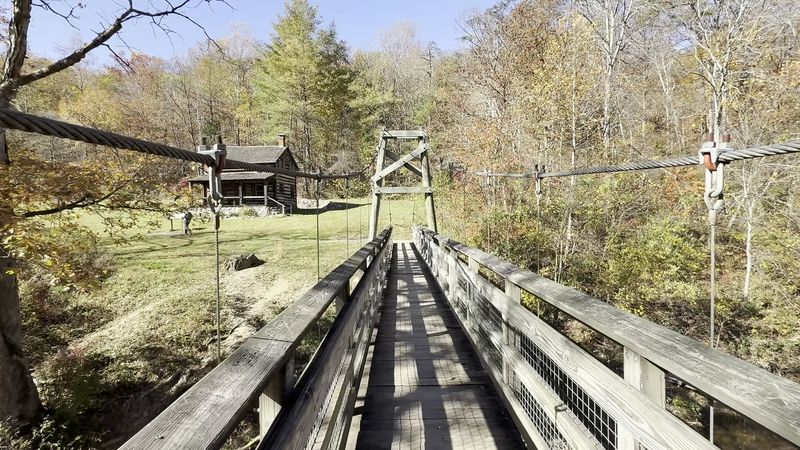
Fort Valley’s stunning scenery surrounds these well-preserved furnace ruins, making history feel like a bonus to natural beauty.
Elizabeth Furnace produced iron from 1836 until operations ceased in the 1880s.
The stone structure remains impressive, with interpretive displays explaining the ironmaking process and the community that once thrived here.
The recreation area offers camping, hiking, and creek access, so you can easily spend a whole weekend exploring.
Trails range from easy walks to challenging climbs up surrounding ridges.
Massanutten Mountain rises dramatically on both sides of the valley, creating a sense of being cradled by ancient peaks.
Wildlife is abundant, with deer, turkeys, and various birds frequently spotted.
The combination of industrial history and outdoor recreation makes this spot perfect for families who want variety in their adventures.
Fall foliage here is absolutely spectacular.