
8 Absurdly Specific Tennessee Museums That Should Not Exist But Do
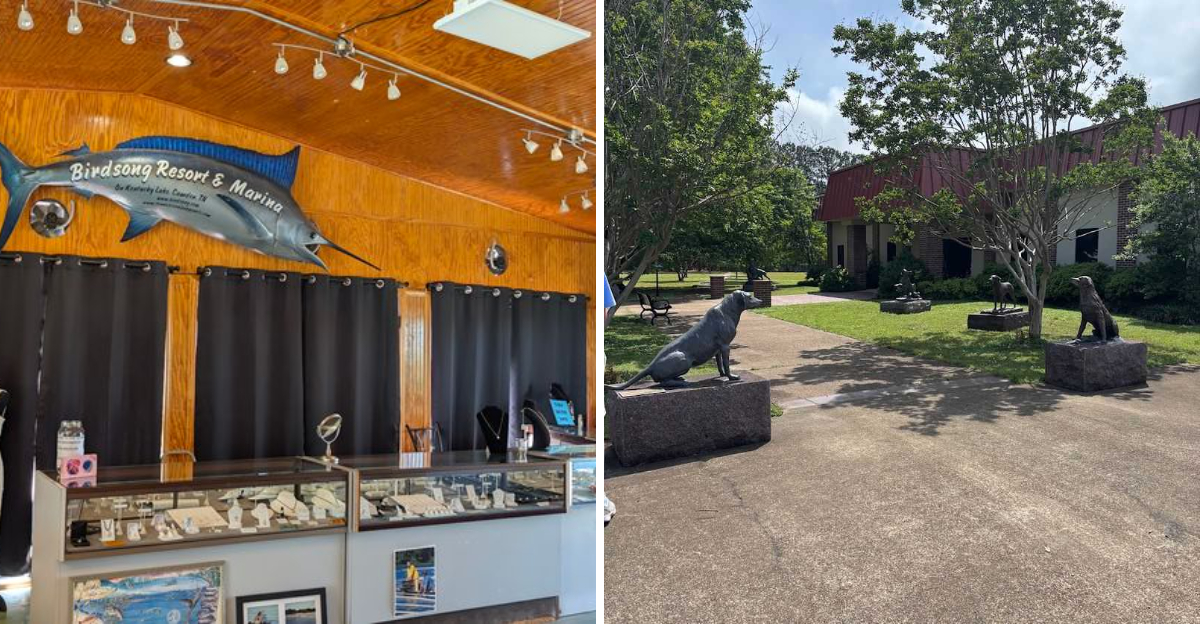
A museum for that? Seriously?
Tennessee has a way of turning the strangest little subjects into full-blown attractions, and honestly, that makes the trip way more fun.
You can only see so many marble halls and serious portraits before your brain starts begging for something weirder.
That is where these places come charging in with odd collections, niche stories, and exhibits so specific they almost sound made up.
One stop might leave you laughing. Another might make you wonder who first decided this topic needed glass cases and gift shop magnets. Yet somehow, every one of them has its own charm.
Tennessee knows music, mountains, and barbecue, sure. But it also knows how to make the wonderfully ridiculous feel worth your time.
These museums may not sound necessary, but that is exactly why you will want to keep reading.
1. Salt And Pepper Shaker Museum, Gatlinburg
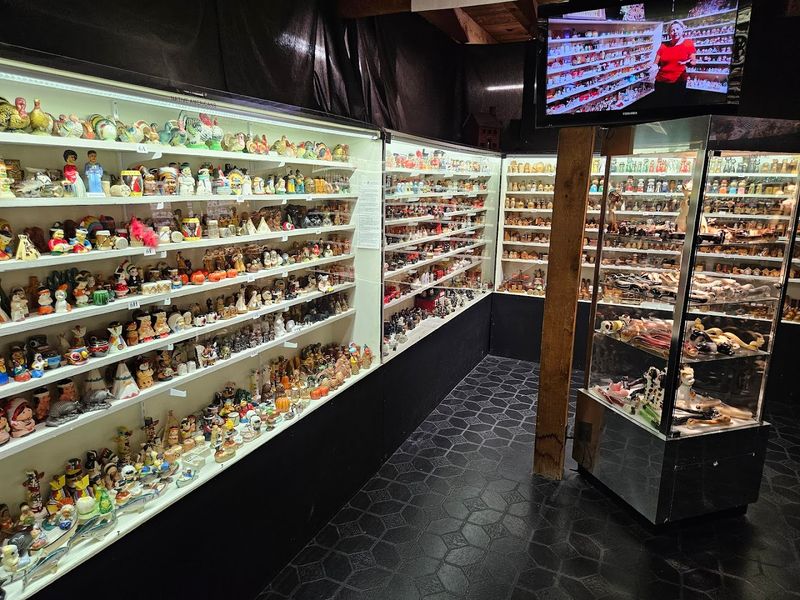
Over 20,000 sets of salt and pepper shakers line the walls of this one-of-a-kind museum at 461 Brookside Village Way in Gatlinburg, making it the only museum of its kind in the entire United States.
The story behind the collection is just as charming as the shakers themselves. Archaeologist Andrea Ludden stumbled into this obsession in 2002 when a simple search for a pepper mill sent her spiraling into a world of endlessly creative designs.
What started as curiosity quickly outgrew her Texas home and eventually found its permanent, public home in the mountains of Gatlinburg.
Walking through the exhibits feels like flipping through a miniature encyclopedia of human culture.
Some sets depict presidents and historical figures, others showcase animals, vegetables, and abstract art, and a handful of pieces date all the way back to the 16th century.
Every shelf tells a different story about the era and place that inspired each set.
The museum also features an impressive display of pepper mills from around the world, adding another layer of depth to the collection.
Admission includes a pepper mill as a keepsake, which is a surprisingly thoughtful touch for a museum about table condiments.
Whether you are a seasoned collector or someone who never once considered the cultural weight of a ceramic rooster shaker, this Gatlinburg stop will genuinely change how you look at your kitchen table.
2. International Towing And Recovery Museum, Chattanooga
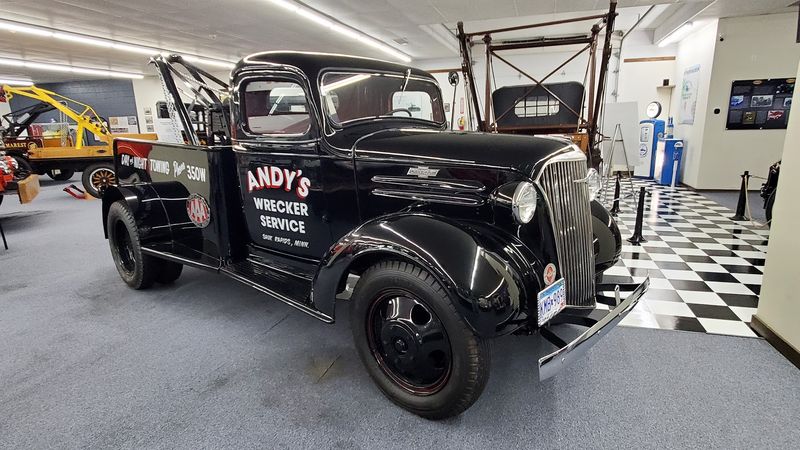
Long before roadside assistance apps existed, a mechanic named Ernest Holmes Sr. strapped together a makeshift lifting device in Chattanooga, in 1916, and accidentally invented the tow truck.
That single moment of mechanical ingenuity is exactly why the International Towing and Recovery Museum at 3315 Broad St exists today.
It is the only museum in the world dedicated entirely to this profession.
The museum grew from a traveling exhibition in the 1980s before officially opening its permanent doors in 1995. Inside, more than 24 historic tow trucks tell the full arc of an industry that quietly keeps American roads moving.
The oldest vehicles in the collection are genuinely remarkable pieces of mechanical history.
Beyond the gleaming antique trucks, visitors will find the world’s largest collection of toy tow trucks, vintage gas pumps, and pedal cars that bring a playful energy to the space.
The variety keeps the experience engaging for visitors of all ages, from young children fascinated by big vehicles to adults who appreciate the engineering evolution on display.
The outdoor Wall of the Fallen stands as the museum’s most emotionally resonant feature, serving as a memorial for the men and women who gave their lives while working in the towing and recovery industry.
It is a sobering and deeply respectful tribute that reminds every visitor of the very real human element behind every truck on display.
Plan at least two hours here; there is far more to this museum than its subject might initially suggest.
3. Lodge Museum Of Cast Iron, South Pittsburg
South Pittsburg, a small town along the Tennessee River, has been producing some of America’s most beloved cast iron cookware since 1896. The Lodge Museum of Cast Iron at 220 3rd St finally gives that legacy the spotlight it deserves.
Opened in October 2022 as an expansion of Lodge’s existing retail building, the museum walks visitors through the full story of American-made cast iron, from its raw industrial origins to the kitchen table.
Lodge Cast Iron remains a family-owned company after five generations, which gives the entire museum a warm, personal quality that larger corporate brands rarely manage to replicate.
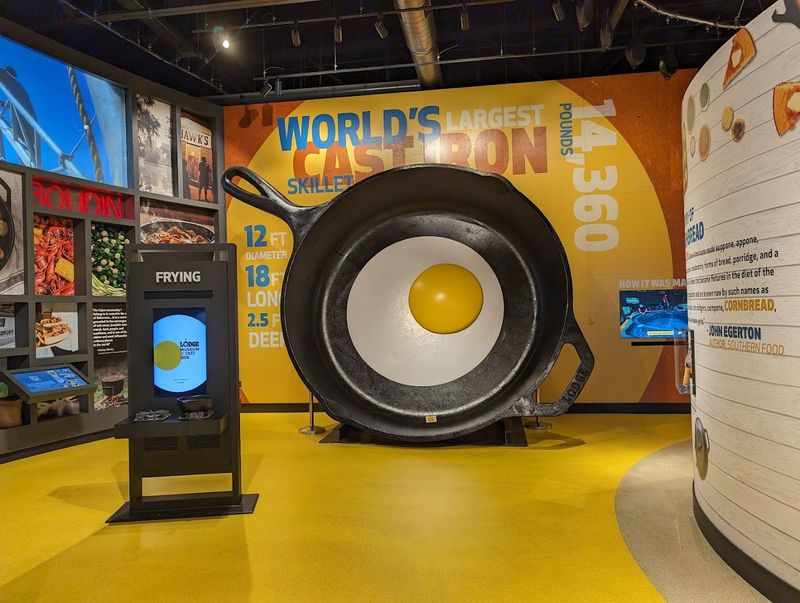
The undeniable showstopper is the World’s Largest Cast Iron Skillet, a colossal pan stretching over 18 feet wide and weighing an almost incomprehensible 14,360 pounds.
Theoretically, it could fry 650 eggs at once, which is the kind of fun math that makes for great conversation.
Interactive exhibits let visitors operate a giant electromagnet, explore the full manufacturing process from raw materials to the seasoning stage, and even create their own digital cookbook filled with Southern recipes.
The museum does a particularly good job of connecting the industrial history of cast iron to everyday cooking culture, making the whole experience feel relevant rather than dusty.
Whether you cook on cast iron every morning or simply appreciate beautifully crafted American manufacturing, South Pittsburg offers a surprisingly rich and memorable afternoon stop on any Tennessee road trip.
4. Alcatraz East Crime Museum, Pigeon Forge
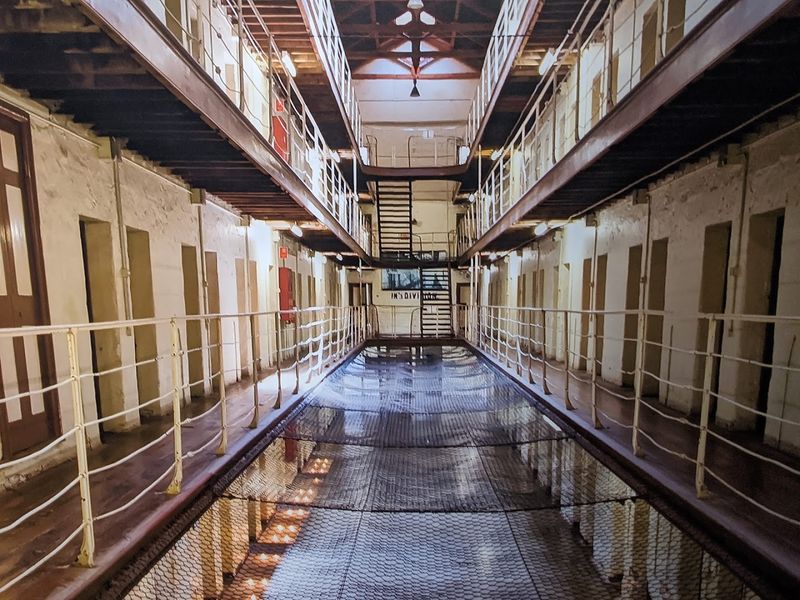
Spanning 25,000 square feet across two full floors, the Alcatraz East Crime Museum is one of the most immersive and interactive museums in the entire state, pulling visitors deep into the history of American crime and justice.
The museum is organized across five distinct galleries: History of American Crime, Consequences of Crime, CSI, Crime Fighting, and Counterfeit and Pop Culture.
Each gallery approaches the subject from a different angle, keeping the experience varied and consistently engaging as you move from one section to the next.
The artifact collection here is genuinely jaw-dropping. Ted Bundy’s Volkswagen Beetle, O.J.
Simpson’s white Ford Bronco, and John Dillinger’s death mask are among the real items on display, lending the museum an authenticity that photographs simply cannot capture.
Standing next to these objects creates a surprisingly powerful connection to events that shaped American legal and cultural history.
Over 100 interactive experiences are woven throughout the exhibits, giving visitors the chance to test their detective skills at a simulated crime scene, attempt to crack a safe, and even experience what it feels like to stand in a police lineup or sit inside a jail cell.
The museum strikes a thoughtful balance between entertainment and education, never losing sight of the serious human stories behind each case.
For anyone curious about forensic science or true crime history, this Pigeon Forge attraction delivers far more than expected. Find it at at 2757 Parkway.
5. Titanic Museum Attraction, Pigeon Forge
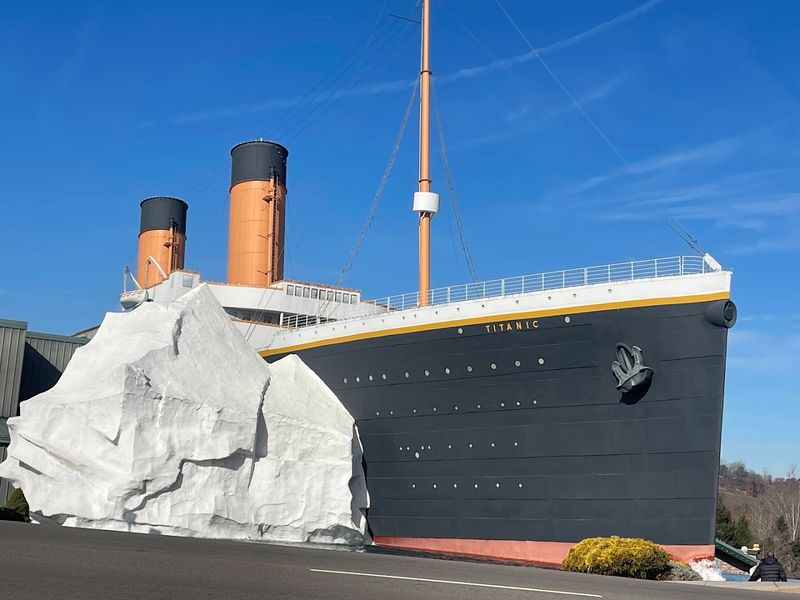
The Titanic Museum Attraction at 2134 Parkway is impossible to miss, and that is entirely by design.
The building itself is a half-scale replica of the RMS Titanic, rising dramatically from the surrounding landscape and setting the tone for everything that awaits inside its 30,000 square feet of galleries.
Every guest receives a boarding pass at the entrance, each one bearing the name and real story of an actual passenger or crew member from the original voyage.
By the end of the tour, visitors discover whether their assigned person survived, adding a deeply personal layer of emotion to the experience that transforms it from a simple museum visit into something far more meaningful.
The centerpiece of the interior is a million-dollar replica of the Grand Staircase, built from the ship’s original blueprints and featuring bronze cherubs and Austrian crystal.
It is the kind of meticulous craftsmanship that makes you stop mid-step just to take it all in properly.
Interactive exhibits let visitors touch water chilled to the frigid 28-degree temperature of the North Atlantic, attempt to steer from the ship’s bridge, and learn how to send an SOS signal.
The museum displays over 400 authentic artifacts, not pulled from the ocean floor, but rather personal belongings from survivors and items recovered from the water’s surface, each one carrying its own quiet story.
Few museums anywhere in Tennessee manage to blend spectacle with genuine historical weight quite this effectively.
6. Tennessee River Freshwater Pearl Museum, Camden
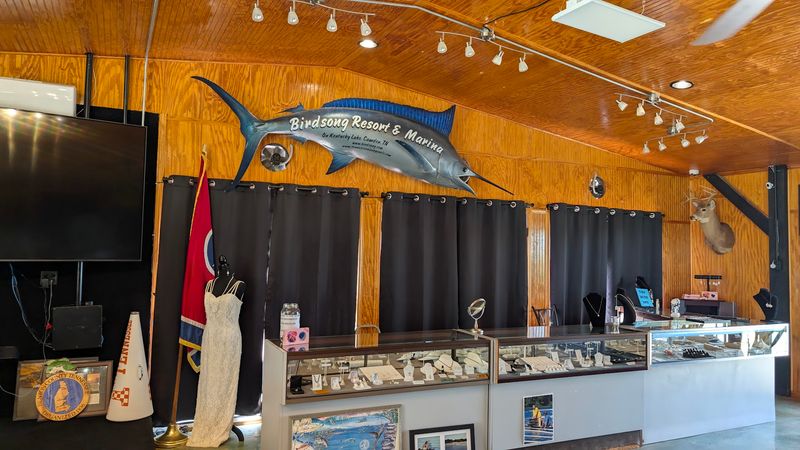
Most people associate pearls with the ocean, which is exactly what makes the Tennessee River Freshwater Pearl Museum such a genuinely surprising destination.
Freshwater pearls are Tennessee’s official State Gem, and this is the only place in America where you can see them cultivated, studied, and celebrated all in one spot.
The farm was established in 1979 by John R. Latendresse, a determined entrepreneur who, alongside his wife, spent years carefully adapting Japanese pearl-culturing techniques to the native mussels of the Tennessee River.
Their patience paid off in 1984 when the first successful harvest came in, marking a historic moment for American freshwater pearl farming.
The setting itself is serene and beautiful, making the journey to 255 Marina Rd in Camden feel like a reward before you even step inside. Farm tours are available, giving visitors a hands-on look at the culturing process from start to finish.
The museum’s exhibits cover the full history of the Tennessee River musseling industry, including an antique brail boat and artifacts from the pearl button factories that once operated along the riverbanks, long before synthetic buttons took over the market.
A pearl jewelry showroom rounds out the visit, offering visitors the chance to browse and purchase pieces made from the very pearls cultivated on the property.
Camden is a bit off the typical Tennessee tourist trail, but that remoteness makes the discovery feel all the more rewarding.
7. Rusty’s TV And Movie Car Museum, Jackson
Growing up in the 1980s meant watching cars become full-blown celebrities, and nobody understood that better than collector Rusty Robinson.
His obsession with screen-famous vehicles eventually became Rusty’s TV and Movie Car Museum at 323 Hollywood Dr in Jackson.
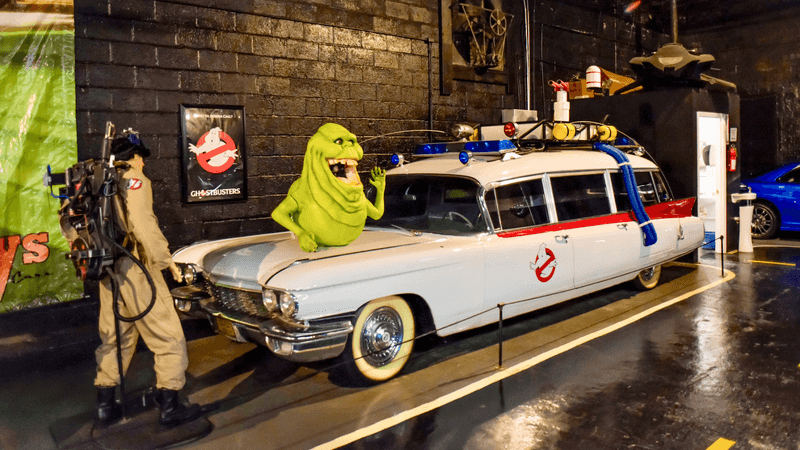
The collection spans over 50 iconic cars, trucks, and motorcycles that have appeared on the big screen or television, alongside a sprawling display of movie memorabilia that covers nearly every wall.
Some of the vehicles are the actual ones used during filming, while others are meticulously restored or crafted replicas, all brought together under one roof through decades of passionate collecting.
The lineup reads like a greatest hits of pop culture transportation.
The General Lee from “The Dukes of Hazzard,” the time-traveling DeLorean from “Back to the Future,” the Mystery Machine from “Scooby Doo,” and the striped Torino from “Starsky and Hutch” are just a few of the crowd favorites waiting inside.
Recognizing each vehicle triggers a wave of nostalgia that is surprisingly powerful.
Franchises like “Batman,” “The Fast and the Furious,” “Ghostbusters,” and even “Breaking Bad” are also represented, giving the collection a broad appeal that stretches across multiple generations of film and television fans.
Jackson is a straightforward drive from Nashville or Memphis, making this an easy addition to any cross-state road trip.
For anyone who ever watched a movie and thought the car was the real star, Rusty’s is basically a dream come true.
8. National Bird Dog Museum, Grand Junction
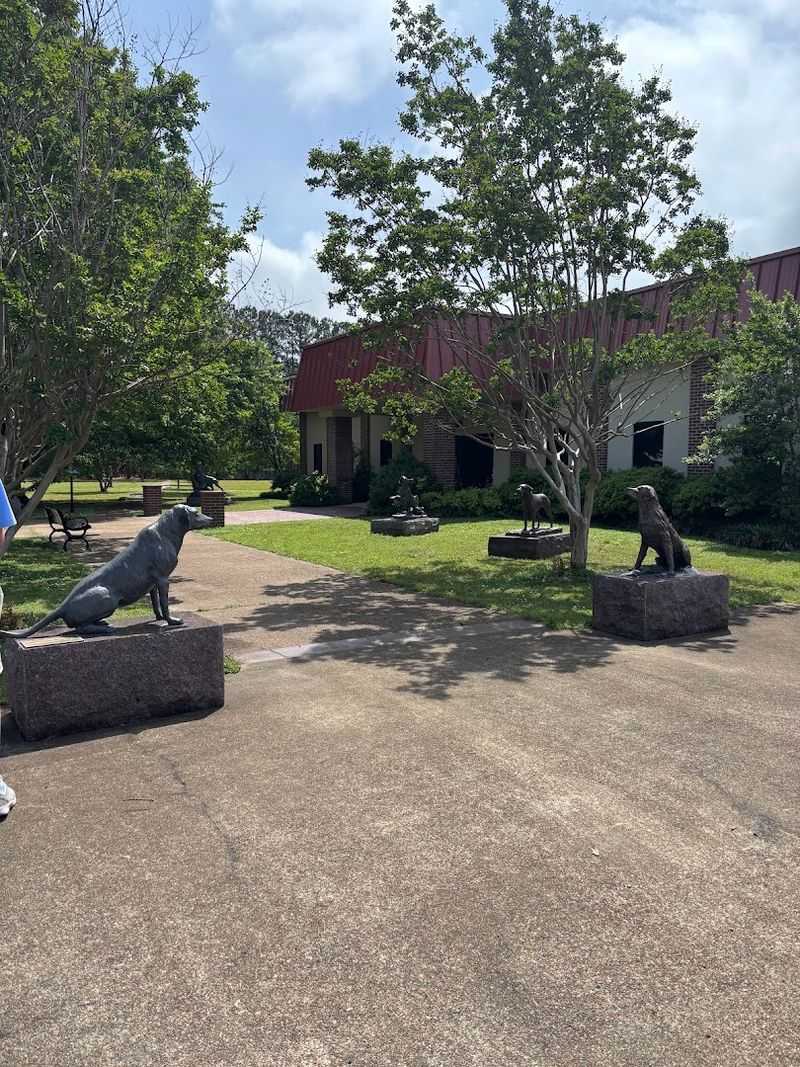
Grand Junction is a small town with a very big reputation in the world of sporting dogs. The National Bird Dog Museum at 505 TN-57 exists to make sure that reputation is never forgotten.
The area has hosted the National Field Trial Championship since the early 1900s, which makes this 30,000-square-foot facility feel less like a random choice of location and more like a natural conclusion.
The museum houses three distinct halls of fame under one roof: the Field Trial Hall of Fame, the Sporting Dog Hall of Fame, and the Retriever Hall of Fame.
Together, they preserve the stories of both the human handlers and the remarkable dogs that have shaped the traditions of bird hunting and field trial competition across more than a century.
Exhibits feature portraits, photographs, and personal artifacts spanning over forty breeds, including pointers, flushers, and retrievers, and the artistry on display throughout the museum is genuinely impressive.
Paintings and bronze sculptures of bird dogs in action capture the athleticism and focus that make these animals so extraordinary in the field.
The Wildlife Heritage Center adds another dimension to the visit, housing a large collection of North American wildlife taxidermy and an extensive library dedicated to literature on bird dogs and game birds.
For anyone with even a passing interest in hunting traditions, sporting dogs, or American rural heritage, this museum offers a depth of content that rewards a slow, unhurried visit.
Grand Junction may be small, but this museum gives it an outsized cultural footprint worth every mile of the drive.