
According to locals, Summer Tourists Have Completely Wrecked This New Jersey Beach Town
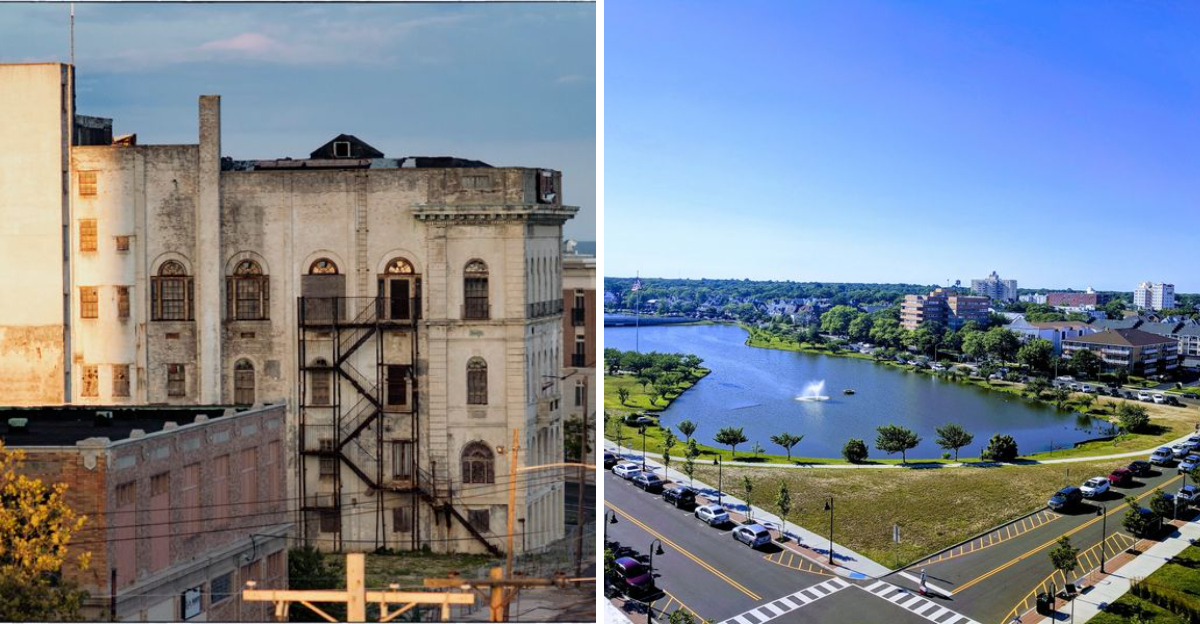
Locals in this Jersey Shore favorite say summer visitors have changed how the town feels. Beach days always draw a crowd, but something about this stretch of New Jersey coast turns the place upside down once the season hits.
Parking gets tense, sidewalks stay packed past dark, and prices keep climbing on nearly every block. Yet under that noise sits a place with real music history, oceanfront charm, and a personality outsiders rarely see.
New Jersey towns like this one hold onto their character no matter how busy summer gets.
Long after Labor Day, the quieter version shows up again, and locals say that one is worth chasing. Curious what residents actually think about the crowds?
The full story waits just ahead, straight from the people who live it.
Parking Turns Into a Contact Sport
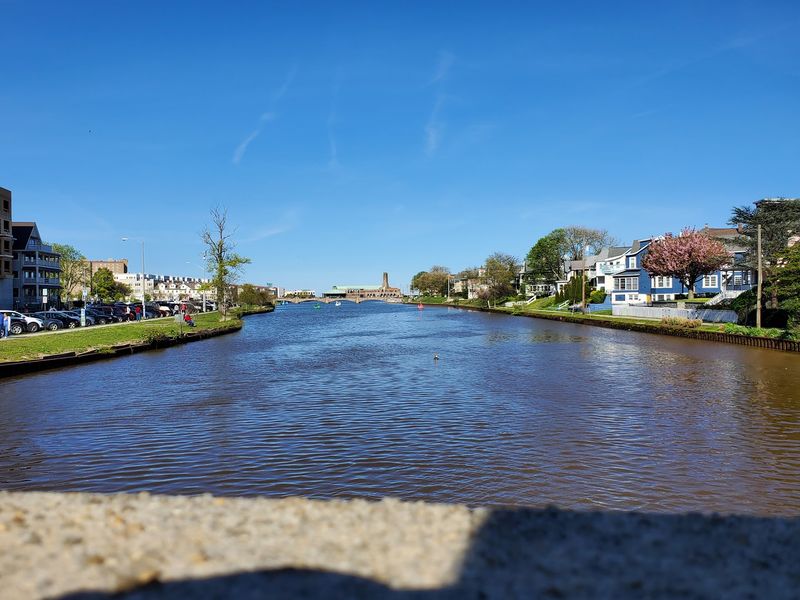
Ask a resident about summer, and the first word out is usually parking. It is the sorest subject in Asbury Park, New Jersey, and it starts around Memorial Day.
Spots near the beachfront vanish by late morning on weekends. Cars circle the same three blocks with the patience of a slow metronome.
Locals recommend downloading a parking app before arriving, since most street spaces run on mobile payment. Fumbling with a phone while double-parked wins nobody friends.
Some residential streets have been converted into visitor parking over the years, a change longtime neighbors still grumble about. Others simply give up their own driveways for the season.
Smart visitors park farther inland and walk in, treating the ten-minute stroll as part of the trip. Trains and rideshares take pressure off the same crowded grid.
Arriving early also helps, especially before eleven on a clear Saturday. Leaving late, after the boardwalk thins out, avoids the worst exit crawl.
Asbury Park sits in Monmouth County, New Jersey, with city offices reachable at 1 Municipal Plaza, Asbury Park, NJ 07712. Plan the parking first, and everything else gets easier.
Weekend Noise That Rattles the Neighborhood
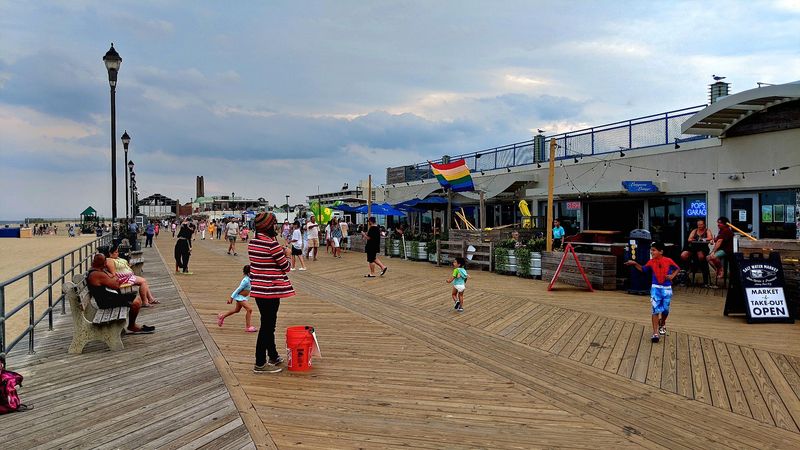
Bass lines at midnight are not part of the brochure. Residents near the waterfront describe summer weekends as loud, long, and occasionally chaotic.
Portable speakers show up on the sand by noon. By evening, sidewalks fill with groups spilling out of venues along the beachfront blocks.
City officials have taken steps to manage unauthorized pop-up gatherings, and police presence increases along the beach and boardwalk through the season. That extra staffing costs money that permanent residents help fund.
Longtime neighbors say the noise is not the whole problem. It is the sense that the town belongs to visitors for three months, then returns to normal in September.
Visitors can help without giving up any fun. Keep speakers low, respect quiet residential streets after dark, and remember that people sleep behind those windows.
Small gestures land well here. Cleaning up a picnic spot, tipping properly, and skipping the shortcut through someone’s yard all register with locals.
Asbury Park still welcomes a good crowd, but the town runs smoother when guests act like temporary neighbors rather than temporary owners.
Rents Climbing Faster Than the Tide
Numbers tell the sharpest part of this story. Average housing prices in Asbury Park rose from roughly $74,000 in 2000 to around $260,000 by 2015, according to research on the city’s redevelopment.
Waterfront investment has been enormous. Roughly $300 million has gone into the beachfront area over the past decade, with plans reaching toward a billion.
Researchers call the result seasonal gentrification. The housing market and consumer economy increasingly serve part-time residents and outside investors rather than year-round families.
Affordable options have thinned considerably. Some longtime residents say they now watch the city grow wealthier without feeling any of it themselves.
Proposed legislation would require that a share of new housing stay affordable for working-class residents. Whether that happens remains an open question.
Visitors cannot fix housing policy, but spending choices matter. Independent shops, family-run kitchens, and local galleries keep money circulating inside Asbury Park instead of flowing straight out.
Understanding the tension makes a beach day feel less like a bubble. New Jersey towns like this one carry real economic weight behind the postcard views.
A Boardwalk Reborn After Decades of Rust
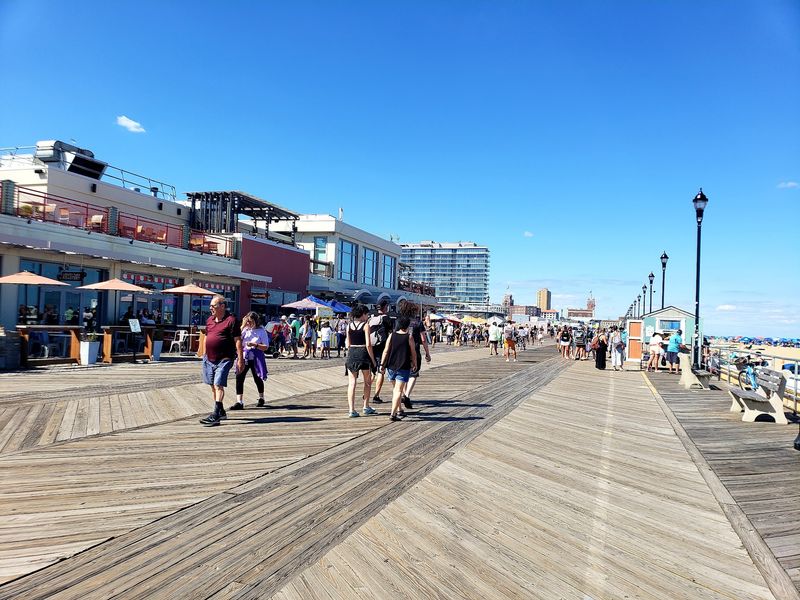
Hard to believe this stretch sat mostly empty for years. Asbury Park’s boardwalk spent decades in decline before the early 2000s revival took hold.
Today the planks carry restaurants, shops, daily entertainment, and a steady parade of beach traffic. New housing rises just behind it.
The North End Boardwalk Improvement project added healthy dunes and better beach access. New restrooms and shower facilities opened for the 2026 beach season.
Families find plenty here. A splash park, mini-golf, and a beach playground keep younger visitors busy between swims.
Beach passes are required for entry, so buying them early saves standing in line during peak hours. Weekday mornings feel calmest.
Locals appreciate the upgrades while noting the tradeoff. More amenities mean more visitors, and more visitors mean the crowd pressure that fuels their complaints.
The wide, clean sand still earns its reputation. Travel & Leisure named Asbury Park the best small beach town in the country in 2025.
Come at sunrise once, and the boardwalk shows a quieter face few day-trippers ever meet.
Music Venues That Built the Legend
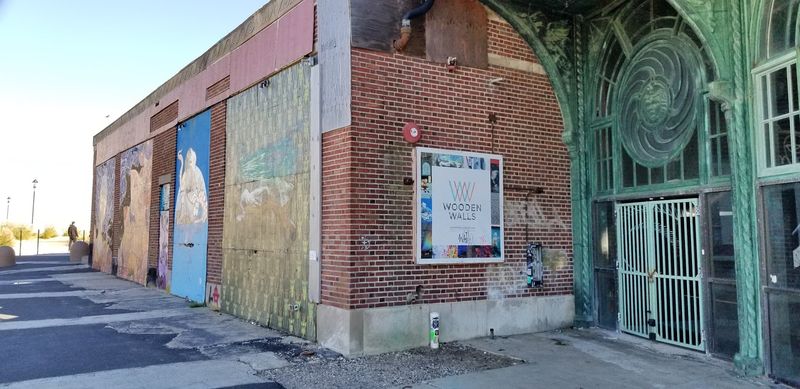
Guitars built this town’s reputation long before condos did. Asbury Park earned a spot among the country’s top places to experience live music, and the credit belongs to a handful of stubborn venues.
The Stone Pony has anchored the scene since 1974. A certain hometown rock star launched his career on that stage and still turns up now and then.
The Wonder Bar keeps things relaxed, with an outdoor tiki terrace that fills fast on warm nights. Asbury Lanes, a retrofitted bowling alley, doubles as a concert space with real personality.
Each September, the Sea, Hear, Now festival brings national headliners to the waterfront. That weekend turns the beach into a stage and the town into a parking puzzle.
Music here does not shut off after Labor Day. Shows run through the cold months, and locals prefer those nights when tickets are easier and the room feels less packed.
Murals from artists worldwide cover walls around the city, part of a public art program. Look up between venues, and the walls perform too.
Cookman Avenue and the Appetite Problem
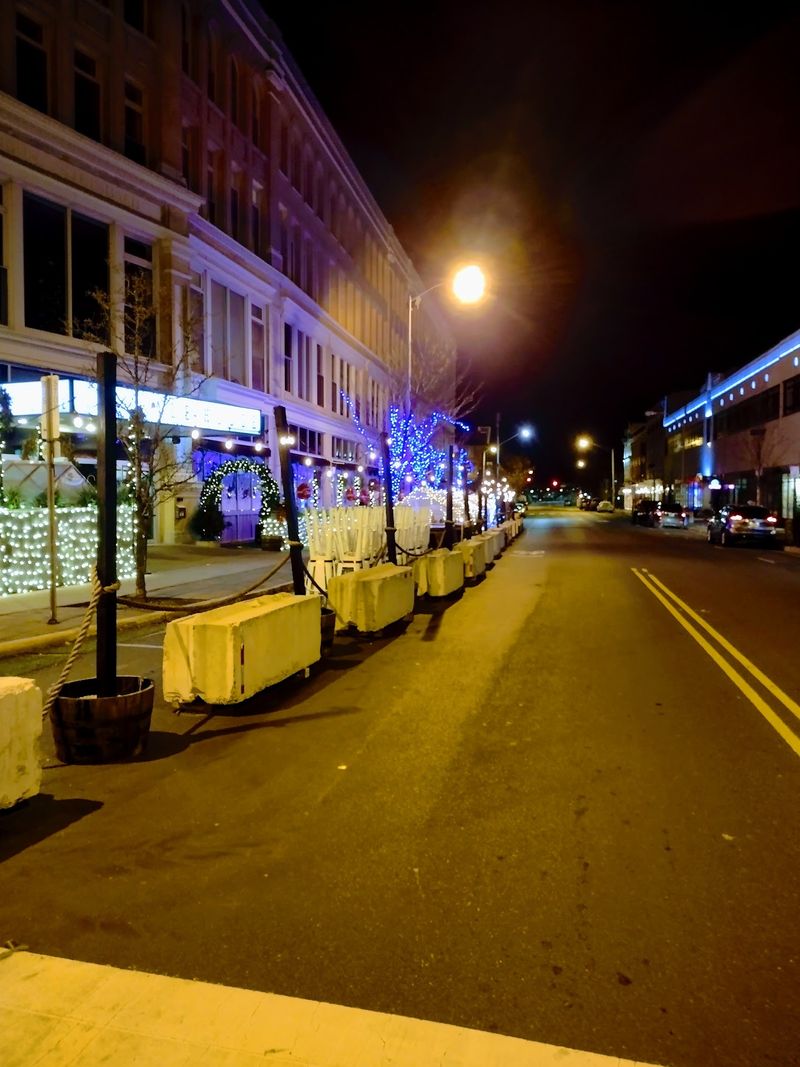
Some call it the best food town down the shore. Cookman Avenue sits at the center of that claim, packed with kitchens, boutiques, and sidewalk tables.
Japanese, Mediterranean, and Italian menus share the same few blocks. Longtime favorites include Jimmy’s Italian Restaurant, Moonstruck, and Stella Marina.
Others worth knowing are Bank on Mattison, Brando’s Citi Cucina, and Tim McLoone’s Supper Club. Variety is the point.
Summer changes the math. Wait times stretch, reservations vanish, and walk-in seating becomes a small miracle after six on a Saturday.
Locals adapt by eating early or eating late. Off-season, they simply call ahead and get a table without negotiation.
Visitors who plan ahead avoid the frustration entirely. Booking a few days out costs nothing and saves an hour of hovering near a hostess stand.
Downtown Asbury Park sits a short walk from the sand, so a beach day can end with a proper meal instead of a boardwalk snack. The stroll between them is half the fun.
The West Side Story Visitors Rarely See
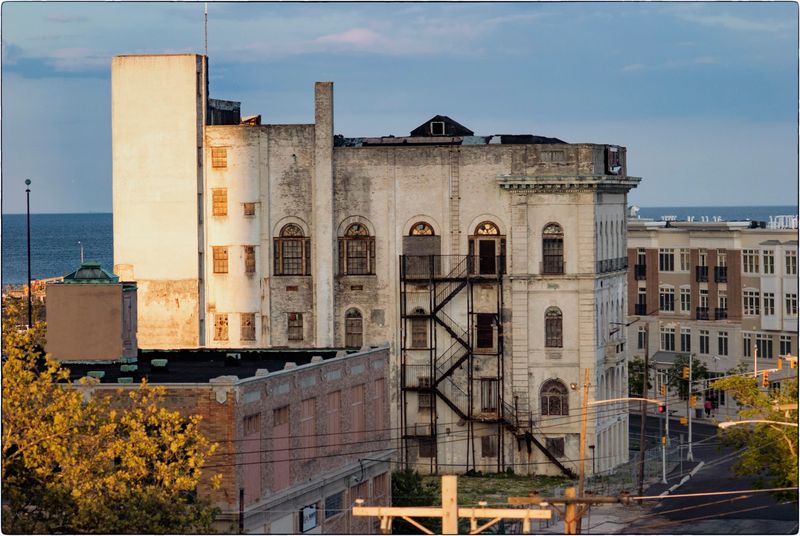
Cross the tracks, and the mood shifts. The historically Black west side of Asbury Park has not received the same investment as the oceanfront.
Development has concentrated heavily on the east side, near the water. That imbalance has deepened racial and economic divides that residents discuss openly.
The city registers one of the highest levels of income inequality in New Jersey. A significant share of residents live in poverty while luxury towers rise blocks away.
Community groups push back. The Asbury Park African-American Music Project works to preserve and revive the cultural legacy of Springwood Avenue, once a celebrated music corridor.
Interfaith Neighbors, a coalition of religious organizations, contributes to rebuilding efforts across the same neighborhoods. Both groups operate with limited resources and long memories.
Civil unrest in 1970 hit the west side hard and slowed the neighborhood’s recovery for decades. Recovery has been uneven ever since.
Curious visitors can learn the fuller history rather than skipping it. Understanding what happened here adds weight to every restored building along the beach.
Landmarks With Century-Old Bones
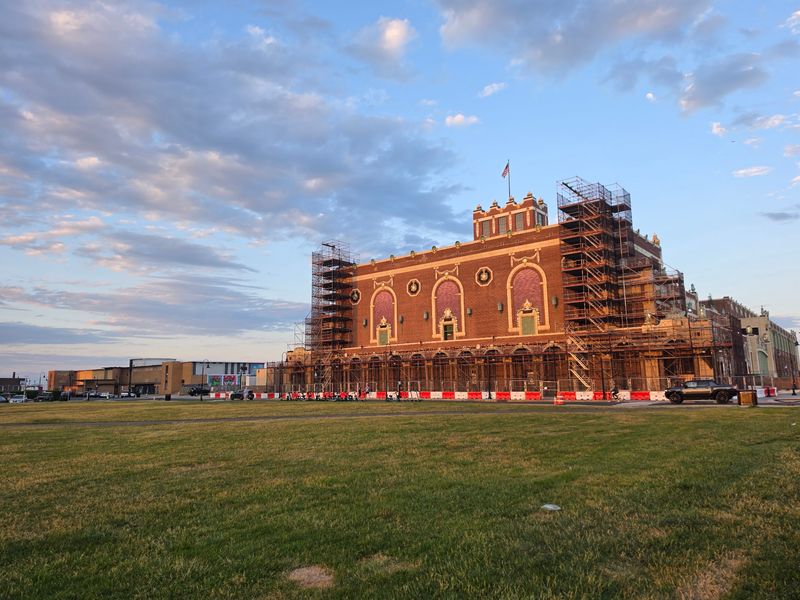
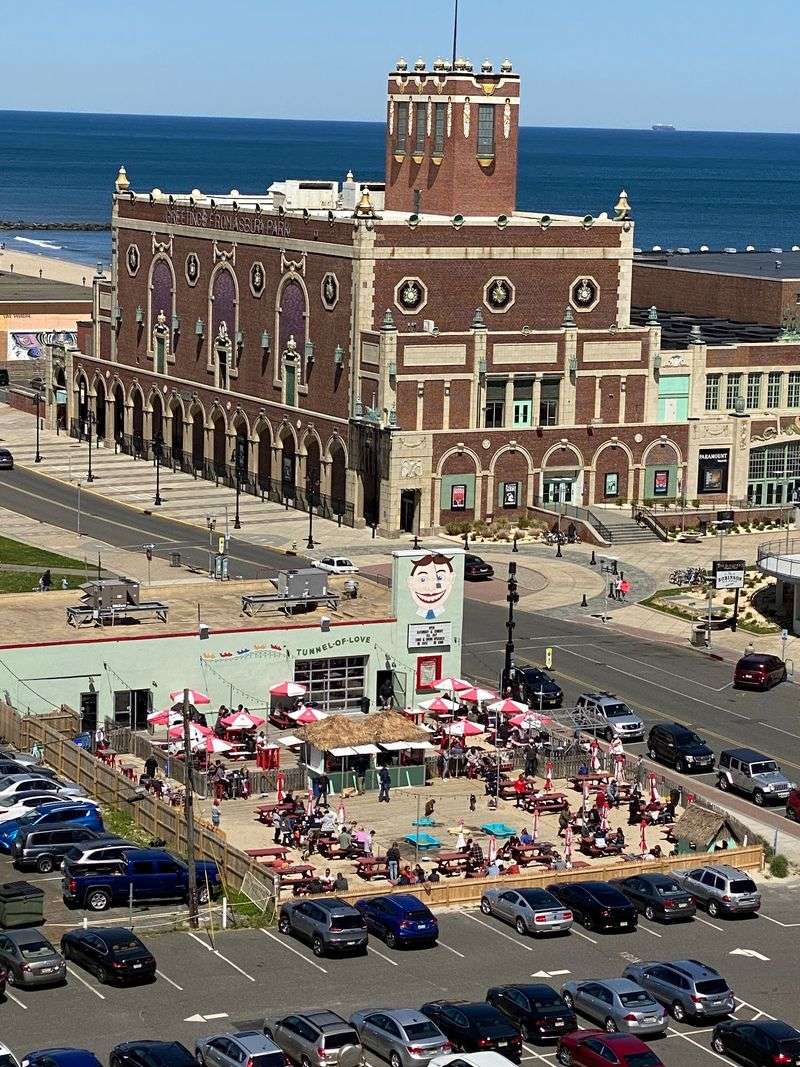
Look past the crowds and the architecture starts talking. The Paramount Theatre and Convention Hall have watched over the Asbury Park boardwalk for nearly a century.
Their designers also worked on New York City’s Grand Central Terminal. That pedigree shows in the arches, brickwork, and weathered copper.
Palace Amusements came down in 2004, but its grinning mascot, Tillie, lives on in local memory and in preserved artifacts on view at the Silverball Retro Arcade. The story behind the icon is worth learning even though the original mural remains in storage.
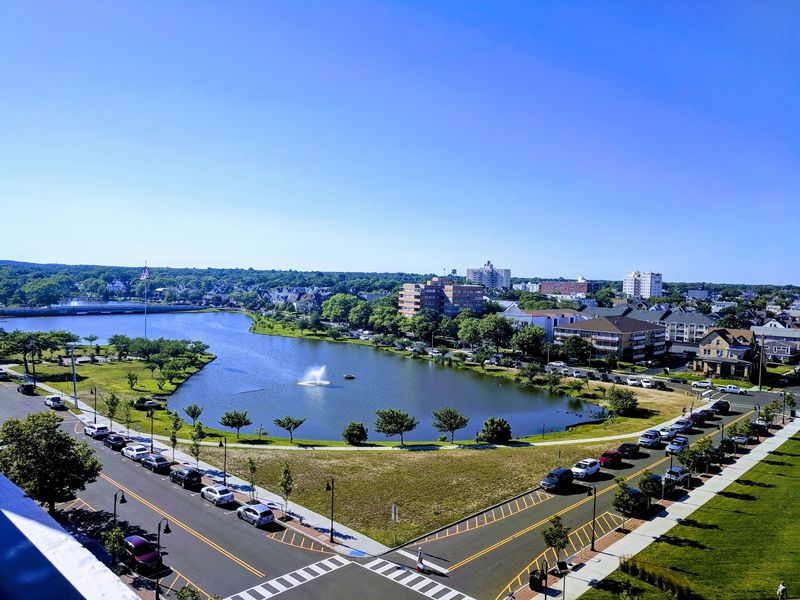
Three lakes ring the city, including Wesley Lake, where swan-shaped pedal boats drift along the water. Kids adore them, and the lines stay shorter than boardwalk rides.
The Silverball Retro Arcade holds more than 150 pinball machines plus other games from decades past. Rainy afternoons here beat sitting in a hotel room.
Asbury Park began in 1871 as a religious retreat before becoming a seaside resort. The city has owned its beachfront since purchasing it from the founder in 1902.
These landmarks explain why residents fight so hard over the town’s direction. History sits on nearly every corner.
Why Locals Quietly Root for October
Labor Day arrives, and residents exhale. The off-season, roughly October through April, is when many longtime locals say Asbury Park feels most like itself.
Parking opens up. Restaurants take reservations without a fight, and the boardwalk turns into a walking path instead of an obstacle course.
The city does not shut down. Music venues, galleries, boutiques, and coffee shops keep operating through the colder months.
A strong LGBTQ+ community has shaped this place for decades and helped drive the early revival alongside artists and small business owners. That creative backbone still holds.
Residents often say summer visitors see only one layer of the city. The deeper version shows up when the beach chairs disappear.
Lodging ranges from restored historic properties to newer luxury builds, and rates typically ease outside peak season. The Berkeley Oceanfront Hotel has stood since 1925.
Anyone curious about the real Asbury Park should try a November weekend. The ocean is still there, the music is still playing, and nobody is fighting over a parking space.