
12 Amazing Historical Sites In Pennsylvania You Have To See
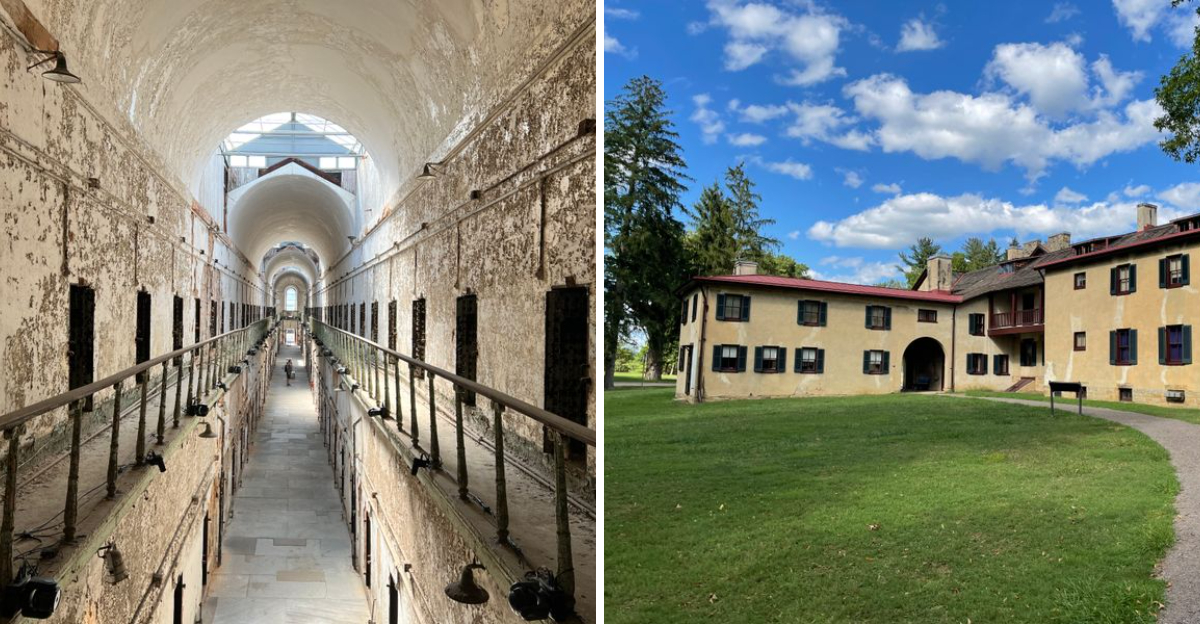
Pennsylvania is home to some of the nation’s most remarkable historic landmarks, spanning revolutionary battlefields, pivotal memorials, and iconic architectural achievements.
Exploring these places feels like traveling through time, with each site revealing stories that helped define the United States.
From preserved towns to powerful monuments, history comes alive in ways that are both educational and inspiring.
These destinations make it easy to connect with the past while enjoying scenic surroundings and well-maintained visitor experiences.
No matter your interest level, each stop offers a meaningful glimpse into the events and people that shaped America.
1. Liberty Bell Center (Philadelphia)
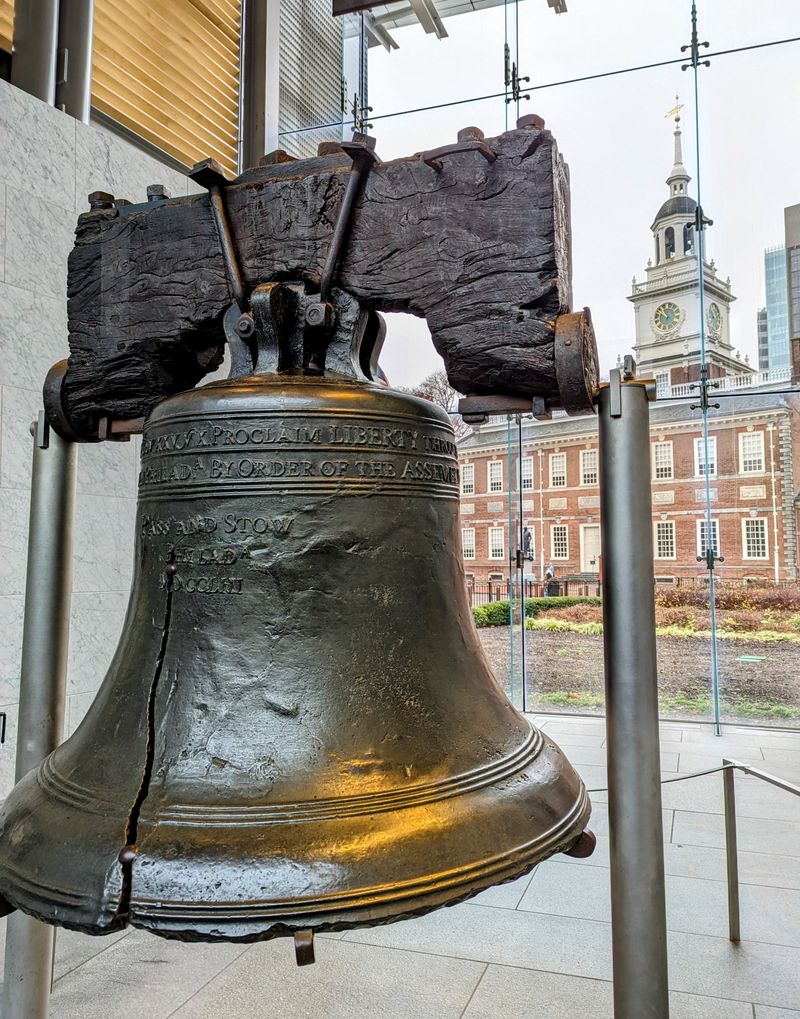
Standing before this cracked bronze symbol, you can almost hear the echoes of freedom ringing through centuries.
The bell weighs over 2,000 pounds and carries a message of liberty that inspired movements worldwide.
Visitors can view it from multiple angles while learning about its fascinating journey from London to Philadelphia.
The center provides interactive exhibits explaining why this bell became such a powerful symbol.
Best of all, admission is completely free, making it accessible to everyone who wants to connect with American independence.
2. Gettysburg National Military Park (Gettysburg)

Walking across these hallowed fields where over 50,000 soldiers fell during three brutal days in July 1863 creates an unforgettable experience.
The park spans 6,000 acres filled with monuments, memorials, and carefully preserved battlefield terrain.
Guided tours bring the battle to life, explaining tactical decisions that changed the course of the Civil War.
You’ll discover how this turning point shifted momentum toward Union victory.
President Lincoln’s famous address, delivered here months after the battle, continues inspiring visitors who stand where he once spoke.
3. Valley Forge National Historical Park (King of Prussia)
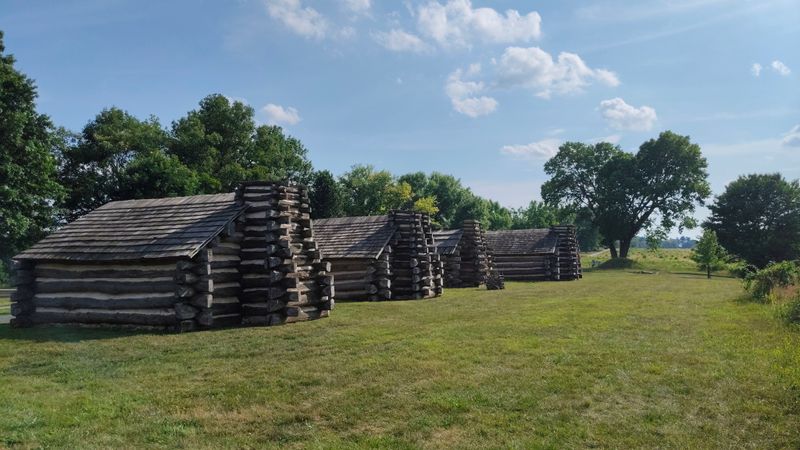
Imagine enduring a brutal winter with inadequate shelter, scarce food, and worn-out boots while fighting for a new nation’s survival.
That’s exactly what George Washington’s Continental Army faced here during the winter of 1777-1778.
Reconstructed cabins show the harsh conditions soldiers endured, while monuments honor their incredible perseverance.
The park offers hiking trails, ranger programs, and a museum filled with Revolutionary War artifacts.
This wasn’t just a campsite—it became the birthplace of a professionally trained American army.
4. Flight 93 National Memorial (Stoystown/Shanksville Area)
On September 11, 2001, forty passengers and crew members made the ultimate sacrifice to protect others from terrorism.
Their courageous decision to fight back prevented the hijacked plane from reaching its intended target in Washington, D.C.
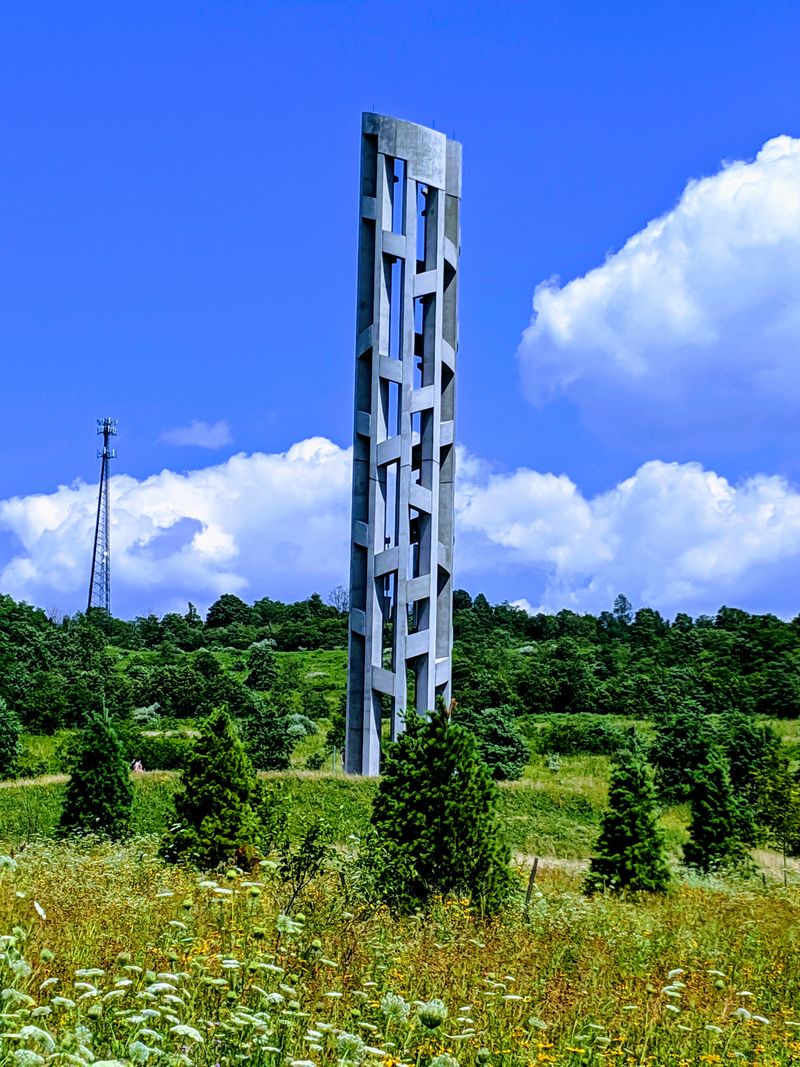
The memorial features a striking marble wall inscribed with their names, a visitor center sharing their stories, and the Tower of Voices with wind chimes honoring each hero.
Walking the grounds brings profound reflection about ordinary people performing extraordinary acts.
It’s a deeply moving tribute to American bravery and selflessness.
5. Eastern State Penitentiary Historic Site (Philadelphia)
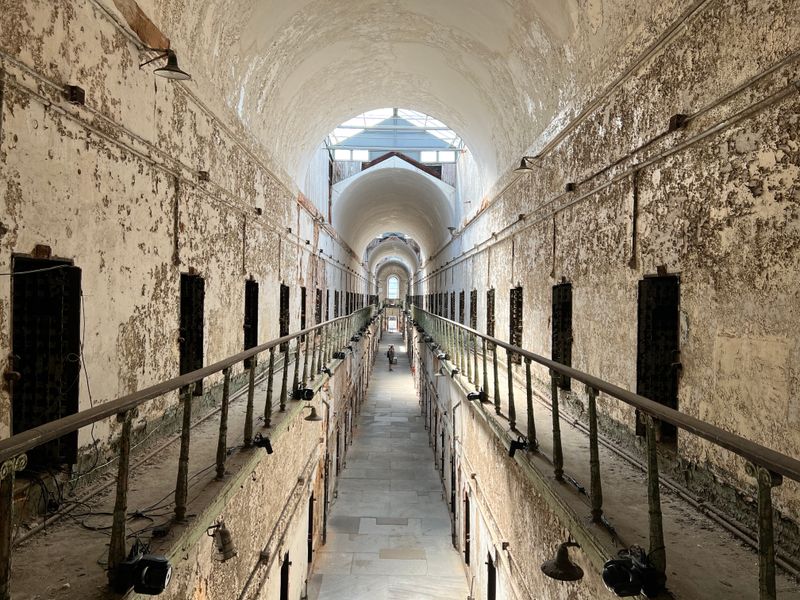
Once the most famous and expensive prison in the world, this fortress-like structure pioneered the concept of rehabilitation through solitary confinement.
Built in 1829, it held notorious criminals including Al Capone, whose restored cell you can actually visit.
The crumbling cellblocks create an eerie atmosphere that’s both haunting and fascinating.
Audio tours narrated by former guards and inmates provide chilling firsthand accounts of prison life.
During Halloween season, the penitentiary transforms into one of America’s most terrifying haunted attractions.
6. Fallingwater (Mill Run)
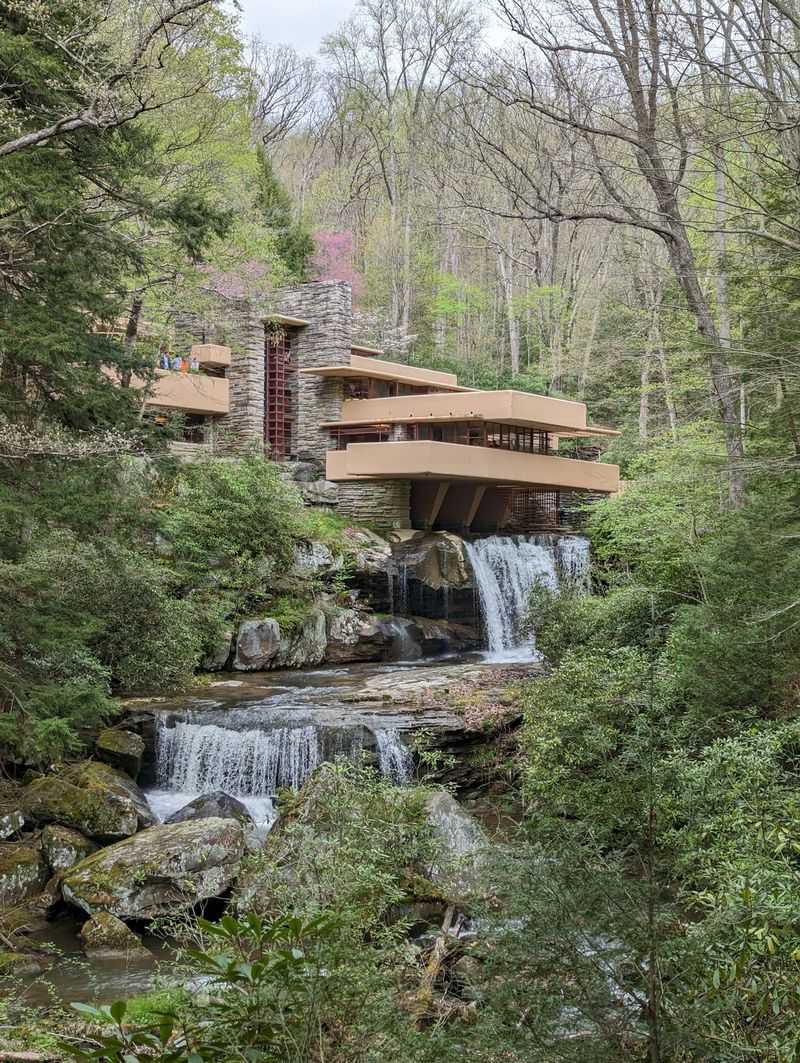
Frank Lloyd Wright designed this architectural masterpiece in 1935, daringly building a home directly over a waterfall in the Pennsylvania mountains.
The house seems to float above Bear Run, blending seamlessly with the natural landscape through Wright’s genius organic architecture philosophy.
Cantilevered terraces extend dramatically over the rushing water below, creating one of the most photographed buildings in American history.
Tours reveal Wright’s innovative design choices, from built-in furniture to strategically placed windows framing forest views.
It’s been called the greatest work of American architecture ever created.
7. Steamtown National Historic Site (Scranton)
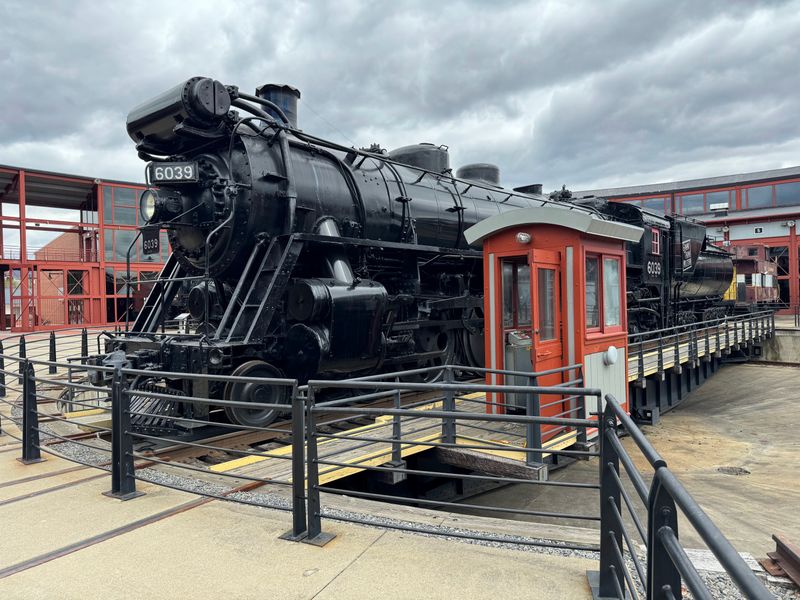
Massive steam locomotives sit ready to roll at this working railroad museum celebrating America’s industrial heritage.
The site preserves the technology that connected our nation, featuring restored engines, passenger cars, and a functioning roundhouse where mechanics once repaired these iron giants.
You can climb aboard locomotives, explore historic rail cars, and even take seasonal excursion rides through the Pocono Mountains.
Interactive exhibits explain how railroads transformed American commerce and society.
Kids especially love the hands-on demonstrations and the chance to ring authentic train bells.
8. Hopewell Furnace National Historic Site (Elverson)
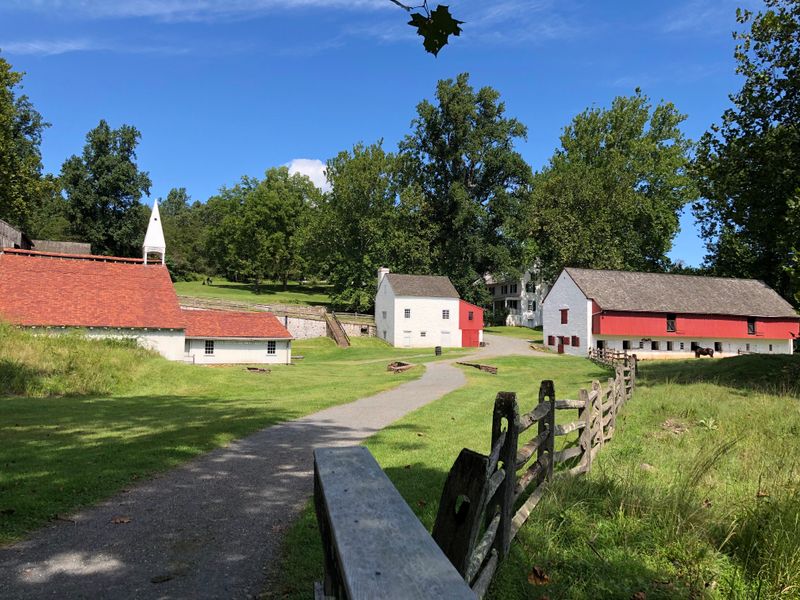
From 1771 to 1883, this ironmaking village produced everything from cannons for the Revolutionary War to stoves for American homes.
The restored furnace, waterwheel, and surrounding buildings recreate a self-sufficient industrial community that once thrived in rural Pennsylvania.
Costumed interpreters demonstrate blacksmithing and molding techniques while explaining how workers transformed iron ore into usable products.
The site includes worker housing, the ironmaster’s mansion, and beautiful hiking trails through the surrounding forest.
It’s a window into America’s early industrial revolution.
9. Allegheny Portage Railroad National Historic Site (Cresson Area)

Between 1834 and 1854, this engineering wonder helped trains cross the Allegheny Mountains through an ingenious system of inclined planes and stationary steam engines.
Railroad cars were literally pulled up steep slopes by cables, then guided back down the other side—a revolutionary transportation solution.
The visitor center features a working model demonstrating this incredible technology.
Walking trails lead to original stone structures and engine houses where you can see remnants of this ambitious project.
It dramatically reduced travel time between Philadelphia and Pittsburgh.
10. Johnstown Flood National Memorial (South Fork)
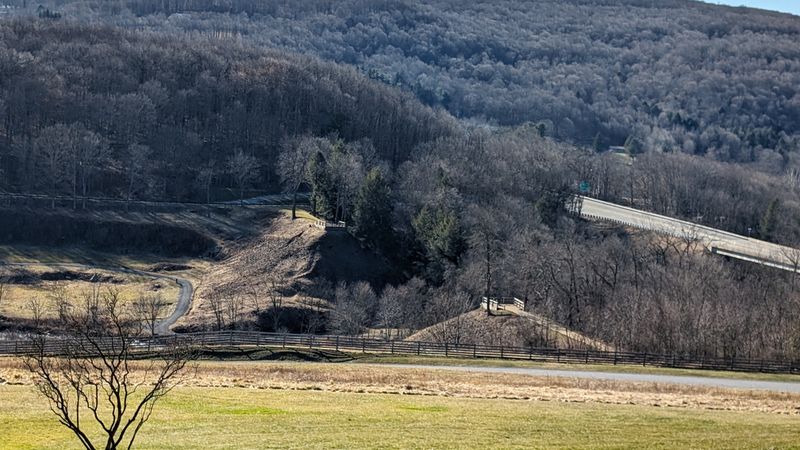
On May 31, 1889, the South Fork Dam failed catastrophically, unleashing 20 million tons of water that destroyed Johnstown and killed over 2,200 people.
This memorial preserves the dam site and tells the heartbreaking story of America’s deadliest flood.
Visitors can walk along the dam breach, view the former lake bed, and explore exhibits explaining what went wrong.
The tragedy exposed how neglected infrastructure and wealthy club members’ modifications created a disaster waiting to happen.
It remains a powerful lesson about engineering responsibility and disaster preparedness.
11. Fort Necessity National Battlefield (Farmington)
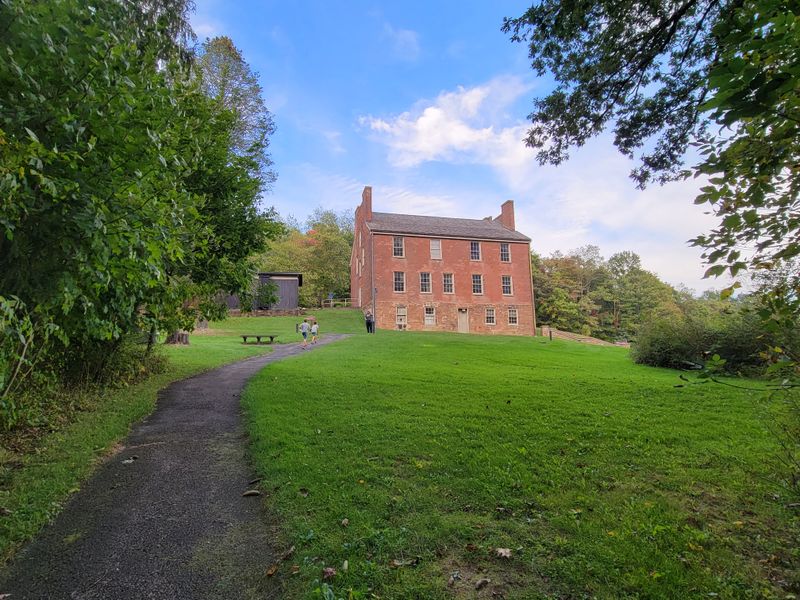
A young George Washington built this modest fort in 1754, where he experienced his first military defeat during the French and Indian War.
This battle marked the beginning of a global conflict that would reshape colonial North America.
The reconstructed circular stockade sits in the same Great Meadows clearing where Washington’s troops faced French forces.
The visitor center displays artifacts and explains how this frontier skirmish triggered events leading to the Revolutionary War.
Walking these grounds connects you to Washington’s early military career before he became a legendary general.
12. Friendship Hill National Historic Site (Point Marion)

Albert Gallatin, one of America’s longest-serving Treasury Secretaries, called this elegant estate home while helping shape the young nation’s financial system.
He served under Presidents Jefferson and Madison, negotiating the Louisiana Purchase and funding the War of 1812.
The restored mansion sits on a bluff overlooking the Monongahela River, featuring period furnishings and exhibits about Gallatin’s remarkable life.
Hiking trails wind through the surrounding 675 acres of forests and fields.
Despite his crucial contributions, Gallatin remains one of history’s most underappreciated founding fathers.