
5 Areas In Massachusetts Where Timber Rattlesnakes Have Been Documented
Timber rattlesnakes are not exactly a creature most people expect to encounter in Massachusetts. Yet these elusive reptiles have carved out a quiet existence across rocky hillsides and forested ridges for centuries.
They move slowly. They avoid confrontation. And they would rather disappear into a pile of leaves than ever cross paths with a hiker.
Still, their presence tells an important story about the wild corners of this state that many residents never think to explore.
Some regions offer perfect conditions for these snakes to den, bask, and raise their young undisturbed. Could there really be rattlesnakes this close to home?
The answer might surprise you. Massachusetts holds onto pockets of wilderness where nature still calls the shots, and timber rattlesnakes are proof of that.
This list highlights five areas where sightings have been documented, giving curious readers a glimpse into a side of the state that feels far wilder than expected.
1. Blue Hills Reservation, Milton
Just a short drive from downtown Boston, the Blue Hills Reservation is proof that wild nature and city life can exist practically side by side.
Covering more than 7,000 acres across towns like Milton, Quincy, Dedham, and Randolph, this sprawling reservation is one of the largest open spaces within 35 miles of any major American city.
At the center of it all stands Great Blue Hill, rising 635 feet above sea level and offering some of the most sweeping panoramic views in the entire state.
On a clear day, you can spot the Boston skyline to the north and the Atlantic coastline to the east, making the climb well worth every step.
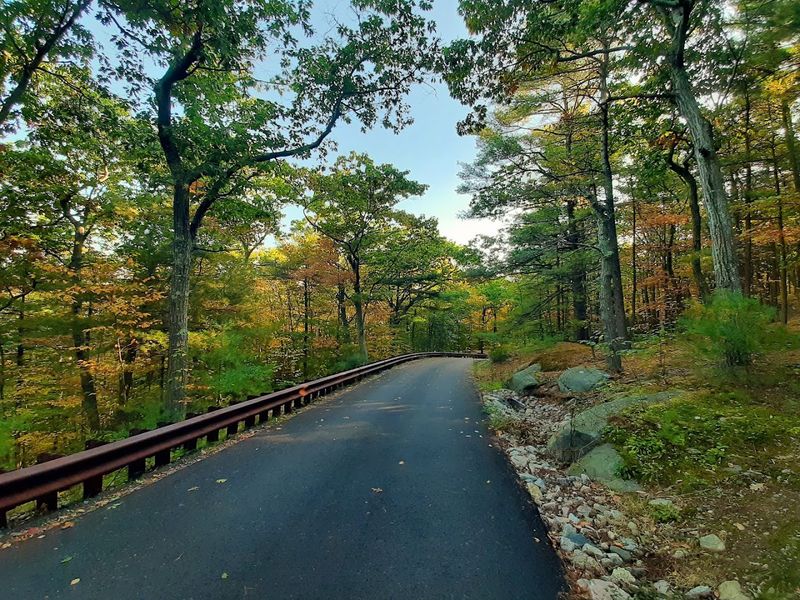
The reservation features more than 125 miles of trails that wind through marshlands, rocky outcrops, and quiet deciduous forests.
Whether you prefer a casual afternoon walk or a more demanding mountain biking session, there is a trail here that fits your pace and style.
Among the many creatures that call this place home, the timber rattlesnake holds a special place.
This endangered species has been documented within the reservation, particularly in the rocky woodland areas where it finds shelter and warmth.
Spotting one is genuinely rare, and if you do, keeping a respectful distance is both the safe and responsible thing to do.
Beyond wildlife watching, visitors can swim at Houghton’s Pond, go horseback riding, camp overnight, and even ski during the winter months. The reservation truly earns its reputation as a year-round outdoor playground.
For anyone looking to experience a genuine natural escape without leaving the greater Boston area, Blue Hills delivers a kind of quiet wildness that is surprisingly hard to find this close to a major city.
2. Mount Tom State Reservation, Holyoke
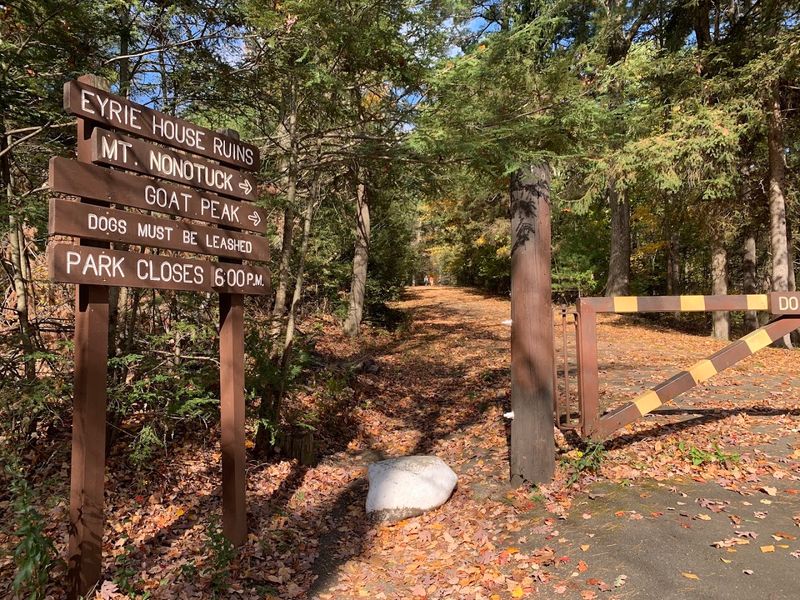
Rising sharply above the Connecticut River Valley in Holyoke, Mount Tom State Reservation cuts an impressive figure with its dramatic 1,200-foot traprock ridge.
The views from the top stretch across the valley floor to the Berkshire mountains in the west and the Pelham hills shimmering to the east, creating a visual reward that hikers talk about long after the trip is over.
The reservation offers 22 miles of hiking and walking trails that range from gentle woodland paths to steep, rocky climbs along exposed cliff edges.
Every trail feels like its own little adventure, winding through dense forest and opening suddenly onto dramatic overlooks that stop you in your tracks.
One of the most compelling reasons nature enthusiasts seek out Mount Tom is its documented population of timber rattlesnakes.
These venomous but shy snakes favor the southwestern talus slopes of the reservation, where loose rocks and sun-warmed ledges create ideal conditions for basking and denning.
Spring and fall are the best seasons to be alert, as the snakes are most active during milder temperatures.
Away from the trails, Lake Bray offers a peaceful spot for picnicking and fishing, giving visitors a calmer way to enjoy the surroundings.
When snow arrives, the reservation transforms into a destination for cross-country skiing and ice skating, making it genuinely useful across all four seasons.
Mount Tom is also recognized for its rich biodiversity, supporting a wide range of bird species, wildflowers, and forest mammals alongside its more famous reptilian residents.
For travelers who want a destination that combines dramatic scenery, genuine wildlife encounters, and year-round outdoor activities, Mount Tom State Reservation stands as one of western Massachusetts’s most rewarding natural landscapes.
3. Mount Holyoke Range State Park, Hadley And Belchertown
Stretching across 3,000 acres along a seven-mile ridgeline in central Massachusetts, Mount Holyoke Range State Park sits near the towns of Hadley and Belchertown and offers a richly layered outdoor experience.
The park combines diverse woodlands, quiet wetlands, and winding streams into a landscape that feels endlessly explorable no matter how many times you visit.
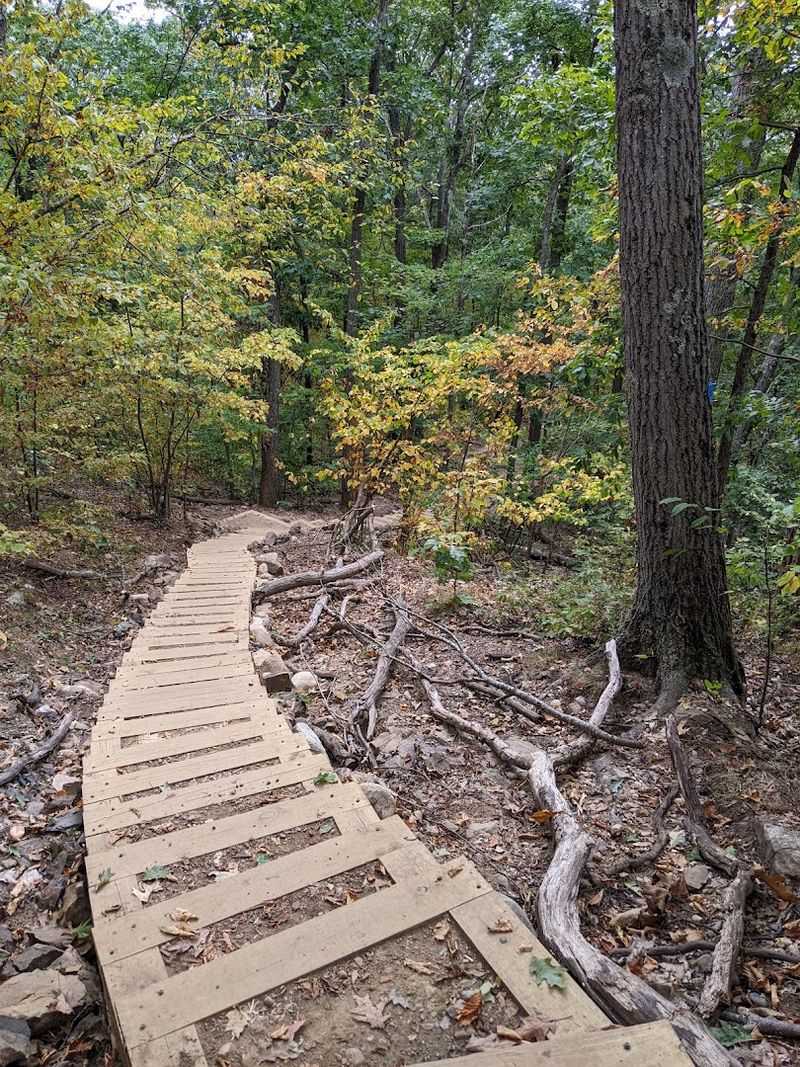
Hikers flock to the park for the challenging and beloved Eight-Mile Seven Sisters trail, a route that tackles a series of peaks and saddles along the main ridge.
Mountain bikers also find plenty to love on routes like the Serpentine and Roller Coaster trails, which deliver exactly the kind of thrilling, technical riding their names suggest.
History adds another layer to the experience here. The Horse Caves, rocky alcoves tucked into the hillside, played a role in American history and offer curious visitors a tangible connection to the region’s past.
The park also hosts spectacular autumn hawk migrations, making it a prime destination for birdwatchers during the fall months when the skies come alive with movement.
The Holyoke Range is also recognized as documented habitat for the timber rattlesnake, an endangered species in Massachusetts. These snakes favor sun-facing rocky slopes where they can bask in the warmth of spring and fall sunlight.
Knowing they share these trails adds a quiet thrill to every hike, though actual sightings remain extremely rare.
The Notch Visitor Center on West Street in Amherst serves as the ideal starting point for any visit, offering trail maps, orientation, and helpful information for planning your route.
From the first step on the trail to the final ridge-top view, Mount Holyoke Range State Park rewards every type of outdoor traveler with something genuinely memorable.
4. Mount Washington State Forest And The Southern Taconic Mountains, Mount Washington
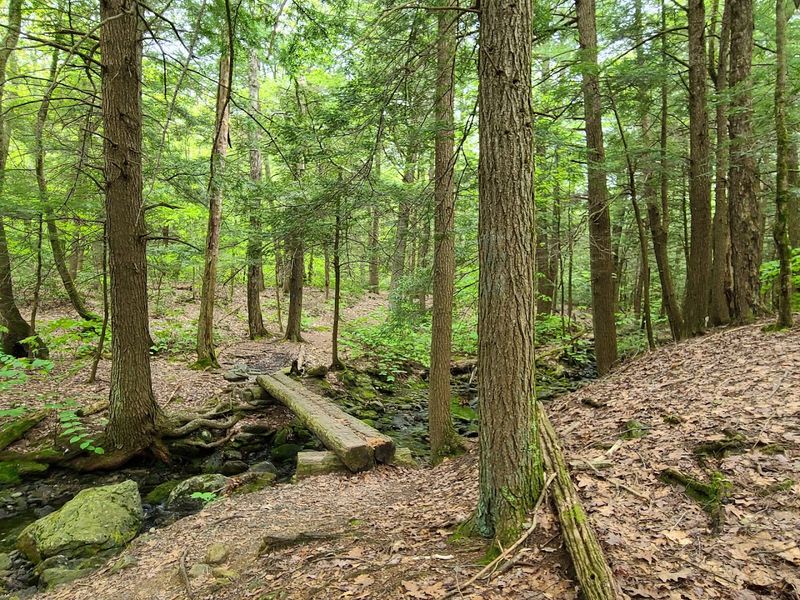
Out in the far southwestern corner of Massachusetts, where the state touches both New York and Connecticut, Mount Washington State Forest spreads across an impressive 4,619 acres of rugged mountain terrain.
This tri-state corner of New England feels genuinely remote, with a wildness that sets it apart from most other public lands in Massachusetts.
The forest offers more than 30 miles of trails open to hikers, horseback riders, and mountain bikers, including portions of the iconic Appalachian Trail.
The South Taconic Trail leads to the summit of Alander Mountain at 2,250 feet, where the views sweep across three states in a single breathtaking glance.
One of the forest’s most remarkable features is its 300 acres of old-growth northern hardwood forest, a rare and ancient landscape that has never been logged.
Walking through these towering trees feels like stepping into a different era, where the forest has been allowed to evolve entirely on its own terms for centuries.
Just next door, Bash Bish Falls State Park protects the highest single-drop waterfall in Massachusetts, a spectacular cascade that alone justifies the drive out to this corner of the state.
The falls are accessible via a moderate trail and reward visitors with a scene that is genuinely dramatic in any season.
The timber rattlesnake has been documented in these forested Southern Taconic Mountains, using the rocky terrain for denning and basking throughout the warmer months.
Their presence here speaks to the exceptional biodiversity that the forest quietly protects.
For travelers who want a true wilderness experience, primitive camping is available, allowing an overnight stay that turns a day trip into a full immersion in one of Massachusetts’s most wild and unspoiled corners.
5. Central Berkshire County Mountain Forests, Berkshire County
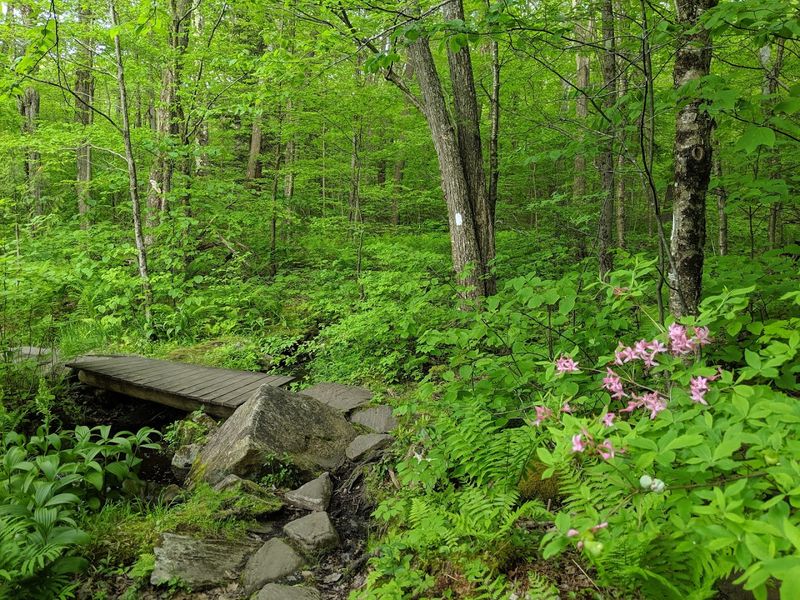
Berkshire County sits at the westernmost edge of Massachusetts, and its central mountain forests make up one of the most expansive and ecologically rich landscapes in the entire state.
The terrain here is shaped by the Taconic Mountains and a series of rolling forested hills that create a patchwork of habitats supporting an extraordinary range of wildlife.
The region is home to several large state forests, including October Mountain, Pittsfield, Savoy Mountain, and Beartown State Forests.
Each one has its own character, from the wide open meadows of October Mountain to the high-elevation spruce forests of Savoy, giving visitors a genuinely varied experience even within a single county.
With more than 50 miles of combined trails across these forests, the opportunities for hiking, cycling, and mountain biking are practically endless.
Trekkers can move through dense canopies, cross quiet streams, and emerge onto open ridges with views that capture everything people love about the Berkshires in one sweeping glance.
Mount Greylock, the highest peak in Massachusetts at 3,491 feet, also sits within Berkshire County and adds another dimension to the region’s appeal.
The summit offers panoramic views that stretch into five states on a clear day, and the trails leading up to it range from accessible walks to genuinely challenging climbs.
The timber rattlesnake has been documented across the forested mountain habitats of Central Berkshire County, where rocky outcrops and sun-warmed slopes provide exactly the kind of environment these endangered snakes need to survive.
Their presence in these forests is a reminder of just how much wild, intact habitat this part of Massachusetts still holds.
Every trail you walk here is, in a quiet way, shared with one of the rarest reptiles in all of New England.