
8 Areas In New York Where Rattlesnakes Have Been Spotted
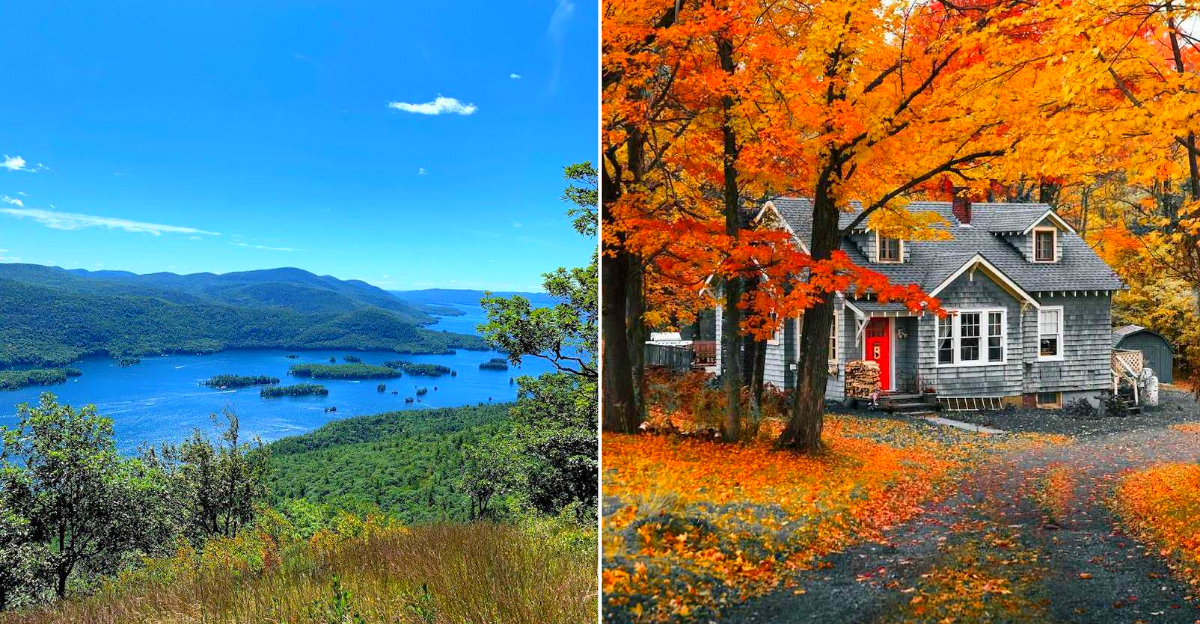
You don’t expect to think about rattlesnakes on a hike here, but certain landscapes change that quickly. Rocky ledges, sun-warmed slopes, and quiet woodland edges create the exact conditions they prefer.
This side of New York catches people off guard, areas where timber rattlesnakes have been spotted and where a little awareness goes a long way.
Out on the trail, the signs are subtle but consistent. They favor undisturbed terrain, often near rock outcrops or dry, open patches where they can warm up.
Most encounters happen by chance, not because they’re seeking contact. Keep your distance, watch where you step, and stay on marked paths.
It’s a reminder that even familiar places can have a wild side, one that’s best respected rather than avoided entirely.
1. Harriman State Park
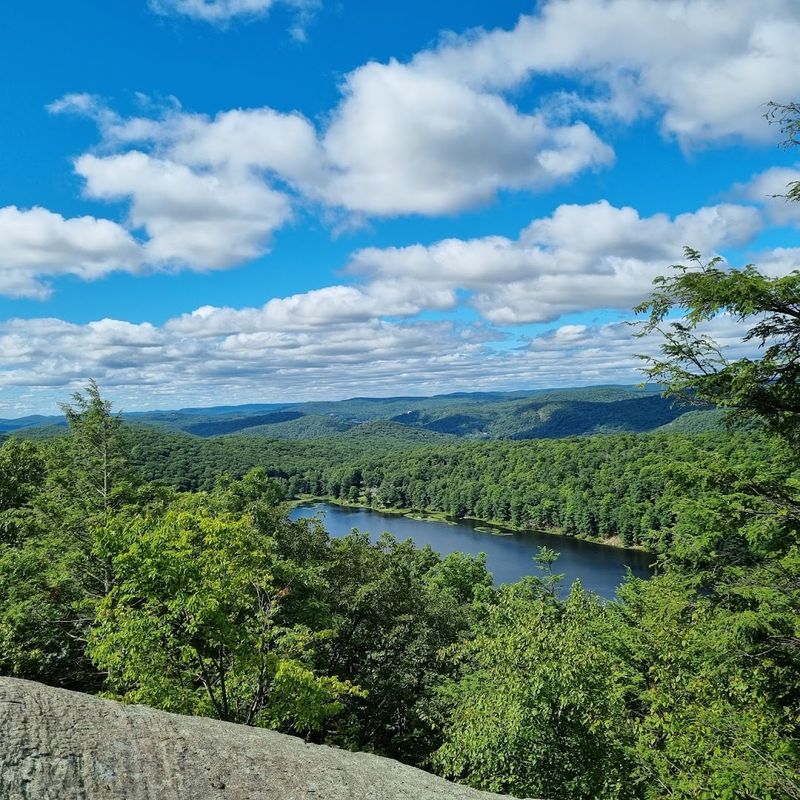
Harriman State Park is no joke when it comes to wild encounters. Located about 30 miles north of New York City, this massive park covers over 47,000 acres of rugged terrain.
Rocky ledges, sun-warmed boulders, and dense hardwood forests make it one of the most ideal spots for timber rattlesnakes in the entire state.
Timber rattlesnakes love open rocky areas where they can soak up heat during the day. At Harriman, you will find plenty of those sun-baked outcrops along trails like the Appalachian Trail and the Long Path.
The snakes are not aggressive by nature, but they will rattle loudly if they feel cornered or threatened.
The park entrance is located at Seven Lakes Drive, Sloatsburg, NY 10974. Warm months between May and October are when rattlesnake activity peaks here.
Wearing sturdy boots and staying on marked trails goes a long way toward keeping your hike drama-free.
Fun fact: Harriman is one of the oldest state parks in New York, established back in 1910. Generations of hikers have shared these trails with rattlesnakes without even knowing it.
Respect the space, give any snake you spot a wide berth, and let it go about its reptilian business in peace. No need to panic, just keep moving and you will be just fine out there.
2. Bear Mountain State Park
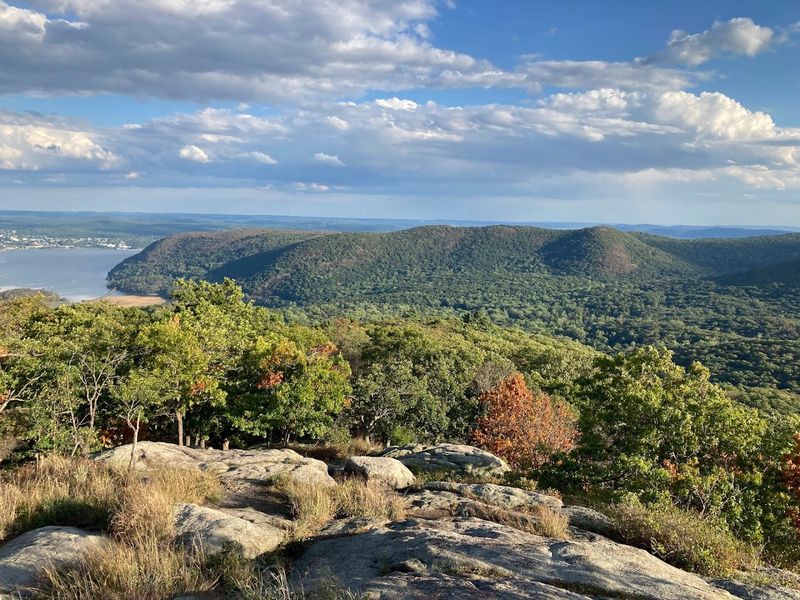
Bear Mountain has a reputation for stunning views and serious hiking, but locals know it also has some seriously scaly residents. Sitting right along the Hudson River in Rockland and Orange counties, Bear Mountain State Park is a known habitat for timber rattlesnakes.
The mix of rocky ridges and forested slopes creates perfect conditions for these reptiles.
Perkins Memorial Drive winds up to the summit where the views are absolutely unreal, but keep your eyes on the ground too. Rattlesnakes have been spotted along rocky outcrops and in sunny clearings throughout the park.
The park address is 3006 Seven Lakes Drive, Bear Mountain, NY 10911, and it draws millions of visitors every year.
Timber rattlesnakes at Bear Mountain tend to den in rocky crevices during colder months and emerge in spring when temperatures climb. They are most active from late April through October.
Hikers on trails like the Appalachian Trail section through the park should step carefully around boulders and log piles.
Here is a cool detail worth knowing: timber rattlesnakes were once hunted to near extinction across much of New York. Conservation efforts have helped stabilize some populations, and Bear Mountain is one of the areas where that work is paying off.
Seeing one in the wild is genuinely rare and honestly kind of exciting. Stay calm, back away slowly, and consider yourself lucky for the wildlife sighting of a lifetime.
3. Minnewaska State Park Preserve
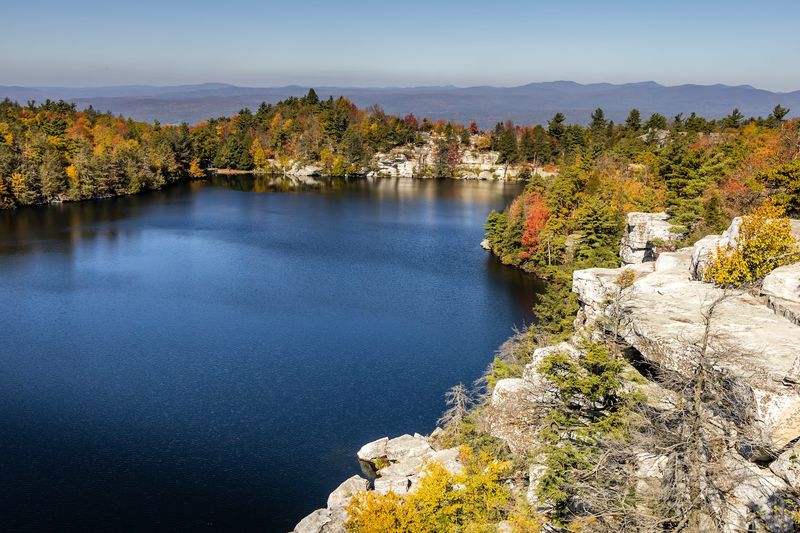
Minnewaska State Park Preserve sits on top of the Shawangunk Ridge in Ulster County, and the geology here is something special. The park is famous for its white conglomerate rock formations, sky lakes, and dramatic cliffs.
All of that exposed rocky terrain also makes it prime real estate for timber rattlesnakes looking for a warm place to hang out.
The western sections of the park are particularly known for rattlesnake activity. Trails near the cliff edges and open ledges are where hikers are most likely to have an unexpected encounter.
The park is located at 5281 Route 44-55, Kerhonkson, NY 12446, and it is a seriously beautiful place to spend a day outdoors.
Timber rattlesnakes at Minnewaska are protected under New York State law, so disturbing or harassing them carries real legal consequences. Rangers and conservation officers actively monitor the snake populations here.
Reporting a sighting to park staff actually helps researchers track population health.
The Shawangunk Ridge is one of the most ecologically significant ridges in the northeastern United States. It supports a wide range of rare plants and animals, and the rattlesnake is one of its most iconic residents.
Bringing trekking poles on your hike is smart because they help you feel your way around rocks without reaching blindly. Also, never stick your hand under a ledge or into a crevice, not even to grab a dropped granola bar.
Trust the process and hike smart out here.
4. Mohonk Preserve
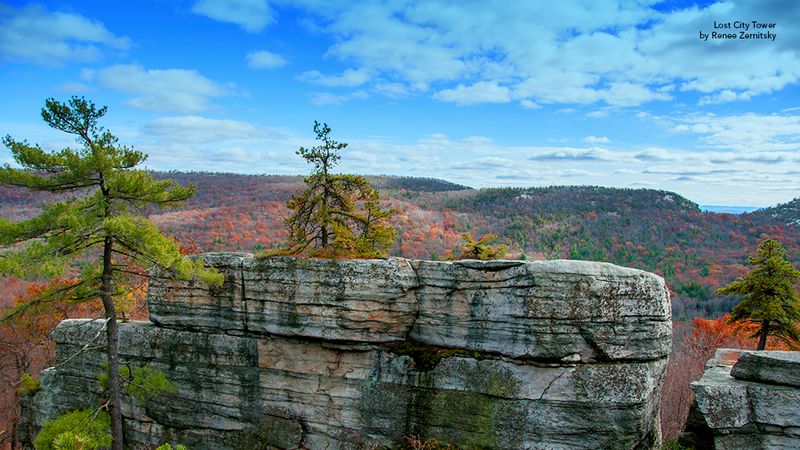
Right next door to Minnewaska on the Shawangunk Ridge sits Mohonk Preserve, a 8,000-acre nature reserve that takes its wildlife seriously. Mohonk Preserve is one of the largest visitor-supported nature preserves in the northeastern United States, and it is home to a healthy population of timber rattlesnakes.
The rocky terrain here is absolutely built for them.
The preserve entrance is located at 3197 Route 44-55, Gardiner, NY 12525. Trails like the Undercliff and Overcliff Carriageways pass through areas where rattlesnakes have been documented.
Sunny rock ledges along the ridge are their favorite lounging spots, especially in the morning when they are warming up after a cool night.
Mohonk Preserve actually has a strong research and conservation program focused on local wildlife including rattlesnakes. Scientists have been studying the snake populations here for decades, making this one of the better-documented rattlesnake sites in New York.
Their work helps guide land management decisions across the entire Shawangunk region.
One thing that sets Mohonk apart from nearby parks is its strict no-pets policy on certain trails, partly to protect sensitive wildlife like rattlesnakes from unnecessary stress. Dogs and snakes do not mix well, and an excited pup could easily provoke a defensive strike.
Wearing long pants and solid hiking boots is the move here. Keep your group together, watch where you step, and do not let anyone in your crew go poking around in the rocks.
Mohonk rewards careful, attentive hikers every single time.
5. Hudson Highlands State Park Preserve
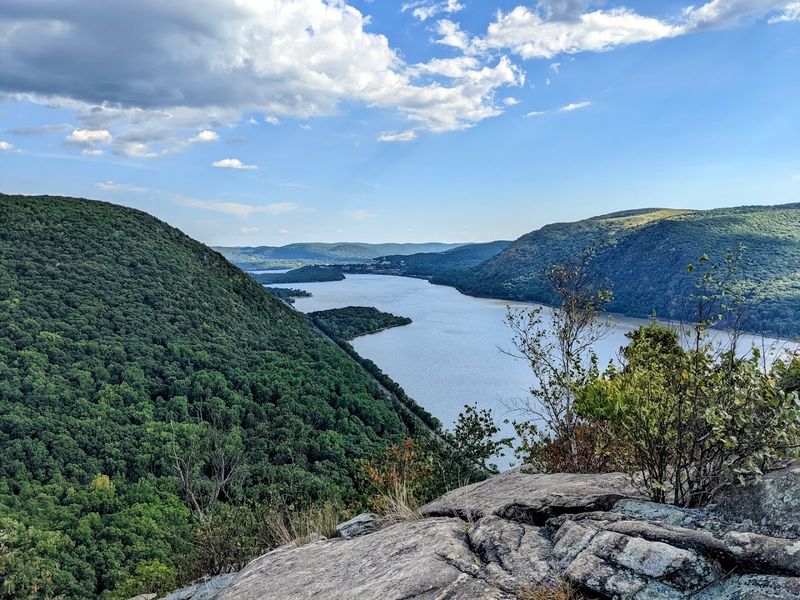
Hudson Highlands State Park Preserve stretches across Putnam and Orange counties along one of the most dramatic sections of the Hudson River. The rugged hills, steep cliffs, and dense forests here have been documented as active habitat for timber rattlesnakes.
Breakneck Ridge, one of the most popular hikes in the entire state, falls within this preserve.
The main access point for Breakneck Ridge is along Route 9D in Cold Spring, NY 10516. On warm weekends, hundreds of hikers pack the trails here, often completely unaware that rattlesnakes share the same rocky scrambles.
The snakes tend to stick close to rocky outcrops and avoid heavily trafficked areas, but encounters do happen.
Hudson Highlands is where the Hudson River really starts to flex its scenic muscle. The views from the ridgeline are the kind that make you forget you are just an hour from midtown Manhattan.
But stay sharp out there because the rocky terrain requires both hands sometimes, and that is exactly when people accidentally get too close to a snake they never saw coming.
Timber rattlesnakes in this preserve are part of a broader population that spans the Hudson Valley corridor. Protecting their habitat is critical because they play a major role in controlling rodent populations throughout the region.
A single rattlesnake can consume dozens of mice and voles in a season. So honestly, these snakes are out here doing the most for the ecosystem.
Show some respect and keep your distance whenever you spot one on the trail.
6. Catskill Mountains (Specific Areas)
The Catskill Mountains have long been a getaway destination for New Yorkers looking to escape the city grind, but the wildlife up there keeps things interesting. Timber rattlesnakes have been documented in several specific areas of the Catskills, particularly around Overlook Mountain near Woodstock and Mount Tremper.
Rocky south-facing slopes are their preferred territory.
Overlook Mountain Wild Forest is accessible from Meads Mountain Road in Woodstock, NY 12498. The fire tower trail on Overlook Mountain passes through habitat that is well-suited for timber rattlesnakes, with exposed ledges and rocky clearings along the upper sections.
Hikers who leave the trail to explore off-path areas take on significantly more risk.
The Catskills are part of a broader range of documented timber rattlesnake territory in southeastern New York. The New York State Department of Environmental Conservation actively monitors these populations and asks the public not to disturb or relocate any snakes they encounter.
If you see one, leave it alone and report the sighting to the DEC.
What makes the Catskills particularly interesting from a snake perspective is the sheer variety of habitat packed into a relatively compact mountain range. You have dense hemlock forests, open rocky ridges, and boggy wetland areas all within short distances of each other.
Timber rattlesnakes navigate between these zones seasonally. Fall is especially notable because snakes are moving toward their winter den sites.
Keep that in mind if you are doing any late-season hiking up in the Catskills because the trails can get surprisingly active with snake movement during September and October.
7. Adirondack Mountains (Limited Zones)
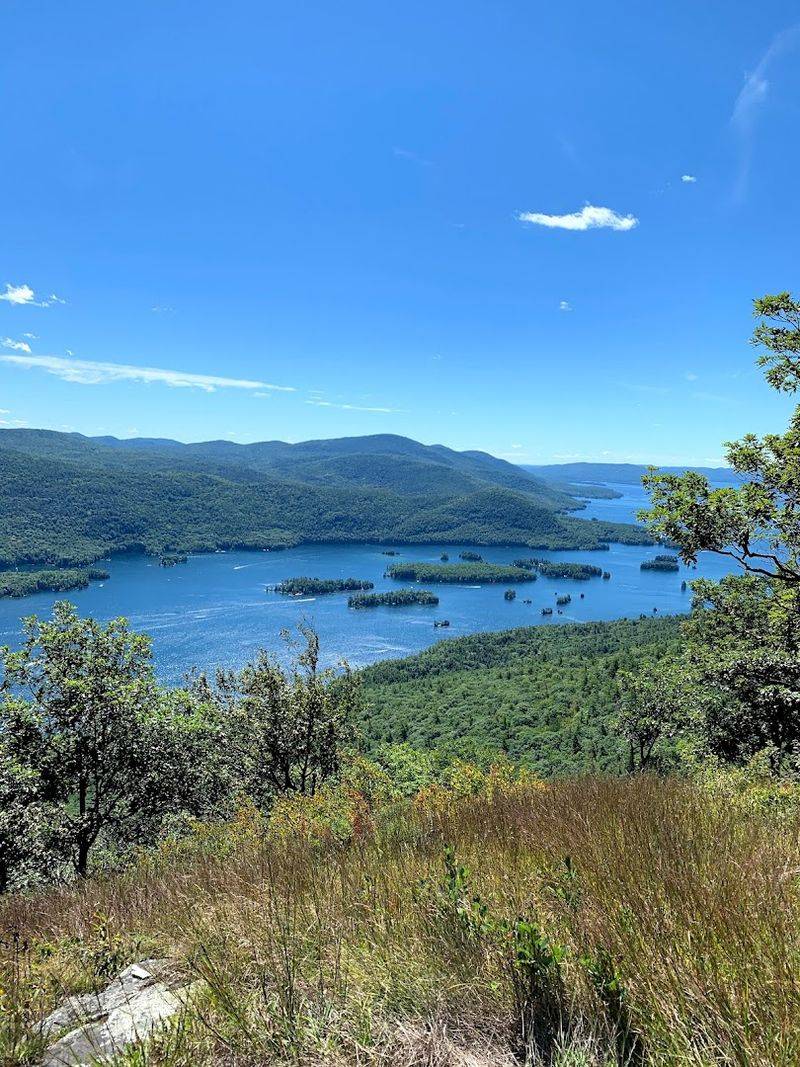
The Adirondacks are generally not the first place people think of when rattlesnakes come up, but there is a real and documented population of timber rattlesnakes in specific zones of this massive park. The Tongue Mountain Range along Lake George is the most well-known rattlesnake area in the entire Adirondack region.
It is considered one of the densest timber rattlesnake populations in all of New York.
The Tongue Mountain trailhead is accessible from Route 9N in Bolton, NY 12814. The five-mile loop trail crosses rocky ridges and open ledges where rattlesnakes are regularly encountered during the warmer months.
The terrain is challenging and the snakes are well-camouflaged against the granite and leaf litter, which means you really have to pay attention with every single step.
Timber rattlesnakes at Tongue Mountain are known to be relatively tolerant of hikers when left alone, but that does not mean you should test that theory. The DEC has placed educational signs at trailheads in the area warning visitors about the snake population.
Taking those signs seriously is genuinely the smartest thing you can do before hitting that trail.
The Adirondack Park is the largest publicly protected area in the contiguous United States, covering over six million acres. Within that enormous space, the rattlesnake population is limited to a relatively small geographic zone around Lake George.
That concentration makes the area ecologically significant and worth protecting. Conservation groups have worked alongside the DEC for years to ensure these snakes are not disturbed by the heavy tourist traffic that Lake George attracts every summer season.
8. Sterling Forest State Park
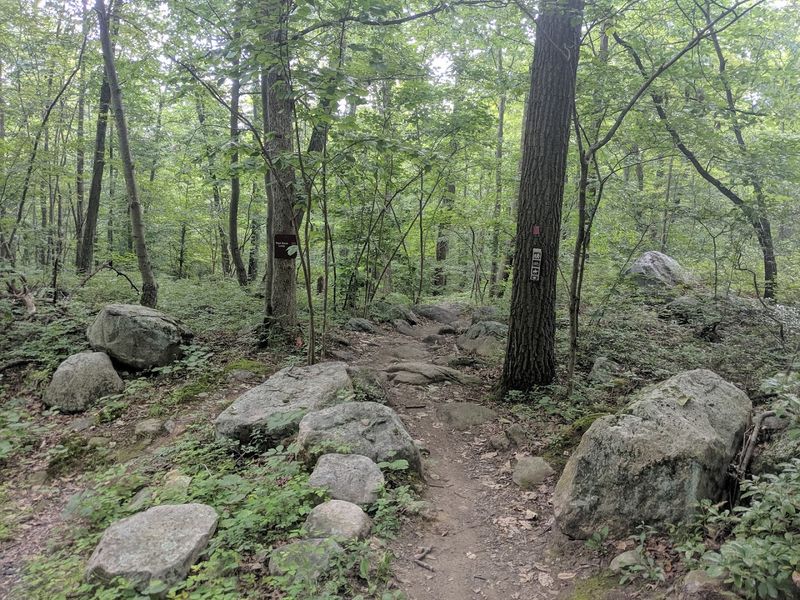
Sterling Forest State Park might be the most underrated spot on this entire list. Straddling the New York and New Jersey border in Orange County, this park covers over 22,000 acres of forest and wetlands.
Timber rattlesnakes have been confirmed in the park, and the rocky terrain along the Sterling Ridge Trail provides exactly the kind of habitat they seek out.
The park’s main entrance is located at 116 Old Forge Road, Tuxedo, NY 10987. Sterling Forest is part of the larger Highlands conservation corridor, which connects protected lands from the Hudson River all the way into New Jersey.
That connectivity is important for snake populations because it allows movement between den sites and feeding areas across a wider landscape.
Sterling Forest has a quieter, more local feel compared to Harriman or Bear Mountain, which makes it a great option for hikers who want a less crowded experience. Fewer crowds also means you need to be more self-reliant out there.
Letting someone know your trail plan before heading out is always a smart call, especially in a park where wildlife encounters are genuinely possible.
One thing that makes Sterling Forest worth highlighting is its relatively recent protection history. Much of the land was threatened by large-scale development in the 1990s before a major conservation campaign saved it.
Rattlesnakes and many other sensitive species now thrive here because of that effort. Next time you lace up your boots and hit a Sterling Forest trail, remember that the wild things living there have a pretty incredible survival story of their own to tell.