
10 Areas In New York With The Highest Reported Tick Populations This Summer
Tick season has a way of turning a nice New York summer walk into a full-body inspection later. The problem is not just deep woods anymore, either.
Reports across the state show ticks turning up in parks, yards, trails, beach grass, campgrounds, and leafy edges where people least expect them. That makes knowing the risk zones more than a casual outdoor tip.
It can help families, hikers, dog owners, gardeners, and weekend travelers plan smarter before heading into tall grass or shaded brush. The good news is that awareness goes a long way.
A little bug spray, the right clothing, and a careful check after being outside can spare you a lot of stress.
This summer, these ten New York areas are standing out for reported tick activity, and anyone spending time outdoors should know where extra caution really matters.
1. The Greenbelt, Staten Island
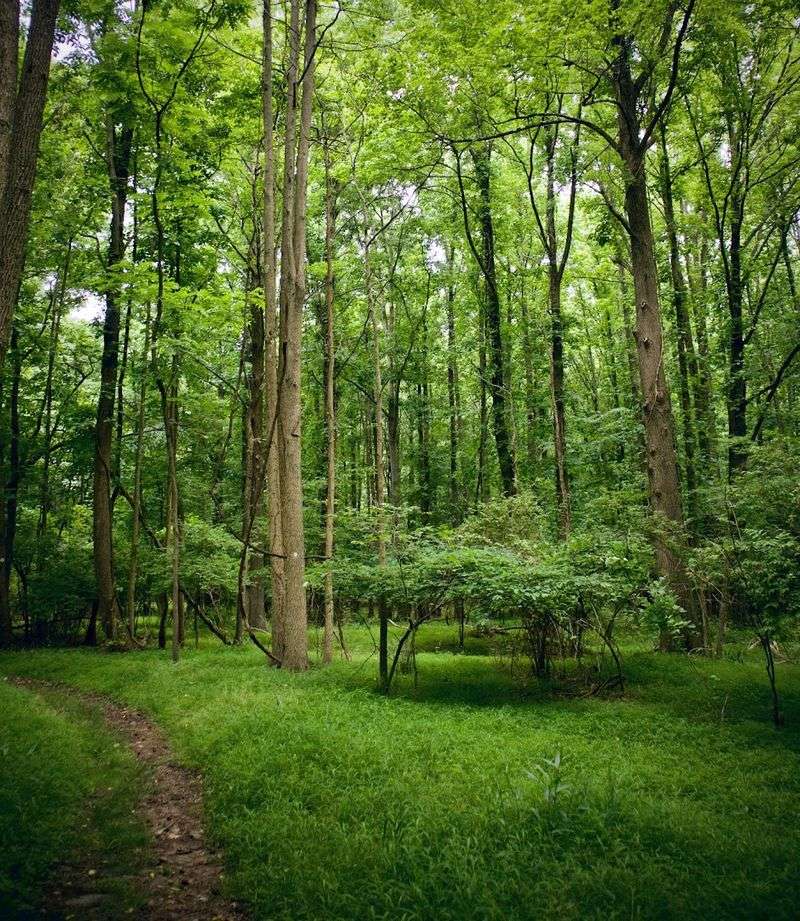
Staten Island wears a crown nobody asked for: the most tick-infested borough in all of New York City.
The NYC Health Advisory for 2026 confirmed that blacklegged ticks are widely established across the island, with The Greenbelt sitting right at the center of the problem.
Neighborhoods along its edges, including Willowbrook, Egbertville, Richmond, and New Dorp, face the highest risk of tick encounters.
White-tailed deer roam The Greenbelt in large numbers, and adult blacklegged ticks use deer as their primary host. More deer means more ticks, and more ticks means more chances of running into one on your afternoon walk.
The Greenbelt covers over 2,800 acres of forests, wetlands, and trails, which gives ticks plenty of real estate to spread out and thrive.
Tall grasses and leaf litter along trail edges are prime tick territory, so staying on paved or well-cleared paths makes a real difference. Always check yourself thoroughly after any visit.
Ticks are sneaky little hitchhikers that do not announce themselves, so a full body check after every outing is your best line of defense here.
2. Pelham Bay Park, Bronx
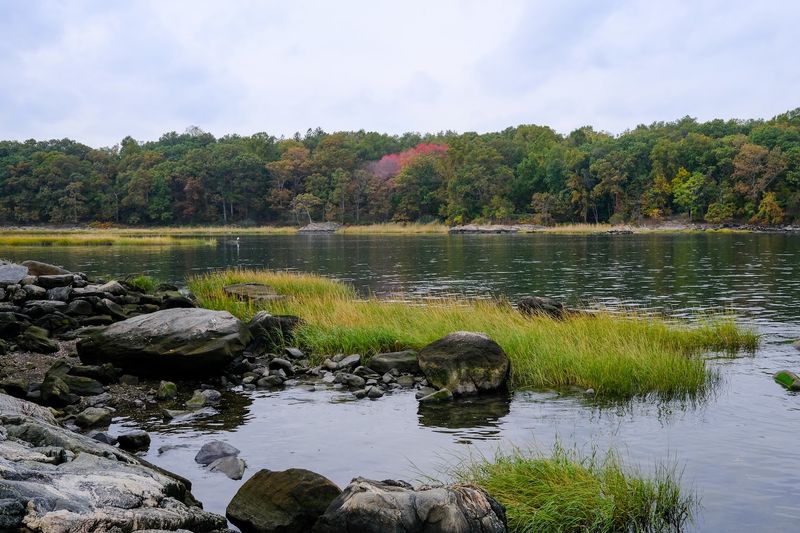
Pelham Bay Park is the largest park in New York City, covering over 2,700 acres in the Bronx, and it has a well-earned reputation as a prime tick habitat.
Both the 2025 and 2026 NYC Health Advisories specifically call out Pelham Bay Park, and particularly Hunter Island within it, as focal areas where blacklegged ticks are widely established.
Hunter Island, reachable via a short causeway inside the park at Orchard Beach Road, Bronx, NY 10464, offers mature woodland and dense undergrowth that ticks absolutely love.
Blacklegged ticks found here are confirmed carriers of Lyme disease, babesiosis, and anaplasmosis, which are three tick-borne illnesses that can cause serious health problems if left untreated.
The deer population inside the park plays a major role in keeping tick numbers high year after year. Visitors who enjoy hiking or birdwatching in the wooded sections face the greatest exposure risk.
Wearing long sleeves and tucking pants into socks might look a little goofy, but it genuinely works. Use an EPA-registered repellent before entering any wooded area of the park. A quick tick check the moment you get home is always a smart move after spending time here.
3. Alley Pond Park, Queens
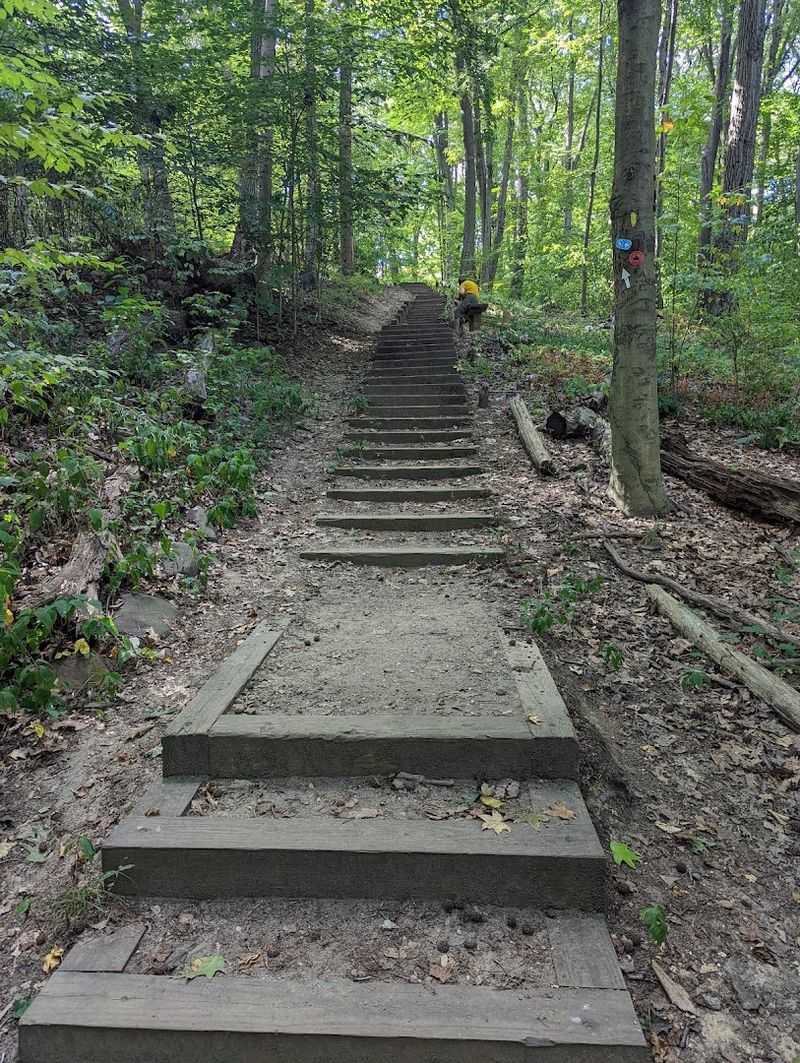
Alley Pond Park in Queens has earned a spot on every serious tick-awareness list, and for good reason. Research from Columbia University in 2025 found that roughly 70% of New York City parks surveyed harbored disease-carrying ticks.
In Brooklyn and Queens specifically, that number jumped to 80% of parks showing tick presence, up sharply from just 40% back in 2022. That is not a small increase.
Alley Pond Park covers about 655 acres and includes wetlands, forests, and meadows, all of which are environments where blacklegged ticks thrive through the warmer months.
The Alley Pond Environmental Center, found within the park at 228-06 Northern Boulevard, Queens, NY 11362, actively advises visitors about tick activity along its trails during the season. Staff there take the issue seriously, and that alone tells you something important.
Trails that pass through tall grass or dense brush carry the highest risk, so sticking to the center of cleared paths is a genuinely useful habit. Light-colored clothing makes it easier to spot a tick before it reaches your skin.
Checking your pets after visits is equally important, because dogs can carry ticks right into your home without either of you noticing until it is too late.
4. Forest Park, Queens
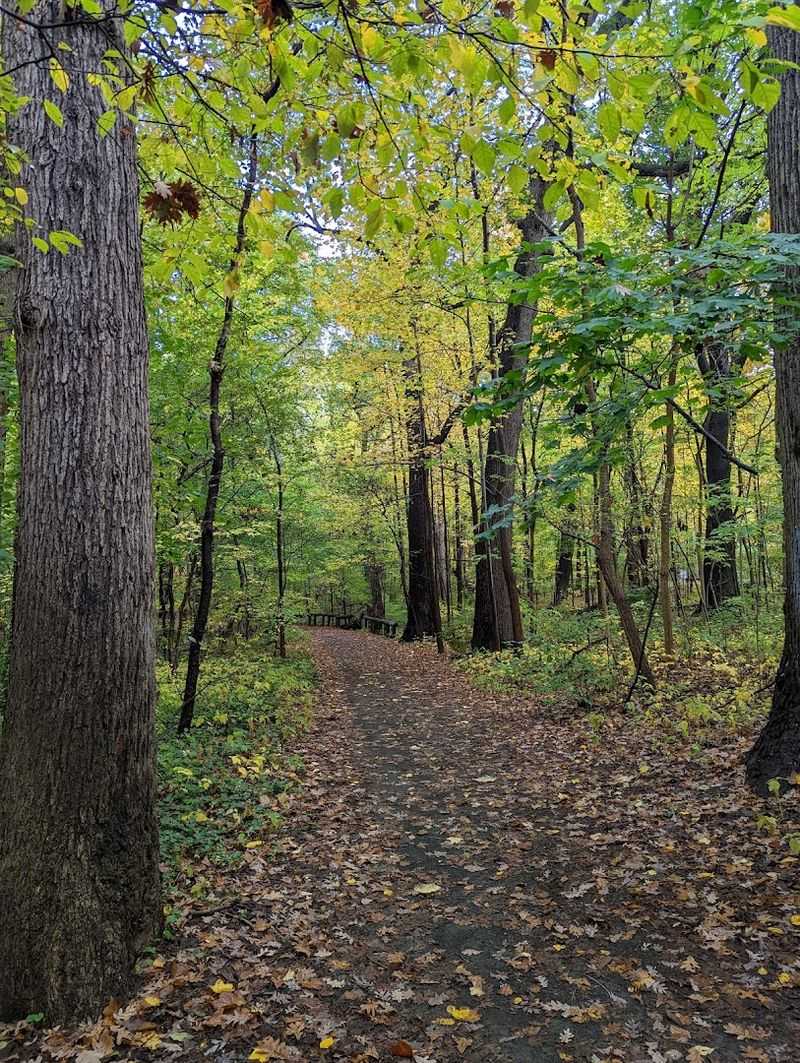
Forest Park in Queens does not get as much press as Central Park, but when it comes to ticks, it is absolutely in the conversation. NYC health authorities specifically cite Forest Park alongside Alley Pond Park as a high-exposure location due to rising tick populations across the borough.
The park sits along Woodhaven Boulevard and stretches through Kew Gardens, Richmond Hill, and Glendale, covering around 538 acres of mostly oak forest.
Oak forests are a favorite habitat for blacklegged ticks, partly because white-tailed deer and white-footed mice, both key tick hosts, tend to congregate in exactly this kind of woodland setting.
City health officials have publicly recommended that visitors stick to designated trails to lower their chances of a tick encounter.
Wandering off the marked path through leaf litter or low shrubs is where most tick pickups actually happen.
Forest Park is a genuinely beautiful place for a walk or a run, and avoiding it entirely is not the answer. Preparation is the answer.
Spray your clothing with permethrin before heading out, wear closed-toe shoes, and do a thorough check from head to toe when you return home. Ticks in Forest Park have been confirmed as carriers of Lyme disease, so a little prevention goes a long way here.
5. Sunken Meadow State Park, Long Island
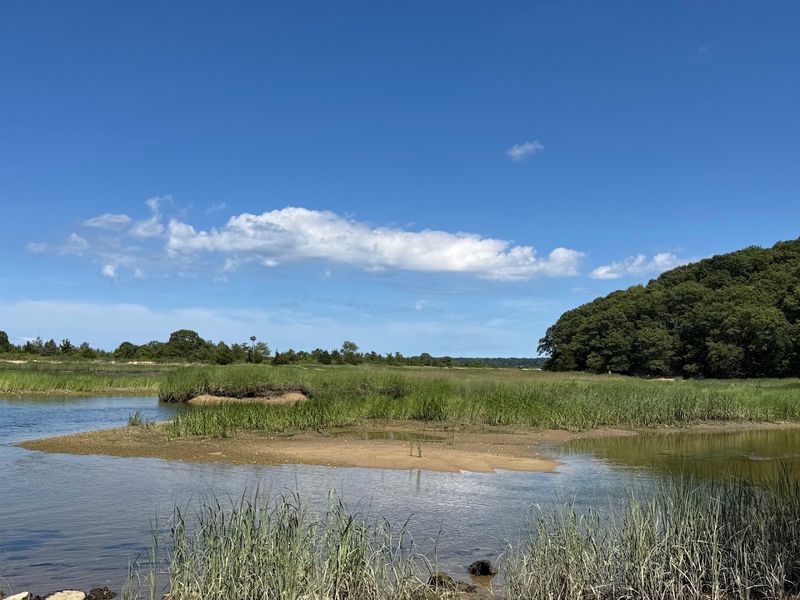
Suffolk County made headlines for all the wrong reasons in 2024, reporting 3,152 Lyme disease cases, the highest absolute number of any county in all of New York State.
Sunken Meadow State Park, located at Sunken Meadow State Pkwy, Kings Park, NY 11754, sits right in the middle of that high-risk landscape.
The entire Long Island region carries a tick risk score of 3.7 out of 5.0 according to the New York State Department of Health, rating it firmly in the high-risk category for blacklegged tick encounters.
The park offers miles of trails through grasslands, bluffs, and wooded areas, all of which are environments where ticks find comfortable conditions during summer months.
Pest experts consistently flag Sunken Meadow as one of the primary tick exposure sites on Long Island, and that reputation is well supported by the surrounding county data.
The combination of deer, small mammals, and dense vegetation creates near-perfect conditions for tick populations to flourish.
Families visiting the beach sections of the park may feel less concerned, but trail users and picnickers near wooded edges face meaningful exposure risk. Repellent, long socks, and a post-visit tick check are not optional extras at a place like this.
They are the price of admission for a safe and enjoyable outing.
6. Prospect Park Wooded Edges, Brooklyn
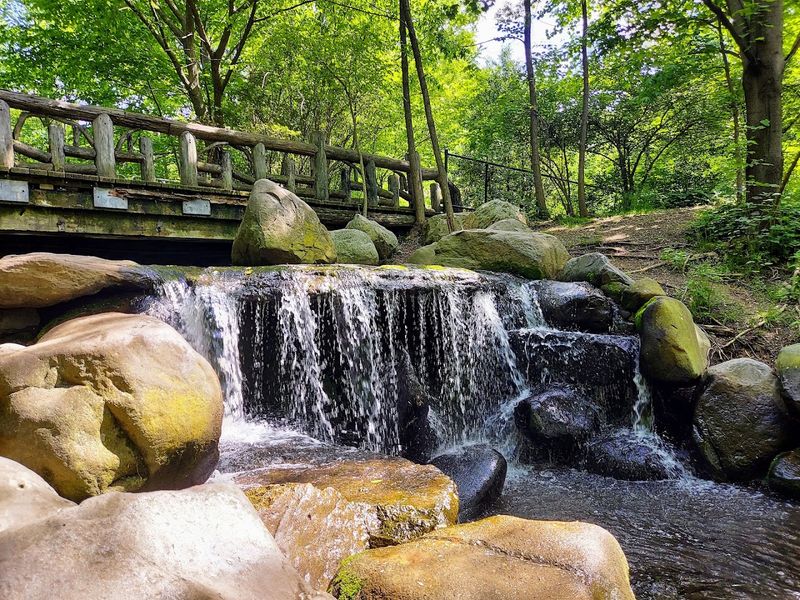
Prospect Park in Brooklyn hit a genuinely alarming milestone in June 2025 when the Fordham Tick Index, a measure of tick encounter likelihood across southern New York, Connecticut, and northern New Jersey, reached a perfect score of 10 out of 10.
That is the highest possible rating, and Prospect Park was explicitly named as one of the areas driving that peak.
The wooded edges and meadow borders within the park are where tick activity concentrates most heavily during summer.
The park spans 585 acres and sits at the heart of Brooklyn, serving millions of visitors each year. Most people think of it as a safe urban retreat, which makes the tick situation there all the more surprising.
Blacklegged ticks do not care about zip codes, and the park’s mature forest sections along Wellhouse Drive and Lookout Hill offer exactly the kind of shaded, humid undergrowth they prefer.
Casual joggers and dog walkers who cut through grassy or wooded sections face real exposure risk, especially between May and August when nymph-stage ticks are active and nearly invisible to the naked eye.
Nymphs are about the size of a poppy seed, which means you genuinely might not notice one.
Checking yourself and your pets carefully after every visit to the wooded areas is an absolute must during peak season.
7. Clarence Fahnestock State Park, Putnam County
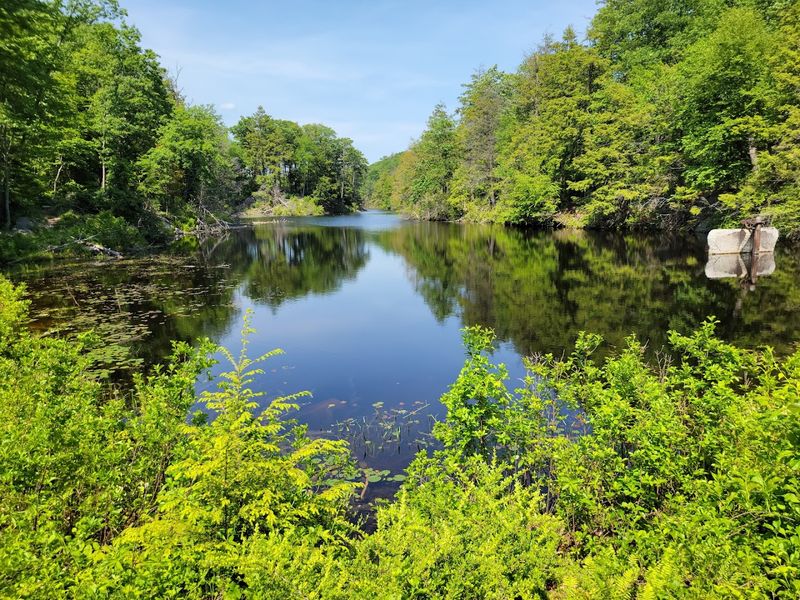
Putnam County has one of the highest per-capita Lyme disease rates in the entire country, and Clarence Fahnestock State Park puts you right in the thick of it.
From 2017 to 2019, Putnam County averaged 318.2 Lyme disease cases per 100,000 residents annually, ranking it third highest among all New York counties.
The Hudson Valley region, where this park sits, is consistently flagged by the New York State Department of Health as a top-tier high-risk zone for tick-borne illness.
Fahnestock State Park covers land across both Putnam and Dutchess counties, with the main entrance accessible via Route 301 in Carmel, NY 10512.
The park offers over 20 miles of trails through dense woodland, rocky ridges, and lakeside terrain, all of which provide excellent habitat for blacklegged ticks.
Hikers, campers, and mountain bikers who frequent the park face consistent tick exposure throughout the warmer months.
The Hudson Valley’s combination of high deer density, humid forests, and abundant small mammal populations creates conditions that tick researchers consider nearly ideal for population growth.
Wearing permethrin-treated clothing and using DEET-based repellent on exposed skin are the two most effective personal protection strategies for a place with numbers this high. Check every inch of yourself after a visit, and do not skip the scalp.
8. Ward Pound Ridge Reservation, Westchester County
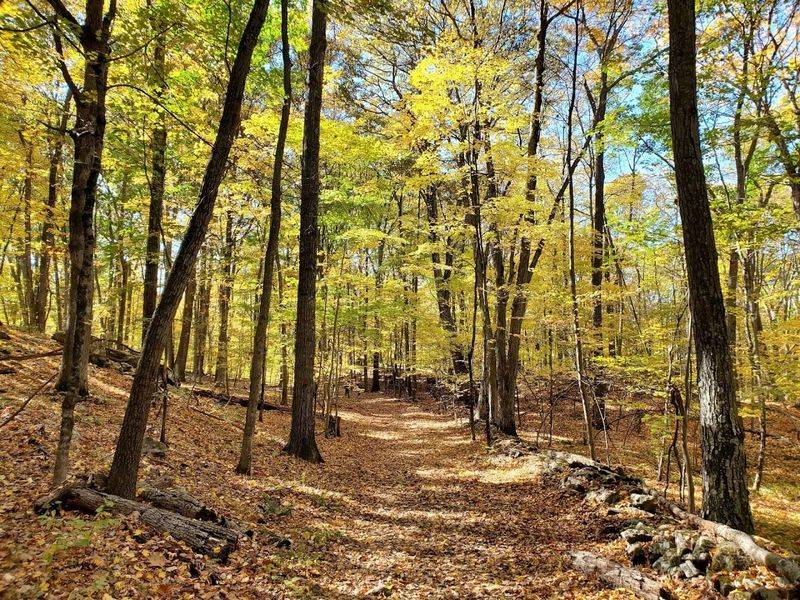
Westchester County is one of the most persistently high-risk Lyme disease counties in New York State, and Ward Pound Ridge Reservation in Cross River is one of the most studied tick sites in the entire region.
Cornell University researchers have used the reservation as a documented field site for tick population studies, and the data collected there has contributed to broader understanding of blacklegged tick behavior and disease transmission in the Northeast.
The reservation is the largest county park in New York State, covering over 4,700 acres at 431 Reservation Road, Cross River, NY 10518.
Its mix of dense hardwood forest, open meadows, and stream corridors creates a layered habitat that supports large populations of white-tailed deer and white-footed mice, which are the two most important hosts in the blacklegged tick life cycle.
Tick and blood samples from harvested deer in the area are routinely sent to Fordham University, Cornell, and the NYSDEC for disease monitoring.
The sheer size of the reservation means that tick exposure risk varies by trail section, but wooded and brushy areas carry the highest concentrations. Westchester’s dense residential development bordering natural land pushes deer and their tick passengers into closer contact with people.
Treating your gear before heading out and showering promptly after returning home are two of the most practical habits you can build for visits here.
9. Minnewaska State Park Preserve, Ulster County
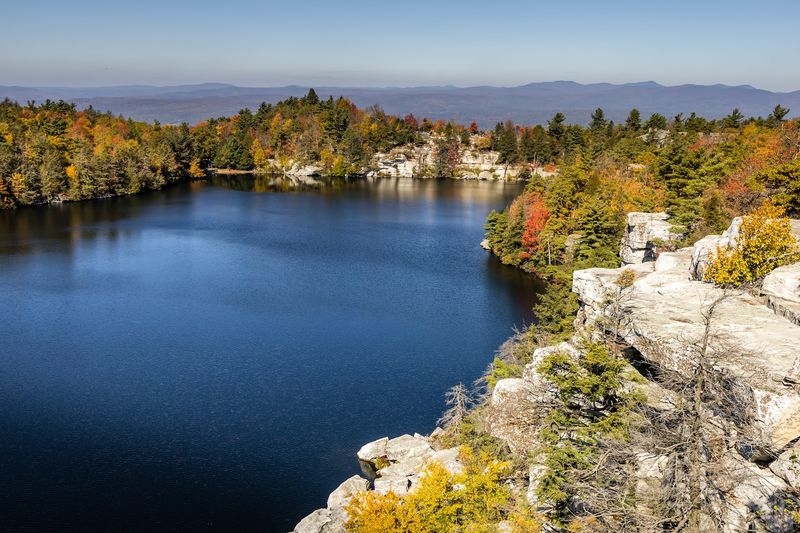
Ulster County quietly became one of the most alarming tick stories in New York in 2025, and Minnewaska State Park Preserve is at the center of it.
State public health data revealed that adult blacklegged tick density in Ulster County more than tripled, jumping from 12.43 ticks per 1,000 meters in 2024 to a striking 37.57 ticks per 1,000 meters in 2025.
That kind of increase in a single year is genuinely unusual and has drawn significant attention from public health researchers.
Minnewaska State Park Preserve covers over 22,000 acres in the Shawangunk Mountains, with the main access point at 5281 Route 44-55, Kerhonkson, NY 12446.
The Catskills and Shawangunk region where the park sits is categorized as a high-risk area for tick encounters by the New York State Department of Health.
Hikers come from across the state to walk the carriage roads and sky lakes trails, often without realizing how dramatically tick numbers have risen in recent years.
The park’s rocky open ridges may feel safer than dense forest, but the shrubby vegetation along trail edges is prime nymph territory during summer. Nymph-stage ticks are the most likely to transmit Lyme disease because they are small enough to go unnoticed for hours.
Carry a tick removal tool, wear repellent, and make the post-hike check a non-negotiable part of your routine at Minnewaska.
10. Harriman State Park, Orange County

Harriman State Park in Orange County carries a tick problem that is backed by some genuinely striking numbers.
A 2018 study reported adult blacklegged tick infection rates of 82% and a density of 130.6 ticks in parts of Orange County, while nymph ticks showed a 42% infection rate with a density of 122.2 ticks.
Orange County is consistently identified as an endemic Lyme disease area within New York State, and Harriman sits squarely in that zone.
The park covers over 47,000 acres across Orange and Rockland counties, with a main entrance accessible via Seven Lakes Drive, Tuxedo, NY 10987.
As one of the most visited state parks in the country, Harriman draws millions of hikers, trail runners, and campers each year, many of whom may not realize how active the tick population truly is.
Orange County health officials issued public warnings as recently as June 2026, reminding residents that ticks thrive in wooded areas and tall grasses throughout the county.
Online discussions from April 2026 describe ticks in Harriman as extremely common, with experienced hikers emphasizing the necessity of daily tick checks during any multi-day visit.
The scale of the park means you can be miles from a trailhead when you realize you need to check yourself. Pack a quality tick removal tool alongside your trail snacks every single time you visit.