
8 Areas In Tennessee Where Rattlesnakes Have Been Spotted
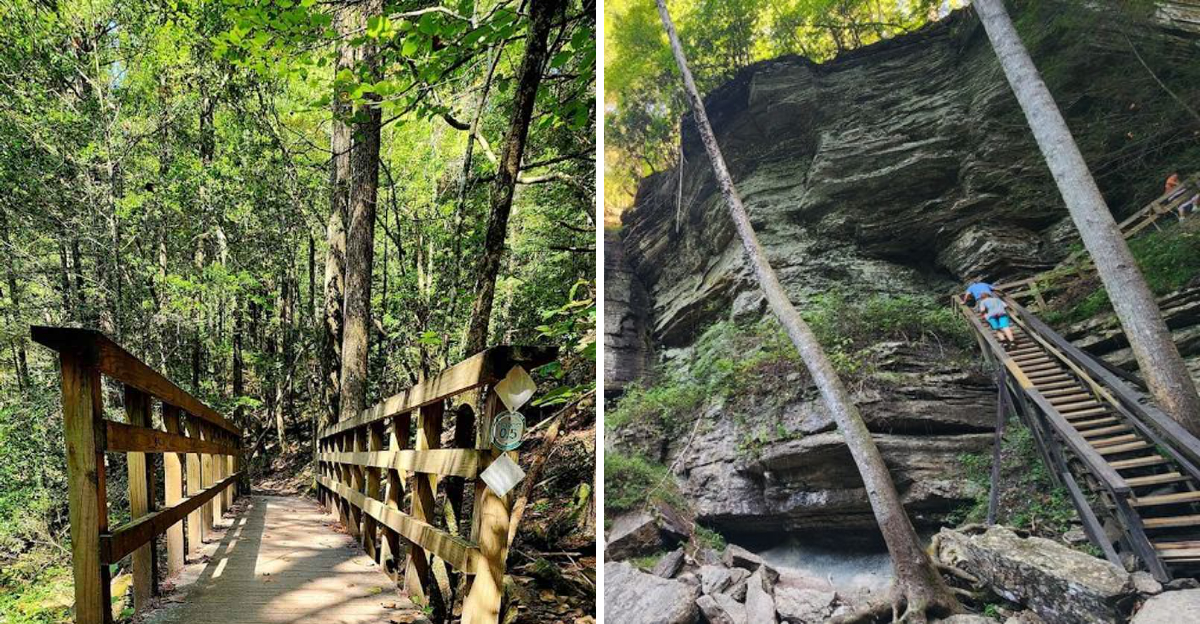
What would you do if a quiet trail suddenly came with a warning rattle? Tennessee has miles of forests, rocky ridges, river valleys, and warm open ground where rattlesnakes can live naturally.
Most visitors will never see one, but confirmed sightings have occurred in several outdoor areas around the state.
That does not mean these places are unsafe. Rattlesnakes usually avoid people and strike only when they feel threatened.
Still, hikers, campers, and curious explorers should know where extra caution makes sense. Watch where you place your hands, stay alert near rocks and fallen logs, and give any snake plenty of room.
These eight Tennessee areas have documented rattlesnake activity, making them worth knowing before your next outdoor trip. A little awareness can help you enjoy the scenery without turning a peaceful walk into a very memorable surprise.
1. Great Smoky Mountains National Park
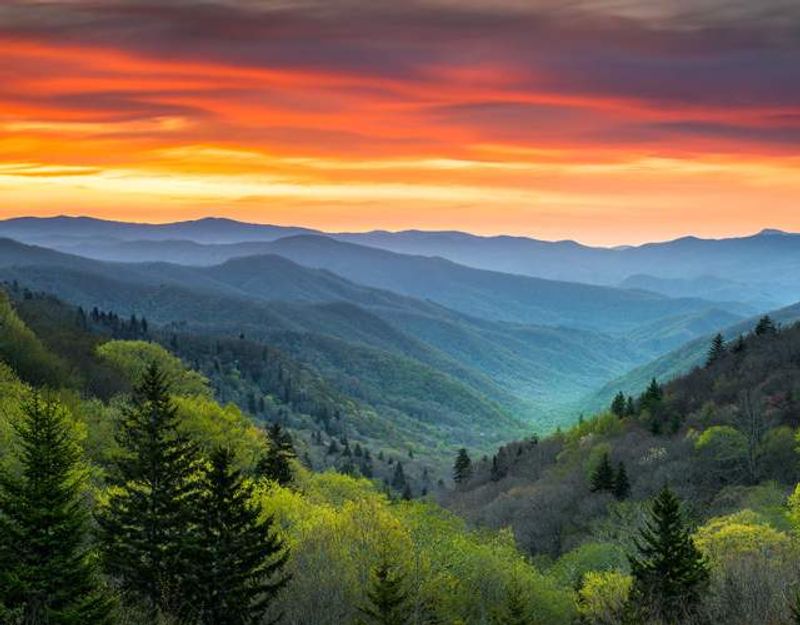
Covering more than 500,000 acres across Tennessee and North Carolina, Great Smoky Mountains National Park is one of the most visited national parks in the entire country, and for good reason.
The mist-covered ridgelines, ancient hardwood forests, and cascading mountain streams create a landscape that feels almost otherworldly.
Among all the wildlife that calls this park home, the timber rattlesnake stands out as one of its most fascinating and misunderstood residents.
The National Park Service confirms that timber rattlesnakes live here, sharing the terrain with black bears, white-tailed deer, and hundreds of bird species.
These snakes tend to favor rocky outcrops, fallen logs, and the edges of mature forest trails, where they can absorb warmth from sunlit surfaces.
Spotting one is actually considered a rare privilege by many seasoned hikers.
If you plan to explore trails like Alum Cave or the Appalachian Trail corridor, wearing sturdy boots and watching where you place your hands and feet goes a long way toward staying safe.
The park offers ranger-led programs that touch on native wildlife, including reptiles, which can turn a potential scare into a genuinely educational moment.
Staying on marked paths and keeping a respectful distance from any snake you encounter is the golden rule here. The Smokies reward careful, curious travelers with experiences that few other places in the eastern United States can match.
2. Cumberland Gap National Historical Park
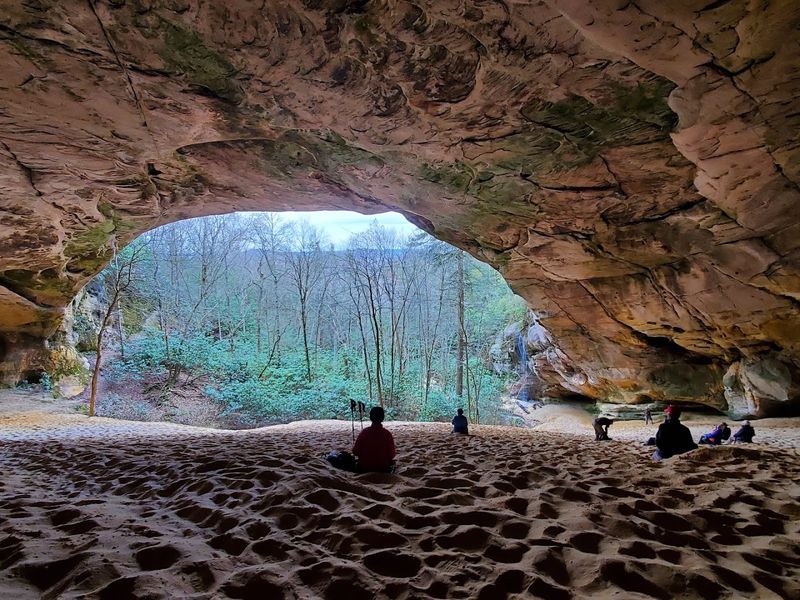
Long before Daniel Boone carved his name into the story of American westward expansion, this narrow passage through the Appalachian Mountains was already a well-worn corridor for wildlife moving between the ridges.
Cumberland Gap National Historical Park sits at the dramatic meeting point of Tennessee, Kentucky, and Virginia, and its layered history adds a rich backdrop to every hike you take here.
The timber rattlesnake is one of the area’s recognized venomous snake species, as confirmed by the park’s own safety information.
The park spans roughly 24,000 acres of rugged forest, limestone cliffs, and historic landmarks, giving both history buffs and outdoor enthusiasts plenty to explore.
Timber rattlesnakes in this region tend to favor rocky ledges, south-facing slopes, and areas with abundant leaf litter, which describes a good portion of the terrain along the park’s trail network.
Hikers heading to Pinnacle Overlook or the Gap Cave tour should keep their eyes low and their steps deliberate.
One of the most underrated aspects of visiting Cumberland Gap is how quiet it tends to be compared to more famous parks nearby.
That quietness gives you a real chance to tune into your surroundings, notice animal tracks, hear distant bird calls, and maybe catch a glimpse of a rattlesnake moving slowly across a sun-warmed ledge.
Respect the space, follow the marked trails, and you will leave with stories worth telling for years.
3. Big South Fork National River And Recreation Area
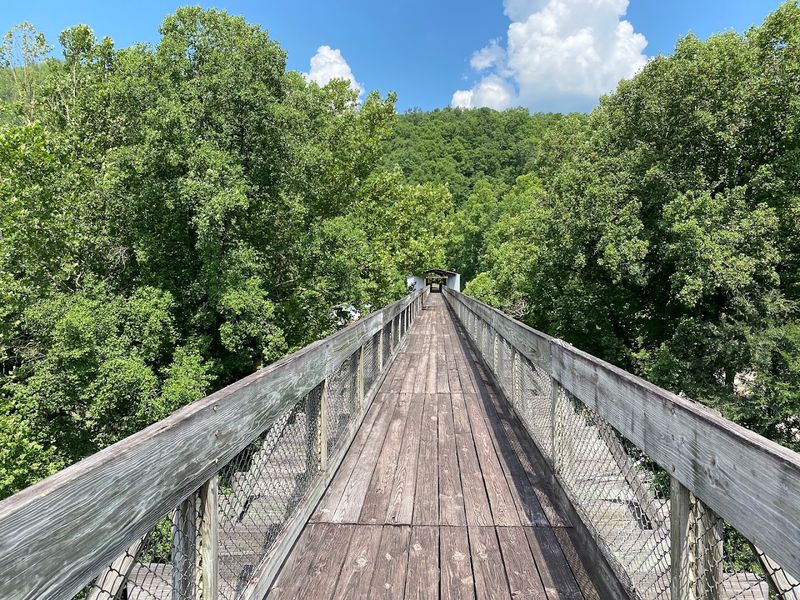
Picture sandstone arches rising above deep river gorges, whitewater churning through narrow canyons, and miles of backcountry trails with almost no cell service.
That is Big South Fork National River and Recreation Area, a rugged stretch of wilderness straddling the Tennessee and Kentucky border that genuinely earns the word “wild.”
National Park Service records document timber rattlesnake observations within the recreation area, making it an important place to stay alert and trail-savvy.
The Cumberland River’s Big South Fork cuts through terrain that feels ancient and untamed, drawing paddlers, equestrians, and backpackers who want a true wilderness experience.
Timber rattlesnakes in this area are most commonly associated with rocky outcrops, forest edges, and the brushy margins along creek drainages.
The park’s extensive trail system, including the John Muir Trail and Sheltowee Trace, passes through exactly this kind of habitat.
What makes Big South Fork special is the sense of genuine remoteness you feel even on a day hike. Knowing the full cast of wildlife that shares the landscape, rattlesnakes included, only deepens that feeling of being somewhere truly alive.
Bringing a hiking pole to probe vegetation ahead of you, wearing gaiters in dense underbrush, and never reaching under rocks or logs without looking first are all habits that experienced backcountry travelers swear by.
The reward for this level of awareness is a place that very few visitors ever truly get to know.
4. Obed Wild And Scenic River
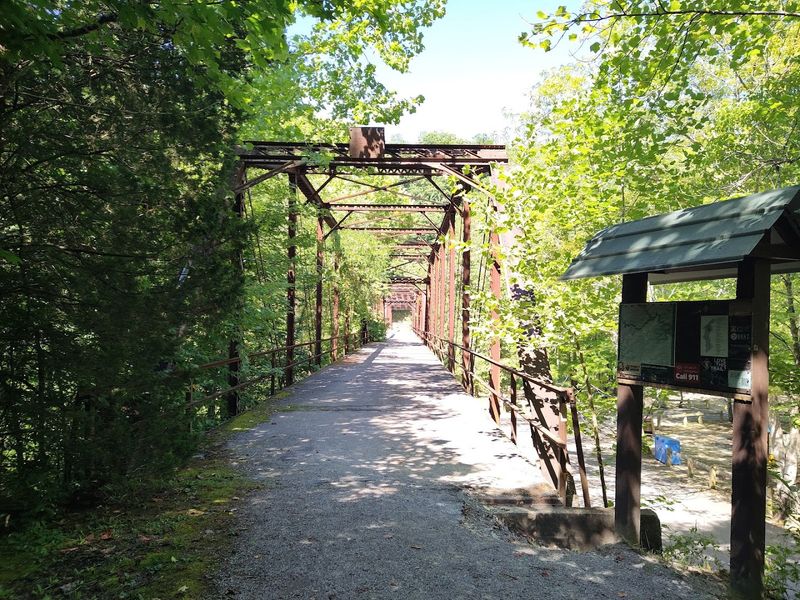
There are rivers in Tennessee that are scenic, and then there is the Obed, a federally protected waterway on the Cumberland Plateau that carves 500-foot gorges through ancient sandstone like it has something to prove.
Rock climbers have known about the Obed for decades, drawn by its sheer cliff faces and challenging routes, but hikers and paddlers are increasingly discovering its raw, unfiltered appeal.
The National Park Service database contains a documented timber rattlesnake observation for this Tennessee river corridor, confirming what seasoned visitors have long suspected.
The Obed’s gorge system creates a patchwork of microhabitats, from cool, shaded canyon floors to sun-baked rocky ledges high above the river, and timber rattlesnakes can be found across several of these zones.
Rock climbers in particular are advised to check ledges carefully before placing hands, since these snakes are well-camouflaged against sandstone and leaf litter.
Hikers on the Lilly Bluff Overlook Trail and other routes should keep to the path and stay observant.
Co-managed by the National Park Service and the Tennessee Wildlife Resources Agency, the Obed is a place where conservation and recreation genuinely coexist.
The river runs clear and cold, the gorge walls glow amber in late afternoon light, and the wildlife here, from bald eagles to timber rattlesnakes, is part of what makes the experience feel complete.
Approach it with curiosity rather than caution, and the Obed will absolutely deliver.
5. Savage Gulf State Park
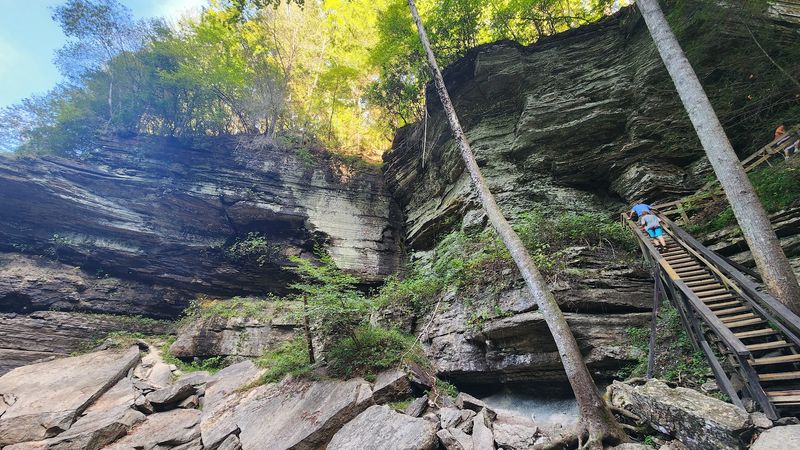
Some places earn their names honestly, and Savage Gulf State Park is one of them.
This sprawling natural area features three converging gulf systems, meaning three separate canyons carved by centuries of erosion, along with waterfalls, old-growth forests, and trails that will genuinely test your legs.
Tennessee State Parks lists both timber rattlesnakes and pygmy rattlesnakes among the park’s documented wildlife, which puts it in a category all its own among the state’s outdoor destinations.
The timber rattlesnake, the larger of the two species present, is typically found near rocky ledges and mature forest interiors, while the pygmy rattlesnake tends to favor areas closer to water and more open brushy habitat.
Having both species in one park reflects just how diverse the ecosystems within Savage Gulf really are.
The park’s trail network includes the Savage Day Loop and the Stone Door Trail, both of which pass through terrain where either species might be encountered.
Visiting Savage Gulf requires a certain level of fitness and preparation, since the trails are remote and rescue access can be slow in the deeper gorge sections.
That commitment pays off with some of the most dramatic scenery in the entire southeastern United States.
Pack plenty of water, wear boots with good ankle support, and take a moment at every overlook to appreciate the full sweep of the canyon below you. Places this wild demand that kind of attention.
6. Fiery Gizzard State Park
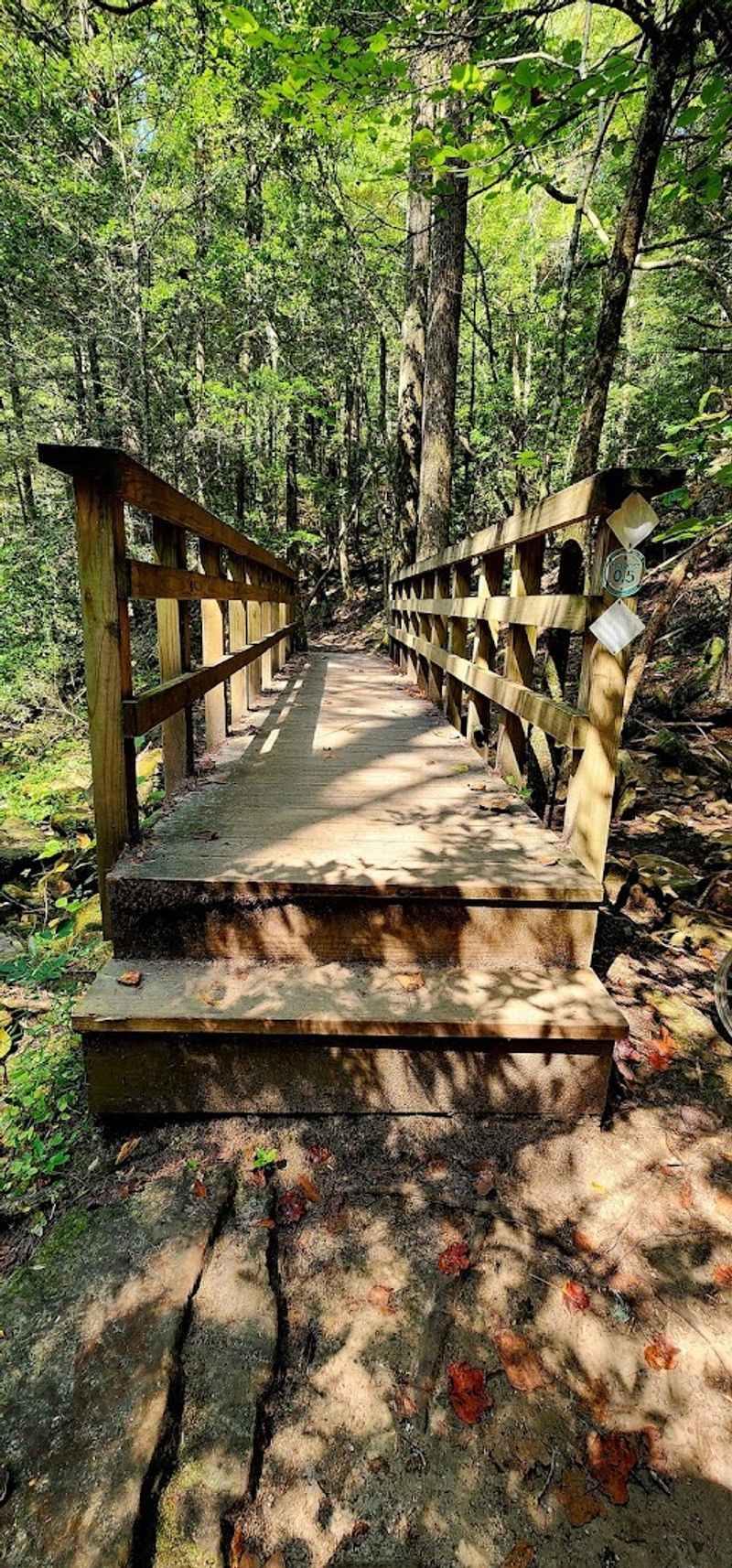
Few trail names in the American South carry as much personality as “Fiery Gizzard,” and the trail itself lives up to every bit of that quirky reputation.
Part of the South Cumberland State Park complex near Monteagle, the Fiery Gizzard Trail is consistently ranked among the top backpacking routes in the southeastern United States.
The park’s official wildlife information confirms the presence of both timber rattlesnakes and pygmy rattlesnakes along this storied corridor.
The trail’s rocky, sun-warmed ledges are exactly the kind of microhabitat that rattlesnakes gravitate toward, especially during cooler mornings when they seek warmth from exposed stone.
Pygmy rattlesnakes, which are significantly smaller than their timber counterparts, can be particularly easy to overlook because of their compact size and cryptic coloring.
Experienced hikers on the Fiery Gizzard recommend scanning rocks and roots carefully before stepping over or around them.
Beyond the wildlife awareness, this trail offers some of the most rewarding scenery in all of Tennessee, with the Blue Hole swimming area and Raven Point overlook among the highlights that keep hikers coming back season after season.
Camping along the route turns a day hike into a proper wilderness adventure, complete with night sounds that remind you just how alive the forest really is.
Bring your camera, pack your patience, and the Fiery Gizzard will hand you memories that outlast any photograph.
7. Nathan Bedford Forrest State Park
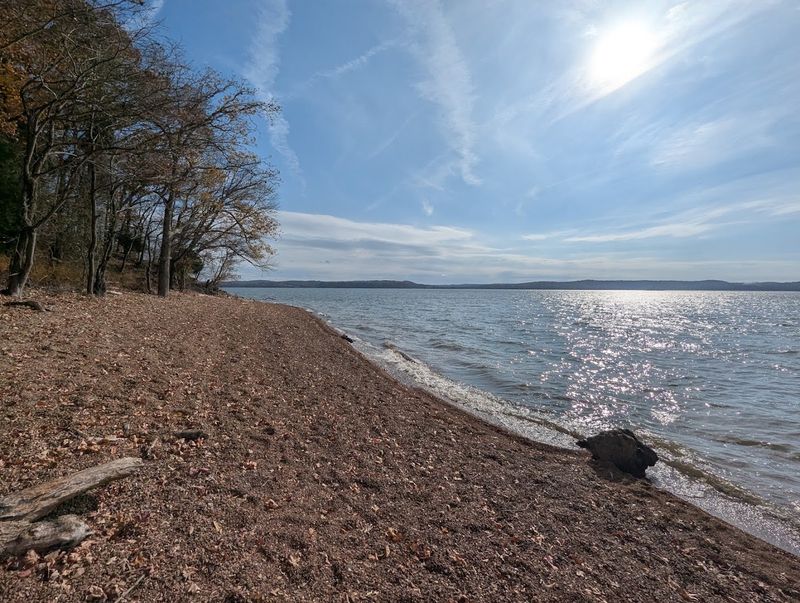
Perched above the shimmering waters of Kentucky Lake in West Tennessee, Nathan Bedford Forrest State Park offers a combination of Civil War history, sweeping lake views, and quiet forest trails that you simply will not find at most state parks.
The park is centered around Pilot Knob, a high ridge that served as an observation point during the Civil War and now rewards hikers with some of the finest panoramic views in western Tennessee.
Timber rattlesnakes appear on the official wildlife list for this park, adding a layer of wild authenticity to its forested landscape.
West Tennessee’s terrain differs noticeably from the rocky plateaus and mountain ridges found in the eastern part of the state, featuring gentler hills, mixed hardwood forests, and the broad floodplain margins of the Tennessee River.
Timber rattlesnakes in this region are well adapted to these lowland and upland forest environments, often found near brush piles, rocky outcroppings along ridgelines, and the edges of wooded trails.
Hikers exploring the park’s network of paths should stay alert, particularly in warmer months when snake activity peaks.
The park also offers camping, boating access to Kentucky Lake, and fishing opportunities that make it a solid multi-day destination for outdoor families.
The historical dimension, with exhibits about the Civil War era and the river’s role in shaping the region, gives the visit an intellectual texture that most nature parks lack.
Come for the views, stay for the history, and keep your eyes open for whatever the forest decides to show you.
8. Mousetail Landing State Park
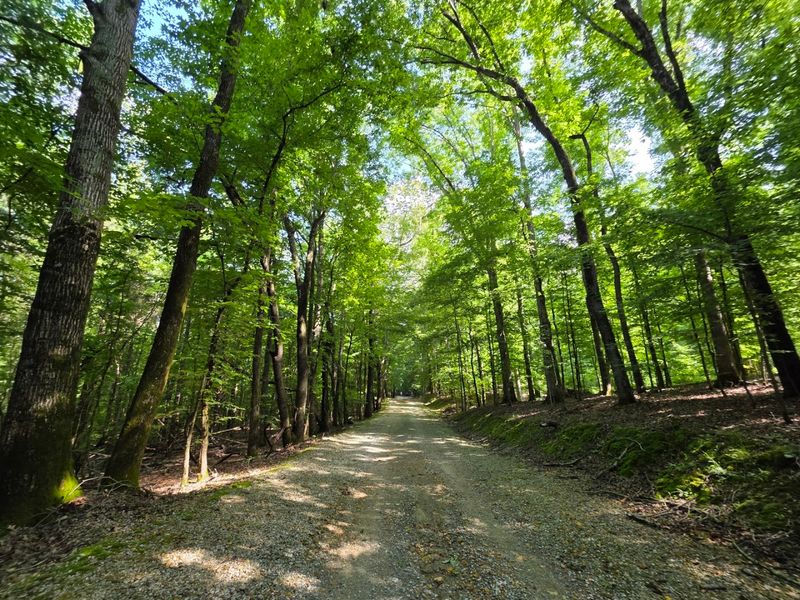
Along the eastern bank of the Tennessee River in Perry County, Mousetail Landing State Park has a name that tells its own small story, reportedly referencing the mouse-like tails of the river’s eels, which were once harvested here by the barrelful.
Today the park is a peaceful riverside retreat near the town of Linden, offering campgrounds, hiking trails, and fishing access that attract visitors looking for a quieter Tennessee outdoor experience.
Tennessee State Parks includes the timber rattlesnake among the species documented within this Perry County park.
The park’s bottomland hardwood forests, which line the Tennessee River’s banks and extend back into the surrounding hills, create ideal habitat for a variety of wildlife.
Timber rattlesnakes in bottomland environments tend to use the dense leaf litter, fallen logs, and root systems of mature hardwoods for cover, making them difficult to spot without careful observation.
Visitors walking the park’s trails, particularly in the wooded sections away from the main campground, should watch their step and avoid reaching into brush without looking first.
What Mousetail Landing lacks in dramatic gorges and towering bluffs, it more than makes up for with a calm, unhurried atmosphere that invites you to slow down and pay attention to the smaller details of the natural world.
Early morning walks along the river often reward visitors with bird sightings, deer crossings, and the kind of quiet that is increasingly hard to find.
This little Perry County park may just be Tennessee’s most underappreciated outdoor retreat.