
8 Arizona Areas Where Rattlesnakes Have Recently Been Spotted
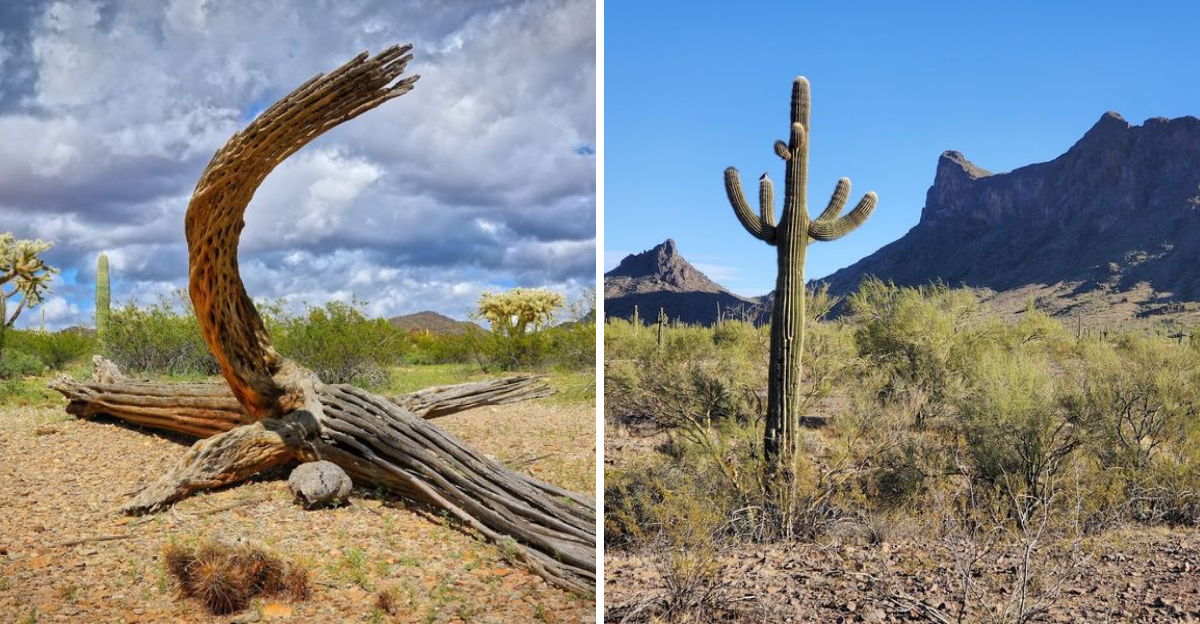
Arizona keeps a few secrets that move. Rattlesnakes have been showing up along trails where hikers least expect them.
Recent reports keep clustering around the same shaded canyons and sun-baked overlooks. Arizona’s desert floor hides more motion than most visitors typically notice.
Rock crevices and warm boulders make for perfect cover. A rustle in the brush might mean nothing, or it might mean everything.
Rangers keep repeating the same warning at every trailhead. Watch where you step, and never reach where you cannot see.
Certain trails see far more activity than others once the weather warms. The right timing can change the whole experience out there.
Curious which spots keep showing up in these reports? This list breaks down exactly where to watch your step next.
1. Saguaro National Park
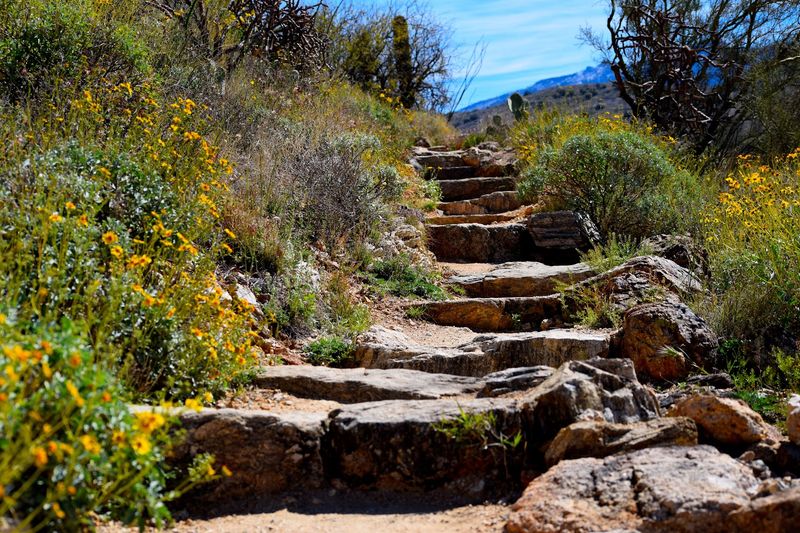
Keep your eyes low on the trail here. Saguaro National Park, split into two districts flanking Tucson, Arizona, is prime rattlesnake country, and hikers regularly report sightings along its more than 165 miles of trails.
The park’s dense saguaro forests and rocky terrain create ideal shelter and hunting ground for several rattlesnake species. Warm rocks along the Bajada Loop Drive and the Cactus Forest Loop Drive are popular basking spots, especially in spring and fall when temperatures are moderate.
Watch where you step near boulders, brush, and shaded crevices. Early mornings and late afternoons are peak activity windows.
Rangers recommend staying on marked paths and never reaching into spots you cannot see clearly.
The park also features ancient petroglyphs at Signal Hill and stunning sunset views from Tanque Verde Ridge. Pair your visit with a stop at the nearby Arizona-Sonora Desert Museum for a closer, safely guided look at the reptiles that call this landscape home.
Location: Saguaro National Park, Tucson, Arizona.
2. Grand Canyon National Park
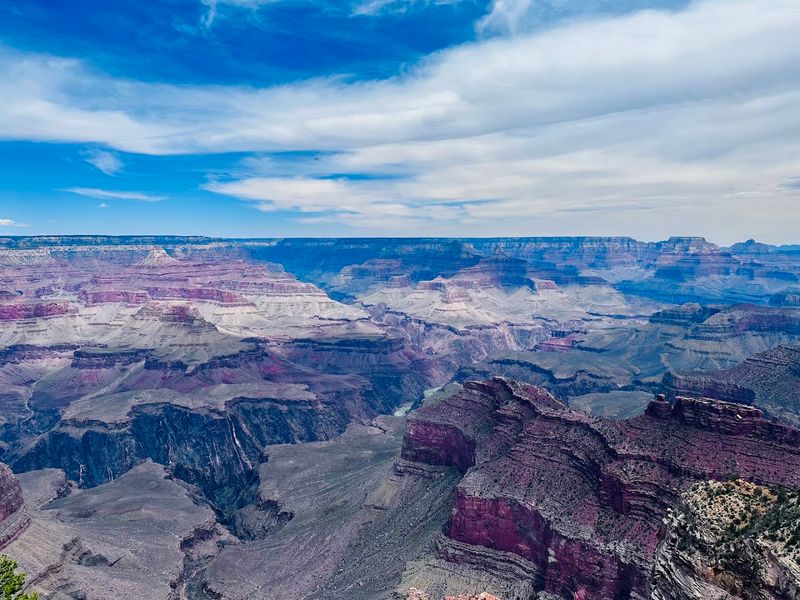
The Grand Canyon does not just take your breath away with its views. It also reminds you, quickly, that you are a guest in a very active wild ecosystem.
Grand Canyon National Park spans 277 miles of Colorado River corridor in Arizona, and its rocky rim edges, canyon walls, and inner trail systems are known rattlesnake habitats. The pink rattlesnake, actually named the Grand Canyon rattlesnake, is found almost nowhere else on Earth and is native to this canyon specifically.
Hikers on the Bright Angel and South Kaibab trails have reported encounters, particularly in warmer months when snakes move freely between shaded ledges and sun-warmed boulders. The canyon’s layered geology provides countless hiding spots along every switchback.
Ranger-led programs often include wildlife safety briefings, which are worth attending before you head downhill. The South Rim and North Rim both see sightings, so stay alert regardless of which side you explore.
Stargazing, mule rides, and river rafting on the Colorado are all incredible here. Just watch your step between adventures.
Location: Grand Canyon National Park, Arizona.
3. Organ Pipe Cactus National Monument
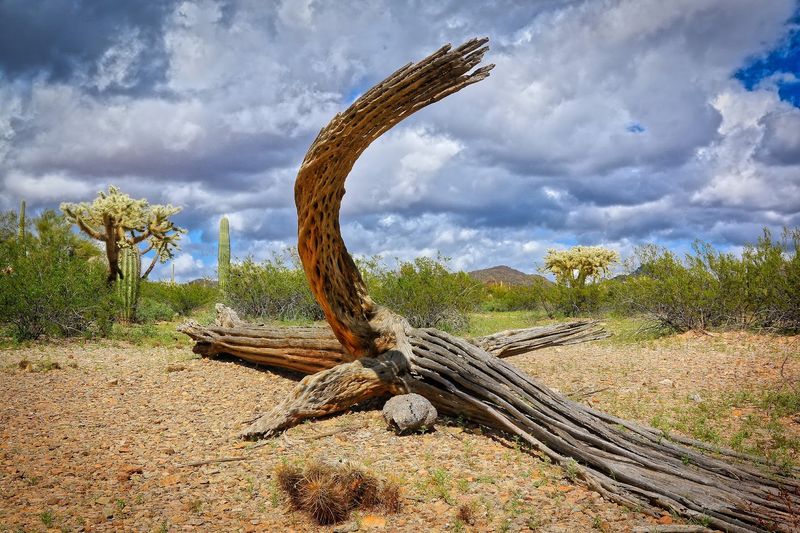
This place sits right on the edge of two countries and feels like the wild heart of the Sonoran Desert. Organ Pipe Cactus National Monument, near Ajo in southern Arizona, protects over 330,000 acres of rugged desert where rattlesnakes are very much at home.
The monument shelters more than 100 species of reptiles and amphibians, and several rattlesnake species move through its sandy washes, rocky slopes, and cactus-dense flats. The 21-mile Ajo Mountain Drive passes through terrain where sightings are not uncommon, particularly near shaded rock formations and dry creek beds.
Hikers on the Victoria Mine Trail and the Estes Canyon and Bull Pasture loop have reported encounters. The remote setting means fewer crowds but also fewer people nearby if you need assistance.
Carry water, wear sturdy boots, and scan the ground constantly.
This UNESCO biosphere reserve rewards careful, attentive visitors with extraordinary scenery and biodiversity. The Kris Eggle Visitor Center offers helpful orientation materials before you head out on any trail.
Camping under the monument’s dazzling desert night sky is an experience worth planning for well in advance.
Location: Organ Pipe Cactus National Monument, Ajo, Arizona.
4. Chiricahua National Monument
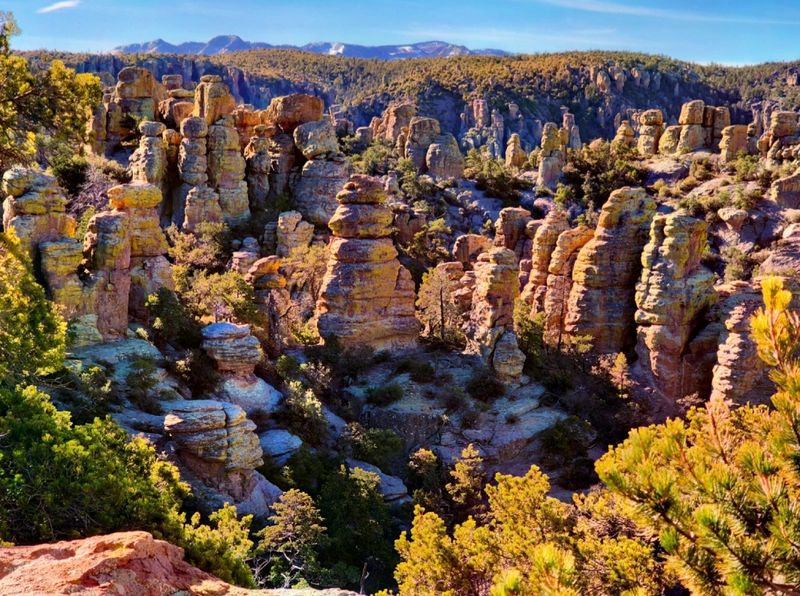
Forget everything you think a desert looks like. Chiricahua National Monument, near Willcox in southeastern Arizona, is a dramatic maze of towering rhyolite pinnacles, shaded grottoes, and forested mountain slopes where rattlesnake sightings keep hikers on their toes.
The monument’s 17 miles of trails wind through boulder-strewn terrain that offers rattlesnakes ideal cover. The Echo Canyon Loop and the Heart of Rocks trail both pass through tight rock corridors and shaded overhangs where snakes rest during the heat of the day.
Spring and fall are the most comfortable seasons for hiking here, and they also happen to align with peak snake activity. The Bonita Canyon Drive offers a scenic alternative for those who prefer to take in the landscape from a vehicle before committing to a trail.
Rich in Chiricahua Apache history and volcanic geology, this monument offers far more than most visitors expect. The dark night skies above the rock formations make for extraordinary stargazing after sunset.
Respect the wildlife, stick to marked paths, and never flip over rocks with your bare hands. The hoodoos are stunning.
The snakes are real.
Location: Chiricahua National Monument, Willcox, Arizona.
5. Red Rock State Park
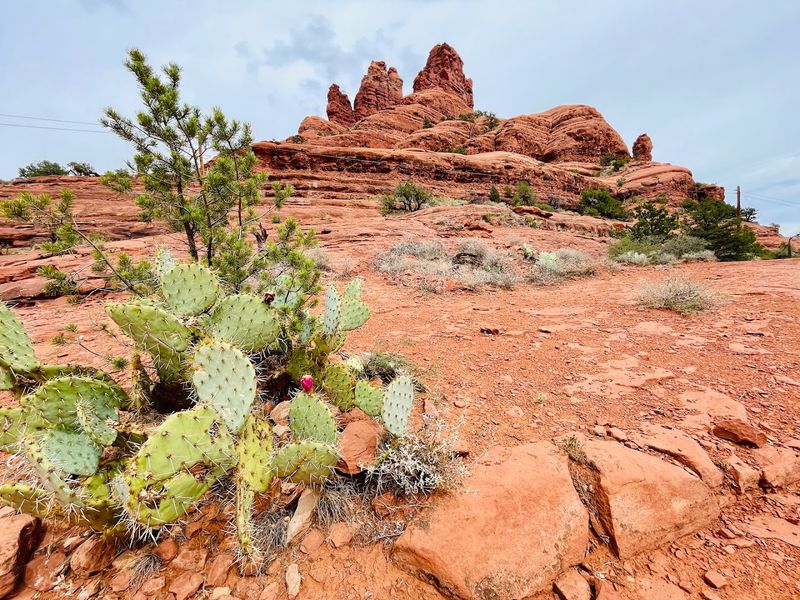
Sedona’s red rocks are one of Arizona’s most photographed landscapes, and Red Rock State Park puts you right in the middle of them. The 286-acre nature preserve sits along Oak Creek and frames Cathedral Rock in a way that makes every trail feel cinematic.
The park’s riparian habitat, where Oak Creek flows through native vegetation and open meadows, creates a layered ecosystem that supports diverse wildlife year-round. Rattlesnakes have been spotted along trail edges, near rocky outcroppings, and in the brush bordering the creek corridor.
The Kisva Trail and the Eagle’s Nest Loop are both popular routes where wildlife sightings are common. Volunteer naturalists lead daily guided hikes and twice-weekly bird walks, which are excellent ways to explore safely with someone who knows the terrain well.
Pets are not permitted inside the park, and swimming in Oak Creek is prohibited, so the environment stays calm and largely undisturbed. That tranquility is part of why wildlife thrives here.
Mule deer, javelina, and numerous bird species share this space with the snakes. Stay on marked trails, watch low vegetation carefully, and enjoy one of Sedona’s most rewarding natural escapes.
Location: Red Rock State Park, Sedona, Arizona.
6. Picacho Peak State Park
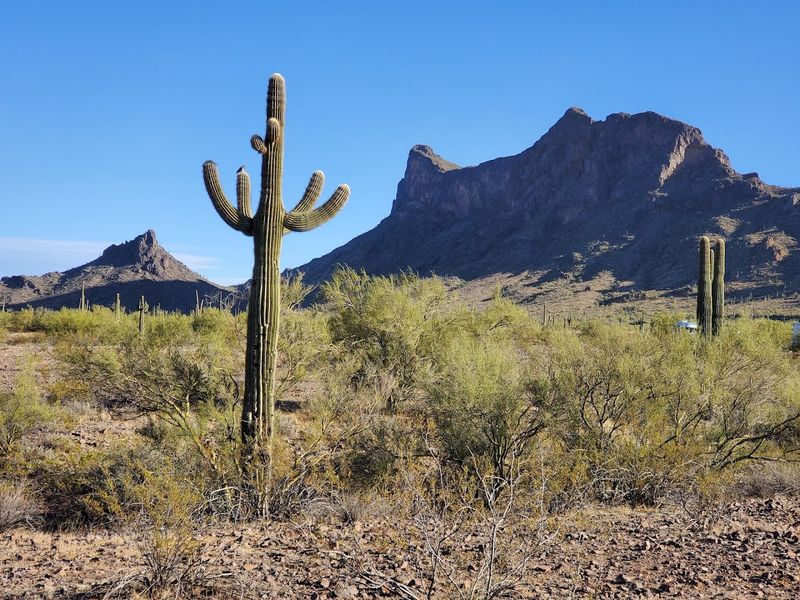
That jagged, witch-hat silhouette rising between Phoenix and Tucson has been guiding travelers across the desert for centuries. Picacho Peak State Park, in Picacho, Arizona, draws hikers eager to summit its striking 1,500-foot peak, and the rocky terrain here is exactly the kind rattlesnakes favor.
The Hunter Trail, a four-mile round trip with steel cables bolted into steep boulders, passes through sun-baked rock faces and narrow ledges where snakes have been spotted basking and sheltering. The trail was originally carved by the Civilian Conservation Corps in 1932 and still demands serious attention from anyone who tackles it.
The Sunset Vista Trail offers a gentler route through the foothills, especially spectacular in spring when Mexican poppies blanket the hillsides in orange and yellow. Both trails require eyes on the ground as much as on the scenery.
The park carries deep historical significance as a site connected to the Ancestral Sonoran Desert People, with thousands of petroglyphs documented in the surrounding mountains. A visitor center with exhibits helps set the scene before you hit the trails.
Picnic areas and camping round out the experience. Bring more water than you think you need.
Location: Picacho Peak State Park, Picacho, Arizona.
7. Kartchner Caverns State Park, Benson, AZ
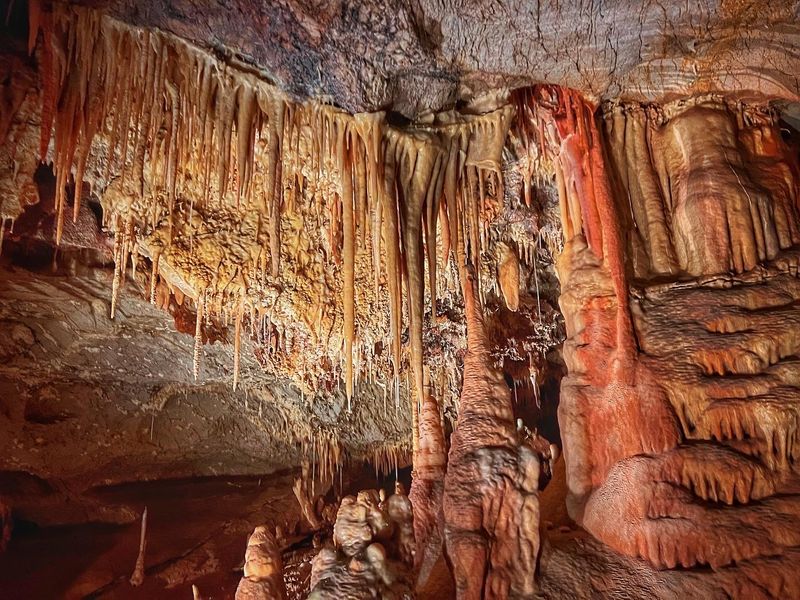
Most visitors come for what is underground. Kartchner Caverns State Park, just south of Benson, Arizona, shelters one of the most spectacular living cave systems in North America, discovered in 1974 and kept secret for years to protect its delicate formations.
Above ground, though, the park sits at the base of the Whetstone Mountains in classic Sonoran Desert terrain, and that landscape brings its own surprises. Rattlesnake sightings on the park’s hiking trails are not unusual, particularly along the Ocotillo Trail, the Foothills Loop, and the more strenuous Guindani Trail.
Desert washes, rocky hillsides, and native shrubland create perfect cover for snakes moving between warm and shaded areas throughout the day. Early morning hikers and those out near dusk should be especially alert.
The cave tours themselves are remarkable, with formations that have been growing for over 50,000 years and a section that serves as a summer maternity ward for over a thousand migratory bats. The park holds dark sky status, making nighttime visits genuinely special for stargazers.
Hummingbird and pollinator gardens add seasonal color. The underground wonders get the headlines, but the desert above deserves just as much respect.
Location: Kartchner Caverns State Park, Benson, Arizona.
8. Whitewater Draw Wildlife Area
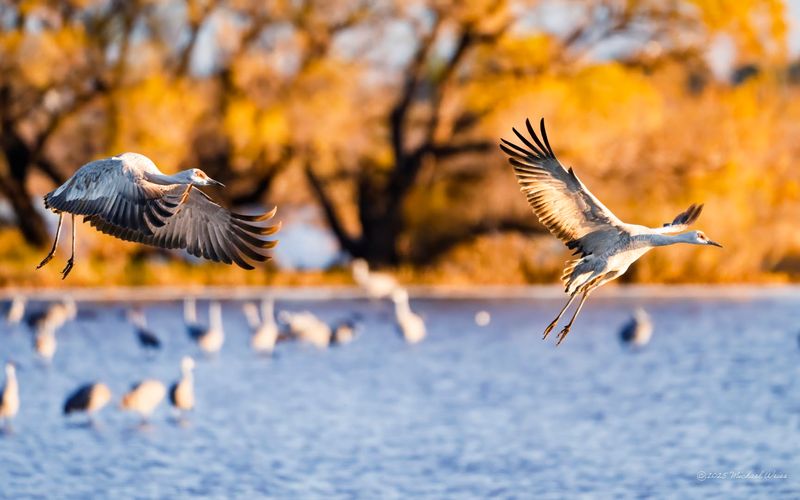
Most people arrive at Whitewater Draw for the cranes. Tens of thousands of Sandhill Cranes descend on this 1,500-acre wildlife refuge near McNeal, Arizona, each winter, creating one of the most breathtaking wildlife spectacles in the American Southwest.
What fewer visitors expect is that the same grasslands and desert scrub that attract migratory birds also support an active reptile community. Both the Mohave rattlesnake and the Western diamondback rattlesnake have been documented in this area, moving through the Chihuahuan desert grasslands surrounding the ponds and viewing platforms.
Dirt paths loop around the refuge and offer easy, flat walking for birders and wildlife watchers alike. Sunrise is widely considered the best time to visit, when cranes lift off in massive, noisy flocks toward nearby agricultural fields.
That early morning light also tends to bring reptiles out to warm up on open ground.
Coyotes, bobcats, javelina, and an impressive variety of waterfowl and raptors share this space. The refuge is open around the clock and allows free dry camping for short stays.
Scan the ground around viewing platforms and pond edges carefully. The bird show is extraordinary, but the desert floor always has something worth watching too.
Location: Whitewater Draw Wildlife Area, McNeal, Arizona.