
Arkansas Hides An Overlooked State Park With Trails That Rival Any National Park
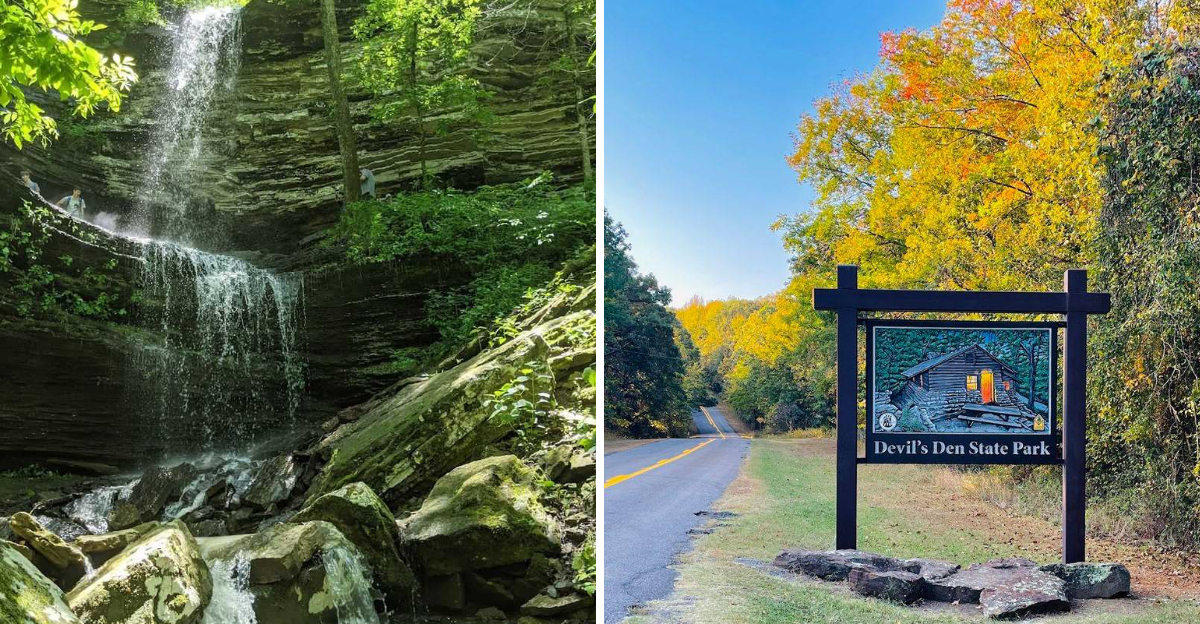
What if the best trail system in the entire region wasn’t hiding inside a national park? Arkansas holds onto that secret better than most states, and the reason has everything to do with where it sits.
Sandstone bluffs rise above a quiet valley, crevice caves wind deep into the hillside, and waterfalls crash down after a good rain. Add in more than sixty miles of trails weaving through these hills, and Arkansas starts to feel like it’s been keeping the good stuff to itself.
Mountain bikers know this ground as the birthplace of their sport in the state, hikers chase views that rival anything out west, and campers fall asleep to creek sounds instead of traffic. Curious which valley holds all of this?
It might be closer than expected.
A Geological Story Millions Of Years In The Making
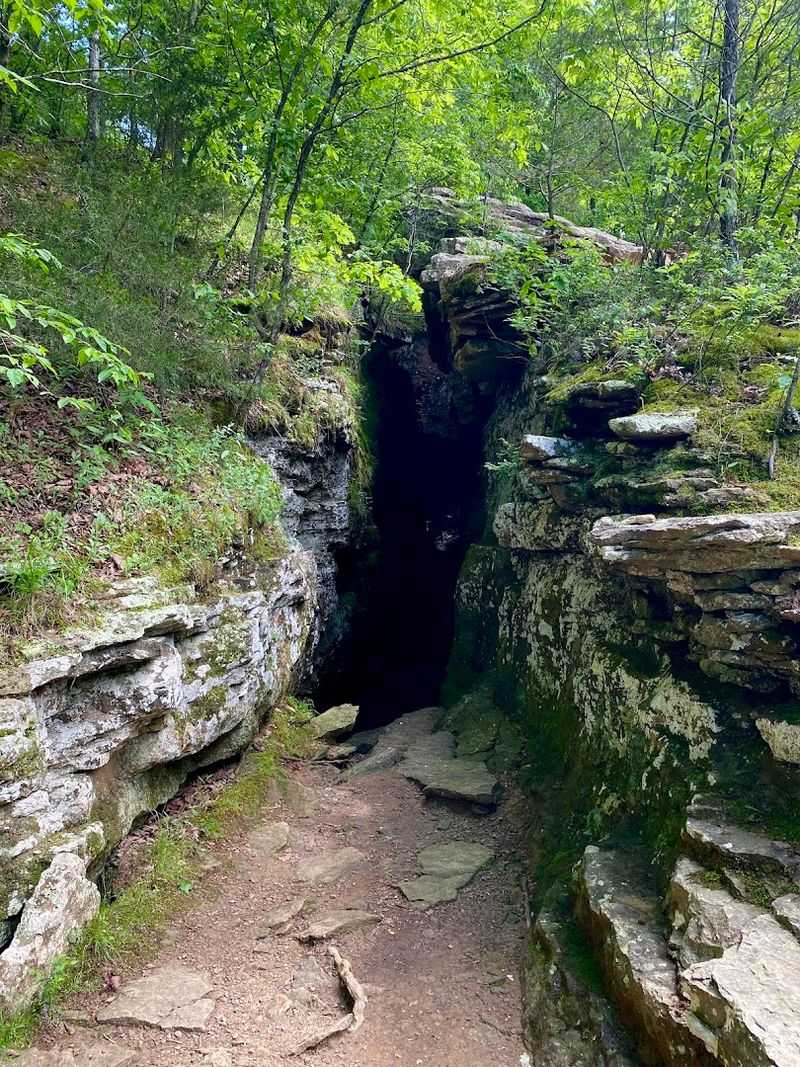
The ground beneath Devil’s Den State Park has been telling its story for millions of years. Layers of sandstone, limestone, and shale stack visibly in the dramatic bluffs that define this remarkable landscape.
Geologists believe a massive hillside collapsed somewhere between 10,000 and 70,000 years ago, creating a labyrinth of crevices and caves spread across roughly thirty acres.
The park is home to the country’s largest sandstone crevice cave area. That is not a small claim.
The longest cave on the property, known as Devil’s Den Cave, extends approximately 550 feet into the hillside. Standing at the entrance and peering into the darkness gives visitors a real sense of how ancient and powerful these formations truly are.
Arkansas is rich with natural wonders, but few places concentrate so much geological drama into one accessible area. The rock formations alone justify the drive.
Every trail winds past something worth stopping to study, photograph, or simply admire in respectful silence.
Human History Carved Into Every Crevice
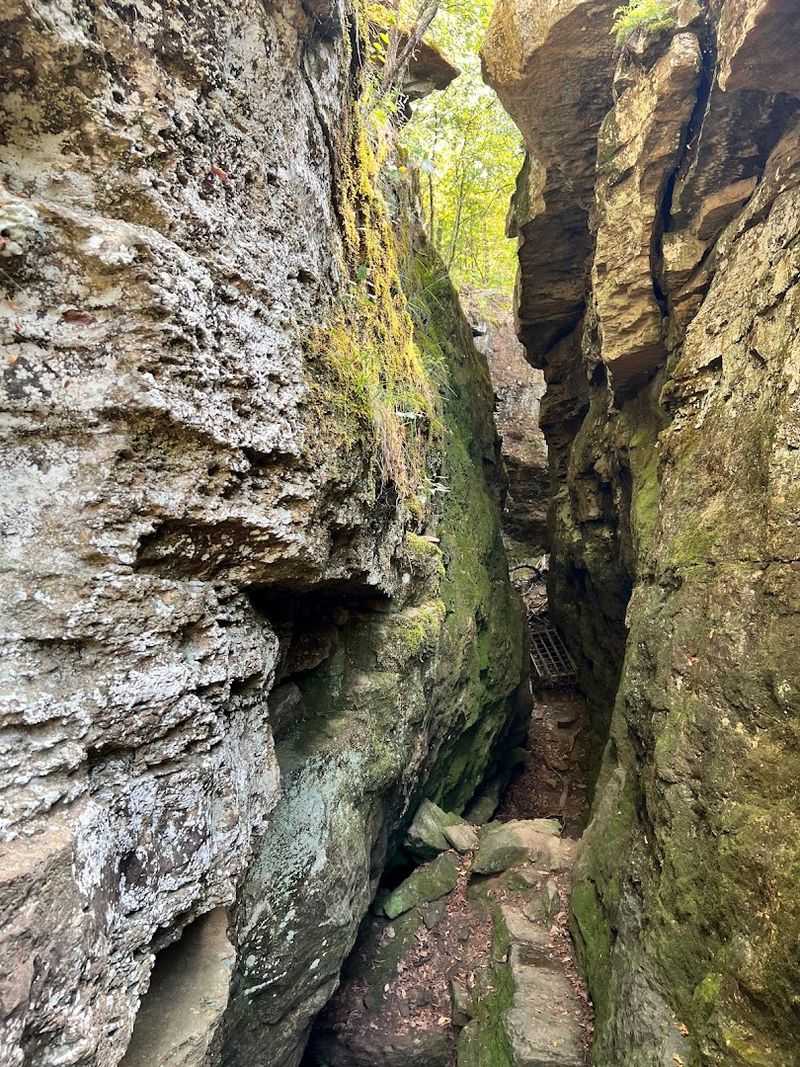
Long before the trails were mapped and the campsites were numbered, people called this rugged terrain home. Archaeological evidence suggests Native Americans used this area for hunting as far back as 8,000 years ago.
European settlers arrived before Arkansas even achieved statehood in 1836, drawn by the same dramatic landscape that draws visitors today.
The park’s name itself carries a story. Devil’s Den earned its title from the approximately 60 crevice caves scattered throughout the property.
In the 1800s, outlaws used these hidden passages as hideouts. Confederate guerrillas later took advantage of the same rocky concealment during the Civil War.
History here is not displayed behind glass; it is embedded in the stone itself.
Walking the trails means walking through layers of human experience that stretch back thousands of years. The sense of continuity is striking.
Few state parks in the country can claim a human story this deep and this well-preserved within a single landscape.
The CCC Legacy That Built A Park From Scratch
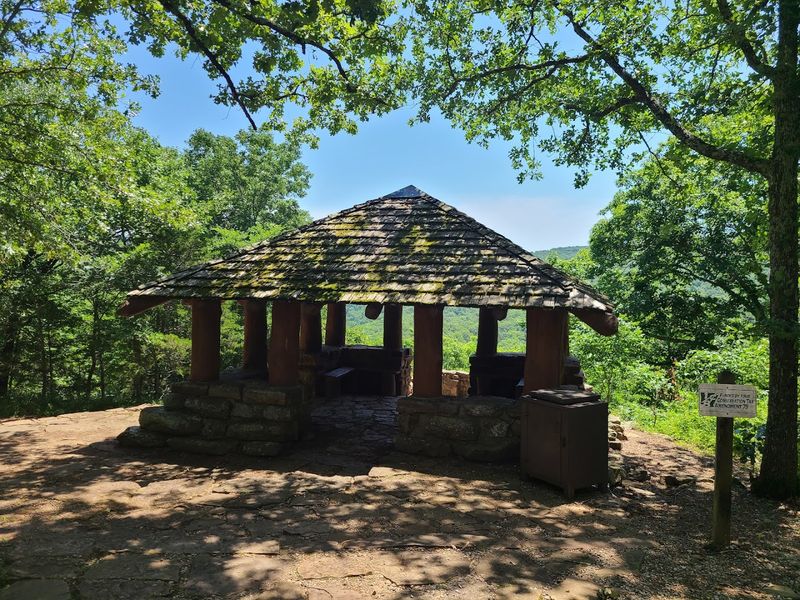
During the Great Depression, young men desperate for work transformed raw Ozark wilderness into one of the most beautiful state parks in the country. The Civilian Conservation Corps arrived in the 1930s and got to work using native stone and local timber.
Their craftsmanship was meticulous, and their results were built to last.
Devil’s Den is recognized as one of the most intact CCC sites in the entire United States. That distinction matters.
The rustic cabins, sturdy pavilions, and carefully constructed trails that visitors enjoy today are largely the same ones those workers built nearly a century ago. The stone dam they constructed across Lee Creek created the peaceful 8-acre Lake Devil, which remains a centerpiece of the park.
Original campground facilities and park offices still stand, seamlessly blending with the surrounding forest. Arkansas has many historic sites, but few where history and nature coexist this harmoniously.
The CCC left behind more than buildings; they left behind a living, breathing outdoor sanctuary that continues to welcome new generations.
Trails For Every Boot On The Ground
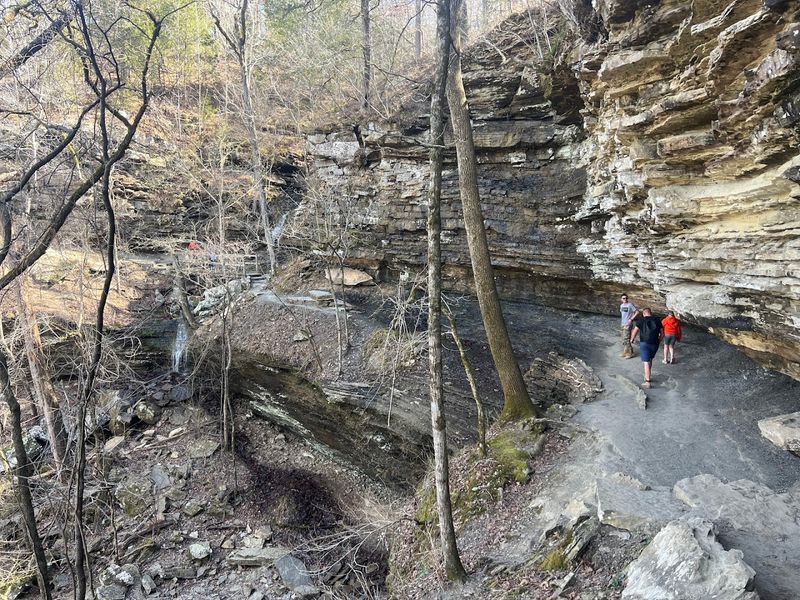
More than 60 miles of trails spread across the park and into the surrounding Ozark National Forest. That number covers hikers, mountain bikers, and horseback riders alike.
With over 20 miles dedicated specifically to hiking, the options are genuinely varied and well-suited to different fitness levels and interests.
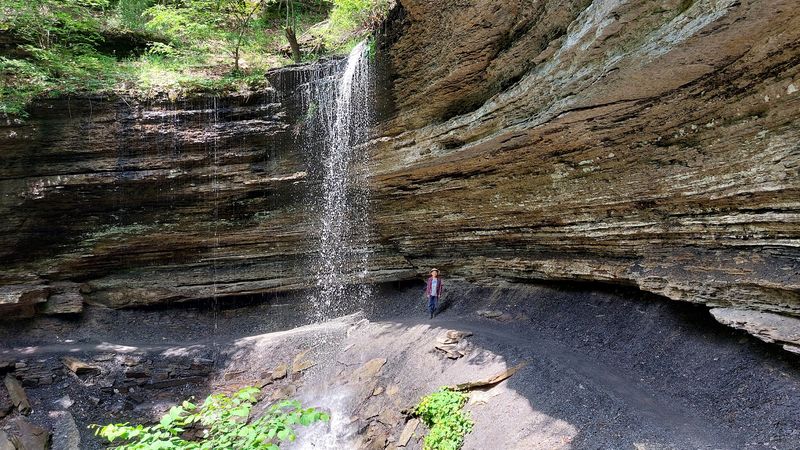
The Devil’s Den Trail is the park’s most popular hiking route, a moderate loop of roughly 1.1 to 1.5 miles. It winds past impressive bluffs, fascinating rock formations, and the awe-inspiring Twin Falls.
After a good rain, that waterfall is a serious spectacle. The trail also passes Devil’s Icebox, a cool cave that stays noticeably chilly even in summer heat.
Many caves along the trail system are closed to protect bat populations, including the rare Ozark big-eared bat. Even so, the accessible crevices provide plenty of visual drama.
Visitors planning longer adventures can connect to the Ozark National Forest trail network, extending the experience well beyond the park’s official boundaries.
Yellow Rock Overlook And The Views That Stop People Cold
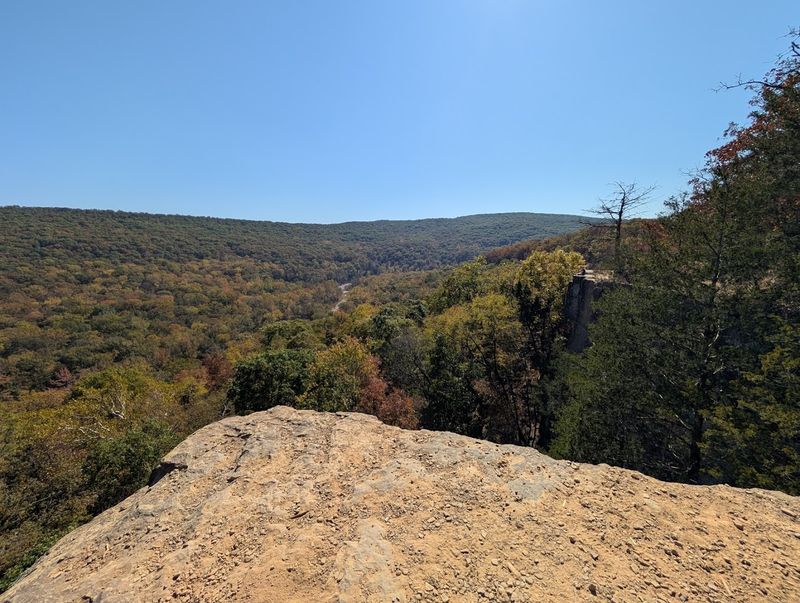
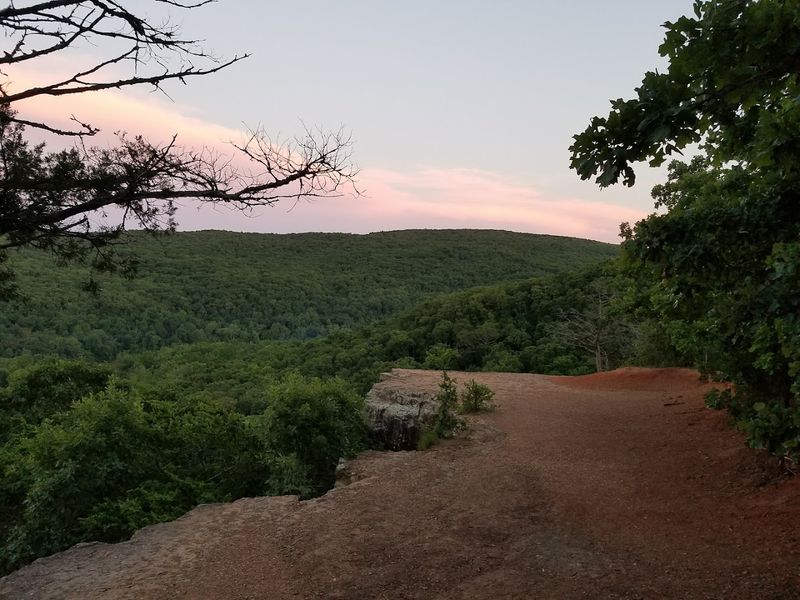
Few trail destinations in northwest Arkansas generate as much conversation as Yellow Rock. The trail climbs to a bluff perched high above the Lee Creek Valley, delivering views that stretch across a wide, forested expanse.
The hike itself runs about 2.7 to 3 miles as a loop, making it accessible to reasonably fit visitors without demanding elite athleticism.
Fall transforms this viewpoint into something almost theatrical. The valley below erupts in gold, red, and orange as October arrives, and the overlook becomes one of the most photographed spots in the state.
Even outside of autumn, the perspective from the top rewards the effort with a sense of scale that is hard to find at lower elevations.
This trail was among the first built by the CCC in the 1930s, which means its path has been tested and refined over decades. Dogs are welcome on leashes, making it a popular choice for families and four-legged adventurers alike.
The combination of history, accessibility, and jaw-dropping scenery makes Yellow Rock a genuine highlight.
Mountain Biking That Put Arkansas On The Map
Arkansas earned serious mountain biking credibility right here at Devil’s Den. The park is widely credited as the birthplace of mountain biking in the state, and that reputation carries real weight among cycling enthusiasts across the region.
The Monument Trails system spans roughly 15 miles and includes eight distinct routes designed for varying skill levels.
Fossil Flats holds the honor of being the first mountain biking trail established in an Arkansas State Park. That pioneering trail also sparked the annual Ozark Mountain Bike Festival, an event that still draws riders together every spring.
Beginners can warm up on routes like Gold Brick before connecting to more demanding terrain. Experienced riders often seek out the Dollar-A-Day trail, an intermediate single-track that keeps things interesting.
The riding experience here differs from polished resort-style trail systems. The terrain is raw, rooted, and genuinely Ozark in character.
Riders who want a challenge without the crowds of more famous destinations consistently find what they are looking for among these forested hills.
Lake Devil And The Water That Cools Everything Down
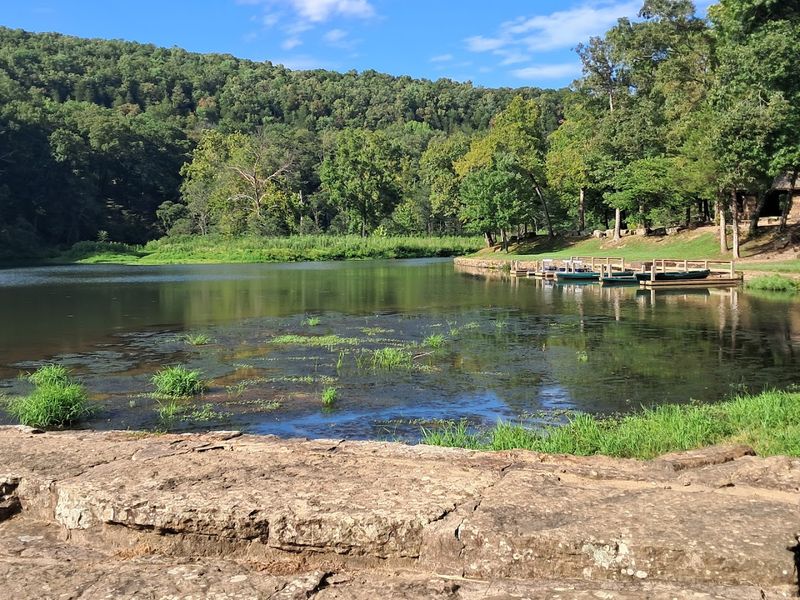
The CCC did not just build trails and cabins; they also engineered a lake. Lake Devil covers about 8 acres, formed by an impressive native stone dam built across Lee Creek.
The water is famously clear, sometimes showing a striking turquoise hue that feels almost too beautiful for a state park in Arkansas.
Fishing is popular here, with bass, channel catfish, and trout among the species visitors pursue. Kayaks, canoes, and stand-up paddleboards are all welcome on the water.
Rentals are available at the park for those who did not bring their own gear, lowering the barrier for spontaneous water adventures. Swimming is not permitted in the lake itself, but a seasonal pool provides a refreshing alternative during the warmer months.
For a more natural experience, wading in Lee Creek is a beloved option when water levels are safe. The creek also offers geological surprises.
Fossils of crinoids, ancient sea lilies that lived in shallow seas long ago, occasionally turn up along its banks for sharp-eyed explorers.
Every Season Brings Something Worth The Drive
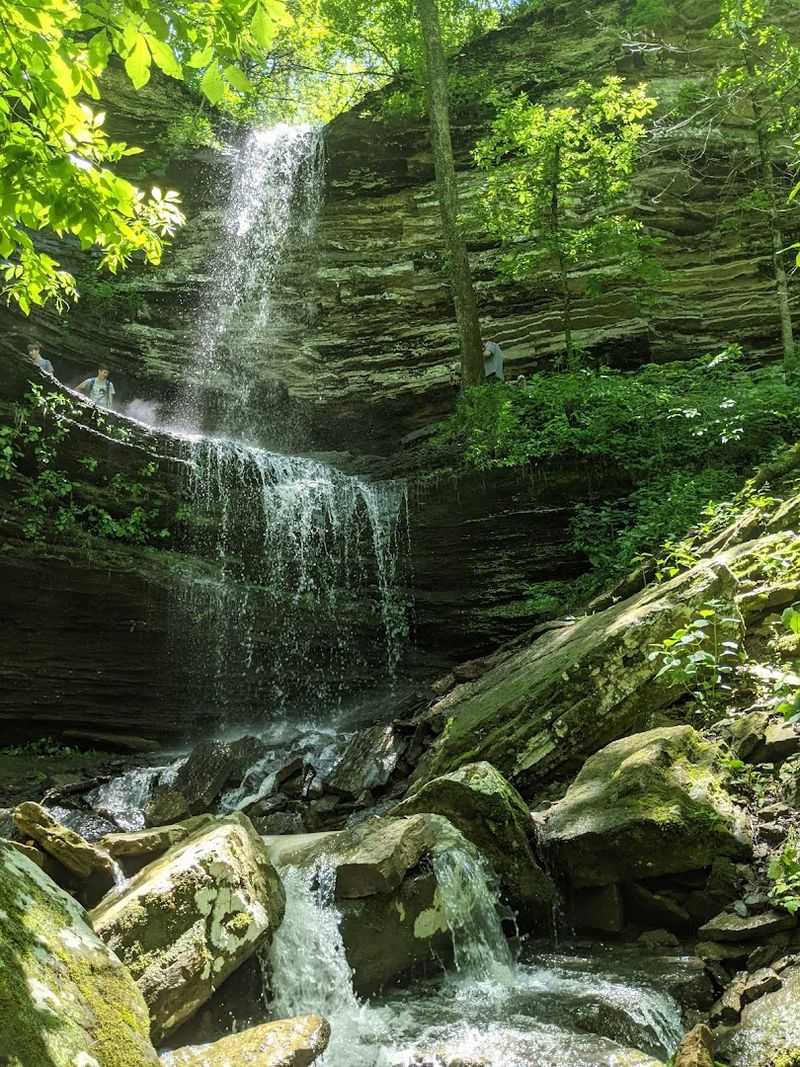
Spring arrives at Devil’s Den with wildflowers painting the forest floor and waterfalls running at full force after seasonal rains. The air stays cool and crisp, making it ideal for longer hikes without the burden of summer heat.
Trails that might feel dry and dusty in August come alive with color and sound during April and May.
Summer draws families to the swimming pool and the water activities on Lake Devil. The longer days allow for more trail time, and the dense Ozark canopy provides shade on even the hottest afternoons.
Fall is arguably the park’s most spectacular season. October brings the kind of foliage display that makes people stop their cars and reach for their cameras.
Winter offers something different and surprisingly appealing. The trails thin out, the crowds disappear, and the park settles into a quiet that feels almost meditative.
Bare trees open up views through the forest that summer foliage hides. Arkansas winters are generally mild enough to keep the trails accessible, making year-round visits entirely practical.
Camping Options That Range From Rustic To Comfortable
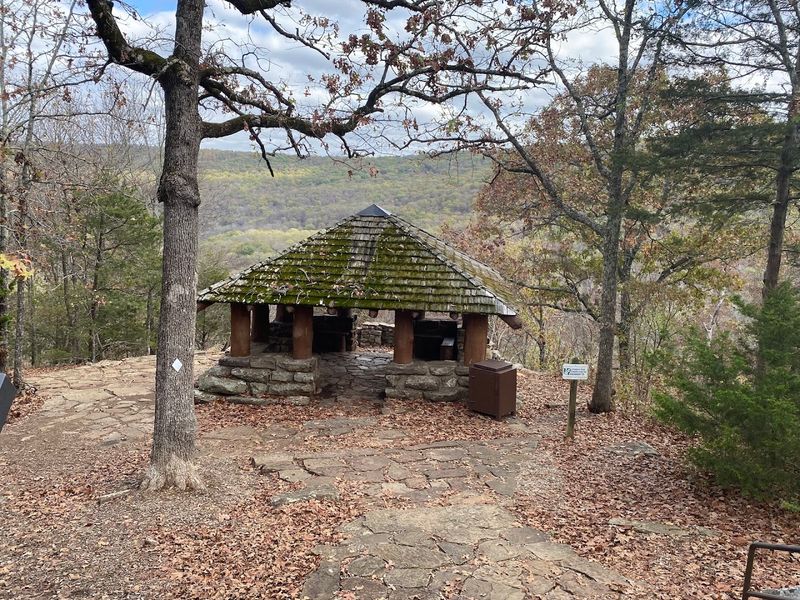
Spending a night at Devil’s Den means waking up to the sound of Lee Creek and birdsong instead of traffic. The park offers a wide range of camping options, from full-hookup RV sites to primitive tent-only spots for those who prefer their nature unfiltered.
The total number of campsites runs well over 100, spread across several distinct loops with different amenity levels.
Unique bike-in tent sites cater specifically to cyclists who want the full backcountry experience without straying too far from facilities. The horse camp provides dedicated sites with hookups and a separate bathhouse, with direct trail access for equestrian visitors.
Modern bathhouses with flush toilets and showers are available in most camping areas, which reviewers consistently praise for their cleanliness.
The original CCC-built cabins offer a more comfortable option without sacrificing character. These historic structures include kitchens and fireplaces, blending authentic Ozark charm with practical amenities.
One important note for digital-dependent visitors: cell service is essentially nonexistent throughout the park, which most campers end up appreciating far more than they expected.
The Butterfield Trail For Those Who Want The Full Challenge
Casual day hikers get their fill at Devil’s Den, but the park also holds something for serious backpackers who want a real physical test. The Butterfield Hiking Trail stretches approximately 15 miles through the rugged hills and hollows of the surrounding Ozark National Forest.
It is considered one of the few looped backpacking routes in Arkansas, which makes it genuinely rare.
The trail earns its strenuous rating through demanding climbs and descents that showcase some of the most dramatic terrain in the region. Bluffs and boulders line the route, and the path passes through some of the country’s largest crevice areas.
Two primitive camping spots along the way allow overnight stays for those who want to spread the experience across multiple days.
The trail honors the historic Butterfield Stagecoach route that once passed through this part of Arkansas. That historical layer adds meaning to every mile.
Hikers who complete the full loop leave with a genuine sense of accomplishment and a much deeper understanding of just how wild and beautiful this corner of the Ozarks truly is.
Practical Tips Before You Pack The Car
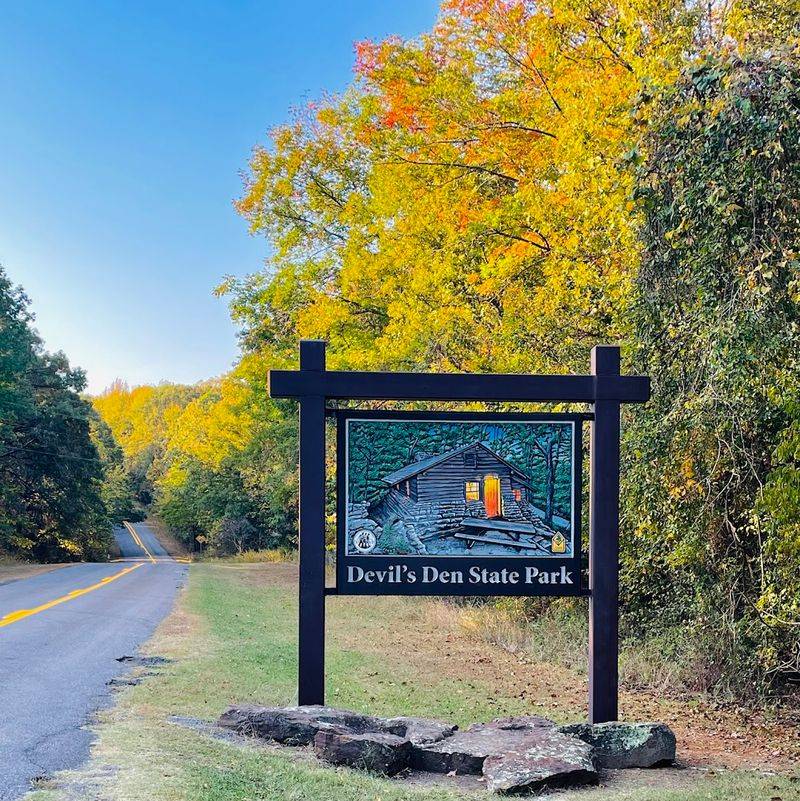
Planning a visit to Devil’s Den rewards a little preparation. The park sits at 11333 West Arkansas 74, West Fork, AR 72774, in the Lee Creek Valley of northwest Arkansas.
Two entrance routes exist off Interstate 49. Exit 53 involves about 17 miles of driving and is the recommended option for RVs and trailers, since it avoids tight turns.
Exit 45 is shorter at about 7 miles but includes steep switchbacks that are difficult for larger vehicles.
Cell service disappears completely once visitors descend into the park. Downloading offline maps and trail guides before arriving is a smart move.
Navigation inside the park relies entirely on physical signage and pre-loaded digital resources. The park does offer free pay phones on-site for emergencies, and some visitors report success using satellite-based internet devices.
Entry for day use is free, which is a remarkable value given the quality and variety of what the park offers. Camping fees vary by site type.
Interpretive programs, ranger-led events like Bat-O-Rama, and the annual Ozark Mountain Bike Festival add extra reasons to plan a visit around specific dates on the calendar.