
7 Beautiful And Underrated Vermont Mountain Drives Worth The Trip
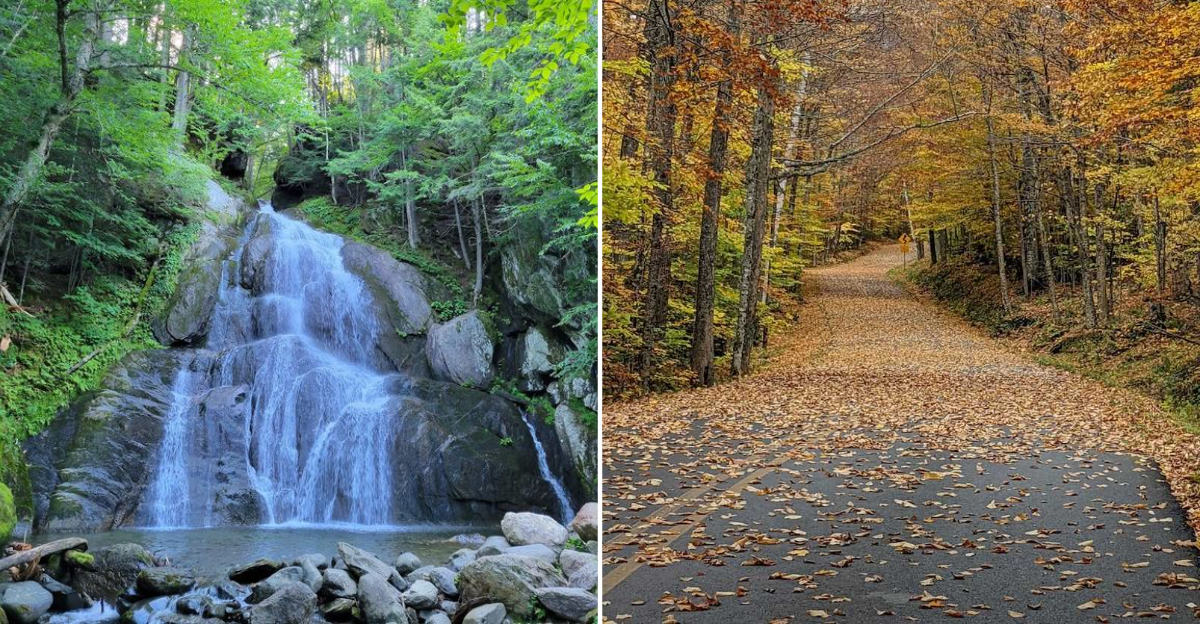
Vermont does not need filters or tourist brochures to sell its mountain scenery. Just roll down the window, point the car toward the hills, and let the road do the rest.
There is an honesty to the landscape here that is almost disarming. No gimmicks.
No overdeveloped overlooks with gift shops attached. Just raw, unpolished natural beauty rolling out in every direction as far as you can see.
These drives take you through covered bridges and past dairy farms that have been in the same family for generations. Through small villages where the general store is still the social center of town.
Up elevation gains that reward you with views so wide and so green you genuinely forget what you were stressed about before you got in the car. The state has no shortage of famous scenic routes.
But the underrated ones are where the real magic lives. Quieter roads.
Less traffic. More space to actually take it all in.
Get in the car and go. Vermont will handle the rest.
1. Smugglers Notch
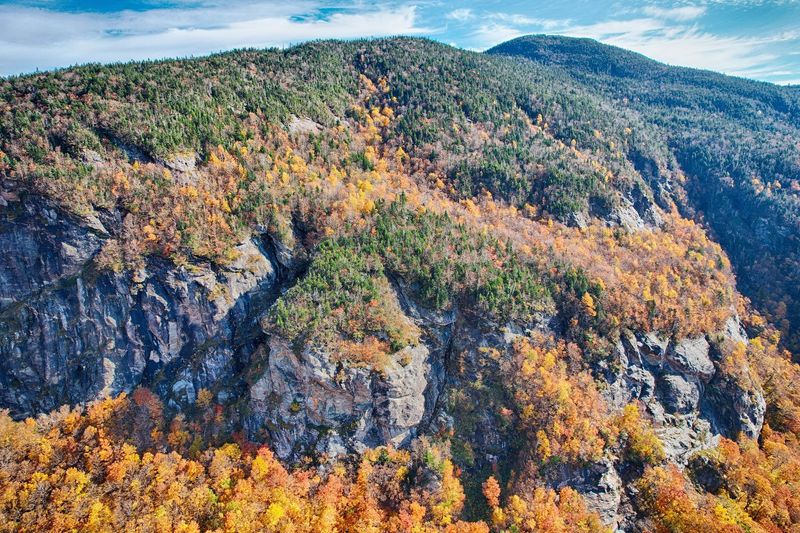
Smugglers Notch is the kind of road that makes your palms sweat just a little, and you love every second of it. The pass sits at 2,162 feet, and the cliffs on either side shoot up nearly 1,000 feet above you.
It is genuinely one of the wildest stretches of pavement in New England.
The road is so narrow that large trucks and RVs are banned from driving through. That rule alone tells you everything you need to know about how tight and dramatic this pass really is.
You will be squeezing past boulders that look like they rolled off the mountain yesterday.
Back in the early 1800s, smugglers actually used this route to move goods between the U.S. and Canada. The history makes every twist in the road feel like a small adventure.
It is part of the Green Mountain Byway, which adds even more scenic stops nearby.
Fall is the absolute best time to visit. The Barnes Camp Boardwalk gives you a stunning view of the Notch when the trees are on fire with color.
Bring a camera because your phone camera will not do this place justice.
The drive is short in distance but huge in personality. Give yourself extra time to stop, get out, and look up at those cliffs.
You will feel very small in the best way possible.
Plan your visit between late spring and early fall since the road closes in winter. Route 108 takes you right through, so just follow the signs.
2. Appalachian Gap
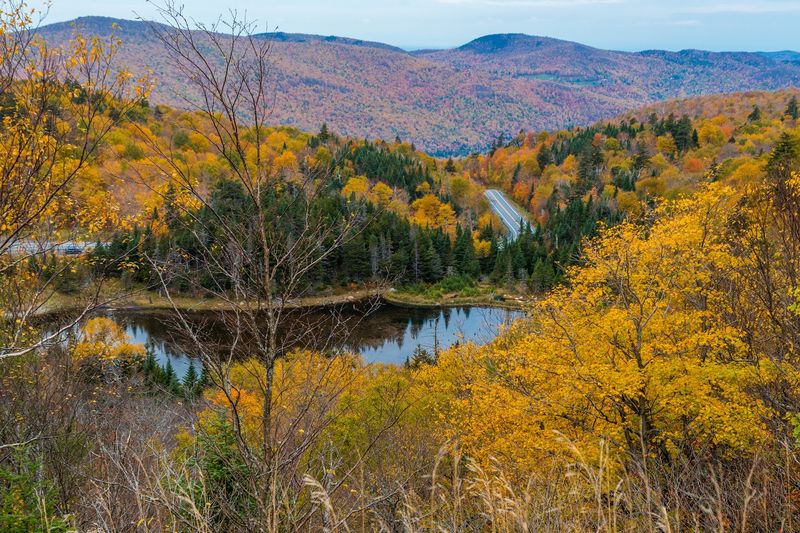
Motorcyclists have known about Appalachian Gap for years, and honestly, they have been keeping a great secret. Route 17 climbs through the heart of the Green Mountains with curves that feel almost theatrical.
Every turn reveals something better than the last one.
The Gap sits right inside Camel’s Hump State Park, which is one of Vermont’s most beloved wild spaces. The forest wraps tightly around the road as you climb, and then suddenly the views open up wide at the top.
That moment of open sky after dense trees is genuinely thrilling.
At the summit lookouts, you can see across multiple mountain ridges at once. During fall, those ridges turn every shade of orange, red, and yellow imaginable.
It is the kind of view that makes you want to cancel your plans and just stay there all afternoon.
The elevation changes are significant, which is part of what makes the drive so dynamic. You feel the road working beneath you as the grade shifts.
Even at slower speeds, it never feels boring for a single mile.
Route 17 connects the Champlain Valley to the Mad River Valley, so you get two totally different landscapes in one drive. The west side feels open and agricultural, while the east side is forested and rugged.
That contrast makes the whole experience feel like two trips in one.
Spring and summer are beautiful here, too, not just fall. Wildflowers pop up along the roadside in June and July.
3. Lincoln Gap Road
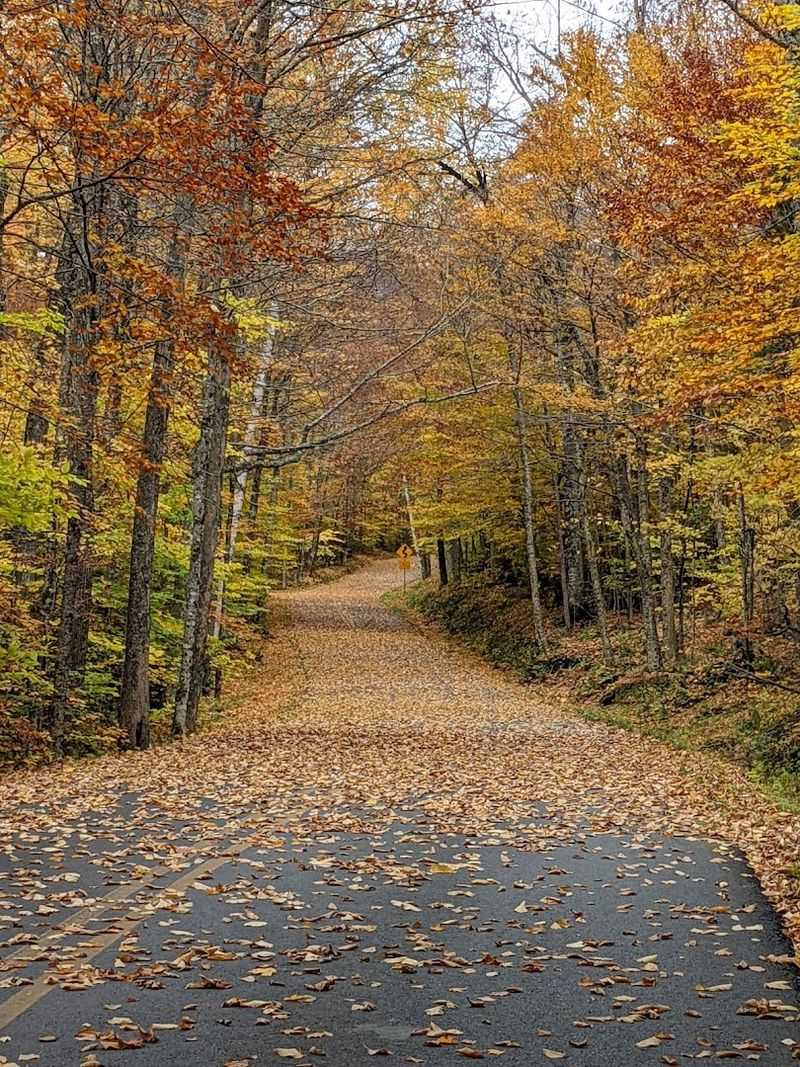
Lincoln Gap Road is not for the faint of heart, and that is exactly what makes it so worth it. This road climbs over the Green Mountains and reaches one of the highest paved gaps in Vermont.
It is steep, it is narrow, and it is completely spectacular.
The road runs between Lincoln and Warren, cutting right through the spine of the mountains. Parts of it feel barely wide enough for two cars to pass each other comfortably.
You will definitely slow down, and slowing down is actually the point here.
At the top of the gap, the Long Trail crosses the road. Hikers pop in and out of the treeline, and you can hop out for a short walk if you want.
The views from the ridgeline on a clear day stretch for miles in every direction.
Fall colors here are absolutely outrageous. The canopy closes in tightly along the lower sections, creating this tunnel of red and gold that feels almost unreal.
Then the trees open up at elevation, and you get those wide mountain panoramas.
One important heads-up: Lincoln Gap Road closes every winter, usually from November through late spring. It is a seasonal road, so timing your visit matters a lot.
Check road conditions before you go, especially in early spring when mud season can make things unpredictable.
The whole gap crossing is only a few miles, but it packs in more scenery per mile than most full-day drives. Go slow, enjoy it, and do not rush.
4. Brandon Gap
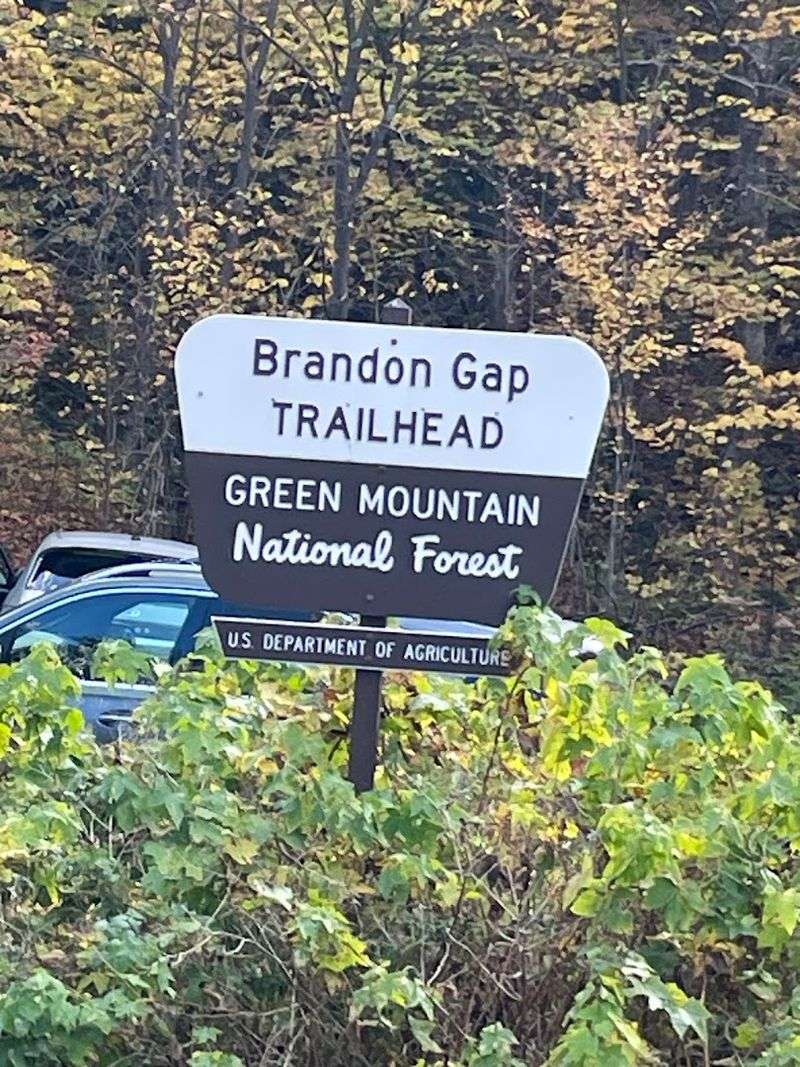
Brandon Gap flies completely under the radar, and that is genuinely its superpower. Route 73 slices through this mountain pass with a calm, unhurried beauty that more famous Vermont roads rarely offer.
You get all the drama without the crowds.
The gap sits between the towns of Rochester and Brandon, cutting through the Green Mountain National Forest. The forest here is dense and old-feeling, with tall trees pressing close on both sides of the road.
A small stream follows the road through much of the eastern approach, adding a soft soundtrack to the drive.
There is a small picnic area near the top of the gap that most people drive right past. Pull over there, and you will have one of the most peaceful lunch spots in the entire state.
Seriously, pack a sandwich and thank yourself later.
Wildlife sightings are surprisingly common along this corridor. Deer, wild turkeys, and the occasional moose have all been spotted along Route 73.
Keep your eyes on the road edges, especially in the early morning or around dusk.
The elevation at the gap reaches about 2,183 feet, which gives you solid mountain views without requiring any hiking. The drive up from the Brandon side has a gradual, sweeping quality that feels almost cinematic.
Coming down toward Rochester is steeper and more exciting.
Brandon Gap is a great connecting route if you are exploring central Vermont more broadly. Pair it with a stop in the charming town of Brandon for local food and historic architecture.
5. Route 100 (Granville Gulf)
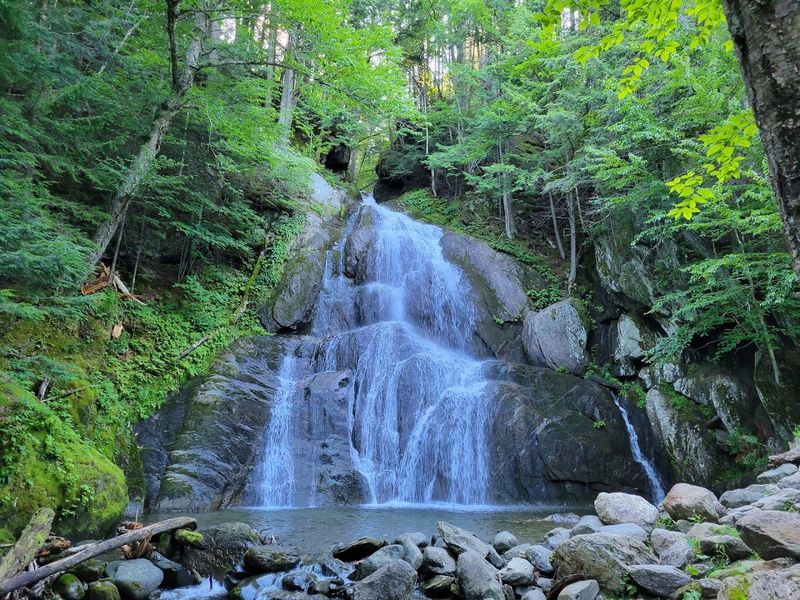
The Granville Gulf section of Route 100 is one of those places where Vermont really shows off. The road threads through a narrow gorge with steep forested walls rising sharply on both sides.
It feels less like a highway and more like driving through the bottom of a canyon.
Moss Glen Falls is the crown jewel of this stretch, and it sits just steps from the road. You park, walk about thirty seconds, and you are standing in front of a gorgeous waterfall crashing down a mossy cliff face.
It is free, it is stunning, and almost nobody outside Vermont knows about it.
The Granville Gulf Reservation protects this corridor, which is why it still looks so wild and untouched. No development, no billboards, just forest and rock and water.
That level of preservation is rare even by Vermont standards.
The road narrows noticeably through the gulf section, and the speed limit drops. That slower pace is a gift because it forces you to actually look at what is around you.
Take full advantage of it and resist the urge to rush through.
Fall colors in the Gulf are extraordinary because the steep walls create this enclosed bowl of color. Reds and yellows reflect off the cliffs and the stream below.
It creates a saturated, almost painterly effect that photographers absolutely chase every October.
This section of Route 100 is also part of a longer north-south drive through Vermont that takes two to three days to fully enjoy. Start here and build your itinerary outward.
6. Route 100 North (Lowell Scenic Corridor)
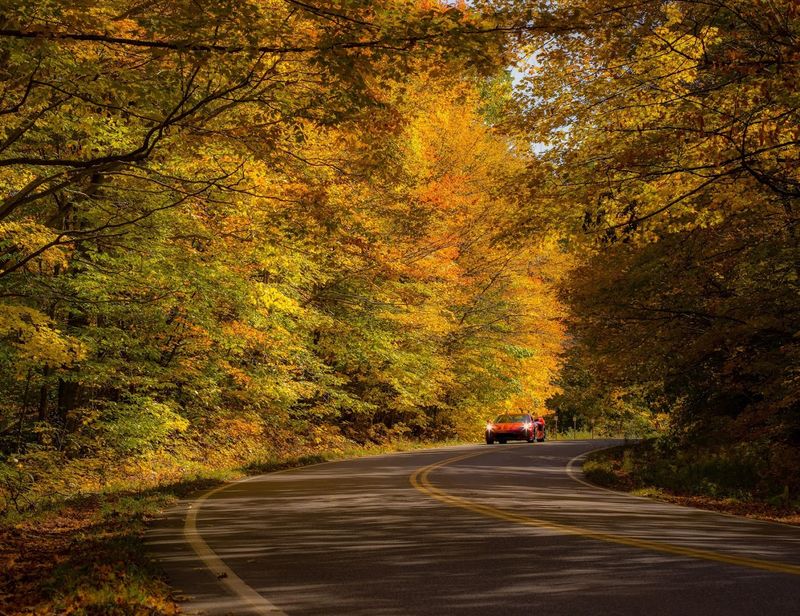
Route 100 North through the Lowell Scenic Corridor is Vermont at its most honest and unhurried. This stretch runs through the Northeast Kingdom, which is basically Vermont’s best-kept secret.
The landscape opens up into wide views of agricultural valleys and distant ridgelines that feel endless.
The Northeast Kingdom has a reputation for being remote and rugged, and this drive delivers on both counts. Small farms dot the hillsides, and the towns along the way are genuinely tiny.
You will pass through places where the general store is also the post office and the social hub of the entire community.
Jay Peak looms in the background as you drive north, and its silhouette adds a dramatic anchor to the landscape. On clear days, you can see well into Quebec from the higher elevations along this corridor.
That cross-border view feels surprisingly exotic for a Vermont back road.
Wildlife in this part of Vermont is abundant and relatively unbothered by human traffic. Moose sightings are genuinely common, especially near wetlands and streams in the early morning.
Pull over slowly if you spot one because they are breathtaking up close.
The light in this region has a quality that photographers describe as golden and wide. The open terrain means sunrises and sunsets paint the whole sky without obstruction.
Plan a dawn drive here at least once, and you will understand why people move to Vermont and never leave.
Route 100 North is best explored at a leisurely pace with no fixed schedule. Stop whenever something catches your eye.
7. Wilmington Lookout Drive
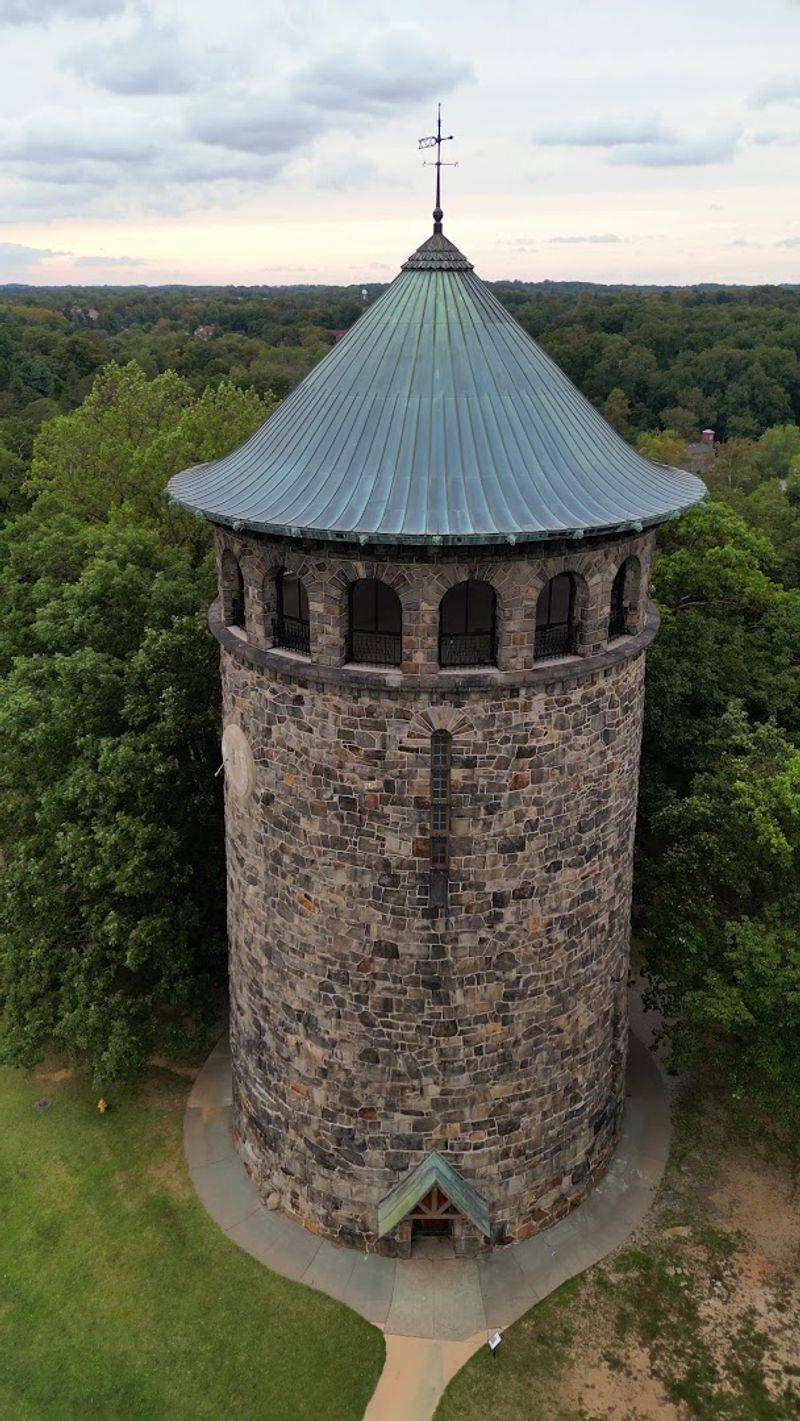
This drive is the kind of road that rewards the curious and punishes the people who only stick to the main highways.
Spruce Grove Road climbs above the town of Wilmington and delivers views that honestly feel disproportionately grand for such a quiet little route.
You earn those views with a bit of winding uphill effort.
Wilmington itself is a charming southern Vermont town with a creative, artsy personality. The surrounding hills have been drawing painters, photographers, and nature lovers for generations.
That energy carries right into the drive itself, which feels curated by someone who really loves Vermont.
The lookout points along this corridor give you sweeping views of the Green Mountains spreading out to the north and west. On clear days, the visibility is remarkable, stretching across ridgeline after ridgeline.
Bring binoculars if you have them, because the detail at a distance is worth exploring.
Mount Snow is visible from certain points along this drive, which gives the landscape a recognizable anchor. Seeing a ski mountain from a road-level perspective in summer is oddly beautiful.
The trails look like thin green ribbons draped over the hillside.
Fall colors here arrive a little later than in northern Vermont, usually peaking in mid to late October. That timing actually works in your favor if you miss the early foliage window further north.
Southern Vermont gives you a second chance at peak color without backtracking.
This drive pairs perfectly with a stop in downtown Wilmington for local food and browsing the small shops along the main street.