
12 Beautiful Waterfalls Hidden Away In Tennessee’s Wilderness
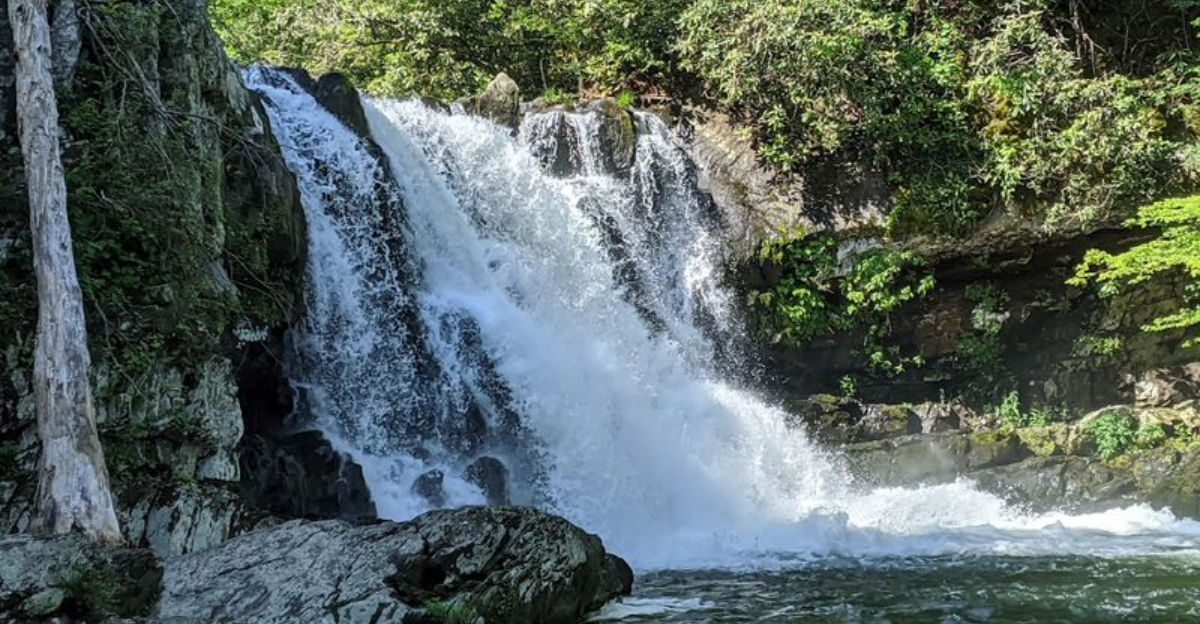
Water crashes through Tennessee in ways that stop you mid-step and make you look twice. One moment you’re winding along a quiet trail, the next you’re standing in front of a towering cascade echoing through the trees.
Some are loud and powerful. Others slip gently over rock, almost whispering.
What they all share is a sense of discovery that feels personal, like you’ve stumbled onto something special. Tennessee’s wilderness holds more of these scenes than most people realize, and each one offers its own kind of reward for making the journey.
1. Virgin Falls, Sparta
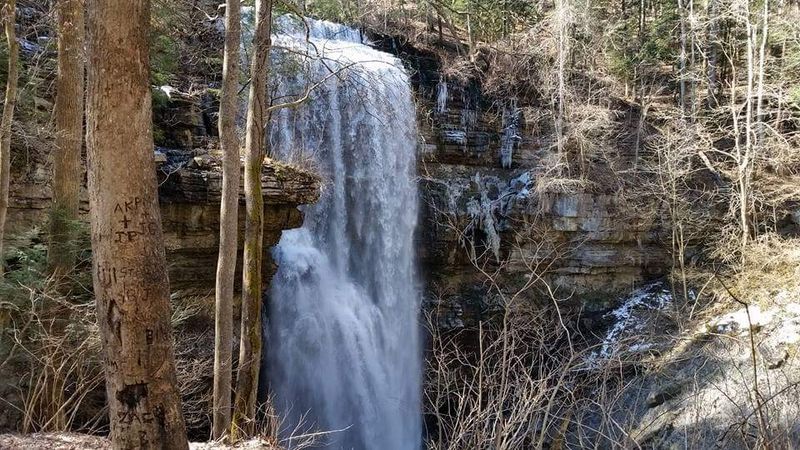
Water that appears out of nowhere and vanishes just as mysteriously sounds like something from a fantasy novel, but Virgin Falls near Sparta makes it real. The waterfall emerges straight from a cave, drops more than 110 feet, and then disappears into another cave at the bottom of the gorge.
The hike to reach it is no casual stroll. Expect around 8 miles round trip through rugged terrain in the Virgin Falls State Natural Area, with elevation changes that will genuinely test your legs.
Sturdy hiking boots and plenty of water are non-negotiable here.
Because the trail is demanding, the crowds stay thin, which means you often get the falls nearly to yourself. The surrounding forest feels ancient and undisturbed, adding to the sense that you have stumbled onto something truly rare.
Spring brings the fullest flow, when snowmelt and rain push the water into a roaring cascade. If you only tackle one challenging waterfall hike in Tennessee, this is the one worth every step.
2. Machine Falls, Tullahoma
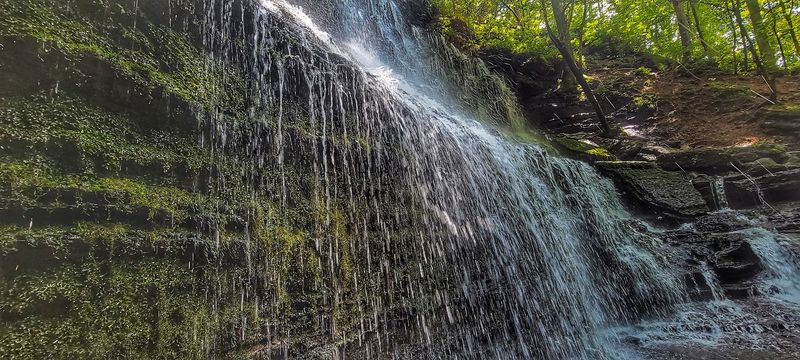
Short Springs Natural Area near Tullahoma quietly holds one of the most photogenic waterfalls in the state, and most people outside the region have never heard of it. Machine Falls flows over broad, mossy rock ledges in smooth sheets before collecting in a peaceful pool below.
The hike in is refreshingly short, making it a solid choice for families or anyone who wants a rewarding payoff without a grueling trail. The path winds through second-growth forest that feels wonderfully thick and cool, even on warm summer days.
What makes Machine Falls stand out is its texture. The water does not simply drop straight down but fans out across layered stone, creating a wide, curtain-like effect that catches light beautifully in the morning hours.
Photographers especially love the soft, even lighting here.
The natural area also contains other small falls nearby, so an adventurous visitor can turn this into a half-day of waterfall hopping. Parking is limited, so arriving early on weekends is a smart move if you want a calm, crowd-free experience.
3. Piney Falls, Grandview
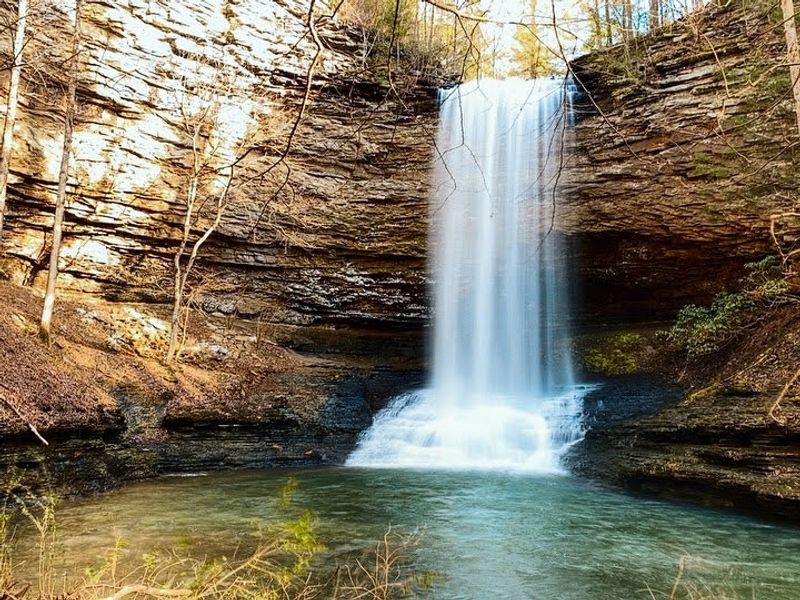
Standing at the overlook above Piney Falls, you get a view that feels almost cinematic. The water launches off a rocky ledge and plunges into a deep, shadowed gorge, with the mist rising back up like a slow exhale.
Piney Falls State Natural Area actually features two separate cascades, each stretching more than 80 feet tall. The upper and lower falls are both accessible via moderate trails, and the contrast between them gives the area a layered, exploratory quality that keeps the hike interesting from start to finish.
Visitor numbers here stay well below those of more famous Tennessee waterfalls, which is one of the best reasons to make the trip. You are unlikely to share the trail with large groups, and the quiet amplifies the sound of rushing water in a way that feels almost meditative.
Fall is a particularly striking time to visit, when the surrounding hardwood trees turn gold and amber around the gorge. Bring a light jacket for the cool air near the base, and take your time soaking in the view.
4. Adams Falls, Tullahoma
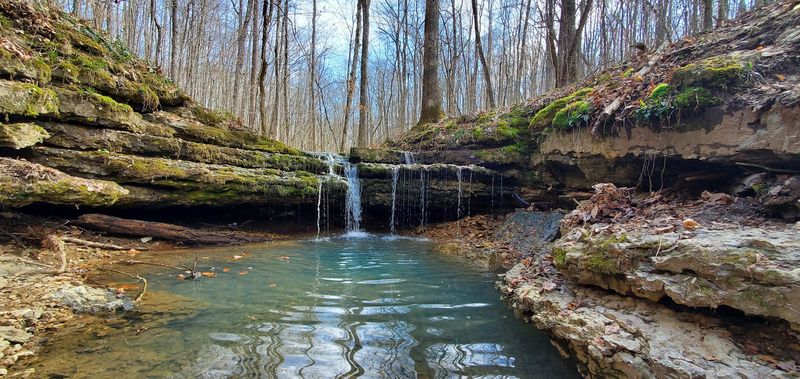
Adams Falls does not overpower you with height or volume, but it earns its place through pure charm.
The trail to reach it is easy and well-maintained, making it an ideal outing for families with younger kids or anyone looking for a relaxed afternoon in the woods. The path follows a peaceful creek corridor under a canopy of mature hardwoods that keeps the temperature comfortable even in summer.
The falls often feel like a bonus discovery rather than the main event. That low-key status is actually part of its appeal.
You can linger at the water’s edge without anyone rushing you along.
The park also has picnic areas and a small lake, so this trip works well as a full half-day outing.
5. Laurel Falls, Hampton
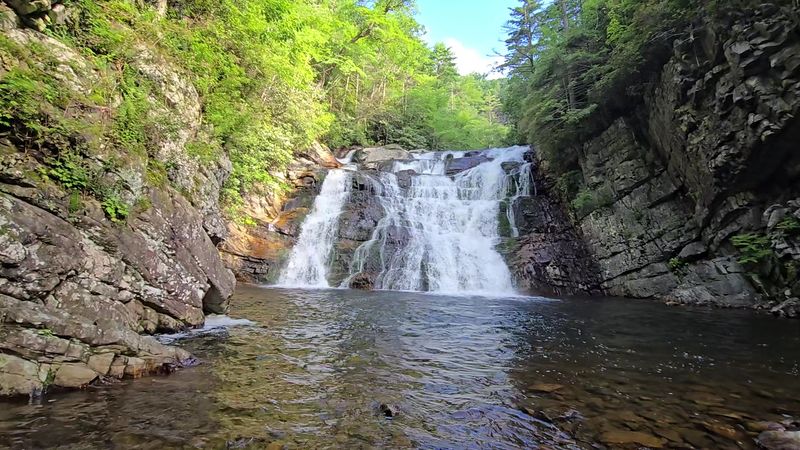
Along the Appalachian Trail near Hampton Laurel Falls spreads wide across a series of rocky ledges, tumbling downward in a multi-tiered cascade that feels almost theatrical in its scale. Unlike the single dramatic drops found elsewhere in the state, this one unfolds in stages.
The falls sit within the Cherokee National Forest, and the surrounding landscape reflects that wilderness quality. Old-growth trees press in close to the trail, and the sound of the water builds gradually as you approach, which adds a nice sense of anticipation to the hike.
Despite its beauty, Laurel Falls sees far fewer visitors than many waterfalls in the nearby Smokies, largely because the trail is not paved and the route requires a bit more effort. That relative quiet is a genuine gift for hikers who want to experience a waterfall without the backdrop of a crowd.
Late spring is arguably the best time to visit, when the surrounding rhododendrons burst into bloom and frame the falls in pink and purple. The combination of rushing water and flowering trees creates a scene that is genuinely hard to forget.
6. Ozone Falls, Ozone
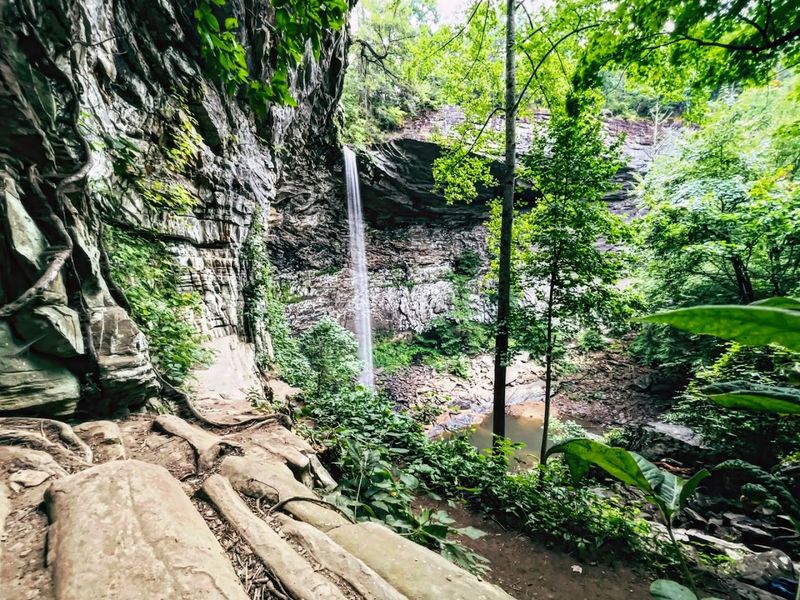
Right off Highway 70 in Cumberland County near the small community of Ozone, a waterfall drops 110 feet into a wide plunge pool with the kind of raw drama that makes you stop mid-sentence. The fact that it sits so close to the road makes the wildness of it feel almost absurd.
A short, easy trail leads down to the base of the falls, where the sandstone walls of the surrounding gorge rise dramatically on both sides. The acoustics down there are something else entirely.
The roar of the water bouncing off those stone walls creates a full-body experience that photographs simply cannot capture.
Swimming in the pool below is popular during warmer months, though the current near the base of the falls can be strong after heavy rain. Always check conditions before wading in, and keep a safe distance from the direct fall zone.
Because the hike is short and the location is roadside, Ozone Falls attracts a broad range of visitors from families to serious waterfall chasers. Getting there early on summer weekends makes a real difference in how peaceful your visit feels.
7. Cummins Falls, Cookeville
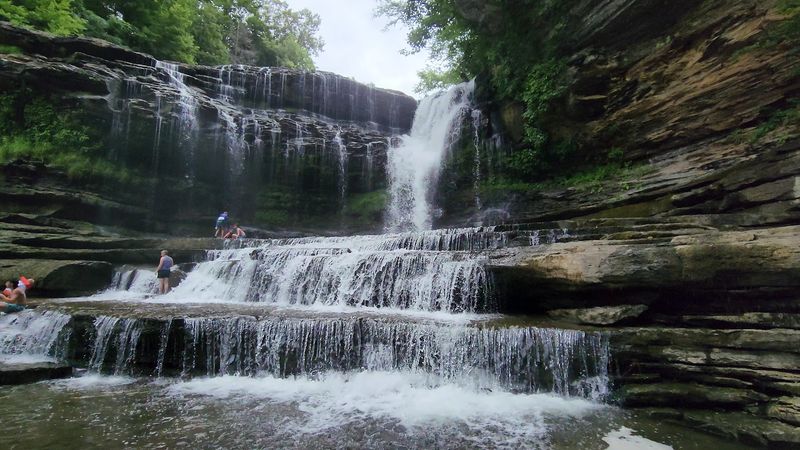
Few waterfalls in Tennessee pack as much raw energy into a single scene as Cummins Falls, located in Cummins Falls State Park near Cookeville. The 75-foot cascade drops into a natural swimming hole that is genuinely one of the most inviting spots in the entire state on a hot July afternoon.
Getting there involves more than just walking a flat trail. The gorge approach requires hikers to wade through the creek itself, stepping over rocks and navigating shallow water crossings.
It sounds like an obstacle, but most visitors end up describing it as one of the highlights of the trip.
The swimming hole at the base of the falls is a natural gathering point, and on busy summer days it earns its popularity. However, the gorge also has quieter pockets upstream where you can find a flat rock, sit with your feet in the water, and simply listen.
Entry to the gorge requires a permit during peak season, which helps manage the number of people and keeps the experience from feeling too crowded. Book your permit ahead of time online to avoid disappointment on arrival.
8. Fall Creek Falls, Spencer
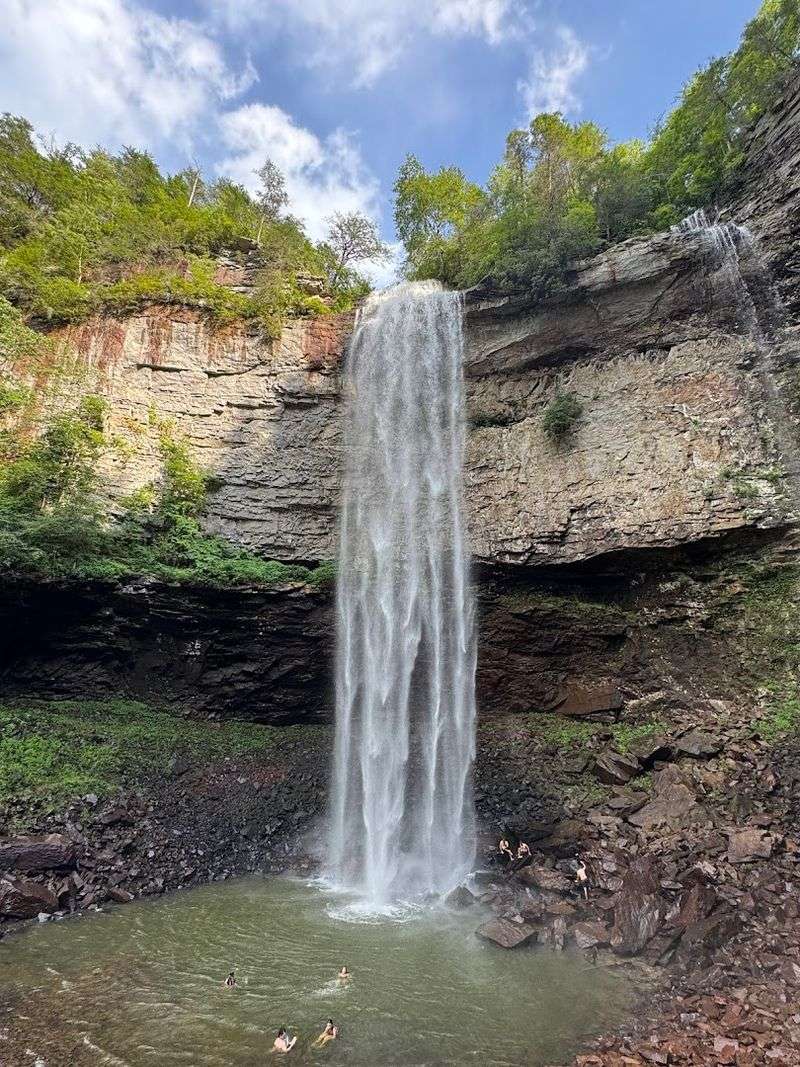
At 256 feet, Fall Creek Falls near Spencer holds the title of one of the tallest waterfalls in the entire eastern United States, and standing at the overlook for the first time is one of those genuinely jaw-dropping moments that travel bloggers struggle to describe with words alone.
Fall Creek Falls State Park surrounding the falls is large and well-developed, with lodging, a golf course, and miles of hiking trails. That infrastructure draws plenty of visitors to the main overlook, but the park’s trail network is extensive enough that patient explorers can find genuinely quiet corners away from the busiest spots.
The gorge trail that descends to the base of the falls offers a completely different perspective. Down at creek level, the scale of the drop becomes even more impressive, and the mist keeps the air noticeably cooler than the surrounding forest above.
Nearby Coon Creek Falls and Piney Creek Falls are also within the park and worth adding to your itinerary. A full day here moves quickly, and most visitors leave wishing they had planned for two.
9. Greeter Falls, Altamont
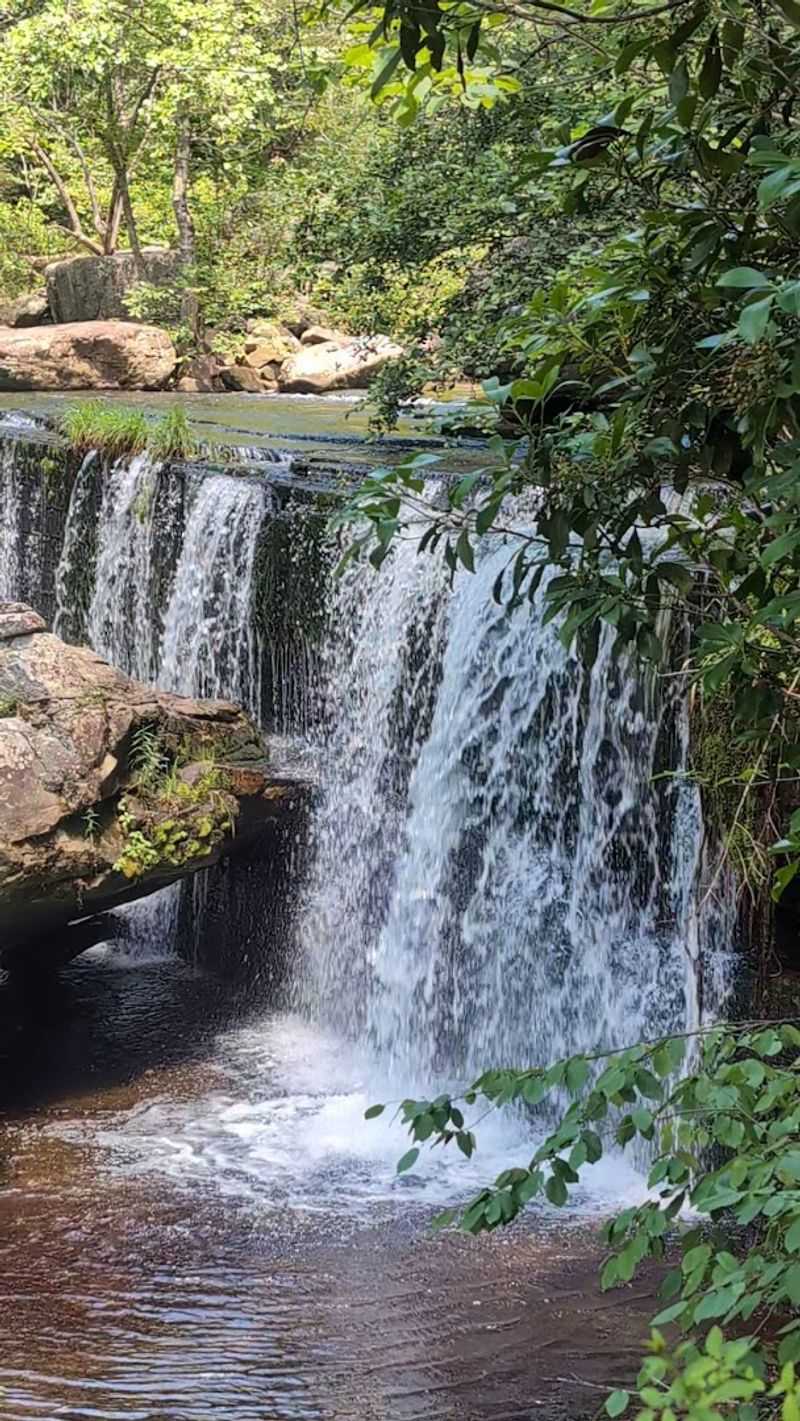
The descent to Greeter Falls near Altamont feels like walking down into another world. A long wooden staircase carries you into the gorge of the Savage Gulf State Natural Area, and with each step the air gets cooler and the sound of falling water gets louder.
The falls themselves come in two tiers. The upper cascade drops about 15 feet into a clear pool, and then the water continues to the lower falls, which plunge 50 feet into a stunning blue-green basin that looks almost too vivid to be real.
On bright days, the color of that pool is genuinely remarkable.
Swimming is a popular activity here, and the lower pool is deep enough to be a favorite for those who want to cool off after the hike down. The surrounding canyon walls add a sense of enclosure that makes the spot feel private and remote, even when a few other hikers are present.
The trail back up the staircase is a workout, but the payoff is more than worth the burning legs. Greeter Falls is one of those places that earns a spot on your Tennessee waterfall list the moment you see it.
10. Burgess Falls, Sparta
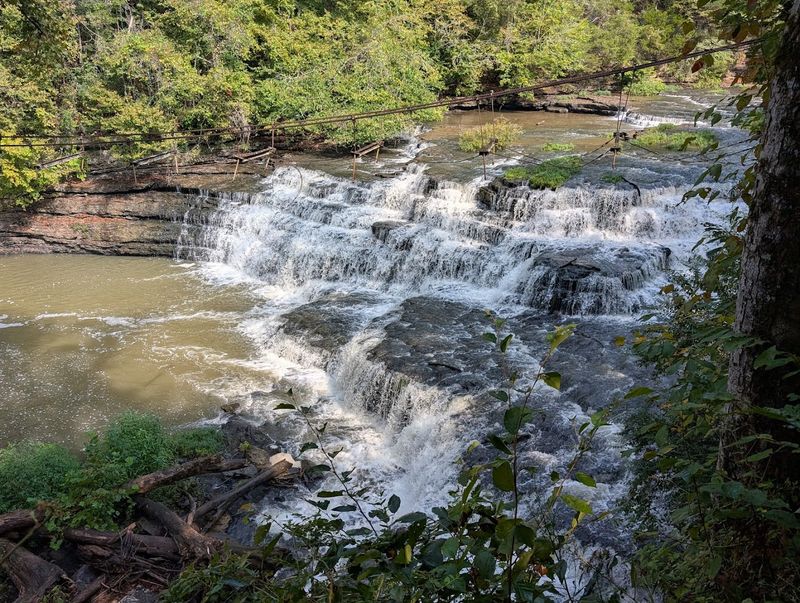
Burgess Falls State Park near Sparta builds suspense like a well-crafted story. The trail along the Falling Water River takes you past a series of smaller cascades, each one more impressive than the last, until you arrive at the main falls, which drop 136 feet in a thundering finale.
Most casual visitors admire the falls from the overlook platforms, which provide excellent views without much effort. But the trail continues past those platforms and gets progressively quieter, rewarding hikers who push a little further with solitary views and the sensation of having the gorge almost entirely to themselves.
The river corridor here is genuinely beautiful at any time of year. Spring brings high water and dramatic flow, summer offers green canopy shade, and fall turns the surrounding hillsides into a patchwork of orange and red that reflects in the river pools below.
Trail conditions can be slippery near the base of the main falls, so waterproof hiking boots are a practical choice rather than an optional luxury. The park is free to enter and well-maintained, making it one of the most accessible big-waterfall experiences in all of Tennessee.
11. Abrams Falls, Great Smoky Mountains
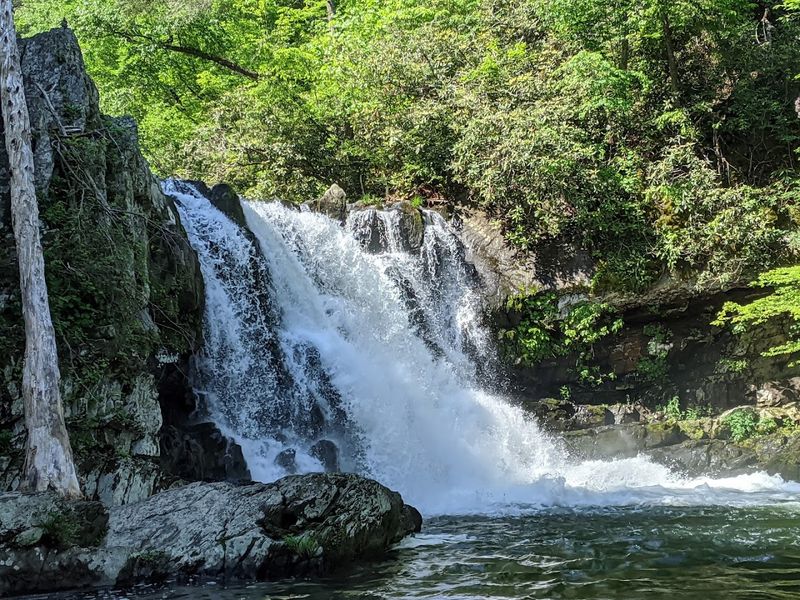
Height is not everything when it comes to waterfalls, and Abrams Falls in Great Smoky Mountains National Park proves that point with authority. Standing only 20 feet tall, it compensates with sheer volume and force, pushing an enormous amount of water into a wide, boulder-lined pool that churns and foams with constant energy.
The hike begins near Cades Cove, one of the most scenic valleys in the entire park, and follows Abrams Creek for about 2.5 miles each way. The trail passes through a mix of forest types, crosses footbridges, and offers occasional creek views that make the walk feel varied and engaging throughout.
The pool at the base of the falls is large and dramatic, but swimming here is strongly discouraged due to the powerful undercurrents created by the volume of water. Several serious incidents have occurred here, so admiring from the rocky banks is the smart and recommended approach.
Wildlife sightings along this trail are more common than on many Smokies routes, thanks to the proximity to Cades Cove. White-tailed deer, wild turkeys, and even black bears have been spotted by observant hikers making their way through this corridor.
12. Twin Falls, Rock Island
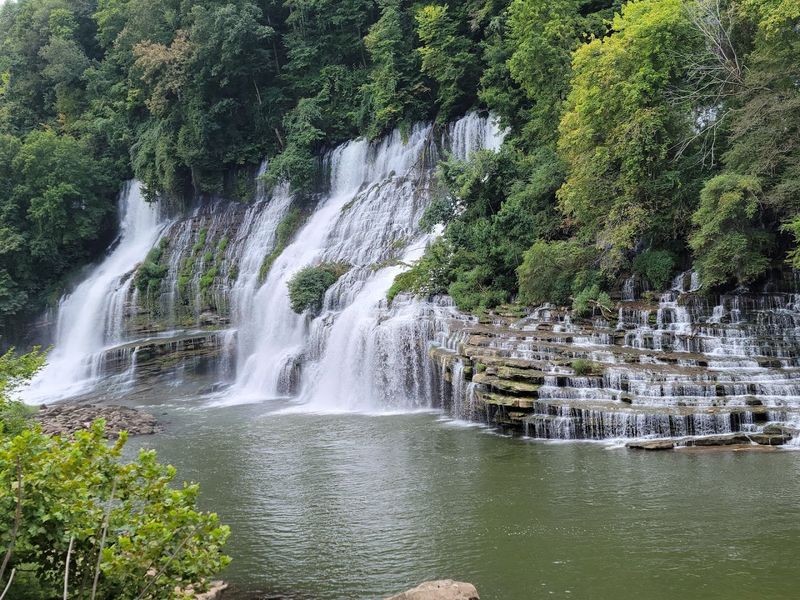
There is something genuinely surreal about Twin Falls at Rock Island State Park in Tennessee. Two parallel streams of water drop side by side into the same rugged gorge, created not purely by natural forces but by the overflow of the Great Falls Dam on the Caney Fork River.
The result looks almost engineered by an artist.
Rock Island State Park sits near the town of Rock Island, and the falls are one of several striking water features in the area. The gorge here is dramatic and photogenic, with exposed rock walls and swift-moving water that photographers and outdoor enthusiasts return to repeatedly across different seasons.
Because the twin falls depend partly on dam release schedules, the flow can vary significantly from one visit to the next. Checking with the park before your visit gives you a better chance of arriving when the water is running at its most impressive volume.
The park also offers beach access, camping, and kayaking, making it a versatile destination for a full weekend trip rather than just a quick waterfall stop. Twin Falls tends to be underappreciated compared to other Tennessee sites, which means you often get it in peaceful, unhurried quiet.