
14 Best Hidden Travel Spots In The Florida Keys You Should Know About
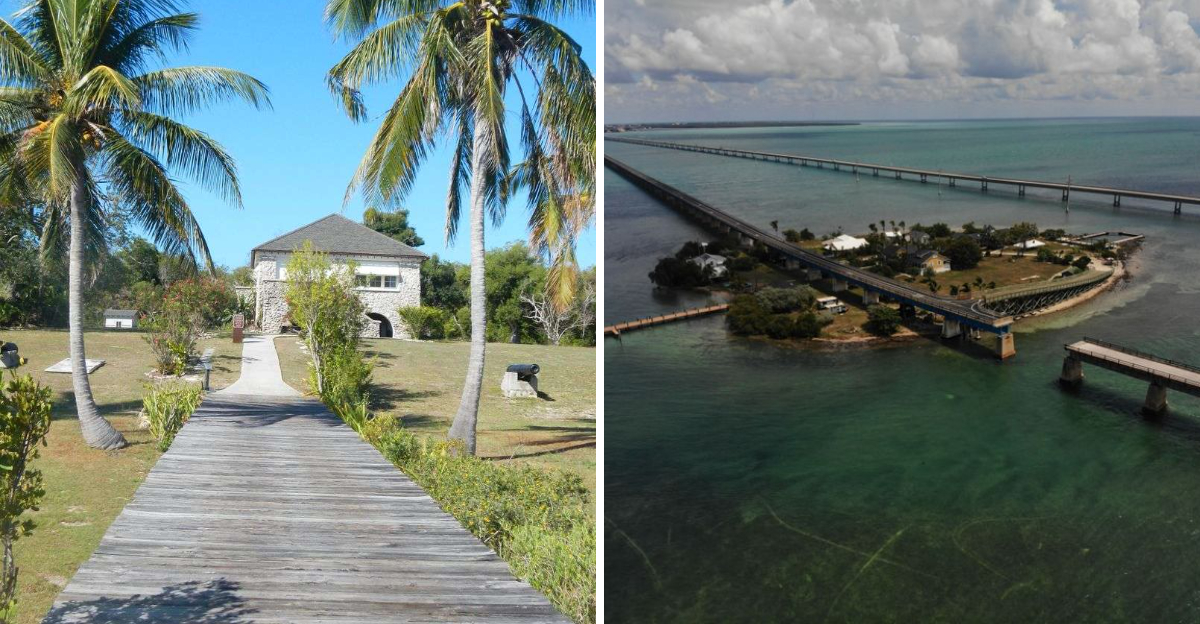
Most people think the Florida Keys are just about Key West’s crowded bars and tourist traps, but I’m here to tell you there’s so much more waiting beneath the surface.
Scattered across this island chain are secret beaches, forgotten historical sites, and nature preserves that most visitors zoom right past on their way to the next Instagram hotspot.
I’ve spent years exploring these turquoise waters and sun-soaked islands, and I’m excited to share the hidden corners that make this place truly magical.
1. Bahia Honda State Park
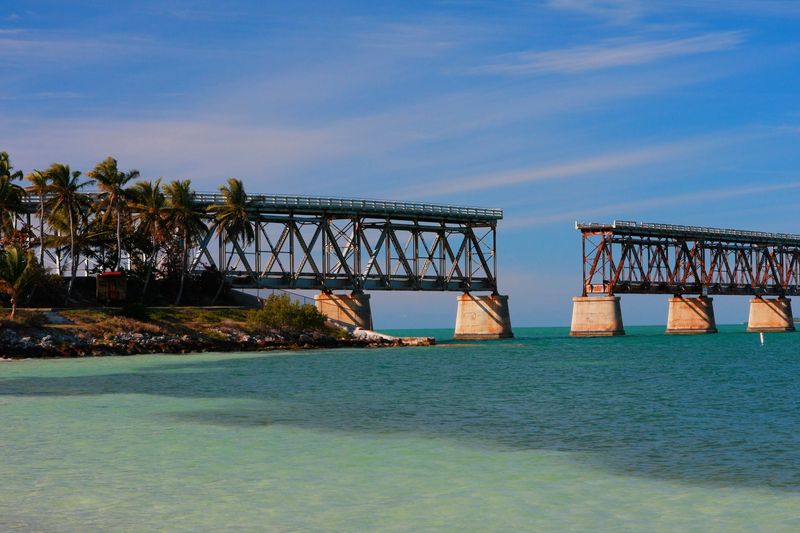
Tucked away on Big Pine Key, this slice of paradise boasts some of the most stunning natural beaches in all of Florida.
White sand stretches along crystal-clear waters that shift from pale aqua to deep turquoise depending on the depth.
The old railroad bridge looming overhead adds a touch of history to your beach day, creating perfect photo opportunities against the endless sky.
Snorkeling here reveals colorful fish darting through seagrass beds just offshore. Rent a kayak and paddle through mangrove tunnels where herons hunt in the shallows.
The camping spots fill up months in advance, so plan ahead if you want to wake up to sunrise over the Atlantic.
Nature trails wind through coastal hammocks where you might spot Key deer, the smallest subspecies of white-tailed deer in North America.
2. Dry Tortugas National Park
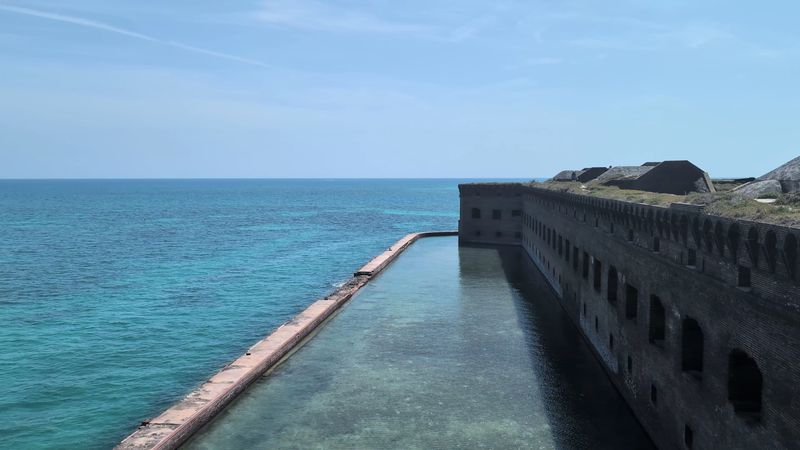
Seventy miles west of Key West lies a fortress rising from the sea like something out of a pirate movie.
Getting here requires either a seaplane ride or a ferry journey, which keeps the crowds manageable and the experience unforgettable.
Fort Jefferson’s massive brick walls have stood since the 1800s, once holding Dr. Samuel Mudd, who treated John Wilkes Booth’s broken leg. Walking through the empty corridors feels like stepping back in time.
The surrounding waters are ridiculously clear—we’re talking visibility up to 100 feet on good days.
Snorkeling around the moat walls brings you face-to-face with barracuda, sea turtles, and tropical fish in every color imaginable.
Bring your own food and plenty of water since there are no services once you arrive.
Camping overnight means you’ll have the fort practically to yourself after the day-trippers leave.
3. Fort Zachary Taylor Historic State Park
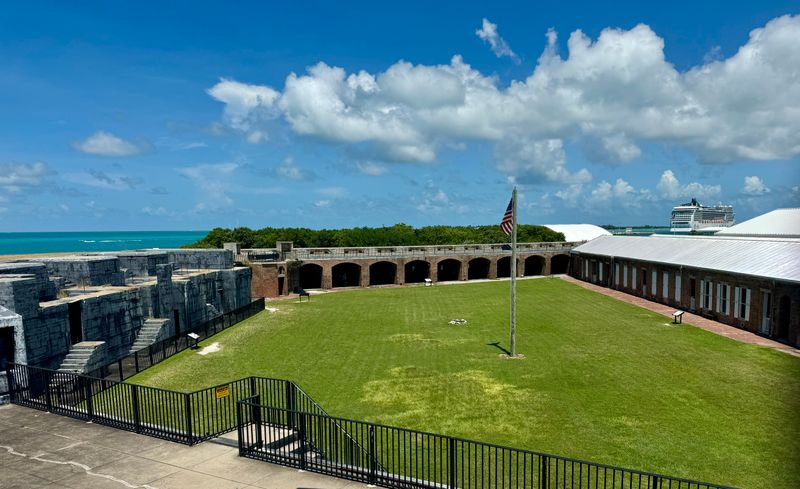
Right at the southern tip of Key West sits a beach that locals guard like a precious secret.
While tourists pile onto Smathers Beach, savvy travelers head here for calmer waters and way better snorkeling.
The rocky shoreline creates little pools and channels where tropical fish congregate, making every swim an underwater adventure.
The fort itself dates back to the Civil War and played roles in conflicts through World War II.
Guided tours reveal hidden ammunition rooms and offer spectacular views from the ramparts.
Pack water shoes because the shore can be rough on bare feet, but that’s exactly what keeps the sand-only crowd away.
Shade trees line the picnic areas, perfect for afternoon naps between snorkel sessions.
Arrive early on weekends because parking fills up fast despite being off most tourist radars.
4. John Pennekamp Coral Reef State Park
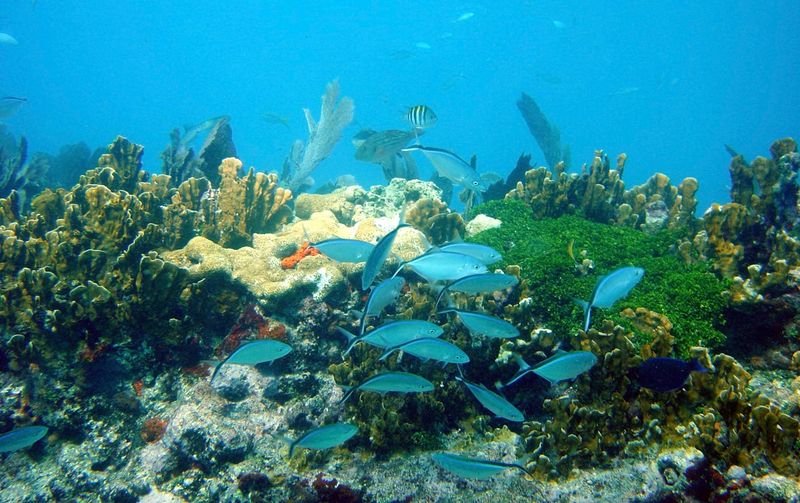
America’s first underwater park stretches for miles off Key Largo’s coast, protecting vibrant coral reefs that rival anything in the Caribbean.
Most visitors never make it past the visitor center, but those who venture out discover an aquatic wonderland.
Glass-bottom boat tours work great for non-swimmers, though I always recommend getting in the water yourself.
The Christ of the Abyss statue sits 25 feet down, arms raised toward the surface in a hauntingly beautiful pose.
Snorkel tours take you to shallow reefs where parrotfish crunch on coral and angelfish glide past like they own the place.
Kayak rentals let you explore mangrove trails at your own pace, paddling through narrow channels where baby sharks and rays hide.
The beaches here aren’t the best for sunbathing, but that’s not why you come.
5. Curry Hammock State Park
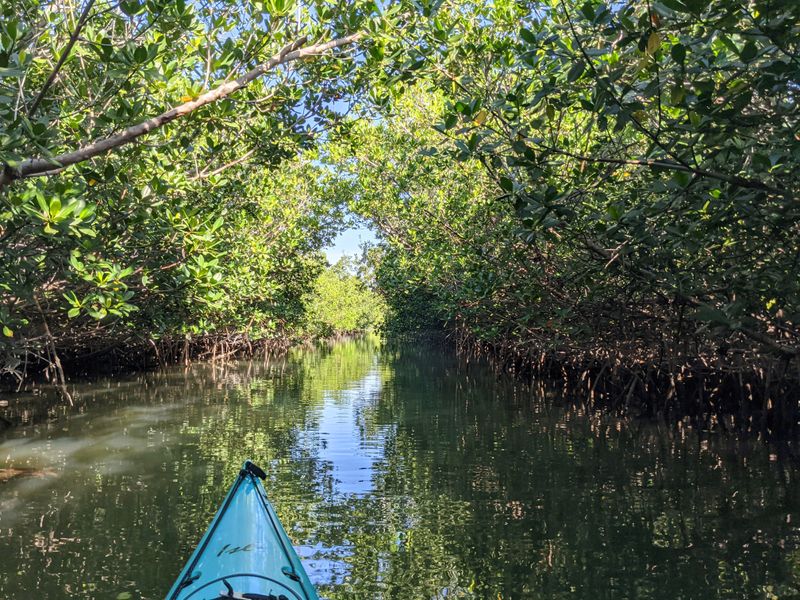
Between Marathon and Big Pine Key, this park flies completely under the radar despite offering some of the best paddling in the entire island chain.
Shallow seagrass flats stretch for what feels like forever, creating perfect conditions for stand-up paddleboarding and kayaking.
On windy days, kitesurfers take over the beach, their colorful kites dancing against blue skies.
The park protects one of the largest remaining rockland hammocks in the Keys, where rare tropical hardwoods grow in dense tangles.
Nature trails loop through this jungle-like environment where butterflies outnumber people on most days.
Camping here puts you right on the water with sunset views that’ll make you forget about your phone for a while.
The beach itself is narrow and rocky, but launching a kayak at sunrise to explore nearby mangrove islands makes up for any lack of sand.
6. Lignumvitae Key Botanical State Park
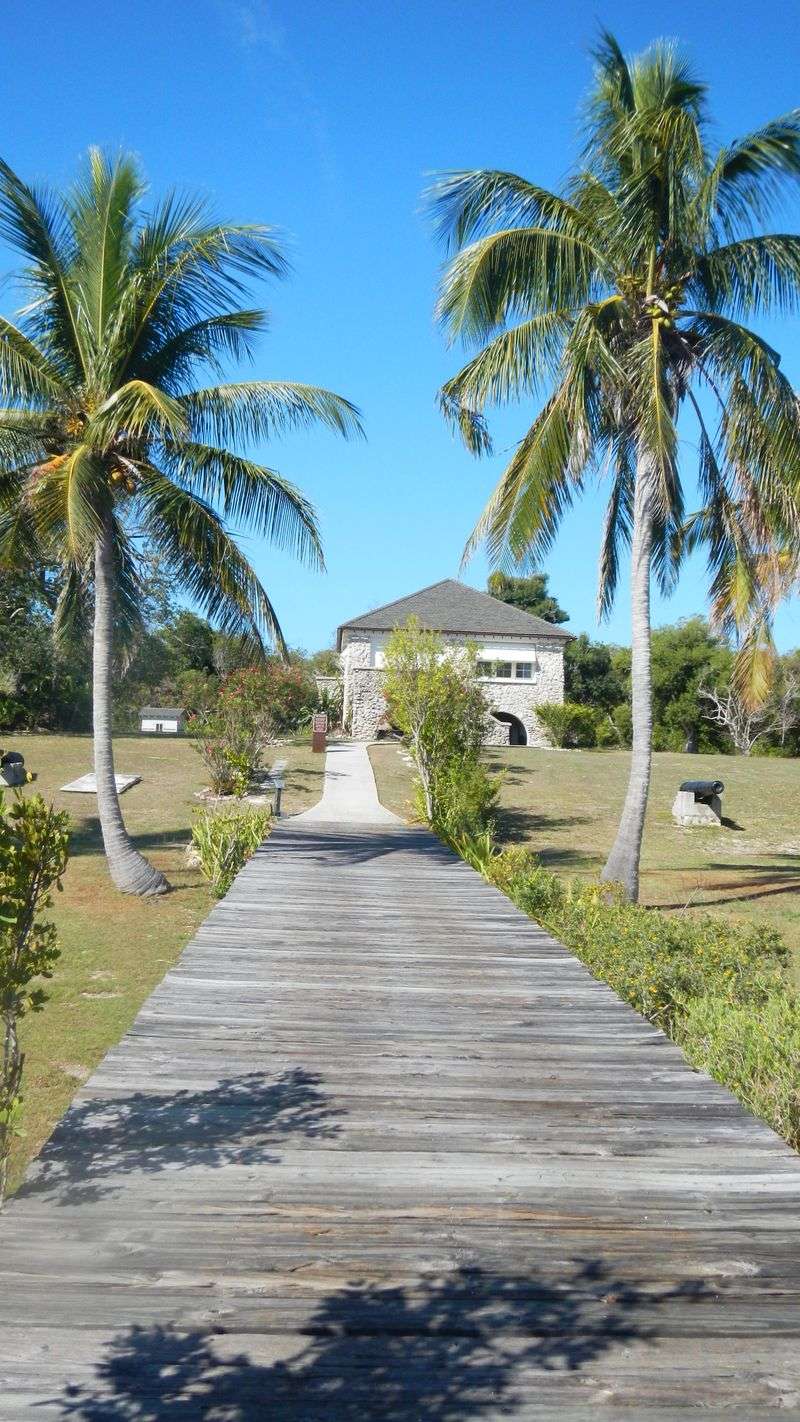
Accessible only by boat, this 280-acre island preserves what the Keys looked like before developers showed up with their bulldozers and grand plans.
Virgin tropical hardwood forest covers the island, creating a shaded canopy where rare plants thrive in the humid air.
The namesake lignum vitae trees produce beautiful blue flowers and wood so dense it actually sinks in water.
Ranger-led tours happen just twice daily Thursday through Monday, limiting visitor impact and ensuring an intimate experience.
The 1919 Matheson House stands as a testament to early Keys living, built from coral rock and Dade County pine.
Mosquitoes can be brutal here, so drench yourself in bug spray before stepping off the boat.
Private boaters can dock at the island, or you can arrange transport from Indian Key Fill.
This place feels wonderfully lost in time.
7. Indian Key Historic State Park
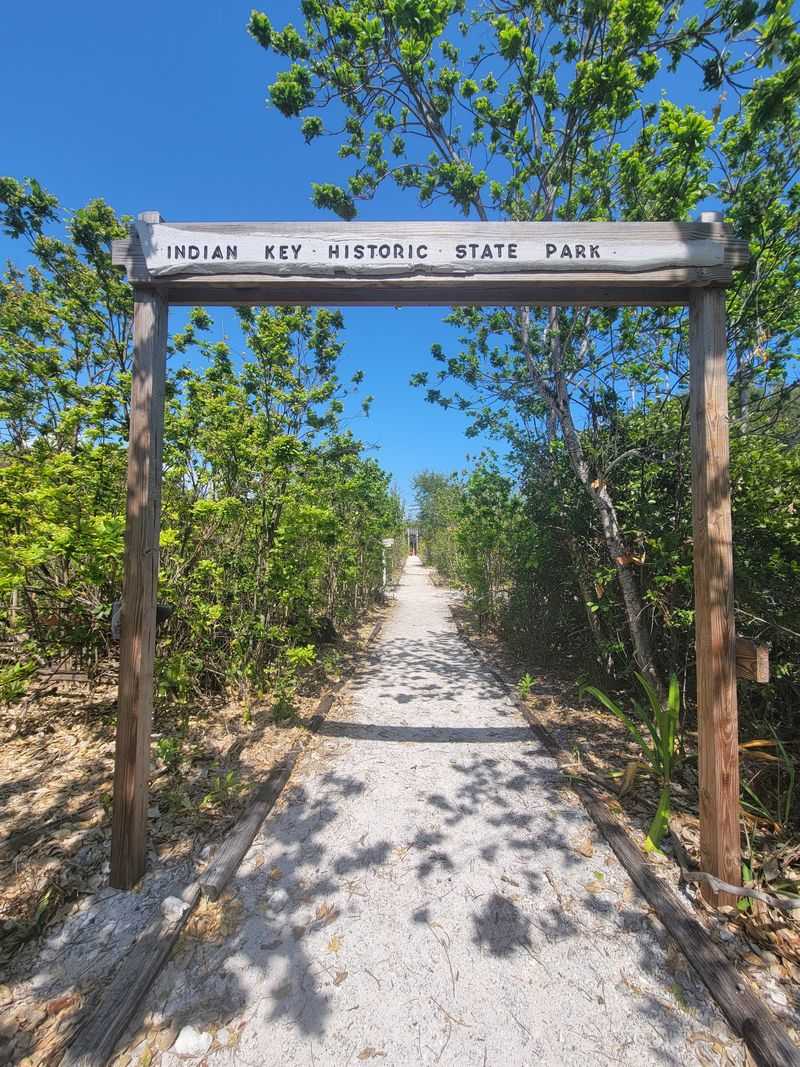
This ten-acre island once housed a thriving town of 40 to 50 residents before Seminole warriors attacked in 1840, ending its brief moment as a bustling trading post.
Today, crumbling foundation walls peek through tropical vegetation, telling stories of ambition and tragedy.
A short observation tower offers 360-degree views of the surrounding waters, where shipwrecks still lurk beneath the waves.
Walking the trails feels like exploring a jungle-covered ghost town where nature has reclaimed what humans built.
Dr. Henry Perrine died here during the raid, but not before introducing numerous tropical plants to Florida that still grow wild today.
The island sits just offshore from Islamorada, reachable by kayak, paddleboard, or private boat.
Pack everything you need because there are no facilities once you land.
Snorkeling around the island’s edges reveals surprising marine life in the shallow waters.
8. Windley Key Fossil Reef Geological State Park
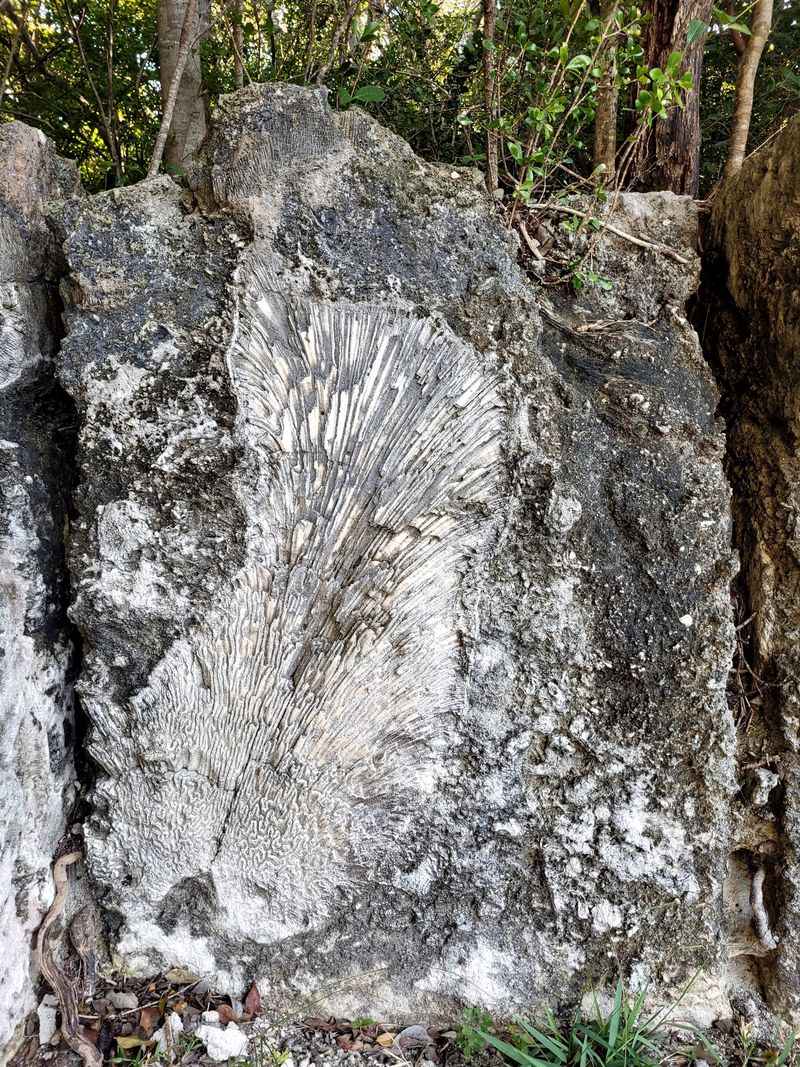
Ever wondered what the Keys looked like when they were still growing underwater thousands of years ago?
This former limestone quarry exposes ancient coral reef formations that once thrived beneath prehistoric seas.
Towering walls of fossilized coral create outdoor classrooms where you can actually touch 125,000-year-old brain coral and star coral frozen in stone.
The quarry operated from 1907 to 1969, cutting stone for Henry Flagler’s Overseas Railroad and various building projects throughout South Florida.
Self-guided trails wind past giant cutting machines left behind when operations ceased, now rusting peacefully among tropical plants.
Educational displays explain how these fossils formed and why the Keys exist at all. Bring a magnifying glass to examine tiny fossilized shells and marine creatures embedded in the rock faces.
It’s geology class but way more interesting than anything you experienced in school.
9. Pigeon Key
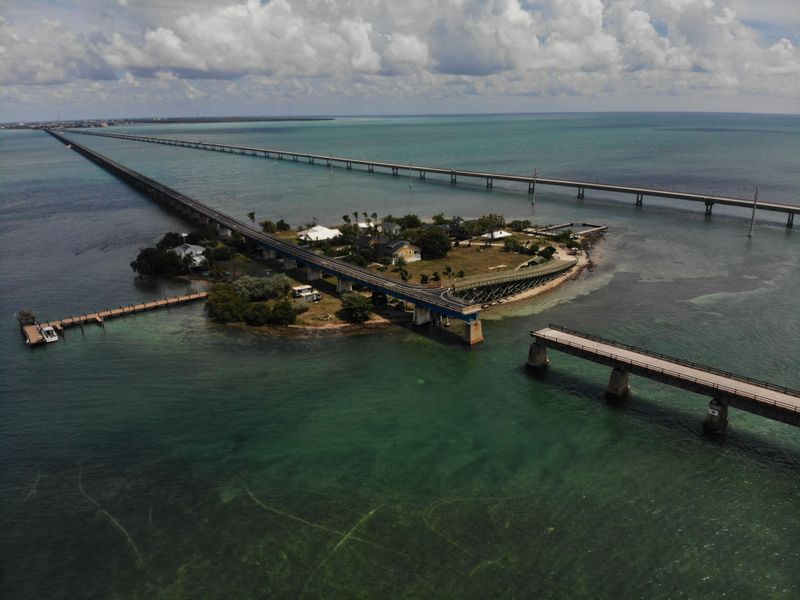
Nestled beneath the Old Seven Mile Bridge, this five-acre island served as a work camp for the railroad crews who built Flagler’s impossible dream of connecting the Keys to mainland Florida.
Restored buildings from the 1910s and 1920s now house a small museum and research center, offering glimpses into the harsh lives of the workers who labored in brutal heat and humidity.
You can walk or bike the two miles out on the old bridge, or take the ferry that runs from Marathon.
The island feels like it exists in its own peaceful bubble, surrounded by water in every shade of blue imaginable.
Snorkeling off the rocky shores reveals healthy coral patches and curious fish.
Educational programs focus on the railroad’s history and ongoing marine research conducted here.
Pack a picnic and spend the afternoon exploring every corner of this tiny time capsule.
10. History Of Diving Museum
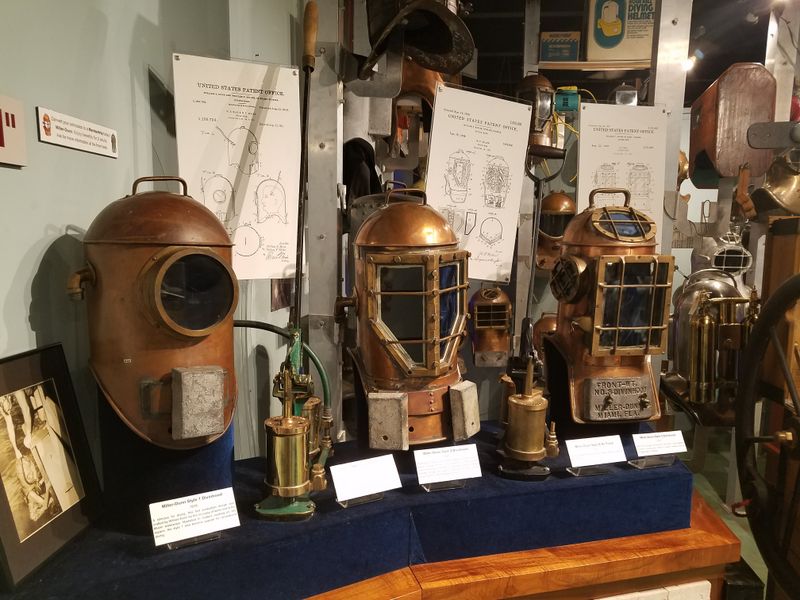
In Islamorada, this quirky museum celebrates humanity’s obsession with exploring what lies beneath the waves.
Vintage diving helmets line the walls like alien heads from science fiction movies, each representing a different era of underwater exploration.
Antique diving suits stand ready for adventures that happened decades ago, their heavy canvas and brass fittings reminding visitors how dangerous early diving really was.
Interactive exhibits let you try on replica helmets and experience the claustrophobic reality of early underwater work.
The collection spans from ancient breath-holding techniques to modern scuba gear, tracing how humans conquered the ocean depths.
Rare artifacts include equipment from famous shipwreck discoveries and military diving operations.
Kids especially love the treasure hunting exhibits showing real gold coins and artifacts recovered from sunken Spanish galleons.
Air conditioning provides blessed relief from the Keys heat while you explore.
11. Dolphin Research Center

On Grassy Key, this marine mammal facility focuses on research, education, and rescue rather than flashy circus-style shows.
Dolphins and sea lions live in spacious lagoons carved from natural seawater, participating in cognitive studies that reveal just how intelligent these creatures really are.
Interactive programs let you wade into the water for personal encounters, though spots book up weeks or months ahead during peak season.
The resident dolphins have personalities as distinct as any pet, from playful youngsters to dignified elders who’ve called this place home for decades.
Educational presentations explain ongoing research into dolphin communication and problem-solving abilities.
The center also rehabilitates injured marine mammals before releasing them back to the wild when possible.
Even if you don’t do a paid program, the general admission walkthrough offers plenty of viewing opportunities and informative talks throughout the day.
12. Theater Of The Sea
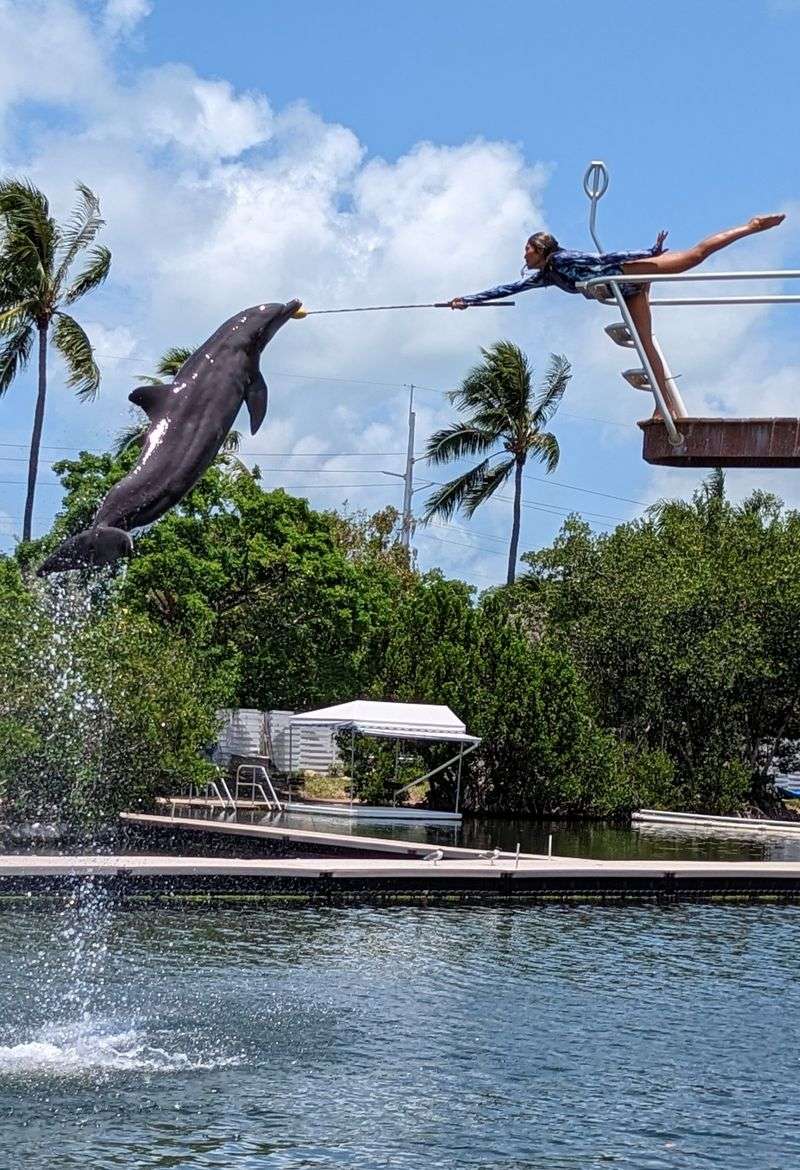
Operating since 1946, this family-run marine park claims the title of the world’s second-oldest facility of its kind.
Natural saltwater lagoons carved from ancient quarries create beautiful settings where dolphins, sea lions, and stingrays live and interact with visitors.
Unlike massive corporate marine parks, this place maintains an old-Florida charm that feels refreshingly low-key and personal.
Dolphin and sea lion shows happen throughout the day, emphasizing education about marine life rather than pure entertainment.
Swim programs let you get in the water with dolphins, sea lions, or rays, depending on your comfort level and budget.
The bottomless boat ride takes you through lagoons where you can feed tarpon and tropical fish.
Parrot shows add colorful entertainment between marine mammal presentations.
The shaded grounds make wandering between shows pleasant even during summer heat, with tropical plants creating a lush atmosphere throughout.
13. Crane Point Museum & Nature Center
Marathon’s 63-acre nature preserve protects the last remaining virgin thatch palm hammock in North America, making it a botanical treasure hiding in plain sight.
Elevated boardwalks wired through dense tropical forest where gumbo limbo trees twist toward the canopy and rare orchids bloom in the dappled shade.
The Museum of Natural History occupies a restored conch house, displaying artifacts from pre-Columbian peoples who lived here centuries before Europeans arrived.
A separate building houses wild bird rehabilitation facilities where injured birds recover before release.
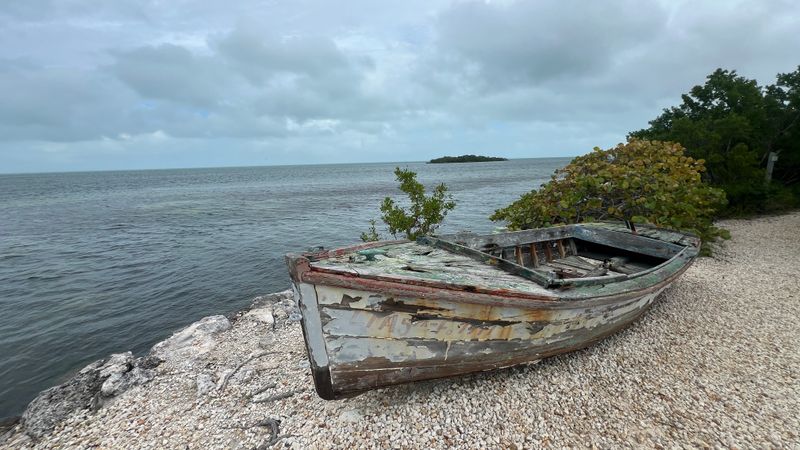
Historic structures dot the property, including a one-room schoolhouse and an old Cuban refugee boat that made the dangerous crossing from Cuba.
Kids love the nature center’s touch tanks and interactive displays about Keys ecology.
The gift shop sells locally made crafts and nature books worth browsing.
Plan at least two hours to properly explore everything this place offers.
14. Blue Hole Observation Platform
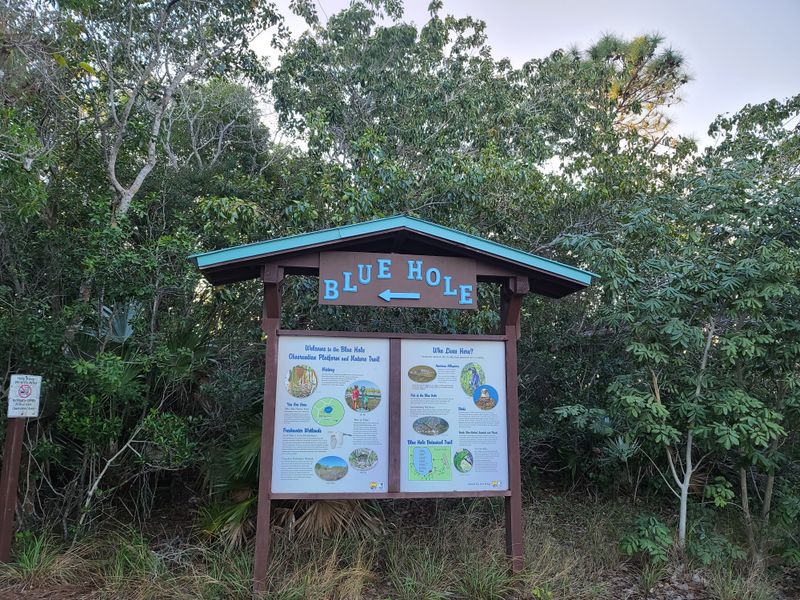
On Big Pine Key, an old limestone quarry filled with fresh water creating an unlikely home for alligators—yes, alligators in the Keys!
The observation platform lets you safely watch these prehistoric reptiles basking on the banks or gliding through the dark water like submarines.
Turtles, wading birds, and fish also inhabit this unexpected oasis surrounded by salt water and tropical vegetation.
The gators here are usually pretty chill, accustomed to curious humans peering down from above.
Bring binoculars for better views and to spot the various bird species that visit throughout the day.
The short trail to the platform passes through pine rockland habitat where endangered Key deer sometimes appear, especially early morning or late afternoon.
It’s a quick stop that takes maybe 20 minutes unless you get mesmerized watching the wildlife.
Absolutely free, which makes it even better for budget-conscious travelers exploring the Keys.