
11 Bird-Watching Hotspots In New York Every Local Should Be Visiting At Least Once
Binoculars up, noise down, and suddenly the smallest movements start to matter. A flick through the trees, a call you almost miss, a shape crossing the sky just long enough to catch your eye.
New York isn’t just busy streets and packed parks, it’s full of spots where birdwatching actually feels rewarding, and locals who know where to go aren’t giving those locations up easily.
Pick the right place and everything slows into focus. Trails stay quiet, wetlands open up, and the variety keeps you paying attention the whole time.
Some locations deliver big, obvious sightings, others reward patience, but all of them offer something worth showing up for. Go once and you’ll get it.
Go again and you’ll start noticing what you missed the first time.
1. Central Park
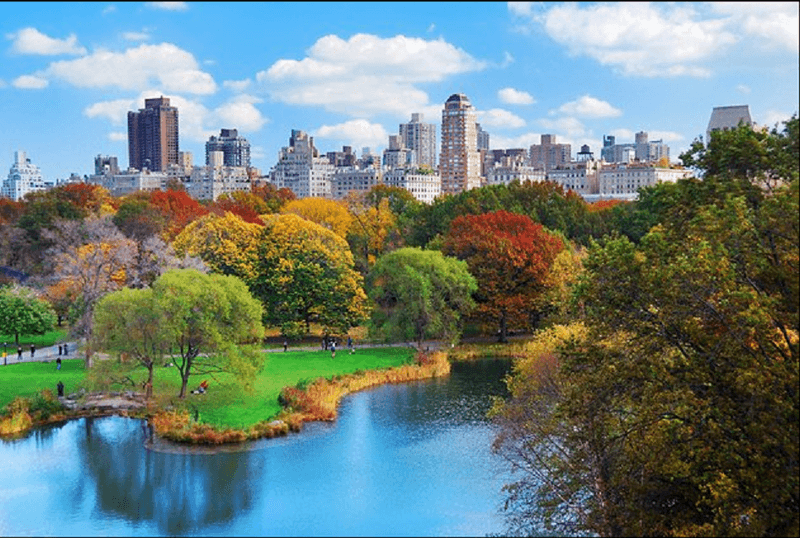
Right in the middle of Manhattan, Central Park pulls off something that should not be possible. Over 200 bird species have been spotted here, making it one of the most surprising urban birding spots in the entire country.
The park acts like a green magnet for birds flying along the Atlantic Flyway during spring and fall migration.
Head straight to the Ramble, a 36-acre woodland area inside the park that birders treat like sacred ground. You will find warblers, thrushes, and tanagers moving through the branches like they own the place.
The Jacqueline Kennedy Onassis Reservoir is another must-visit zone within the park, especially for waterfowl sightings.
Central Park sits at 830 Fifth Avenue, New York, NY 10065, and it is free to enter every single day. Early morning visits give you the best light and the least foot traffic.
Weekday mornings in May are basically a birder’s dream come true. Bring your field guide, wear comfortable shoes, and keep your phone on silent.
The birds here are not shy, but they do appreciate a quiet audience.
2. Jamaica Bay Wildlife Refuge
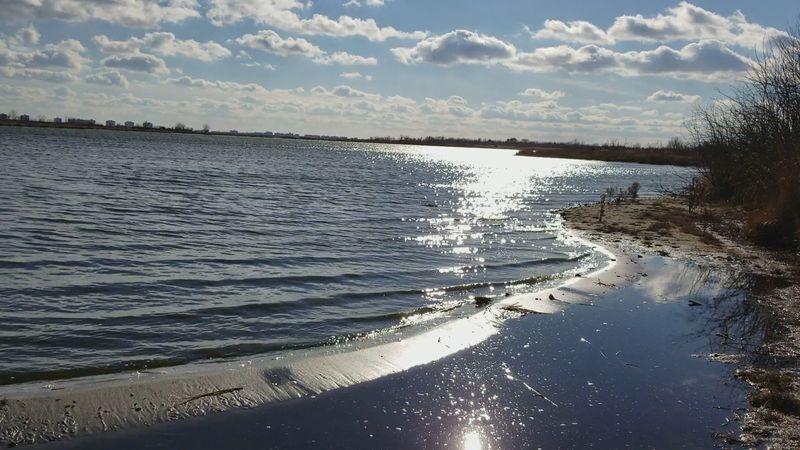
Very few places in New York can compete with Jamaica Bay Wildlife Refuge when it comes to sheer bird variety. Over 330 species have been recorded here, which is a number that makes even serious birders do a double take.
Located in Queens and managed by the National Park Service, this 9,000-acre refuge is one of the most productive birding spots on the entire East Coast.
The East and West Ponds are the star attractions. Shorebirds, wading birds, and waterfowl crowd the shorelines throughout the year.
You might spot a tricolored heron, a black-crowned night-heron, or even a glossy ibis on a good morning. Fall migration here is absolutely spectacular, with thousands of birds moving through in just a few short weeks.
The refuge entrance is located at Cross Bay Boulevard, Broad Channel, NY 11693. Admission is free, and the trails are open year-round from sunrise to sunset.
Bring bug spray during summer months because the marsh insects are relentless. A spotting scope will serve you well at the ponds.
Jamaica Bay proves that Queens has way more going on than most people give it credit for.
3. Adirondack Park
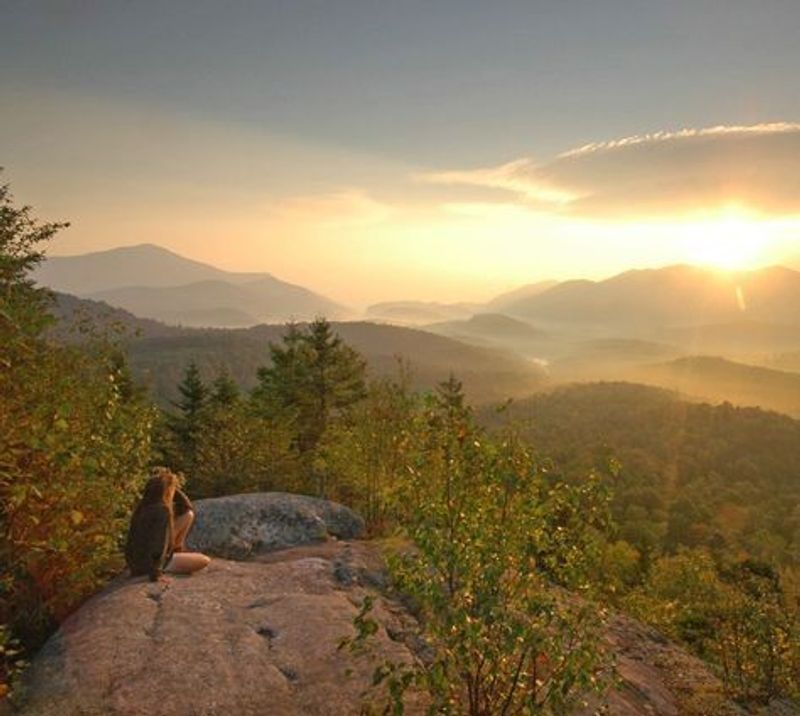
Covering over six million acres of upstate New York, Adirondack Park is the largest park in the contiguous United States. That size alone tells you that the birding here is on a completely different level.
Boreal species that you simply cannot find in most of the state call this place home year-round.
Look for the spruce grouse, black-backed woodpecker, and boreal chickadee deep in the conifer forests. The Bloomingdale Bog Trail near the town of Saranac Lake is a legendary spot among serious birders.
Palm warblers, Lincoln’s sparrows, and olive-sided flycatchers all show up here during the right seasons.
The park spans multiple counties, but a great starting point is the Adirondack Visitor Interpretive Center at 5922 NY-30, Paul Smiths, NY 12970. Entry to the park itself is free, though some specific attractions charge fees.
Spring and early summer bring the most active birding. The Jackrabbit Trail is another popular route that cuts through diverse habitat and rewards patient observers generously.
Pack layers because upstate mornings are cool even in June. Adirondack birding is not for the faint of heart, but every single trip is worth the effort.
4. Montezuma National Wildlife Refuge
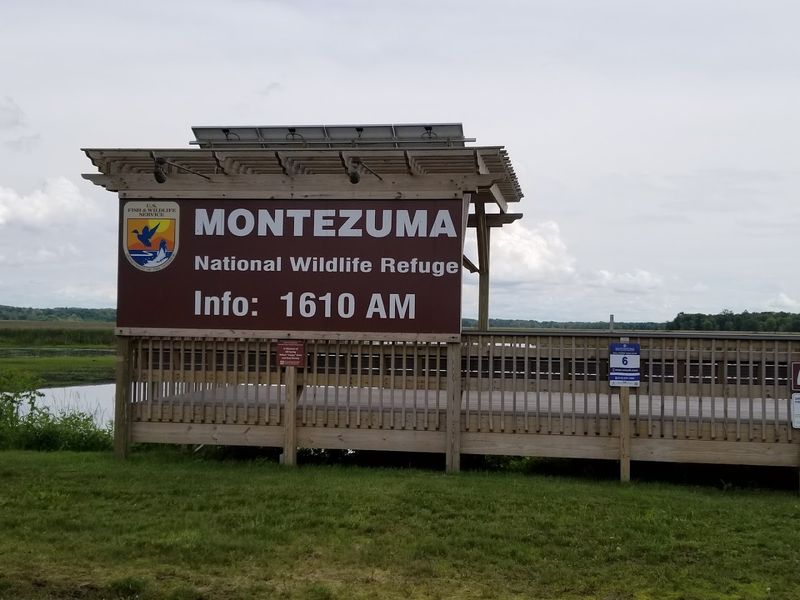
Sitting right between Rochester and Syracuse along the old Cayuga Lake basin, Montezuma National Wildlife Refuge is one of the most important stopover points for migratory birds in all of New York State. The wetlands here cover nearly 7,000 acres and attract an almost absurd number of birds every spring and fall.
Sandhill cranes, tundra swans, and snow geese have all been spotted passing through.
The Main Pool observation deck gives visitors a front-row seat to the action without having to hike a single step. Least bitterns, American bitterns, and marsh wrens breed in the cattail marshes during summer.
Bald eagles are also regular visitors, which never gets old no matter how many times you see one.
The refuge is located at 3395 US-20, Seneca Falls, NY 13148, and there is no entrance fee. The Wildlife Drive is a five-mile auto tour route that works brilliantly for birders who prefer to watch from their car.
Dawn and dusk visits during April and October offer peak activity. Montezuma does not get nearly enough credit from downstate birders, and that is honestly their loss.
Get on the Thruway and make the trip already.
5. Niagara Falls State Park And Tifft Nature Preserve
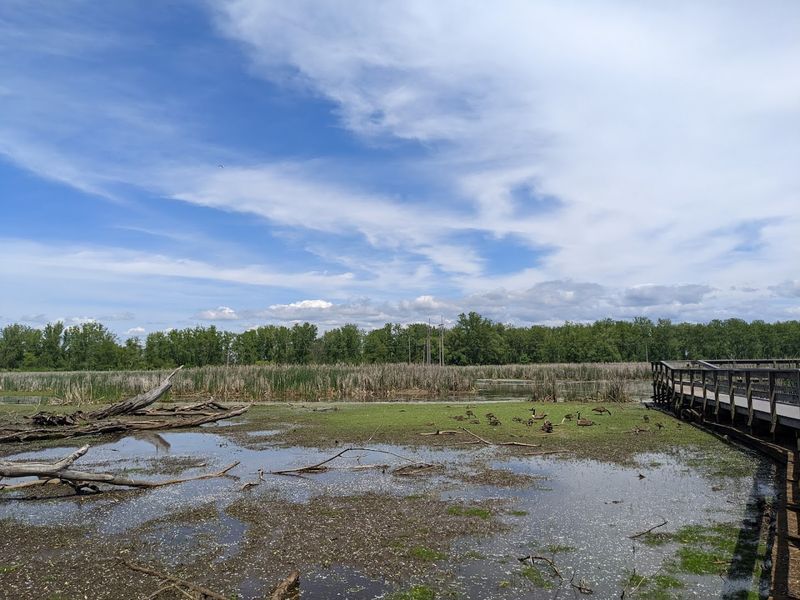
Most people go to Niagara Falls to see the water. Birders go for the gulls, and the variety here is genuinely jaw-dropping.
The Niagara River is one of the best gull-watching spots in North America, drawing rare species like the slaty-backed gull and Iceland gull during winter months. Niagara Falls State Park, located at 332 Prospect Street, Niagara Falls, NY 14303, gives you direct access to the river corridor.
Just a short drive away in Buffalo, Tifft Nature Preserve adds a completely different dimension to a western New York birding day. The 264-acre preserve at 1200 Fuhrmann Boulevard, Buffalo, NY 14203 features marshes, ponds, and woodland trails that attract Virginia rails, marsh wrens, and a solid variety of shorebirds.
Combining both locations into one weekend trip makes total sense and gives you the best of two very different habitats. Tifft is free to enter and open year-round.
Niagara Falls State Park charges a parking fee but no general admission. Winter is peak season for gull watching along the river.
Bring a good spotting scope for the falls area because some of those gulls like to stay far from shore, probably just to test your patience.
6. Bashakill Wildlife Management Area
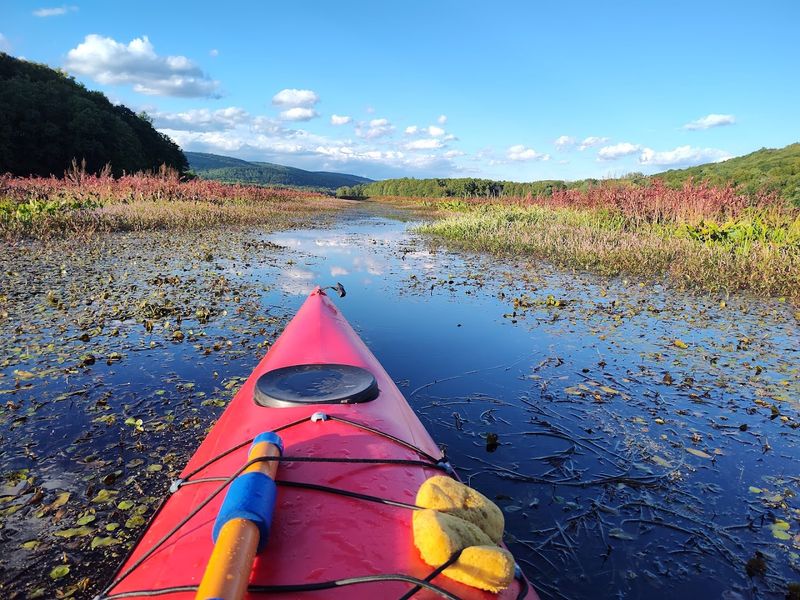
Down in Sullivan County, the Bashakill Wildlife Management Area is one of the largest freshwater wetlands in the entire Hudson Valley region. Spread across 3,107 acres, the Bashakill marsh is a quiet, moody place that rewards birders who show up early and stay patient.
Bald eagles are practically a guarantee here during the colder months.
Golden-winged warblers breed in the shrubby upland edges, which is a big deal because that species is declining across much of its range. American bitterns, ospreys, and great blue herons are regular residents throughout the warmer seasons.
The Bashakill also sits along a well-traveled migration corridor, so the list of species spotted here over the years is impressively long.
The main access point is along County Road 163 near Wurtsboro, NY 12790. Entry is free, and the area is open year-round for wildlife observation.
Canoe and kayak access is also available, which gives you a completely different angle for spotting marsh birds. Spring mornings here are genuinely magical, with bird song coming from every direction.
Pack your rubber boots because the trails near the water can get seriously muddy after rain. The Bashakill is a hidden gem that deserves way more attention from New York birders.
7. Braddock Bay
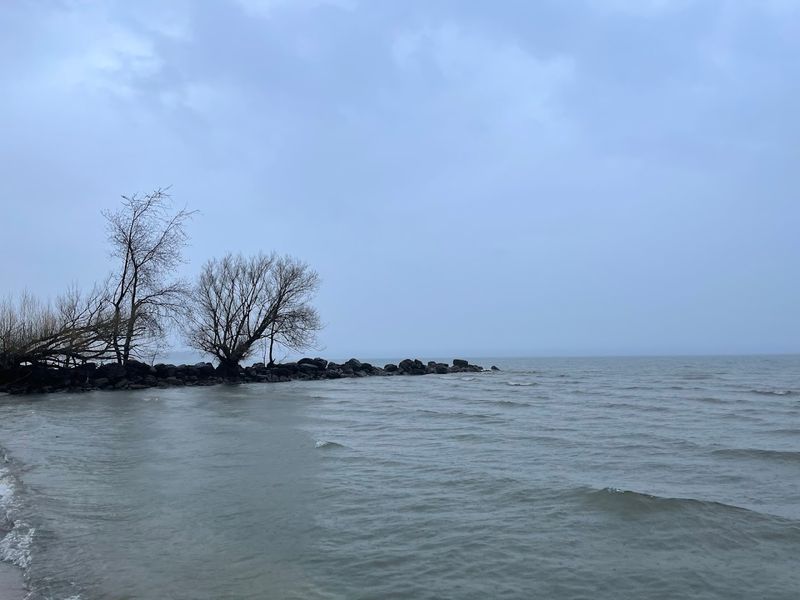
Every spring, Braddock Bay on the southern shore of Lake Ontario becomes one of the most exciting raptor migration spots in the entire eastern United States. Thousands of hawks, falcons, and eagles funnel along the lakeshore as they head north, and birders gather here from across the region to witness it.
Sharp-shinned hawks, Cooper’s hawks, and broad-winged hawks move through in enormous numbers during April and May.
The Braddock Bay Raptor Research station runs official migration counts each spring, and the numbers they record are staggering. Broad-winged hawk days can bring counts in the tens of thousands on the right weather conditions.
Owl banding also happens here in spring, giving lucky visitors a rare close-up look at species like the northern saw-whet owl.
Braddock Bay is located near Greece, NY 14468, just west of Rochester. The area is free to visit and includes several trails and observation areas along the lakeshore.
April mornings with northwest winds following a cold front are the golden ticket for big raptor days. Braddock Bay is the kind of place that turns casual nature lovers into full-blown birding enthusiasts.
One good hawk flight here and you will never look at the sky the same way again.
8. Lake Champlain Birding Trail
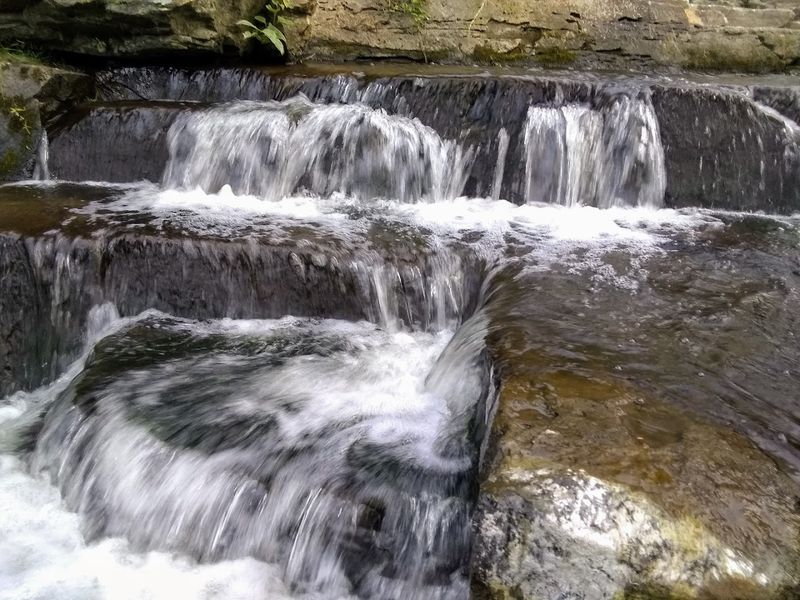
Stretching along the New York side of Lake Champlain, the Lake Champlain Birding Trail links together dozens of outstanding birding sites across Clinton, Essex, and Franklin counties. The trail covers a huge variety of habitats, from open lakeshores and wetlands to upland forests and agricultural fields.
Common loons, double-crested cormorants, and osprey are among the species you can expect to find along the water.
Crown Point State Historic Site near the lake offers open fields that attract migrating sparrows, pipits, and Lapland longspurs in fall. The Ausable Marsh Wildlife Management Area along the trail is a hotspot for waterfowl and marsh birds throughout the warmer months.
Black terns, which are a genuinely striking species, have been recorded breeding in the area.
A good starting point along the trail is the Port Henry area near 6470 Main St Apartment 2, Westport, NY 12993. The trail is self-guided and completely free to explore.
A detailed trail map is available through the New York State Department of Environmental Conservation website. Fall migration along Lake Champlain is particularly strong because the lake acts as a natural funnel for birds moving south.
This trail is a full-day adventure that delivers something new at every single stop.
9. Tug Hill Wildlife Management Area
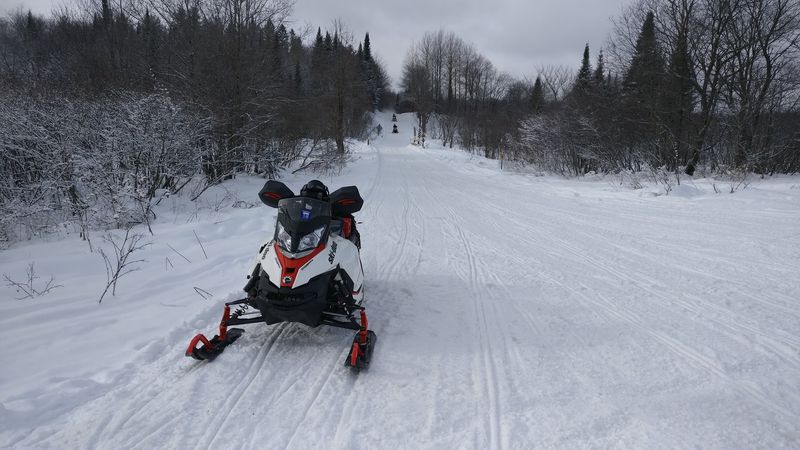
Tug Hill sits between the Adirondacks and Lake Ontario and gets more snow than almost anywhere else in New York State. That extreme winter weather creates a boreal forest environment that supports some truly special bird species.
Birders who brave the cold here get rewarded with sightings that are hard to replicate anywhere else in the state.
Great gray owls, northern hawk owls, and boreal owls have all been recorded in the area during irruption years when prey populations crash further north. Winter finches like pine grosbeaks, crossbills, and evening grosbeaks move through in impressive numbers when cone crops fail in Canada.
The Tug Hill Plateau is also good habitat for ruffed grouse and American woodcock during the breeding season.
The main management area office information can be found through the NYSDEC, with the region centered around Montague, NY 13367 in Lewis County. The area is free to access and spans over 50,000 acres of public land.
Winter visits require serious preparation including warm layers, waterproof boots, and a reliable vehicle. Tug Hill is not exactly a casual Sunday stroll, but the birders who make the effort consistently describe it as one of their most memorable New York birding experiences.
10. Franklin Mountain Hawkwatch
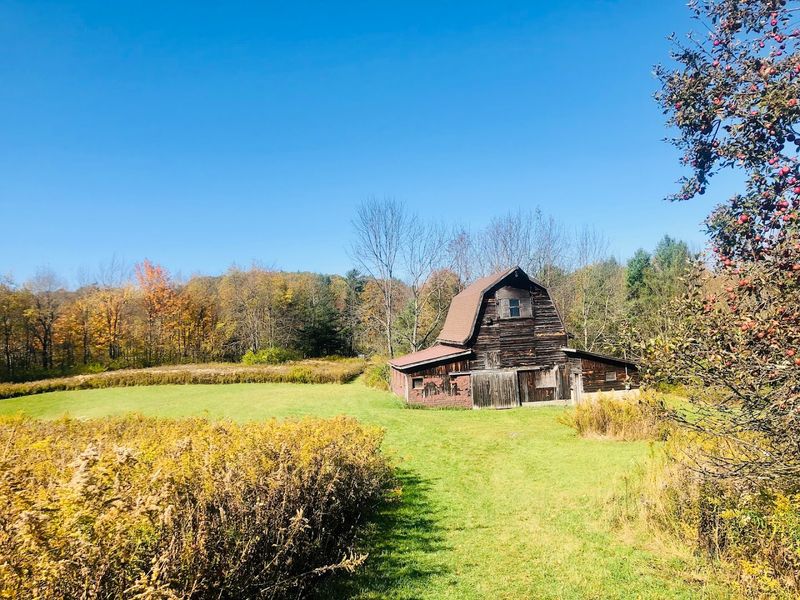
Franklin Mountain Hawkwatch near Oneonta is one of the most productive inland hawk migration sites in all of New York State. Every fall, raptors moving southwest along the Appalachian ridges pass directly over this spot in remarkable numbers.
Broad-winged hawk days in mid-September can produce counts of several thousand birds in a single morning.
Sharp-shinned hawks, Cooper’s hawks, and American kestrels are consistent movers throughout the season. Golden eagles and peregrine falcons also pass through during October and November, which keeps things exciting well into the late fall.
The site has been monitored by dedicated volunteer counters for decades, building a long-term data record that is genuinely valuable to science.
The hawkwatch is located on Franklin Mountain, accessible via a trail starting near Oneonta, NY 13820 in Otsego County. Parking is available at the base of the hill and the hike to the summit takes roughly 20 to 30 minutes.
The site is free to visit and open to the public throughout the fall hawk migration season. Mid-September through late October is peak timing.
Bring snacks, sunscreen, and a camp chair because once the hawks start moving you will not want to leave. Franklin Mountain is an absolute must for any serious New York birder.
11. Massawepie Mire
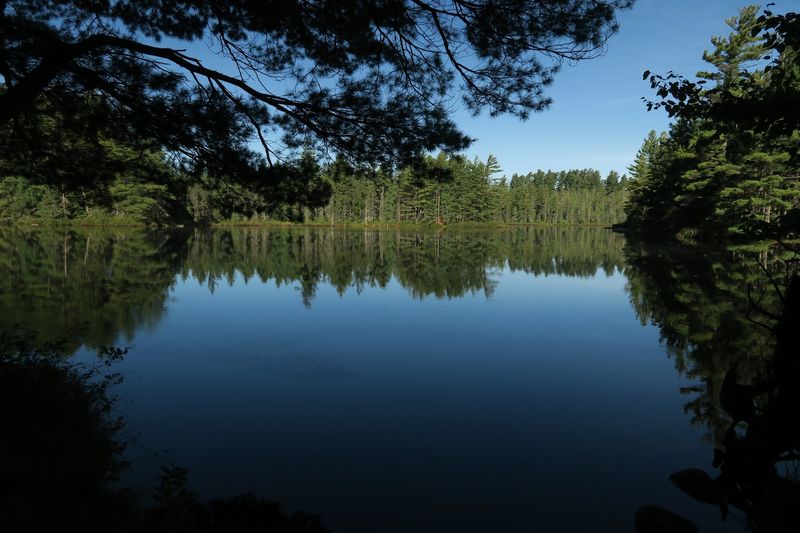
Massawepie Mire is the kind of place that serious birders talk about in hushed, reverent tones. Located deep in the Adirondacks, this sprawling boreal bog is one of the best places in New York to find true northern specialty birds without crossing the Canadian border.
Palm warblers, Lincoln’s sparrows, and yellow-bellied flycatchers breed here in the sphagnum moss and black spruce habitat.
Spruce grouse, one of the most sought-after birds in the entire Northeast, have been recorded at Massawepie with some regularity. The bog also supports populations of black-backed woodpeckers and gray jays, two species that thrill any birder lucky enough to encounter them.
Early June is the absolute peak time to visit, when breeding birds are singing from every corner of the bog.
Massawepie Mire is accessible via a trail starting near the town of Piercefield, NY 12973 in St. Lawrence County. The site is managed as part of the Adirondack Forest Preserve and is free to enter.
Rubber boots are not optional here, they are mandatory. The bog trail can be extremely wet and soft underfoot at any time of year.
Getting here requires real commitment, but Massawepie Mire consistently delivers sightings that New York birders talk about for years afterward.