
Bonaire: a laid-back Caribbean island paradise
By Eileen Ogintz
Welcome, or as they say here “Bon Bini,” to Bonaire!
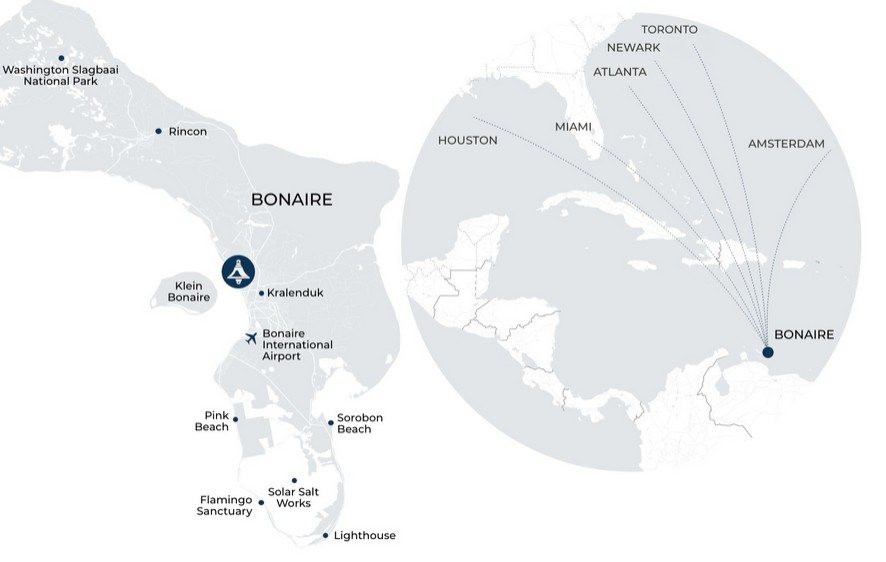
Just 50 miles North of Venezuela , Bonaire is one of the famous Dutch ABC Islands–Aruba, Bonaire, and Curacao.
“We don’t compete,” said our guide Rolando Marin, who has worked at Bonaire Tourism for more than three decades. Aruba is known for nightlife, he explained, Curacao for Caribbean history, and Bonaire for diving, snorkeling and nature. In fact, one of the island’s moniker’s is #It’s Our Nature.
The Island of Bonaire is small—just 24 miles long at 10 miles at its widest point with just 27,000 people. Consider that Aruba has 100,000 people and Curacao even more, 160,000.
The diving and snorkeling—there are 62 sites where you can dive right off the beach, swimming no more than 60 feet out—are so good because the island is surrounded by the Bonaire National Marine Park. Some areas prohibit diving so officials can monitor how much divers impact the reef. “But the divers are very careful and respectful,” Marin said.
The island is also known for its Donkey Sanctuary—some 800—and flamingos you can see in the huge Washington Slagbaai National Park, which has beaches, caves, lagoons and even desert-like hills with cactus. There are some 13,000 flamingos on the island who feed on shrimp. Fun fact: flamingos get their pink color from the shrimp so the older they are, the brighter their pink color.
Another plus for a visit: You are out of the hurricane belt here. There is also very little rain; it is warm and sunny all year round.
There is little crime, a very low unemployment rate, and most everyone speaks English — although Dutch is the official language, and locals speak Papiamentu, a creole language with Portuguese, African and Indigenous influences. US dollars are widely accepted.
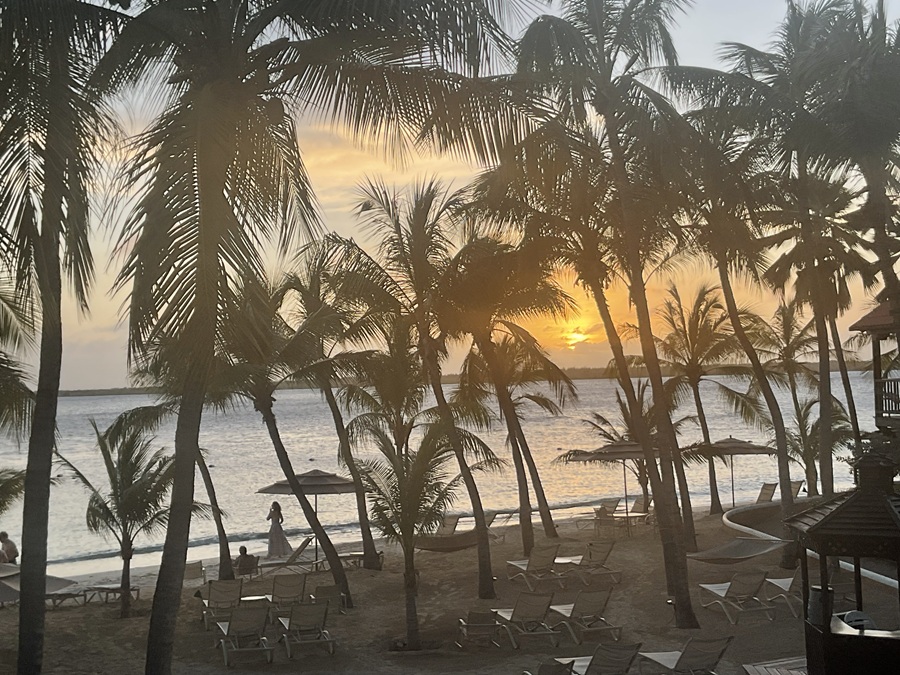
We are staying at the 40-room Harbour Village with its own dive shop, private beach (one of the few resorts to have one, different sized suites (ours has a living room, kitchenette and balcony overlooking the beach and ocean. The open air La Balandra Restaurant & Bar overlooks the beach and serves everything from sushi rolls and ceviche to quinoa salad sandwiches and burgers for lunch, to roasted squash salad and sashimi, seafood Cioppino, lobster risotto, Thai curry shrimp, and beef tenderloin for dinner.
The intimate resort offers guests the chance to do as much or as little as they like. It offers three snorkeling trips a day, diving trips, paddleboards and kayaks, a pool. The island’s main town, Kralendijk, is about a 1.5 mile walk along a waterside path. There are cruise ships, but just a few a week so the town isn’t overwhelmed as other Caribbean ports can be.
There are only something like 140,000 tourists a year, about 40 per cent from the US, 40 per cent from Holland. (You can fly nonstop (We did on JetBlue from JFK) Miami, Newark and Houston. (We stayed at the iconic TWA Hotel adjacent to the JetBlue terminal and a throwback to 1962 when the TWA terminal first opened.)
In case you are wondering, the island of Bonaire was discovered by Spaniard explorers in 1499, who included Alonso de Ojeda, Amerigo Vespucci, and Juan de la Cosa. But within a century, the Spaniards decided the three ABC islands were useless because they didn’t have mineral deposits (other than salt).
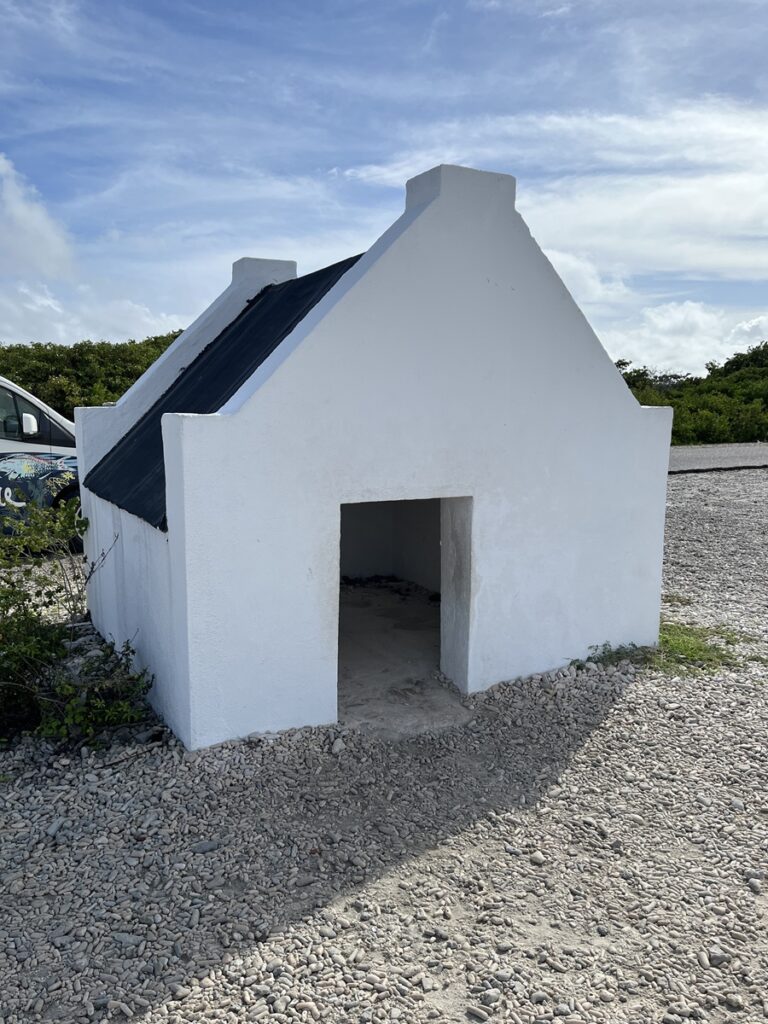
By 1623, Dutch West India Company ships began to call here. While neighboring Curacao became an significant slave port, Bonaire became a plantation with salt a major export. (Salt is still exported from here, though tourism is the major industry.) You can see the tiny huts where male slaves lived, having to crawl inside, too short for them to stand upright. Slaves were freed in 1862.
People can also dive just off the coast on the island of Klein Bonaire (there are water taxis) but there are no facilities there at all.
The island has long been a leader in nature conservation—the Bonaire National Marine Park which consists of the whole coastline to a depth of 200 feet—is one reason the island is so popular for divers.
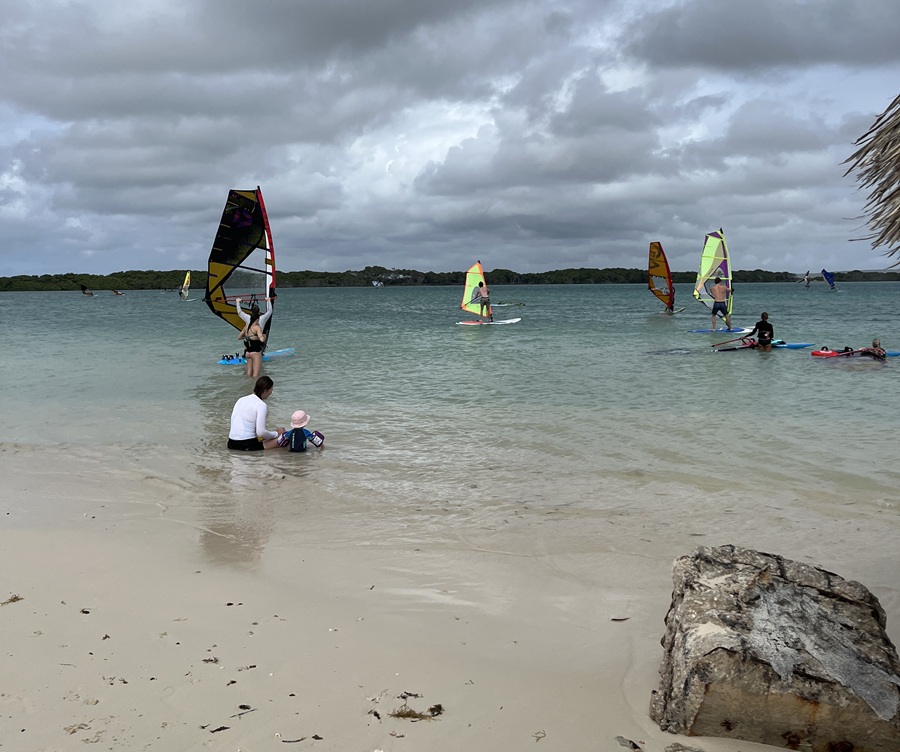
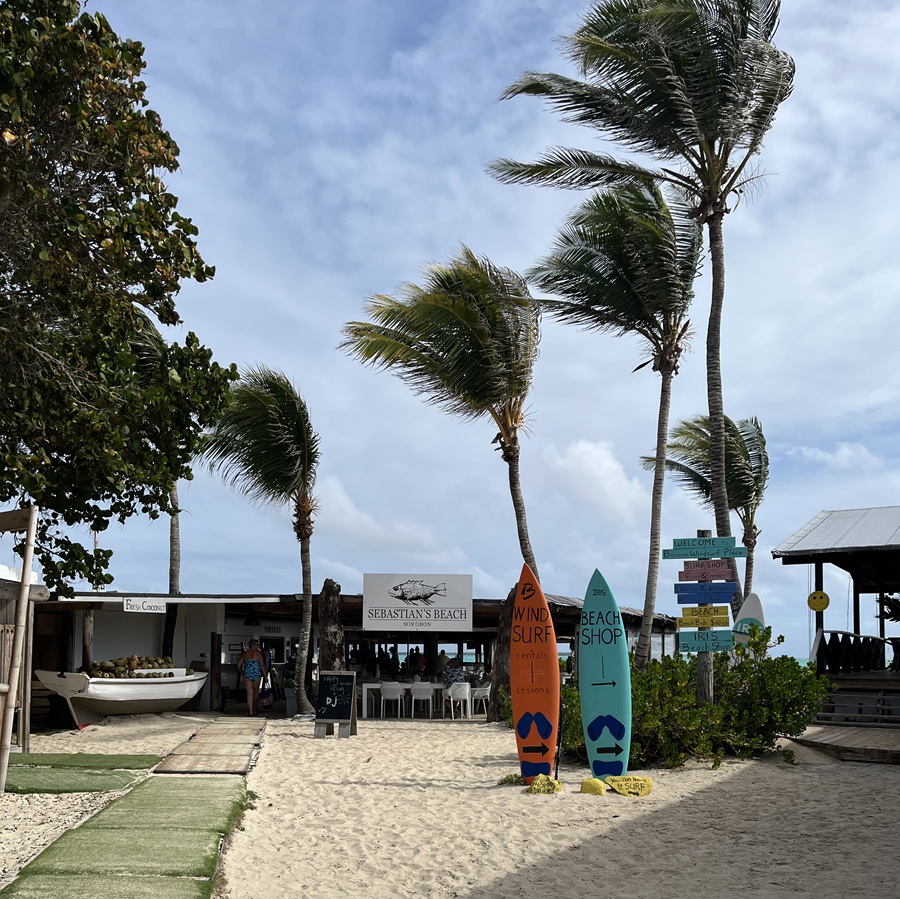
Bonaire is also known for kite surfing and wind surfing. Increasingly, mountain biking in the island’s hilly areas and birding are attracting tourists. There are plenty of trails and more than 200,000 species of birds from flamingos to migrating birds, shore birds and the Yellow-shouldered parrot, the only native population outside of Venezuela. The trade winds create ideal kite surfing conditions on the southwest tip of the island at Atlantis Beach where we enjoyed watching the enthusiasts race back and forth. Professionals and newbies also come to Sorobon to windsurf, where even kids can learn.
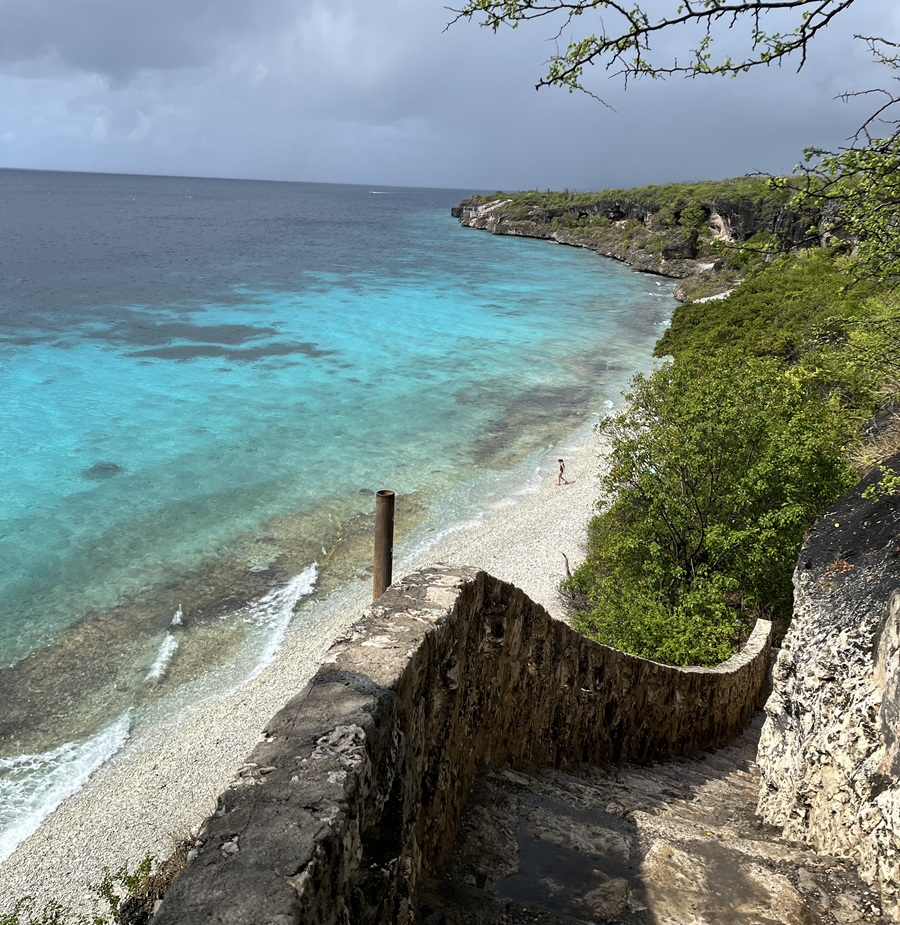
There is snorkeling all along the west coast and in the Washington-Slagbaii National Park. Challenge your fitness at 1000 steps where many come to dive or snorkel from the beach. down those famous steps. Actually, there are just 72 steps, “but when you are carrying your gear back up, that will feel like 1000 steps,” said our guide.