
9 Boston, Massachusetts Neighborhoods That Come Alive During The World Cup And Are Worth Exploring This Summer
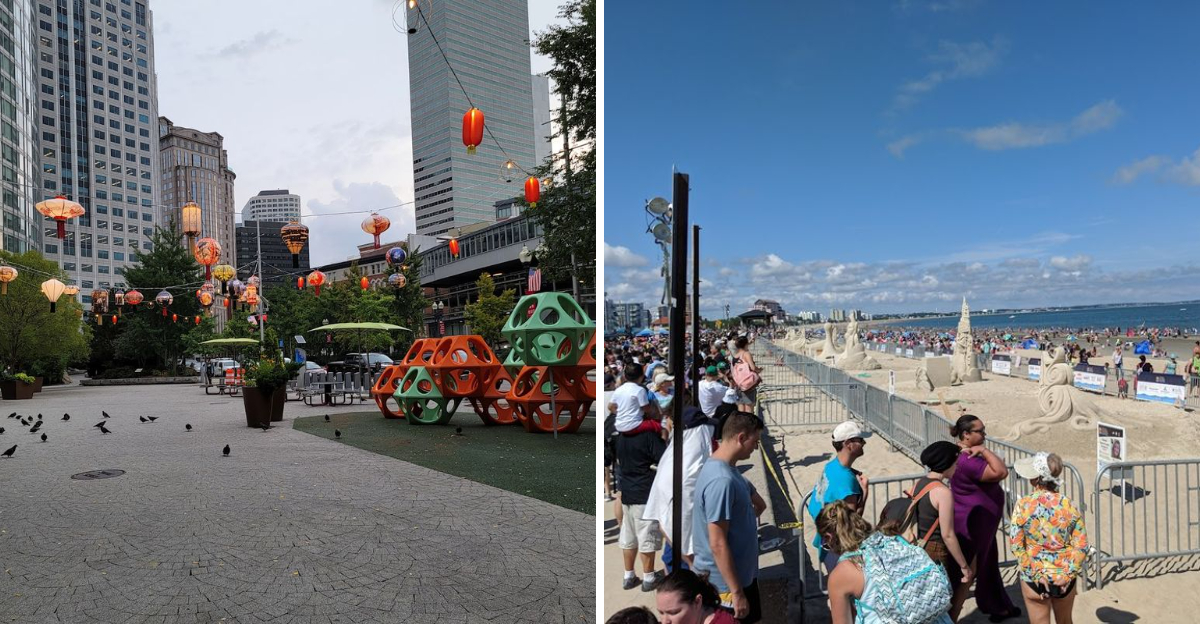
The World Cup doesn’t just happen in a stadium. It happens in the streets, the restaurants, the living rooms, and the packed neighborhood bars where everyone is standing.
Massachusetts has seven matches coming to Foxborough this summer, but the real action is scattered across Boston’s most vibrant neighborhoods. Some of these communities have been celebrating soccer for generations.
Others are ready to throw their first World Cup party on a grand scale. Either way, the energy is real and it’s building.
Boston has always been a city of neighborhoods, each with its own identity and its own people. This summer, all of them have a reason to come alive at the same time.
These are nine worth putting on your list.
1. East Boston
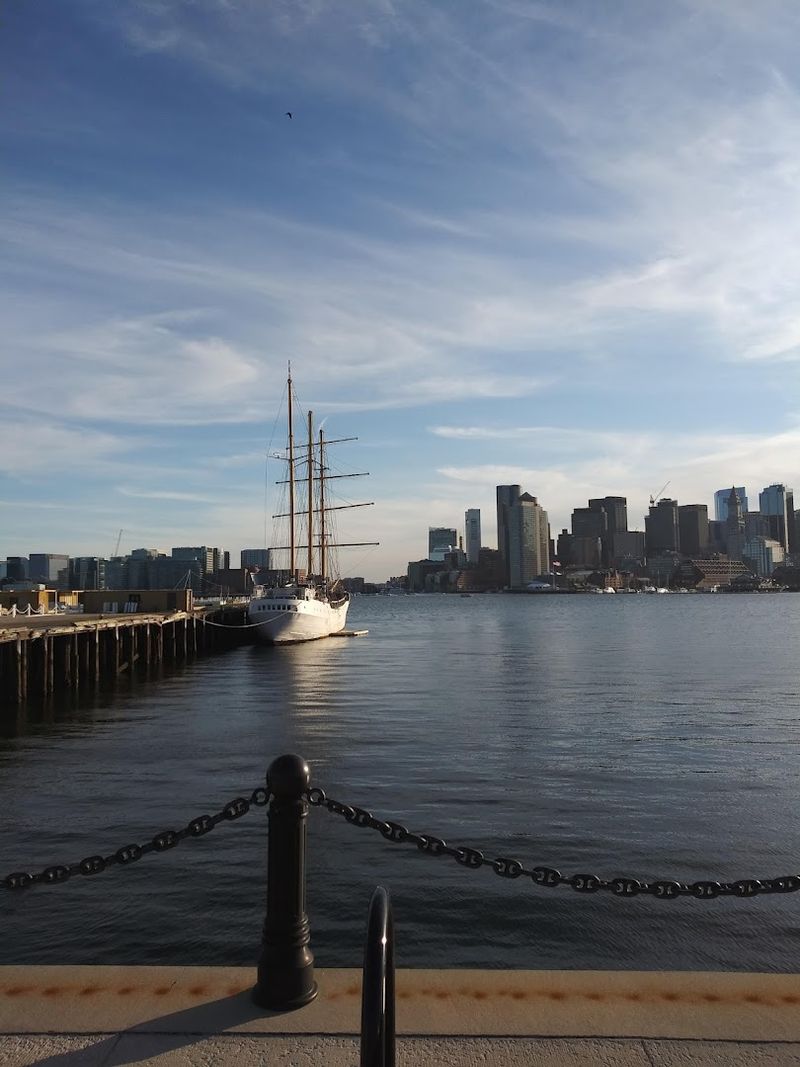
Few places in Boston carry soccer culture in their bones quite like East Boston does.
Long before the World Cup came to Massachusetts, this waterfront neighborhood was already living and breathing the sport, thanks to a large and proud Central and South American community that calls it home.
Salvadoran and Colombian families have shaped the character of East Boston for decades.
They have been filling Bennington Street and Central Square with restaurants, bakeries, and shops that feel more like San Salvador or Bogota than a Boston neighborhood.
On match days, expect the energy here to be raw and real. Watch parties spring up organically, spilling out of restaurants onto sidewalks as neighbors cheer, argue, and celebrate together.
The food scene alone is worth the trip. Pupuserias, Colombian bakeries, and family-run eateries serve up some of the most authentic Central and South American food in all of New England.
Getting here is easy, as the Blue Line drops you right into the heart of the neighborhood.
Spend a match morning wandering Bennington Street, grab a meal at one of the local spots, and let the crowd energy pull you in.
East Boston is proof that World Cup fever is not something that arrives with the tournament. Here, it was already home.
2. Dorchester
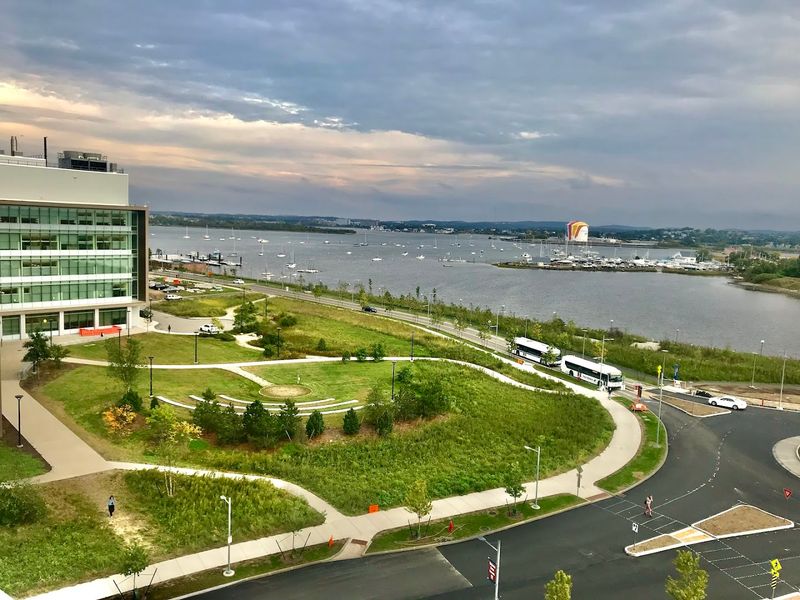
Boston’s largest neighborhood is also its most gloriously complicated one, and that is exactly what makes Dorchester so magnetic during the World Cup.
Communities from Vietnam, Ireland, Cape Verde, and the Caribbean have all planted deep roots here, and the result is a neighborhood that feels like a dozen countries packed into one zip code.
Fields Corner and Four Corners are the two main hubs to know about.
Both areas are lined with international restaurants, community gathering spots, and local businesses that turn into unofficial watch party venues whenever a big match kicks off.
Mayor Michelle Wu’s community World Cup watch party initiative specifically includes Dorchester as one of its neighborhood activation locations.
The Banshee, one of Boston’s most respected soccer bars, draws supporter clubs from across the city and regularly hits standing-room-only capacity for major tournament matches.
For summer exploration beyond soccer, Dorchester offers waterfront activities at UMass Boston, including kayaking and paddleboarding, making it an easy full-day destination.
Come for a match, stay for the food, and leave with a genuine sense of how diverse and deeply communal Boston actually is. Dorchester does not just watch the World Cup. It lives it.
3. Jamaica Plain
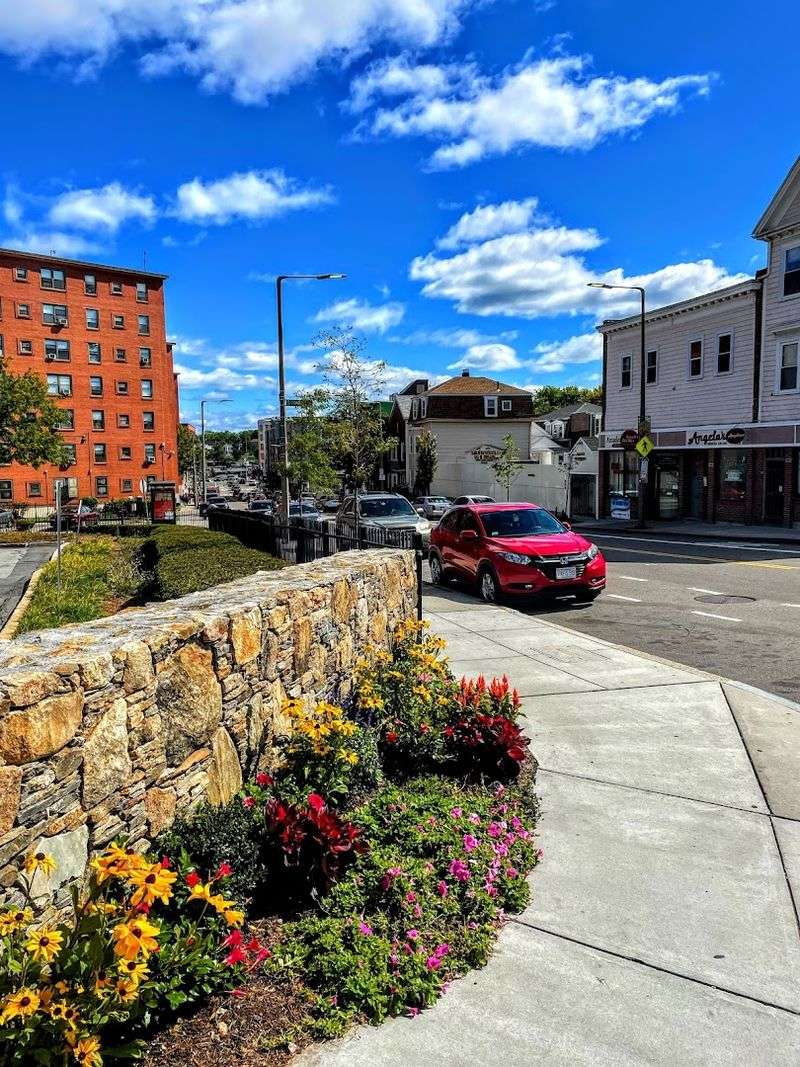
There is a particular kind of summer afternoon in Jamaica Plain that feels almost too good to be real.
Centre Street hums with foot traffic, restaurant patios fill up fast, and the whole neighborhood takes on a block party vibe that seems to exist with or without a World Cup match.
JP is home to one of Boston’s strongest Latino communities, and that cultural foundation makes it a natural gathering point when Central and South American teams are on the pitch.
The energy on Centre Street during a big match day is something between a street festival and a neighborhood cookout.
The Haven, Boston’s only Scottish bar, is located right here in Jamaica Plain and has planned a multi-day festival around the World Cup’s opening weekend. Drawdown Brewing is another welcoming spot known for its inclusive atmosphere and quality craft offerings.
The neighborhood is also incredibly walkable, which matters during summer when the best way to explore is simply strolling from one spot to the next.
Arnold Arboretum, one of Boston’s most beautiful green spaces, sits right in the neighborhood and offers a peaceful counterbalance to the match-day noise.
Jamaica Plain is the kind of place where you show up for the soccer and end up staying all afternoon just because the neighborhood refuses to let you leave.
4. Roxbury
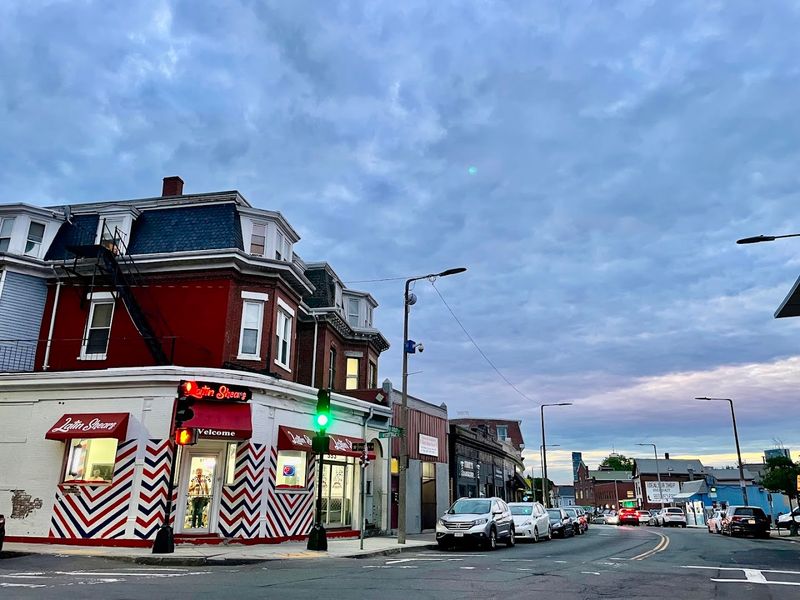
Roxbury has always been the cultural and spiritual heart of Black Boston.
This summer it carries an added layer of excitement that makes it one of the most compelling neighborhoods to visit during the World Cup.
With Ghana and Morocco both playing matches at Gillette Stadium, the African diaspora community here has serious reason to celebrate.
Nubian Square sits at the center of it all.
Once known as Dudley Square, this public hub has been transformed into a showcase of public art, community-driven businesses, and neighborhood pride that is genuinely worth seeing.
The racial and cultural makeup of Roxbury spans African American, Caribbean, Latino, and African immigrant communities.
Every match day brings a different wave of energy depending on who is playing. Restaurants and community spaces around Nubian Square tend to fill up fast on game days.
The atmosphere carries that specific charge of people watching their home countries compete on a global stage.
Street murals throughout the neighborhood tell the story of Roxbury’s history in bold, unapologetic color, making even a simple walk around the block feel like an education.
Roxbury this summer is not just a place to watch soccer. It is a place to feel what the World Cup actually means to people.
5. Allston
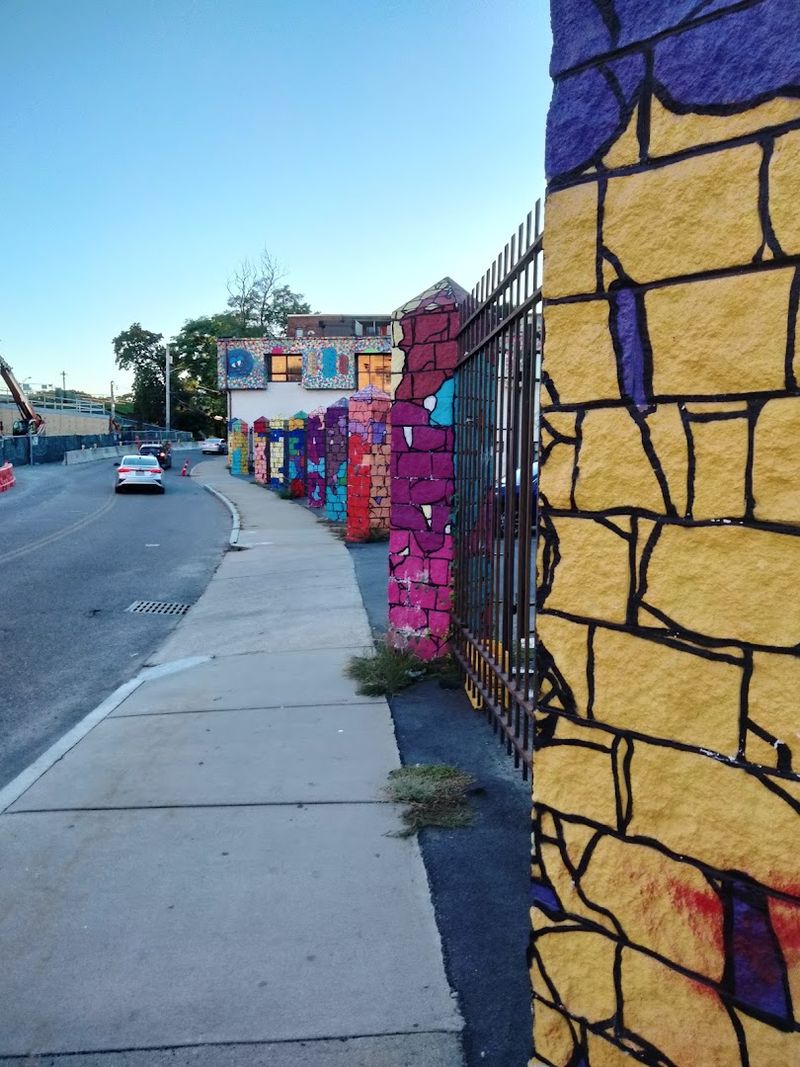
Allston runs on a frequency that most of the city cannot quite match, and during the World Cup, that frequency gets turned up to an almost unreasonable level.
This is a neighborhood built on an unlikely combination of immigrant communities and college students, and the mix produces one of the most electric atmospheres in Greater Boston.
Brazilian and Colombian communities have a strong presence here, joined by immigrants from Eastern Europe, Russia, and East and South Asia.
Harvard Ave is the main artery, lined with restaurants, music venues, and shops that collectively reflect the neighborhood’s beautifully chaotic personality.
When a big match is on, Allston does not need much organizing to become a watch party.
The energy assembles itself naturally, spilling out of packed restaurants and into the street with the kind of spontaneous enthusiasm that no city planner could manufacture.
The student population adds a layer of youthful noise and energy that keeps things lively well past the final whistle.
Music venues around Harvard Ave often keep the night going after matches, making Allston one of the few neighborhoods where the post-game celebration can become its own event.
For food, the options are genuinely staggering. Brazilian churrascarias, Korean spots, South Asian restaurants, and classic American diners sit within blocks of each other.
Allston is loud, proud, and completely unapologetic about it, which is exactly the right energy for a World Cup summer.
6. Chinatown
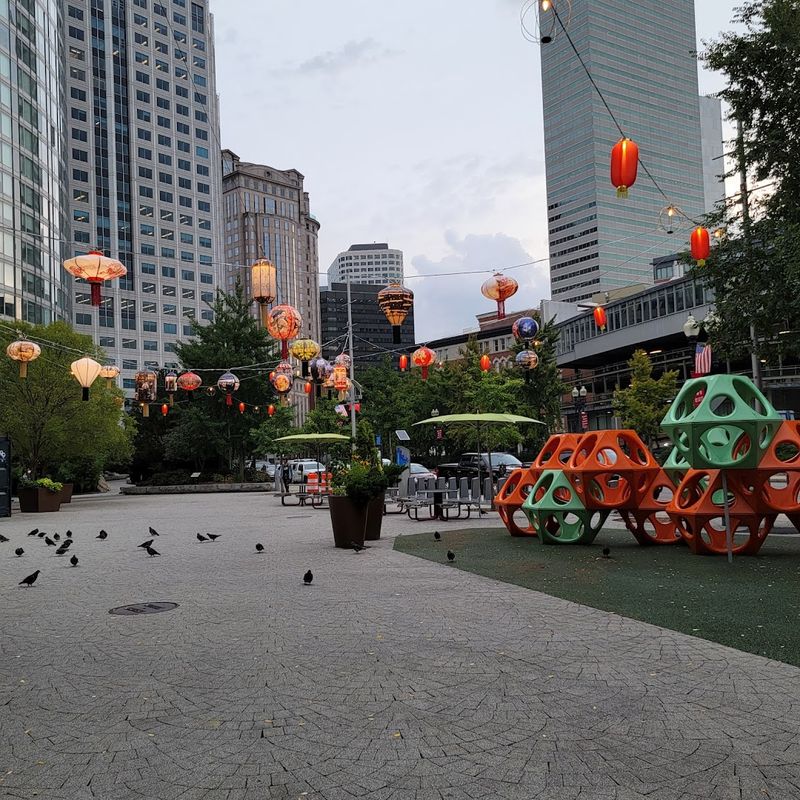
Walkable, and full of restaurants that keep their kitchens running late into the night, the Chinatown is one of those rare neighborhoods that feels both timeless and completely alive.
During the World Cup, its position in the city makes it especially well-placed to become a natural gathering zone.
Chinatown borders Downtown and the South End, putting it within easy walking distance of the FIFA Fan Festival at City Hall Plaza.
After a watch party at the plaza, Chinatown becomes the obvious next destination for food and a change of scenery.
The neighborhood draws a broad and diverse mix of residents, visitors, and workers, which means the crowd energy here during tournament days reflects the city’s full range of soccer fans.
Late-night dim sum, hand-pulled noodles, Taiwanese bubble tea spots, and Vietnamese pho joints give visitors a strong reason to stick around well after the final whistle.
The neighborhood runs on its own clock, and that clock tends to stay ticking long after other parts of the city have quieted down.
The ornate Chinatown Gate on Beach Street is one of Boston’s most photographed landmarks and makes for a striking backdrop during the summer months when the streets are busiest.
Small in size but enormous in flavor, Chinatown punches well above its weight this World Cup summer.
7. The South End
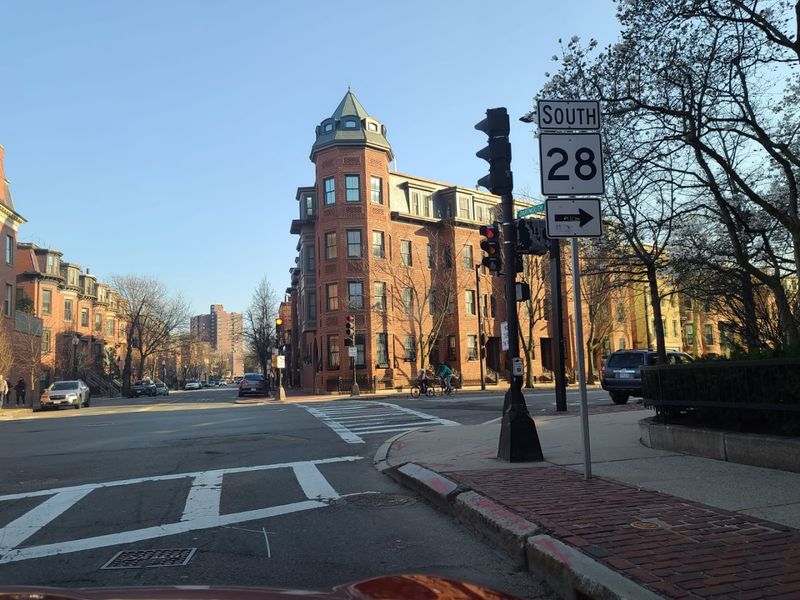
Brownstone-lined streets, outdoor dining that stretches across entire sidewalk blocks, and a restaurant scene that somehow manages to span nearly every cuisine on the planet.
The South End has been one of Boston’s most sought-after neighborhoods for years, and this summer it earns a new title as one of the city’s best places to experience the World Cup atmosphere.
The neighborhood’s strong LGBTQ community and eclectic cultural identity make it a welcoming and vibrant destination for international fans visiting the city for tournament matches.
Its proximity to Downtown means it naturally absorbs the overflow energy from the FIFA Fan Festival at City Hall Plaza.
On summer match days, the South End’s outdoor dining culture transforms the streetscape into something that feels genuinely European.
SoWa, the neighborhood’s art and market district, hosts weekend markets throughout the summer that are worth building a visit around even on non-match days.
The combination of local art, food vendors, and community programming makes it one of the most enjoyable outdoor experiences in the city.
The South End is also one of the best neighborhoods in Boston for a long, slow morning walk, especially when the streets are quieter before match day crowds arrive.
Think of it as the city’s living room during the World Cup, comfortable, stylish, and always ready to host.
8. North End
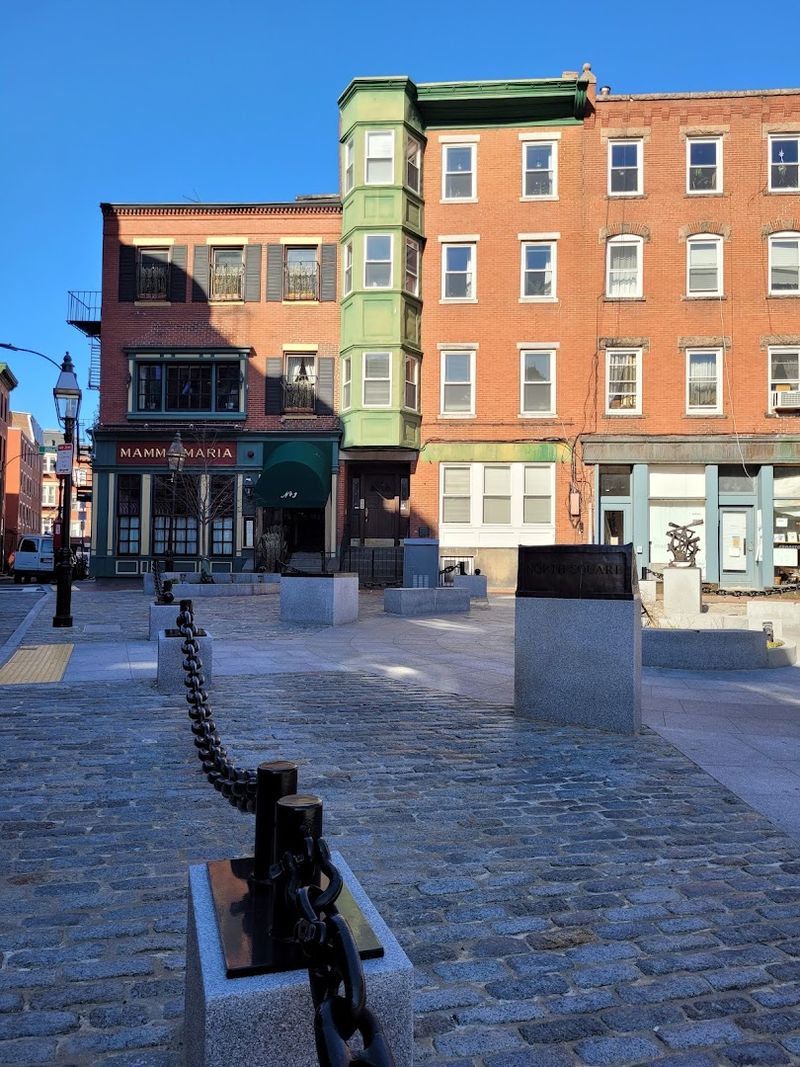
Every summer, the North End becomes one of the most visited neighborhoods in Boston.
It draws people in with its narrow cobblestone streets, the smell of fresh cannoli drifting out of bakeries, and the old-world Italian-American atmosphere that feels genuinely irreplaceable.
This summer, add a World Cup to the mix and the North End becomes something else entirely.
Italy’s soccer culture is legendary, passionate, and deeply communal, and the North End carries that tradition with pride.
Caffe dello Sport on Hanover Street is well known as a destination for early morning World Cup matches, where fans pack in with strong espresso and even stronger opinions about the game.
Hanover Street, the neighborhood’s main artery, will be electric on match days.
Sidewalk cafes fill up hours before kickoff, and the energy in the air carries that particular Italian-American intensity that turns every match into a neighborhood event.
Beyond soccer, the North End offers some of the best summer programming in the city.
Italian street festivals run throughout July and August and the Paul Revere House and Old North Church are steps away for history lovers. Also, Christopher Columbus Park on the waterfront provides a beautiful green space for families.
The Rose Kennedy Greenway runs alongside the neighborhood and connects it to the broader downtown waterfront. This makes it easy to combine a North End visit with a longer summer day along the harbor.
Hanover Street in July, with a soccer match on and cannoli in hand, is a Boston experience worth every step.
9. Revere
Technically, Revere sits just north of Boston’s city limits, but anyone who has spent time in Greater Boston knows that the boundary line between the two means very little in practice.
Revere is woven into the fabric of the metro area, and this summer it is stepping into the World Cup spotlight in a way that no other community in the region quite matches.
Through its Field of Play initiative, Revere is hosting a full slate of free public watch parties directly tied to match days at Gillette Stadium. These are not casual screenings.
They are organized community activations that bring together local small businesses, neighborhood programming, and the city’s remarkably diverse population.
Revere’s large Haitian and Latino communities give the neighborhood a deep personal connection to the tournament. That connection translates into a brand of crowd energy that is hard to find anywhere else in Greater Boston.
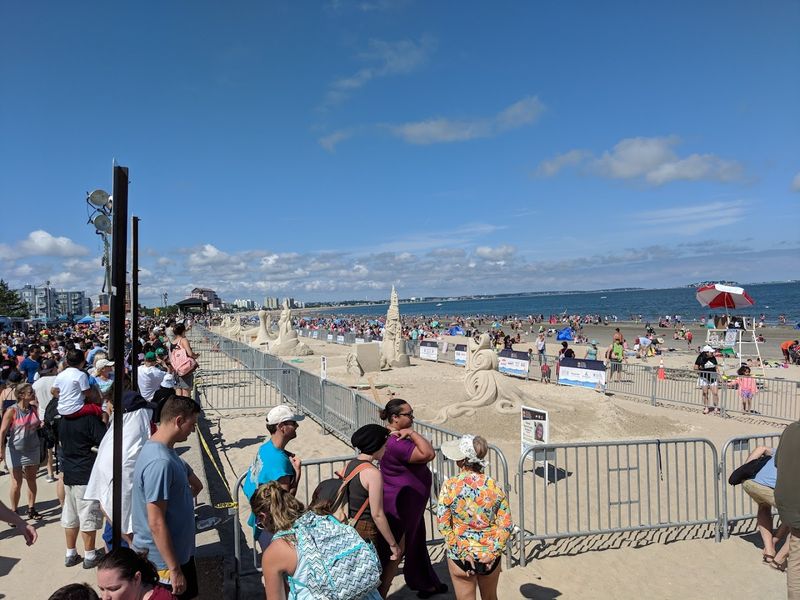
The city also sits right on Revere Beach, which makes it one of the rare places where you can watch a World Cup match and then walk to the ocean in the same afternoon.
Sand, soccer, and community spirit make for a combination that is difficult to beat.
Revere may not get the same attention as Boston’s more famous neighborhoods, but this summer it is making a strong case for being one of the most spirited spots in the entire region.