
10 Breathtaking Desert Landscapes That Make Arizona Unforgettable
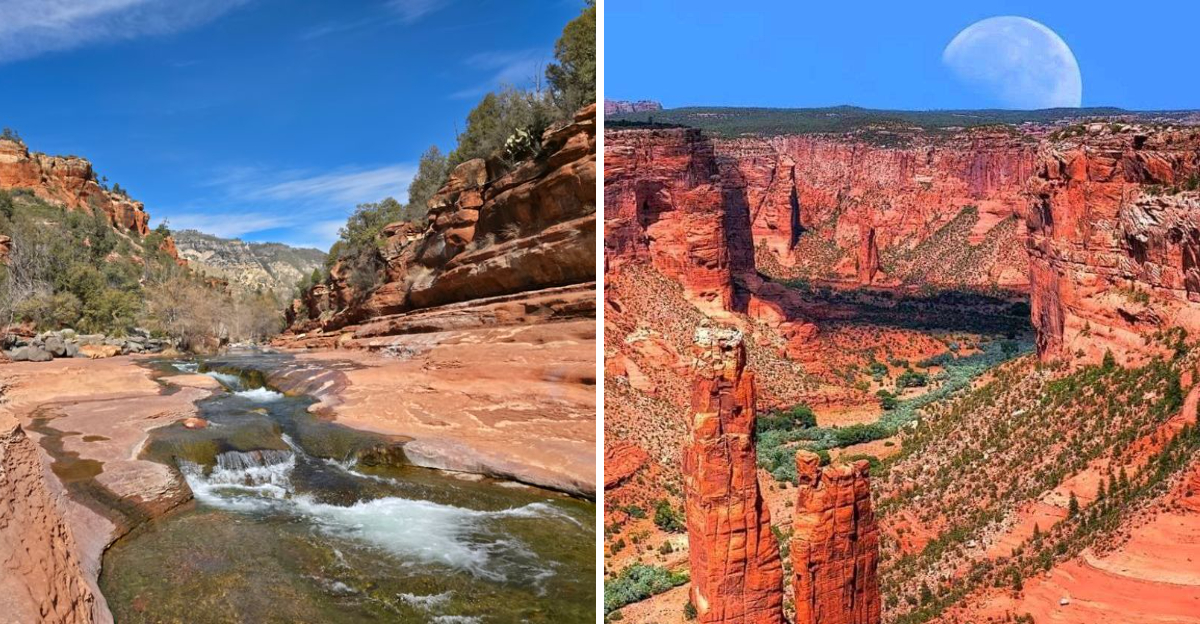
Arizona stretches beyond the cliché of cacti and tumbleweeds, it’s a place where towering red rocks meet ancient canyons, and sunsets splash the sky with colors so vivid they seem otherworldly. Each corner of this desert landscape unveils something breathtaking, as if nature itself painted the scene.
Adventure beckons, and the raw beauty of the land will have you standing in awe, feeling as if you’ve stepped into a living dream. Arizona’s views are more than just scenery, they’re experiences that stay with you long after the sun sets.
1. Grand Canyon National Park (Grand Canyon)
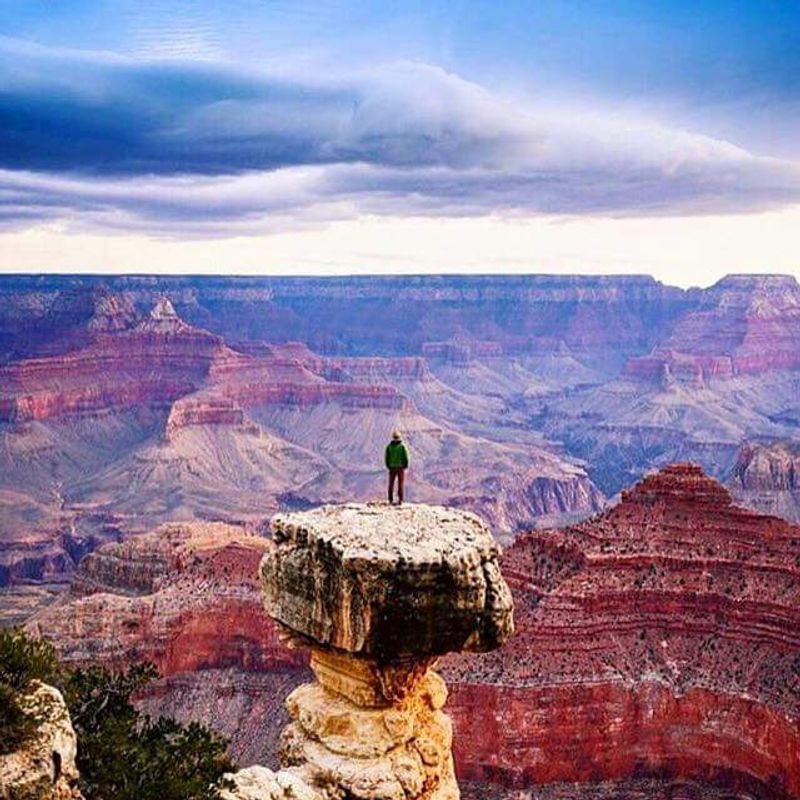
Standing at the edge of the Grand Canyon feels like looking back in time—literally. Layers of ancient rock stretch down a mile deep, revealing nearly two billion years of Earth’s history carved by the Colorado River.
The sheer size of it is impossible to capture in a photo, and trust me, you’ll try a hundred times anyway.
Sunrise and sunset transform the canyon into a living painting, with shadows dancing across the ridges and cliffs glowing in shades of orange, pink, and gold. Hiking trails like the Bright Angel Trail take you down into the canyon itself, where the temperature rises and the landscape shifts dramatically.
You can explore the South Rim year-round, or venture to the quieter North Rim for a more secluded experience. Helicopter tours offer a bird’s-eye view that’s equally jaw-dropping.
No matter how you experience it, the Grand Canyon reminds you just how small we are in the grand scheme of things—and how magnificent our planet truly is.
2. Saguaro National Park (Tucson Area)
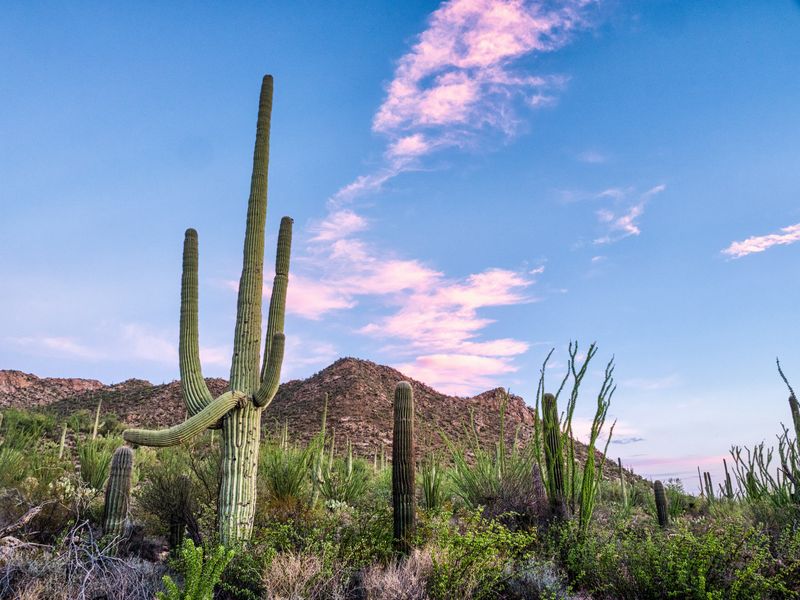
Imagine walking through a forest where the trees have arms reaching toward the sky—that’s Saguaro National Park. These iconic cacti can grow over 40 feet tall and live for more than 150 years, standing like silent sentinels across the Sonoran Desert.
They don’t even start growing arms until they’re about 75 years old, so every saguaro you see is a true survivor.
The park is split into two districts on either side of Tucson, each offering unique trails and scenic drives. Early morning and late afternoon light make the desert glow, and if you’re lucky, you might catch a bloom of white flowers crowning the saguaros in late spring.
Wildlife thrives here too—look out for roadrunners, Gila woodpeckers, and even javelinas roaming between the cacti. Sunset paints the saguaros in silhouette against fiery skies, creating one of the most iconic desert scenes in the world.
It’s a place that feels both ancient and alive, reminding you that beauty can flourish even in the harshest conditions.
3. Painted Desert (Northeastern Arizona)
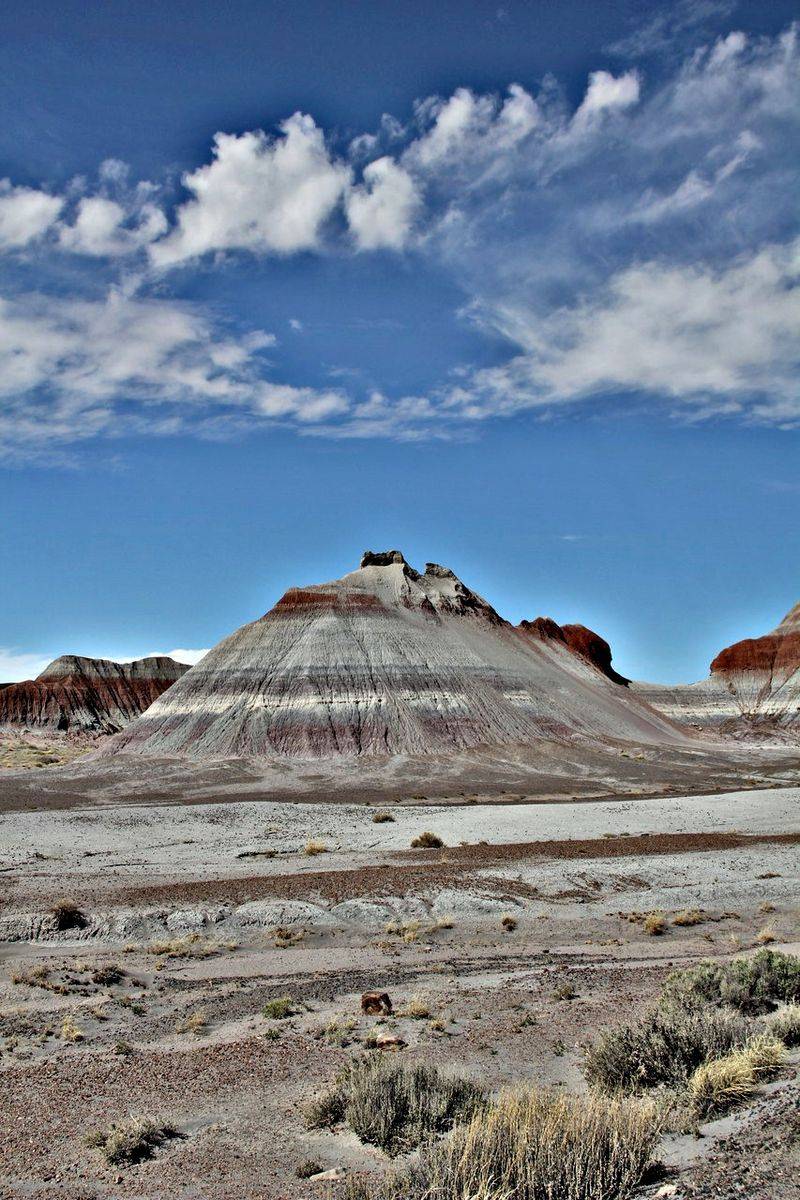
Mother Nature must have been in an artistic mood when she created the Painted Desert. Stretching across northeastern Arizona, this otherworldly landscape looks like someone spilled a rainbow across the earth—layers of red, purple, pink, orange, and gray striped across rolling badlands.
The colors shift with the light, so visiting at different times of day reveals completely different scenes.
Most visitors explore the Painted Desert along the northern section of Petrified Forest National Park, where overlooks offer sweeping views of the colorful terrain. The formations are made of bentonite clay and sandstone, worn smooth by wind and rain over millions of years.
There’s something almost surreal about standing in such a barren yet breathtaking place—it feels like you’ve stepped onto another planet. Early morning fog sometimes blankets the valleys, adding a mystical quality to the landscape.
Bring plenty of water and sun protection, because shade is practically nonexistent out here. But the reward for braving the elements is a visual experience unlike anything else on Earth.
4. Vermilion Cliffs National Monument (Northern Arizona)
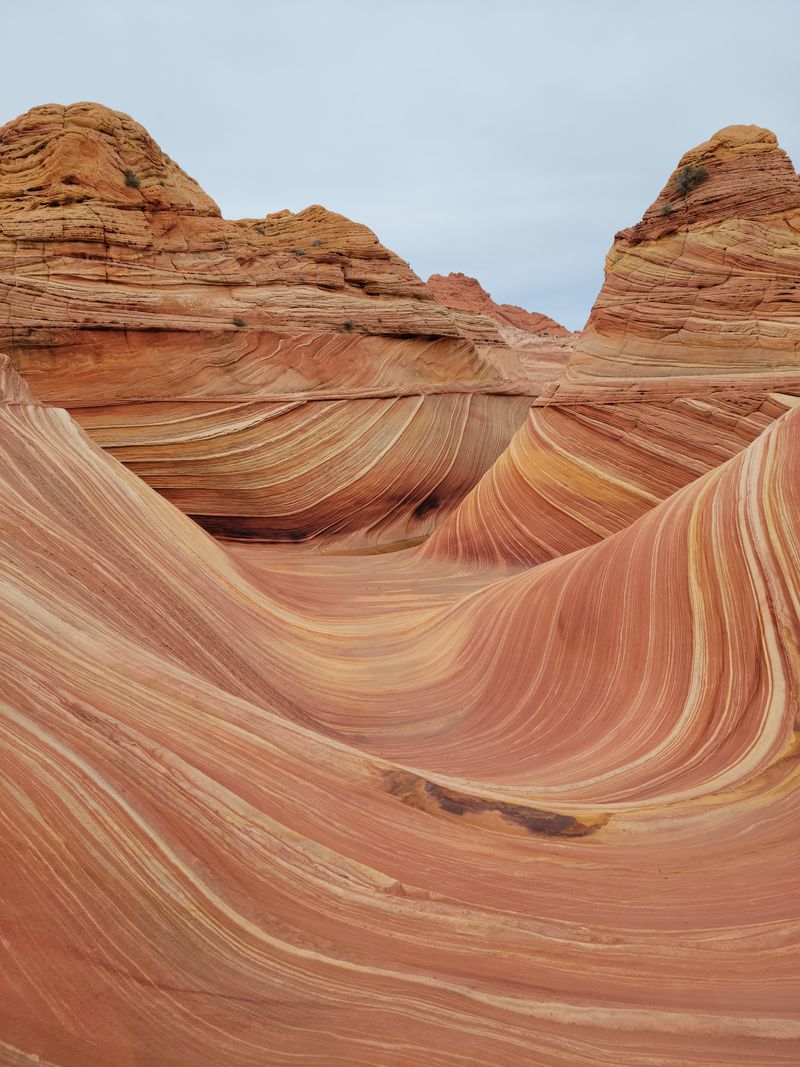
If you think you’ve seen red rocks before, wait until you witness the Vermilion Cliffs. These massive, blazing red sandstone cliffs rise dramatically from the desert floor in northern Arizona, creating a backdrop so vivid it almost doesn’t look real.
The monument is remote and rugged, which means fewer crowds and more raw, untouched beauty.
Within the monument lies the famous Wave, a swirling sandstone formation that looks like frozen ocean waves turned to stone. Access is extremely limited—only 20 people per day are allowed via a lottery permit system.
Even without scoring a permit to the Wave, the surrounding landscape offers incredible hiking and photography opportunities.
Paria Canyon and Coyote Buttes are also part of this protected area, showcasing twisted rock formations and slot canyons that seem sculpted by an artist’s hand. The cliffs themselves change color throughout the day, deepening from soft coral to fiery crimson as the sun moves across the sky.
It’s a place that demands respect and rewards those who venture into its wild heart with views that will stay etched in your memory forever.
5. Monument Valley Navajo Tribal Park (Northeast Arizona Border)
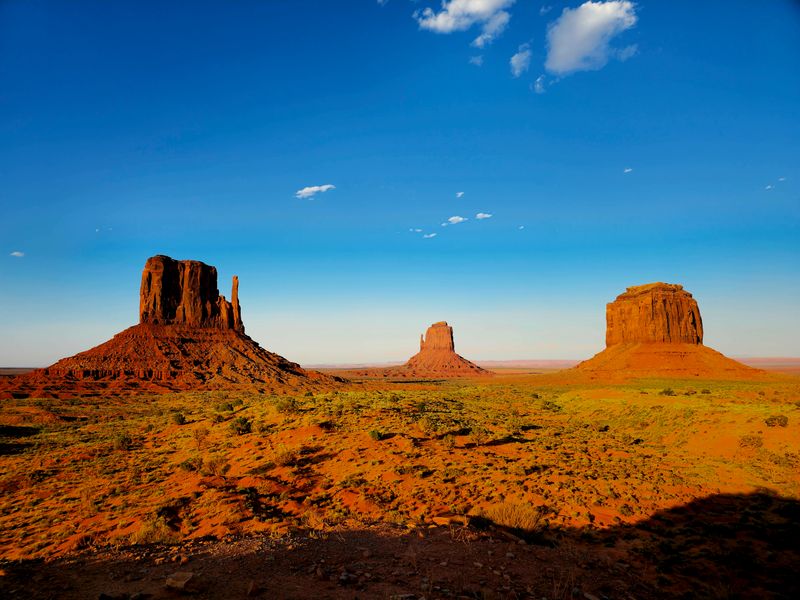
Monument Valley is the Wild West come to life—those iconic red sandstone buttes rising from the desert floor have starred in countless movies and photographs. Located on the Arizona-Utah border within the Navajo Nation, this sacred landscape feels both humbling and epic.
The towering formations, some reaching over 1,000 feet high, stand like ancient skyscrapers built by nature.
You can drive the 17-mile Valley Drive loop yourself, but joining a Navajo-guided tour offers deeper insight into the cultural and spiritual significance of the land. Guides share stories passed down through generations and take you to restricted areas tourists can’t access alone.
Sunrise and sunset are magical here—the monuments glow in shades of deep orange and red, casting long shadows across the sandy valley floor. The Mittens and Merrick Butte are among the most photographed formations, but every angle offers something stunning.
Staying overnight in a traditional hogan or modern cabin lets you experience the star-filled desert sky, which feels infinite and humbling in the best possible way.
6. Canyon De Chelly National Monument (Northeast Arizona)
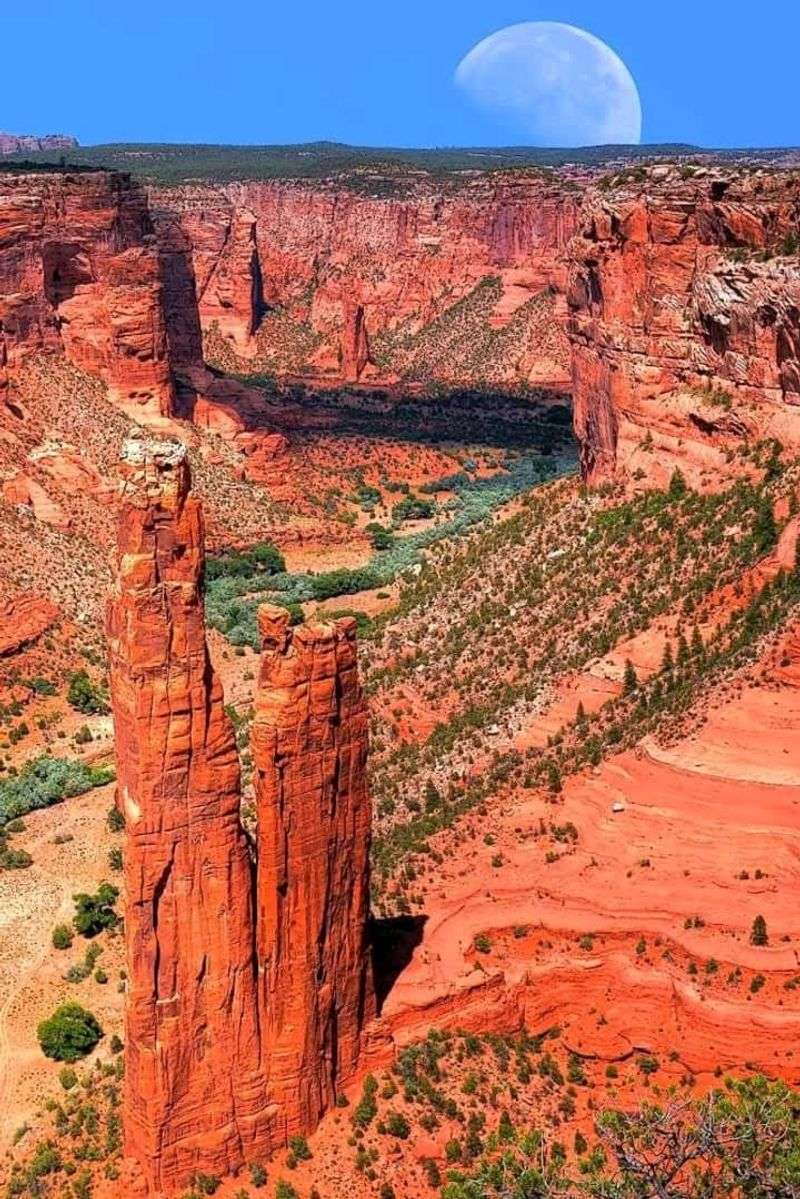
Canyon de Chelly (pronounced “d’SHAY”) holds centuries of history within its towering sandstone walls. Ancient Puebloan cliff dwellings cling to the canyon sides, some dating back nearly 5,000 years, telling stories of the people who made this dramatic landscape their home.
The most famous is the White House Ruin, accessible via a 2.5-mile round-trip trail that descends into the canyon.
What makes Canyon de Chelly unique is that it’s still home to Navajo families who farm and raise livestock on the canyon floor. The land is sacred, and visitors must respect the living culture that continues here today.
Most of the canyon is only accessible with a Navajo guide, who can share insights about both the ancient ruins and modern Navajo life.
Spider Rock, an 800-foot sandstone spire rising from the canyon floor, is one of the most striking natural features and holds deep spiritual meaning in Navajo tradition. Rim drives offer spectacular overlooks where you can peer down into the canyon and spot ruins tucked into alcoves.
It’s a place where history, culture, and natural beauty merge seamlessly into something truly unforgettable.
7. Tonto Natural Bridge State Park (Gila County)
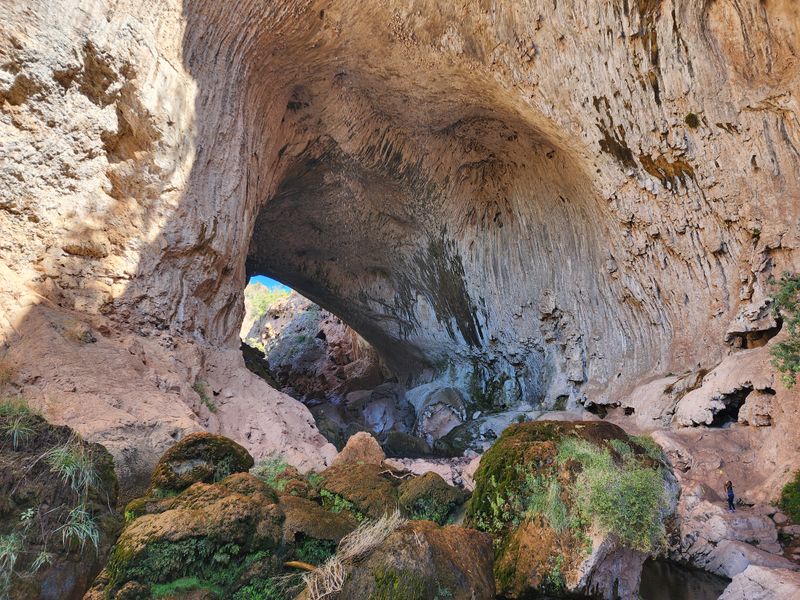
Hidden in the pine-covered mountains of Gila County, Tonto Natural Bridge is a geological wonder that surprises first-time visitors. This massive natural travertine bridge is believed to be the largest of its kind in the world, stretching 183 feet high and 150 feet wide.
Water from Pine Creek carved the tunnel through the rock over thousands of years, creating a cool, shaded oasis in the desert.
Several trails wind down into the canyon, allowing you to walk beneath the bridge and feel the mist from small waterfalls that trickle through. The descent can be steep and rocky, so wear sturdy shoes and take your time.
Once you’re underneath, the scale of the bridge becomes truly apparent—it’s like standing inside a cathedral made of stone.
The park is less crowded than many Arizona attractions, making it a peaceful escape. Vegetation thrives in the moist environment beneath the bridge, creating a lush contrast to the surrounding desert.
Visiting in spring or early summer offers the best water flow and greenery. It’s proof that Arizona’s landscapes are far more diverse than many people realize.
8. Walnut Canyon National Monument (Near Flagstaff)
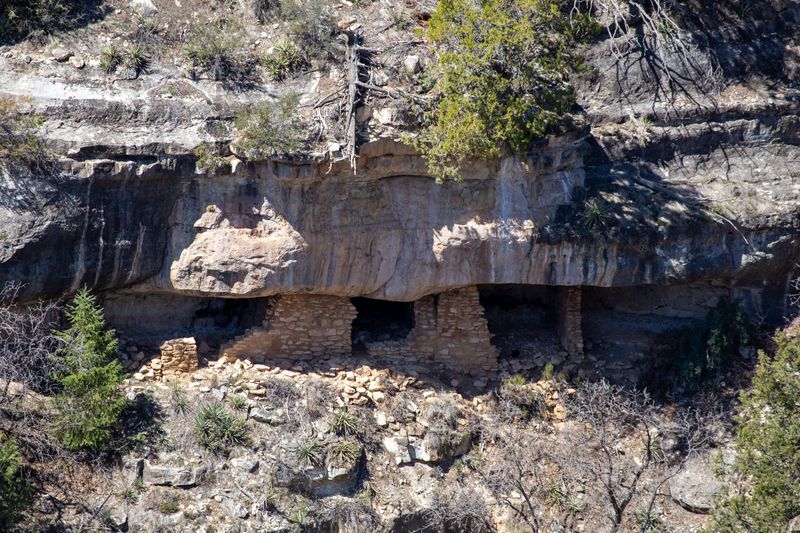
Just minutes from Flagstaff, Walnut Canyon hides a secret—over 25 cliff dwellings built into the canyon walls by the Sinagua people more than 800 years ago. Walking the Island Trail feels like stepping back in time as you pass by these ancient homes, imagining what life was like for the families who lived, farmed, and thrived in this sheltered canyon.
The trail loops around a limestone island, offering close-up views of the dwellings and the ingenious way they were constructed beneath natural overhangs. It’s a moderate hike with about 240 steps, but every turn reveals another window into the past.
The canyon itself is beautiful, with layers of rock and scattered ponderosa pines creating a peaceful atmosphere.
Rangers and interpretive signs help bring the history to life, explaining how the Sinagua adapted to the environment and used the canyon’s resources. The Rim Trail offers an easier walk with panoramic views for those who prefer to stay above the canyon.
Visiting in fall brings cooler temperatures and golden foliage, making it an ideal time to explore this hidden gem near Flagstaff.
9. Slide Rock State Park (Sedona Region)
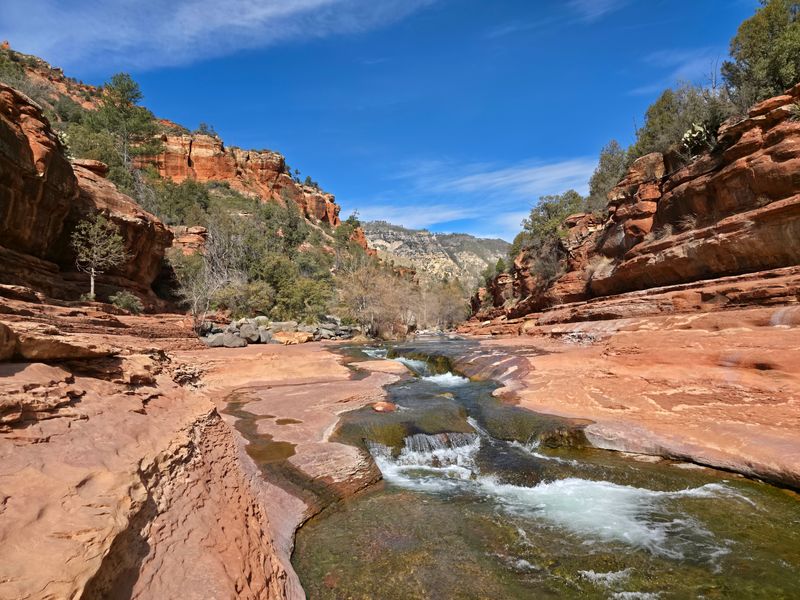
Slide Rock State Park is where Arizona’s desert landscape gets a refreshing twist—literally. Oak Creek runs through a natural water slide carved into the red rocks, creating a playground that’s as fun as it is beautiful.
On hot summer days, locals and tourists alike flock here to slip and splash down the smooth, slippery rocks, cooled by the creek’s crisp mountain water.
Beyond the famous slide, the park offers swimming holes, apple orchards (yes, really!), and hiking trails that wind through the canyon. The contrast of bright green trees against red rock cliffs is classic Sedona, and the sound of rushing water adds a peaceful soundtrack to your visit.
The park can get crowded, especially on weekends and holidays, so arriving early is key. Wear water shoes or old sneakers—the rocks are slippery, and you’ll want good grip.
The historic Pendley Homestead within the park offers a glimpse into early settler life in the area. Whether you’re sliding down the rocks or simply wading in the creek, Slide Rock delivers a uniquely Arizona experience that blends adventure, beauty, and pure joy.
10. Molino Canyon (Santa Catalina Mountains Near Tucson)
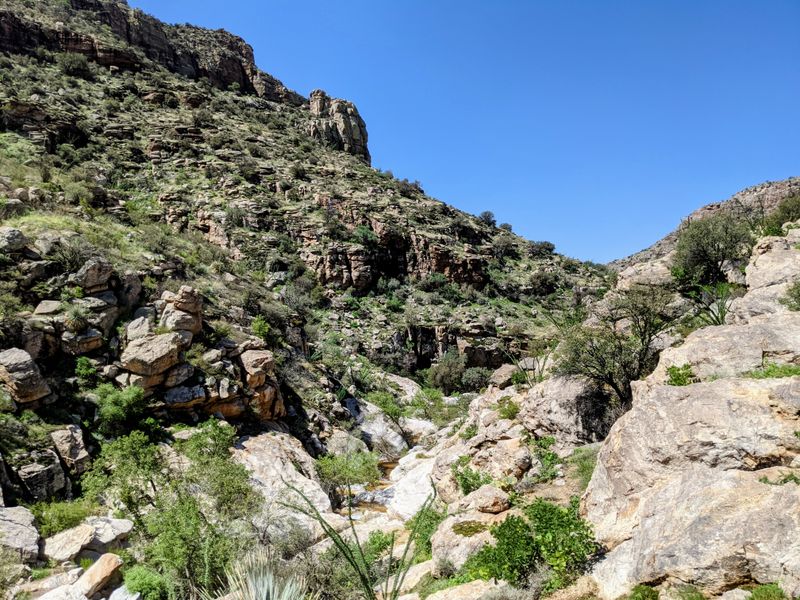
Molino Canyon offers a stunning drive through the Santa Catalina Mountains, where the desert floor gradually gives way to cooler, forested slopes. The Catalina Highway winds through the canyon, climbing nearly 6,000 feet in elevation and passing through five distinct climate zones—it’s like traveling from Mexico to Canada in less than an hour.
Each turn reveals new vistas of rugged peaks, deep canyons, and sweeping desert views below.
Molino Basin, located early in the drive, is a popular spot for camping, picnicking, and hiking. Trails here range from easy nature walks to challenging climbs that reward you with panoramic views.
Wildflowers bloom in spring, painting the hillsides in vibrant colors, while fall brings golden aspens higher up the mountain.
Rock formations in the canyon are dramatic and varied, shaped by millions of years of geological activity. Birdwatchers love this area for its diverse species, and you might spot deer, javelinas, or even a black bear if you’re lucky.
The drive continues all the way to the top of Mount Lemmon, where temperatures can be 20-30 degrees cooler than Tucson below—a perfect escape on a scorching summer day.