
California’s Forgotten Gold Rush Towns That Still Feel Authentic

California’s Gold Rush era left behind more than just stories of fortune and adventure—it created entire towns that seem frozen in time.
Many of these historic communities still stand today, offering visitors a genuine glimpse into the 1850s without the crowds or commercialization of bigger tourist spots.
Walking their wooden sidewalks and exploring their preserved buildings feels like stepping through a portal to the Wild West.
These eleven towns keep the spirit of the Gold Rush alive in the most authentic way possible.
1. Columbia
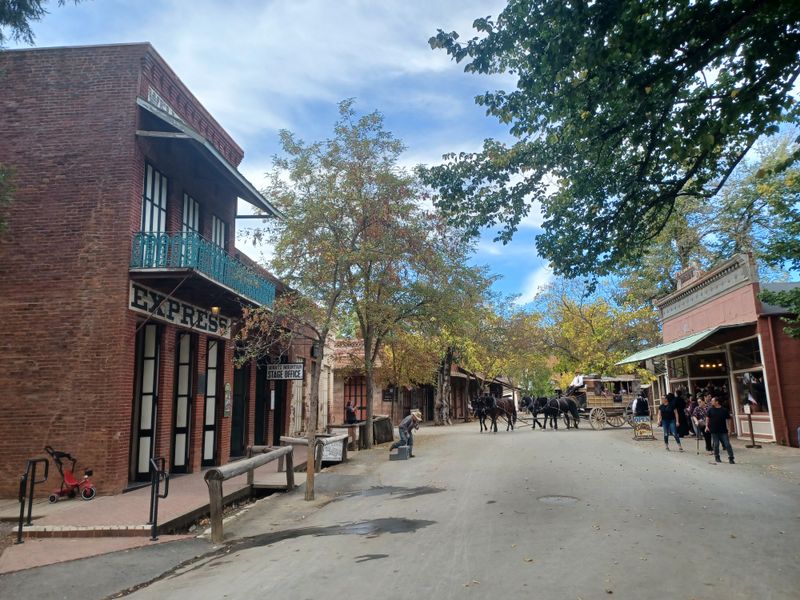
Picture a place where cars aren’t allowed on the main street and stagecoaches still rumble past old saloons.
Columbia State Historic Park preserves one of California’s best-surviving Gold Rush boomtowns, and it feels remarkably real.
The entire downtown area looks almost exactly as it did in the 1850s, with original brick buildings, wooden boardwalks, and shopkeepers dressed in period clothing.
You can pan for gold in the creek, watch blacksmiths hammer iron, or grab a sarsaparilla at the old-fashioned candy store.
The town produced over $87 million in gold during its heyday, and that wealth shows in the beautiful architecture that survived.
Unlike some “theme park” historic sites, Columbia doesn’t feel fake or overly polished.
Everything here has genuine history soaked into its wooden beams and dusty streets.
Kids absolutely love exploring the hidden corners and imagining life during the Gold Rush.
It’s hands-down one of the most immersive historical experiences in California.
2. Coloma
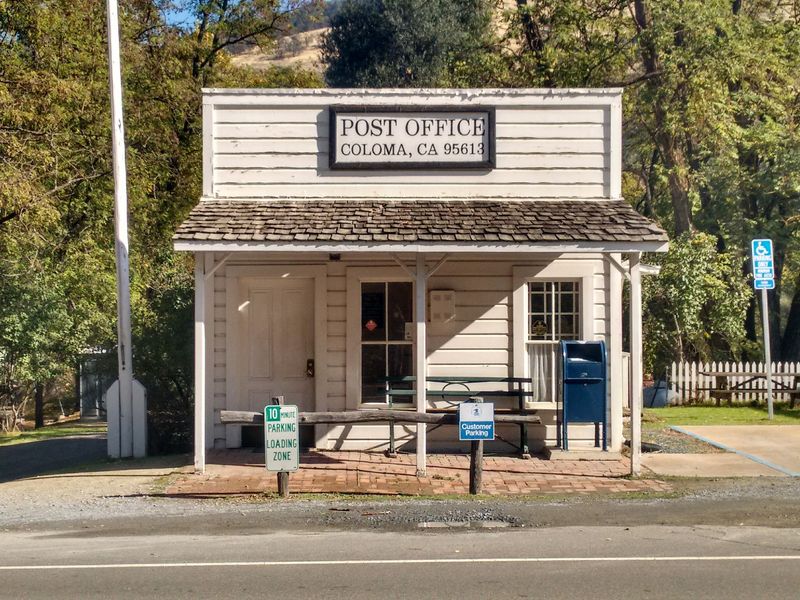
Everything changed right here on January 24, 1848, when James Marshall spotted gold flakes in the American River.
Coloma is literally where the California Gold Rush began, and visiting feels like paying respect to a sacred historical spot.
The town sits quietly along Highway 49, much smaller now than during its explosive boom years.
Marshall Gold Discovery State Historic Park preserves the actual sawmill site and offers fantastic museums explaining how one discovery transformed the entire West.
You can wade into the same river where Marshall made his famous find and try your luck panning for gold yourself.
The surrounding hills still show scars from hydraulic mining operations that tore through the landscape searching for riches.
Local shops sell mining supplies and antiques, and several original buildings still stand along Main Street.
There’s something profoundly moving about standing where American history pivoted so dramatically.
Coloma remains humble and authentic, never trying to oversell its monumental importance.
The peaceful riverside setting makes it easy to spend hours just soaking in the atmosphere.
3. Nevada City
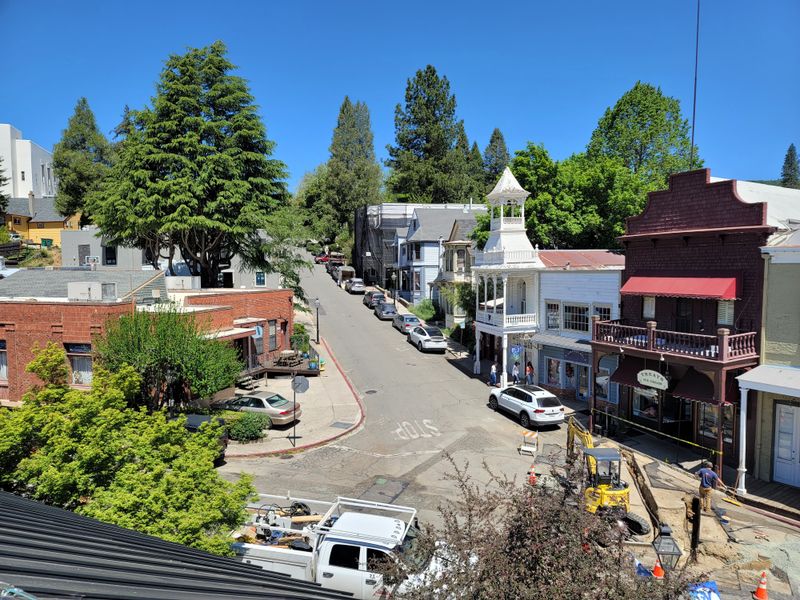
Victorian elegance meets Gold Rush grit in this incredibly well-preserved mountain town.
Nevada City’s downtown district looks like someone polished a 19th-century postcard and brought it to life.
Ornate balconies, gas street lamps, and colorful storefronts create an enchanting atmosphere that photographers absolutely adore.
The town produced enormous amounts of gold and used that wealth to build stunning architecture that still stands today.
Narrow streets wind up and down hillsides, revealing hidden courtyards, quirky shops, and excellent restaurants tucked into historic buildings.
The National Hotel, California’s oldest continuously operating hotel, still welcomes guests just as it did in 1856.
Local businesses maintain the town’s authentic character while offering modern amenities and artisan goods.
You’ll find working artists, live theater, and a thriving cultural scene that respects the past without being stuck in it.
Nevada City proves that historic towns can evolve and stay relevant while preserving their essential character.
It’s genuinely charming without trying too hard.
4. Sonora
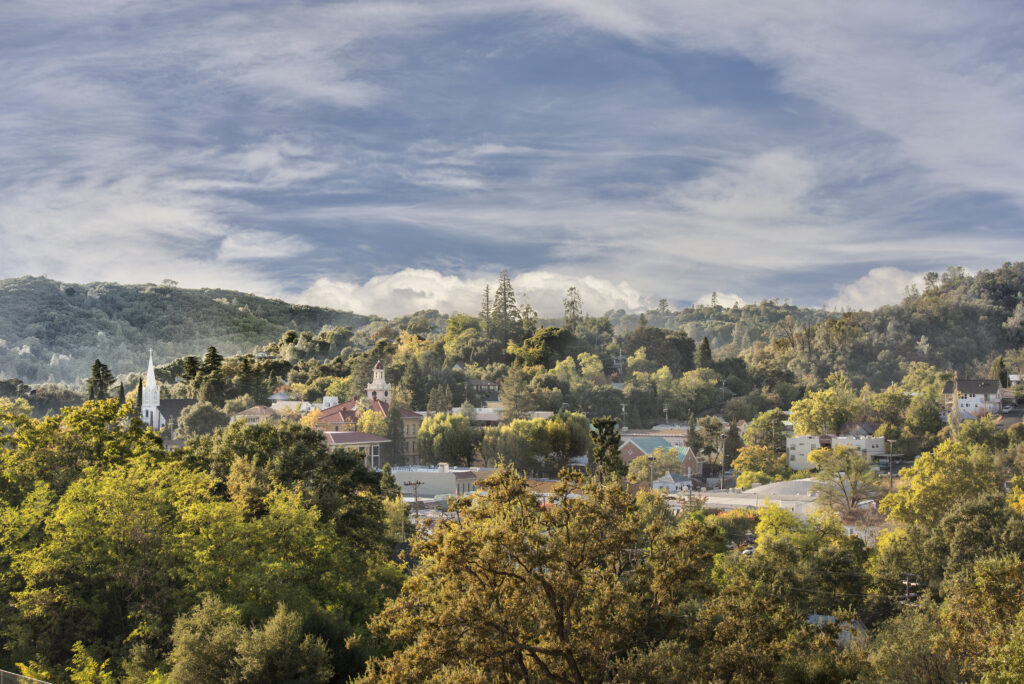
Mexican miners founded this town in 1848, bringing distinctive cultural influences that still flavor Sonora’s character today.
Walking Washington Street feels like traveling through layers of Western history, with buildings spanning different eras of the Gold Rush and beyond.
The town served as Tuolumne County’s seat, giving it an importance that shows in its impressive architecture.
Original iron doors and shutters still protect some storefronts, installed during rowdier times when fires and robberies threatened constantly.
Sonora balanced wild frontier energy with attempts at civilization, creating a fascinating mix that the modern town still embodies.
You’ll find excellent Mexican restaurants honoring the town’s founders alongside classic American diners and modern cafes.
The surrounding hills hold countless abandoned mines and ghost camps worth exploring with proper caution and respect.
Local museums document the diverse communities—Mexican, Chinese, European—who all sought fortune in these mountains.
Sonora feels lived-in and real, a working town that happens to have incredible history rather than a museum pretending to be a town.
5. Jamestown
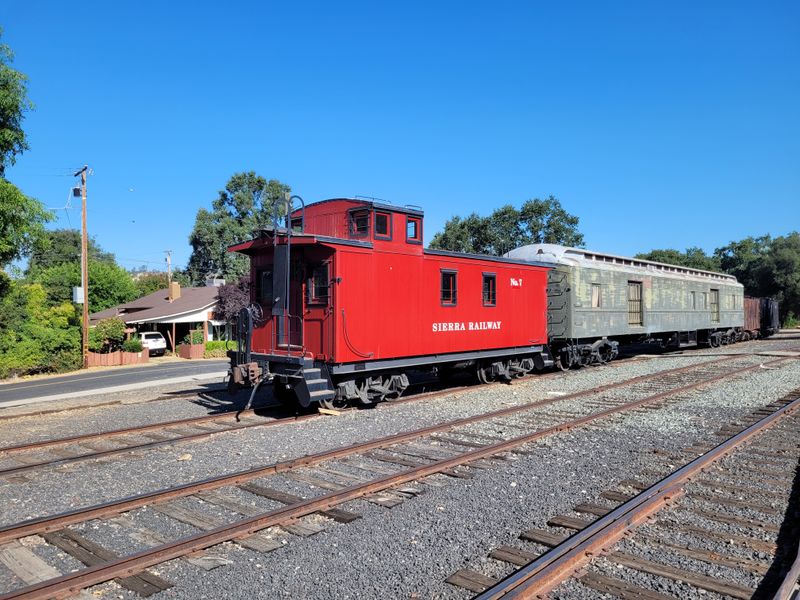
Steam locomotives whistle through this small town, adding authentic soundtrack to your Gold Rush experience.
Jamestown’s claim to fame includes both its mining history and Railtown 1897 State Historic Park, where vintage trains still run on original tracks.
Hollywood discovered this place decades ago, filming countless Westerns here because the setting looks so perfectly period-correct.
Main Street stretches just a few blocks but packs in saloons, antique shops, and the famous Willow Steakhouse that’s been serving hungry visitors since 1862.
The buildings lean slightly, their wooden facades weathered by over 150 years of Sierra Nevada seasons.
You can actually ride historic trains on weekends, experiencing travel as Gold Rush miners did when rail finally reached these mountains.
Kids go crazy for the railroad roundhouse where massive locomotives get turned around on giant turntables.
The town maintains its authenticity by staying small and resisting overdevelopment that would destroy its character.
Jamestown understands that its greatest asset is genuine history, not manufactured attractions.
It’s wonderfully unpretentious and welcoming.
6. Sutter Creek
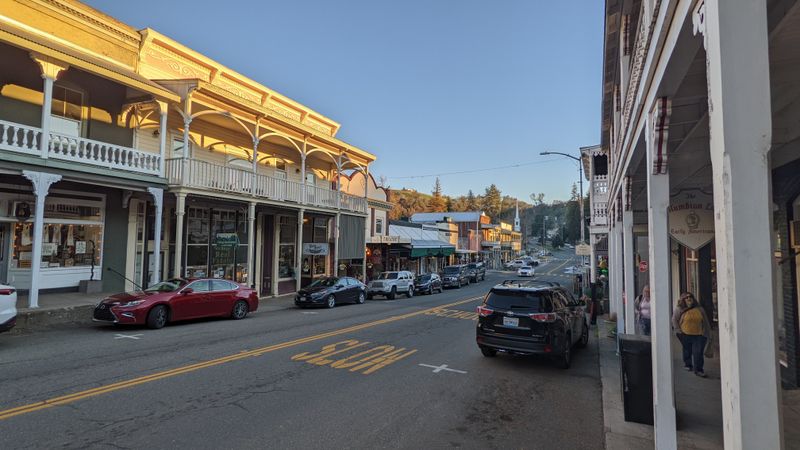
Wooden balconies overhang brick sidewalks in this exceptionally charming Amador County town.
Sutter Creek earned the nickname “Jewel of the Mother Lode” for good reason—its downtown feels like a perfectly preserved time capsule.
Unlike some Gold Rush towns that struggle economically, Sutter Creek thrives with antique dealers, wine-tasting rooms, and cozy bed-and-breakfasts.
The town’s founder, John Sutter, also owned the sawmill where gold was first discovered, connecting this place directly to the Rush’s origin story.
Main Street curves gently through town, revealing new architectural treasures around each bend.
Many buildings feature their construction dates proudly displayed, ranging from the 1850s through the early 1900s.
You can explore working antique stores filled with genuine Gold Rush-era artifacts and collectibles.
The surrounding countryside holds several historic mines that offer tours, showing the dangerous underground work that built these communities.
Sutter Creek balances tourism with authentic small-town life beautifully.
Locals actually live and work here, giving the town genuine energy beyond just visitor attractions.
7. Angels Camp

Mark Twain heard a story in a local hotel here that launched his literary career.
“The Celebrated Jumping Frog of Calaveras County” put both Twain and Angels Camp on the cultural map forever.
The town celebrates this connection enthusiastically while maintaining its authentic mining heritage.
Limestone buildings line Main Street, their thick walls keeping interiors cool even during hot Sierra foothill summers.
Angels Camp produced over $20 million in gold from incredibly rich underground deposits that miners followed deep into the mountains.
Several historic mines offer tours where you can descend into the earth and see where men worked by candlelight.
Every May, the town hosts the famous Jumping Frog Jubilee, continuing a tradition that started in 1928 to honor Twain’s story.
Museums display mining equipment, period furnishings, and artifacts from the diverse communities who settled here seeking fortune.
The town feels genuinely Western without being kitschy or fake.
You’ll find friendly locals who love sharing stories about their town’s colorful past and the characters who shaped it.
8. Downieville
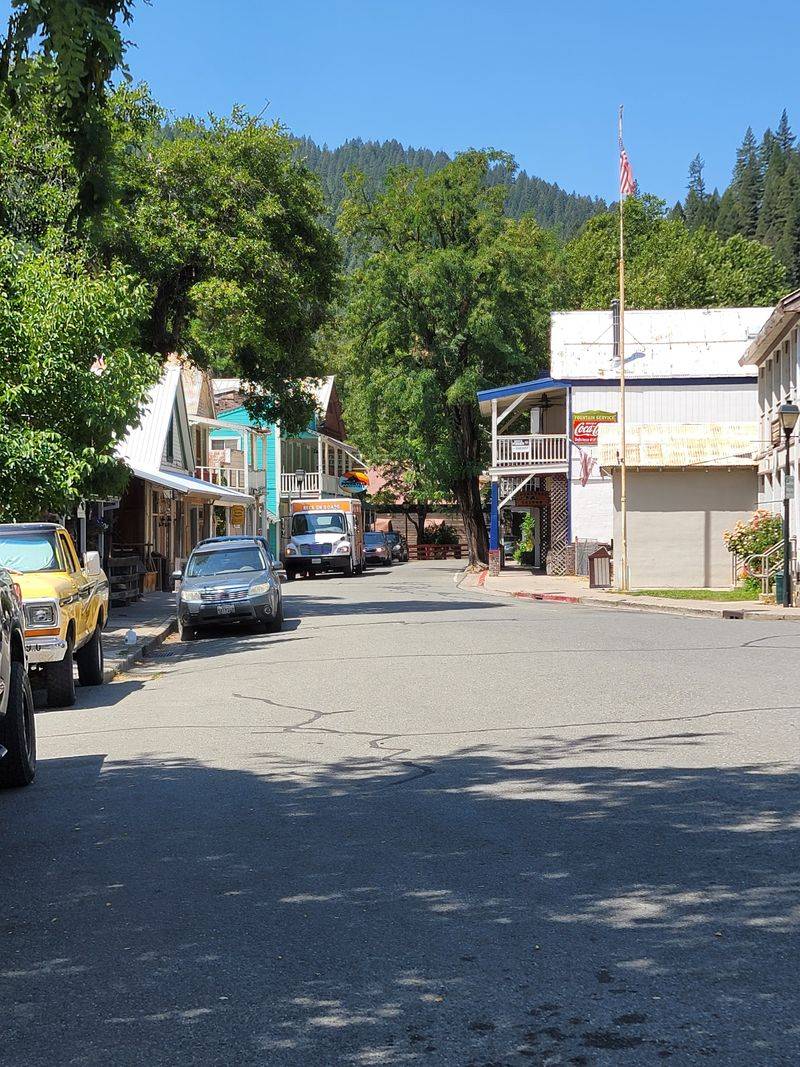
Getting here requires commitment—winding mountain roads that climb deep into the Sierra Nevada backcountry.
Downieville sits at the confluence of two rivers in a narrow canyon, its isolation helping preserve incredible authenticity.
The entire town is a designated historic district, with nearly every building dating from the Gold Rush era.
Wooden structures cling to steep hillsides, connected by staircases and narrow paths that follow the canyon’s natural contours.
The old gallows still stands, a grim reminder that frontier justice could be swift and harsh.
Mountain bikers discovered Downieville in recent decades, bringing new life to the town without destroying its historic character.
You can pan for gold in the rivers, hike to abandoned mine sites, or simply wander streets that look virtually unchanged since the 1850s.
The remote location means fewer tourists and a more genuine experience of what these mining camps actually felt like.
Locals are hardy, independent folks who chose mountain living over convenience.
Downieville rewards adventurous visitors who make the journey with unmatched authenticity and stunning natural beauty.
9. Placerville
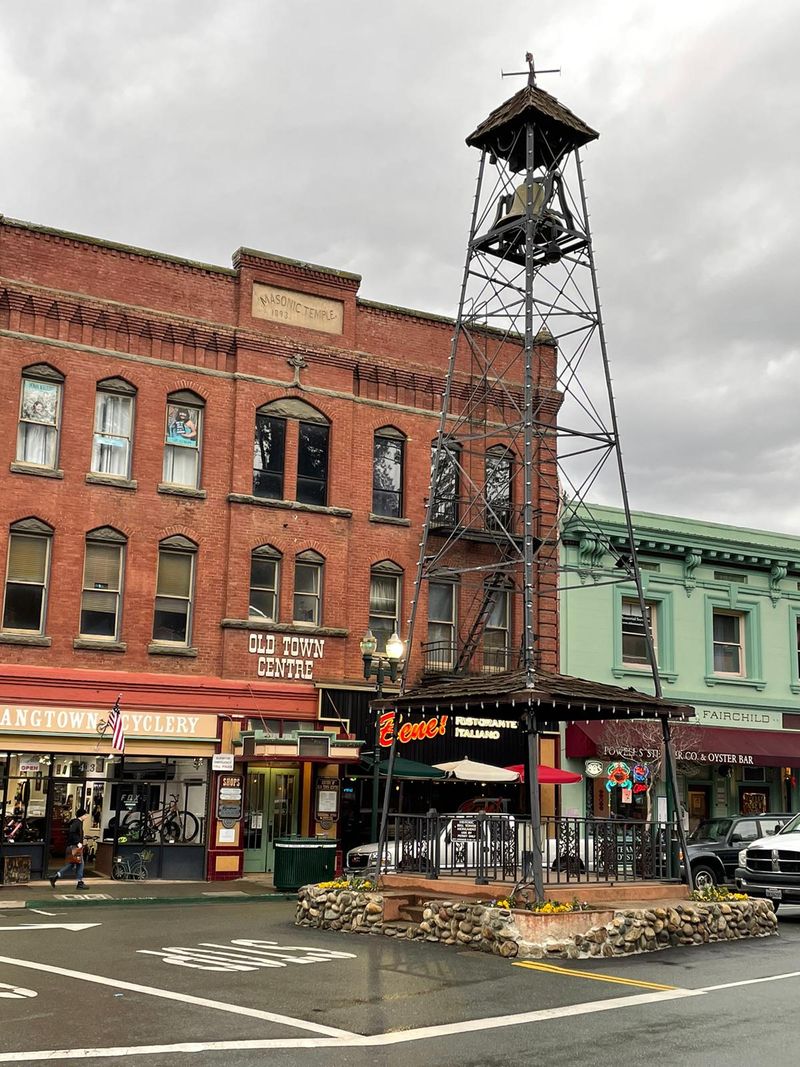
They originally called this place “Hangtown” for reasons you can probably guess.
Placerville had a rough reputation during the wildest Gold Rush years, when vigilante justice and quick trials ended with ropes thrown over sturdy tree branches.
The town cleaned up its act and changed its name, but never forgot its colorful, violent past.
Main Street climbs a steep hill, lined with brick buildings that survived multiple devastating fires that swept through early wooden structures.
The Bell Tower, built in 1865, warned residents of fires and still stands as the town’s most recognizable landmark.
You can visit the spot where the infamous hanging tree once stood, now marked with historical plaques.
Placerville served as an important supply center for miners heading to richer diggings in the high country.
The town’s museums tell stories of famous residents like John Studebaker, who built wheelbarrows here before founding his automobile company.
Modern Placerville balances its dark history with pride in how the community evolved and matured.
It’s honest about its past without glorifying the violence that once defined it.
10. Mariposa
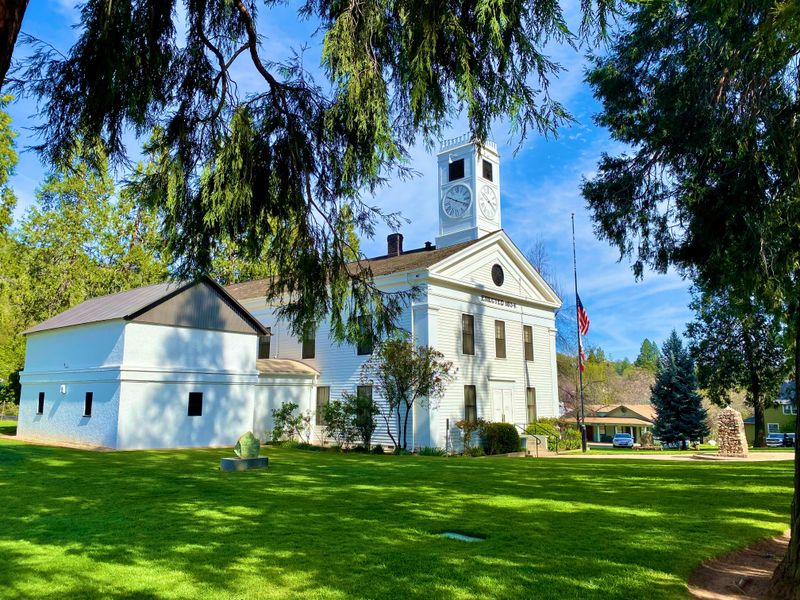
California’s oldest courthouse still operates in Mariposa, holding trials in the same building since 1854.
That continuity of purpose gives this town a living connection to Gold Rush justice that feels tangible and real.
Mariposa sits at the southern end of the Mother Lode, serving as gateway to both mining country and Yosemite National Park.
The courthouse’s white columns and clock tower dominate the town center, surrounded by period buildings that house modern businesses.
Walking these streets, you’ll notice how seamlessly old and new blend together without jarring contrasts.
Local museums display incredible collections of Gold Rush artifacts, minerals, and photographs documenting the area’s transformation.
The surrounding hills still hold active mining claims where modern prospectors search for overlooked gold using metal detectors and patience.
Mariposa never boomed as explosively as some towns, which ironically helped it maintain steadier growth and better preservation.
Residents take genuine pride in their town’s history and work hard to protect its character.
It’s less touristy than some Gold Rush destinations, offering more authentic interactions with locals who actually live this history daily.
11. Grass Valley
Hard-rock mining defined Grass Valley differently than the placer operations that dominated other Gold Rush towns.
Miners here followed gold veins deep underground, creating massive operations like the Empire Mine that produced for over 100 years.
That industrial scale brought different architecture and a more permanent, substantial feel to the town.
Cornish miners from England arrived with expertise in deep mining, bringing cultural traditions that still influence local festivals and food.
You can tour the Empire Mine State Historic Park and see the enormous scale of operations that extracted millions of ounces of gold.
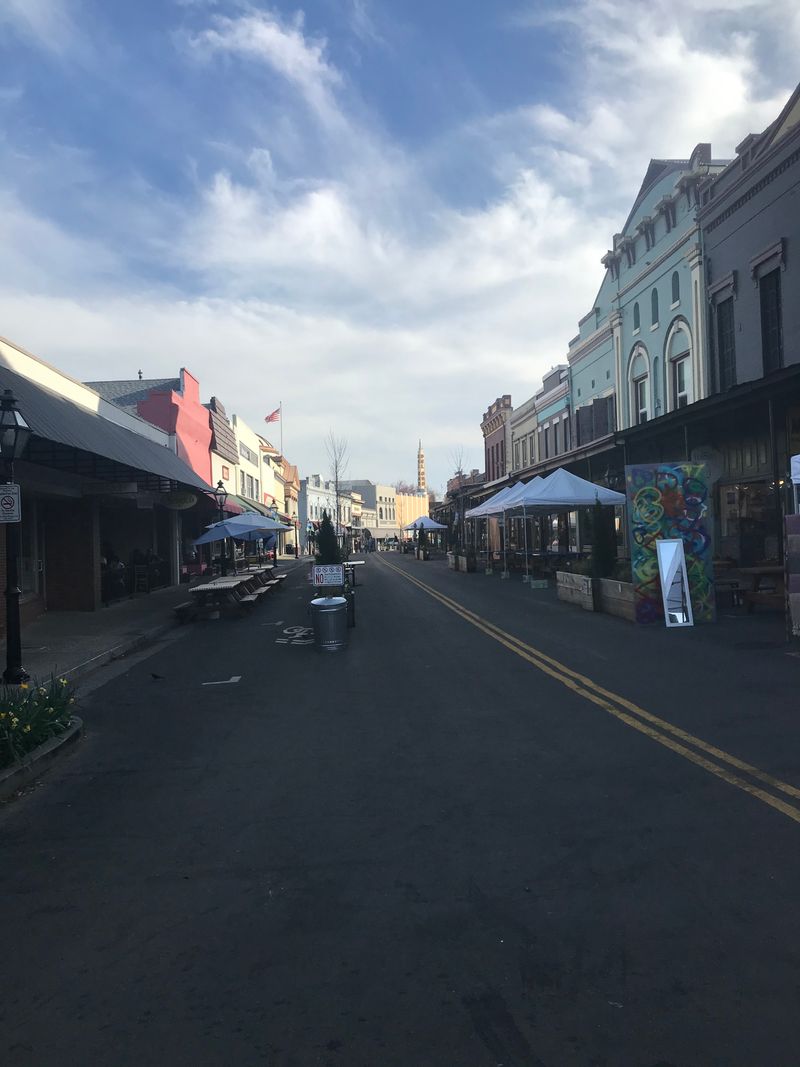
Downtown Grass Valley features beautiful brick buildings with cast-iron facades, built to last by people who knew they’d stay.
The town never fully abandoned mining—small operations still work claims in the surrounding hills today.
That continuity makes Grass Valley feel less like a preserved museum and more like a working community with deep roots.
Excellent restaurants, breweries, and shops occupy historic buildings, proving old structures can serve new purposes beautifully.
It’s authentically historic without feeling stuck in the past.