
12 Charming Michigan Villages Ideal For A Relaxing Weekend
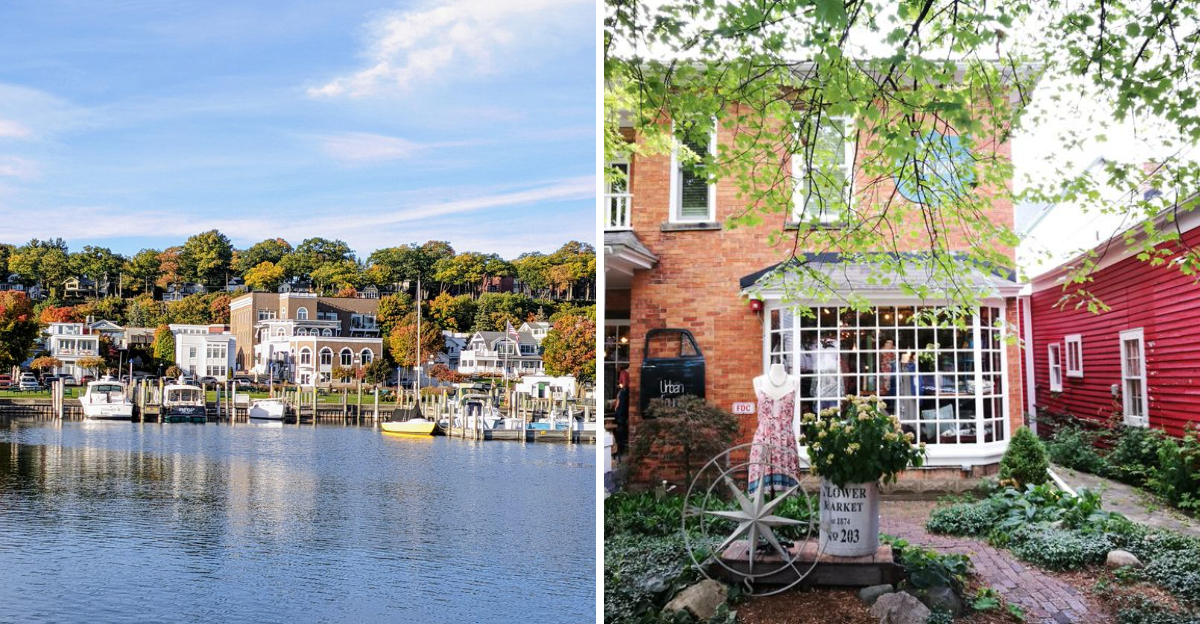
Imagine a weekend getaway where time slows down, and every street feels like a quiet retreat. These 12 charming Michigan villages are hidden gems, offering peaceful landscapes, local charm, and the perfect backdrop for relaxation.
Whether you’re strolling through quaint shops, enjoying serene lakeside views, or unwinding in cozy cafes, each village has its own unique character that promises a refreshing break from the hustle and bustle. Ready to escape the crowds and recharge? These villages await, offering everything you need for a restful weekend.
1. Leland
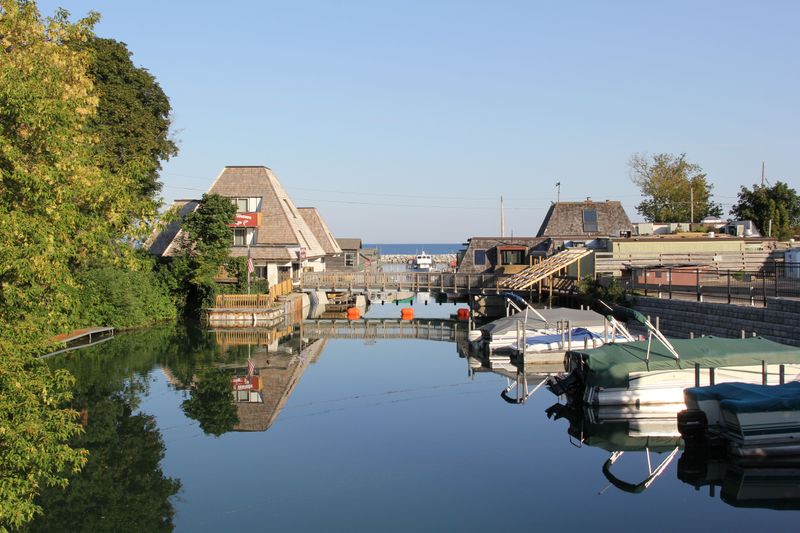
Fishtown stands as the heart of this harbor village, where weathered shanties line the docks like pages from a maritime storybook. You can watch charter boats unload their catches while gulls circle overhead, calling out their ancient songs.
The Leland River flows right through town, creating a natural divide between the historic district and modern shops.
Wander along the wooden boardwalks and you’ll find smoked fish markets that have operated for generations. Local artisans sell pottery, paintings, and handcrafted jewelry in galleries tucked between the fishing shacks.
The scent of cedar and lake water fills every breath.
When hunger strikes, grab a whitefish sandwich from one of the dockside eateries and eat it on a bench overlooking the harbor. Sunset here paints the sky in shades of orange and pink that reflect perfectly on the calm water.
This village offers a genuine glimpse into Michigan’s fishing heritage without feeling like a tourist trap.
2. Saugatuck
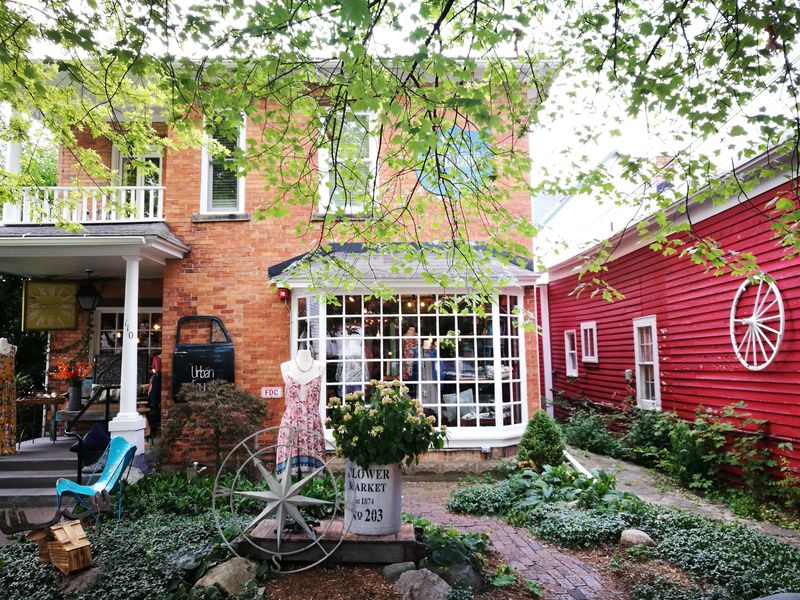
Art galleries outnumber gas stations in this creative haven where painters, sculptors, and craftspeople have built a thriving community. Every corner reveals another studio window displaying blown glass, abstract canvases, or handmade furniture.
The downtown area buzzes with energy as visitors hop between boutiques and coffee shops.
Mount Baldhead offers a workout with its 282 wooden steps climbing to panoramic views of Lake Michigan and the Kalamazoo River. Your legs might burn on the way up, but the vista makes every step worthwhile.
Chain ferries still transport passengers across the river, maintaining a tradition that dates back over a century.
Oval Beach consistently ranks among America’s best freshwater beaches, with soft sand and rolling dunes that beg for barefoot exploration. Summer brings live music to outdoor venues, while autumn transforms the surrounding forests into a riot of red and gold.
Saugatuck balances artistic sophistication with small-town warmth in a way few places manage.
3. Traverse City
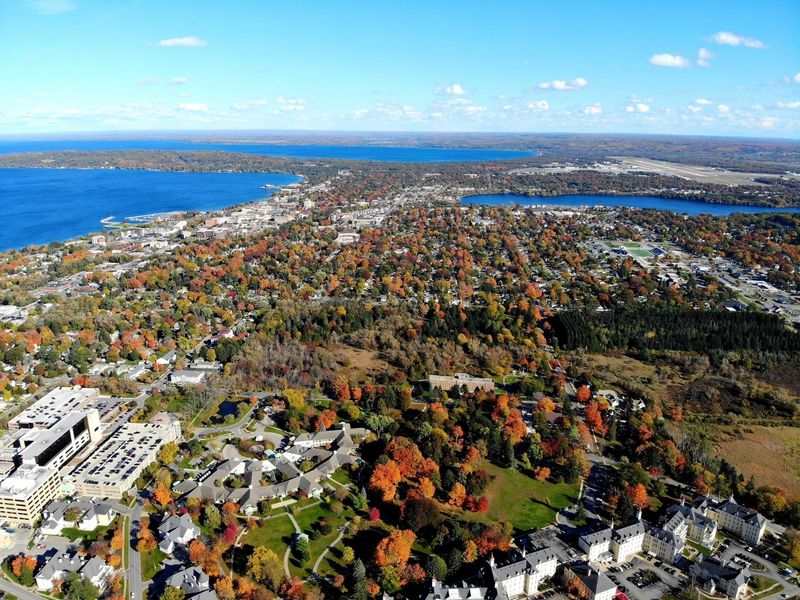
Cherry orchards carpet the hillsides surrounding this bay-side community, producing millions of pounds of fruit each summer. You’ll spot roadside stands selling fresh cherries, cherry jam, cherry salsa, and even cherry wine.
The National Cherry Festival in July transforms the entire town into a celebration of this tart little fruit.
Downtown stretches along Grand Traverse Bay with its turquoise waters that rival any tropical destination. Front Street hosts dozens of restaurants, breweries, and wine-tasting rooms within easy walking distance.
The Clinch Park beach sits right in town, offering swimming and picnicking without driving to remote locations.
Sleeping Bear Dunes National Lakeshore lies just a short drive north, providing hiking trails and towering sand mountains to climb. The Traverse City Film Festival attracts cinema lovers every summer, screening independent films in historic theaters.
Between the natural beauty, culinary scene, and cultural offerings, this village punches well above its weight for weekend entertainment and relaxation opportunities.
4. Harbor Springs
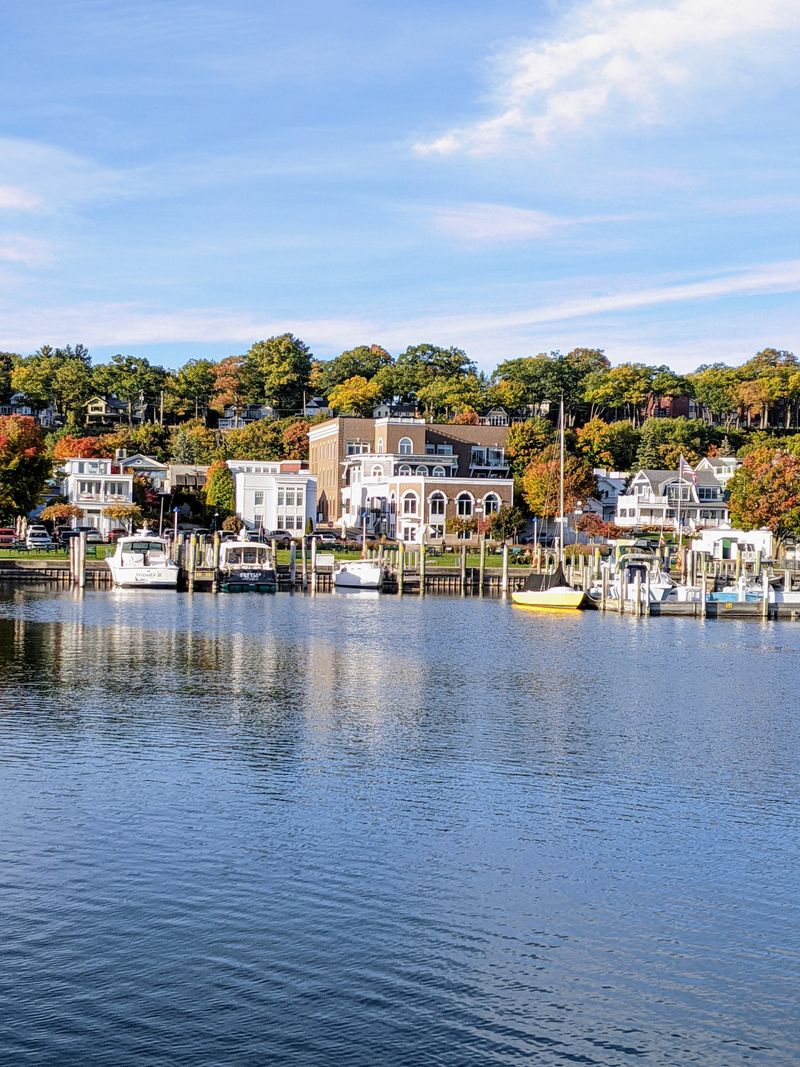
Victorian mansions perch on hillsides overlooking Little Traverse Bay, their gingerbread trim and wraparound porches speaking to an era of summer elegance. Wealthy families from Chicago and Detroit built these estates as seasonal retreats over a century ago.
Many still stand today, lovingly maintained and admired by visitors who stroll the residential streets.
Main Street slopes gently toward the water, lined with upscale boutiques, antique shops, and restaurants serving fresh walleye and prime rib. The marina hosts sailboats and yachts that bob peacefully in their slips.
A municipal beach provides swimming access, though the water stays refreshingly cold even in August.
Golf courses designed by legendary architects dot the surrounding countryside, attracting players from across the Midwest. The Tunnel of Trees scenic drive begins just outside town, winding through dense forest canopy for twenty miles of breathtaking autumn color.
Harbor Springs maintains an understated sophistication that never feels pretentious, welcoming weekend visitors with genuine northern Michigan hospitality.
5. Petoskey
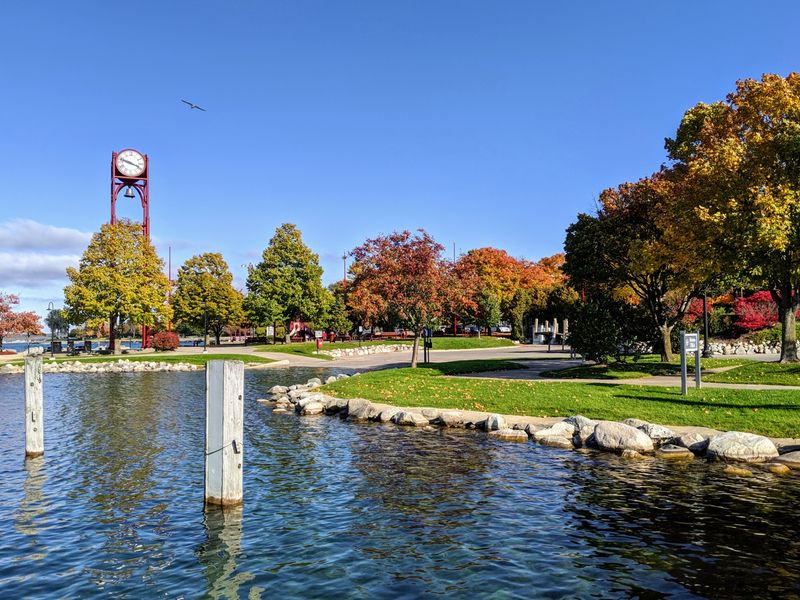
Hunting for Petoskey stones along the shoreline becomes an addictive treasure hunt once you learn to spot their distinctive hexagonal patterns. These fossilized corals, Michigan’s state stone, wash up on beaches throughout the area.
Early morning offers the best searching conditions when fresh waves expose new specimens.
Gaslight District shopping takes you back to an earlier time with its brick streets and vintage lampposts illuminating storefronts. Bookstores, clothing boutiques, and fudge shops compete for your attention and wallet.
Ernest Hemingway spent childhood summers here, and local museums celebrate his connection to the region.
Little Traverse Bay stretches before you with water so clear you can see stones twenty feet down on calm days. The Wheelway, a paved path following the shoreline, provides flat, scenic walking or biking for miles.
Winter transforms Petoskey into a ski destination with nearby resorts offering downhill and cross-country trails. This village serves as a year-round base camp for outdoor adventures and cultural exploration.
6. Coloma
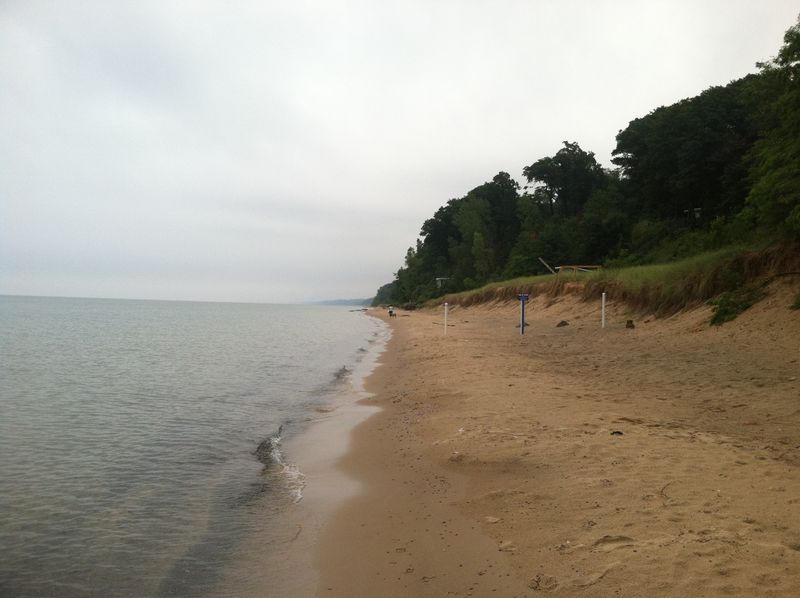
Fruit farms stretch in every direction from this agricultural village where peaches, apples, and blueberries grow in abundance. U-pick operations welcome families during harvest season, offering baskets and the chance to fill them straight from the trees.
The satisfaction of selecting your own fruit beats any grocery store experience.
Paw Paw River winds through the landscape, attracting kayakers and canoeists who enjoy peaceful paddling through rural Michigan. Several outfitters rent equipment and provide shuttle services for half-day or full-day trips.
Wildlife sightings include herons, turtles, and occasionally deer coming to the water’s edge.
Farm markets sell fresh produce, homemade pies, and locally produced honey throughout the growing season. The pace here moves slower than in tourist-heavy destinations, giving you space to truly unwind.
Autumn brings brilliant foliage and cider mills pressing fresh apples into the season’s signature drink. Coloma represents authentic rural Michigan without commercialization, where conversations with farmers and roadside stops define your weekend rhythm.
7. Fennville
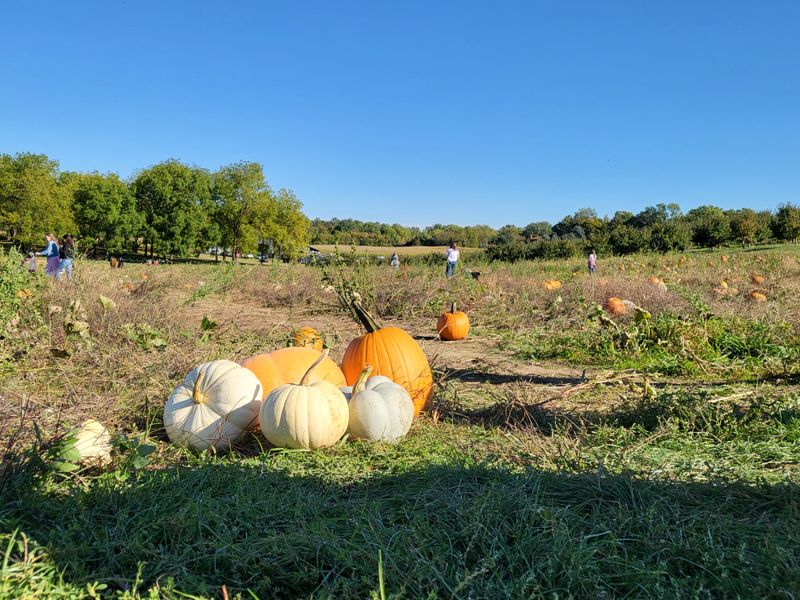
Vineyards blanket the rolling hills surrounding this village, producing award-winning wines that surprise people who think Michigan only makes beer. Tasting rooms welcome visitors with flights of reds, whites, and rosés made from grapes grown within sight of Lake Michigan.
The maritime climate creates ideal conditions for viticulture, similar to regions in France and Germany.
Goose Festival each October celebrates the thousands of migrating geese that stop in nearby fields during their southward journey. The event features craft vendors, live music, and plenty of goose-watching opportunities.
Local restaurants prepare special menus highlighting seasonal ingredients and regional flavors.
Hiking trails wind through wooded areas and along streams where wildflowers bloom in spring and summer. The village maintains a quiet, unhurried atmosphere that contrasts sharply with busier lakefront towns.
Farm-to-table dining experiences connect you directly with the agricultural heritage that defines this area. Fennville offers sophistication in an unexpected package, proving that great wine and relaxation don’t require coastal California or European travel.
8. Beulah

Crystal Lake lives up to its name with water so transparent you’ll swear you can see all the way to the sandy bottom fifty feet down. This inland lake, one of Michigan’s largest and deepest, provides swimming, fishing, and boating in a setting that feels almost tropical.
The village sits right on the shoreline, giving you immediate access to all that blue beauty.
Benzie Area Historical Museum tells stories of logging camps, early settlers, and the maritime history that shaped this region. Admission costs just a few dollars, and the volunteer guides share fascinating details you won’t find in guidebooks.
Summer concerts in the park bring locals and visitors together for free evening entertainment.
Sleeping Bear Dunes National Lakeshore begins just minutes away, offering hiking, beach access, and stunning overlooks of Lake Michigan. Downtown Beulah maintains its small-town character with a hardware store, ice cream shop, and casual restaurants that serve comfort food.
This village provides a peaceful home base for exploring northwestern Michigan without the crowds that pack more famous destinations.
9. Holland
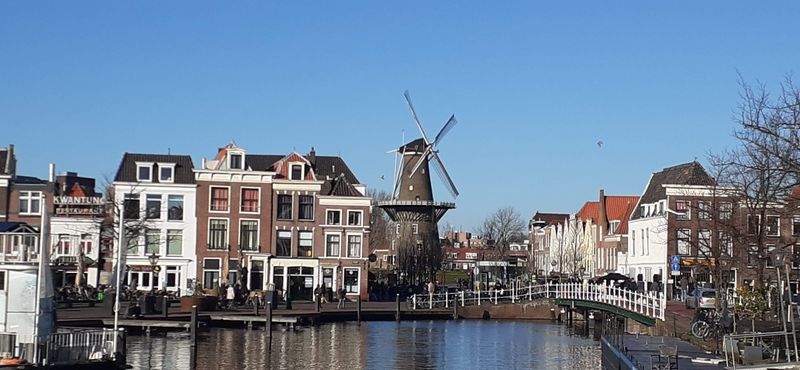
Dutch heritage permeates every aspect of this village from the authentic wooden windmill that still grinds wheat to the tulip farms that explode with color each May. Tulip Time Festival transforms the entire community into a celebration of Netherlands culture with parades, wooden shoe dancing, and millions of blooming tulips lining streets and parks.
Even if you miss the festival, Dutch bakeries sell stroopwafels and almond-filled pastries year-round.
Lake Michigan beaches stretch for miles just west of downtown, with Holland State Park offering some of the finest sand in the region. The channel connecting Lake Macatawa to Lake Michigan provides excellent fishing and boat-watching opportunities.
Big Red Lighthouse stands as an iconic photo opportunity at the channel entrance.
Downtown streets feature murals celebrating Dutch immigration history alongside modern restaurants and brewpubs. The warm, welcoming atmosphere reflects the community’s roots in hospitality and craftsmanship.
Holland successfully balances its cultural identity with contemporary amenities, creating a unique weekend destination that educates while it entertains and relaxes.
10. South Haven
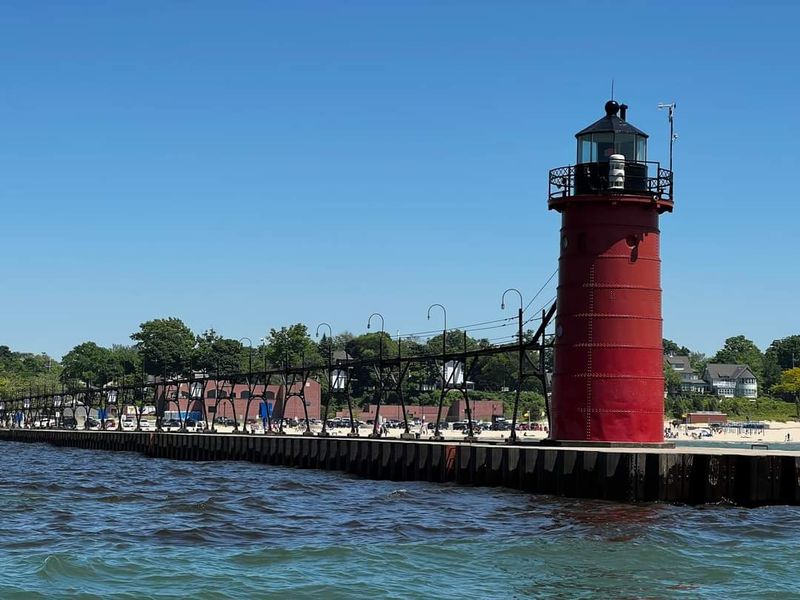
Lighthouse walks along the pier become daily rituals for visitors who time their strolls to catch sunrise or sunset over Lake Michigan. The iconic red lighthouse at the end of the pier has guided ships since 1903, and climbing out to touch it feels like a pilgrimage.
Waves crash against the concrete walkway when storms blow in, creating dramatic photo opportunities.
Blueberry farms surround the village, earning South Haven the title of Blueberry Capital of Michigan. Summer brings u-pick operations and roadside stands overflowing with plump, sweet berries.
The National Blueberry Festival in August features pie-eating contests, concerts, and more blueberry treats than you can imagine.
Downtown shopping and dining options range from casual beach cafes to upscale restaurants serving farm-to-table cuisine. North Beach provides easy swimming access with lifeguards on duty during summer months.
Maritime Museum showcases the region’s shipping history and connection to the Great Lakes. South Haven delivers classic beach-town vibes with enough variety to keep you entertained for multiple visits throughout the year.
11. Ortonville
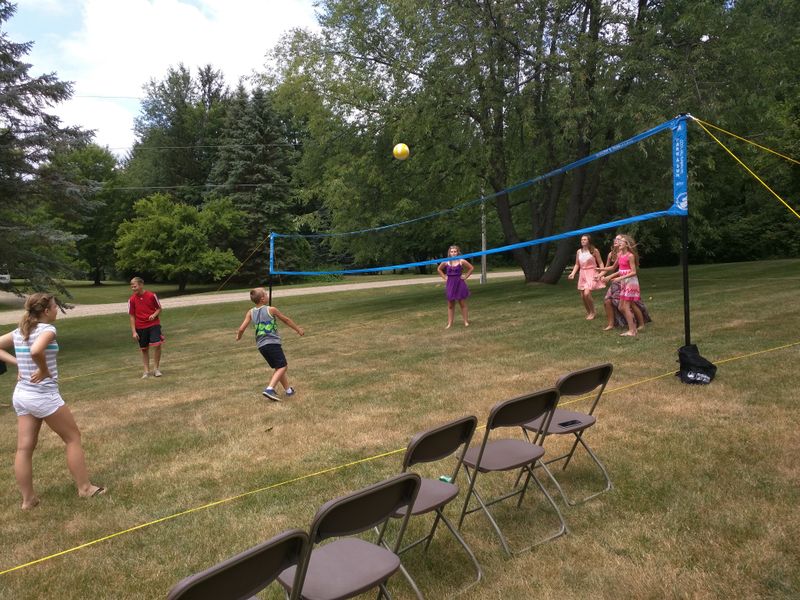
Polly Ann Trail offers miles of paved pathway perfect for biking, walking, or rollerblading through forests and farmland without worrying about vehicle traffic. This former railroad line now serves recreational users year-round, with cross-country skiers taking over in winter.
The flat, well-maintained surface welcomes families with young children and seniors alike.
Downtown Ortonville maintains its historic character with antique shops, cafes, and locally owned businesses that have served the community for decades. The village sits at the edge of several lakes, providing fishing and boating opportunities within minutes of the main street.
Resident geese and ducks waddle through parks, delighting visitors who bring bread crumbs.
Brandon Township Library hosts community events and provides a quiet space for reading on rainy afternoons. Local restaurants serve hearty portions of American comfort food without pretension or high prices.
Ortonville represents small-town Michigan at its most authentic, where neighbors know each other and newcomers receive genuine welcomes. This village rewards those seeking simplicity and natural beauty over manufactured attractions and crowded tourist destinations.
12. Vermontville
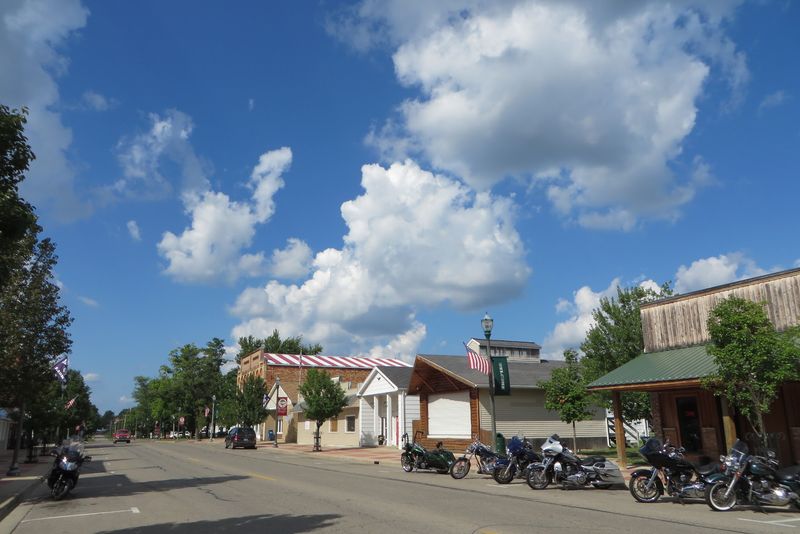
Maple syrup production defines this village’s identity, with sugar bush operations tapping thousands of trees each spring when sap starts flowing. Visitors can tour sugarhouses where sap boils down into the golden syrup that tops pancakes across America.
The Maple Syrup Festival in April draws crowds eager to taste fresh syrup and learn about this seasonal tradition.
Settlers from Vermont founded the community in the 1830s, bringing New England architecture and values to Michigan soil. Historic homes and churches reflect that heritage with their clean lines and practical design.
The village maintains a peaceful, rural atmosphere that feels removed from modern hustle despite being within an hour of Lansing.
Fishing enthusiasts appreciate the access to several nearby lakes stocked with bass, bluegill, and pike. Covered bridges in the surrounding countryside provide scenic photo opportunities and connections to the past.
Vermontville offers a genuine slice of agricultural Michigan where weekend visitors can slow down, taste locally produced foods, and appreciate the rhythms of farm life that continue generation after generation.