
9 Charming New Hampshire Towns Feel Beautifully Frozen In Time
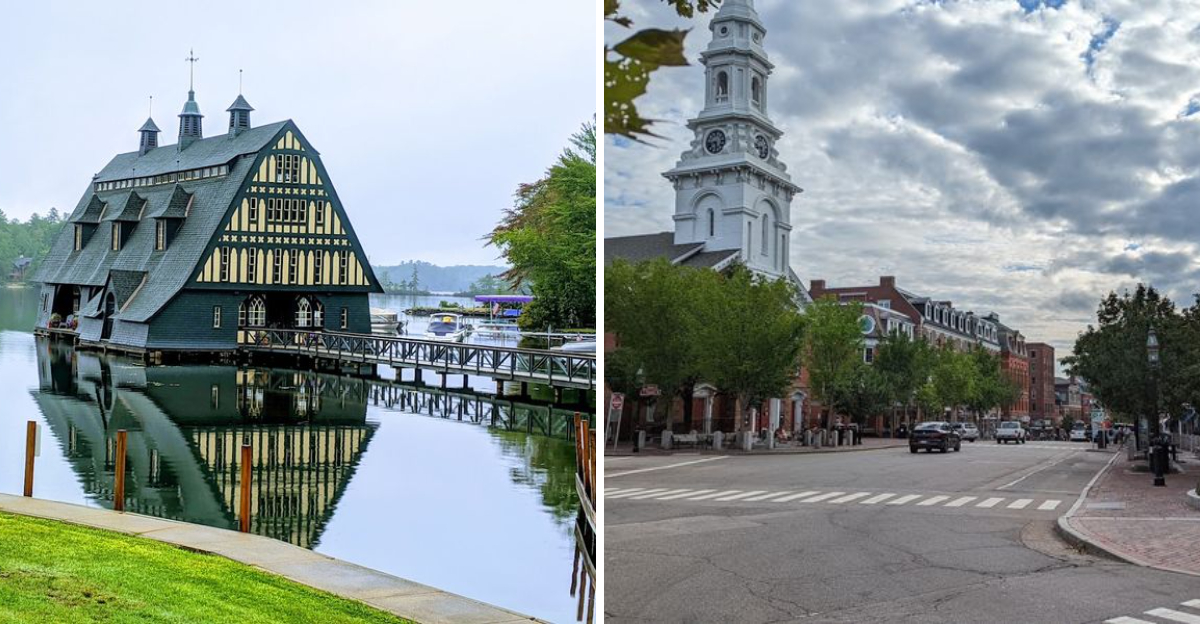
Have you ever driven through a town that made you forget what year it was? New Hampshire has several places where old storefronts, white-steepled churches, covered bridges, and quiet main streets still feel beautifully untouched by time.
These towns are not frozen in the past in a dusty, forgotten sense. They are lively, welcoming, and full of the small details that make you slow down.
You may find yourself lingering near a village green, browsing a family-run shop, or wondering how life still feels so calm here.
The state is known for scenic beauty, but these communities offer something deeper. They make ordinary moments feel memorable. A short visit can leave you thinking about simpler routines, familiar faces, and mornings without any rush.
Across the state, these nine New Hampshire towns prove that history does not always sit behind museum glass. Sometimes, it still fills the streets.
1. Exeter, New Hampshire
Ever wonder what Revolutionary America actually looked like? Exeter answers that question without saying a word.
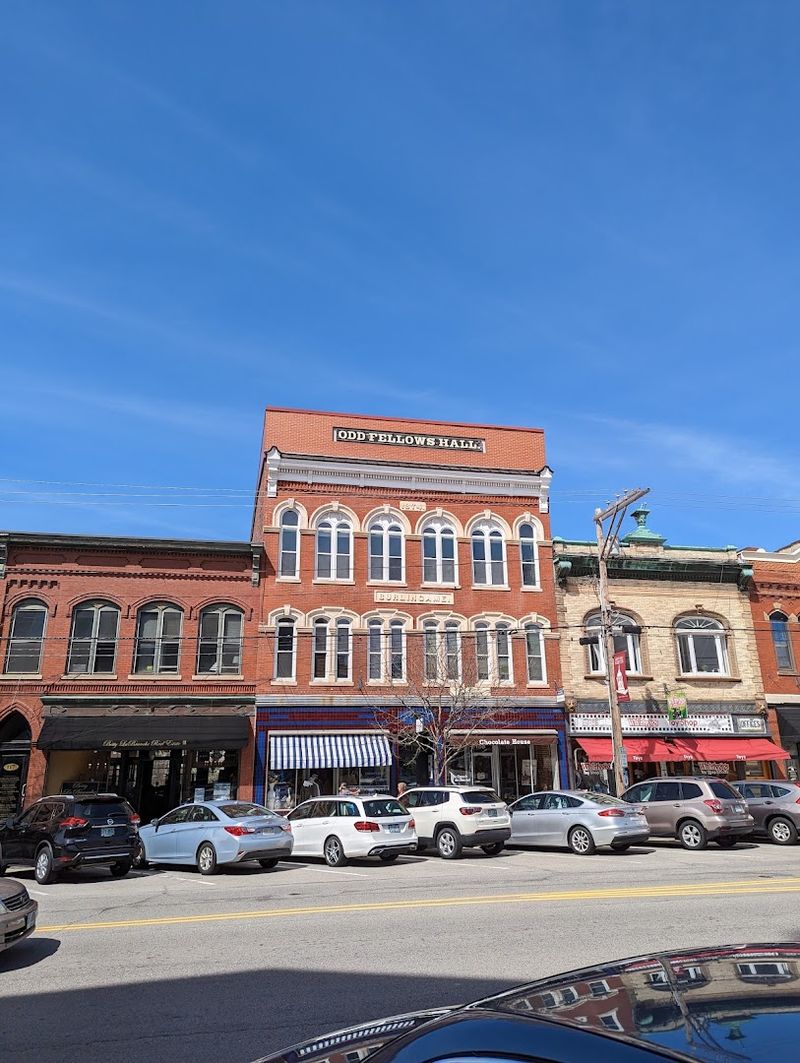
Red brick buildings from the 1700s crowd the downtown, each one a time capsule of colonial craftsmanship.
This town served as New Hampshire’s capital during the Revolution. The state constitution got written here in 1776.
Walk past the American Independence Museum and you’re standing where history got made, not just remembered.
Phillips Exeter Academy dominates the landscape with its ivy-covered buildings and manicured grounds. Founded in 1781, this prep school educated Daniel Webster and helped shape American education.
The campus feels like stepping onto a movie set designed to capture old New England.
Downtown shops occupy structures that witnessed centuries of commerce. The Exeter River curves through town, powering mills that once drove the local economy.
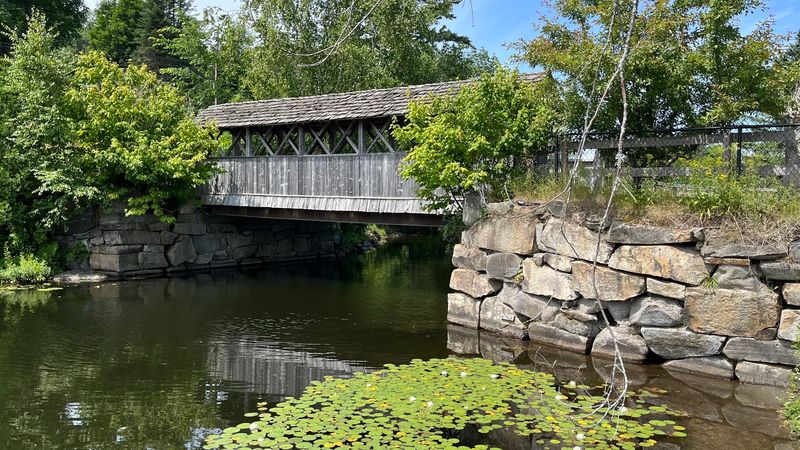
Stone bridges cross the water at points where colonists forded on horseback.
Local preservation efforts kept modern development at bay. Chain stores stay on the outskirts while the historic district maintains its 18th-century character.
Street lamps cast the same glow they did generations ago.
Exeter proves you can honor the past without becoming a museum. Real people live in those historic homes and shop in those ancient storefronts, creating a living connection to America’s founding era.
Exeter, Rockingham County, New Hampshire
2. Franconia, New Hampshire
Mountains tower over everything here, making human concerns feel wonderfully small. Franconia sits in a notch carved by glaciers, surrounded by peaks that inspired poets and painters for two centuries.
Robert Frost lived here and wrote some of his most famous poems while farming these difficult hills. His white farmhouse still stands, open to visitors who want to see where American literature took root.
The landscape shaped his words about snowy woods and walls that needed mending.
The Old Man of the Mountain watched over this valley until 2003 when the rock formation finally collapsed. Locals still mourn the loss like a family member.
That kind of attachment to place defines Franconia better than any guidebook description.
Iron furnaces once operated in these mountains, producing materials for the young nation. Those industrial days left behind stone foundations and historical markers, but nature reclaimed most evidence.
Now the White Mountain National Forest surrounds the town with wilderness.
Village buildings date to the 1800s when logging and tourism drove the economy. Many structures kept their original clapboard siding and simple designs.
No fancy Victorian flourishes here, just practical Yankee construction meant to withstand harsh winters.
Sugar maples line the roads, exploding into color each fall. Spring brings mud season and summer tourists, but winter defines this place.
Snow piles high and stays until April, just like it always has.
Franconia, Grafton County, New Hampshire
3. Canterbury, New Hampshire
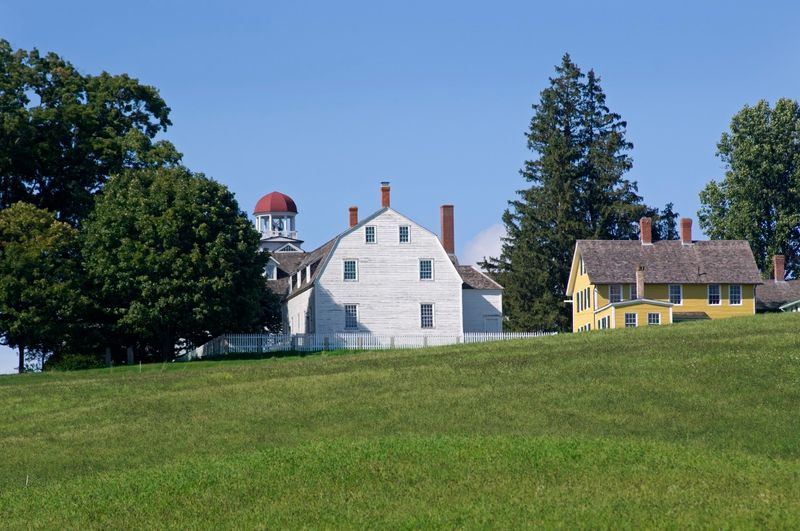
Simplicity reaches perfection at Canterbury Shaker Village. Twenty-five original buildings stand exactly as the Shakers left them, showcasing a religious community that valued work, equality, and craftsmanship above all else.
The Shakers arrived in 1792 and built a self-sufficient society that lasted nearly two centuries. They invented the flat broom, circular saw, and clothespin while pursuing spiritual perfection through manual labor.
Every object they created combined function with understated beauty.
White clapboard structures surround the village green, each one designed with mathematical precision. No decoration interrupts the clean lines.
Rooms feature built-in cabinets and pegs for hanging chairs, innovations that modern designers still copy.
Gardens stretch behind the buildings, laid out in geometric patterns that made harvesting efficient. The Shakers grew medicinal herbs and sold seeds across America, building a business empire based on quality and honesty.
Their reputation for reliability made the Canterbury community prosperous.
The last Shaker sister lived here until 1992, maintaining traditions unchanged since the 1800s. Visitors can tour workshops where craftsmen demonstrated woodworking, weaving, and blacksmithing skills passed down through generations.
Tools hang on walls exactly where workers left them.
This village operates as a museum now, but the Shaker presence remains strong. Their philosophy of simple living and dedication to excellence permeates every corner.
Modern life feels loud and cluttered by comparison.
Canterbury, Merrimack County, New Hampshire
4. Moultonborough, New Hampshire
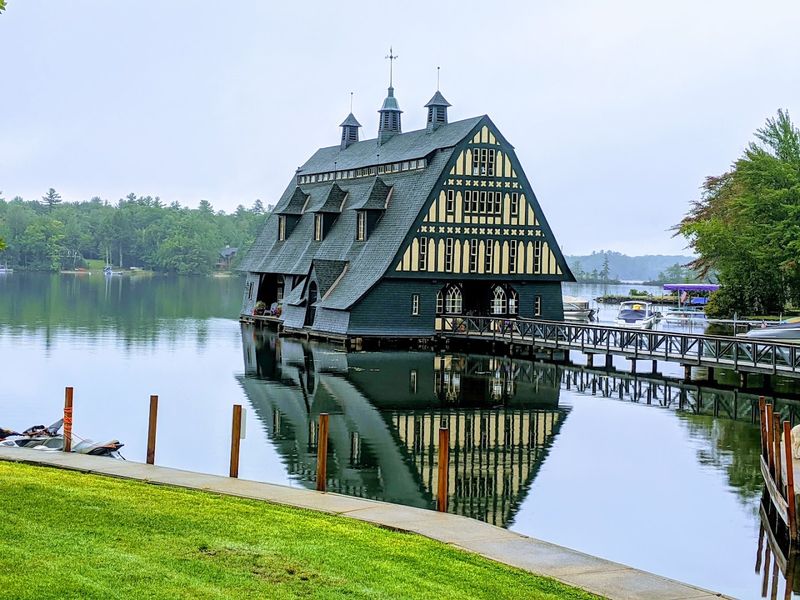
Lake Winnipesaukee stretches blue and endless from Moultonborough’s shores. This town claims some of the best water views in New Hampshire, but it never sold out to tourism like other lakeside communities.
Castle in the Clouds sits on a mountain overlooking the lake, a 1914 mansion that looks transplanted from a European fairy tale. Thomas Plant built this Arts and Crafts masterpiece when he owned 6,300 acres of mountainside.
The estate preserved that land, keeping development away from the ridgelines.
Downtown Moultonborough consists of a few stores, a library, and buildings that predate the Civil War. No boardwalk or amusement parks interrupt the quiet.
Residents like it that way and fought to keep commercial development minimal.
The Old Country Store has operated since 1781, making it one of America’s oldest continuously running shops. Original wide-plank floors creak under your feet.
Shelves hold the same mix of necessities and treats that farmers bought two centuries ago.
Stone walls crisscross the landscape, marking property lines established when this was all farmland. Those walls required backbreaking labor to build, rocks cleared one by one from fields that barely produced crops.
They stand as monuments to Yankee stubbornness.
Summer brings vacationers to lakeside cottages, but they blend into the scenery rather than dominating it. Moultonborough maintained its character by refusing to change with every trend.
That restraint preserved something valuable.
Moultonborough, Carroll County, New Hampshire
5. Salem, New Hampshire
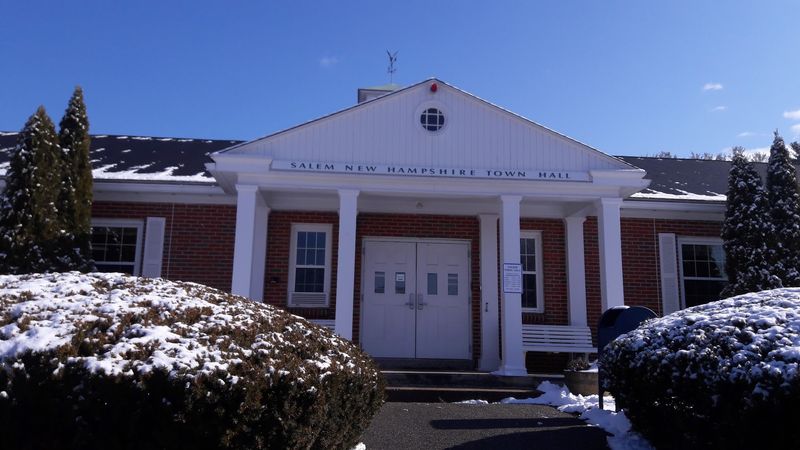
Border towns usually lose their identity to sprawl and strip malls. Salem somehow avoided that fate despite sitting right next to Massachusetts.
Historic districts preserve the original village while modern development stays contained.
The town got its name in 1750 when it split from larger Methuen. Early settlers built homes that still line Main Street, their post-and-beam construction solid enough to last three centuries.
Several houses display plaques noting they sheltered Revolutionary War soldiers.
Canobie Lake Park opened in 1902 as a trolley park, designed to give city dwellers a taste of country life. The amusement park still operates with vintage rides alongside modern attractions.
That mix of old and new defines Salem’s approach to preservation.
Mystery Hill, also called America’s Stonehenge, puzzles archaeologists with its ancient stone structures. Some claim it dates back 4,000 years.
Others argue for colonial root cellars. Either way, the site adds intrigue to Salem’s history.
Town Common provides green space where residents gather for concerts and farmers markets. White churches face the common from multiple sides, their steeples competing for height.
These buildings anchored community life when religion and civic duty intertwined completely.
Residential streets branch off the historic center, lined with Cape Cods and colonials that could appear in any New England postcard. Mature trees shade sidewalks where kids still walk to school.
Salem balanced growth with preservation better than most border communities.
Salem, Rockingham County, New Hampshire
6. Bath, New Hampshire
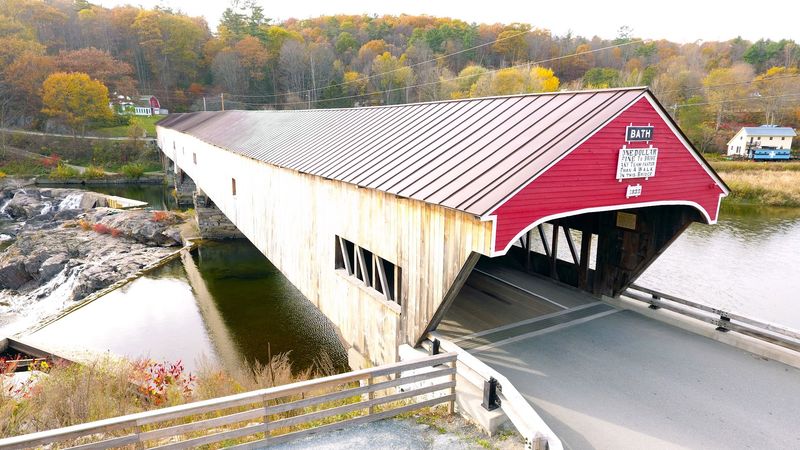
Covered bridges tell you everything about a town’s priorities. Bath maintained three of them, each one a testament to craftsmanship and community commitment to preserving connections.
The Haverhill-Bath Covered Bridge spans the Ammonoosuc River, built in 1829 using techniques that modern engineers still admire. Red paint protects the wooden structure from weather.
Inside, sunlight filters through gaps in the boards, creating patterns on the plank floor.
Bath Congregational Church dominates the village center with its white clapboard perfection. Built in 1834, the building represents Greek Revival architecture at its most elegant.
The church still holds services, organ music drifting through windows that witnessed nearly two centuries of worship.
This village served as a stagecoach stop when travelers needed fresh horses between longer destinations. The Brick Store, constructed in 1824, provided supplies to those passing through.
That building stands today, converted to other uses but structurally unchanged.
Agriculture defined Bath’s economy for generations. Dairy farms dotted the hillsides, their barns bigger than the houses.
Many of those farms disappeared, but enough remain to keep the landscape rural. Hay fields still get mowed in summer, filling the air with that sweet grass smell.
Population hovers around 1,000 residents, the same rough number as a century ago. Growth never tempted Bath the way it did communities closer to highways.
Distance from interstates preserved this village better than any historic commission could.
Bath, Grafton County, New Hampshire
7. Cornish, New Hampshire
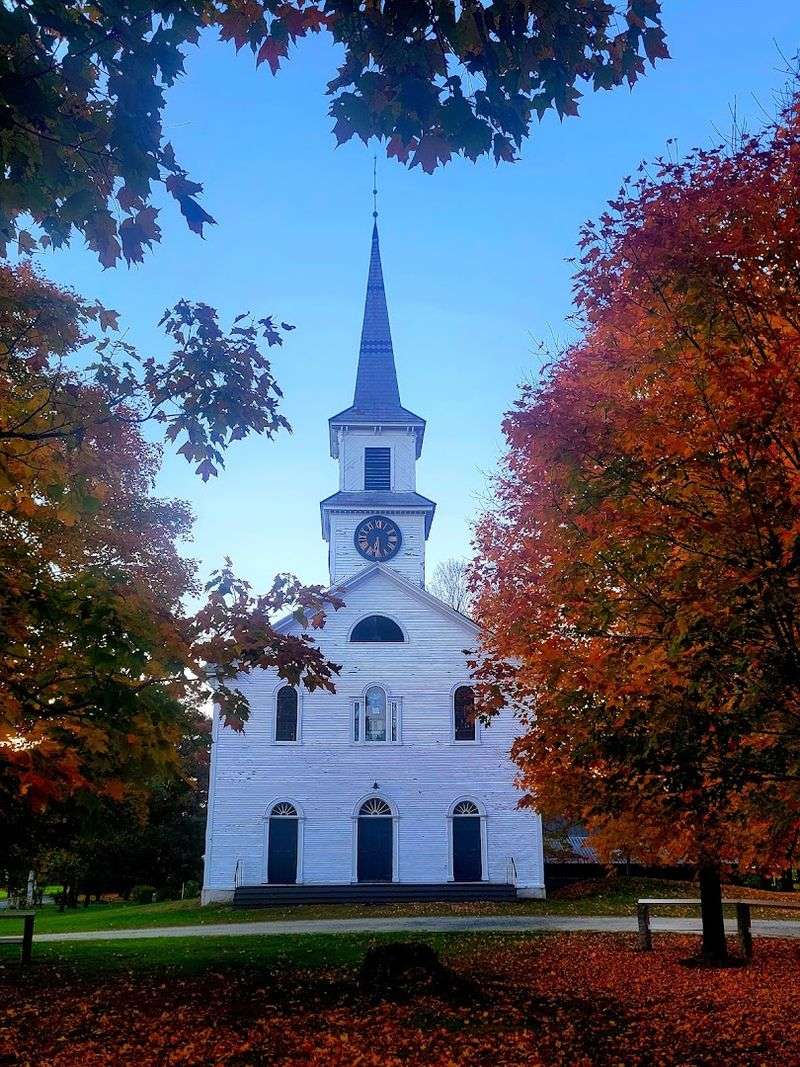
Artists discovered Cornish in the 1880s and never left. This town became an unlikely art colony, attracting sculptors, painters, and writers who wanted beauty without distraction.
Augustus Saint-Gaudens, America’s greatest sculptor, established his studio here in 1885. His property became a National Historic Site preserving buildings, gardens, and artwork exactly as he arranged them.
Walking these grounds explains why creative people chose Cornish over more obvious locations.
The Cornish-Windsor Covered Bridge connects New Hampshire to Vermont across the Connecticut River. Built in 1866, it stretches 460 feet, making it the longest wooden covered bridge in America.
Two states share maintenance responsibilities, a cooperation that speaks to practical Yankee problem-solving.
Maxfield Parrish lived here and painted landscapes that made Cornish famous nationwide. His blue skies and idealized scenes captured something real about this place, even if he romanticized the details.
Other artists followed, creating a community of creative minds.
The art colony faded after World War I, but its influence remains visible. Studios converted to homes still dot the hillsides.
Gardens planted by sculptors bloom each spring, descendants of original plantings. That artistic heritage gives Cornish character that pure farming villages lack.
Modern residents protect the rural landscape that attracted those original artists. Zoning keeps development minimal and the Connecticut River valley maintains its pastoral beauty.
Cornish learned early that preserving scenery preserves identity.
Cornish, Sullivan County, New Hampshire
8. Carroll, New Hampshire
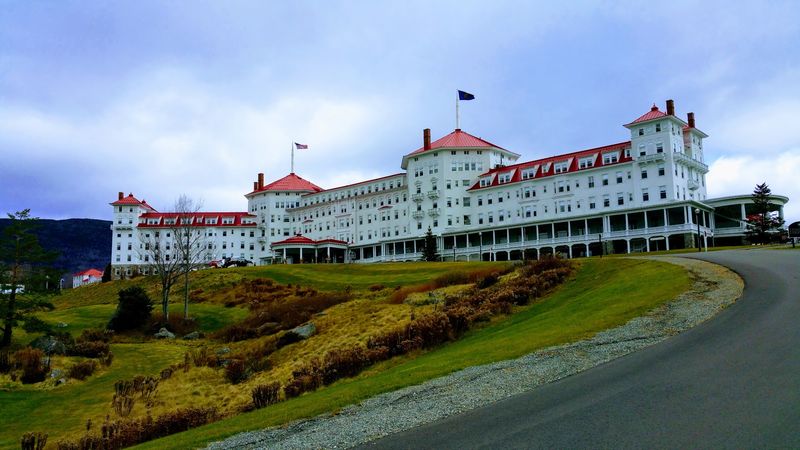
Population 763 means everybody knows your name in Carroll. This mountain village operates on handshake agreements and neighborly trust that disappeared elsewhere decades ago.
The Presidential Range towers over everything, peaks named for early American leaders dominating the skyline. Those mountains shaped Carroll’s history, attracting loggers first, then tourists seeking wilderness.
The town adapted to both without losing its essential character.
Twin Mountain, the village center, got its name from two peaks that look identical from certain angles. Early settlers used those mountains for navigation before roads made travel predictable.
Now hikers use them as landmarks while exploring the White Mountain National Forest.
Historic buildings cluster around the intersection where Routes 3 and 302 meet. These structures served travelers for over a century, providing meals and lodging when journeys took days instead of hours.
Several still operate as inns, maintaining traditions of hospitality.
Logging camps once filled these mountains with workers harvesting timber for construction and paper mills. That industry declined, but reminders persist in old railway grades and clearings slowly returning to forest.
Nature heals quickly up here when given the chance.
Winter transforms Carroll into a snow-covered wonderland that tests everyone’s endurance. Temperatures drop below zero and stay there for weeks.
Only people committed to mountain life tolerate these conditions, which keeps the population stable and the community tight-knit.
Carroll, Coos County, New Hampshire
9. Portsmouth, New Hampshire
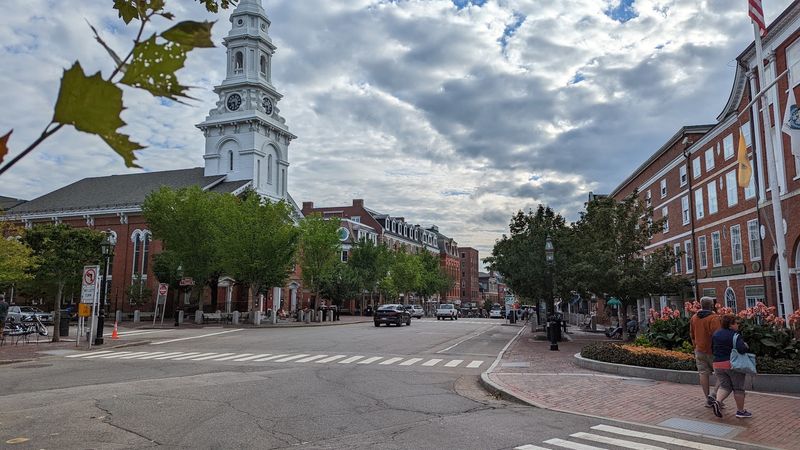
Seaports usually modernize or die, but Portsmouth found a third option. This city preserved its colonial maritime heritage while adapting to contemporary needs, creating something rare along the Atlantic coast.
Strawbery Banke Museum occupies ten acres of waterfront where the city began in 1630. Forty historic buildings show four centuries of neighborhood evolution.
Costumed interpreters demonstrate trades from coopering to blacksmithing, bringing daily life from different eras into focus.
Market Square has anchored downtown commerce since colonial times. The same cobblestones that felt horse hooves now support outdoor cafes and boutiques.
Buildings surrounding the square date from the 1700s and 1800s, their brick facades weathered but solid.
Portsmouth Naval Shipyard sits across the Piscataqua River, building submarines since 1800. That military presence shaped the city’s economy and culture for generations.
Sailors and shipbuilders created a working-class backbone that kept Portsmouth grounded despite tourist attention.
The North Church steeple rises above downtown, a landmark visible from the harbor. Built in 1854, it replaced an earlier church destroyed by fire.
That pattern of rebuilding while maintaining tradition defines Portsmouth’s approach to preservation.
Prescott Park stretches along the waterfront, providing green space where warehouses once stored goods from around the world. Summer brings outdoor theater and gardens that bloom continuously.
This transformation from industrial to recreational shows how cities can honor their past while serving present needs.
Portsmouth, Rockingham County, New Hampshire