
6 Charming Oklahoma Towns Worth Visiting Before Summer’s Heat Fades
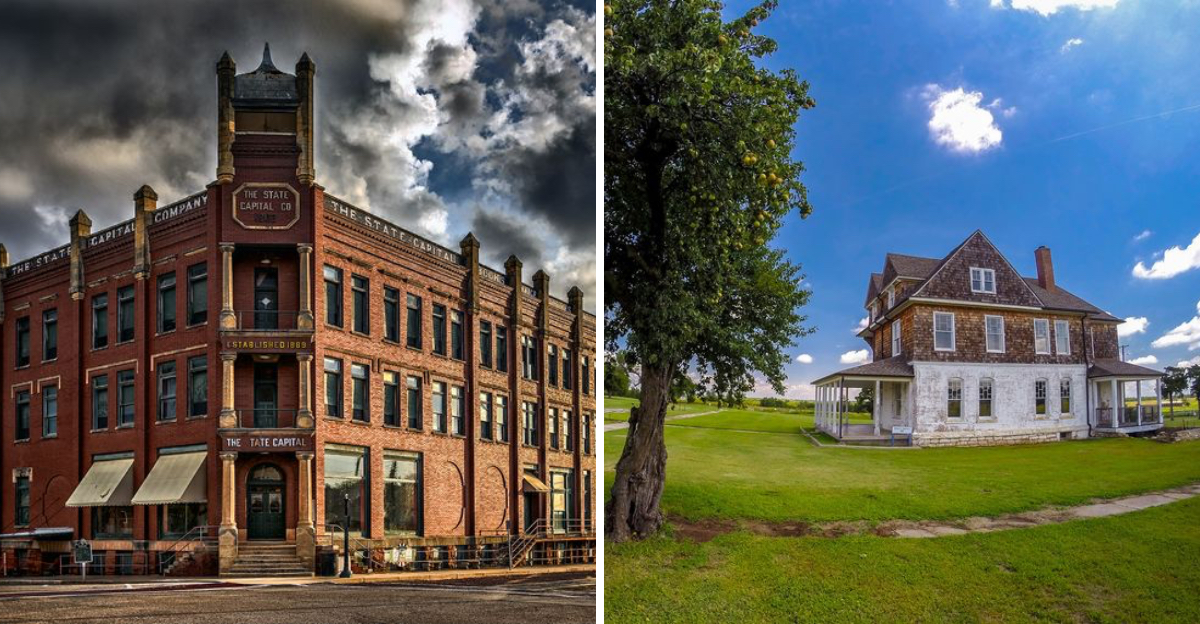
Something shifts in small-town Oklahoma right before summer packs up and leaves. Light turns low and gold, and porches start begging you to stay a little longer.
Cobblestone streets warm to a deep red at sunset in one corner of this state. Brick storefronts hold decades of stories behind hand-painted glass in another.
Route 66 still rolls through towns that wave at every traveler who passes by. A single copper tower rises from one skyline unlike anything else built by its famous architect.
Locals still debate the best hour to photograph it. Wide lakes here stretch far enough to swallow a whole afternoon.
Diners serve burgers built from Depression-era stubbornness and plenty of onions. Bison and elk graze close enough to the road that you will want your camera ready.
Museums here pack odd, wonderful surprises into buildings barely bigger than a corner shop.
Grab a full tank of gas and a loose plan. Oklahoma rewards wanderers who follow back roads instead of GPS shortcuts.
Your last road trip of the season might start closer than you would guess.
1. Medicine Park
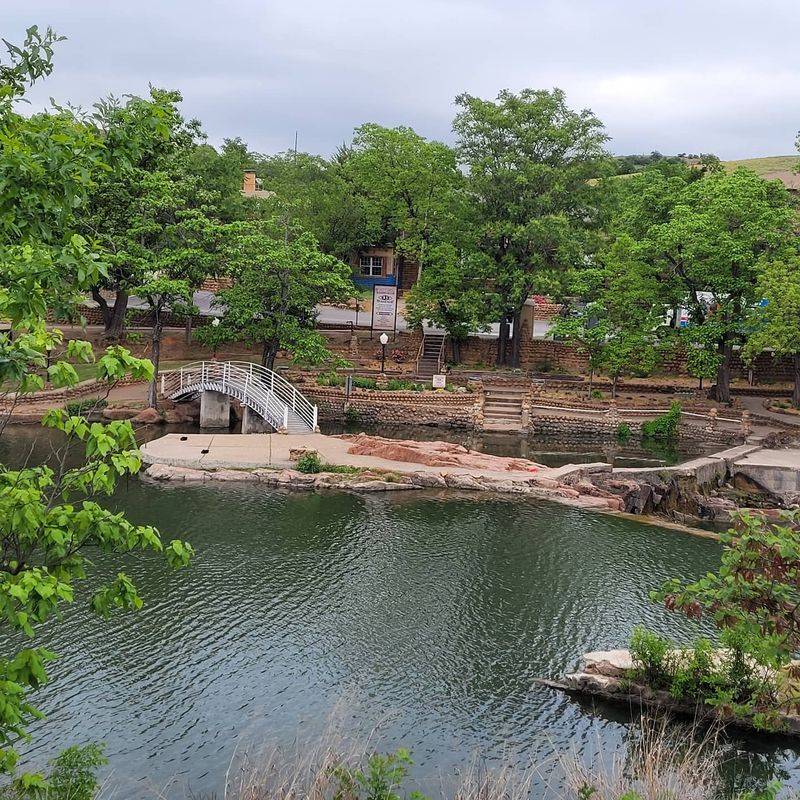
Cobblestones, everywhere you look. Medicine Park was built largely from round red granite stones pulled from the surrounding hills.
Founded in 1908, it stands as Oklahoma’s first planned resort town. Visitors once arrived by rail to soak in the creek and mountain air.
The cottages still wear their pebbled skin today. Walk the main strip and you will pass shops, bakeries, and small cafes squeezed between them.
Bath Lake sits at the heart of it all. Created by damming part of Medicine Creek, the swimming area draws families through the warm months.
Bring water shoes. The bottom feels rocky, and the current keeps things cool even in late August.
Just west, the Wichita Mountains Wildlife Refuge spreads across rugged granite country. Bison, elk, longhorn cattle, and prairie dogs live there, so drive slowly and keep your camera ready.
Climb Mount Scott if the road is open. The summit view stretches over lakes and boulder fields in every direction.
The Medicine Park Aquarium and Natural Sciences Center works well on a hot afternoon. Exhibits focus on aquatic life and regional wildlife, and the indoor space gives everyone a break from the sun.
Nearby, the Holy City of the Wichitas features stone structures modeled on scenes from ancient Jerusalem. Set among the hills, it feels quiet and unexpectedly grand.
Go early on weekends. Parking along the creek fills quickly once the temperature climbs.
Evenings here move slowly. Live music sometimes drifts out of the cafes, and the creek keeps murmuring after dark.
I like this town best in the last stretch of summer. The swimming is still good, the crowds thin out, and the granite glows orange near sunset.
Stay overnight if you can manage it. Small lodges and cottages sit within walking distance of the water, which means no driving after a long day outdoors.
Medicine Park, Comanche County, Oklahoma
2. Claremore, Oklahoma
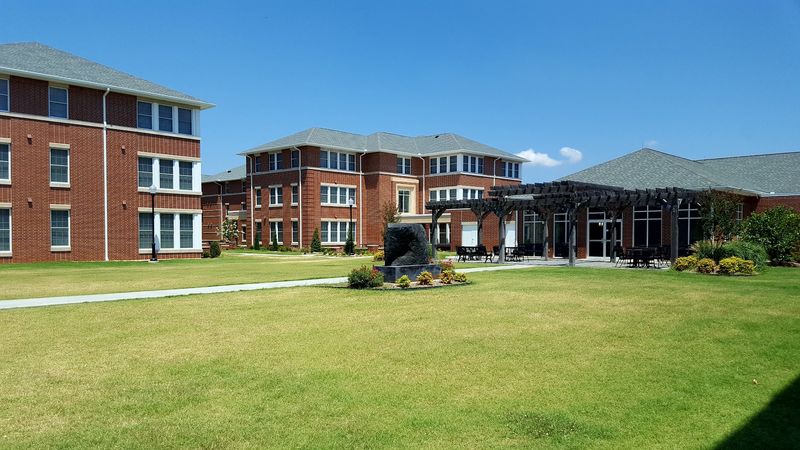
Route 66 fans, this one is for you. Claremore sits along the old highway in northeastern Oklahoma, and the town leans into that heritage proudly.
It also claims a famous native son. Humorist and performer Will Rogers grew up in this area, and his memory shapes much of the local identity.
The Will Rogers Memorial Museum anchors any visit. Galleries hold photographs, personal belongings, saddles, and films that trace his career.
Give yourself a couple of hours inside. The hilltop grounds outside offer wide views over the countryside.
Firearms history buffs head straight for the J.M. Davis Arms and Historical Museum.
Its collection ranks among the largest private gatherings of its kind anywhere.
The Belvidere Mansion shows a different side of town. Built in the Victorian era, the restored home offers tours and a tearoom on the ground floor.
Downtown goes by the Lilac District. Antique malls, boutiques, coffee shops, and painted murals fill the brick blocks.
Plan for slow browsing. Several of the antique stores stretch across multiple floors, which surprises first-time visitors.
Claremore Lake Park handles the outdoor half of the trip. Trails loop the shoreline, and anglers work the banks for bass and catfish.
Mountain bikers use the wooded singletrack nearby. Mornings feel far more comfortable than midafternoon in August.
Sunset over the lake ranks among my favorite quiet moments in this part of the state. Bring bug spray and a folding chair.
The town also makes a smart base for exploring more of Route 66. Tulsa sits a short drive southwest, and other roadside stops line the highway in both directions.
Hungry travelers do fine here. Local diners and family restaurants keep prices reasonable and portions generous.
Claremore rewards curiosity more than checklists. Talk to shopkeepers and you will collect stories no museum panel covers.
Claremore, Rogers County, Oklahoma
3. Guthrie
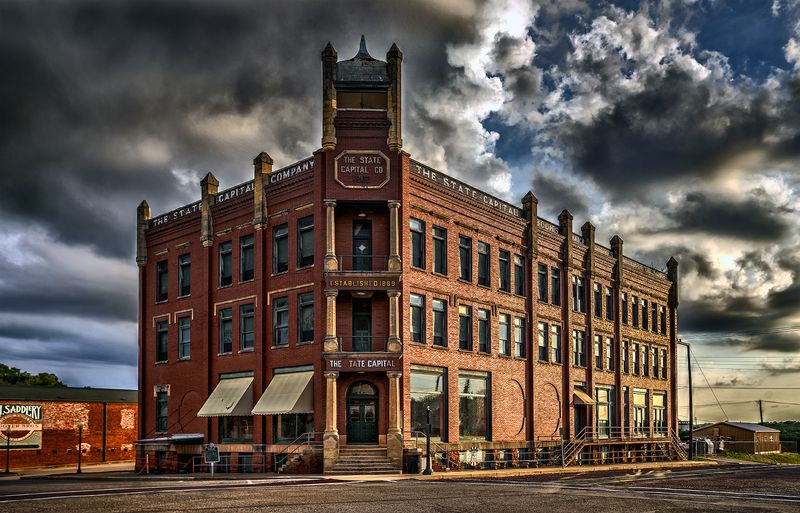
Imagine a whole downtown frozen in the 1890s. Guthrie comes remarkably close, and the effect hits you within one block.
The town exploded into existence during the Land Run of 1889. Thousands staked claims in a single day, and buildings rose almost immediately.
Guthrie then served as the territorial capital, and later as Oklahoma’s first state capital. That early wealth explains the ornate brickwork you see today.
Its historic district ranks among the largest contiguous urban historic districts in the state. Victorian facades, arched windows, and decorative cornices line street after street.
Start at the Oklahoma Territorial Museum, connected to a restored Carnegie Library. Exhibits explain the land run and the messy work of building a new capital.
The Frontier Drugstore Museum sits nearby. Shelves of old bottles, tonics, and instruments show how frontier medicine actually worked.
Architecture lovers should look up at the Guthrie Scottish Rite Temple. The building’s scale and interior detail genuinely surprise most visitors.
Antique hunting counts as a local sport here. Shops fill old storefronts, and many stock furniture, glassware, and vintage signage.
Cafes and bakeries break up the walking. Sidewalk awnings provide welcome shade during hot afternoons.
The Lazy E Arena hosts rodeos and equestrian events on the edge of town. Check what is scheduled before you plan your dates.
Guthrie also loves a festival. Seasonal celebrations bring vendors and music to the historic blocks, so weekends can feel busy.
Wear comfortable shoes and expect brick sidewalks. Some crossings sit uneven after more than a century of use.
Photographers do best in early morning or the last hour of daylight. Low sun brings out every carved detail on those old facades.
Stay in one of the historic inns downtown. Sleeping inside the district makes the whole trip feel like a step backward in time.
Guthrie, Logan County, Oklahoma
4. El Reno, Oklahoma
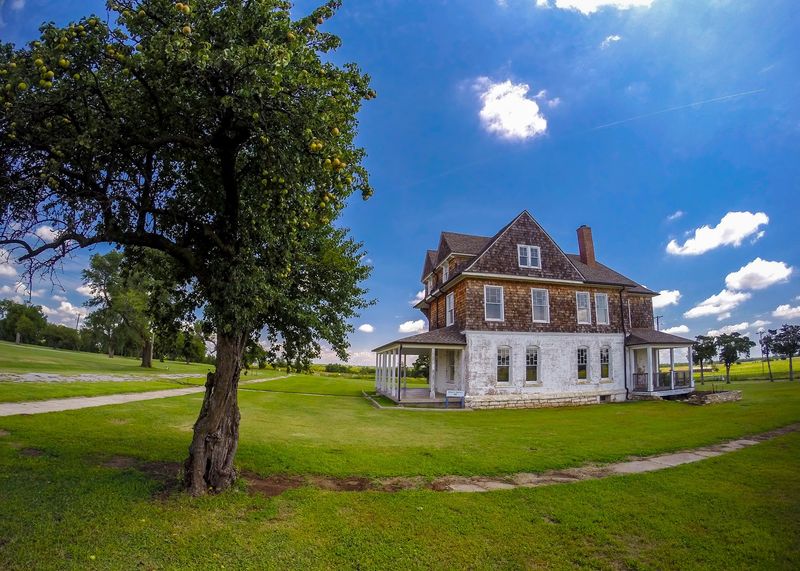
Onions changed this town’s destiny. El Reno built its reputation on the fried onion burger, and the story starts with hard times.
During the Depression, local cooks stretched small beef patties with piles of shredded onions. The result tasted so good that it stuck around permanently.
Several old-school diners still smash them on flat-top grills. Order one with pickles and expect a messy, sweet, savory bite.
Each year the town throws the Fried Onion Burger Day Festival. Cooks build an enormous burger on a giant grill while crowds watch.
Geography helped make El Reno interesting. Route 66 passes through, and the historic Chisholm Trail once crossed this same stretch of country.
The Heritage Express Trolley runs on rails through the downtown area. Riders can hop off to browse shops or grab lunch.
Historic Fort Reno sits just west of town. Original buildings and interpretive displays explain its long military role on the plains.
The Canadian County Historical Museum complex gathers old west structures on one site. A former hotel, jail, and schoolhouse give kids plenty to explore.
Lake El Reno covers the outdoor side of things. Boating, kayaking, fishing, and camping all happen there through the warm season.
Bring shade. Tree cover around parts of the shoreline stays limited, and Oklahoma sun does not negotiate.
Downtown antique stores reward slow shoppers. Prices tend to feel friendlier than in bigger cities.
Oklahoma City sits a short drive east, which makes El Reno an easy day trip. Many travelers combine it with other Route 66 stops.
Go hungry, seriously. One burger rarely satisfies curiosity, and comparing two diners counts as legitimate research.
Late summer visits work well here. Evening temperatures drop enough for a walk past the old storefronts, and the festival energy lingers in conversation.
El Reno, Canadian County, Oklahoma
5. Bartlesville
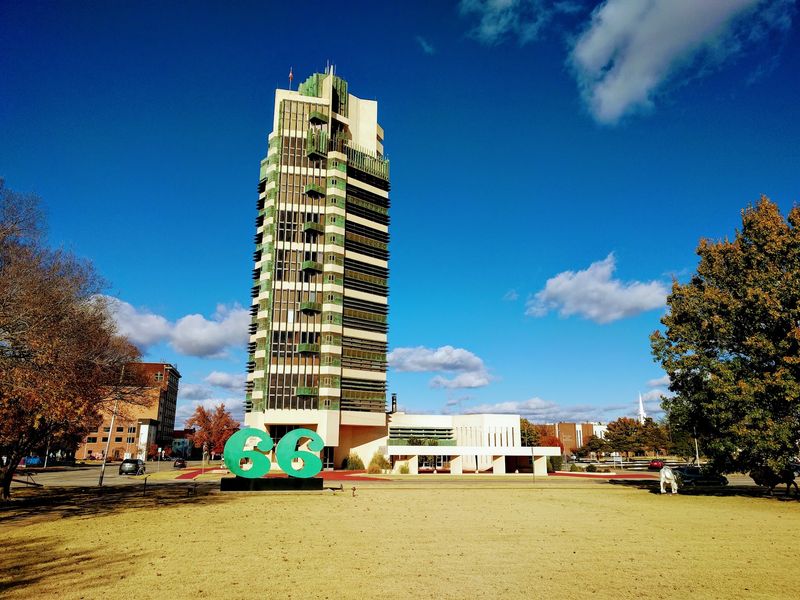
One skyscraper makes this town famous. Price Tower in Bartlesville stands as the only realized skyscraper by architect Frank Lloyd Wright.
The copper-clad building rises from downtown like nothing else in Oklahoma. It carries National Historic Landmark status, and access for tours or lodging can vary, so check ahead.
Oil money built much of what you see here. The Nellie Johnstone No. 1 site marks Oklahoma’s first commercial oil well.
The Frank Phillips Home shows how an oil executive lived in the early twentieth century. Rooms remain furnished, right down to the fixtures.
Woolaroc Museum and Wildlife Preserve sits southwest of town on a former ranch. A drive through the preserve brings bison, elk, and other animals close to your windows.
The museum inside holds western art, Native American artifacts, and firearms. Kids usually gravitate toward the wildlife barn and nature trail.
Give Woolaroc most of a day. The property covers thousands of acres, and rushing it feels like a waste.
Back downtown, Bartlesville supports a real arts scene. Galleries, a performing arts center, and local art association exhibits keep the calendar full.
Restaurants downtown range from casual sandwich counters to sit-down dinners. Coffee shops make good midday retreats when the heat peaks.
Green spaces help too. Shaded parks and trails give walkers relief from open sun.
Northeastern Oklahoma scenery surprises visitors expecting flat prairie. Rolling hills, blackjack oaks, and tallgrass country surround the area.
The Tallgrass Prairie Preserve lies to the northwest for anyone chasing bison herds and big skies. Combine it with Woolaroc for a full wildlife weekend.
Late summer light does wonders on Price Tower’s angles. Stand across the street near golden hour and watch the copper warm up.
Architecture, oil history, and open range in one trip. Bartlesville packs an unusual amount into a small footprint.
Bartlesville, Washington County, Oklahoma
6. Eufaula
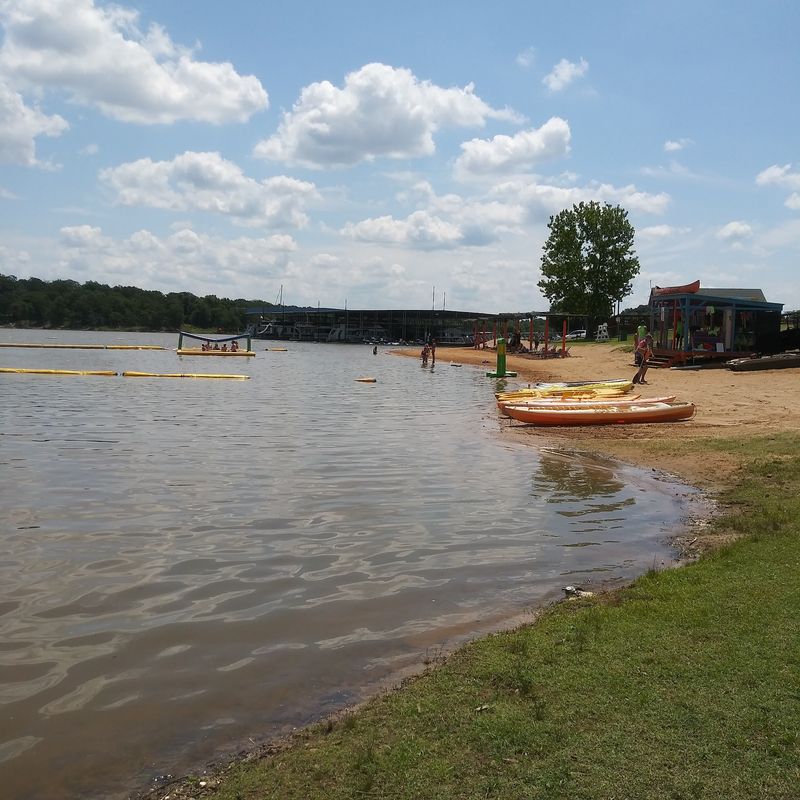
Water rules everything here. Eufaula sits on the shore of Lake Eufaula, the largest lake in Oklahoma.
Boaters, anglers, and swimmers arrive all summer long. The lake spreads wide enough that busy weekends still leave quiet coves.
Bass fishing draws serious attention. Tournaments happen through the year, and local guides know where the fish hide.
Waterskiing and tubing fill the afternoons. Rentals and marinas operate around the shoreline, though availability changes by season.
Lake Eufaula State Park and Arrowhead State Park handle camping and hiking. Both offer shaded sites and easy lake access.
Golfers can play with water views at Arrowhead. Book early, especially on weekends.
The downtown district covers about twenty blocks and appears on the National Register of Historic Places. Old brick buildings now hold boutiques, antique shops, and small eateries.
Look for the murals while you wander. One features three-dimensional elements that make photos genuinely fun.
Local history runs deep. The Creek Nation Council House and the Eufaula Area Museum share stories of the Muscogee people and the town’s development.
Set aside time for those stops. Understanding the area’s heritage changes how the lake landscape feels.
Wildlife watching adds another layer. Herons and egrets work the shallows in summer, and bald eagles show up around the lake in winter.
Dark skies help stargazers. Away from town lights, the view overhead opens up on clear nights.
Practical advice for hot days: get on the water early and take a long midday break. Afternoon heat over open water hits harder than most people expect.
Bring more sunscreen than you think you need. Reflection off the surface doubles your exposure.
End the day with fried catfish and a shoreline sunset. Few Oklahoma evenings beat that combination.
Eufaula, McIntosh County, Oklahoma