
Climb Aboard This Vintage New Mexico Steam Train And Watch The West Unfold Like A Postcard
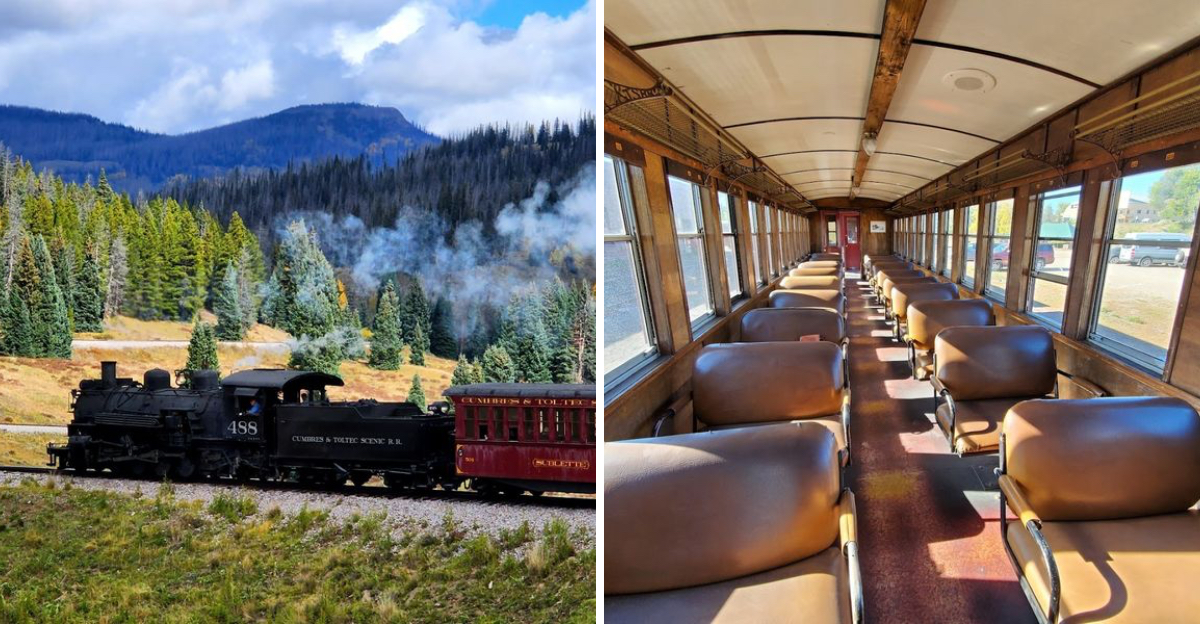
Long before Harrison Ford became Hollywood’s favorite explorer, a young Indiana Jones rode through a scene filmed right here. That circus train chase gave him the scar and the fear of snakes everyone remembers.
Aspen groves blur past the windows as the train grinds higher into thin mountain air. New Mexico light pours through open-air cars long before the track reaches its highest point.
At one spot, the rails hug a canyon wall above a steep, dizzying drop. That stretch of track feels like riding straight into an old film reel, minus the script.
New Mexico holds onto pieces of the past that most places paved over long ago. Worth riding at least once, if only to see the exact backdrop a young adventurer once called home.
A Railroad Born From Silver And Ambition
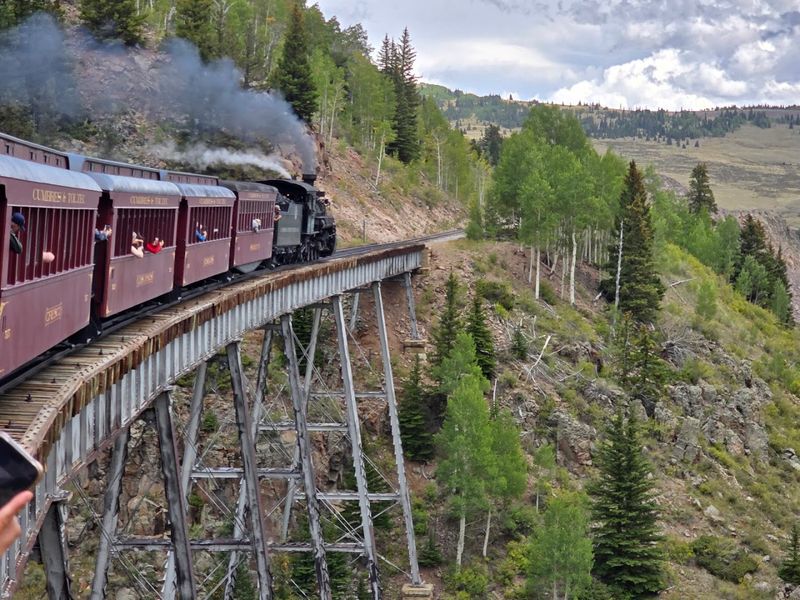
Back in 1880, silver was king in the Rocky Mountains, and getting it out required serious engineering. The Denver and Rio Grande Railroad pushed its narrow-gauge San Juan Extension through some of the most rugged terrain in the American West, carving a path that still exists today almost exactly as it was built.
The three-foot narrow gauge was chosen deliberately. It was cheaper to build and could handle the tight curves that mountain terrain demanded.
Engineers in that era were practical people solving real problems with limited budgets and bold ideas.
What makes the Cumbres and Toltec Scenic Railroad so remarkable is how much of that original infrastructure survives. Original buildings still stand along the route.
The locomotives date back over a century. New Mexico and Colorado jointly purchased the line in 1970 specifically to preserve it, recognizing that what existed here was irreplaceable.
Today, it holds National Historic Landmark status, a recognition that speaks directly to the depth of its historical significance.
The Route That Crosses Two States Eleven Times
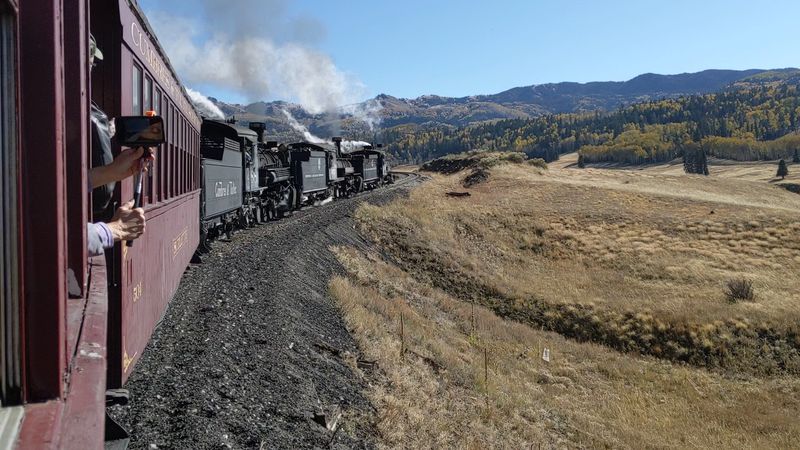
Most train rides stay in one state. This one crosses the New Mexico and Colorado border eleven times over 64 miles, making it a genuinely unusual journey in the most geographic sense possible.
Passengers can actually watch the state line markers pass by as the train weaves through the landscape.
The route begins at the depot located at 500 Terrace Ave, Chama, NM 87520, climbing steeply out of the Chama valley through aspen groves and pine forests. The grade reaches four percent in places, which is steep for any railroad and creates a palpable sense of effort as the locomotive pushes forward.
Daily trains depart from both ends of the line, Chama in New Mexico and Antonito in Colorado. Passengers can ride the full excursion or choose shorter trip options depending on available time.
The midpoint stop at Osier, Colorado adds a natural pause to the adventure, giving everyone a chance to stretch and take in the scenery from solid ground.
Toltec Gorge And The Drop That Takes Your Breath Away
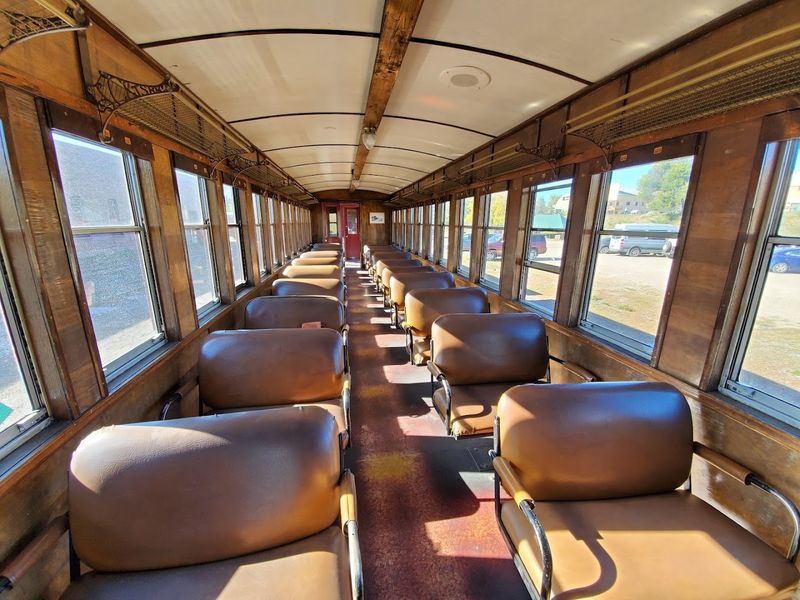
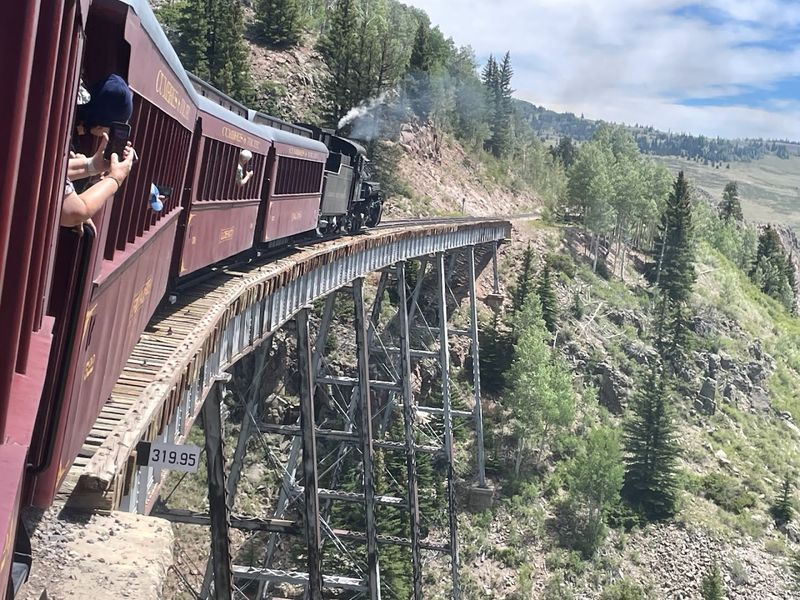
Right around the time passengers think the scenery cannot get more dramatic, the train edges along a narrow rock ledge above Toltec Gorge. The drop below is steep enough to make most passengers grip the railing without thinking about it.
The track clings to the canyon wall with what feels like pure determination, and the view from the open cars is genuinely jaw-dropping.
Toltec Gorge is arguably the single most photographed section of the entire route. The combination of the train snaking along the cliff edge, the deep canyon below, and the open sky above creates a visual that stays with visitors long after the ride ends.
Keep a firm grip on cameras and hats up here.
The gorge section moves slowly enough that passengers have plenty of time to absorb the scale of what they are seeing. At a maximum speed of just 12 miles per hour, the railroad almost forces a slower pace on everyone aboard.
In a world that rarely slows down, that gentle crawl through one of New Mexico and Colorado’s most spectacular landscapes feels like a genuine gift.
Cumbres Pass And The Roof Of The Railroad World
Reaching 10,015 feet above sea level, Cumbres Pass holds the title of highest railroad pass in the United States. The air up there feels noticeably thinner, and the views stretch across the southern Rockies in every direction.
It is the kind of elevation that makes even seasoned mountain travelers pause and stare.
The climb to Cumbres from Chama is a slow, steady grind that rewards patience with increasingly dramatic scenery. Aspen trees give way to open alpine meadows.
The sky feels bigger. The locomotive works harder, and passengers in the open gondola cars feel every bit of that mountain air against their faces.
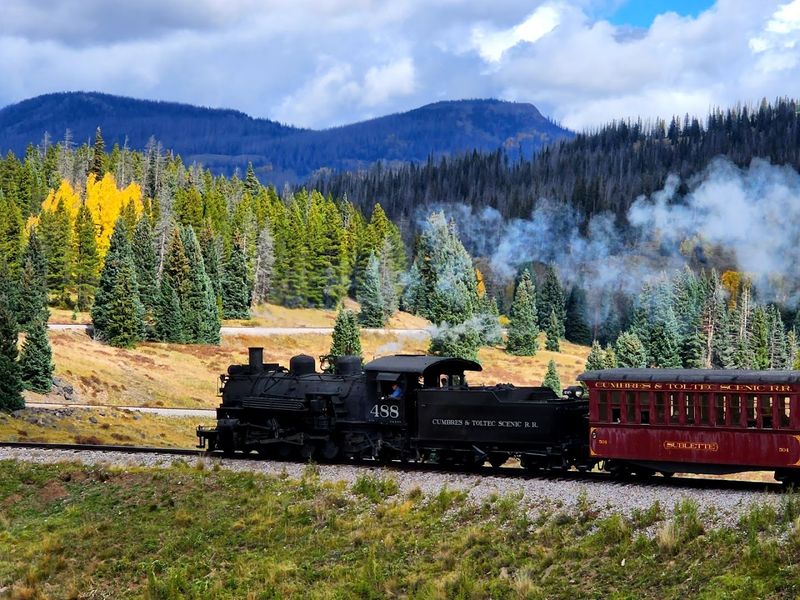
Photographers tend to go a little wild at this section of the route. The combination of historic steam power, high-altitude light, and sweeping Rocky Mountain vistas creates images that look almost too good to be real.
First-time riders often say the pass alone is worth the entire trip, and it is hard to argue with that kind of enthusiasm when standing at over two miles above sea level.
Tunnels, Trestles, And True Engineering Grit
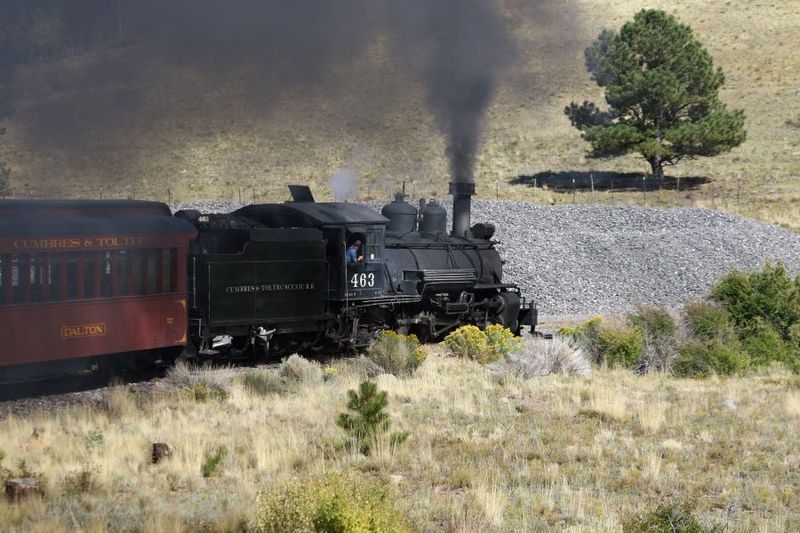
Two tunnels and one spectacular trestle bridge make certain sections of this route feel like something out of an adventure film. The Mud Tunnel and Rock Tunnel cut straight through mountain rock, plunging passengers into brief, smoky darkness before daylight bursts back in.
It is the kind of moment that makes kids cheer and adults grin just as wide.
The Cascade Creek Trestle stands 137 feet above the creek below. Crossing it on a narrow-gauge train moving at walking pace is a slow-motion highlight that rewards anyone sitting on the right side of the car.
The wooden and steel structure is a preserved piece of railroad engineering from another era entirely.
These infrastructure elements are not just photogenic. They represent real solutions that 19th-century engineers developed for extraordinarily challenging terrain.
Every tunnel bore and trestle span was built by hand, with tools and methods that seem almost unimaginable today. Riding across these structures connects passengers directly to that labor, creativity, and stubborn human determination to move through mountains no matter what it takes.
Wildlife Spotting Along The Mountain Rails
At 12 miles per hour, the train moves slowly enough that wildlife does not startle and bolt before passengers can spot them. Deer, elk, black bears, antelope, fox, and eagles have all been seen from the windows and open cars along the route.
The variety of terrain crossed means the wildlife changes throughout the journey as well.
Lower elevations near Chama often produce deer sightings in the early morning hours when the train first departs. Higher up, near the open meadows approaching Cumbres Pass, elk are a common sight.
Eagles and hawks ride thermals above the gorge sections, providing natural aerial entertainment above the dramatic canyon scenery.
Bringing binoculars is a genuinely smart move on this trip. The open gondola cars provide unobstructed sightlines across meadows and into forest edges where animals tend to linger.
Riding through New Mexico and southern Colorado in this unhurried way feels less like a tourist attraction and more like a slow passage through a living natural world that has barely changed since the railroad first pushed through in 1880.
The Osier Lunch Stop That Earns Its Own Fans
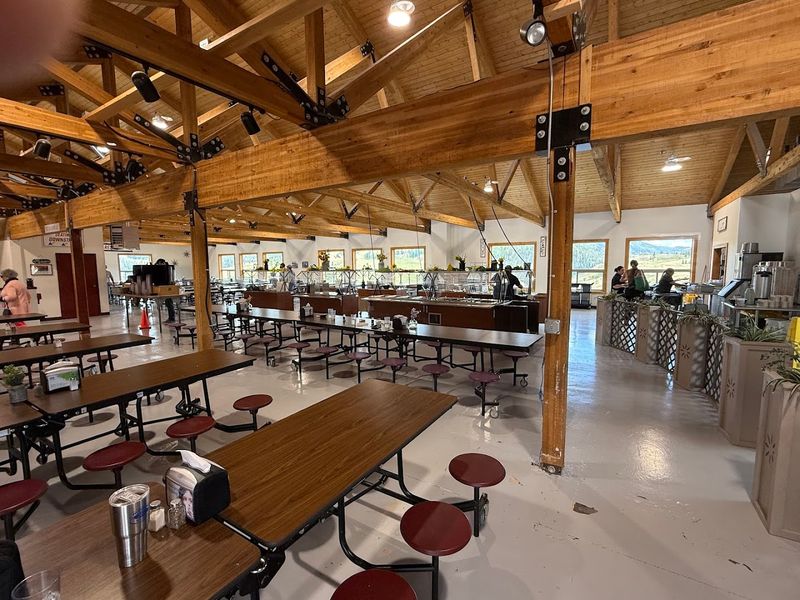
Halfway through the full excursion, the train pulls into Osier, Colorado, a remote townsite that exists almost entirely for this railroad. The lunch buffet served here has developed a reputation that surprises first-time riders.
Passengers who board expecting a simple meal often walk away talking about it almost as much as the scenery.
The buffet typically features multiple meat options, salads, sides, and desserts, with clearly marked choices for various dietary needs including vegetarian and gluten-free items. The setup accommodates large groups efficiently, with multiple serving lines keeping wait times short even on busy days.
Coffee, tea, and water round out the spread.
Osier itself adds to the experience. The remote setting, surrounded by mountain terrain with no road access for most visitors, makes the meal feel like an event rather than just a fuel stop.
Passengers mill around outside, compare photos, and chat with fellow travelers from across the country. The communal energy at Osier is warm and genuinely relaxed, a natural midpoint pause that recharges everyone for the second half of the journey ahead.
Choosing Your Car And Riding In Style
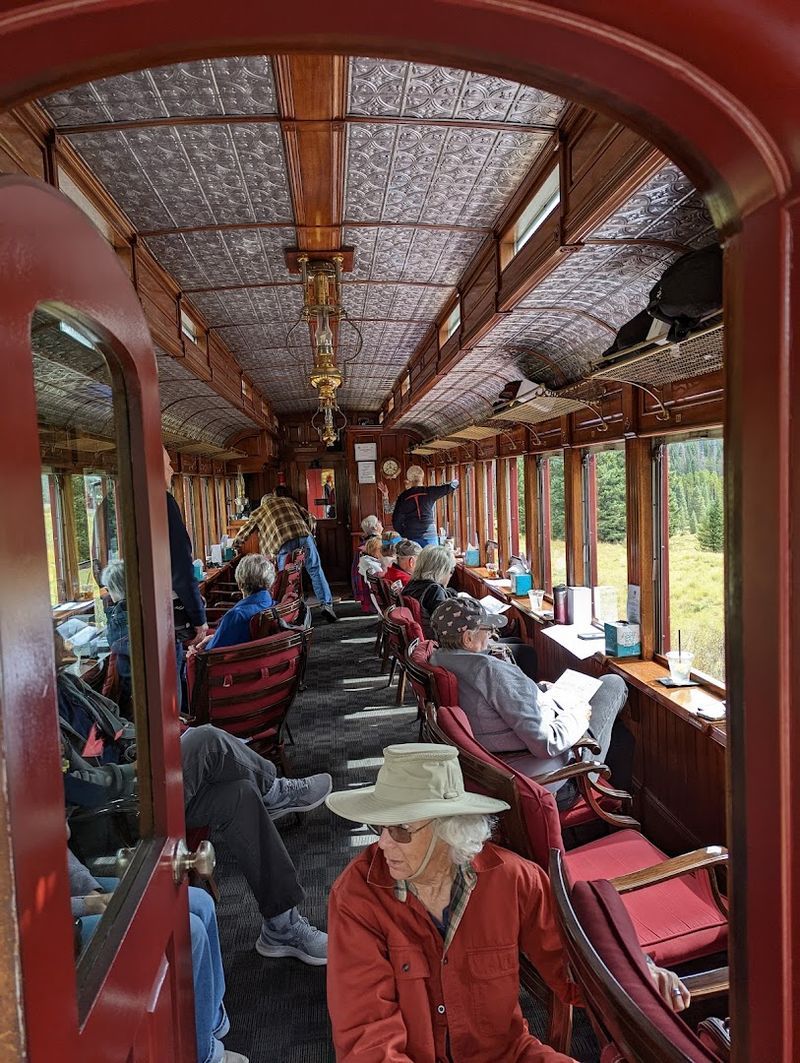
Not all seats on this train offer the same experience, and the choice of car genuinely shapes how the journey feels. Covered coach cars provide comfort and protection from wind and occasional cinders from the coal-fired locomotive.
The premium parlor car offers wider, more comfortable seating with large windows designed specifically for sightseeing.
Open gondola cars deliver the most immersive experience available. Passengers sit or stand in the open air, fully exposed to mountain breezes, locomotive sounds, and unobstructed panoramic views.
The trade-off is dust and occasional smoke from the engine, so wearing layers and bringing eye protection is practical advice worth taking seriously.
Picking the right car depends on personal priorities. Families with young children often appreciate the covered coaches for their stability and shelter.
Photography enthusiasts consistently gravitate toward the open gondola for unrestricted shooting angles. Those looking for a relaxed, comfortable ride with excellent views tend to favor the parlor car upgrade.
Each option delivers the same stunning New Mexico and Colorado scenery, just from a slightly different perspective and comfort level.
Hollywood Came Here For A Reason
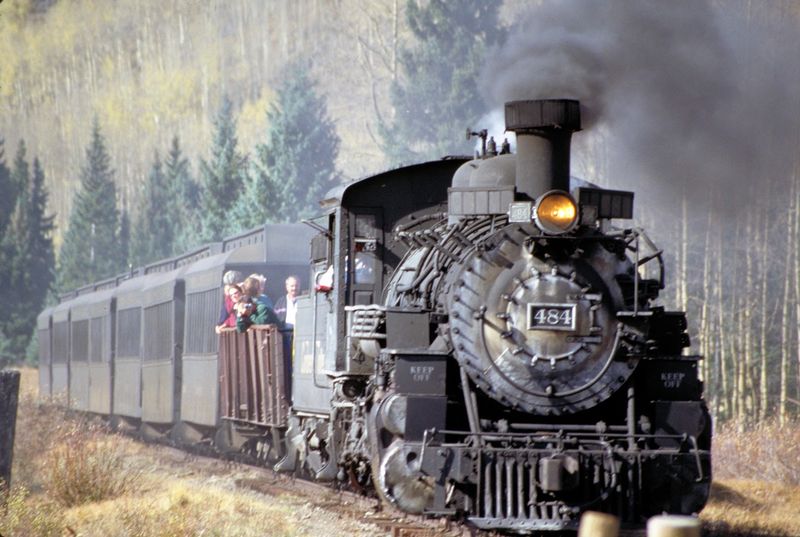
Almost two dozen Hollywood productions have used this railroad as a filming location, including Indiana Jones and the Last Crusade and the Butch and Sundance prequel, Butch and Sundance: The Early Days. When filmmakers need a convincing portrait of the 19th-century American West, this railroad delivers authenticity that no studio backlot can replicate.
The reason is simple. The equipment, track, buildings, and surrounding landscape look exactly as they did over a century ago.
Nothing about this railroad feels retrofitted or recreated for tourism. It survived because New Mexico and Colorado chose to preserve it, and that preservation pays off in a visual authenticity that cameras and audiences immediately recognize.
Riding through locations that appeared on the big screen adds a quietly exciting layer to the journey for film fans. The landscape itself has a cinematic quality that explains why directors keep returning.
Dramatic light at high elevation, sweeping mountain vistas, and the visual texture of genuine steam railroading combine into something that feels less like a heritage attraction and more like a living film set that just happens to take passengers along for the ride.
Planning Your Trip To Chama And Beyond
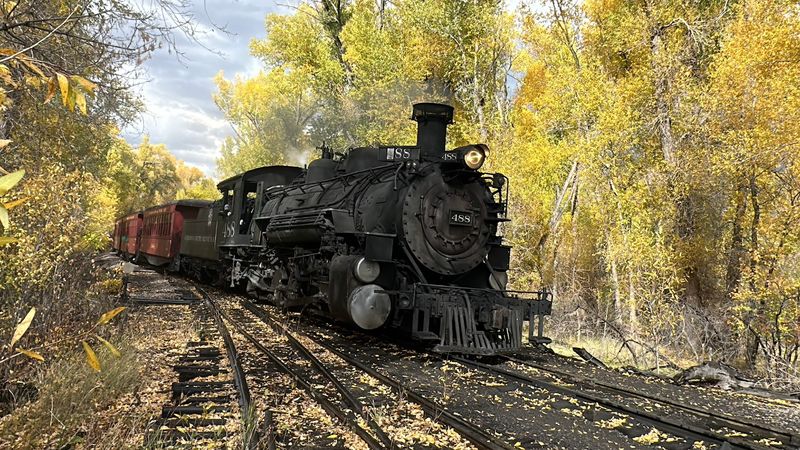
The operating season runs from late May through late October, Tuesday through Sunday, which gives visitors a solid window of opportunity across spring, summer, and fall. Fall tends to draw the largest crowds, and for good reason.
The aspen trees along the route turn brilliant gold and orange, transforming an already beautiful journey into something that feels almost unreal.
Trains depart daily from both Chama, New Mexico and Antonito, Colorado. Passengers who want to experience the full route without retracing their steps can take a bus from one end and ride the train back from the other.
This round-trip approach is popular and well-organized, making logistics straightforward even for first-time visitors.
Chama itself is a small, welcoming town in northern New Mexico with enough character to justify arriving a day early or staying a night after the ride. The depot area at 500 Terrace Ave offers space to explore the yard, get close to the locomotives, and browse the gift shop before boarding.
Arriving early and spending time in the yard before departure turns the whole experience into something even more memorable.