
Climbing This Adirondack Mountain In New York Rewards You With One Of The State’s Best Views In 2026
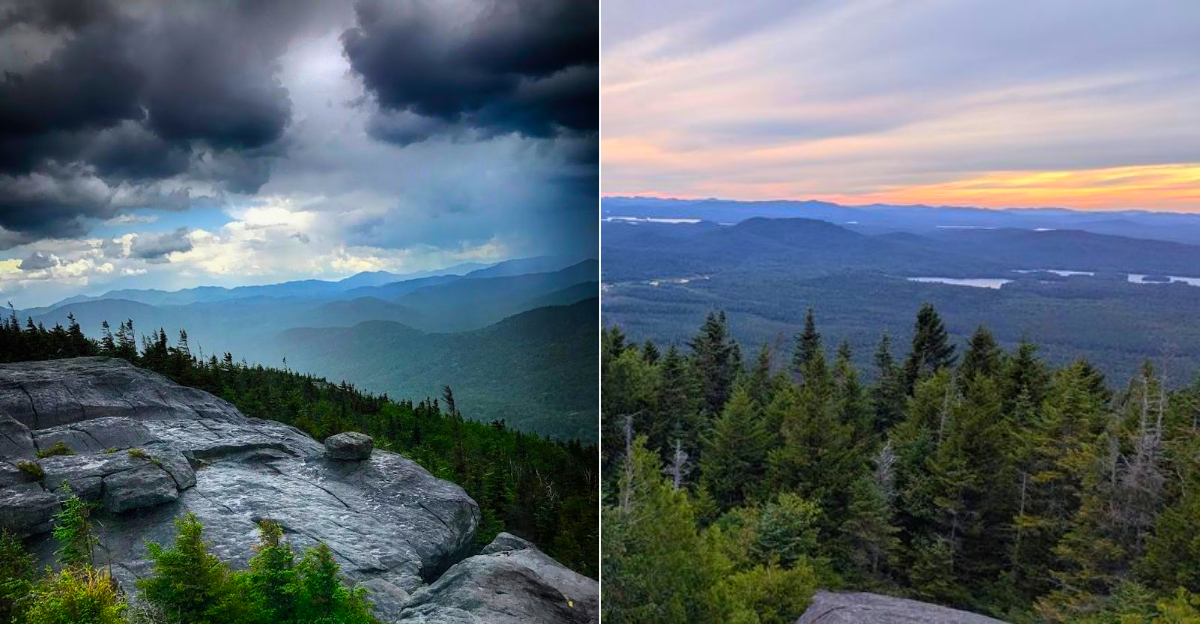
Adventure in New York often begins the moment the trail starts to climb. In the Adirondacks, one particular mountain rewards hikers with a payoff that feels bigger than the effort it takes to reach the top.
The path winds through quiet forest, past rocky stretches and open viewpoints, building anticipation with every step higher.
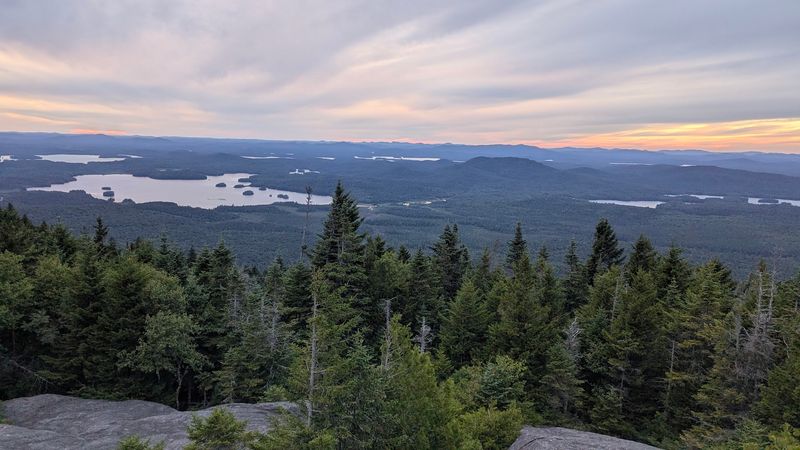
Reaching the summit is the moment everything opens up. Mountains roll toward the horizon in every direction, lakes glimmer far below, and the vast wilderness of the Adirondacks suddenly reveals just how immense and beautiful it truly is.
In 2026, hikers searching for unforgettable scenery are discovering that this New York climb delivers one of the most breathtaking views in the entire state.
A Summit That Earns Every Step Of The Climb
Few summits in the Adirondacks manage to feel both accessible and genuinely earned, but Ampersand Mountain pulls off that balance with quiet confidence.
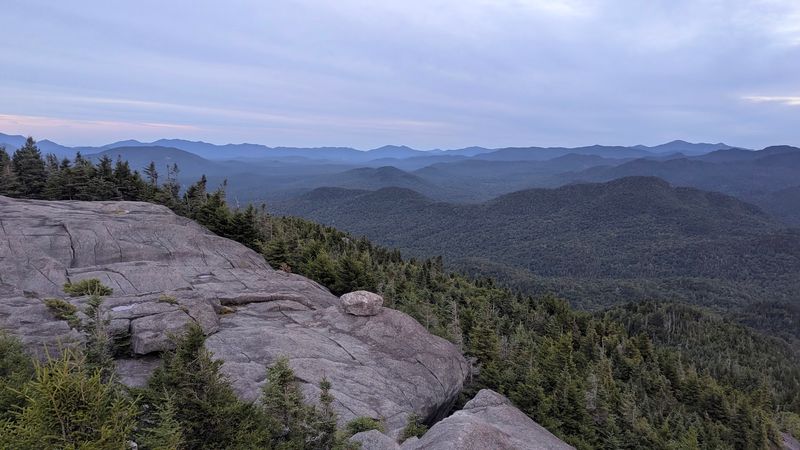
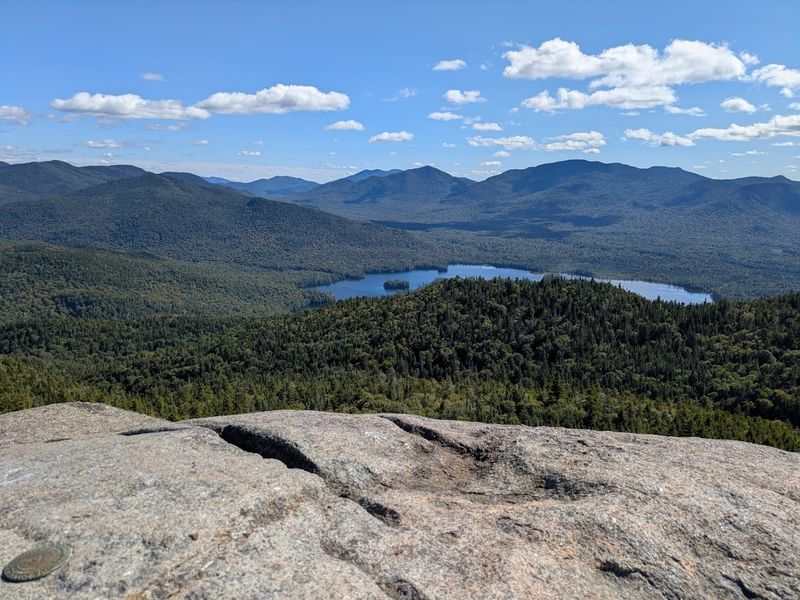
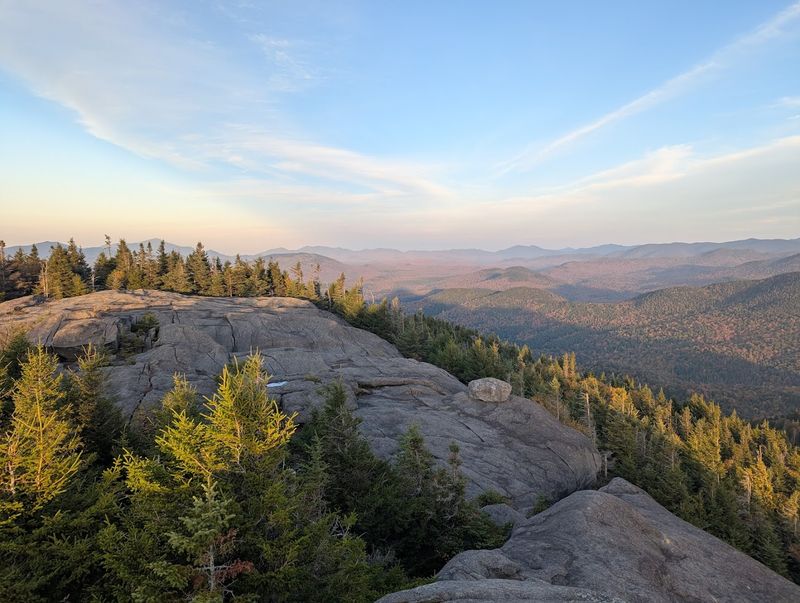
The open rock at the top offers a full 360-degree view that takes in multiple lakes, layered ridgelines, and the broad sweep of the Adirondack interior in a way that feels almost improbably generous for a mountain of its size.
Standing at approximately 3,352 feet, Ampersand is not the tallest peak in the region, but elevation alone has never been the whole story. What it lacks in raw height it more than compensates for with the quality and breadth of what you can see from the bare, exposed summit.
The absence of trees at the top means nothing interrupts the view in any direction.
Hikers who camp overnight and catch the sunrise from the summit describe it as one of the most memorable experiences the Adirondacks can offer. The light moves across the lakes below in a way that changes the landscape completely from one minute to the next.
Bring a jacket because the wind at the top is consistent and the air carries a sharpness that reminds you exactly where you are.
What The Trail Looks Like From The Very First Step
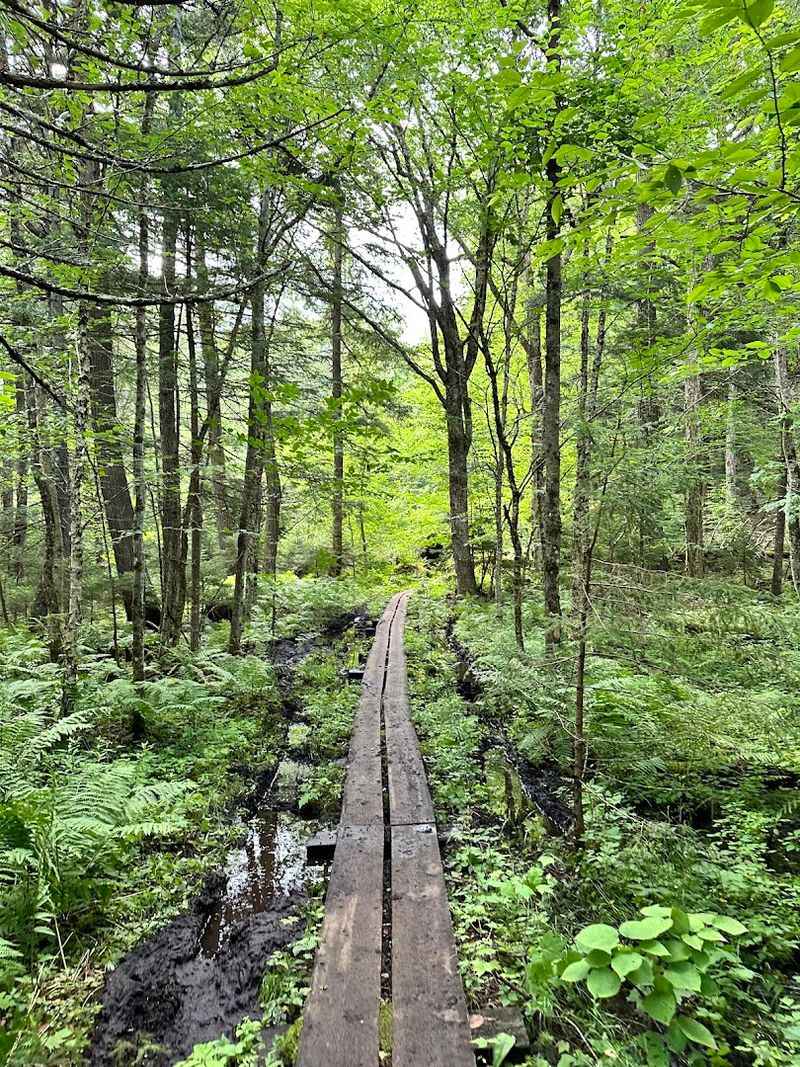
The first mile of the Ampersand Mountain trail is the kind of walking that makes you feel like you made a very good decision. The path moves through dense Adirondack forest with a gentle grade that warms up your legs without demanding anything dramatic from them.
Tall trees line both sides, the air carries that particular pine-and-earth scent that defines the Adirondack backcountry, and the trail surface is well maintained underfoot.
Trail markers are consistent and easy to follow, which matters more than people expect when the forest canopy closes in and every direction starts to look similar. The first section of the hike is genuinely enjoyable on its own terms, not merely a preamble to the harder parts that follow.
Families with older children and hikers returning from injury have found this stretch to be manageable and confidence-building.
Around the one-mile mark, the character of the trail begins to shift noticeably. The grade increases, the roots and rocks become more frequent, and your pace naturally slows as the forest floor starts to angle upward with more purpose.
That transition is not abrupt, but it is clear enough that you know the mountain has started taking you seriously. Pack enough water before you set off.
The Rocky Scramble That Changes Everything
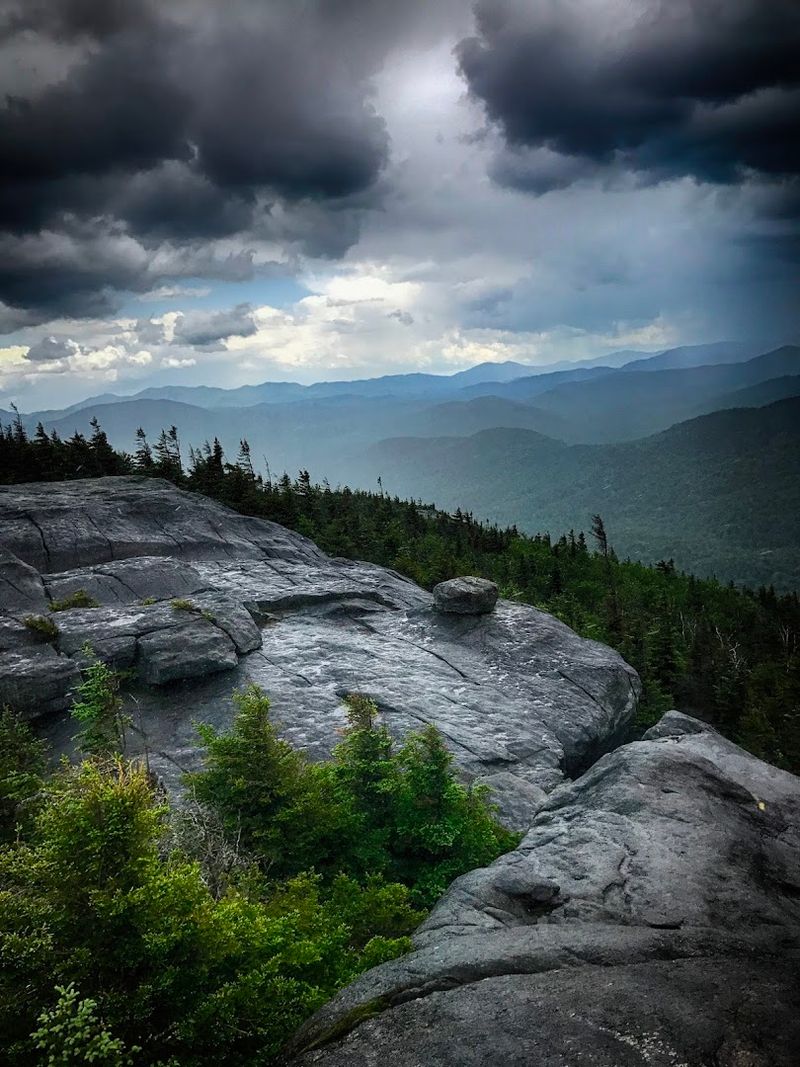
About halfway through the second mile, the trail stops being a trail in any conventional sense and becomes something more athletic. The rocky scramble section near the summit requires the use of hands as well as feet, with exposed boulders, steep angles, and tree roots that have been worn smooth by years of boot traffic.
It is the kind of terrain that sharpens your focus and makes conversation drop off naturally.
For hikers who generally stick to easier routes, this section will feel genuinely challenging. The key is to move deliberately rather than quickly, test each foothold before committing your weight, and use the narrow gully on the right side of the steepest rock face rather than relying on the more worn central path.
That gully offers better grip and a more stable line up the rock.
Once you push through the scramble, the trees begin to thin and the sky opens up above you in a way that signals the summit is close. That moment of transition from enclosed forest to open sky is one of the most satisfying feelings the hike produces.
The effort required to reach it makes the arrival feel proportional and real rather than handed to you without cost.
How Long The Hike Actually Takes And What To Expect
Ampersand Mountain is approximately five miles round trip, and the time it takes to complete depends almost entirely on your fitness level and how long you spend at the top. A moderately fit hiker moving at a steady pace can expect the ascent to take somewhere between two and two and a half hours.
The descent runs slightly faster, generally landing between one and a half and two hours for most people.
Hikers who take frequent breaks, travel with children, or move carefully through the rocky upper section should plan for closer to five hours total. That is not an unreasonable amount of time for a mountain that delivers what Ampersand delivers.
Building in buffer time also means you can sit at the summit without watching a clock, which is genuinely worth doing.
Starting early in the morning has practical advantages beyond avoiding afternoon crowds. The light in the first few hours after sunrise sits low and warm across the lakes below, and the air temperature at the summit is more forgiving before midday.
Afternoon thunderstorms are common in the Adirondacks during summer months, so an early start also gives you a meaningful safety margin before weather can develop. Check conditions the night before you go.
Gear And Supplies That Make A Real Difference
Water is the supply that hikers most consistently underestimate on Ampersand Mountain. The trail offers no water sources along the route, and the physical effort of the upper section means your body will use what you bring faster than you expect.
Carry at least two liters per person, and consider adding an extra half liter if the day is warm or your group includes younger hikers.
Footwear matters considerably on this trail. The lower section is forgiving enough for trail runners, but the rocky scramble near the summit rewards boots with ankle support and a grippy sole.
Worn-out sneakers become a liability on wet rock, and even on dry days the steeper sections demand shoes that can hold a precise edge without sliding.
A light jacket earns its place in your pack regardless of how warm the valley feels when you start. The summit is consistently windy and the temperature drop from trailhead to top can be surprising in any season.
Trekking poles are genuinely useful on the descent, particularly through the rocky section where knee strain accumulates on the way down. Bring snacks substantial enough to restore energy after the climb because the summit is a place worth lingering in without feeling depleted.
The View Of Ampersand Lake And The Surrounding Wilderness
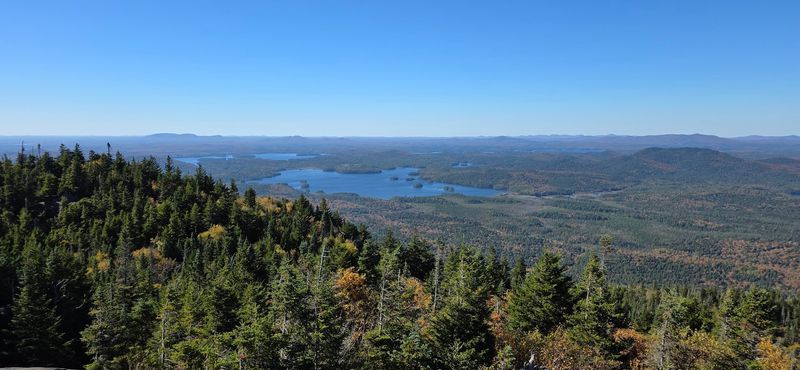
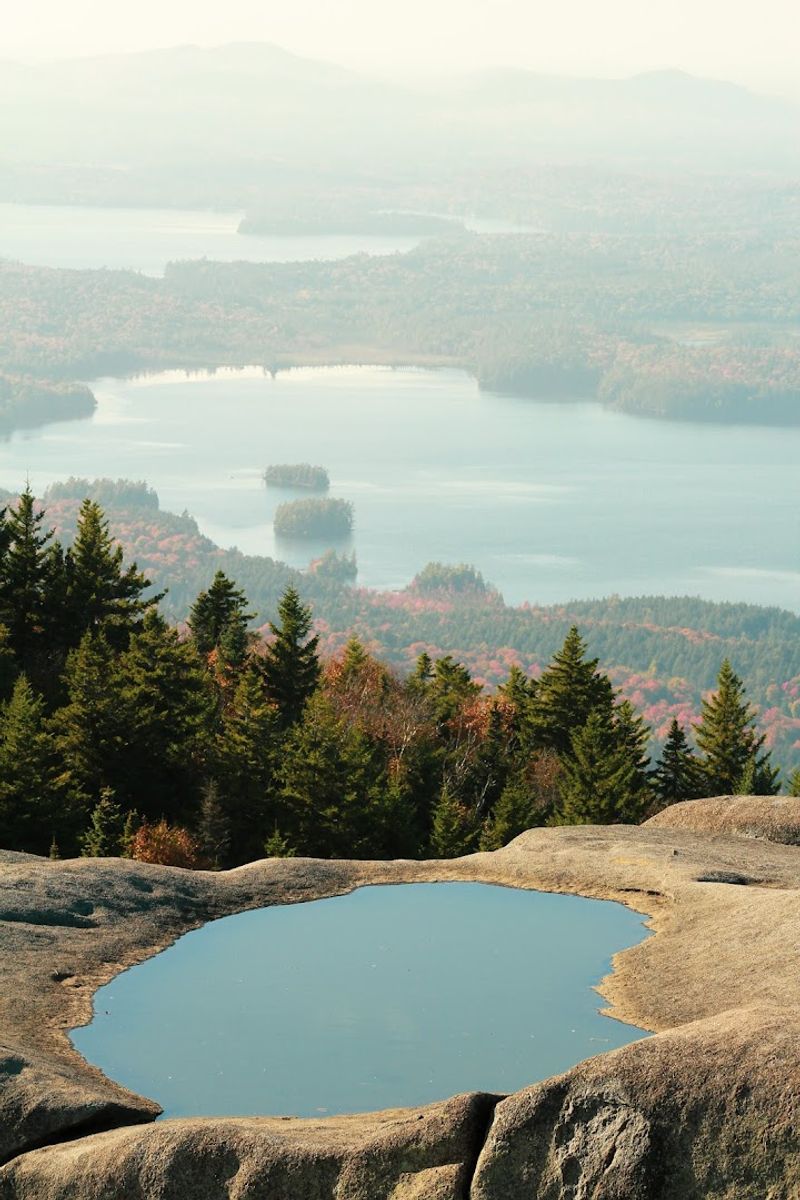
Ampersand Lake is one of the most recognizable features visible from the summit, sitting below and to one side with a clarity of color that makes it easy to pick out even from a distance.
The lake’s surface reflects the sky above it, shifting from deep blue to silver depending on the cloud cover and angle of light.
Seeing it from above reframes the entire landscape and gives the hike a sense of geographic context that maps alone cannot provide.
Beyond the lake, the view extends across a broad section of the Adirondack interior, taking in forested hills, additional water bodies, and the distant profiles of other peaks in the region. On a clear day the scene feels almost improbably large for a mountain of Ampersand’s modest height.
The summit’s open and treeless character means your eyes can travel in any direction without obstruction.
The combination of water and mountain in a single uninterrupted view is what separates Ampersand from many other Adirondack hikes of similar difficulty. A lot of trails reward you with forest canopy and a sliver of sky.
Ampersand gives you the whole picture at once, and that generosity of perspective is genuinely difficult to replicate elsewhere in the park. It is the kind of view that justifies the effort with zero ambiguity.
Best Times Of Year To Make The Trip
Late spring through early fall covers the most popular window for hiking Ampersand Mountain, and each part of that range offers something distinct. Late May and June bring a freshness to the forest and wildflowers along the lower trail, though mud can be a factor after rain.
Summer weekends attract more foot traffic, but the trail is wide enough and the summit spacious enough that crowds rarely become a genuine problem.
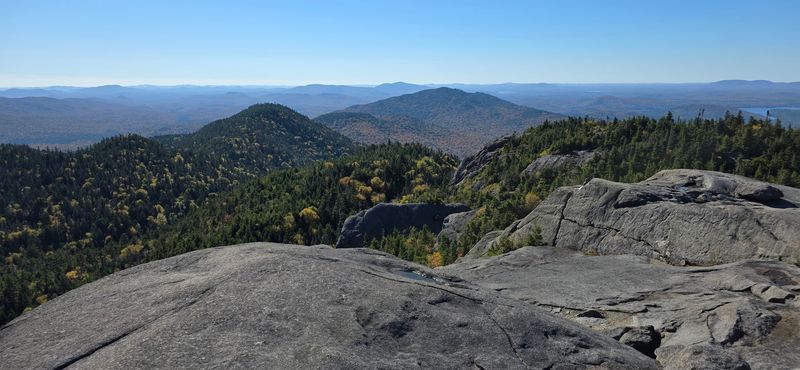
Fall is widely considered the peak season for this hike, and the reasoning is straightforward. The foliage across the Adirondacks turns in late September and early October, and the view from Ampersand’s summit during peak color is among the most visually rewarding experiences the region offers.
The cooler temperatures also make the physical effort of the upper section considerably more comfortable than a humid August afternoon.
Winter hiking is possible for those with the appropriate equipment and experience, but the rocky scramble section becomes significantly more demanding when covered in ice or packed snow. Microspikes are the minimum requirement for winter conditions and crampons may be necessary depending on the season.
Spring mud season, roughly mid-April through mid-May, is generally best avoided as the trail surface deteriorates and the ecological impact of heavy foot traffic on soft ground adds up quickly.
Getting To The Trailhead And Where To Park
The trailhead for Ampersand Mountain sits along Route 3 between Saranac Lake and Tupper Lake in the Harrietstown area of the Adirondacks. The parking area is a gravel lot directly off the road, and while it is not enormous, it handles a reasonable number of vehicles.
Arriving before nine in the morning on summer weekends gives you a strong chance of finding a spot without circling or waiting.
The drive from Saranac Lake is short, roughly eight miles, making the trailhead easy to reach from any of the nearby towns that serve as base camps for Adirondack hiking. Lake Placid, which is a larger hub with more lodging and dining options, is about thirty minutes away by car.
Planning to stay overnight in the area rather than making a day trip from a distant city gives the experience more breathing room and lets you start early without a predawn drive.
No fee is currently required to park at the Ampersand Mountain trailhead, though New York State regulations can change and it is always worth verifying current conditions through the DEC website before your visit.
Cell service in the area is limited, so downloading offline maps and trail information before you leave your accommodation is a practical step rather than an optional one.
Why This Mountain Stays With You After You Leave
There is a particular quality to the Ampersand Mountain experience that is hard to attribute to any single feature.
The trail is challenging without being punishing, the summit is open and generous with its views, and the overall arc of the hike follows a satisfying shape from easy forest walking to technical scramble to wide-open sky.
That progression feels deliberately designed even though it is entirely natural.
Hikers who have completed many of the Adirondack High Peaks often return to Ampersand specifically because it delivers a premium summit experience without requiring the full-day commitment of a longer route.
At roughly five miles round trip it fits comfortably into a morning, leaving the afternoon free for exploring Saranac Lake, resting at your lodging, or planning the next day’s adventure.
That efficiency is genuinely appealing.
The mountain also has a way of resetting your sense of scale. Standing on that exposed rock and watching the lakes below catch the light, with ridgeline after ridgeline fading into the distance, produces a clarity of perspective that is difficult to manufacture elsewhere.
People who visit once tend to come back, and that pattern of return is probably the most honest endorsement a mountain can receive. Ampersand earns it without any fanfare.