
Cool Off This August At This Secret Nevada River Beach
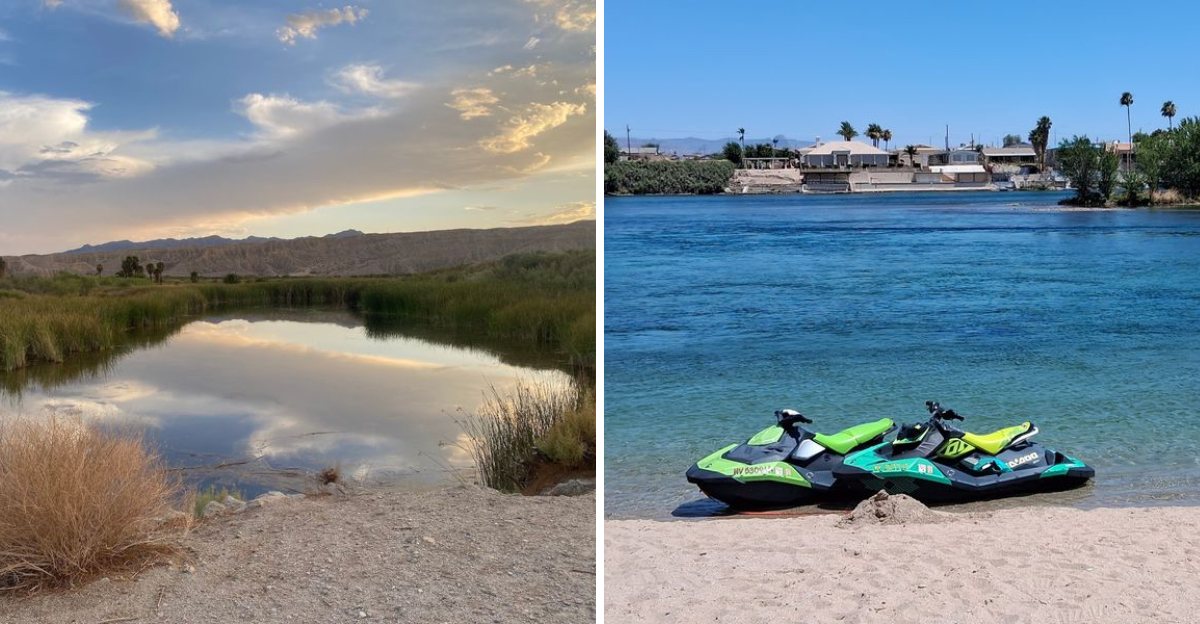
Triple-digit heat cooks the desert, but a secret current in Nevada stays icy cold all August.
Steps into the water bring a jolt, then instant relief no pool nearby can match. Small fish dart past your ankles in water so clear you can count every ripple.
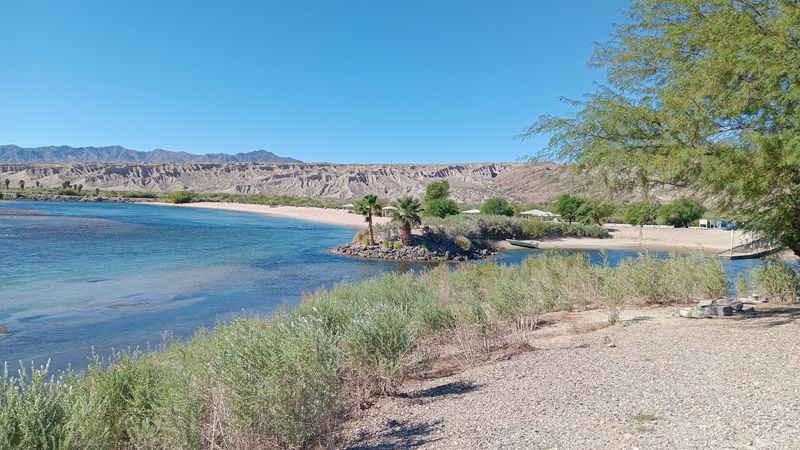
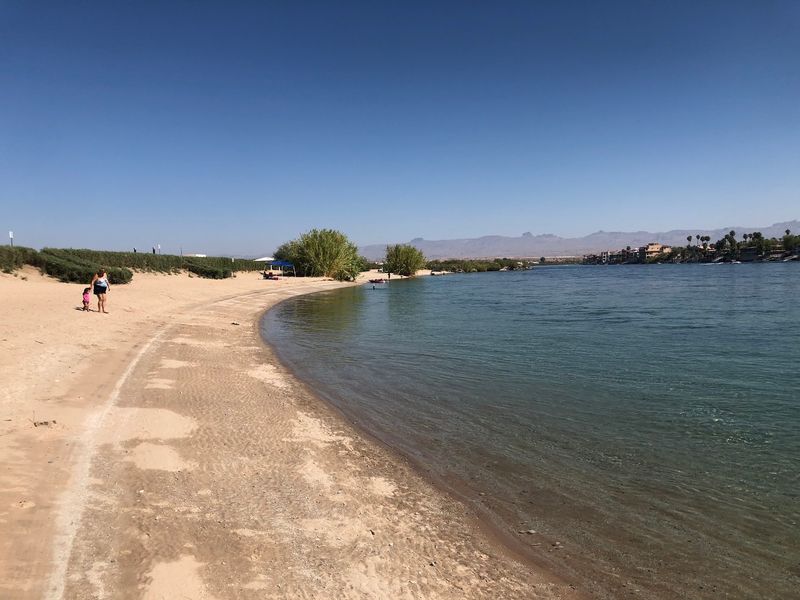
Sand stretches for miles along the shore, soft underfoot and strangely tropical for a desert state. Families spread out on quiet stretches while kids splash in gentle shallows near a sheltered lagoon.
Canyons rise close by, trails wind through desert brush, and quail chicks trail their parents at dusk.
A find like this does not stay quiet for long.
Nevada hides serious summer magic if you know where to look. This cold current might be worth planning your next August around.
A Cold River In The Middle Of The Desert
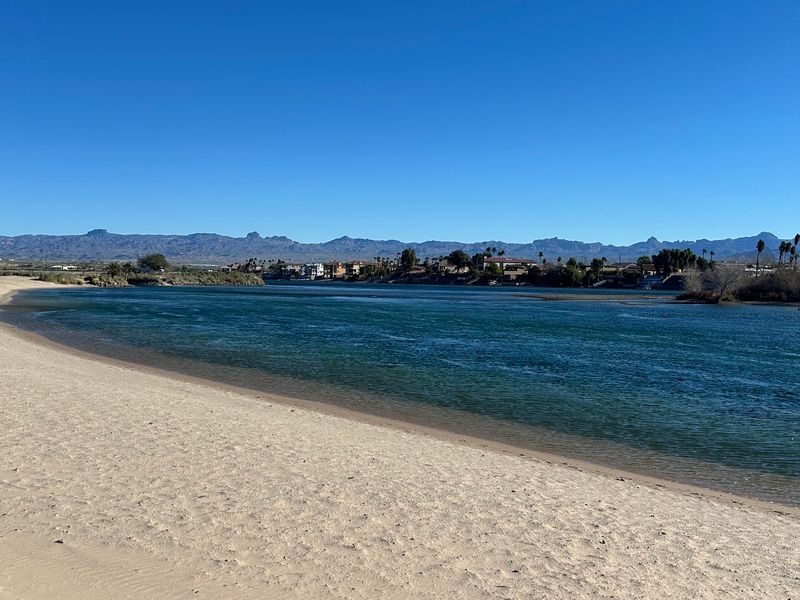
Cold water in a place that hits triple digits sounds impossible. It is not.
The park sits downstream of Davis Dam, and that single geographic fact changes everything. Water released from deep behind the dam arrives clear and cool, holding its chill through the hottest weeks of the year.
Swimmers notice the temperature immediately. First steps bring a sharp shock, then relief that no swimming pool in the region can match.
Summer air temperatures in this corner of Nevada can climb past 120 degrees. The river simply shrugs and keeps flowing.
Visibility is another bonus. Small fish drift past ankles, easy to spot through water that stays remarkably clear.
The recreation area occupies roughly 2,100 acres on the west bank, blending low hills, sandy washes, brush flats, and marshland. Canyons make up much of the acreage.
Find it at 4220 Needles Highway, Laughlin, Nevada, in Clark County, roughly five to seven miles south of town.
That short drive separates blazing asphalt from something close to refreshing.
Two Miles Of Sand That Feels Almost Tropical
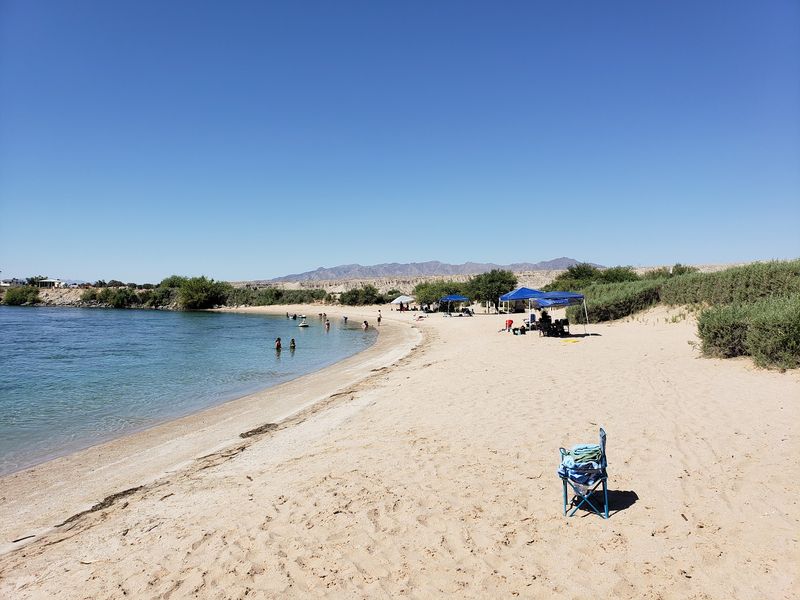
Sand in the desert usually means dust. Here it means a beach.
About two miles of shoreline curve along the river, pale and soft underfoot. Visitors often describe a near-tropical feeling, which sounds like an exaggeration until the water comes into view.
One stretch has picked up the nickname Savage Beach among regulars. Others simply claim whatever patch of sand looks emptiest and settle in.
Gear needs are refreshingly simple. A towel, a blanket, and a cooler cover most of it.
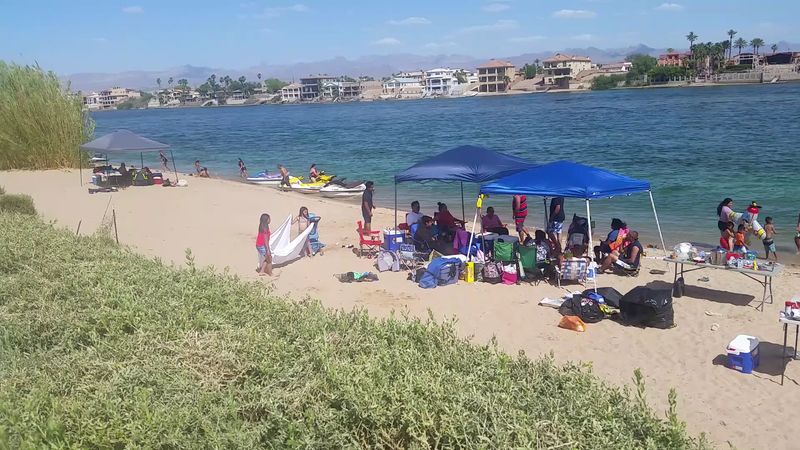
Day-use areas include shaded picnic tables positioned close to the water. Those covered spots go quickly on hot weekends, so early arrival helps.
Room is rarely the problem. The shoreline spreads out far enough that groups can space themselves comfortably instead of elbow to elbow.
Currents vary depending on river conditions and dam releases. Life vests make good sense for smaller children, and shallow areas near the lagoon suit them better.
Sand, shade, and cold water form a combination that keeps families returning summer after summer.
How A Land Act Created A Park
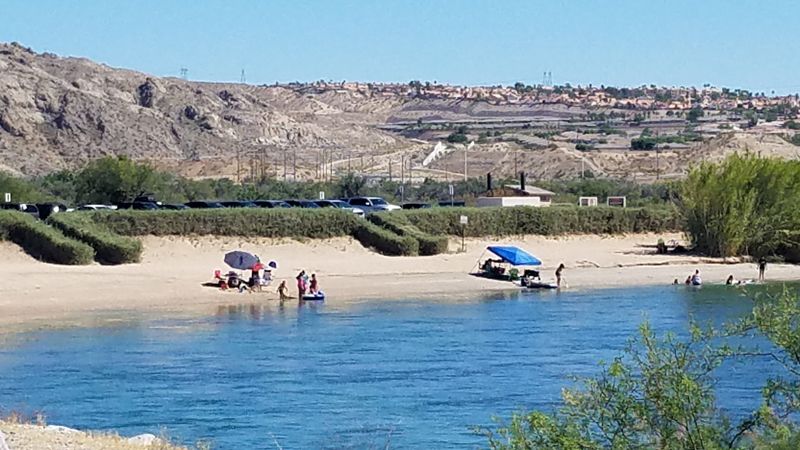
Every park has an origin story. This one starts with paperwork.
The Fort Mohave Land Act of 1960 moved 15,000 acres of federal land in the Laughlin Big Bend region toward the Colorado River Commission of Nevada. Decades passed before the shoreline became public recreation land.
In 1991, a 2,100-acre portion transferred again. The Nevada Division of State Parks took over stewardship of that section.
Development followed, and the park opened to the public in 1996. By state park standards, that makes it fairly young.
Human history along this river runs far deeper. The Mohave people lived throughout the Colorado River Valley for thousands of years.
Their name translates roughly to people who live along the water, which fits the setting perfectly. Petroglyphs scattered across the valley point to that long presence.
Knowing the backstory changes how the shoreline reads. Sand and current stop feeling like a modern amenity.
Instead, the river looks like what it has always been. A gathering place.
Boat Ramps, Jet Skis, And A Sheltered Lagoon
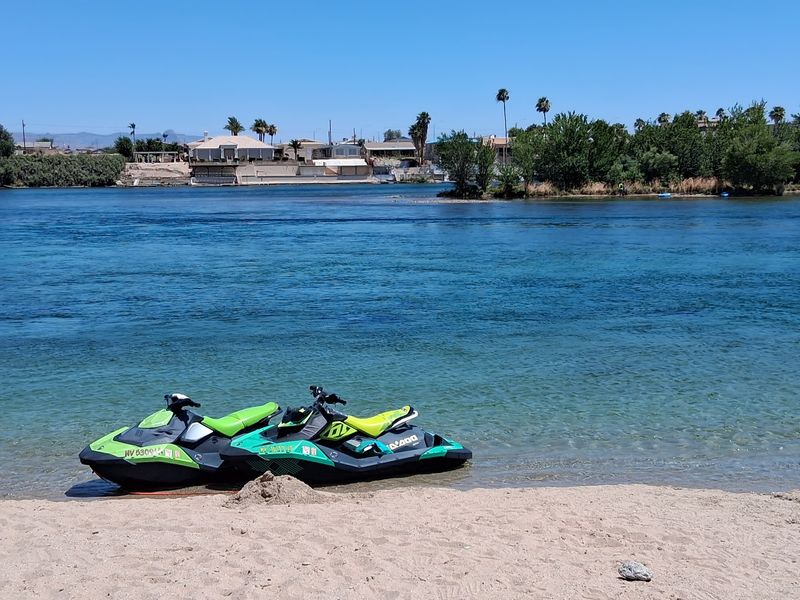
Trailers line up early on summer mornings. There is a reason.
A two-lane boat ramp gives straightforward access to the Colorado River, and a man-made lagoon shelters the launch area from open current. Paved parking sits nearby for boat trailers.
Personal watercraft are a common sight. Jet skis and Sea-Doos buzz the river, and rentals have been available in the area.
Paddleboards work well too, especially during calmer stretches of morning. Fewer wakes mean easier balance.
Boaters should stay mindful of changing river depths. Conditions shift with releases from Davis Dam, so checking the release schedule before launching is a smart habit.
The lagoon doubles as a kid zone. Shallow water there suits young swimmers wearing life vests, well away from stronger flow.
An obstacle course setup on the water has drawn plenty of attention from younger visitors during the season, though availability and fees can vary.
Between the ramp, the lagoon, and open river, water lovers find plenty of ways to spend a scorching afternoon.
Trails Through Canyons And Washes
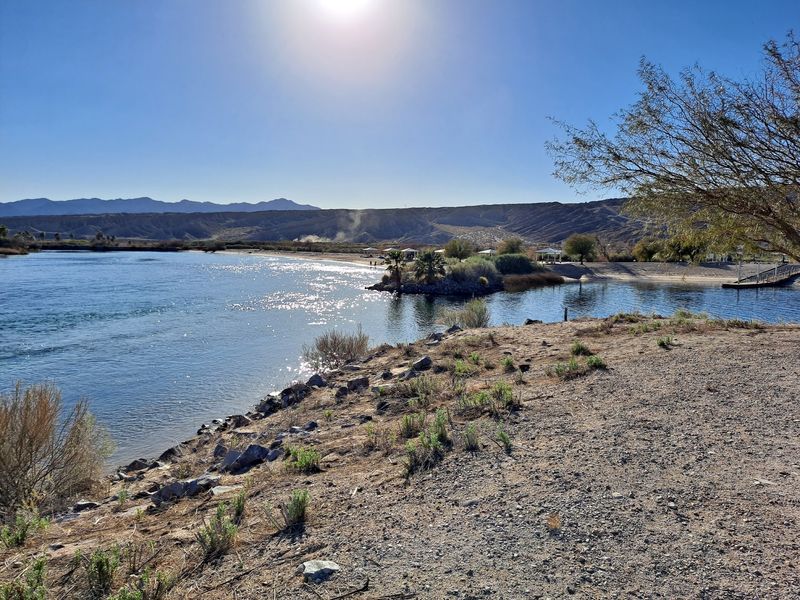
Hikers do exist here, believe it or not.
Roughly four miles of developed trails thread through the park, linking the built-up areas with undeveloped canyons and washes beyond. Terrain stays mostly gentle, with sandy footing in places.
One popular pathway runs about a mile and a half round trip. Rest spots along the way help anyone pacing themselves.
Timing matters more than distance. Morning walks feel pleasant, while midday August sun turns the same route into a test of willpower.
Water bottles are not optional. Shade is limited once trails leave the picnic areas.
Views reward the effort. Canyon walls rise nearby, the river glints below, and mountains frame the horizon in every direction.
The park has also planted desert willows and other trees throughout its developed sections, each with its own water spigot. Those young trees slowly add greenery to the landscape.
Walkers with leashed dogs are welcome, though crowded weekends can feel tight on narrow paths.
Boots first, swim later. That order works beautifully.
Quail Parades And Roadrunner Sprints
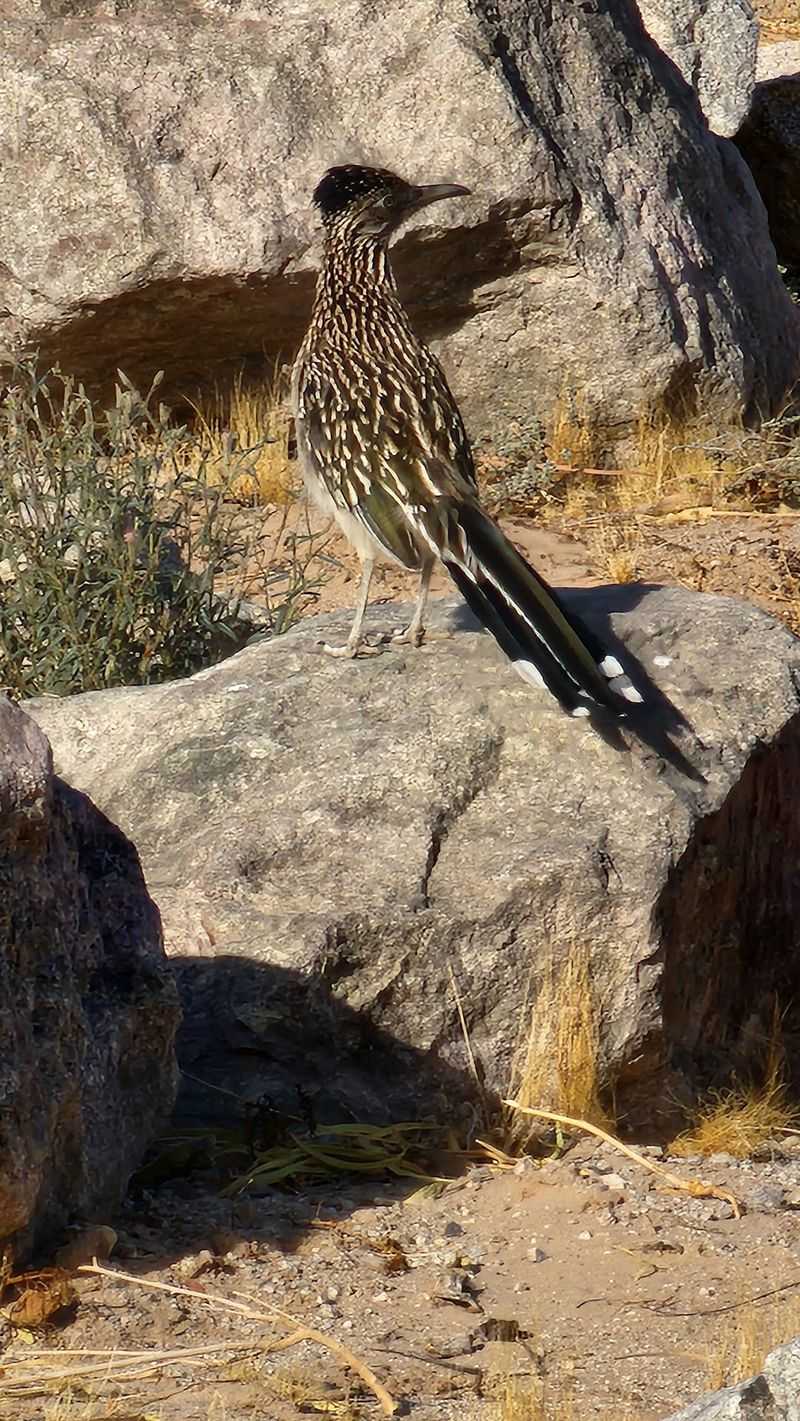
Wildlife here does not wait for a guided tour.
Quail families march past campsites at dusk, chicks trailing in a wobbly line. Roadrunners dash across open ground with cartoon energy.
The mix of desert and riparian habitat draws an unusually wide cast. Mallards, coots, and herons work the shallows.
Geese, hawks, hummingbirds, and several owl species round out the bird list. Serious birdwatchers bring binoculars and patience.
Mammals share the space too. Cottontail rabbits, foxes, raccoons, beavers, muskrats, and coyotes all live in the area.
Luckier visitors occasionally spot a bobcat or bighorn sheep on higher ground. Sightings are never guaranteed, which makes them better.
Lizards bask on warm rocks, and several snake species inhabit the park. Giving them distance keeps everyone comfortable.
Early morning and evening bring the most activity. Animals, like people, avoid the worst heat of a Nevada afternoon.
Keeping food sealed protects both campers and critters. Wild animals that learn to beg lose something important.
Camping Right Beside The Colorado
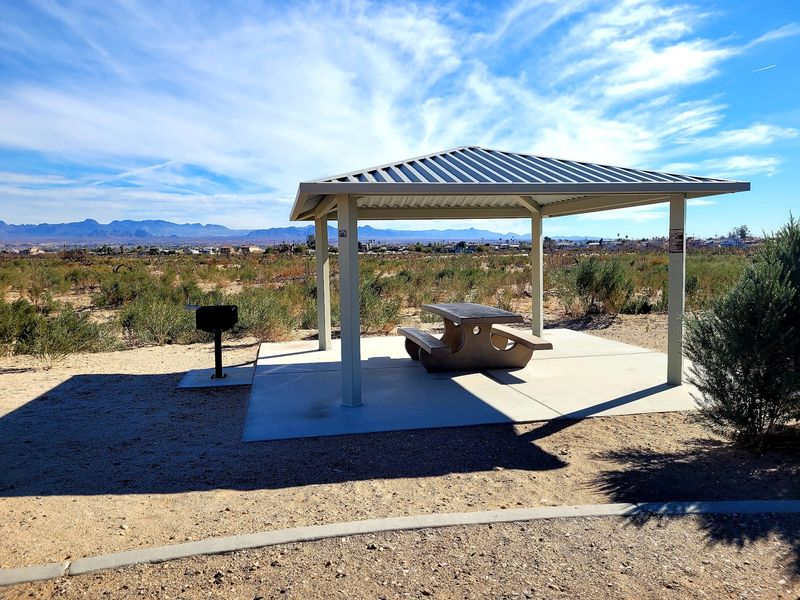
Waking up to river air beats waking up to hotel air conditioning.
The campground offers 24 RV sites with full hookups, plus eight primitive campsites available first-come, first-served. Sites tend to be generously sized.
Each spot includes a tent pad, a shade ramada, and a barbecue grill. Those covered picnic areas earn constant praise during summer stays.
Restrooms and showers serve the campground, and a dump station is on site. Water spigots appear throughout the loop.
Small size works in the campground’s favor. Even when full, the place rarely feels packed.
Road noise stays surprisingly low at night. Stars come out sharp over the surrounding hills.
Worth knowing ahead of time: the campground sits a short distance from the beach and picnic zone, and river access areas close earlier in the evening than the campsites do.
Fire restrictions can apply seasonally, so propane cooking sometimes becomes the only option. Checking current rules before arrival saves disappointment.
Reservations help for hookup sites during busy stretches.
Beat The Crowd With A Morning Arrival
Timing separates a great day from a frustrating one.
During the busy season, roughly mid-May through mid-September, day-use reservations are required for entry before 11:30 in the morning. Showing up later during peak periods can mean being turned away once capacity fills.
Weekends draw the biggest numbers. Saturdays in particular fill fast.
Weekdays feel calmer. Mornings often stay quiet until early afternoon, when the parking areas start filling in earnest.
Entry fees apply per vehicle and differ for Nevada residents and out-of-state visitors. Annual state park passes are honored, which appeals to frequent visitors.
Shaded ramadas can be reserved, and policies around those spots have changed over time. Confirming current details before arrival prevents surprises.
Glass containers are not allowed. Signs make that clear, and rangers enforce it.
Park rangers here hold peace officer authority and handle public safety. Visitors describe them as approachable and helpful.
Arrive early, follow posted rules, and the day tends to unfold exactly as hoped.
Fishing Lines In Clear Water
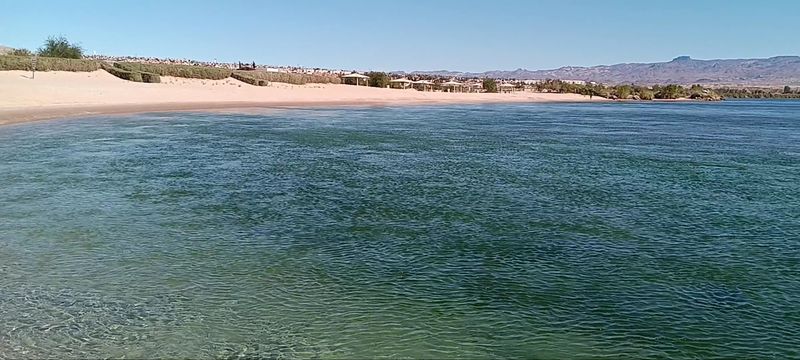
Clear water makes fishing feel like cheating.
Anglers work the shoreline and the river from boats, drawn by the cool, transparent flow below Davis Dam. Watching fish move through the water adds something extra to the wait.
Bank spots along the sandy stretches are easy to reach. No long hike required.
Boat access opens up more of the river. The two-lane ramp handles that side of things.
Licensing rules apply, and river boundaries in this stretch involve more than one state. Checking current regulations before casting is the responsible move.
Conditions change with dam releases. Flow and depth can shift during the day, which affects both fishing and footing.
Early hours tend to be the most pleasant, especially in August. Shade disappears fast once the sun climbs.
Some visitors combine fishing with camping, cooking on the grill back at the site. That rhythm suits a multi-day stay.
Whatever ends up on the line, the setting alone justifies the trip.
Pack Smart Because Amenities Are Limited
Nobody is selling snacks at the beach here.
Amenities inside the park are fairly sparse, so food and drinks come with visitors. A well-packed cooler solves most problems.
Sun protection ranks right behind water. Hats, sunscreen, and shade structures all earn their space in the trunk.
Insect repellent helps during spring and early summer. Marshy edges attract bugs when conditions are right.
Glass stays home. Cans and reusable containers keep everything simple.
Water shoes protect feet on hot sand and rocky patches. Sand can heat up dramatically by afternoon.
Leashed dogs are permitted, and plenty of families bring them. Extra water for pets is essential in this climate.
Restrooms exist near the beach and campground, though conditions during heavy-use days vary. Wipes and hand sanitizer never hurt.
Grocery stores and restaurants sit a few miles away in Laughlin, with more options across the river. That makes resupply easy without ruining the isolated feeling.
Preparation here is not paranoia. It is just common sense in the desert.
Canyon Views And Big Desert Skies
Scenery does a lot of heavy lifting at this park.
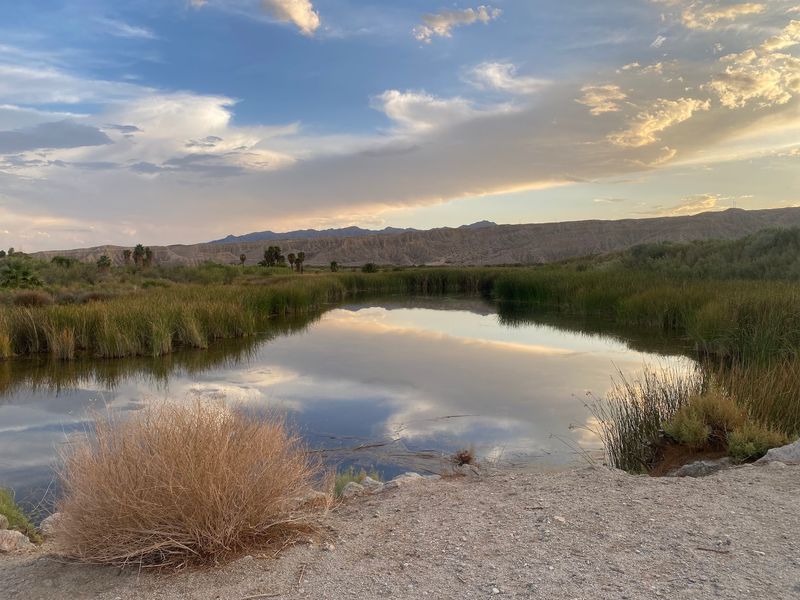
Canyons and washes cover much of the 2,100 acres, rising and folding away from the shoreline. Mountains stack up on the horizon in layered browns and purples.
Marshland softens sections of the riverbank. Bush-covered flats fill the gaps between hills.
The contrast catches people off guard. Bright blue water against dry rock looks almost staged.
Sunset brings the best light of the day. Canyon faces warm to orange while the river turns glassy.
Photographers get plenty to work with. Wide open sky means dramatic clouds during monsoon season.
Night skies open up too, since the park sits away from the brightest lights of town. Stars come through clearly on calm evenings.
Quiet is part of the appeal. Many visitors ask that speakers stay off so the natural soundtrack stays intact.
Sitting still for twenty minutes here does more for a person than another hour on the highway.
A Quiet Alternative To Busy Laughlin
Bright lights sit close by, yet feel far away.
The park rests a short drive south of Laughlin’s riverfront strip, close enough for convenience and distant enough for calm. Stores and restaurants are only minutes off.
Across the water, Arizona’s developed shoreline provides even more options. Supplies are never a real concern.
Still, the mood inside the recreation area stays low-key. Families spread out on sand, kids splash in shallows, and campers relax under ramadas.
Southern Nevada winters here run mild, rarely dipping to freezing. Cooler months bring pleasant hiking and quieter beaches.
Spring and fall balance comfortable air with usable water. Summer belongs to swimmers willing to trade heat for that cold current.
Visitor ratings for the park sit high, and the reasons repeat themselves: clean facilities, friendly rangers, clear water, and space to breathe.
August in the Mojave will always be brutal. Big Bend of the Colorado simply offers the smartest possible response, which is to walk into a cold river and stay awhile.