
8 Creepy Tennessee Roads With Seriously Chilling Legends
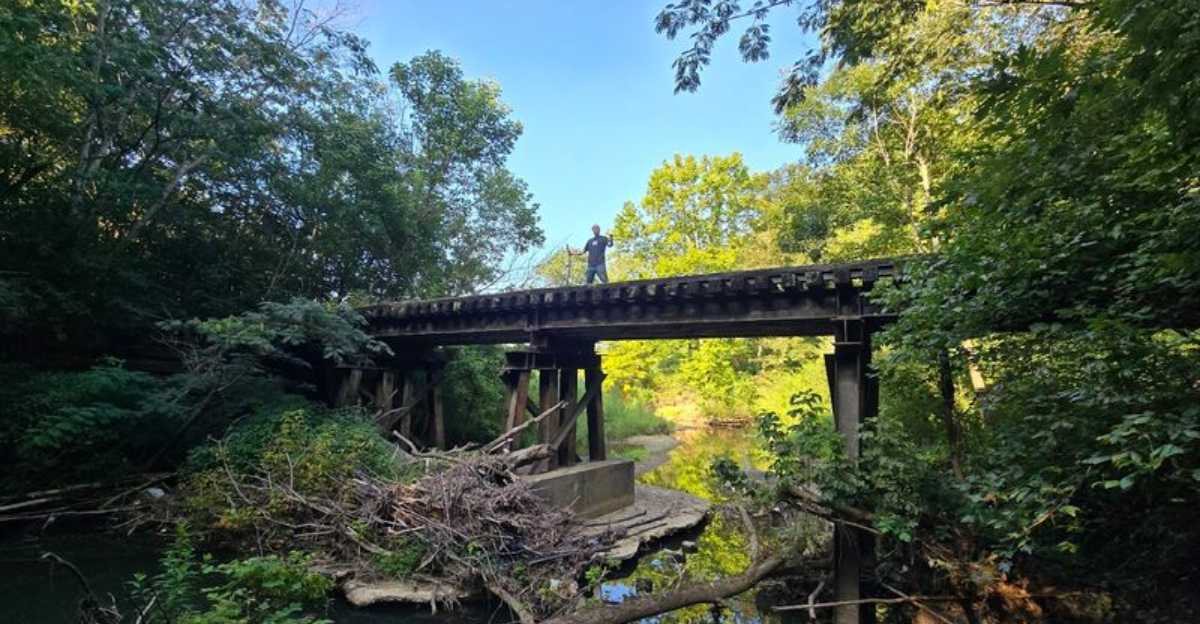
Some roads are just roads. Others come with a story that makes you want to roll up the windows and lock the doors. Tennessee has no shortage of the second kind.
Drive through the wrong stretch of backcountry after dark and you might hear footsteps that don’t match your own.
Headlights flicker for no reason. Fog rolls in thicker than it should. Locals talk about ghost girls, vanishing figures, and tunnels that seem to breathe.
Some stories trace back over a century, passed down so many times nobody remembers where the truth ends and the legend begins.
These eight roads have built reputations that outlast the people who first told the tales.
Some involve tragedy. Some involve war. A few just involve something nobody can fully explain. You don’t have to believe in ghosts to feel a little uneasy driving through.
So lock the doors if you must, but keep your eyes open. Tennessee’s spookiest roads are calling, and they have stories worth hearing.
1. Sensabaugh Tunnel / Sensabaugh Hollow Road, Kingsport
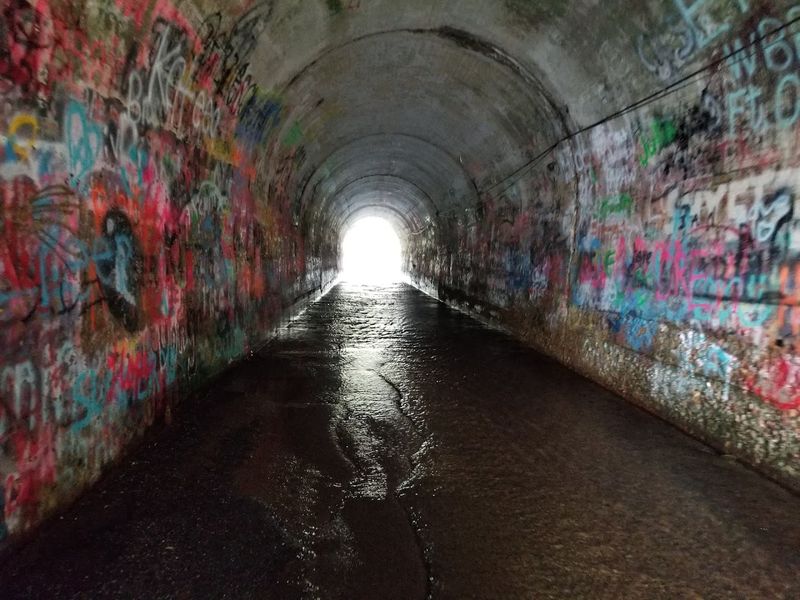
Few places in East Tennessee carry as many chilling stories as Sensabaugh Tunnel, tucked along Sensabaugh Hollow Road near Kingsport in Sullivan County.
The legends here are layered and contradictory, which somehow makes the place feel even more unsettling.
One story claims a man kidnapped a Sensabaugh child and drowned the baby inside the tunnel, and that on quiet nights you can still hear tiny cries echoing off the stone walls.
Another version points to a man named Ed Sensabaugh, who allegedly harmed his own family and concealed them within the tunnel. A third tale involves a woman whose car stalled inside, who wandered off for help and was never seen again.
Drivers who pass through report their engines cutting out mid-tunnel, only to restart once the car is pushed out into open air. Some claim a ghostly woman appears in the back seat without warning.
Interestingly, one theory suggests Edward Sensabaugh himself invented the eerie reputation to keep vandals away, making strange sounds to frighten off trespassers.
Whether that is true or not, the tunnel has since been associated with darker rumors involving alleged rituals.
The surrounding forest is dense and primitive, adding to the sense of isolation.
The tunnel was reportedly closed off to the public at some point, which only deepened its mysterious reputation among curious visitors and local legend-seekers alike.
2. Roaring Fork Motor Nature Trail, Great Smoky Mountains Near Gatlinburg
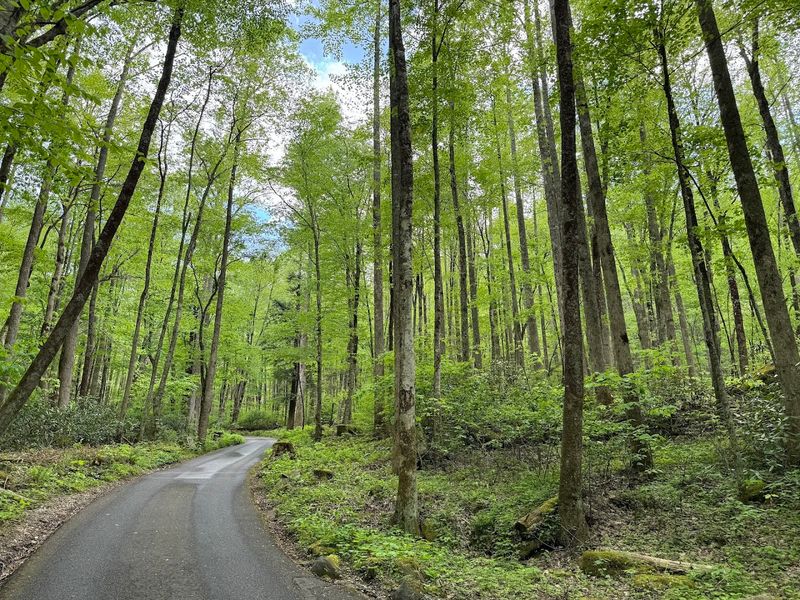
On a foggy morning in the Great Smoky Mountains, the Roaring Fork Motor Nature Trail near Gatlinburg looks like something painted from a dream. But not everyone who visits leaves feeling peaceful.
The trail is a narrow, winding, one-way road that curls through old-growth forest and past historic log structures. It is the kind of place where mist clings to the trees and footsteps on leaves sound louder than they should.
According to local legend, a young woman named Lucy passed away in a cabin fire along this road many years ago.
Visitors have reported seeing a wandering figure near the ruins, dressed in old-fashioned clothing and sometimes appearing barefoot even in the cold of winter, yet never seeming affected by the chill.
Those who encounter her describe the experience less as terrifying and more as deeply sorrowful, as if her grief has soaked into the landscape itself.
She is most often spotted during foggy mornings, drifting between the historic buildings in a way that makes witnesses question what they actually saw.
The trail is open seasonally and is a genuinely beautiful drive during daylight hours, popular for its waterfalls, stream crossings, and preserved Appalachian homesteads. Rangers and park staff tend to stay quiet on the subject of Lucy.
Still, plenty of visitors arrive hoping to catch a glimpse of her, and a few leave convinced they did. The Smokies have always kept their secrets close.
3. The Bell Witch Cave Road, Adams
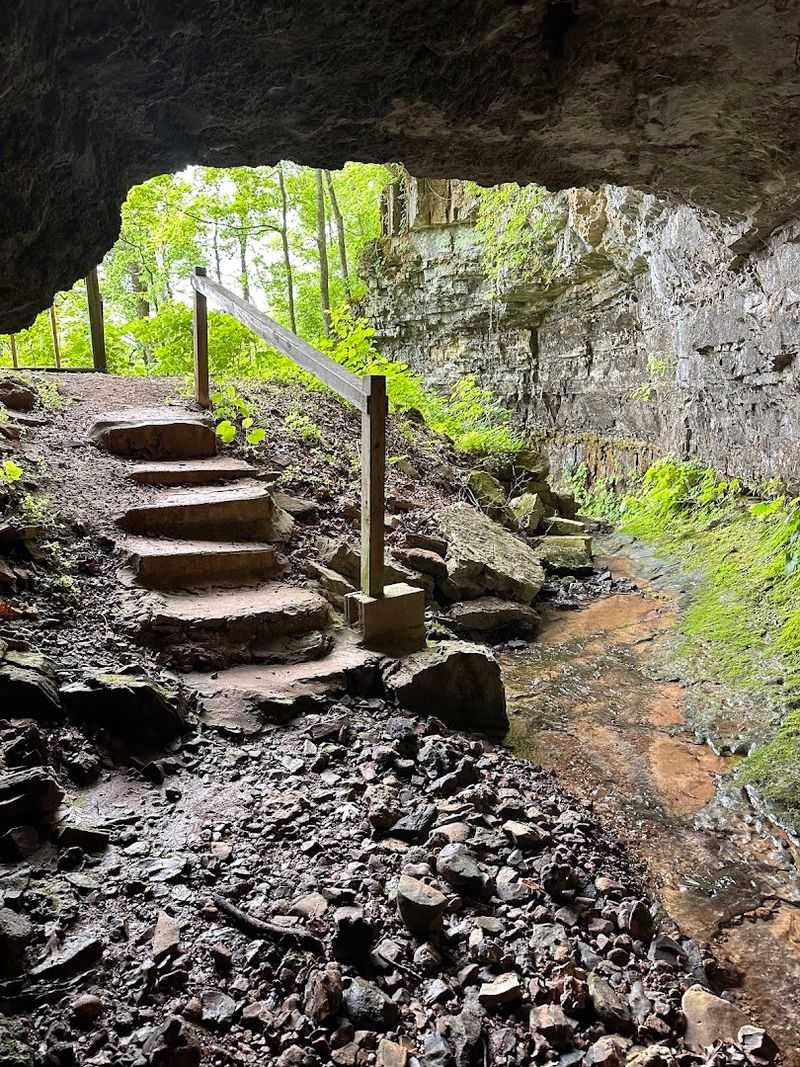
Robertson County has a ghost problem, and it has for over 200 years.
The Bell Witch Cave Road in Adams leads to one of the most famous haunting legends in American folklore, and the road itself feels like the prologue to something you are not quite ready for.
The Bell Witch legend dates back to the early 1800s, when the Bell family reportedly experienced years of terrifying phenomena on their farm.
Strange sounds, physical disturbances, and a disembodied voice that could quote scripture and carry on full conversations were documented by neighbors and even investigated by future president Andrew Jackson.
The cave at the end of the road is said to be a focal point of the entity’s activity.
Visitors report feeling sudden drops in temperature, hearing whispers with no clear source, and leaving with a sense of unease that lingers well after the drive home.
The road approaching the cave winds through quiet farmland that looks completely ordinary in daylight. That ordinariness is part of what makes it so effective at setting you on edge once the sun starts to go down.
Today, the Bell Witch Cave is a privately operated attraction open for tours during certain seasons. The owners have shared their own unexplained experiences over the years, and their accounts are remarkably consistent.
Adams is a small, quiet town that wears its supernatural reputation with a kind of calm pride, welcoming curious travelers while reminding them that some things simply cannot be explained away.
4. Tate’s Lane, Mount Juliet
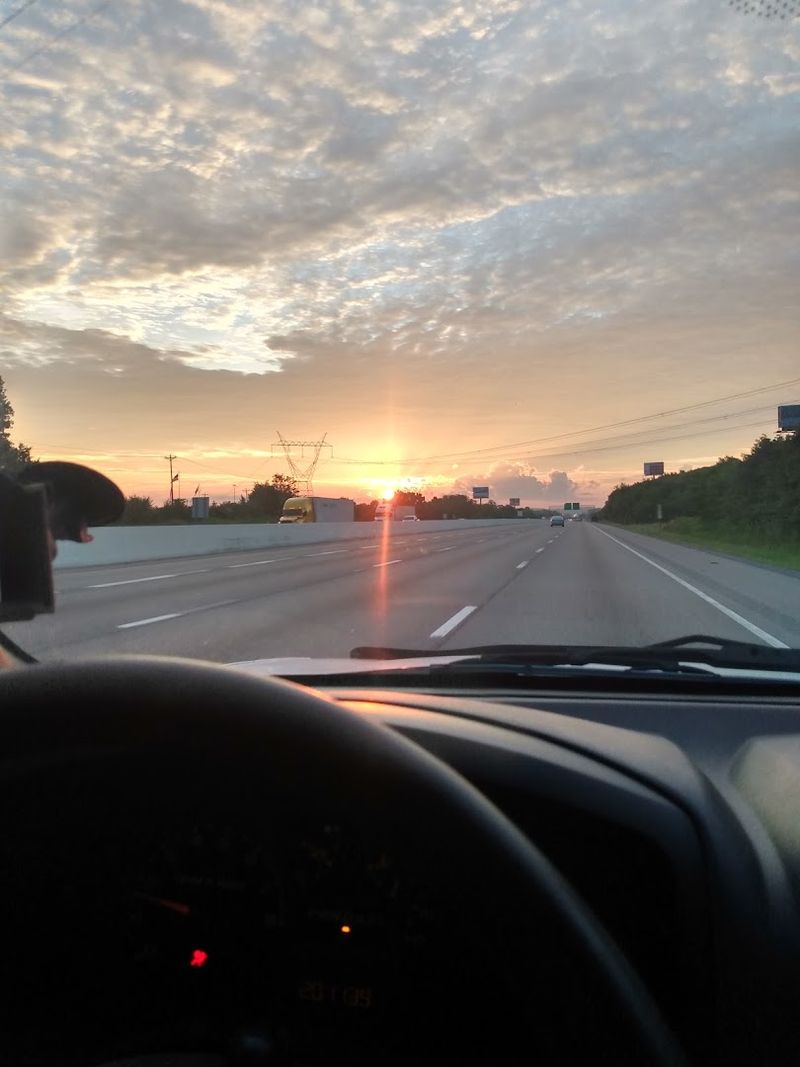
Wilson County keeps its creepy road story a little closer to home than some of the more famous Tennessee legends, but locals in Mount Juliet know exactly what Tate’s Lane is about.
The road has earned a reputation as one of those places where people drive out of curiosity and come back with stories they struggle to explain.
Accounts vary, but the common thread involves strange figures seen near the roadside, unexplained sounds, and a persistent feeling of being watched from the tree line.
Unlike some haunted roads that have one clear origin story, Tate’s Lane draws from a murkier pool of local history and whispered rumors passed between neighbors.
That lack of a single definitive legend somehow makes the stories feel more authentic, as if the road itself generates unease independent of any one explanation.
The surrounding area is semi-rural, with old tree canopies that arch over the road and block moonlight on overcast nights. Driving it alone after dark, the darkness feels less like an absence of light and more like a presence of something else entirely.
Mount Juliet is generally known as a growing, family-friendly suburb east of Nashville, which makes the existence of a road like Tate’s Lane feel like a well-kept secret the newer residents have not heard yet.
Long-time locals tend to smile knowingly when the subject comes up, suggesting there is more to the story than anyone has officially put on record. That smile is somehow the creepiest part.
5. Drummond Bridge, Briceville
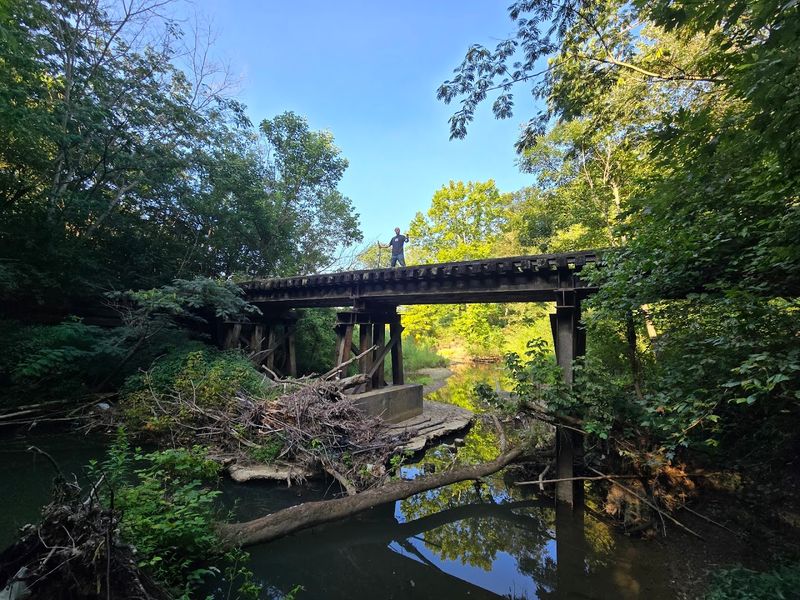
Not many bridges in Tennessee come with a documented historical grudge attached to them, but Drummond Bridge in Briceville, Anderson County, is a notable exception.
The legend centers on Dick Drummond, a 25-year-old coal miner who was hanged during the Coal Creek Wars of the 1890s, one of the most violent labor uprisings in Tennessee history.
Workers fought back against the convict leasing system, and Drummond paid the highest price for it.
His spirit, according to those who have visited after dark, has never quite settled. People report seeing a motionless figure standing on the bridge at night that vanishes the moment headlights fall directly on it.
Some versions of the legend claim that Drummond appears specifically at midnight to those who walk the bridge quietly, particularly if dressed in clothing resembling a late 19th-century soldier, as though he is still searching for the men responsible for his fate.
Visitors also describe a strange physical discomfort near the bridge, including nausea and an unnatural stillness where even birds go quiet. That silence alone is enough to make most people want to leave quickly.
The Coal Creek Wars left real scars on this part of Tennessee, and Drummond Bridge stands as a grim reminder of that turbulent chapter.
Whether or not you believe in restless spirits, the history here is genuinely haunting on its own, no supernatural explanation required.
6. Shipley Hollow Road, Sale Creek
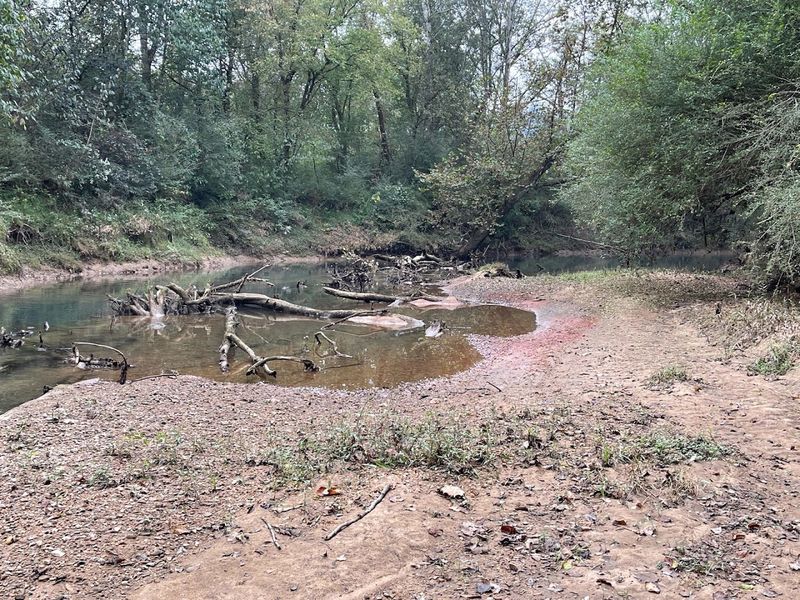
Back in the 1870s, something started following people along Shipley Hollow Road in Sale Creek, Hamilton County, and according to locals, it never really stopped.
The creature, known in regional folklore as Pitty-Pat, is described as either a ghost or a demon depending on who is telling the story. What makes this legend particularly enduring is its age.
Dating back to the 1870s, it is considered one of the oldest haunted road stories in Tennessee, which gives it a weight that newer legends simply cannot match.
Travelers along Shipley Hollow Road have reported engines stalling without mechanical reason, headlights flickering in patterns that seem almost deliberate, and a persistent sensation of being observed from just beyond the tree line.
The sounds are what tend to unsettle people most. Some describe hearing light, quick footsteps alongside the car.
Others report heavy, dragging steps that seem to circle the vehicle before stopping suddenly. A few have claimed to hear scratching on car doors while parked on the road at night.
Residents in the area take the legend seriously enough that many avoid the road after sunset, keeping windows closed and doors locked as a matter of habit rather than fear.
That practical caution, passed down through generations, says something that ghost stories alone cannot.
Shadowy figures glimpsed at the edge of headlight reach are reported regularly, always just far enough away to be uncertain, always just close enough to be unforgettable.
7. Cades Cove Loop Road, Great Smoky Mountains National Park
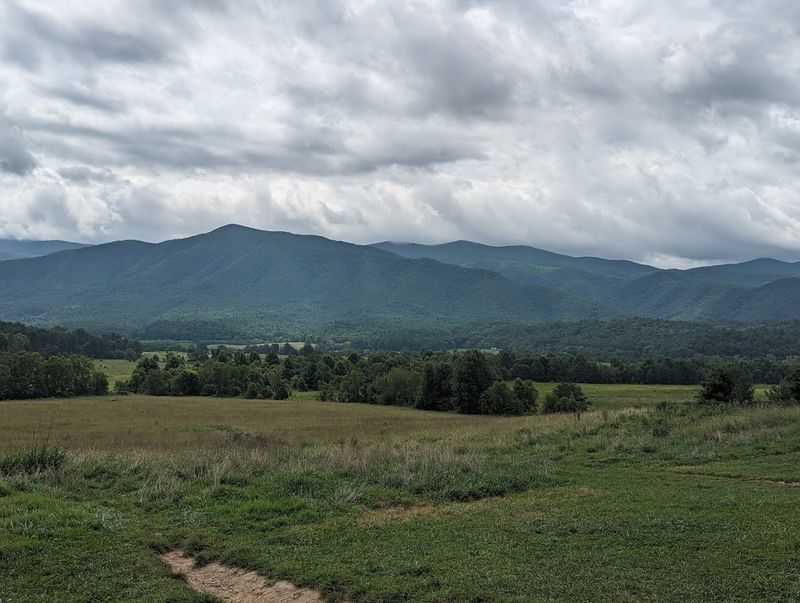
Cades Cove Loop Road is one of the most visited drives in the entire National Park system, drawing millions of visitors each year for its wildlife, its preserved 19th-century homesteads, and its sweeping valley views.
But after the crowds clear and the light fades, the cove takes on a very different personality.
The loop winds past old churches, grist mills, and cabins that once housed Appalachian families who lived and passed away in this isolated valley for generations. That layered human history means the land holds stories that go well beyond park brochures.
Visitors have long reported seeing figures near the historic structures at dusk, particularly around the old churches, where the graveyards hold the remains of early settlers.
Some describe a woman in period clothing standing near cabin doorways, watching quietly as cars roll past.
Wildlife sightings, including deer, black bears, and wild turkeys, are common and well-documented here.
But some of the sightings people report are harder to categorize, figures that appear between the trees and do not move the way animals do.
The cove is also one of the foggiest spots in the park, with mist pooling in the low areas of the valley in ways that distort shapes and distances. That atmospheric quirk has fueled more than a few unsettling stories over the years.
Morning drives through Cades Cove feel sacred and peaceful. Evening drives feel like something is listening, patient and unhurried, waiting for the last car to leave.
8. Chapel Hill Railroad Crossing, Chapel Hill
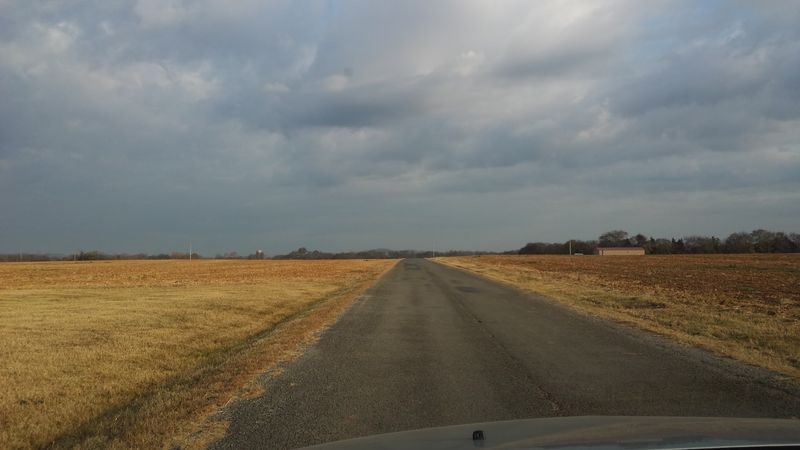
Railroad crossings already carry a natural sense of tension, that pause before crossing, the check in both directions, the awareness of something much larger than you potentially approaching.
Chapel Hill’s railroad crossing in Marshall County takes that tension and adds something harder to shake off.
The legend tied to this crossing follows a pattern familiar to ghost road enthusiasts across the South: stop your car on the tracks, shift into neutral, and something unseen will push the vehicle safely across.
Some say the push comes from the spirits of children who lost their lives at this very spot long ago, unwilling to let anyone else share their fate.
Witnesses claim that after the crossing, small handprints sometimes appear on the rear bumper, as if small hands had indeed been pressing the car forward.
That detail, repeated consistently by different visitors over the years, is the part that tends to stay with people long after the drive home.
Chapel Hill is a small, quiet town in Middle Tennessee, far enough from Nashville to feel genuinely removed from city life.
The crossing itself looks unremarkable in daylight, just asphalt, rails, and warning signals like thousands of others across the state. At night, though, the stillness around it feels loaded.
Whether the phenomenon has a rational explanation involving road grade and optical illusion, or something else entirely, the experience of sitting on those tracks in the dark is not one most visitors choose to repeat.