
Delaware Hides A Retirement Town That Rarely Comes Up In Conversation
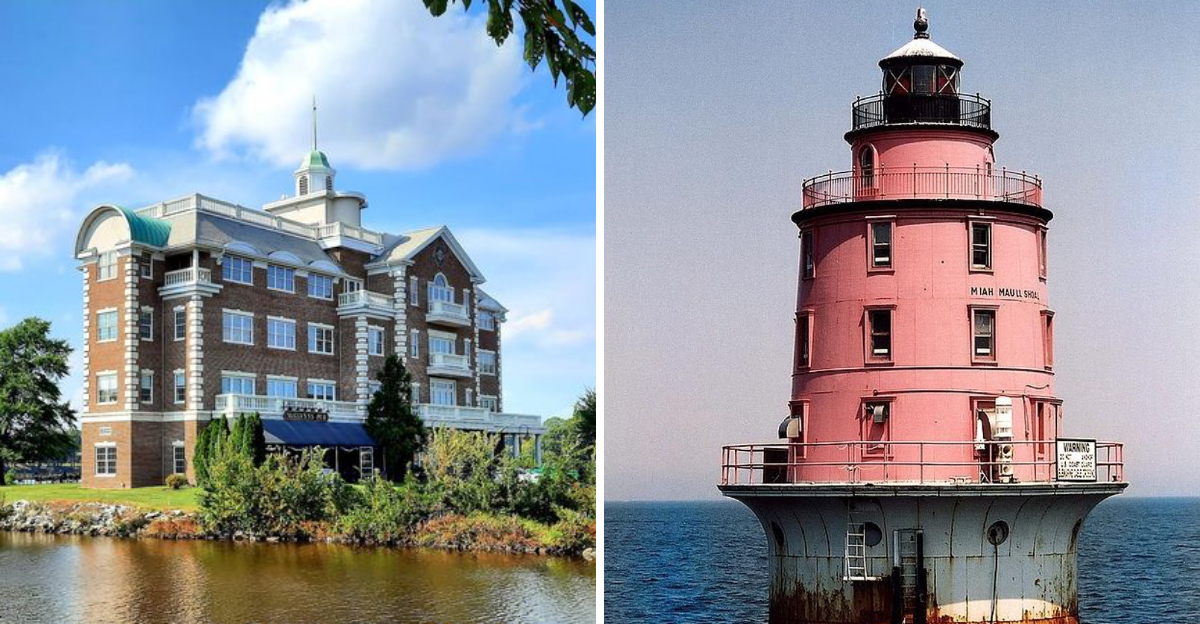
Government buildings sit blocks from open farmland here, and almost nobody talks about it. Delaware’s capital hides retirement magic behind courthouse steps and quiet rowhouses.
A lake older than the streets around it waits nearby. Marshland packed with birds sits just down the road too.
History wraps around every corner. A vote on this very square made Delaware the first state to ratify the Constitution.
Zero sales tax changes the math fast. No tax on Social Security helps even more, and a coastline barely an hour away seals the deal.
Delaware starts looking less like a beach-only destination and more like a hidden retirement plan. Curious what this capital keeps quiet?
The details below might just change where you picture your next chapter.
Where William Penn Planted A Capital
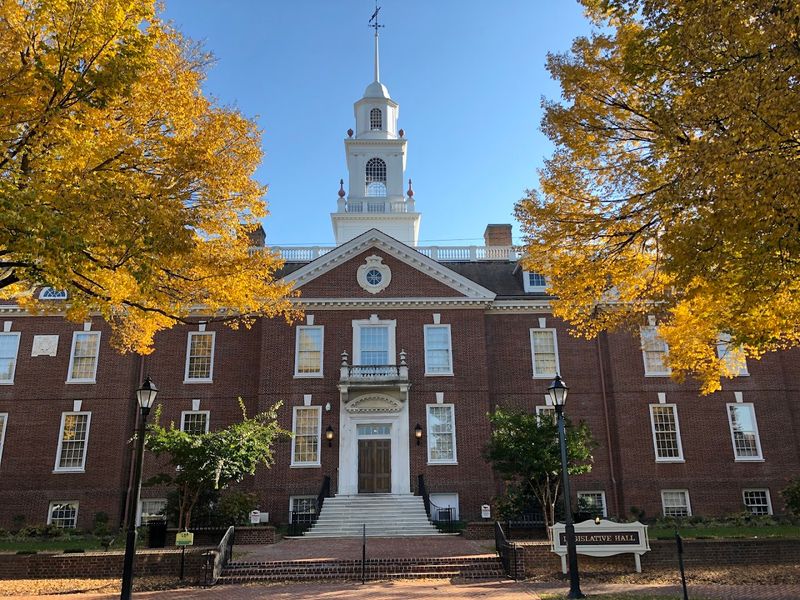
In 1683, William Penn ordered a court town built along the St. Jones River. He named it Dover, after the English port city.Real growth waited decades.
Surveyors did not lay out streets, squares, and lots until 1717.
That plan created a public square known today as The Green, and it anchored everything that followed.By 1777, Delaware moved its state government here from New Castle. The capital became permanent in 1781.
Railroad service arrived in 1856. It sparked a wave of agricultural growth, and Dover became a shipping point for regional farms.
Farmers loaded grain and produce onto rail cars bound for wider markets. That trade built the city’s early wealth.
A courthouse outpost slowly turned into Delaware’s second largest city. Yet the colonial bones stayed intact.
Government buildings, brick rowhouses, and centuries-old churches still sit within walking distance of each other. Few cities keep that kind of continuity after three centuries as a state capital.
A Capital City That Still Feels Unhurried
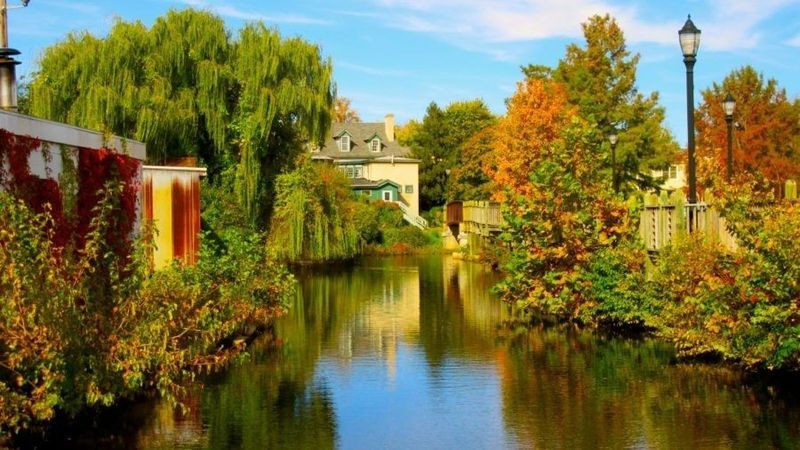
Dover carries an unusual duality. It functions as a state capital, home to government buildings, a university, and a military base.
Yet farmland and quiet woodland surround much of the city. Dover sits on the Delaware coastal plain, one of the flattest stretches of land in the country.
That topography keeps the horizon wide open in nearly every direction. Wide skies stretch over both the government core and the fields beyond it.
Traffic rarely matches what people expect from a capital city. Streets near downtown move at a relaxed pace.Neighborhoods just outside the government core back directly onto open fields.
That mix of small-city infrastructure and rural buffer gives Dover a split personality. It works in the city’s favor.
Retirees crave quiet without losing access to services. Dover delivers both.
The pace slows the moment you step off the main corridors. Everything you need still sits only minutes away, no matter which direction you drive.
A Downtown Built Around The Green

The Green has anchored Dover since 1717. Surveyors laid it out as the town’s original courthouse square.
It remains a National Register Historic District today. In 1787, Delaware ratified the U.S.
Constitution right here. That vote made Delaware the first state in the nation to do so.
Brick facades line The Green, along with wrought iron fences and buildings that have stood since the 1700s. The Old State House faces the square, restored to its original appearance.
The John Bell House stands nearby too, one of the oldest surviving wooden structures in the city. Annual events keep that history alive rather than frozen behind glass.
Old Dover Days celebrates the city’s colonial roots with walking tours and craft demonstrations. The African American Festival, Positively Dover, honors the contributions of Black Delawareans.
Neighbors turn out for both every year. That kind of participation gives downtown Dover a lived-in feeling many capital cities lose over time.
History You Can Actually Walk Through
Dover’s historic sites spread well beyond The Green. The John Dickinson Plantation preserves the boyhood home of a founding father who signed the U.S.
Constitution.
It offers a direct link to the country’s earliest years. Costumed guides walk visitors through the property’s original rooms.
Near Dover Air Force Base sits the Air Mobility Command Museum. It houses one of the largest collections of restored military cargo and tanker aircraft in the eastern United States.
Admission is free. The museum traces the story of a base that has operated continuously since the 1940s.
First State Heritage Park ties these sites together. It links The Green, the Old State House, and nearby museums into one walkable trail through the city’s past.
Retirees who love history without wanting to drive between stops will appreciate that. Dover packs an unusual amount of it into a compact footprint.
Every stop rewards a slow, curious visit.
Silver Lake Sits Right In The Middle Of Town
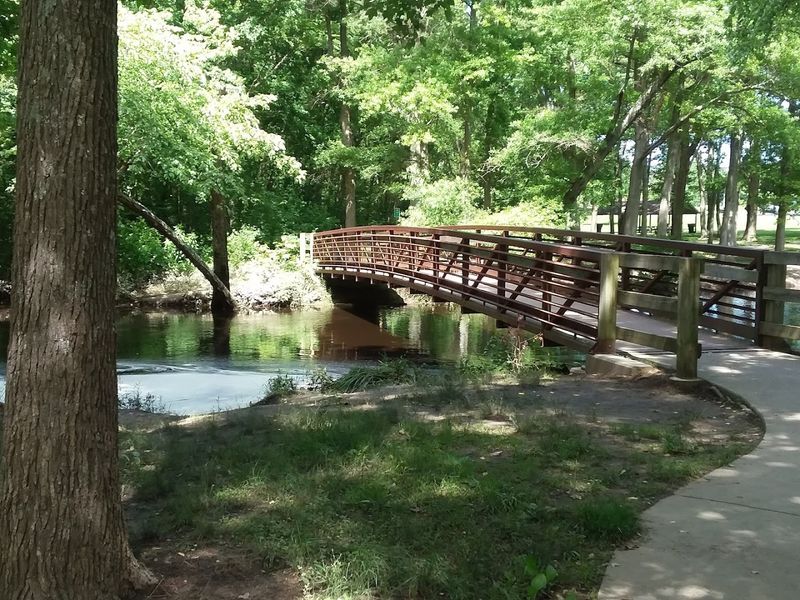
Dover’s outdoor life never requires leaving the city limits. Silver Lake Park covers 182 acres in the heart of downtown.
A dammed stretch of the St. Jones River formed the lake more than a century ago. That history still shapes the park’s calm, open feel.
Paved paths circle the water. They connect to the wider Capital City Trail system, which threads through the historic district and beyond.
Anglers cast for largemouth bass and catfish along the shoreline. A boat ramp offers access to permit holders.
Herons, geese, and turtles show up constantly along the banks and the old millpond dam.
Picnic pavilions, a fitness course, and playgrounds round out the park. It works as a genuine gathering spot, not a passive green space.
Retirees can walk daily, fish, or simply sit on a bench facing the water. Silver Lake delivers all of it within a five-minute drive from nearly anywhere in the city.
Wild Marshland Waits Just Down The Road
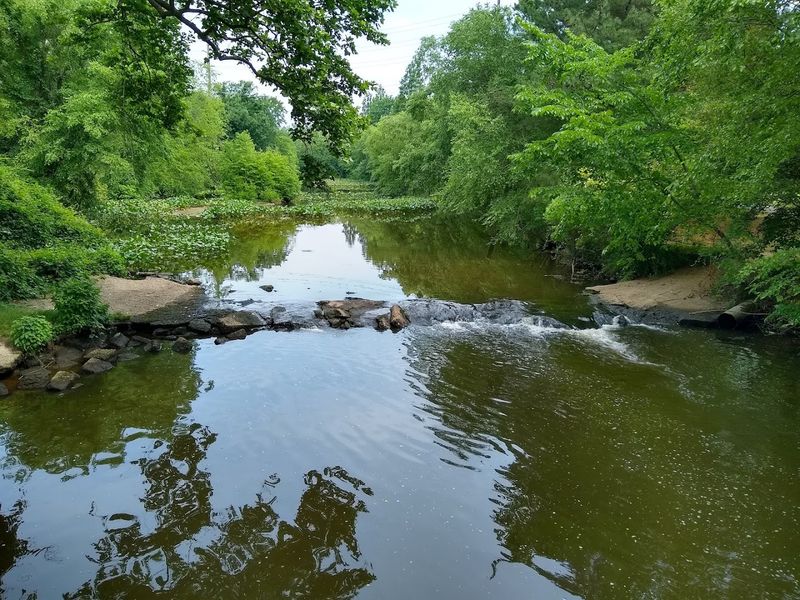
Bombay Hook National Wildlife Refuge sits about a half hour northeast of the city, near the town of Smyrna. It feels far more remote than downtown.
The refuge protects more than 15,000 acres of tidal salt marsh. That marsh ranks among the largest unbroken stretches left in the mid-Atlantic region.
A twelve-mile wildlife drive winds through freshwater pools, salt marsh, and upland forest. Several short walking trails branch off along the way, along with three observation towers.
Birders have recorded nearly 350 species here over the decades. Spring and fall migrations draw serious visitors from well outside the state.
The refuge charges a small entrance fee, and visitors should bring cash for the honor box.
Retirees living nearby treat it like an enormous backyard. Slow mornings with binoculars offer a completely different rhythm than downtown.
Reaching it barely requires a drive at all, which makes repeat visits an easy habit.
The Retirement Math Genuinely Works Here
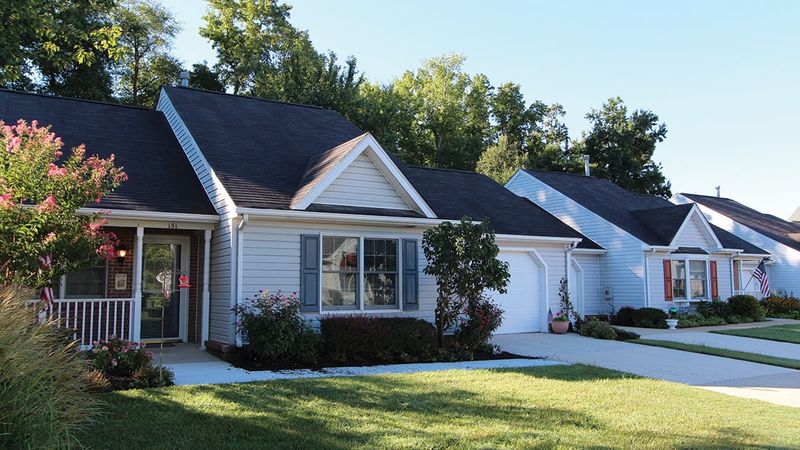
Delaware’s tax structure does a lot of heavy lifting for retirees, and Dover residents benefit from every bit of it.
The state charges no sales tax at all. Everyday purchases go noticeably further here than almost anywhere else on the East Coast.
Delaware fully exempts Social Security income from state tax. That exemption applies no matter how much retirees collect each year.
Residents aged 60 and older can also exclude qualified pension and retirement income from their state return. The exclusion runs up to $12,500 per person annually.
Property taxes across Delaware rank among the lowest in the region too, typically well under one percent of assessed home value.
None of that requires an expensive coastal address. Dover offers the same statewide advantages while keeping housing and daily costs closer to a mid-sized inland city.
Retirees stretching a fixed income notice the difference fast. That combination of low taxes and moderate living costs adds up to real, measurable savings every single year.
Everything You Need Is Already Close By
Retiring in a capital city instead of a small town keeps most essentials close. Bayhealth Hospital’s Kent Campus anchors healthcare in the region.
It offers a full emergency department, plus cardiac, orthopedic, and cancer care close to home. Specialists here treat patients from across central Delaware.
Delaware State University adds a steady stream of lectures, sports, and cultural programming. Few small towns can match that kind of offering.
Shopping corridors along the main highways cover everyday basics. The historic downtown district holds smaller, independent storefronts that reward a slower visit on foot.
Retirees rarely need to leave the city for routine errands, medical care, or an evening out with friends.
That convenience runs on scale rather than distance to another town. It removes a layer of daily logistics many retirees do not notice until it disappears.
The Beach Is Barely An Hour From Your Front Door
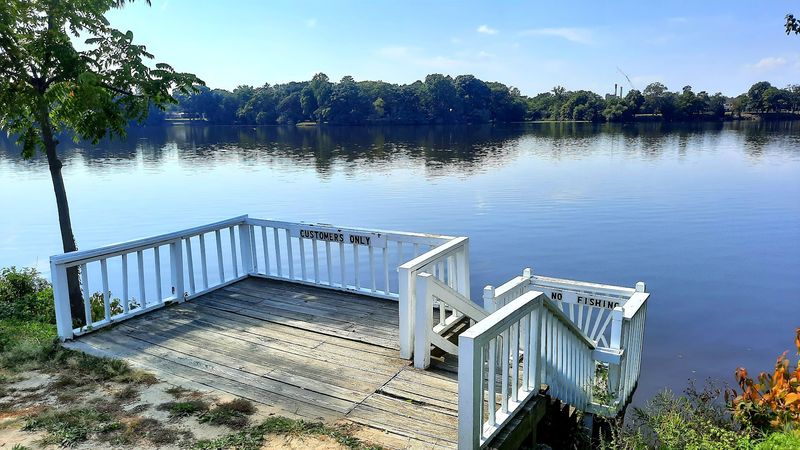
Delaware’s Atlantic coastline sits closer than most people expect from a capital city. Rehoboth Beach, one of the state’s most popular shoreline towns, sits roughly 44 miles from Dover.
The drive typically takes under an hour, depending on traffic along Route 1.
That distance turns beach visits into a genuine spontaneous option. Retirees living in Dover can walk the boardwalk on a weekday morning and be home well before dinner.
They skip the premium that comes with owning property directly on the coast too. A weekend trip costs little more than a tank of gas.
Delaware’s beach towns draw heavy seasonal crowds each summer. Living inland in Dover means sidestepping most of that congestion while keeping the coast within easy reach year round.
Retirees get to choose their crowd level day by day. Coastal when they want it, calm and quiet the rest of the time.