
10 Delaware Towns Facing Population Loss Due To High Property Tax Burdens
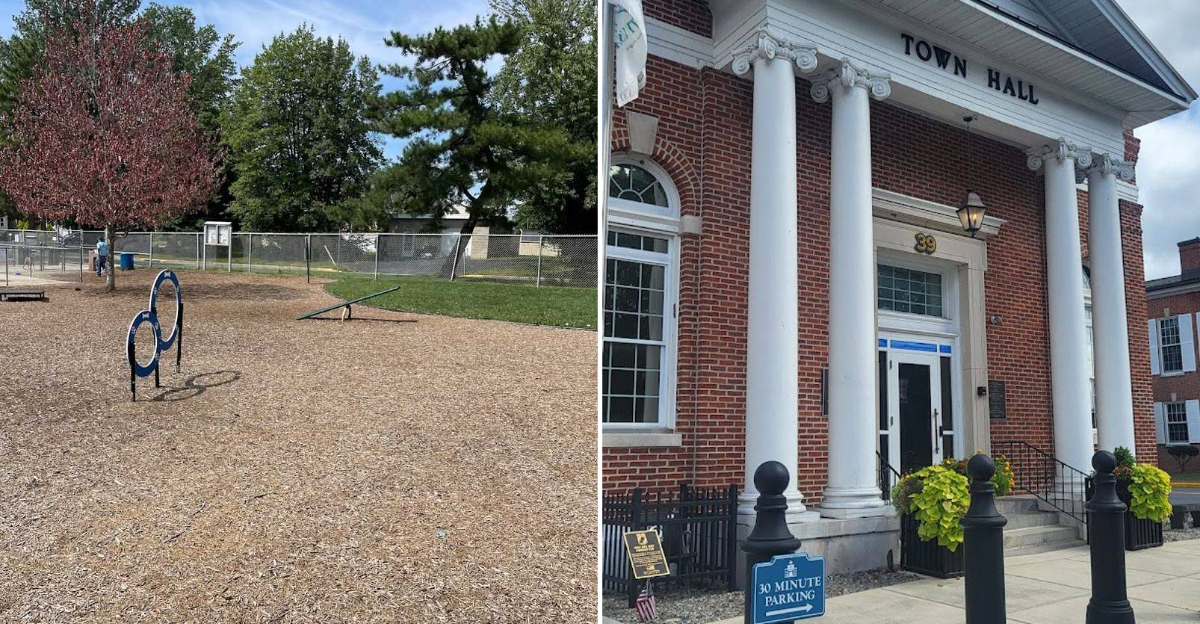
Property taxes have a way of making a beloved hometown feel like a calculation rather than a home. Delaware is watching that calculation play out across communities that never anticipated losing residents to a line item on an annual bill.
The towns on this list did not empty overnight. Departure happens gradually, one family at a time, until the school enrollment numbers and the downtown vacancy rates start telling a story nobody wanted to read.
Long term residents describe the decision to leave with a specific kind of grief. Not anger, not urgency, just the quiet resignation of people who ran the numbers long enough and arrived at a conclusion they spent years trying to avoid.
Delaware’s property tax burden has become a conversation happening at kitchen tables across the state. These communities are where that conversation carries the most weight and produces the most irreversible answers.
1. Wilmington
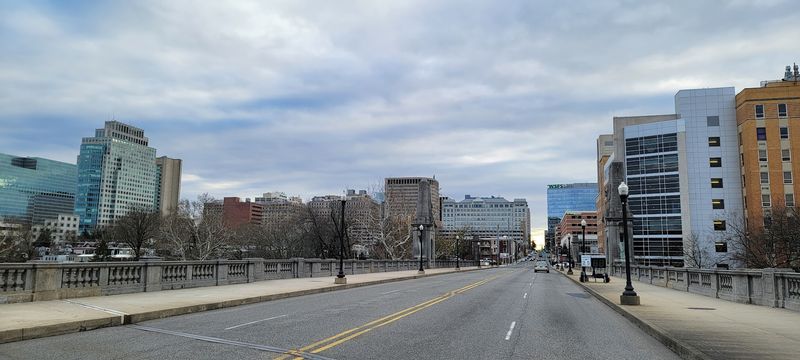
Wilmington has always been Delaware’s biggest city, full of grit, culture, and working-class pride. But right now, longtime residents are getting hit with property tax bills that feel almost impossible to believe.
Neighborhoods like Hilltop, Eastside, Riverside, and Southbridge saw dramatic assessment increases following a county-wide revaluation. That is not an exaggeration.
Some families saw their tax bills nearly triple overnight.
Many of these households are Black and Hispanic families who have owned their homes for generations. Suddenly, hundreds of dollars more per year are showing up on their bills.
That is real money for working families already stretched thin.
Seniors are getting squeezed especially hard. Older homes that were previously assessed at low values are now being brought up to current market rates.
Some elderly homeowners face significant increases in fixed incomes they cannot easily adjust.
The emotional toll is heavy here. People are not just worried about money.
They are worried about losing the communities they built. Neighbors who have lived side by side for decades are now talking about moving.
Wilmington is a city worth fighting for. The arts scene, the food, the Riverfront, and the history all make it special.
But a tax burden this steep could hollow out the very neighborhoods that give this city its soul.
2. Dover
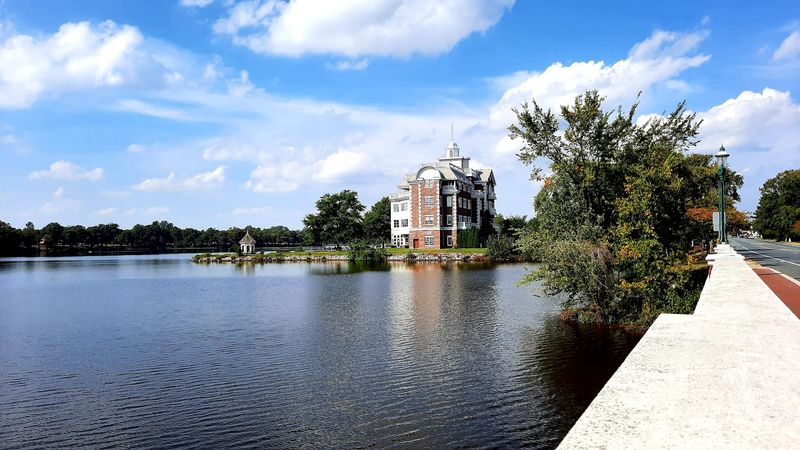
Dover carries a lot of weight as Delaware’s state capital. It is supposed to be the heartbeat of the state, but lately, some residents feel like that heartbeat has a stutter.
The city sits in Kent County, which went through a massive reassessment process. Surrounding suburbs like Magnolia and Cheswold saw dramatic jumps in median property assessments.
Dover proper was not spared from the ripple effects.
Residents in lower-income parts of Dover are watching their neighborhoods change. Families who bought modest homes years ago are now staring at assessments that reflect a market they never planned to compete in.
Dover has a strong military presence thanks to Dover Air Force Base, and many veterans and military families call this city home. Fixed-income households are especially vulnerable when tax bills jump without warning.
The local government has tried to assure people that reassessments are revenue-neutral overall. But that word “overall” does not comfort someone whose individual bill doubled.
The averages hide a lot of individual pain.
Dover still has charm. The historic Green, the First State Heritage Park, and the NASCAR Speedway give the city real personality.
Losing residents to unaffordable taxes would be a serious blow to a city already working hard to grow its economy.
3. Newark
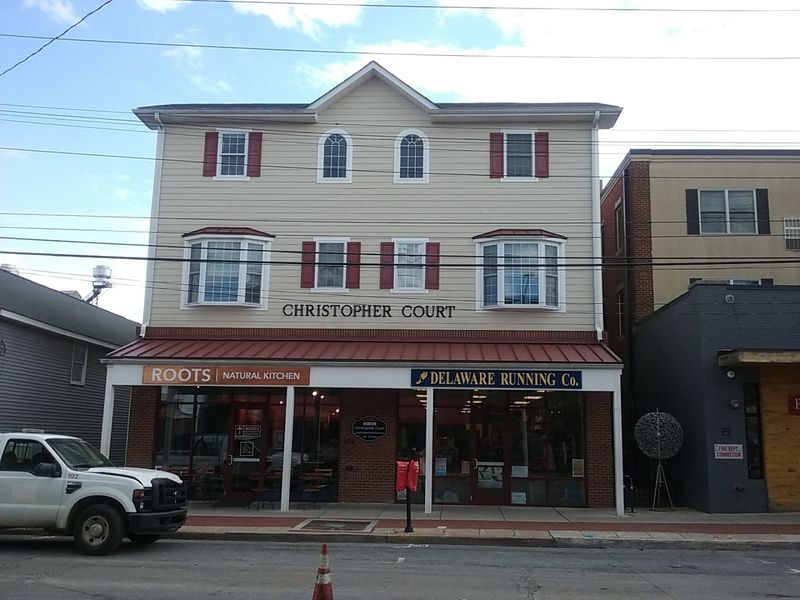
This place is home to the University of Delaware, which gives the city a lively, college-town energy. But beyond the campus buzz, longtime homeowners are facing a very different kind of pressure.
When reassessments hit New Castle County, Newark residents who had owned homes for years suddenly found their assessed values reflecting today’s competitive real estate market. That shift was jarring for many non-student homeowners.
The tricky part about Newark is its dual identity. Students cycle in and out, but permanent residents build their lives here.
When property taxes spike, it is those permanent residents who feel the squeeze the most.
Older neighborhoods near the university that once housed working families are now seeing values surge. Higher assessments mean higher taxes, and not everyone’s paycheck grew alongside those numbers.
Some homeowners have started exploring options. Downsizing, relocating to lower-tax counties, or renting out rooms just to cover the bills.
None of those were part of the original plan when they bought their homes.
Newark is genuinely a great place to live. Good schools, walkable streets, and a real sense of community make it stand out.
But if the tax burden keeps climbing, the families who give this city its backbone may find themselves priced out of the home they already own.
4. Seaford
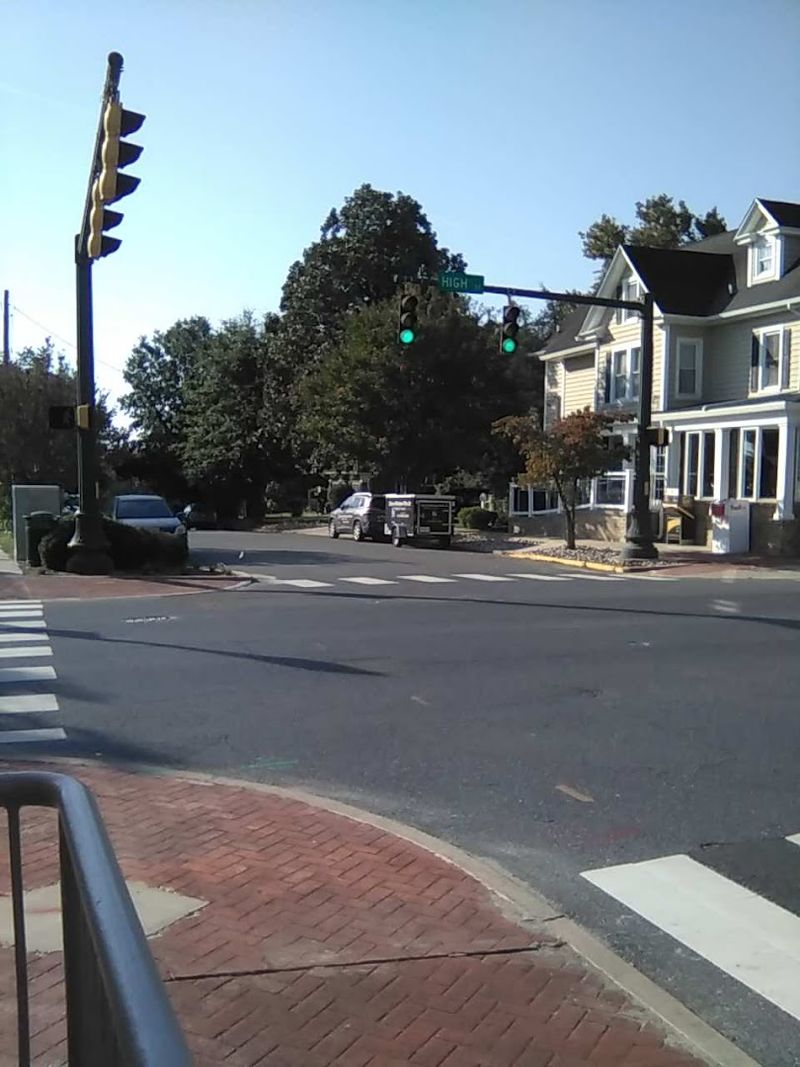
Seaford sits along the Nanticoke River in Sussex County, and for a long time, it felt like one of Delaware’s best-kept secrets. Small, friendly, and affordable, it drew families who wanted a quieter life away from the bigger cities.
But recent reassessments have crept into Sussex County, too, and Seaford residents are feeling the pinch. A town built on modest incomes does not absorb sudden tax spikes easily.
When the bills arrived, the shock was real.
Seaford has a proud manufacturing history. The DuPont nylon plant once made this city famous worldwide.
That industrial era is largely gone now, and the local economy has had to reinvent itself. Higher property taxes make that reinvention even harder.
Many households here are multigenerational. Grandparents, parents, and kids sharing the same roof is common.
When taxes rise steeply, every generation in that house feels the impact. Moving is not just a personal decision here; it is a family one.
Community ties run deep in Seaford. The local churches, the festivals along the river, and the Friday night football games all create a fabric that is hard to replace.
People do not want to leave. They just might not be able to afford to stay.
Seaford deserves investment, not exodus. Keeping taxes manageable here is not just a financial issue; it is a community survival issue.
5. Milford
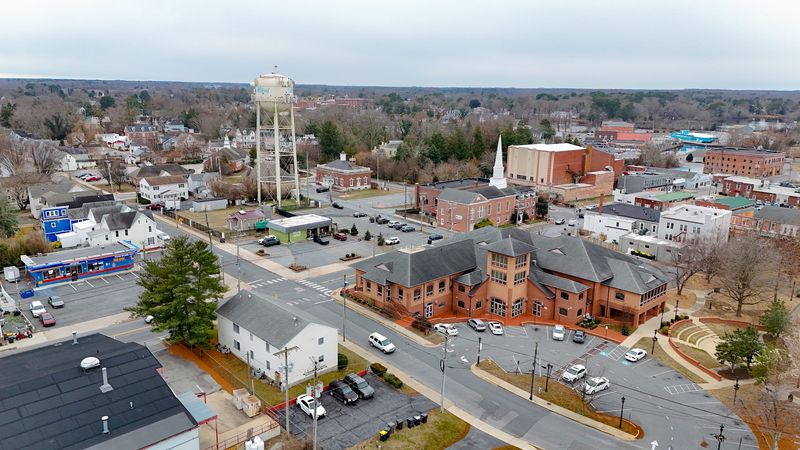
A place like this straddles the line between Kent and Sussex counties, which gives it a unique identity in Delaware. Half the city falls under one county’s rules, and half under another’s.
When reassessments rolled out differently across counties, Milford residents got a confusing and sometimes painful mix of outcomes.
The Mispillion River runs right through town, giving Milford a postcard-worthy downtown. But scenic beauty does not offset a tax bill that jumped significantly without a corresponding jump in household income.
Milford has been growing steadily, attracting young families and retirees who want affordable coastal-adjacent living. That affordability is now under threat.
The very thing that made Milford attractive is being eroded by rising assessment values.
Local business owners share the concern. When residents struggle financially, they spend less locally.
Fewer customers walking through downtown doors means a slower local economy for everyone. The ripple effect is real and fast.
There is a genuine creative energy in Milford. The arts community here punches above its weight.
Galleries, murals, and local events make it feel alive and intentional. Losing residents to tax pressure would dim that energy quickly.
Milford is the kind of town that makes you want to stay. The trick is making sure the financial reality matches that feeling.
Right now, for too many homeowners, it does not.
6. Smyrna
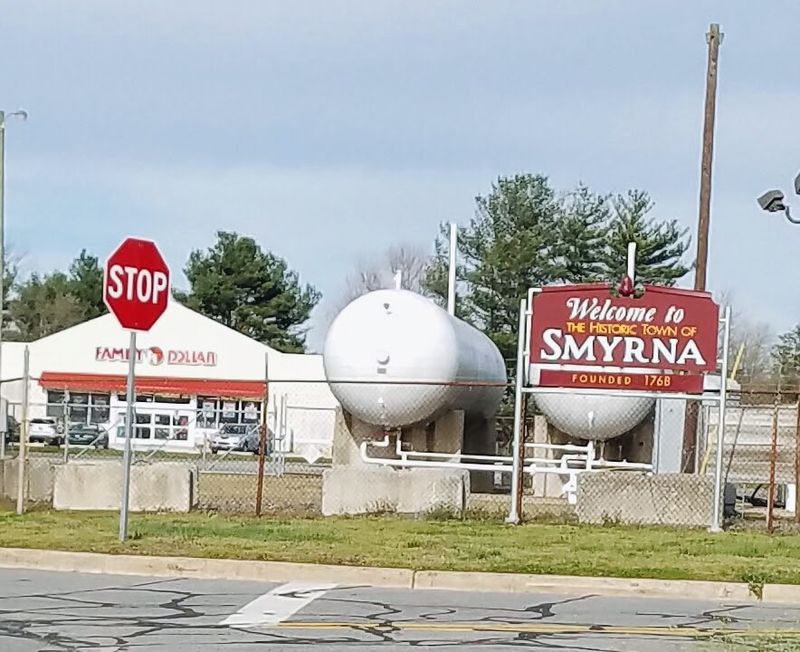
Smyrna has been one of Kent County’s fastest-growing towns over the past decade. New subdivisions, young families, and a revitalized Main Street made it feel like a place on the rise.
Then the reassessment notices arrived.
Kent County’s reassessment process revealed just how dramatically property values had shifted. For homeowners who bought years ago at lower prices, the new assessed values felt like a betrayal.
The tax bills that followed confirmed their fears.
What makes Smyrna’s situation especially tricky is that growth brought higher home values, which triggered higher assessments. So the town’s own success became part of the problem for established residents.
That is a frustrating irony to sit with.
Longtime Smyrna families are now competing in a market they did not ask to enter. Their neighbors might be newer arrivals with higher incomes.
But the tax bill does not care about your income. It only cares about your property value.
The Duck Creek Cultural Arts Center, the local parks, and the tight-knit school community give Smyrna a lot to love. Kids grow up here knowing their neighbors.
That kind of community is not easy to rebuild somewhere else.
If Smyrna wants to keep the families who helped build it, finding real tax relief for established residents needs to be a priority. Growth should lift everyone, not push the original residents out.
7. Georgetown
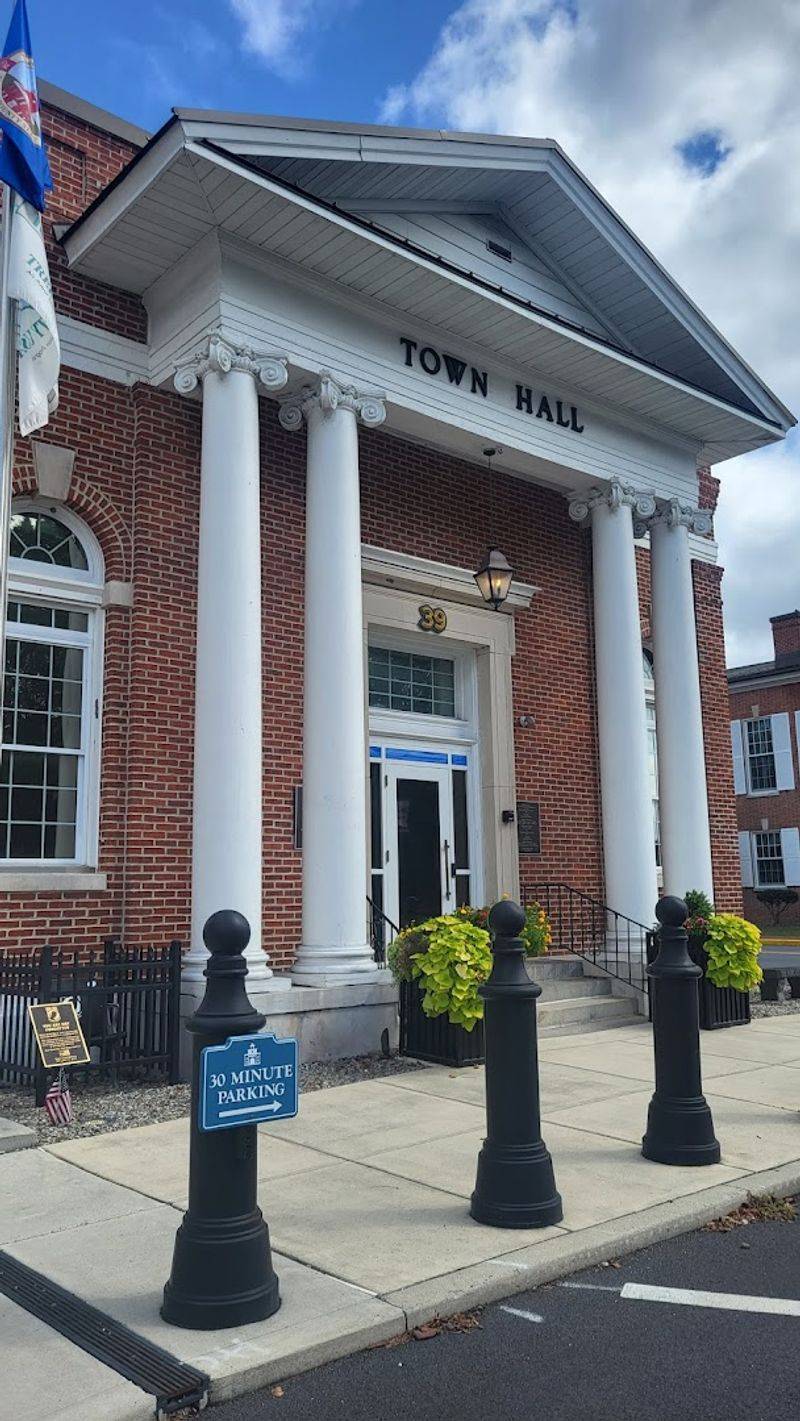
Georgetown is the county seat of Sussex County, and it carries that role with quiet dignity. The town circle, the historic courthouse, and the old homes surrounding them give Georgetown a sense of permanence.
But permanence does not protect you from a reassessment notice.
Sussex County has seen enormous property value growth driven largely by coastal tourism and the popularity of nearby beach towns. That growth has inflated values even in inland communities like Georgetown that are far from any shoreline.
The Latino community here is significant and growing. Many families work in agriculture, poultry processing, and service industries.
These are not high-income households, and a sudden jump in property taxes hits them disproportionately hard.
Georgetown also serves as a hub for the surrounding rural communities. When residents here struggle financially, the effects radiate outward.
Local services, schools, and small businesses all depend on a stable residential population.
There is a warmth to Georgetown that you notice quickly. People wave.
Neighbors know each other by name. The Saturday farmer’s market draws a real cross-section of the community.
That social fabric is worth protecting.
A town this rooted in history and community deserves a tax structure that lets people stay rooted. Right now, too many Georgetown residents are doing math that does not add up in their favor.
8. Harrington
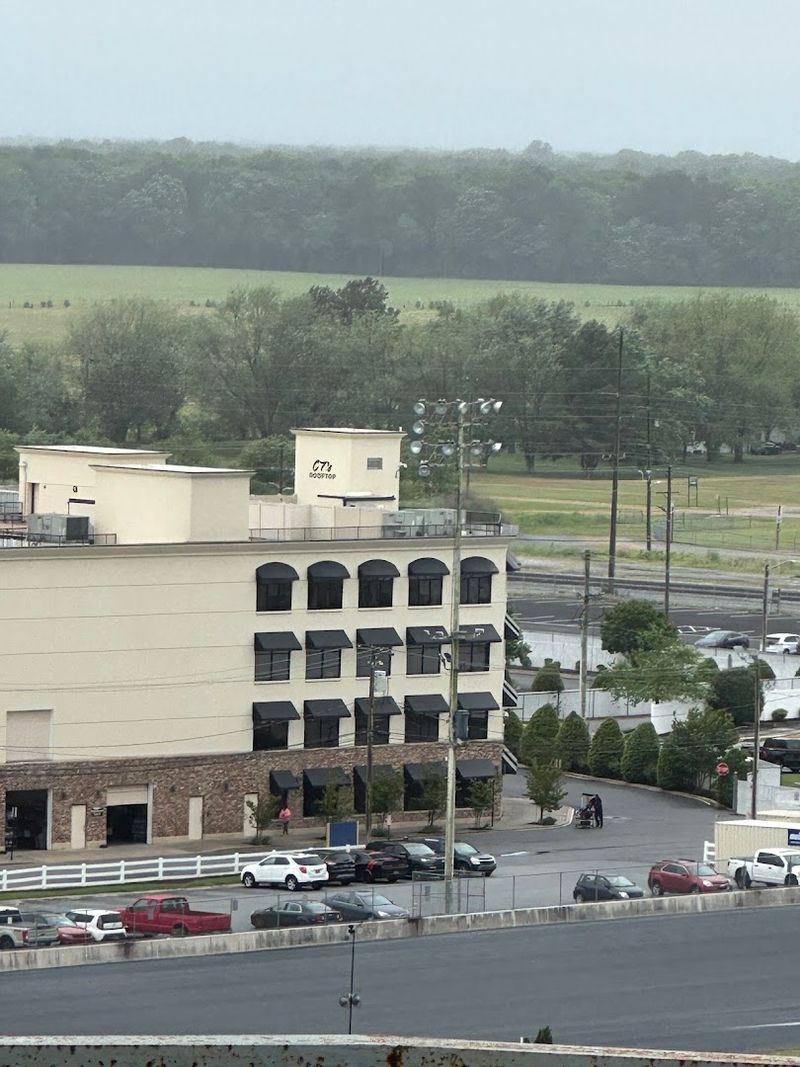
Known for its harness racing heritage and the Delaware State Fair, it has always had a scrappy, working-class spirit. But that spirit is being tested by rising property tax bills.
The city’s population hovers around 3,500 people. That is a small pool to absorb economic shocks.
When even a few dozen families consider moving due to tax burdens, the impact on the community is immediately visible.
Harrington has a higher poverty rate than Delaware’s state average. Many residents are renters, but homeowners here are often working multiple jobs just to cover basic expenses.
A significant property tax increase can tip a fragile budget into crisis.
The Delaware State Fair brings Harrington national attention every July. For one week, the city buzzes with energy, rides, livestock shows, and fried food.
But the other 51 weeks, residents are navigating real economic challenges without that spotlight.
Local leaders have been vocal about the need for tax relief programs and better communication from county officials. Residents feel blindsided by the reassessment process.
Transparency and action are both overdue here.
Harrington is a town that deserves better than being slowly drained of its residents by unaffordable taxes. The community has too much history and too much heart to let that happen quietly.
9. Laurel

Laurel sits in the southwestern corner of Sussex County, close to the Maryland border. It is the kind of town where everyone knows your car, not just your face.
Community runs deep here, and so does the concern about rising property taxes.
Sussex County’s property reassessment brought dramatic changes to assessed values across the region. In a town like Laurel, where median incomes are modest and housing stock is older, those changes hit especially hard.
Older homes in Laurel were previously assessed at values far below current market rates. The correction was significant and sudden.
Homeowners who thought they understood their financial situation found themselves recalculating everything.
The town has a notable African American community with deep historical roots. Families here have maintained their homes across generations.
Losing those homes to unaffordable taxes would erase irreplaceable community history and cultural identity.
Laurel’s downtown has been working hard to attract new businesses and foot traffic. A shrinking residential population would undercut all of that effort.
You cannot grow a downtown if the people who live around it are moving away.
There is real beauty in Laurel’s slower pace, its river access, and its community events. Holding onto that requires holding onto the people who make it real.
Tax relief is not just a financial need here. It is a preservation issue.
10. Elsmere
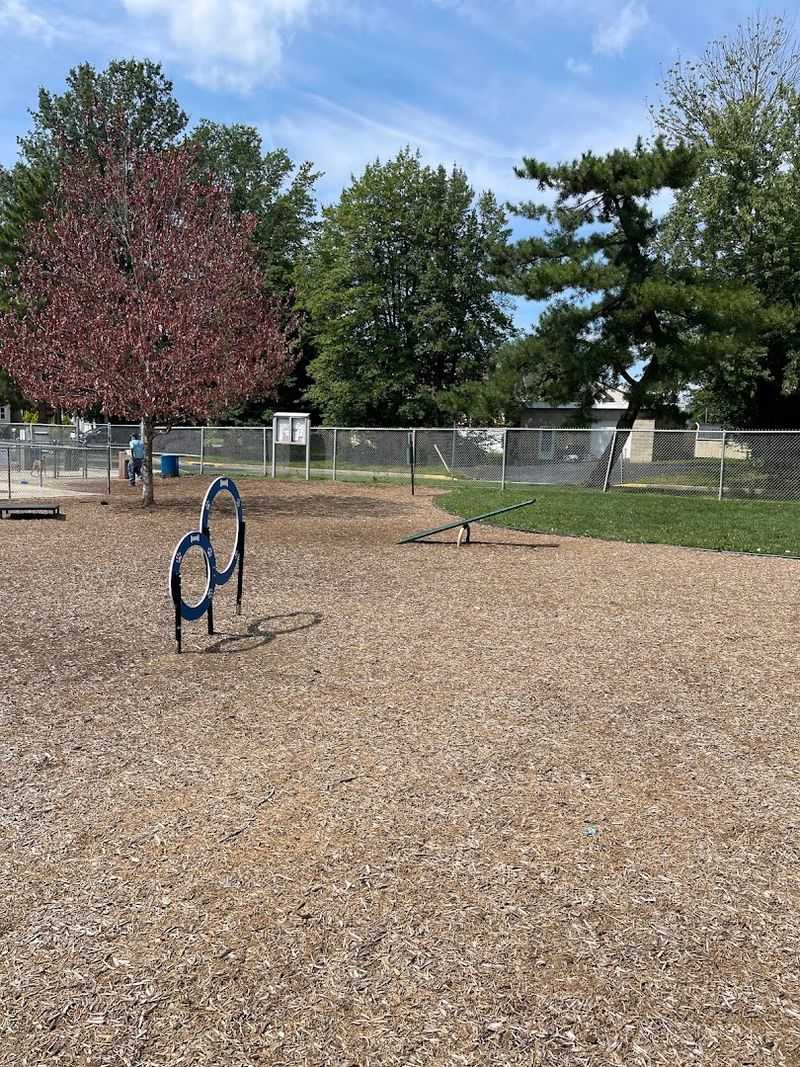
Elsmere is one of Delaware’s smallest incorporated cities, squeezed between Wilmington and Newark in New Castle County. Do not let the size fool you.
This little city has serious community pride and a long history of working-class resilience.
New Castle County’s reassessment process hit Elsmere hard. The city’s small, older homes had been assessed at historically low values for decades.
When the new numbers came in, the jump was jarring for residents who had planned their budgets around the old rates.
Many Elsmere homeowners are first-generation buyers. They saved carefully, bought modest homes, and built stable lives.
A sudden surge in property taxes disrupts that stability in ways that are hard to overstate. The math simply stops working for some families.
The city’s proximity to major employers and highways made it an attractive option for commuters. But if the tax burden keeps climbing, those same commuters will start eyeing homes in lower-tax areas just across the county or state lines.
Elsmere has a tight neighborhood culture. Block parties, local sports leagues, and community events create the kind of belonging that people actually miss when they move away. That is not nothing; that is everything.
Keeping Elsmere affordable means keeping it alive. A city this compact cannot afford to lose residents without feeling it in every corner of the community.
Real solutions need to come before the moving trucks do.