
9 Dirt-Cheap Day Trips In Tennessee’s Upper Cumberland That Are Worth Every Penny This Summer
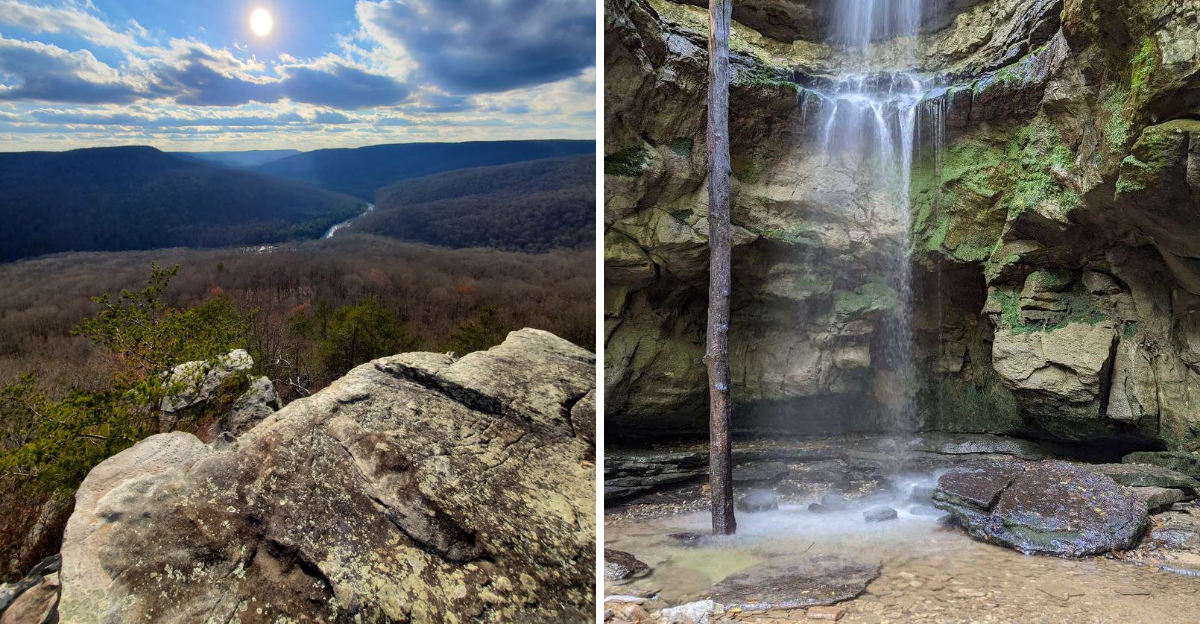
Gas money, a cooler, and a decent pair of shoes. That is pretty much the entire budget for a summer filled with quiet trails, rushing water, rocky overlooks, and scenery that makes the drive feel worth it.
Tennessee’s Upper Cumberland sits between Nashville and Knoxville, where some of the best outings begin at plain parking areas with no ticket booth in sight. Many cost nothing at all, while others ask for little more than a modest fee.
Some trips are easy enough for a slow afternoon. Others involve longer walks, creek crossings, and a bit more effort before the view finally opens up.
The best part is how far a small budget can stretch here. You could plan several weekends without feeling guilty every time you check your bank account.
Summer does not have to drain your wallet when places like these are waiting just a drive away.
1. Colditz Cove State Natural Area, Allardt
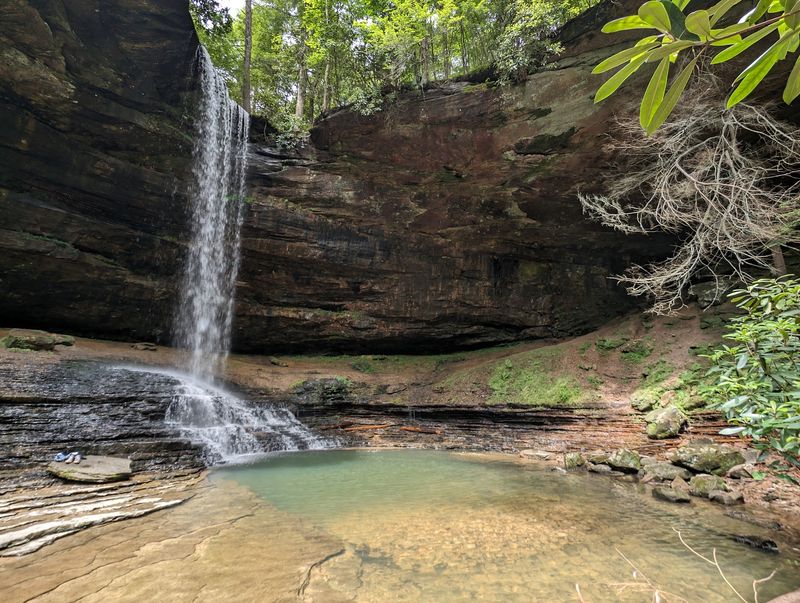
Waterfall chasers, this one belongs at the top of your summer list. Colditz Cove State Natural Area sits in Fentress County, near the small community of Allardt and admission costs exactly nothing.
The star attraction is Northrup Falls, a ribbon of water that drops more than 60 feet over a projecting rock ledge into a narrow gorge along Big Branch Creek.
A 1.5-mile loop trail does the heavy lifting, winding under hemlock and white pine trees that have been standing for well over two centuries. Rhododendron crowds the path in places, and dramatic rock walls rise on either side of the gorge.
Here is the fun part. You can walk behind the falling water, where cool mist creates its own tiny climate and moss thrives on every surface.
Look for the ancient rock houses along the gorge walls, natural shelters used by Woodland Indians roughly 3,000 years ago. History and geology share the same address here.
Trails can be slick after rain, so sturdy shoes beat sandals every time. Morning light filters beautifully through the canopy, making early starts especially worthwhile.
Bring lunch, because there are no snack stands, and honestly that is part of the charm. A sandwich tastes better with waterfall acoustics in the background.
For a hike this short, the visual payoff feels almost unfair. Colditz Cove punches far above its weight class.
2. Pogue Creek Canyon State Natural Area, Near Jamestown
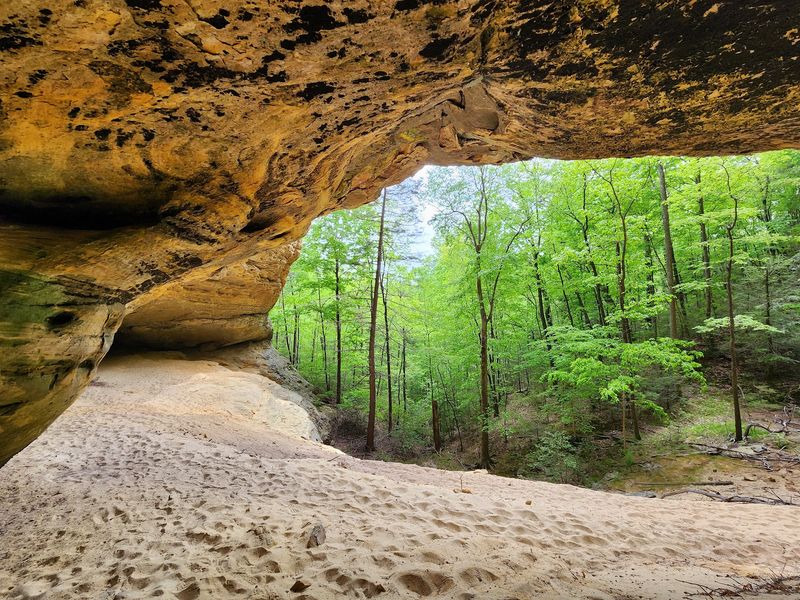
Some places look like they were airlifted in from Utah. Pogue Creek Canyon State Natural Area just outside Jamestown is one of them, except the sandstone here wears a thick coat of green.
Roughly 3,000 acres protect a rugged gorge stacked with towering bluffs, hollowed rock houses, and geological shapes that seem sculpted on purpose.
Parking is free, trails are marked, and no ticket is required. Three main routes fan out across the property.
The 1.5-mile Pogue Creek Overlook Trail hands over sweeping canyon views for modest effort. The Upper Canyon Trail raises the stakes with steep pitches and actual ladders bolted into rock.
Yes, ladders. On a free hike. That alone makes the drive feel like a bargain.
Botanists love this place too, since it shelters rare plants including the federally endangered Cumberland sandwort, a tiny white flower that clings to shaded sandstone.
Summer mornings stay cooler down in the shaded gorge sections, so timing matters if heat wears you down. Carry more water than you think you need, because there is nowhere to refill.
Cell service can vanish quickly, which means downloading a trail map ahead of time is smart planning rather than paranoia.
Between the cliffs, the ladders, and the silence, Pogue Creek delivers big-canyon drama on a picnic-basket budget. Few free outings feel this earned.
3. The Boils Wildlife Management Area, Jackson County
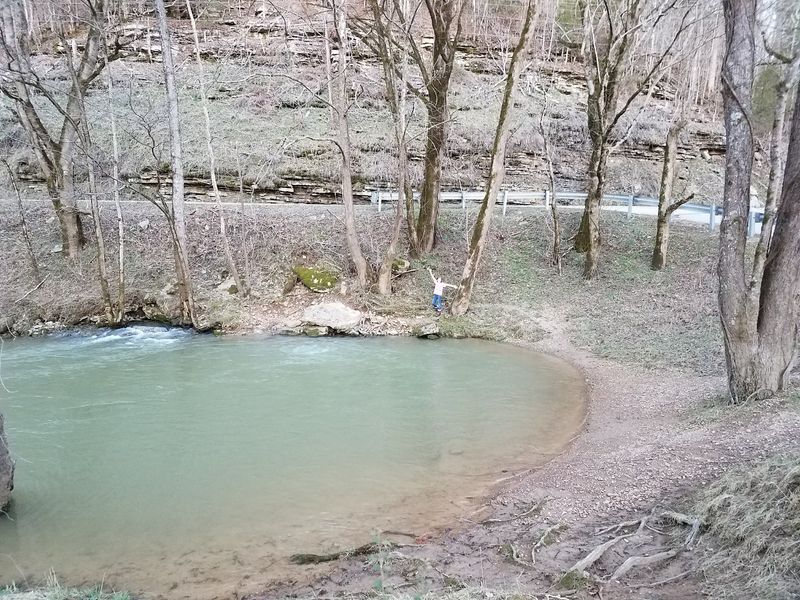
Water that appears to boil without any heat sounds like a tall tale. At The Boils Wildlife Management Area in Jackson County, Tennessee, it is simply Tuesday.
A powerful spring pushes up from underground right beside the Roaring River, churning the surface as if a pot were simmering below.
Geologists call it a high-volume karst spring, meaning rainwater travels through limestone passages and resurfaces here with real force. The temperature stays refreshingly cold, which feels wonderful in July.
Access runs during daylight hours year round, and there is no attraction ticket. The Tennessee Wildlife Resources Agency does note that license fees may apply for regulated activities such as fishing, so check the rules before casting a line.
Swimming and fishing along the Roaring River make this a natural cool-down stop on a hot afternoon. The current can shift after storms, so use good judgment about where you wade.
Surrounding floodplain and upland hardwood forest add quiet space for wildlife watching. Wading birds and belted kingfishers patrol the shallows with impressive focus.
Facilities are minimal, so pack out everything you carry in. Water shoes help enormously on slick rocks.
Curiosity is the real currency here, and admission is free. Few roadside oddities in Tennessee reward a short detour quite this generously.
4. Lost Creek State Natural Area, Sparta
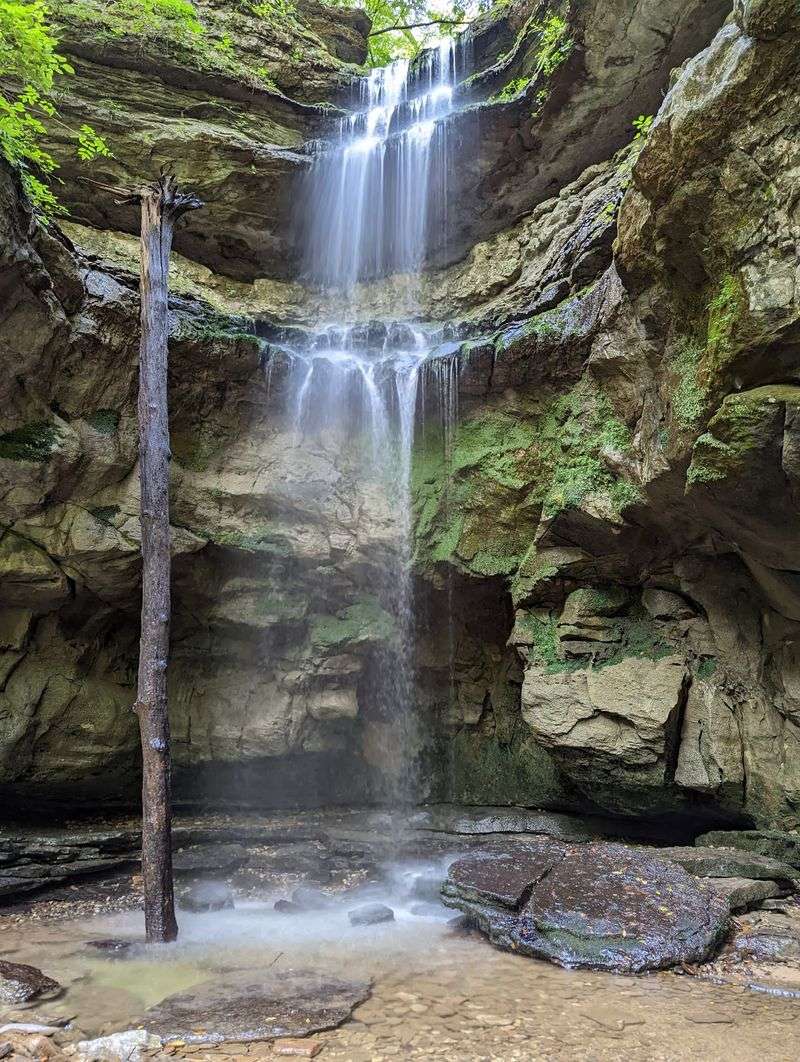
Disney once filmed here, and after one look you will understand why. Lost Creek State Natural Area near Sparta provided scenery for the 1994 live-action version of The Jungle Book.
Lost Creek Falls tumbles 60 feet into a wide sinkhole, and the creek that feeds it emerges from a spring before slipping underground again. Water appears, performs, then exits stage left.
Across the same natural bowl sits the broad mouth of Lost Creek Cave, one of the larger cave systems in Tennessee. The entrance alone is worth the walk.
Recreational access can require a permit during certain periods, and Tennessee states clearly that the permit costs nothing. Cave entry has its own permit requirement, so read current rules before planning anything underground.
Above ground, the scenery needs no paperwork. Limestone cliffs, dense forest, and cool air pooling near the sinkhole make the short walk from parking feel like stepping into a movie set.
The trail down is brief but can be muddy, so shoes with grip earn their keep. Photographers usually favor overcast days, when soft light keeps the falls from washing out.
Pack a lunch and linger, since shade is plentiful and benches are not. Summer weekends bring more foot traffic, making weekday mornings the sweeter choice.
Waterfall, cave, and film history in one stop, for free. Hard to beat that math.
5. Window Cliffs State Natural Area, Baxter
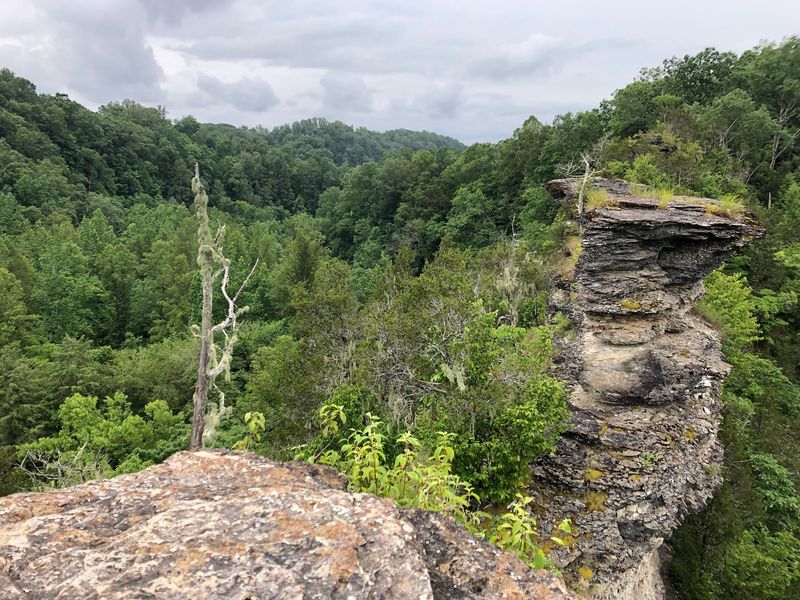
Wet socks are the price of admission, and the ticket booth is a creek. Window Cliffs State Natural Area near Baxter, Tennessee, charges no entrance fee, but it does ask for effort.
The destination is a thin limestone ridge punched through with natural openings that genuinely look like windows carved into stone.
Getting there means a strenuous 5.5-mile round trip with 18 creek crossings. No bridges exist, only cables and rocks to help you across.
High water can make the route impassable, so checking conditions before leaving home is not optional. Tennessee State Parks manages the property, which keeps costs at essentially gas money.
Water shoes or shoes you do not mind soaking are the smartest gear choice. A dry pair waiting in the car feels like luxury afterward.
Start early in summer, because the climb back out is steep and the afternoon sun shows no mercy. Two liters of water per person is a sensible minimum.
The reward arrives suddenly. The trail narrows, the trees part, and those stone windows frame the valley below like something built rather than eroded.
Dogs, small children, and flip-flops all struggle here, so plan accordingly. Fitness matters more than experience.
Of every stop on this list, Window Cliffs demands the most and repays it in full. Some views really should be worked for.
6. Black Mountain Overlook, Crossville
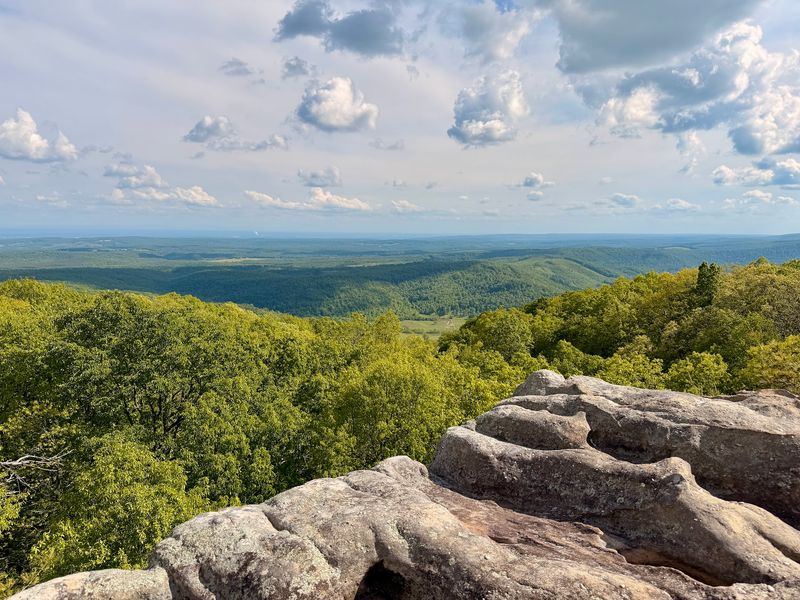
Three tenths of a mile. That is all the walking that stands between a parking spot and one of the widest views on the Cumberland Plateau.
Black Mountain Overlook near Crossville belongs to the Cumberland Trail State Park system, and Tennessee State Parks charge no general access fee.
The overlook looks out across rolling hills, deep valleys, and sandstone cliffs that give the scene real texture. On clear days the view stretches toward the Great Smoky Mountains.
Peer downward and you can spot Grassy Cove, among the largest sinkholes in North America. Farmland sitting inside a giant depression in the earth makes for a strange and lovely sight.
Sunset turns the plateau gold, though a flashlight for the short return walk is a wise addition. Summer haze can soften distant ridges, so mornings after a cold front tend to be sharpest.
Anyone wanting more can continue onto the Black Mountain Crest Loop, which threads past crags, small caves, and scattered boulder fields. Rock formations here draw climbers and scramblers alike.
Footing near the cliff edges is uneven, so keep an eye on children and stay behind rock lips. Sturdy shoes handle the gravel better than sneakers.
Big scenery, tiny effort, zero dollars. Black Mountain quietly makes most paid overlooks look overpriced.
7. Welch’s Point Scenic Overlook, Sparta
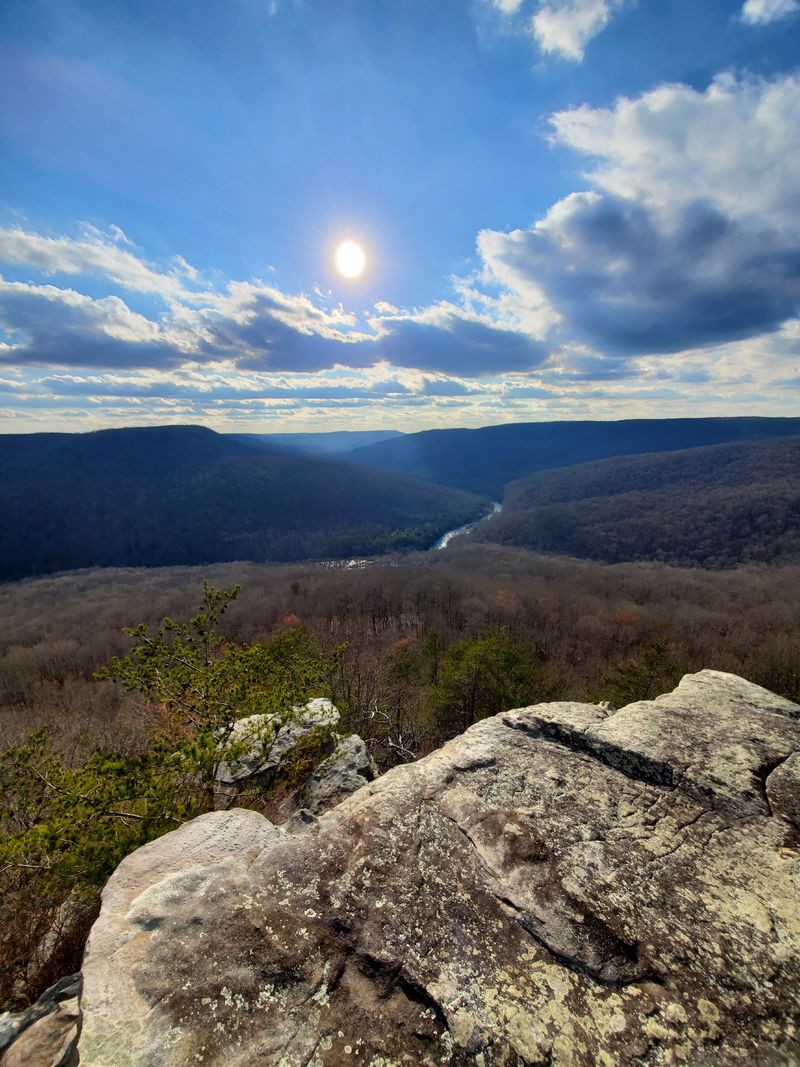
Three hundred yards. Roughly the length of three football fields, and then the Caney Fork River gorge opens up beneath your feet.
Welch’s Point Scenic Overlook sits inside Scott’s Gulf Wilderness State Park near Sparta and general entry to Tennessee State Parks costs nothing.
The view spreads wide across a limestone canyon carved by the river over an unimaginable stretch of time. Tree-covered Tennessee hills roll away in every direction, layered like stage curtains.
What makes this stop so appealing is the ratio. Most overlooks this dramatic sit at the end of long, sweaty climbs.
Here the walk is short enough for a quick stop on a road trip, which makes it a natural pairing with nearby Sparta attractions. Add it to a morning at Lost Creek and you have a full day for pocket change.
Shade along the path helps in July heat, but bring water anyway since there are no fountains. Bugs can be enthusiastic in midsummer, so repellent earns a spot in the bag.
Cliff edges lack railings in places, so hold onto smaller kids and resist the urge to inch forward for a photo.
Late afternoon light rakes across the gorge and brings out every fold in the rock. Sometimes the cheapest stop delivers the biggest gasp.
8. Bee Rock Overlook, Monterey
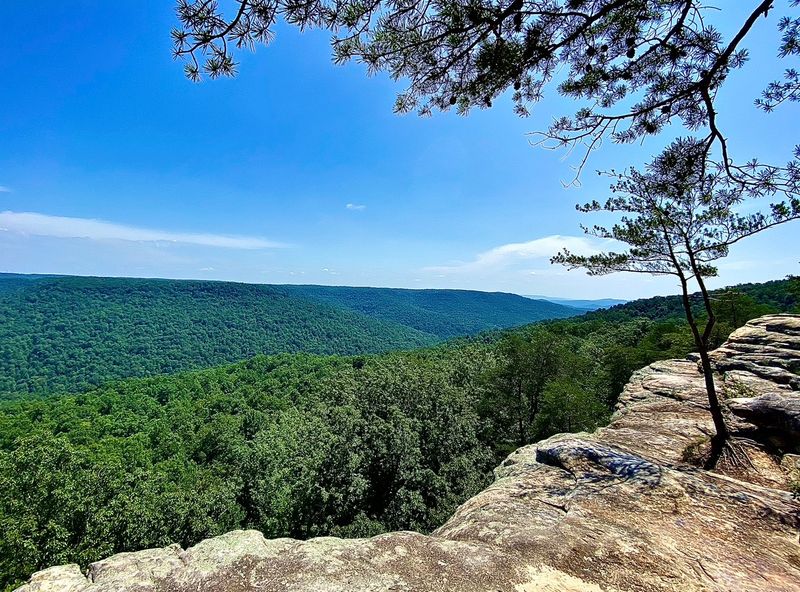
Local legend says Native Americans once gathered honey from hives beneath these cliffs, and the honeycombed sandstone certainly plays along. Bee Rock Overlook in Monterey wears its name well.
The pitted, pockmarked rock face looks almost sponge-like up close, the result of long, patient weathering.
A short dirt and gravel path leads out to the viewpoint, where the Calfkiller River Valley unfolds in green waves. No entrance gate, no ticket, no complicated planning.
People have been coming here for well over a century, back when Monterey was a summer retreat for travelers arriving by rail. That long history has not turned it into a tourist machine.
Quiet is the prevailing mood. On many mornings the loudest sound is wind moving through the trees below the cliff.
The walk is brief enough for grandparents and grandkids alike, though the rock surfaces near the edge can be uneven and slick after rain.
Downtown Monterey sits minutes away, making it easy to grab a bite before or after. Pairing the overlook with a small-town lunch stretches a modest budget nicely.
Late day light softens the valley haze and makes photographs far kinder. Bring a folding chair if lingering sounds appealing.
For a stop that asks so little, Bee Rock gives back an awful lot of calm.
9. Natural Bridge Trail At Pickett CCC Memorial State Park, Jamestown
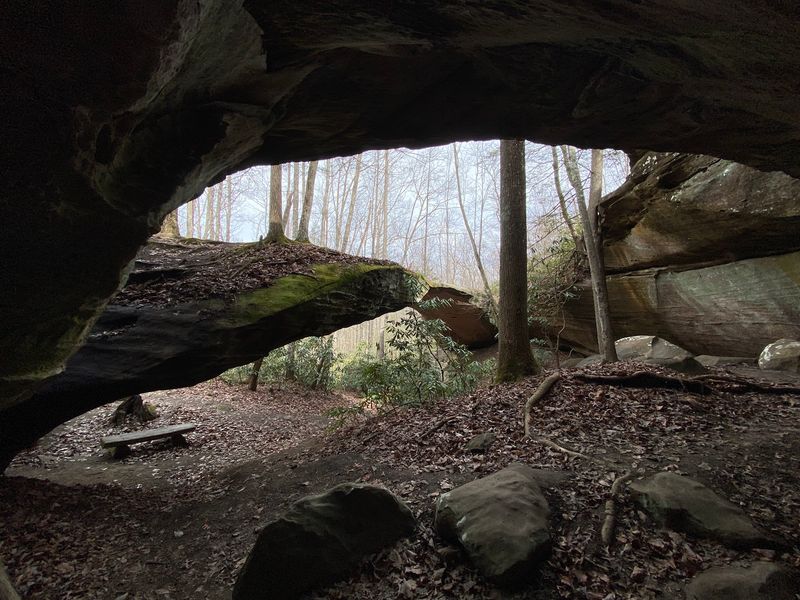
Ending a budget road trip with sandstone arches feels like getting dessert for free. Pickett CCC Memorial State Park near Jamestown charges no general entrance fee, and its Natural Bridge Trail runs only about one mile.
The park protects rock shelters, wind-sculpted sandstone formations, and natural bridges that make the woods look ancient and slightly unruly.
Best of all, the good stuff sits close to the trailheads. No all-day trek is required to stand beneath a stone span carved by weather and time.
Hazard Cave is another highlight nearby, famous for its enormous rock shelter and for rare glow worms that appear in the dark recesses on warm summer nights.
Hemlock and mountain laurel line the paths, keeping temperatures pleasant even during July. Roots and stone steps mean shoes with tread beat flat-soled sneakers.
Pickett was built by the Civilian Conservation Corps in the 1930s, and traces of that craftsmanship still show up in the stonework around the park.
Picnic areas make it easy to stretch the trip into a lazy afternoon. Bring your own food, since options inside the park are limited.
Weekdays are calmer, and evenings bring fireflies drifting through the trees. Close out your Upper Cumberland summer here and your wallet will barely notice the whole adventure happened.