
Discover The Minnesota Brewery Where Great Craft Brewing Meets Some Of The Best Food In The State
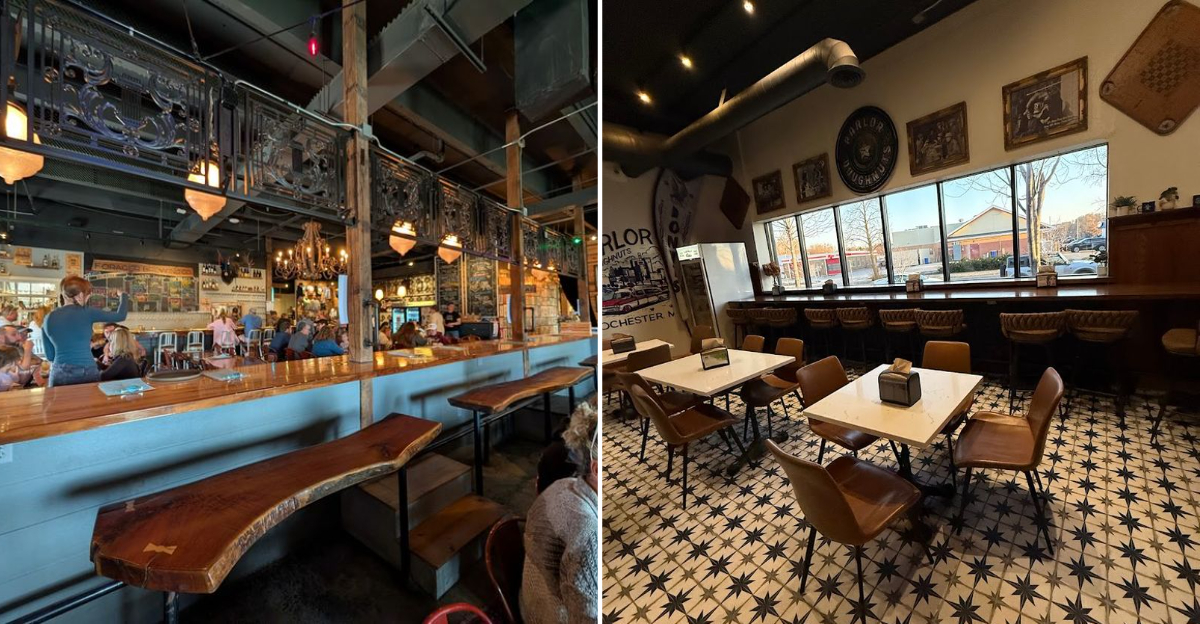
Most breweries treat food as an afterthought, but a Minnesota operation gave the kitchen equal focus and built the experience around it. The result works on two levels, with craft production and food, both showing why the visit is worth planning.
Getting either element right requires patience, discipline, and sourcing standards that most comparable operations apply to only one side of the business.
This state has developed a craft scene that punches well above its regional reputation, and its location sits near the top of that conversation without needing to raise its voice.
Regulars come for one thing and stay for the full experience without ever feeling like one part outweighs the other.
The food here earns its place on its own terms rather than existing simply as a supporting act. That distinction shows up clearly on every plate that leaves the kitchen.
Craft Brewing Techniques Explored
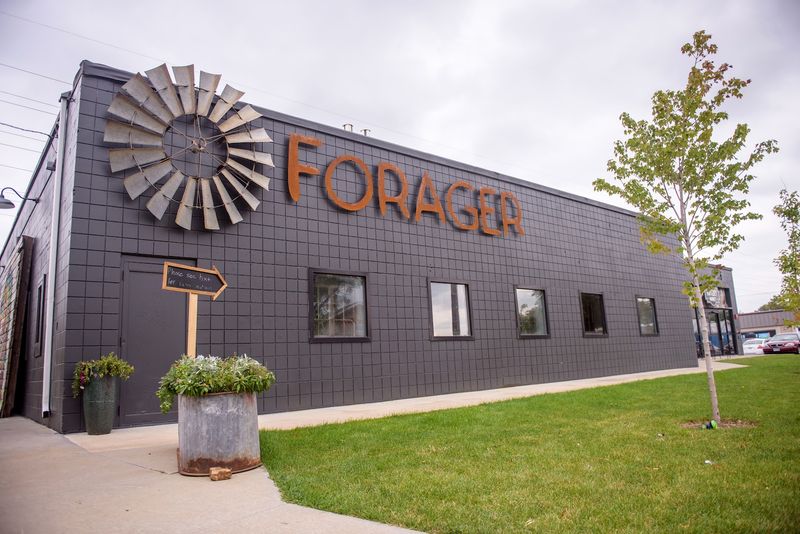
This spot is not just a place to grab a drink. It is a full dining destination built with real intention.
The team produces on-site using locally foraged ingredients, regionally native grains, and wild varieties grown close to home. That level of sourcing is not something you see at most establishments, even well-known ones.
The kitchen produces rustic-style dishes that pair naturally with what is made in-house. Wood-fired pizzas, seasonal plates, and scratch-made food are central to the experience.
The menu reflects the same philosophy as the production side: local, intentional, and done with care.
Forager has earned recognition far beyond Rochester. They have received numerous national and state awards for quality and consistency, and their flagship product has been named the top-rated in Minnesota by VinePair for four consecutive years.
That kind of sustained recognition reflects genuine craft rather than a single lucky release.
Collaborations with other respected names have also produced memorable limited offerings over the years. You can find Forager at 1005 6th St NW, Rochester, MN 55901.
The craft here is not accidental. It is the result of great skill and a clear love for the process.
Food Pairings That Complement Unique Craft Beverage Flavors
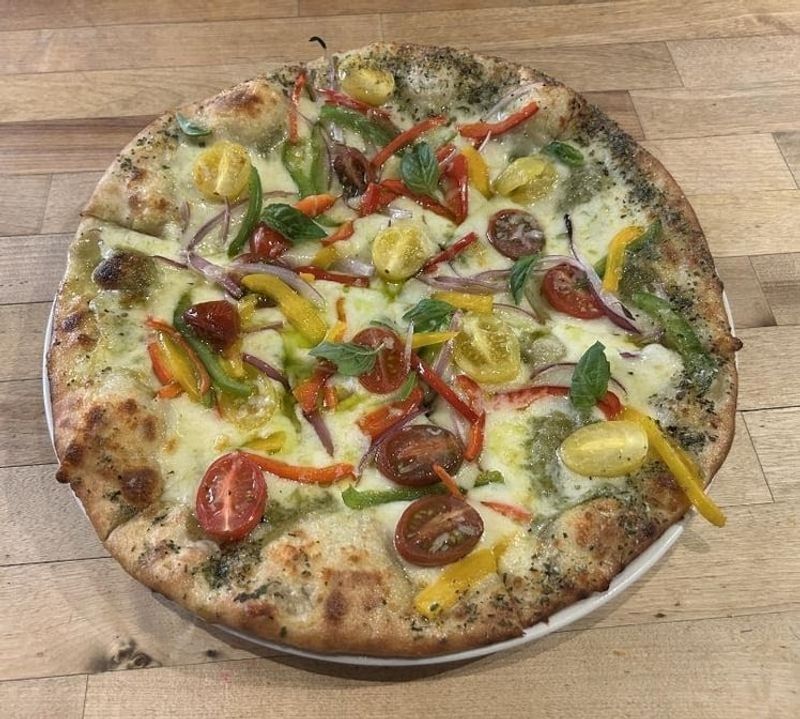
Forager takes food seriously. The kitchen operates with the same level of intention as every other part of the operation.
Each dish feels like it was designed with care rather than assembled to fill a menu.
The Birria Tacos carry bold, smoky depth that makes them stand out on any menu. The Cast Iron Mac N Cheese is rich and creamy in a way that feels genuinely comforting.
The Pine Creek Curry brings real heat balanced with layers of flavor that keep you coming back for another bite.
Wood-fired pizzas are a crowd favorite here. The char on the crust and the layered toppings deliver a texture and flavor that a conventional oven simply cannot replicate.
The Forager Noodles are another smart choice for something filling and satisfying.
Wagyu smash burgers, vegan patties, and the Jackfruit Cuban sandwich round out a menu that considers a wide range of tastes and preferences. This is not a menu thrown together to fill space.
Every item feels like it was chosen with a specific dining experience in mind. The result is a meal that feels complete from first bite to last.
That kind of attention is rare and worth the trip.
Seasonal Ingredients Highlighted In Menus
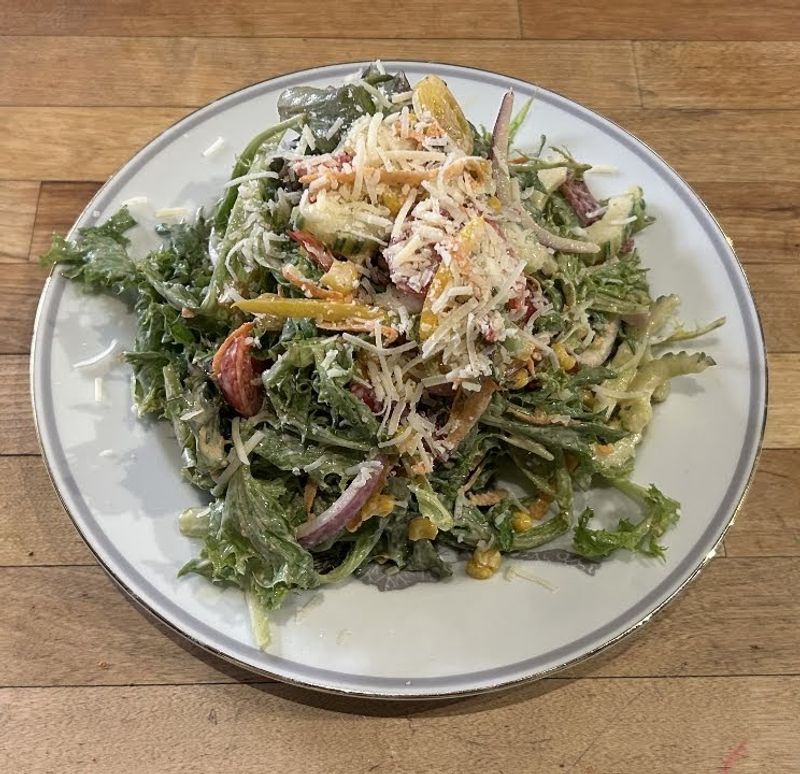
Forager Brewery changes its menu with the seasons, and that is not just a marketing line. The kitchen genuinely adjusts what it serves based on what is fresh and available.
When summer produce peaks, you taste it on the plate. When fall rolls in, roasted root vegetables show up in bowls and sides.
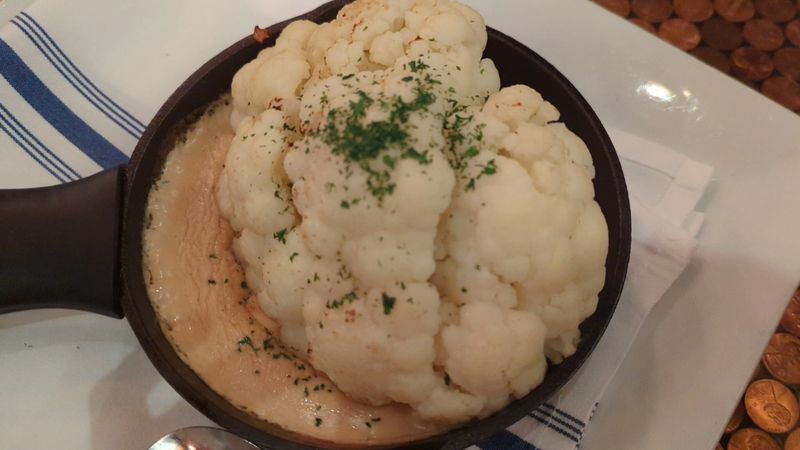
The Kutzky Bowl is a perfect example of this philosophy. It features quinoa, fresh avocado, spinach, roasted squash, cauliflower, and black sesame seeds.
It is the kind of dish that feels light but satisfying. Seasonal ingredients make it taste different depending on when you visit.
The kitchen also rotates in local beef, lamb, greens, and eggs based on what their farming partners have ready. Sourdough bread and blue cheese come from nearby producers who supply fresh batches regularly.
This keeps the menu feeling alive rather than static.
Desserts follow the same logic. Seasonal flavors find their way into sweet options too, which makes repeat visits worth it.
You are unlikely to get the exact same menu twice if you come back a few months apart. That unpredictability is actually part of the charm.
It keeps regulars curious and gives first-timers a reason to return. Eating at Forager feels current and grounded in the actual moment of the year.
Sustainability Practices In Brewing And Food Preparation
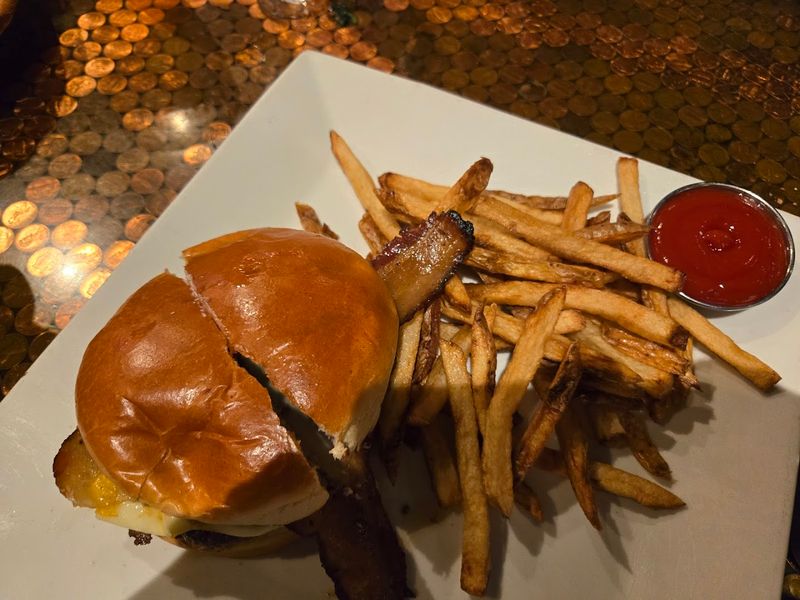
Sustainability at Forager is not a buzzword. It is baked into how they operate every single day.
From the production floor to the kitchen, decisions are made with a real awareness of where ingredients come from and how they are used.
The team sources regionally native grains and incorporates wild-foraged ingredients into their recipes. This reduces reliance on mass-produced inputs and keeps the flavor profiles genuinely local.
You can actually taste the region in every bite.
The kitchen mirrors this mindset. Ingredients come from local farming partners rather than large distributors when possible.
Local beef, lamb, eggs, and sourdough bread all come from producers within the regional food network. That shortens the supply chain and supports nearby farmers at the same time.
Gluten-free crust options for pizza show an awareness of dietary needs without wasting resources on complicated workarounds. The scratch-made kitchen model also means less processed packaging and fewer pre-made shortcuts.
Every dish starts from raw ingredients, which naturally cuts down on unnecessary waste.
Forager has built a system where good ethics and good food are the same thing. That consistency between values and action is something regulars notice and appreciate.
It makes the experience feel more meaningful than just grabbing a meal.
Community Events Centered Around Craft Brewing And Food
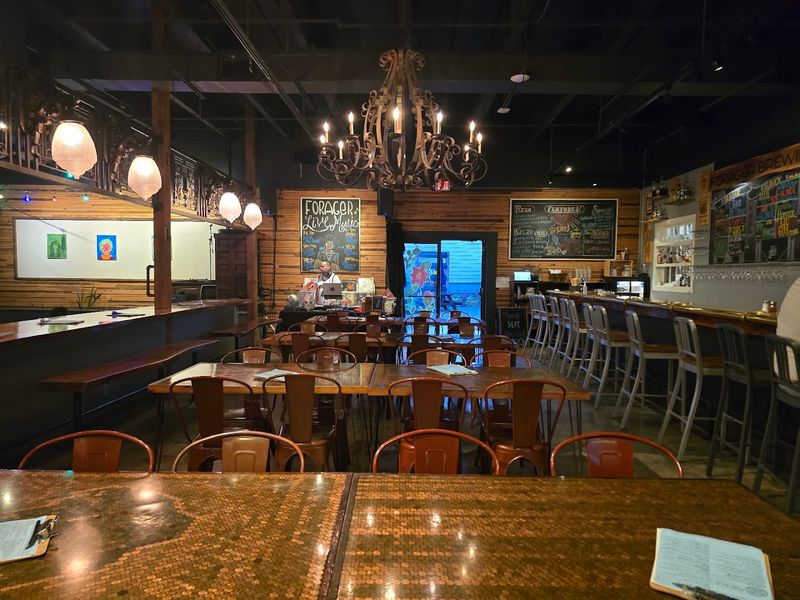
Forager is not just a place to eat. It functions as a genuine community hub in Rochester.
The calendar stays packed with events that bring people together around shared interests in food, music, and creativity.
Live music happens five nights a week here. That is not a weekend-only deal.
Jazz jam nights and open mic events give local musicians a real stage. The outdoor patio becomes a whole different experience when a band is playing under the evening sky.
Art is woven into the space, too. Forager runs a Community Supported Art program in partnership with local artists, which is a bold idea for a restaurant.
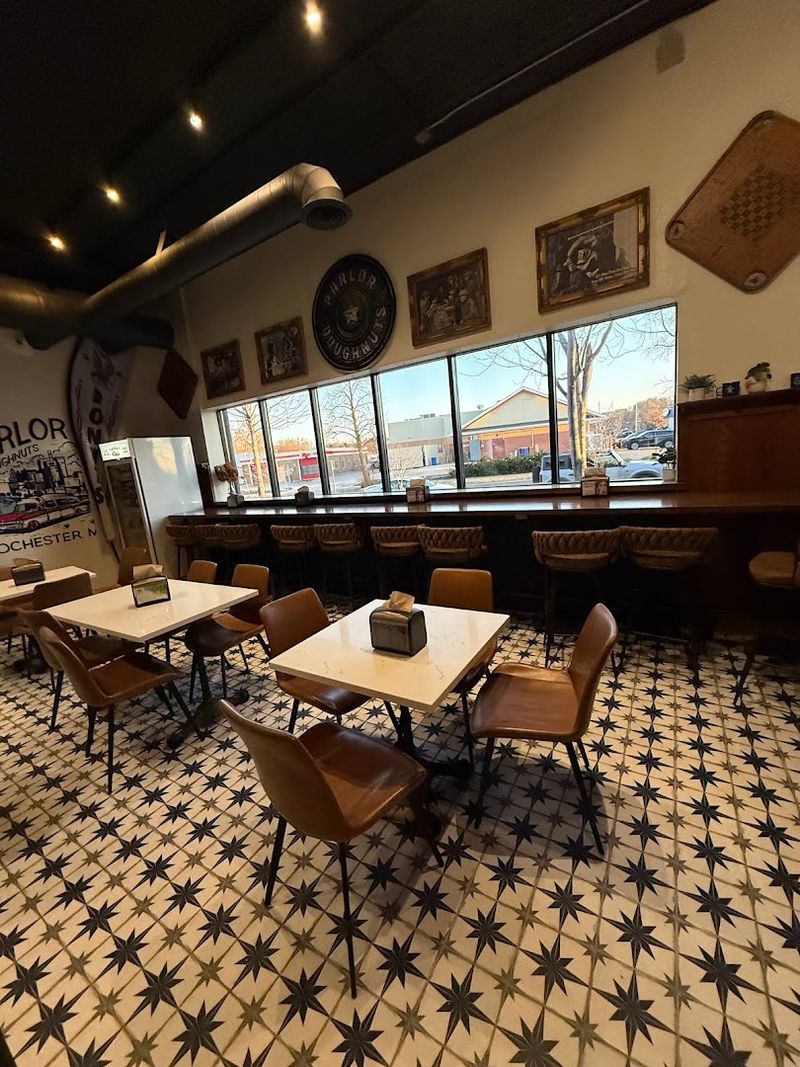
Rotating art exhibitions hang throughout the space, and the decor itself reflects a quirky, locally inspired aesthetic that regulars have come to love.
Dog-friendly policies on the patio mean families and pet owners feel genuinely welcome. The self-serve dog water station is a small detail that signals real thoughtfulness.
Events here are not just scheduled to drive traffic. They reflect what the neighborhood actually cares about.
Whether it is a jazz night, an art opening, or just a random Tuesday with a live set starting up, Forager creates moments that feel organic. That is what keeps people coming back beyond the food.
Innovative Recipes Merging Brewing And Culinary Arts
Some restaurants serve nachos and call it a food program. Forager decided to go in a completely different direction.
The kitchen here operates at a level that blurs the line between a serious restaurant and a casual dining spot. The recipes reflect genuine culinary ambition.
Birria Tacos at a place like this? Yes, and they are executed well.
The Forager Noodles are another dish that surprises people. It is not standard casual fare.
The Pine Creek Curry brings global flavor into a space that could have easily stayed safe with burgers alone. These choices say something about the kitchen team.
The Jackfruit Cuban sandwich deserves a special mention. It is a fully vegan option that holds its own against every meat dish on the menu.
That takes real recipe development to pull off. The Deep Dish Reuben pizza is another mashup that works in ways you would not expect.
Locally made sourdough bread gets used in ways that honor its quality. The cast iron preparation for the Mac N Cheese gives it a texture and depth that a regular pot cannot match.
Every dish feels like it was engineered to be interesting. Forager proves that creativity in the kitchen and creativity behind the scenes can absolutely coexist.
Local Farmers Contributions To Offerings
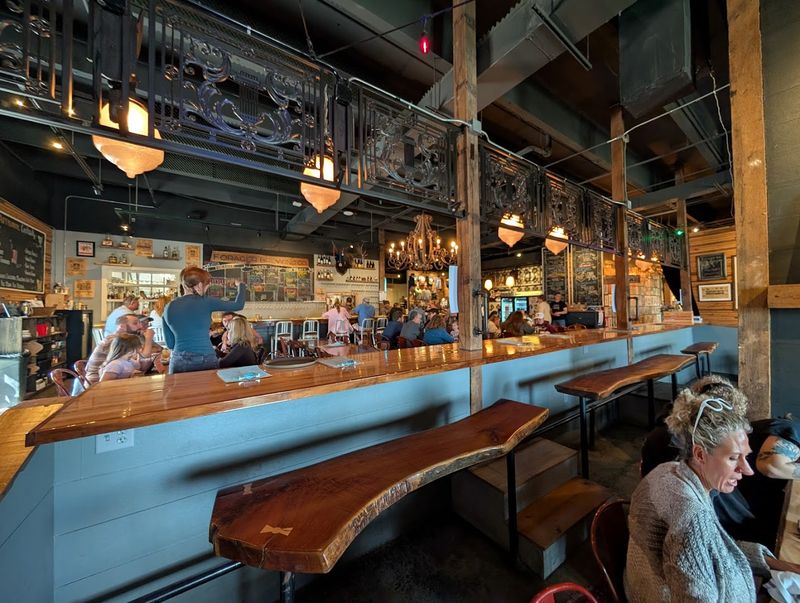
Behind every great dish at Forager Brewery is a network of local farmers doing the hard work. The relationship between the brewery and its agricultural partners is one of the most important parts of what makes the food here stand out.
This is not a token gesture. It is structural.
Local beef and lamb appear on the menu regularly. Greens come from nearby farms and rotate based on what is in season.
Eggs and sour cream are sourced regionally, which means the kitchen is always working with fresh, traceable ingredients rather than generic supply chain products.
Sourdough bread is baked locally and used throughout the menu. Blue cheese from a regional producer adds a distinct character to dishes that a mass-market version simply cannot replicate.
These partnerships create flavor profiles that are genuinely unique to this place and this region.
Supporting local farmers also means the money circulates back into the Rochester community. When you eat at Forager, you are indirectly supporting multiple small businesses at once.
That ripple effect matters in a real way. The menu changes when the farms change, which keeps things honest and connected to the land.
It is a model that takes more effort to maintain than ordering from a national distributor. Forager does it anyway because the quality difference shows up clearly on the plate.
Behind The Scenes Of Kitchen Operations
The kitchen at Forager runs on a fully scratch-made model. That means nothing arrives pre-assembled or pre-cooked in a bag.
Every dish starts from raw ingredients and is built from the ground up during each service. That takes real coordination and skill to pull off at volume.
Wood-fired pizza is one of the more technically demanding items on the menu. Managing a live fire oven requires constant attention.
The crust has to hit the right texture without burning, and toppings need to cook evenly. Gluten-free crusts add another layer of complexity to the workflow.
Cast iron cooking is used for dishes like the Mac N Cheese, which means the kitchen manages multiple cooking methods simultaneously. Curry, tacos, noodle dishes, and smash burgers all require different techniques and timing.
Keeping all of that running smoothly during a busy service is genuinely impressive.
The kids’ menu also gets the same scratch treatment. Pizza, grilled cheese, mac n cheese, and cheeseburgers for younger guests are made with the same care as adult dishes.
That consistency across the entire menu reflects a kitchen culture that does not cut corners based on who is ordering. The result is a dining experience that feels reliable every time.
Forager proves that a casual kitchen can operate at the same standard as a dedicated restaurant without compromise.