
Discover The Ohio Plateau Town With A Timeless Charm
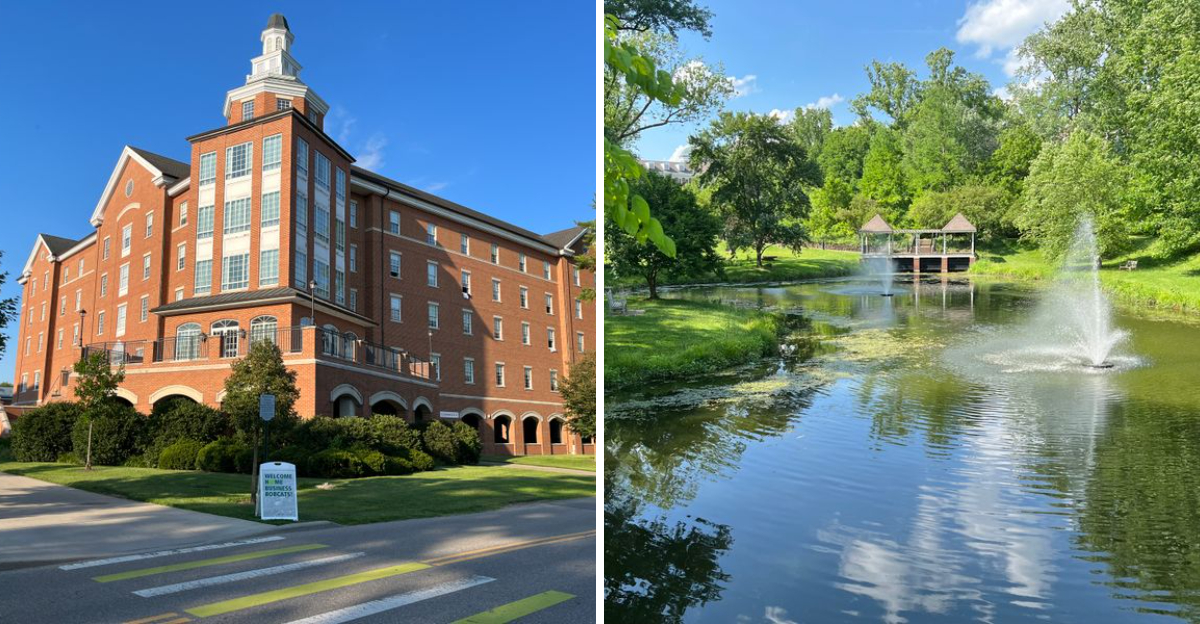
Amidst the rolling hills of southeastern Ohio, Athens shines as a captivating small town that perfectly balances college-town vibrancy with Appalachian serenity. Home to Ohio University and surrounded by the breathtaking beauty of the Hocking Hills, this plateau community offers a unique blend of history, natural wonders, and local culture.
With its charming brick buildings, scenic trails, and lively arts scene, Athens invites visitors to experience a place where energy meets tranquility in the most unforgettable way.
A Blend Of History And Natural Beauty
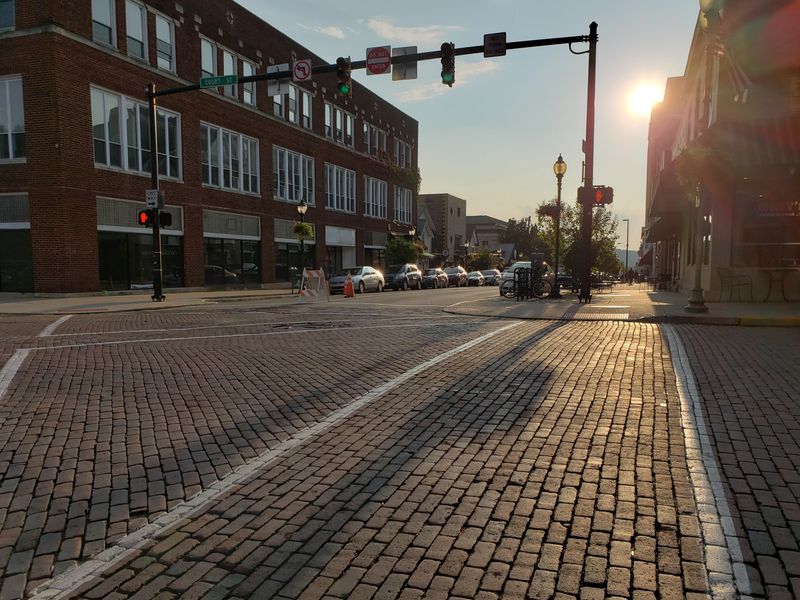
Athens occupies a landscape where human history and natural geography have long overlapped in meaningful ways. The town sits on a plateau carved by ancient waterways, giving it both elevation and a sense of seclusion from the broader Ohio plains.
Brick streets and tree-lined sidewalks wind through neighborhoods where nineteenth-century homes stand comfortably alongside modern college buildings.
Visitors notice immediately how the town seems to fold into its surroundings rather than dominate them. The Hocking River curves gently along the edge of downtown, offering quiet spots for reflection or a casual afternoon walk.
Green spaces appear frequently, from formal parks to wooded trails that begin just minutes from the town center.
This balance between built environment and natural setting gives Athens a character that feels neither rushed nor overly preserved. People come here to experience a place where history is present but not stifling, and where the outdoors remains accessible without requiring a long drive.
The town’s layout encourages exploration on foot, rewarding those who take their time with unexpected views and quiet corners worth discovering.
The Heart Of The Hocking Hills Region
Athens serves as the cultural and logistical gateway to one of Ohio’s most celebrated natural areas. The Hocking Hills, with their sandstone cliffs, waterfalls, and deep ravines, lie within a short drive, making Athens an ideal base for anyone planning to explore the region’s outdoor attractions.
Staying in town offers the convenience of restaurants, lodging, and services that smaller communities nearby cannot always provide.
Many visitors use Athens as a launching point for day trips to Old Man’s Cave, Ash Cave, and other popular hiking destinations. After a morning spent scrambling over rock formations or photographing waterfalls, returning to Athens means access to local breweries, coffee shops, and a range of dining options that reflect the town’s diverse community.
The rhythm of a visit often alternates between wilderness and civilization in a way that feels natural and unhurried.
Beyond logistics, Athens shares a cultural connection with the Hocking Hills that goes deeper than proximity. The town’s residents tend to appreciate the landscape around them, and that appreciation shows up in local art, conversation, and community events throughout the year.
A College Town With Historic Roots
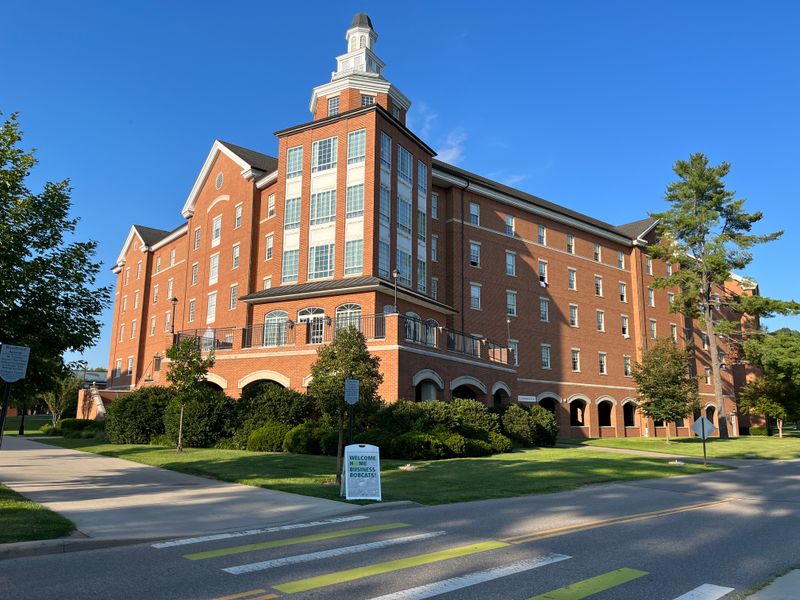
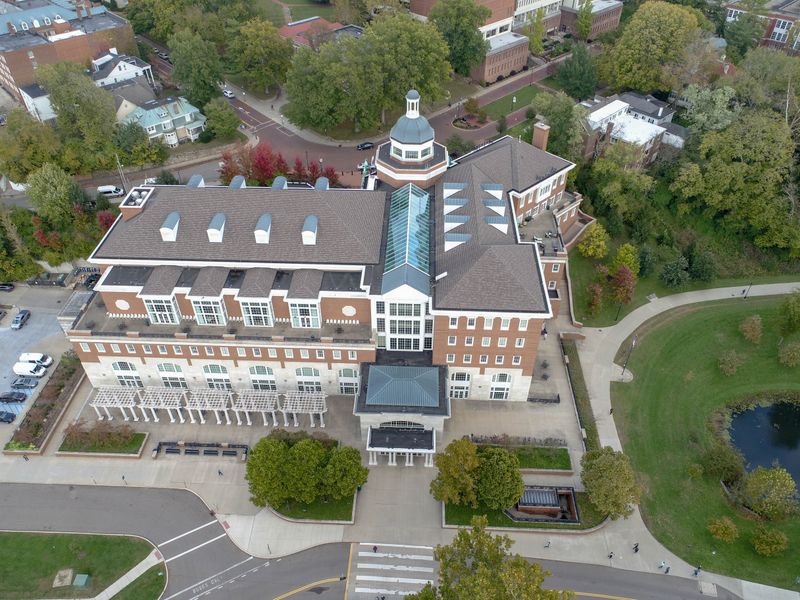
Ohio University, founded in 1804, defines much of what Athens is today, yet the town existed before the institution and maintains an identity that extends beyond campus life. The university brought students, faculty, and a tradition of learning that shaped the community’s character over two centuries.
Brick academic buildings with ivy-covered walls anchor the town center, their architecture reflecting periods from Federal to Victorian to mid-century modern.
Walking through the campus, you encounter a mix of ages and backgrounds that gives Athens a cosmopolitan feel unusual for a town of fewer than twenty-five thousand people. Bookstores, lecture halls, and student hangouts create a lively atmosphere, especially during the academic year.
Yet the town never feels dominated by the university in the way some college communities do.
Local businesses cater to students but also serve longtime residents and visitors, creating a balance that keeps the town from feeling transient. Athens Township, OH 45701, encompasses both the historic campus and the surrounding neighborhoods, each contributing to a layered sense of place that rewards repeated visits and careful observation.
Historic Architecture That Tells A Story
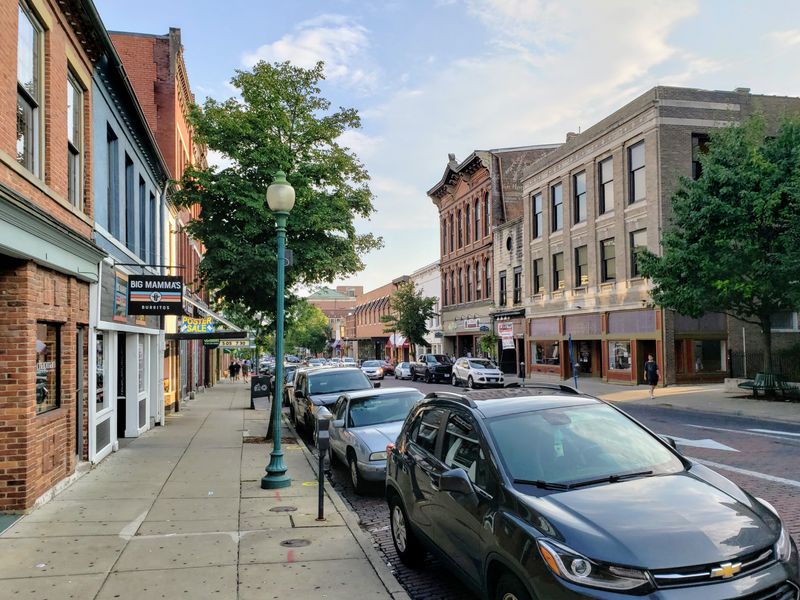
Athens contains a remarkable collection of buildings that span nearly two hundred years of American architectural history. Federal-style homes with symmetrical facades stand alongside Victorian mansions complete with turrets and wraparound porches.
Downtown storefronts retain their original cast-iron columns and large display windows, though the businesses inside have changed countless times over the decades.
Walking through residential neighborhoods reveals how different eras approached design and construction. Some streets feature modest worker cottages from the late 1800s, while others showcase the more elaborate homes of merchants and university administrators.
The variety never feels chaotic because the scale remains consistent and the materials—mostly brick and wood—create visual continuity.
Several buildings have been carefully restored, while others show their age in ways that add character rather than detract from it. The courthouse, churches, and older commercial blocks form a kind of architectural timeline that you can read simply by paying attention as you move through town.
Athens takes pride in this heritage without turning it into a museum, allowing old buildings to serve contemporary purposes while retaining their original dignity and form.
Outdoor Adventures Await Year-Round
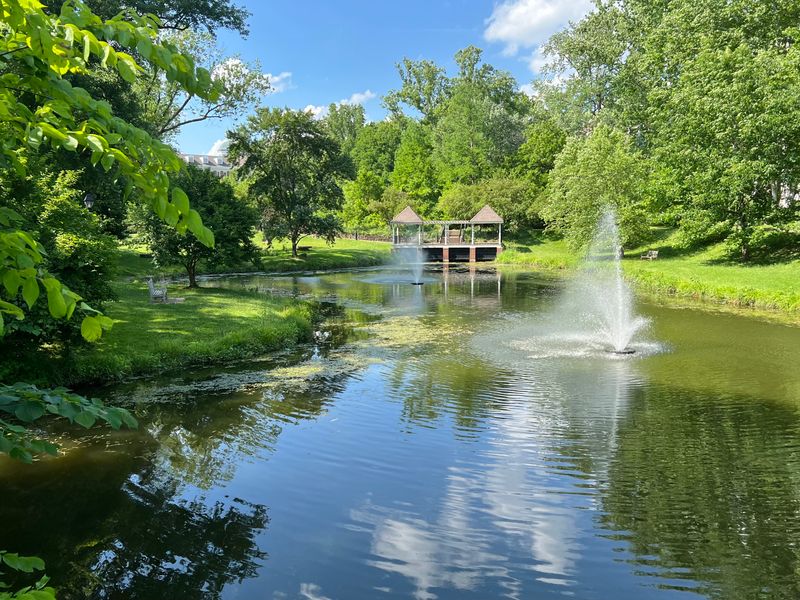
Athens offers outdoor recreation that extends well beyond the famous trails of the nearby Hocking Hills. The town itself maintains several parks with walking paths, picnic areas, and access to the Hocking River for kayaking and fishing.
Strouds Run State Park, located just outside town, provides hiking trails, a beach, and a lake suitable for swimming during warmer months.
Cyclists appreciate the rolling terrain and relatively light traffic on rural roads radiating from Athens. Mountain bikers find technical trails in the surrounding forests, while casual riders enjoy the Hocking Adena Bikeway, a paved path connecting Athens to nearby Nelsonville.
Winter doesn’t halt outdoor activity; cross-country skiing and snowshoeing become popular when conditions allow.
The variety of terrain and ecosystems within a small radius means you can experience different kinds of landscapes in a single day. Morning might involve a woodland hike, afternoon a paddle on the river, and evening a walk through town as the light fades.
Athens supports this outdoor culture with outfitters, gear shops, and a community that values access to nature as part of everyday life rather than a special occasion.
The Spirit Of The Arts In Athens
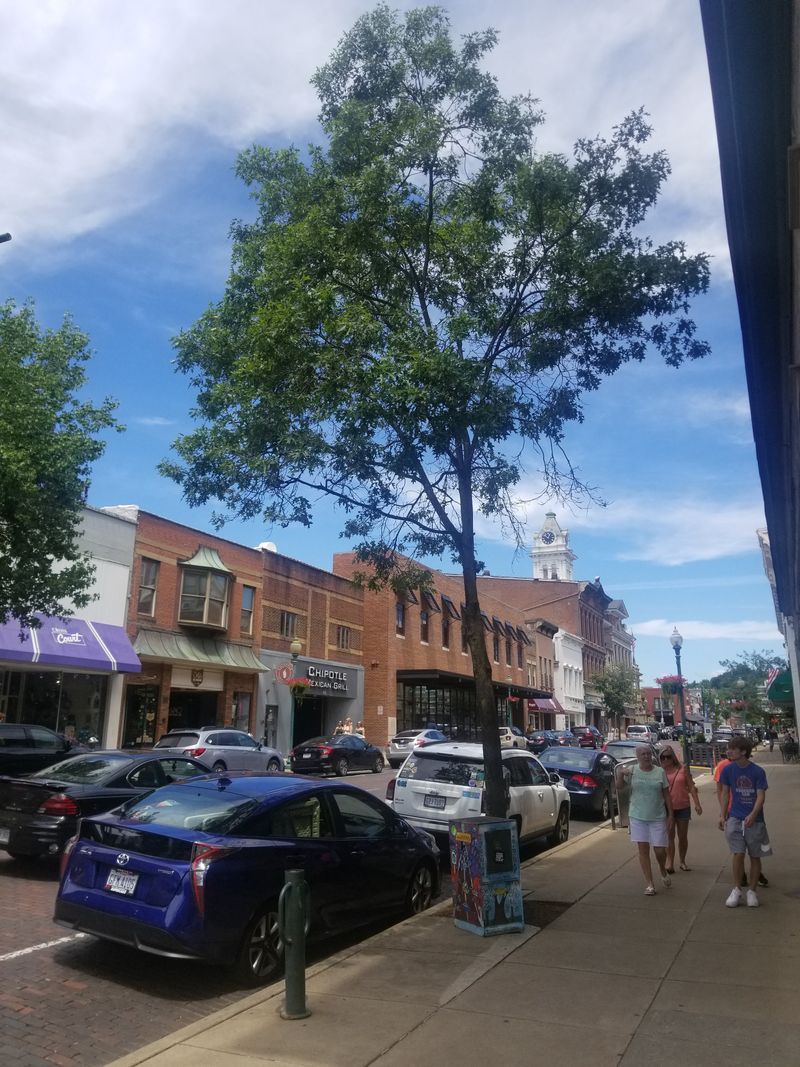
Athens sustains a creative community that punches well above its weight for a town of its size. Galleries, performance spaces, and studios occupy storefronts and converted buildings throughout the downtown area.
Ohio University’s School of Music and College of Fine Arts contribute to this environment, but the arts scene extends far beyond campus, drawing in local artists, musicians, and craftspeople who have made Athens their home.
Live music happens frequently, from bluegrass and folk to experimental jazz and punk rock. Venues range from intimate coffee houses to larger halls that host touring acts.
Visual artists display work in cooperative galleries and participate in regular open studio events that invite the public to see creative processes firsthand.
Theater productions, poetry readings, and film screenings fill the cultural calendar throughout the year. The arts in Athens feel integrated into daily life rather than confined to special occasions or formal institutions.
You might encounter a sidewalk poetry reading, stumble upon a pop-up art show, or hear a busker whose talent rivals any ticketed performance. This accessibility and variety create an atmosphere where creativity feels encouraged and celebrated as a community value.
Quaint Shops And Local Eateries
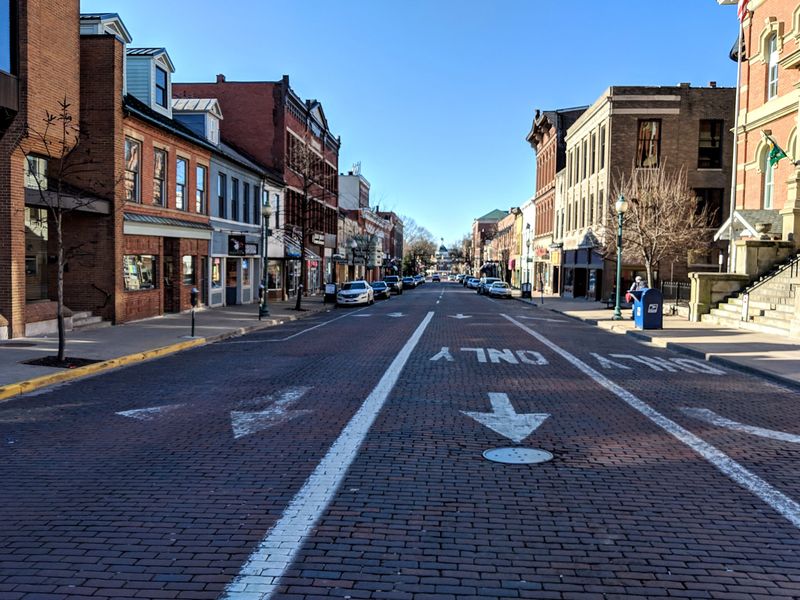
Downtown Athens presents a retail and dining landscape shaped more by local ownership than national chains. Independent bookstores stock carefully curated selections alongside used volumes that reflect the town’s academic character.
Vintage clothing shops, record stores, and specialty boutiques occupy storefronts that encourage browsing without pressure.
Restaurants range from casual cafes serving locally roasted coffee to sit-down establishments where the menu changes with the seasons. You’ll find pizza by the slice alongside Thai curries, farm-to-table American fare next to authentic Mexican tacos.
The diversity reflects both the university community and the town’s location in a region with deep Appalachian roots and newer arrivals from various backgrounds.
Many businesses operate out of historic buildings, adding atmosphere to the experience of shopping or dining. Exposed brick walls, original wood floors, and high ceilings create settings that feel distinct from the generic commercial spaces found in larger cities.
Owners often work behind the counter, creating personal connections with customers that turn errands into social interactions. This approach to commerce gives Athens a human scale that visitors notice and appreciate, particularly those coming from more impersonal urban environments.
A Thriving Farmers Market
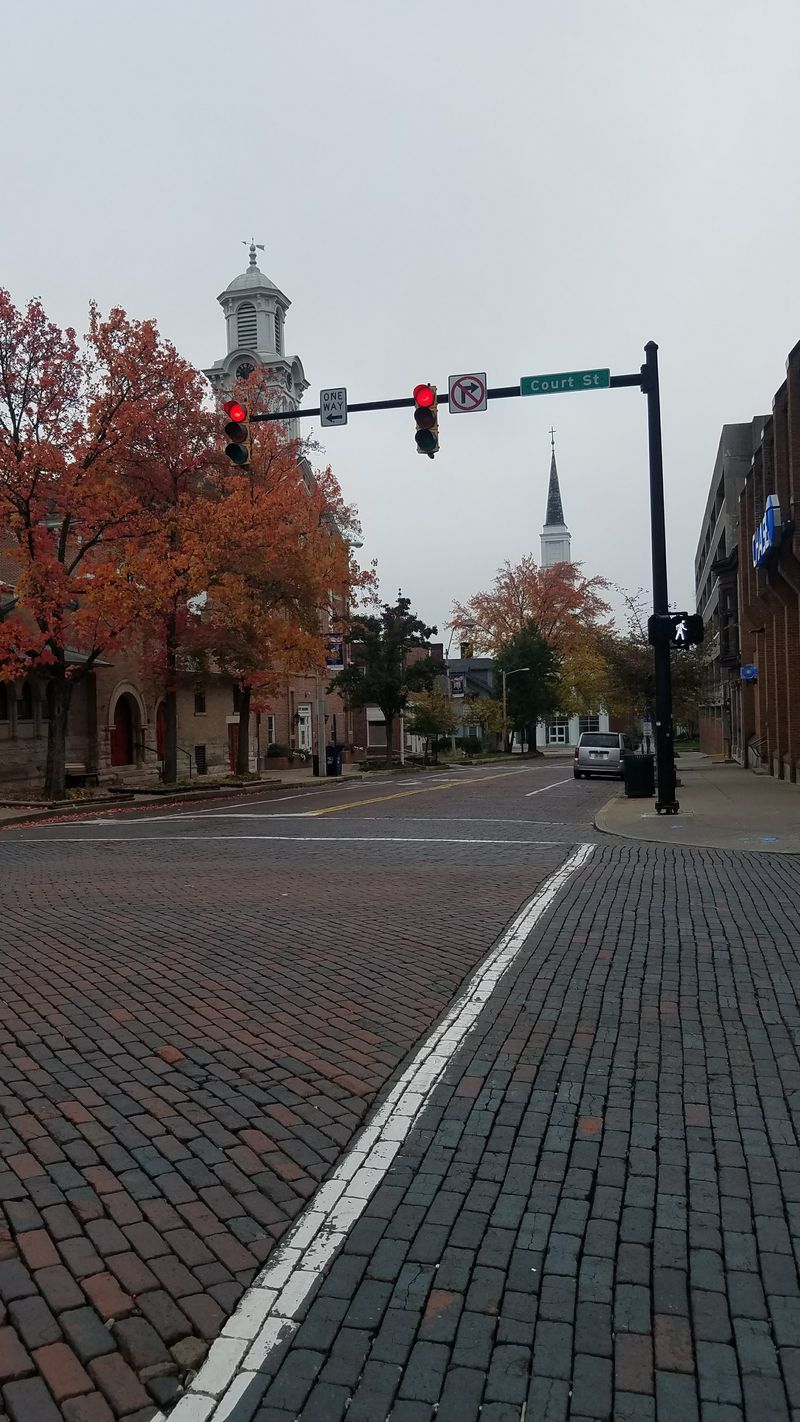
Athens hosts one of the region’s most vibrant farmers markets, operating year-round with seasonal variations in location and offerings. During warmer months, vendors gather outdoors, filling tables with produce, baked goods, handmade crafts, and prepared foods that draw both residents and visitors.
The market functions as much as a social gathering as a place to shop, with musicians often providing a soundtrack to the morning’s transactions.
Local farmers bring vegetables, fruits, and herbs grown without synthetic chemicals, often harvested the same morning they appear at market. Bakers offer breads and pastries made with regional grains, while other vendors sell honey, maple syrup, and preserves that capture the flavors of southeastern Ohio.
Craft vendors contribute pottery, textiles, and woodwork that reflect traditional skills adapted to contemporary tastes.
The market moves indoors during colder months, maintaining continuity even when fresh produce becomes scarce. This commitment to year-round operation demonstrates how central the market has become to Athens’ community life.
Regular attendees develop relationships with particular vendors, learning about growing practices, family histories, and the rhythms of agricultural life that continue just beyond town limits.
Athens: A Perfect Weekend Getaway
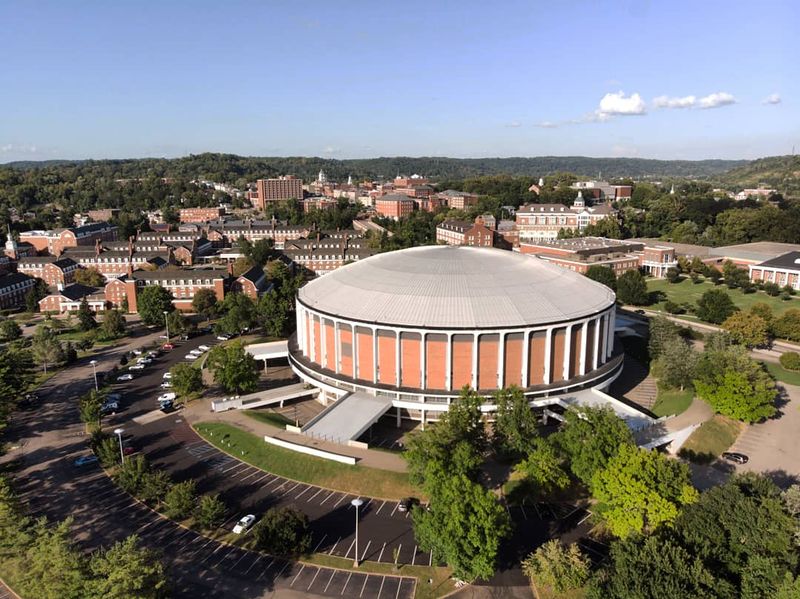
Athens offers enough variety to fill a weekend without overwhelming visitors with choices or requiring elaborate planning. Friday evening might begin with dinner at a local restaurant followed by live music at one of the downtown venues.
Saturday could involve morning at the farmers market, an afternoon hike at Strouds Run, and evening exploring galleries during a monthly art walk.
Sunday mornings invite a slower pace—coffee at a quiet cafe, browsing bookstores, or walking through campus when students are scarce. The town’s compact layout means you can cover significant ground on foot, eliminating the need for constant driving and allowing for spontaneous detours when something catches your attention.
Accommodations range from historic bed-and-breakfasts to modern hotels, with options for various budgets and preferences. The town’s location makes it accessible from Columbus, Cincinnati, and Pittsburgh, all within reasonable driving distance.
Athens works well as a destination in itself or as part of a longer exploration of southeastern Ohio. The experience feels complete without feeling rushed, offering restoration without boredom and activity without exhaustion—a balance many weekend destinations struggle to achieve.
Rich Native American Heritage

Long before Athens became a college town, the region supported indigenous communities whose presence shaped the landscape in ways still visible today. The Shawnee, among other groups, lived along the Hocking River and its tributaries, using the waterways for transportation and the forests for sustenance.
Archaeological evidence indicates continuous human occupation of the area for thousands of years before European settlement.
Several earthworks and mound sites exist in Athens County, though many have been damaged or destroyed over time. Those that remain offer tangible connections to sophisticated societies that understood astronomy, agriculture, and engineering in ways that continue to impress modern researchers.
Local museums and educational institutions work to preserve and interpret this heritage, though much has been lost to development and neglect.
Understanding Athens requires acknowledging these deeper historical layers that predate the town’s founding by millennia. The landscape itself—the river valleys, the plateau, the forests—provided resources that drew people here long before Ohio became a state.
Contemporary Athens benefits from this same geography, and recognizing the indigenous history adds depth to any visit, reminding us that our relationship with place extends beyond recent centuries.
Vibrant Festivals That Celebrate Community
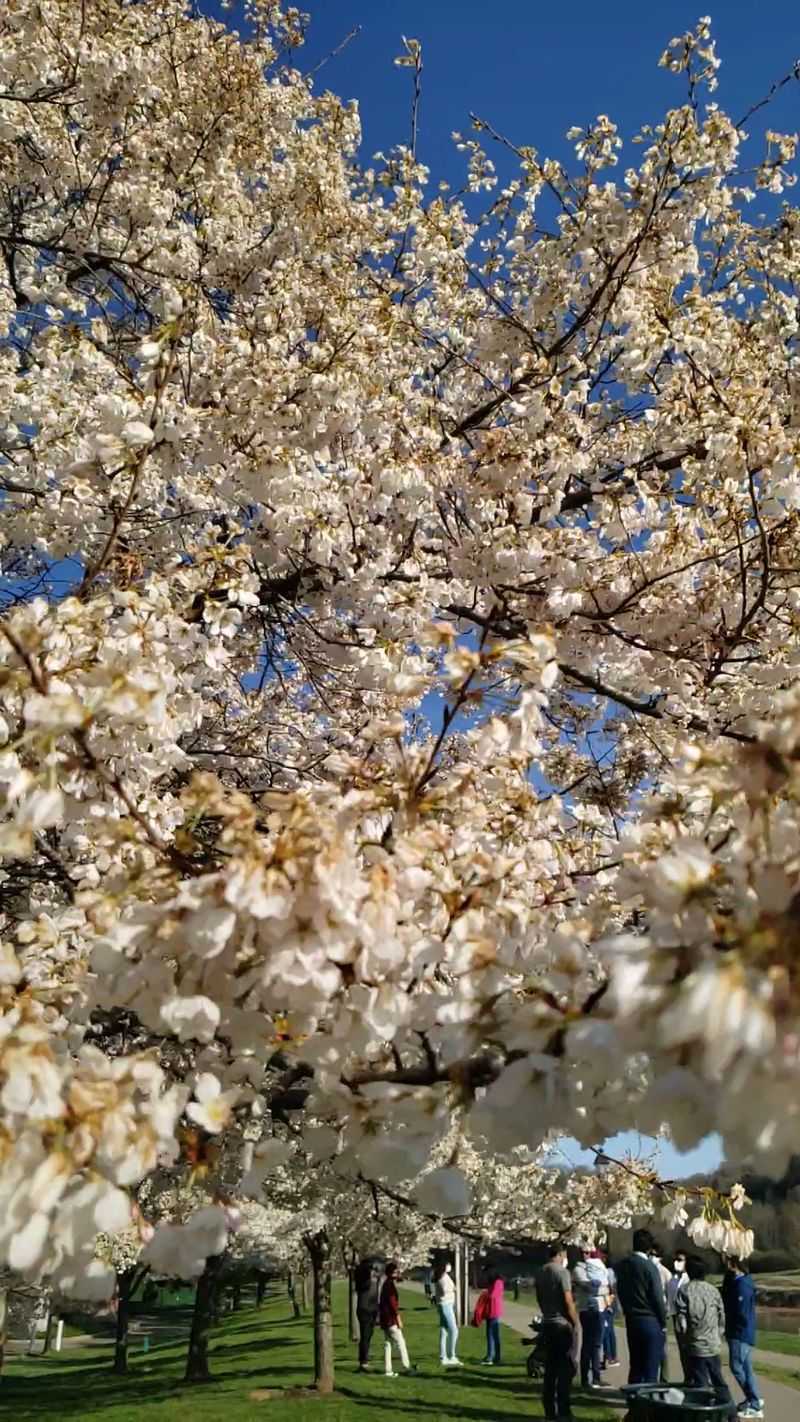
Athens marks the seasons and celebrates its character through festivals that draw both residents and visitors throughout the year. The Athens International Film and Video Festival brings filmmakers and cinema enthusiasts together each spring, screening independent works that rarely appear in commercial theaters.
Summer brings outdoor concerts and street fairs that transform downtown into a pedestrian celebration of music, food, and local craft.
Fall festivals take advantage of the spectacular foliage and comfortable temperatures, with events celebrating everything from apples to Halloween. Athens has developed a reputation for particularly enthusiastic Halloween celebrations, with thousands of costumed participants filling the streets in what has become one of the region’s largest annual gatherings.
Winter holidays bring parades, tree lightings, and seasonal markets that continue the town’s tradition of public celebration.
These festivals serve purposes beyond entertainment, functioning as occasions when the community gathers across generational and social lines. They showcase local talent, support small businesses, and create shared experiences that strengthen the bonds between residents while welcoming outsiders into the town’s ongoing story.
Athens uses its festivals not to attract tourists but to express its own character, which paradoxically makes them more authentic and appealing to thoughtful visitors.