
Discover The Oregon Coastal Village Hidden From The Crowds
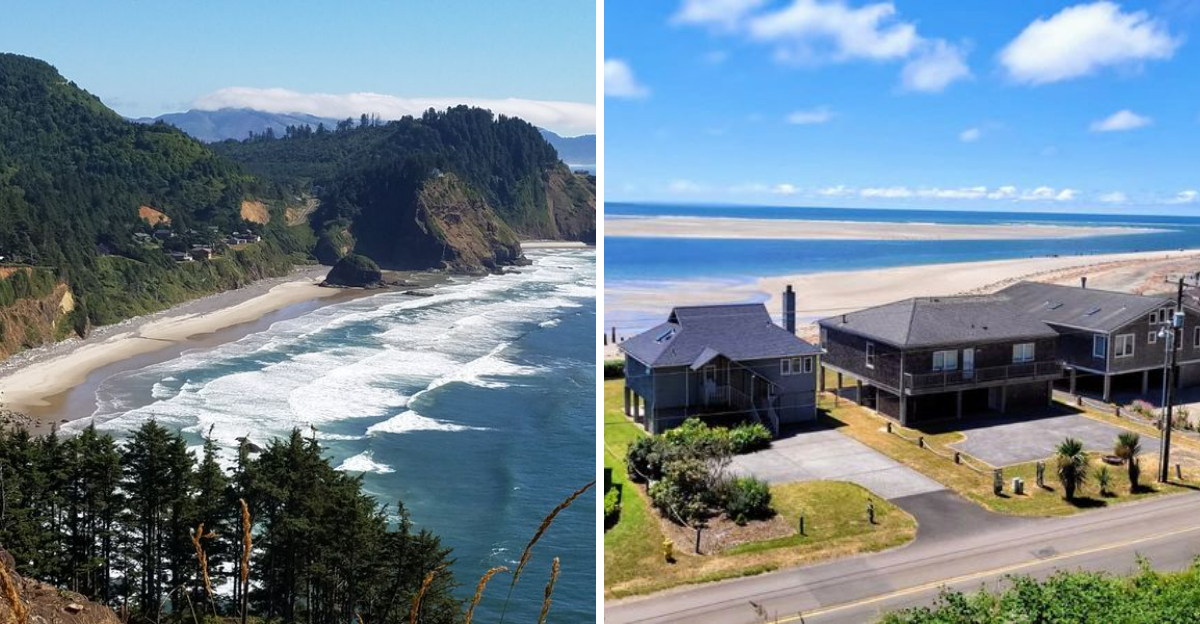
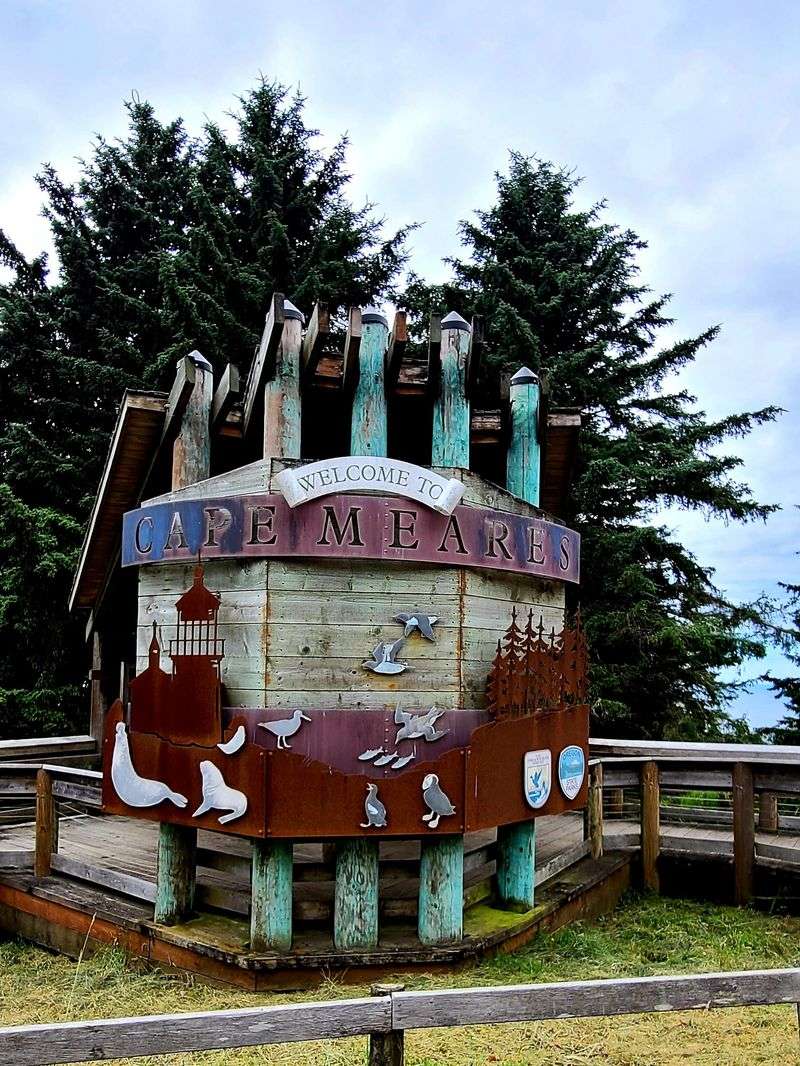
Cape Meares sits quietly along the Oregon coast, a small community that most travelers speed past on their way to busier destinations.
Named after British explorer John Meares, this census-designated place in Tillamook County holds just over a hundred residents and feels like a place the modern world forgot to update.
While crowds gather at Cannon Beach and Lincoln City, Cape Meares offers something increasingly rare: coastal beauty without the noise, dramatic cliffs without the parking hassles, and trails that lead to the ocean without requiring you to navigate through gift shops first.
For those willing to take the turn toward Oregon 97141, this hidden village rewards with solitude, wildlife, and the kind of coast that reminds you why you started chasing horizons in the first place.
A Quiet Coastal Community That Many Oregon Visitors Miss
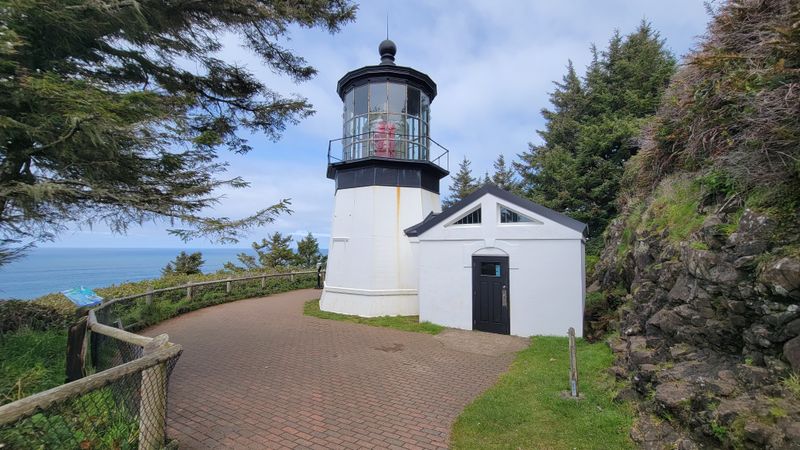
Most people barrel down Highway 101 with their eyes fixed on the famous stops, completely unaware that Cape Meares exists just a few miles off the main route.
This tiny community of around 110 residents doesn’t advertise itself with billboards or welcome centers.
The turnoff near Tillamook requires intention, not accident, and that alone filters out the casual tourist.
What remains is a village that feels suspended in a quieter era, where homes nestle into the hillside and the loudest sound is often the wind moving through the Sitka spruce. Locals appreciate the obscurity.
Visitors who make the effort discover a place where coastal Oregon still operates at a human pace, where you can park without circling, walk without weaving, and breathe without inhaling someone else’s sunscreen.
Dramatic Ocean Cliffs And Headlands With Minimal Foot Traffic
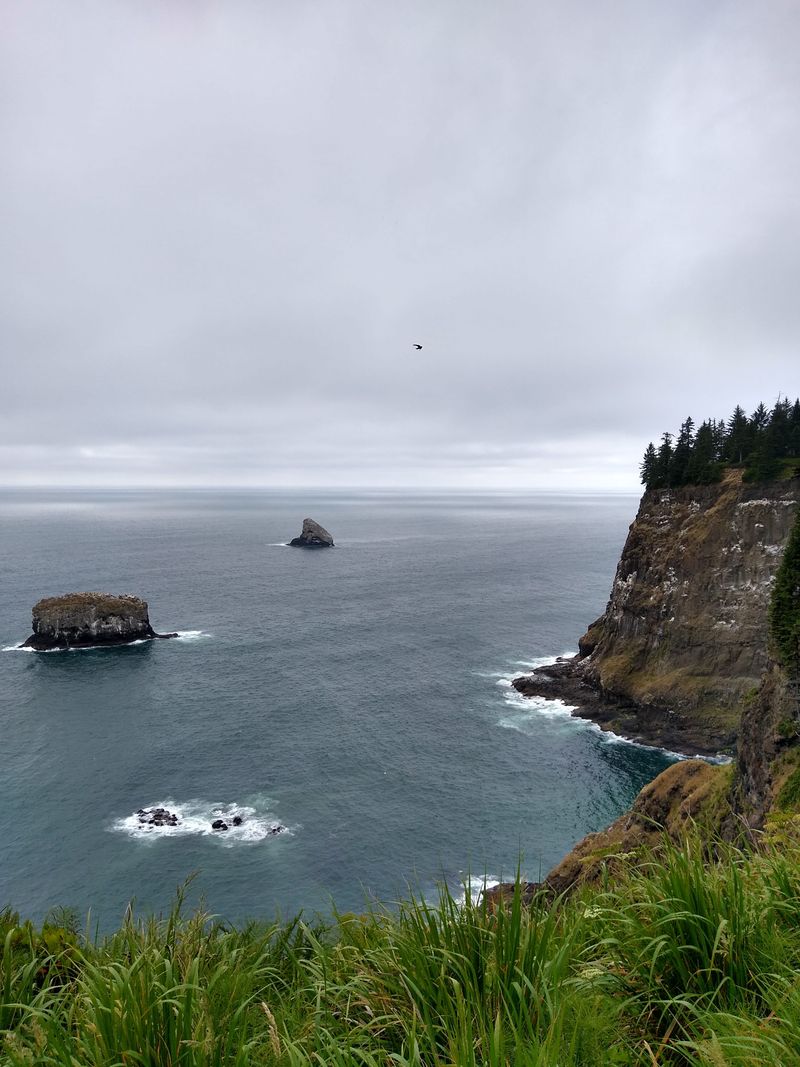
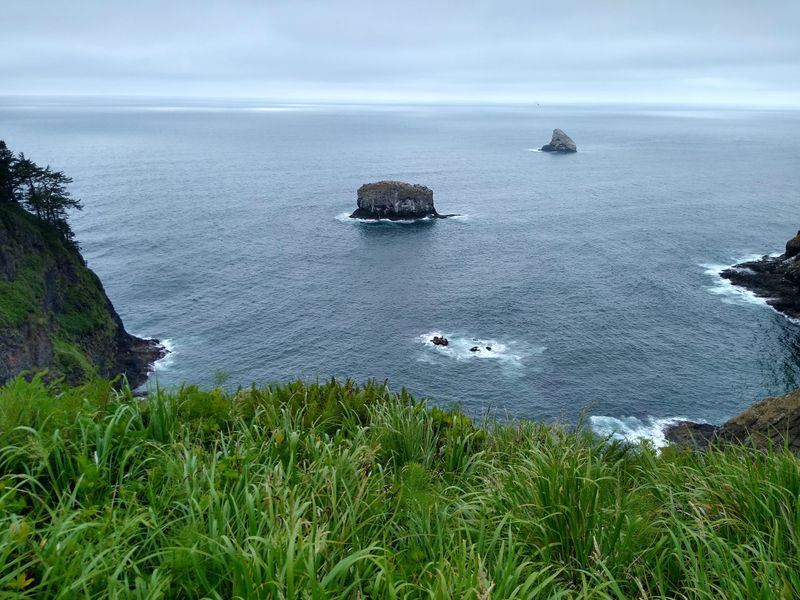
Cape Meares State Scenic Viewpoint offers some of the most striking coastal geology on the Oregon shoreline, yet it rarely sees the crowds that mob Ecola or Shore Acres.
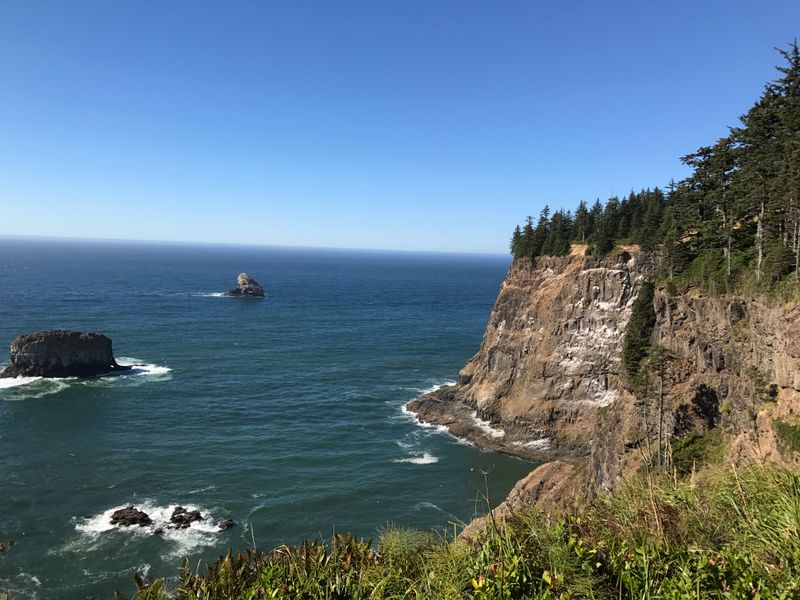
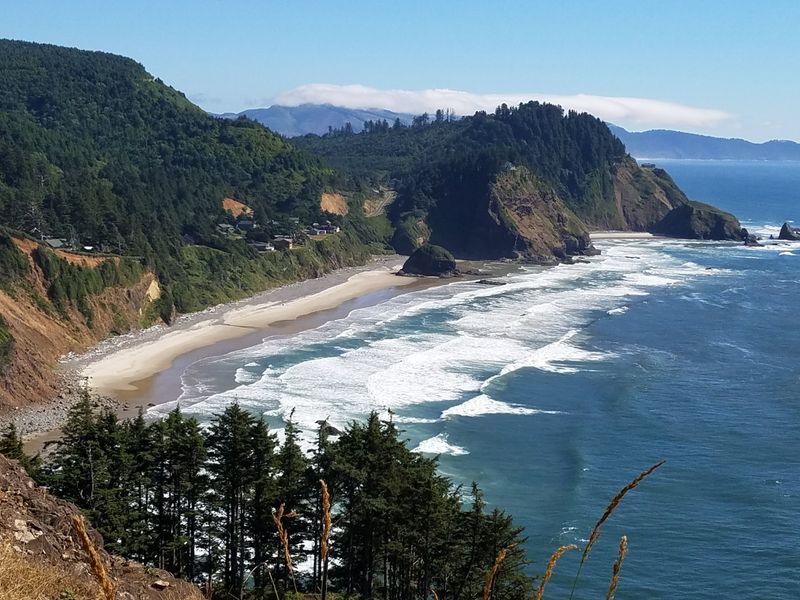
Basalt cliffs rise sharply from the Pacific, carved and weathered into jagged formations that shift in color depending on the light.
The headland juts westward, creating sweeping views north and south along the coastline.
On most days, you can stand at the edge and count the other visitors on one hand.
The lack of congestion makes photography easier and contemplation possible.
Trails wind along the bluff, offering multiple vantage points without requiring strenuous effort.
The cliffs feel wild here, unmanicured and unfiltered, the kind of landscape that reminds you the ocean is older and stronger than any human schedule.
A Historic Lighthouse Perched High Above The Pacific
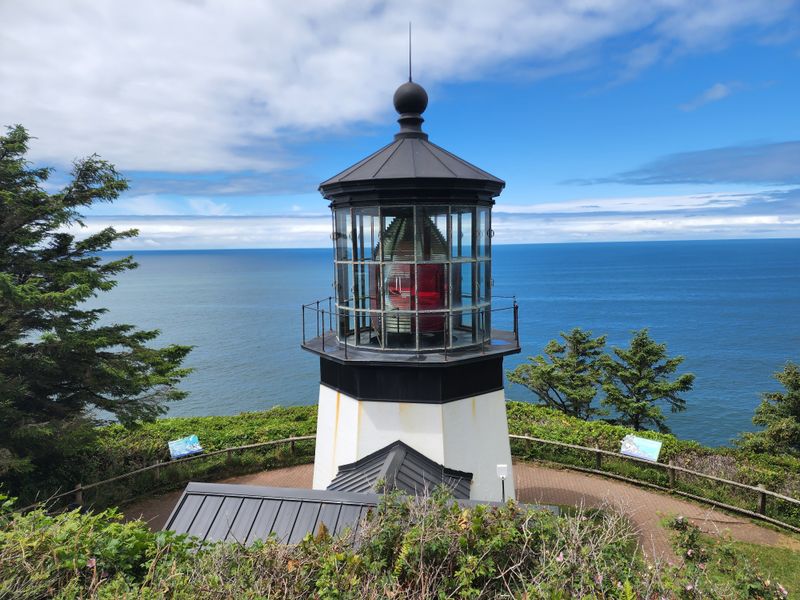
Built in 1890, the Cape Meares Lighthouse stands just 38 feet tall, making it one of the shortest lighthouses on the Oregon coast.
What it lacks in height it compensates for in position, perched 200 feet above the ocean on a rocky promontory that offers unobstructed views in every direction.
The lighthouse operated until 1963, when it was replaced by a more modern navigation system.
Today, it’s open for tours seasonally, and the interior reveals the original Fresnel lens, a marvel of 19th-century engineering still intact and gleaming.
The walk from the parking area takes less than ten minutes, descending gently through coastal forest before emerging at the cliff’s edge.
Unlike more famous lighthouses that require advance tickets and timed entry, Cape Meares Lighthouse remains refreshingly accessible and uncrowded.
Forested Trails That Lead Straight To The Ocean
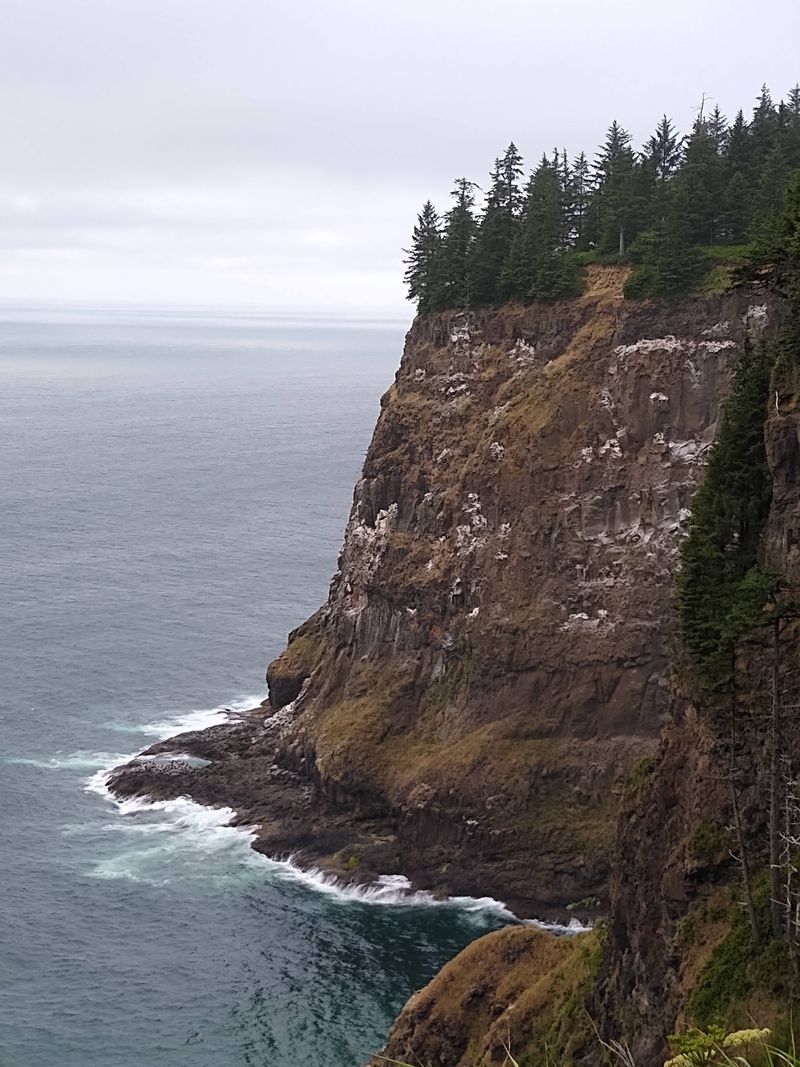
Short, well-maintained trails thread through old-growth Sitka spruce and western hemlock before delivering you directly to the cliff edge and ocean views.
The forest here feels dense and damp, with moss draping from branches and ferns crowding the understory.
These aren’t backcountry expeditions requiring maps and provisions—most trails measure less than half a mile and accommodate families, casual walkers, and photographers equally well.
One trail leads to the Octopus Tree, a massive Sitka spruce with limbs that spread horizontally before turning upward, creating a candelabra effect that’s both eerie and impressive.
Another route takes you to overlooks where the forest opens suddenly, revealing the Pacific stretching endlessly westward.
The transitions from shade to light, forest to ocean, happen quickly here, offering variety without demanding endurance.
Sweeping Coastal Views Without The Tourist Congestion
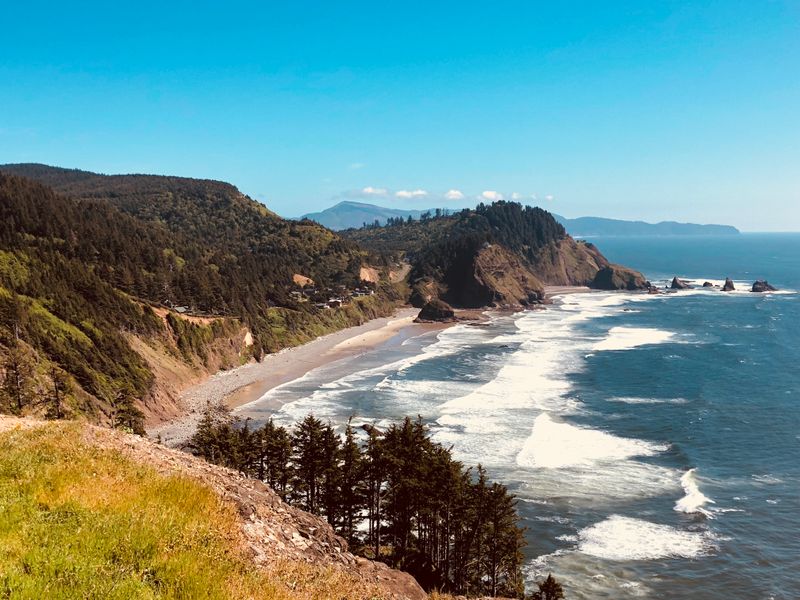
From the headland, you can see miles of coastline in both directions, with Three Arch Rocks visible to the south and Cape Lookout jutting into the ocean farther down the coast.
On clear days, the visibility extends far enough to make out individual rock formations and the white lines of breakers rolling in from deep water.
What makes these views particularly valuable is the absence of crowds jostling for position or blocking sightlines with selfie sticks.
You can linger as long as you want, adjusting your angle, waiting for the light to shift, or simply standing still while the wind works its way through your jacket.
Benches placed along the trails offer rest without obstruction.
The experience feels generous and unhurried, a reminder that not every beautiful place needs to be conquered by Instagram.
Easy Access To Tidepools And Rocky Shorelines
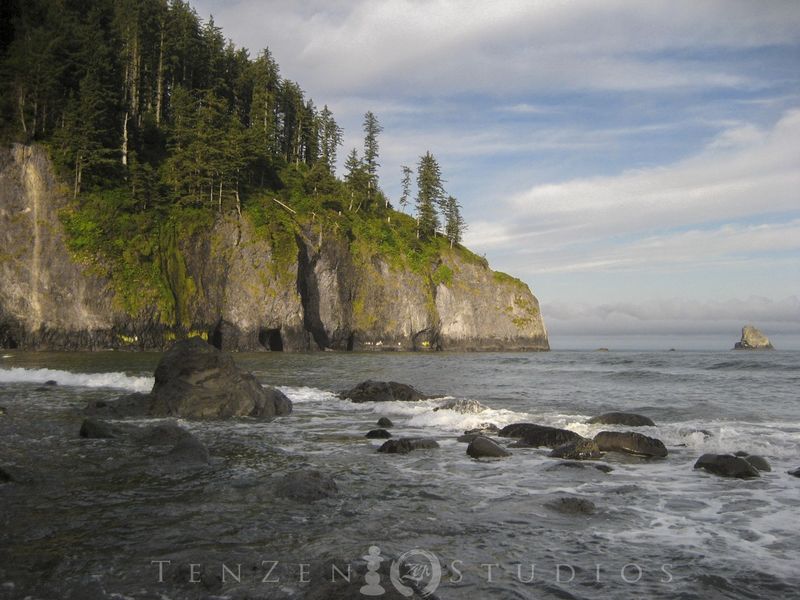
When the tide retreats, the rocky shoreline below Cape Meares reveals a world of anemones, starfish, hermit crabs, and small fish trapped temporarily in shallow pools.
Access isn’t as straightforward as at some Oregon beaches—you’ll need to time your visit with low tide and be prepared for uneven footing—but the effort keeps the area from being overrun.
The rocks are slick with algae, so sturdy shoes with grip are essential.
Once you reach the tidepools, the variety of life is impressive, and the lack of other visitors means you can observe without rushing.
Children find endless fascination here, crouching over pools and pointing out discoveries.
The setting feels raw and alive, a functioning ecosystem rather than a curated attraction, and that authenticity makes the experience more memorable than any polished boardwalk ever could.
A Natural Extension Of Nearby Cape Lookout’s Wild Beauty
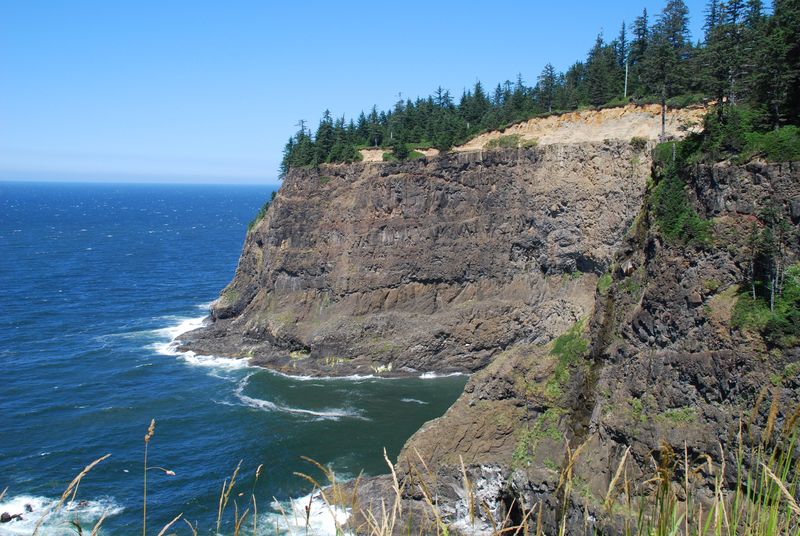
Cape Lookout State Park draws hikers and campers in significant numbers, but Cape Meares offers similar geography and atmosphere with a fraction of the visitors.
Both headlands share the same volcanic origins, dense coastal forests, and dramatic meeting points between land and ocean.
The difference lies in accessibility and reputation—Cape Lookout has name recognition, while Cape Meares remains a quieter sibling.
For those who appreciate the wild character of Cape Lookout but prefer solitude, Cape Meares delivers the same elemental beauty without the crowded parking lots.
The two capes sit close enough that you can visit both in a single day, comparing their moods and perspectives.
Together, they represent the best of Oregon’s central coast: rugged, forested, and refreshingly free from commercial development or theme-park polish.
Cooler Coastal Temperatures And Fresh Ocean Air Year-Round
Summer temperatures at Cape Meares rarely climb above the mid-60s, and the marine layer often lingers well into the afternoon, keeping the air cool and damp.
This isn’t a drawback—it’s part of the appeal, especially for those who find crowded, sun-baked beaches exhausting.
The constant movement of air off the Pacific keeps everything fresh, clearing your head and sharpening your senses.
Even in winter, the temperatures remain moderate, hovering in the 40s and 50s, with storms adding drama rather than danger.
Layering is essential year-round, and visitors who come prepared find the climate invigorating rather than uncomfortable.
The coolness also supports the lush vegetation that defines the landscape, creating a green, vibrant environment that contrasts sharply with the dry inland valleys just miles to the east.
Ideal For Slow Travel, Photography, And Nature Watching
Cape Meares rewards those who arrive without an agenda, who can sit quietly and let the place reveal itself gradually.
Photographers appreciate the changing light, the way fog softens the cliffs or how late afternoon sun illuminates the forest canopy.
Birdwatchers scan the rocks and cliffs for pelagic species, murres, and the occasional peregrine falcon.
The pace here discourages rushing—trails are short, views are abundant, and there’s no pressure to move on to the next attraction.
You can spend an hour watching waves break against the rocks or tracking the flight patterns of seabirds without feeling like you’re wasting time.
This kind of travel—slow, observant, and unhurried—has become rare, but Cape Meares still accommodates it naturally, offering space and silence in generous measure.
A Peaceful Alternative To Oregon’s Busier Beach Towns
Cannon Beach, Seaside, and Newport all have their charms, but they also come with traffic, noise, and the kind of commercial energy that can wear you down after a few hours.
Cape Meares offers an antidote: no boardwalks, no arcades, no shops selling saltwater taffy or tie-dyed shirts.
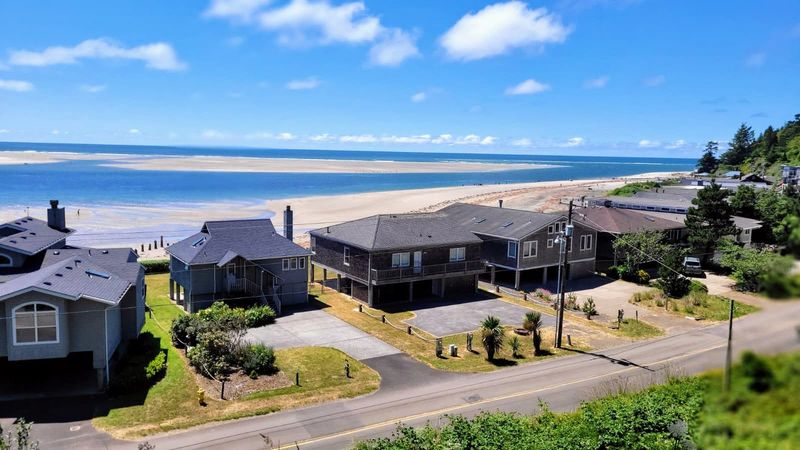
The community itself consists mostly of private residences, with no real commercial center to speak of.
This absence of infrastructure might disappoint those seeking convenience, but for visitors craving quiet, it’s exactly the point.
You come here to experience the coast itself, unmediated by tourism or marketing.
The lack of amenities forces you to slow down, to bring your own food, to plan your time around tides and daylight rather than restaurant hours or shop openings, and that simplicity becomes its own reward.
Wildlife Sightings That Reward Patient Visitors
Gray whales migrate past Cape Meares twice a year, and patient observers with binoculars can often spot their spouts from the headland.
Seabirds nest on the offshore rocks, including common murres, tufted puffins, and cormorants, creating a noisy, bustling colony during breeding season.
Harbor seals haul out on the rocks below, and occasionally sea lions pass through, their barking audible even from the cliffs above.
Bald eagles perch in the tall conifers, scanning for fish, and Roosevelt elk sometimes wander through the forested areas inland.
The variety of species reflects the health of the ecosystem, and the lack of crowds means wildlife behaves more naturally.
Bring binoculars, move quietly, and give yourself time—Cape Meares doesn’t perform on command, but it delivers consistently for those willing to wait.
A Place Where The Oregon Coast Still Feels Untouched
Development along the Oregon coast has been relatively restrained compared to other states, but even here, some areas feel shaped by tourism and commerce.
Cape Meares remains an exception, a place where the landscape still dominates and human presence feels temporary.
The lighthouse is historic, not theme-park quaint. The trails are functional, not engineered for spectacle.
The cliffs rise and fall according to geology, not real estate values.
Standing at the edge, looking out over the Pacific, you can imagine what this coast looked like a century ago, before highways and parking lots, when access required effort and solitude was the default.
That continuity with the past, that sense of a place still governed by wind and tide rather than traffic patterns, makes Cape Meares feel less like a destination and more like a privilege.