
Discover The Quiet South Carolina Coastal Town That Remains One Of The Best Kept Secrets On The Coast
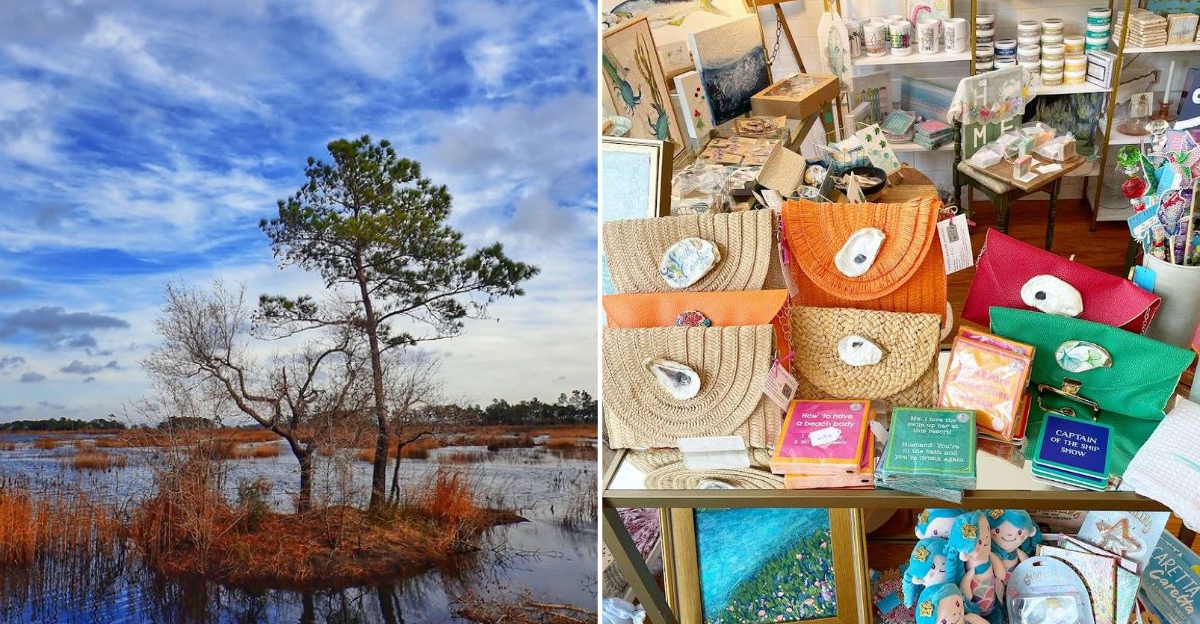
Word about this one travels slowly and deliberately. The people passing it along have a shared interest in keeping the pace of that exactly where it is.
South Carolina’s coastline holds discoveries that the popular stretches never deliver. This particular town sits at the top of that list.
Quiet in a way that feels intentional rather than overlooked. A shoreline that hasn’t been asked to carry more than it can without losing what made it worth finding.
Rental prices still reflect a market the vacation wave passed over without fully stopping. A coastal town that earned its secret status honestly and has shown every intention of keeping it.
Local Seafood Specialties And Fresh Catch
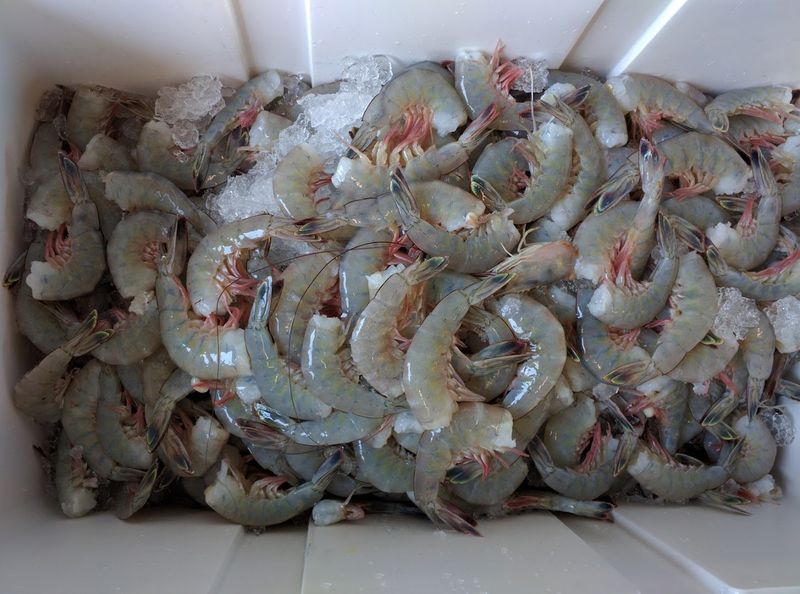
This place is one of the most commercially active shrimping towns on the entire South Atlantic coast. That is not a small claim.
The shrimp boats docked along Jeremy Creek are not decorations. They go out, they work, and they come back with real hauls.
Local shrimp here are wild-caught and sweet in a way that farmed shrimp simply cannot match. Blue crab and oysters round out the catch, and locals know exactly where to get the freshest stock.
You are not buying seafood that traveled across the country here.
Small seafood markets near the waterfront sell directly from the boats in many cases. Prices are fair, portions are real, and the people behind the counter actually know where the catch came from.
That kind of transparency is rare these days.
The town sits along Jeremy Creek, which feeds into the broader Intracoastal Waterway system. This geography makes the surrounding waters incredibly productive for harvesting shellfish and finfish year-round.
Generations of families have worked these waters and still do.
McClellanville is the real address of this underrated seafood hub. Plan a morning visit to catch the freshest selections.
Arrive early, bring a cooler, and leave with something genuinely worth eating.
History And Heritage Of The Coastal Community
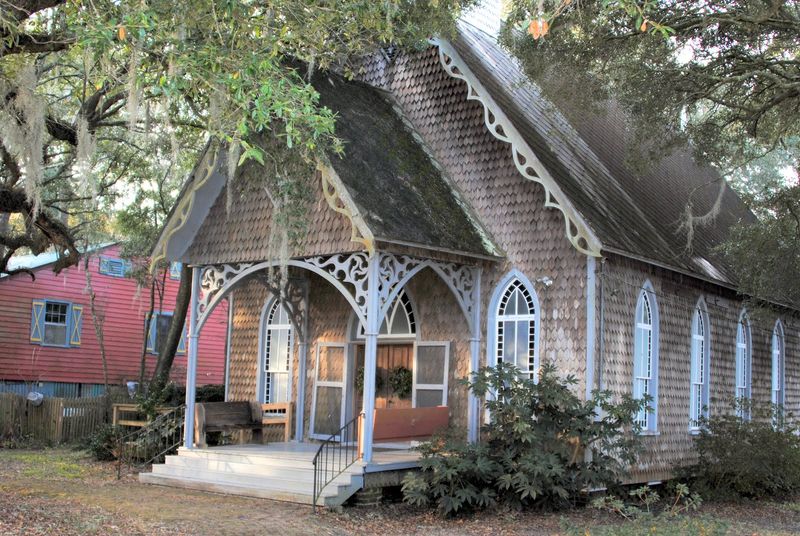
McClellanville was founded in the mid-1800s as a summer retreat for local planters. The McClellan family gave the town its name, and that original character has never fully left.
Walking the streets here feels like flipping through a living history book.
The historic downtown is compact but packed with architectural variety. Churches, storefronts, and homes from the pre-Civil War era still stand in solid shape.
Some look like they belong in a painting, honestly.
One of the most remarkable landmarks is the Deerhead Oak. This ancient tree is estimated to be between 1,000 and 1,500 years old.
It has seen more history than most countries have.
The Village Museum tells the full story of the area, from early Native American settlements through the rise of the seafood industry. Exhibits are thoughtful and grounded in local voices.
It is a small museum that punches well above its weight.
The town also carries the memory of Hurricane Hugo, which devastated the area in 1989. Lincoln High School served as an emergency shelter and was overwhelmed.
The recovery story is one of community strength and stubborn local pride that still defines McClellanville today.
Outdoor Activities And Nature Exploration
The outdoor options around McClellanville are genuinely impressive for a town of 600 people. You have two massive protected natural areas flanking the town on both sides.
That is an unusual and wonderful problem to have.
The Francis Marion National Forest stretches across hundreds of thousands of acres directly to the north and west. Hiking, biking, kayaking, and hunting are all available through its pine stands and swamp corridors.
The Palmetto Trail runs through sections of it and offers serious mileage for serious walkers.
The Wambaw Creek Wilderness Canoe Trail is one of those hidden outdoor spots that paddlers talk about in hushed tones. The route winds through a blackwater swamp ecosystem that feels genuinely remote.
Silence out there is a feature, not a bug.
Fishing is obviously a big draw, both recreational and commercial. Inshore fishing for redfish, flounder, and speckled trout keeps anglers busy throughout the year.
Guides operate locally and know these waters cold.
Cape Romain National Wildlife Refuge adds another layer of wild access. Bulls Island, reachable by ferry, offers unspoiled beaches and forest trails.
There are no vendors, no crowds, and no distractions. Just nature doing its thing at full volume.
Unique Wildlife And Bird Watching Opportunities
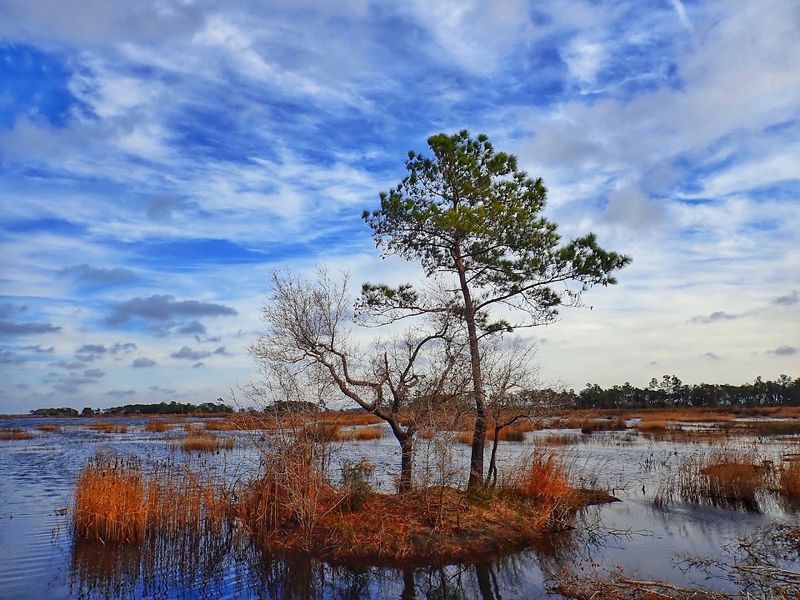
Cape Romain National Wildlife Refuge is the real headline for wildlife lovers visiting McClellanville. This 66,000-acre sanctuary protects one of the most biologically rich coastal ecosystems on the East Coast.
Over 275 bird species have been recorded within its boundaries.
Loggerhead sea turtles nest on the refuge beaches every summer. Bottlenose dolphins are a common sight in the surrounding waterways.
White pelicans, wood storks, painted buntings, and roseate spoonbills all make appearances depending on the season.
Bulls Island, accessible by a short ferry ride, is one of the best bird-watching destinations in the entire Southeast. The island has a network of trails through maritime forest and along beach edges.
Bring binoculars because the variety is remarkable.
The marshes surrounding McClellanville are also excellent for spotting wading birds like great blue herons and egrets. These birds are everywhere and completely unbothered by humans.
They have clearly decided this is their town, too.
Migratory season brings an entirely different set of visitors to the area. Spring and fall migrations push enormous numbers of songbirds and shorebirds through the refuge.
Serious birders plan entire trips around these windows, and the results rarely disappoint anyone willing to show up with patience.
Artisanal Shops And Handmade Coastal Crafts

McClellanville is not a shopping destination in the mall sense, and that is entirely the point. What you find here instead are small shops and studios run by real makers.
The work reflects the coastal environment in honest and interesting ways.
Sweetgrass basket weaving is one of the most celebrated Lowcountry craft traditions in South Carolina. Artists in and around McClellanville carry on this Gullah Geechee heritage with remarkable skill.
Each basket takes hours to complete and tells a cultural story that goes back centuries.
Local artists also work in pottery, painting, photography, and woodworking. Many of them use materials pulled directly from the surrounding landscape.
Driftwood, shells, and natural pigments show up in pieces that you genuinely cannot find anywhere else.
The slow pace of the town supports a creative lifestyle that faster places tend to squeeze out. Artists here are not competing for gallery space in a major city.
They are making work because the place inspires it, and that comes through clearly in what they produce.
Visiting these shops is a low-pressure experience by design. Nobody is rushing you toward a purchase.
You can ask questions, hear the story behind a piece, and leave with something that actually means something. That experience has real value in a world full of mass-produced coastal decor.
Traditional Festivals And Cultural Events
The Lowcountry Shrimp Festival is McClellanville’s biggest annual event, and it is a genuine community celebration. This is not a corporate-sponsored food fair with a shrimp theme slapped on it.
The festival has real roots and real meaning for the people who live here.
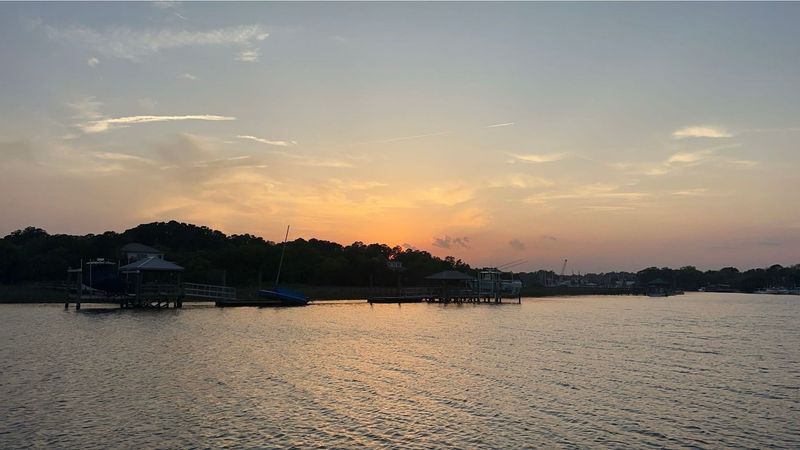
The Blessing of the Fleet is the festival’s most iconic tradition. Shrimp boats are decorated with flags and paraded down Jeremy Creek to receive blessings for a safe and productive season.
It is moving to watch, even if you just arrived and know nobody.
The festival features local seafood, live music, and craft vendors who actually belong to the community. Crowds are manageable compared to major coastal festivals.
You can actually talk to people, find a good spot, and enjoy the day without fighting for space.
Beyond the Shrimp Festival, the town hosts smaller cultural events tied to its Gullah Geechee heritage throughout the year. These gatherings celebrate music, food, storytelling, and craft traditions that trace back to West African roots.
They are worth seeking out specifically.
Church events and community suppers also play a regular role in town social life. McClellanville is a place where community events are not organized by a tourism board.
They happen because the people here actually want to gather, and that energy is infectious to visitors who stumble into it.
Scenic Walking Trails And Waterfront Views
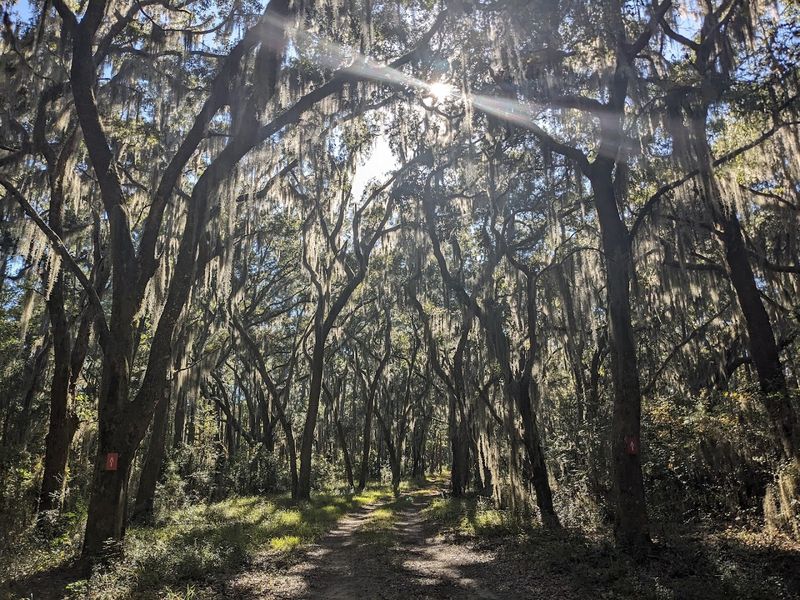
Going through McClellanville is one of the simplest and most satisfying things you can do here. The streets are quiet, the oak canopy is dramatic, and the waterfront is never far away.
No crowds are competing for the best view.
Live oaks draped in Spanish moss line the main roads through the historic district. These trees are old and enormous, and they create a natural tunnel effect that is genuinely beautiful.
Photographers love this town for exactly that reason.
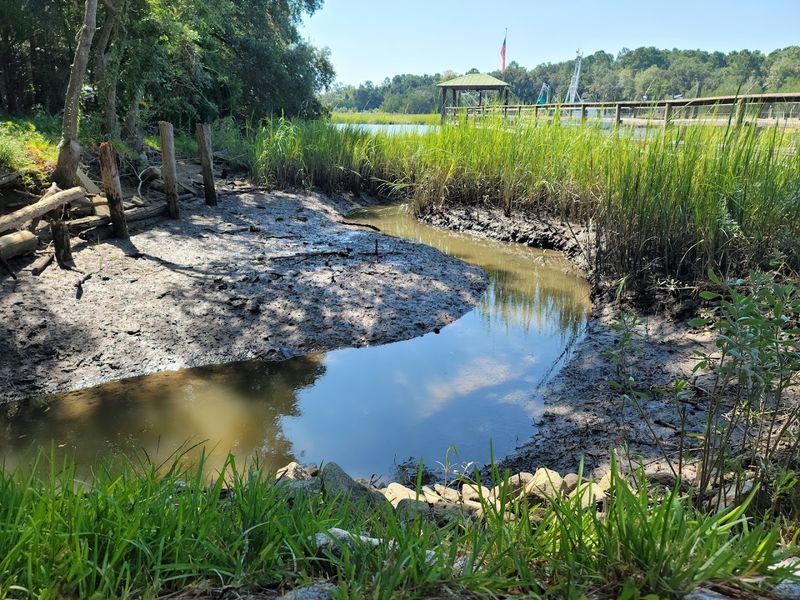
The waterfront along Jeremy Creek offers easy access to views of working shrimp boats and open marsh. A short walk from the center of town gets you there.
The views shift throughout the day as light changes over the water and grass.
The Palmetto Trail connects to the broader Francis Marion National Forest system and offers longer walking and hiking options for those who want more distance. Trailheads are accessible from town without needing to drive far.
Bring water because shade disappears once you leave the oak corridors.
Sunrise and sunset walks are particularly worthwhile along the waterfront. The marsh turns gold and orange in evening light in a way that feels almost theatrical.
Early mornings bring fog over the creek and the sound of birds starting their day. Both are worth setting an alarm for.
Coastal Cuisine Trends And Dining Experiences
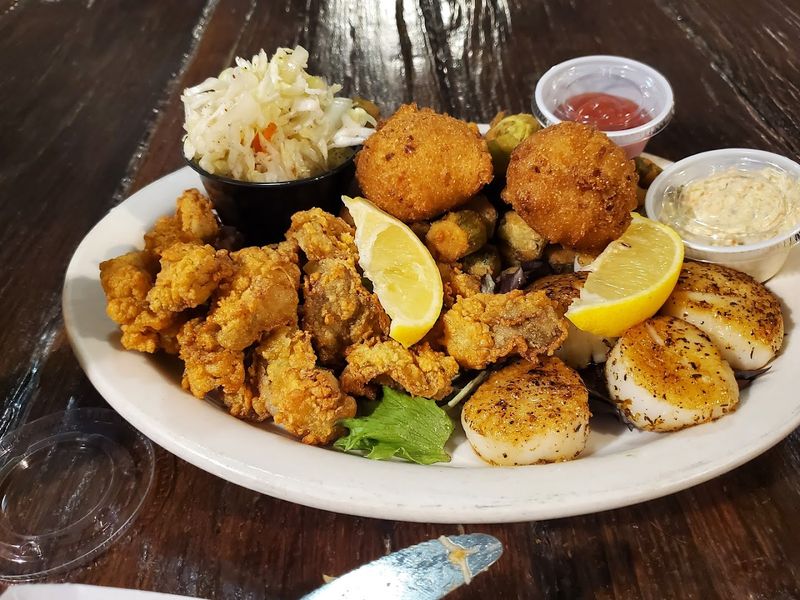
McClellanville does not have a long list of restaurants, but what it has is genuinely good. The dining here leans hard into Lowcountry tradition, and that tradition is built on fresh seafood and slow-cooked flavor.
Nobody is reinventing the wheel for the sake of a trend.
Shrimp and grits are practically the town’s signature dish. Local shrimp served over stone-ground grits with a savory sauce is a combination that sounds simple and tastes extraordinary.
The quality of the shrimp makes all the difference, and McClellanville shrimp are the real thing.
She-crab soup is another Lowcountry staple that appears on local menus with good reason. Rich, creamy, and deeply flavored, it is the kind of dish that people drive significant distances for.
Getting it made with local crab is the version worth seeking out.
Casual eating is the default mode here. You are not going to find white tablecloths or tasting menus.
What you will find are places where the cook knows where the fish came from and the portions are honest.
The farm-to-table movement has influenced even small coastal towns, and McClellanville benefits from it naturally. Local sourcing is not a marketing angle here.
It is just how the food has always worked. That simplicity is exactly what makes every meal here feel worth remembering.