
Discover The Rhode Island Fabric Treasure Trove Packed With Endless Creative Inspiration
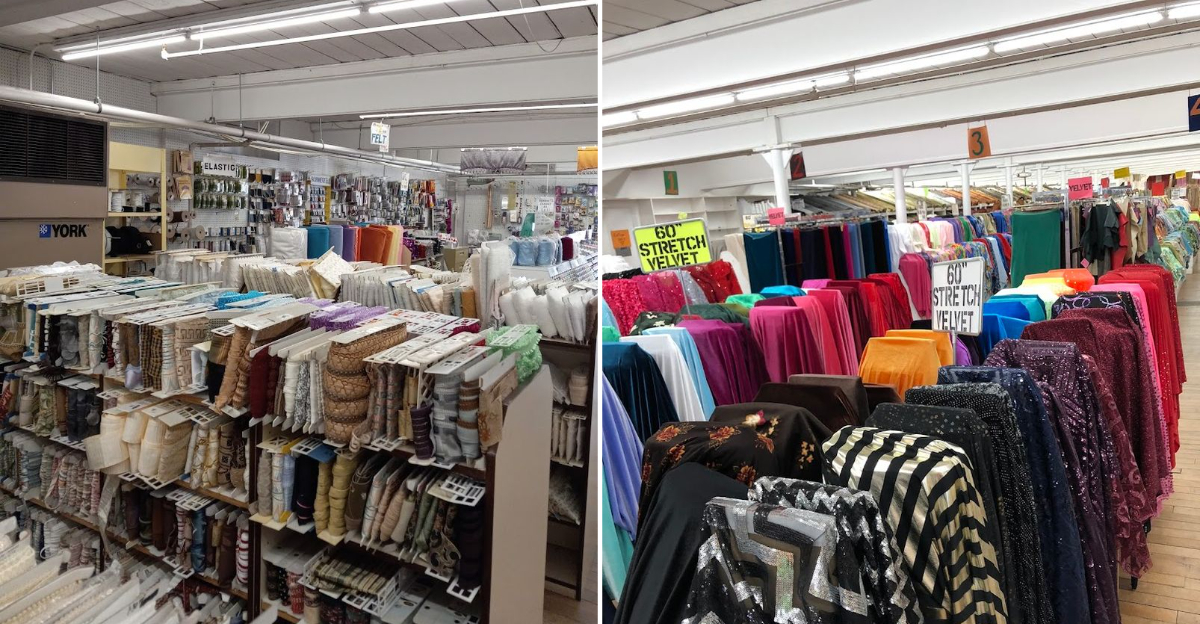
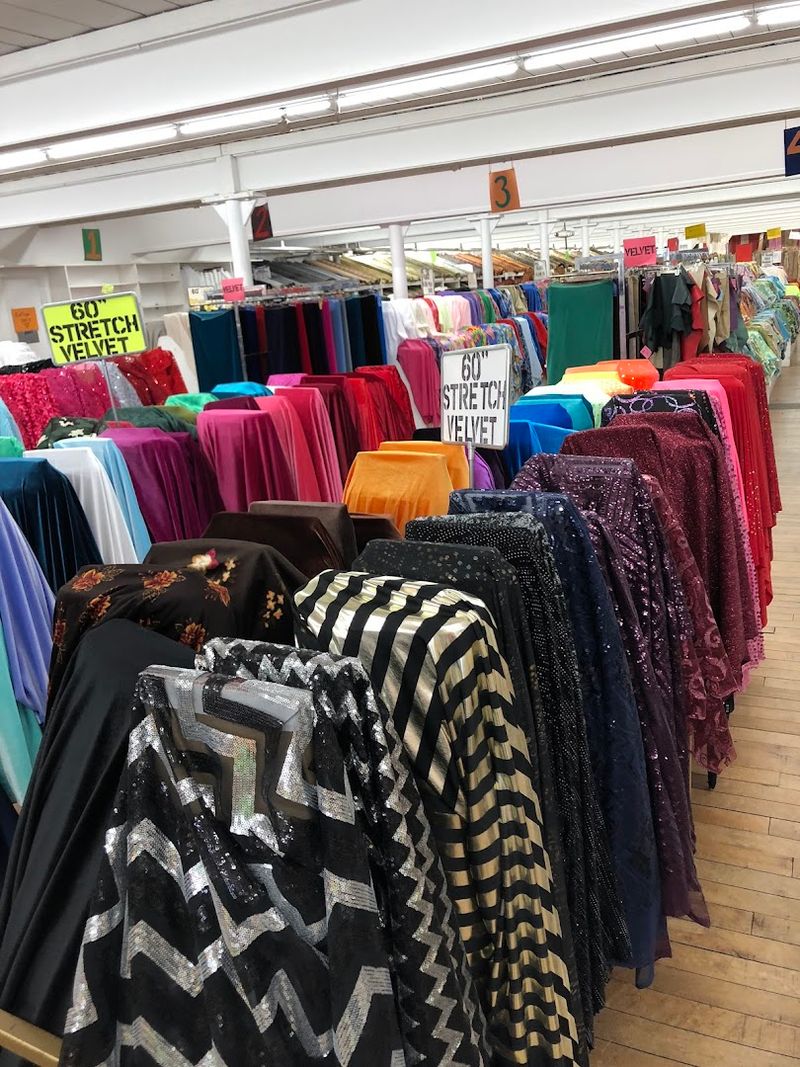
This state has always carried a creative identity, and this fabric store feeds directly into that tradition in the best way. Floor-to-ceiling shelves, stacked bolts, and a wide selection of fabrics in every style, weight, and texture.
Quilters, seamstresses, costume designers, and hobbyists all find what they need here without having to look very hard. The variety is genuinely overwhelming in the most satisfying way.
Every visit surfaces something that was not noticed the last time. Independent fabric stores with this kind of depth have become increasingly rare, which makes finding one this well-stocked feel like a real discovery.
Rhode Island may be the smallest state in the country, but this store fits more creative possibilities into its square footage than most places three times its size.
History Of Fabric Production In Rhode Island
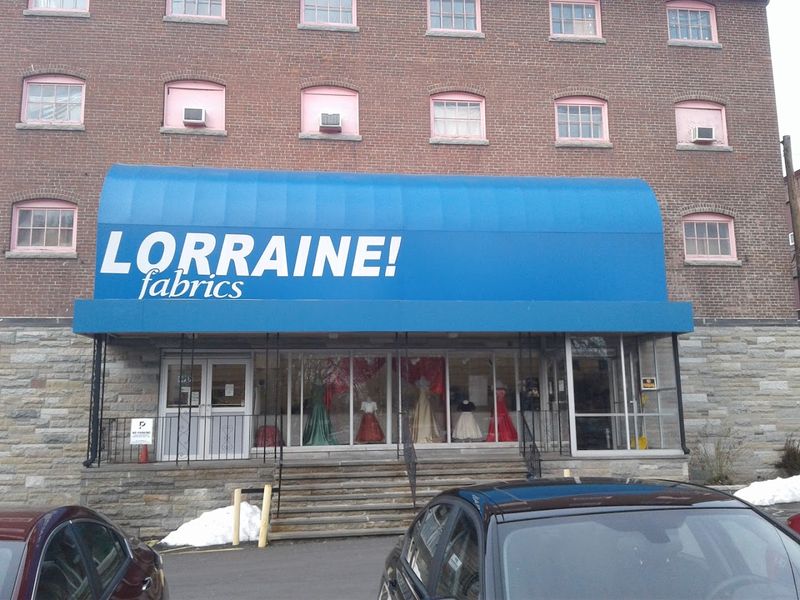
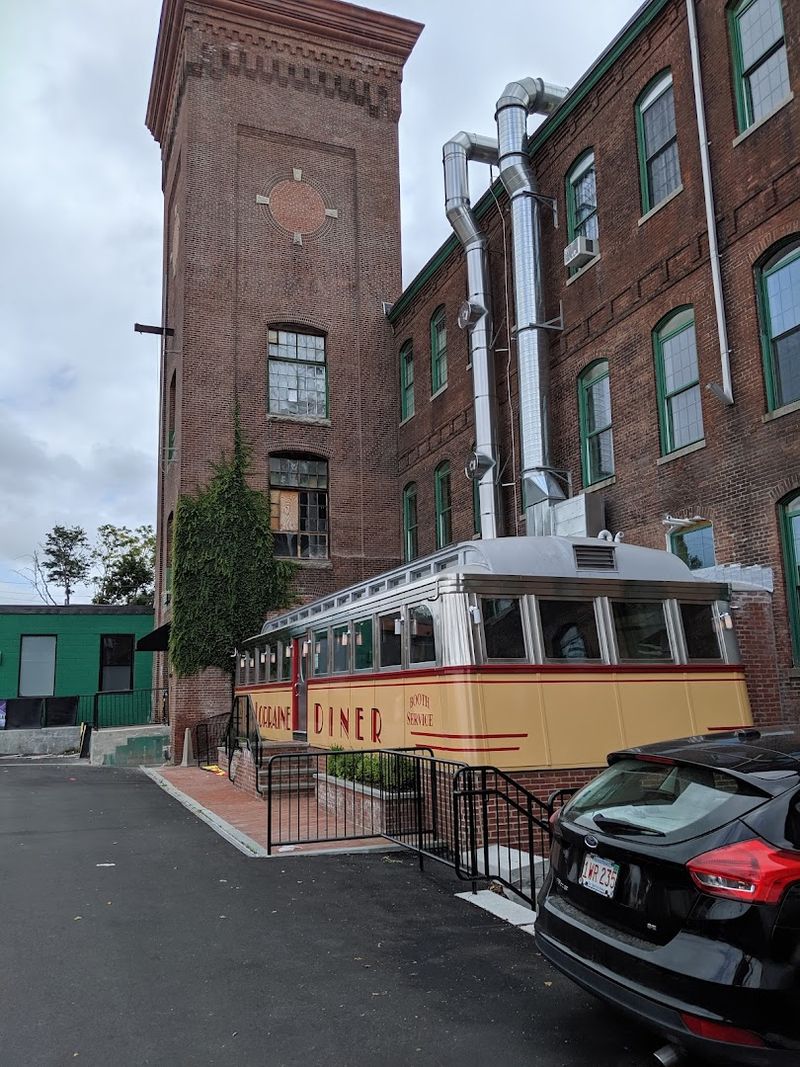
Rhode Island’s textile history runs deep, and Lorraine Fabrics sits right at the center of it. The store traces its roots back to the late 1800s as Lorraine Manufacturing Co.
It was a fine-quality wool manufacturer that helped shape the region’s industrial identity.
Pawtucket itself was a powerhouse of American textile production. Mills lined the rivers, and workers filled those brick buildings with the hum of looms.
That energy never really left. It just transformed into something new.
By 1908, Lorraine Fabrics had established itself as a retail institution. The manufacturing side was eventually sold off in 1953, but the retail operation kept going strong.
Today, the same brick building that once buzzed with industrial production now holds 21,000 square feet of retail space plus 18,000 more square feet of back stock.
That history is not just background noise. It is baked into the walls, the layout, and the sheer volume of what this store carries.
Walking through it feels like a nod to every seamstress and designer who came before. You can find the store at 593 Mineral Spring Ave, Pawtucket, RI 02860.
Varieties Of Textiles Available For Creative Projects
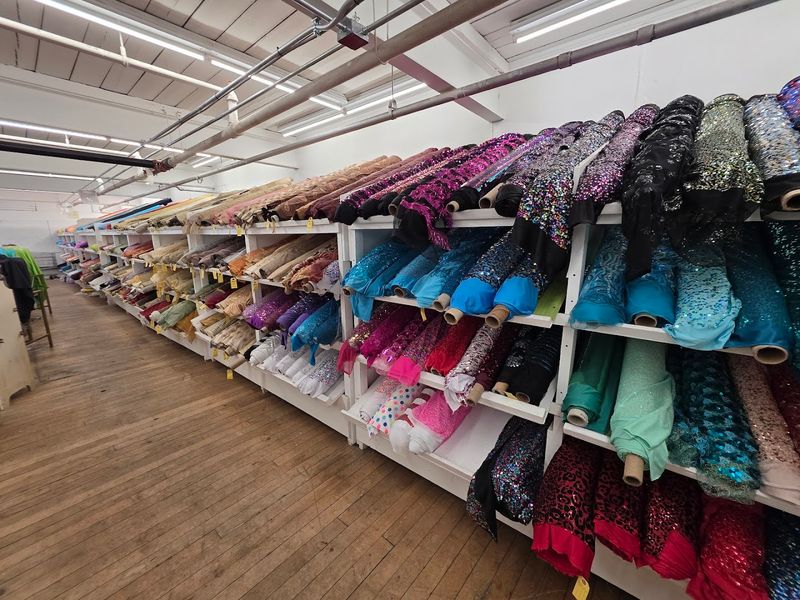
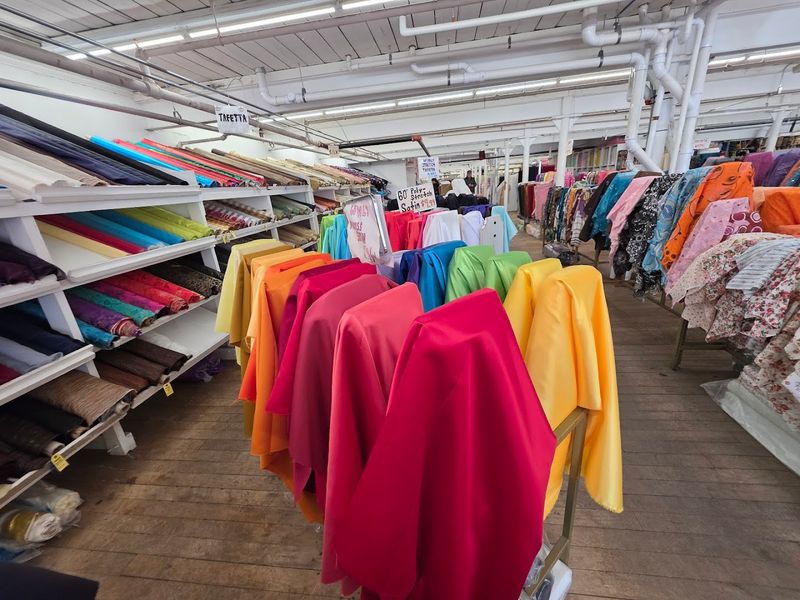
Calling Lorraine Fabrics well-stocked is an understatement. The selection covers apparel fabrics like heavy wool, delicate linen, and silk.
There are also upholstery materials, home decor options, and outdoor weatherproof fabrics that hold up in all conditions.
West African prints are a standout. They arrive in bold, geometric patterns that are genuinely hard to find elsewhere in New England.
Fine lace and beaded chiffon sit nearby, offering a completely different creative direction.
Leather hides and remnants get their own section. Bins overflow with scraps sold by the pound, and full pieces hang on racks priced individually.
You can dig through colors, weights, and textures on the spot. It is hands-on shopping at its best.
Quilting cottons come in at prices that make you do a double-take. The kind of deal that keeps people coming back from places as far as Cape Cod.
The bargain loft upstairs sweetens the deal even further. Whether you are building a wardrobe, reupholstering furniture, or crafting a quilt, the variety here covers every creative project imaginable without breaking your budget.
Techniques For Choosing The Right Fabric For Art
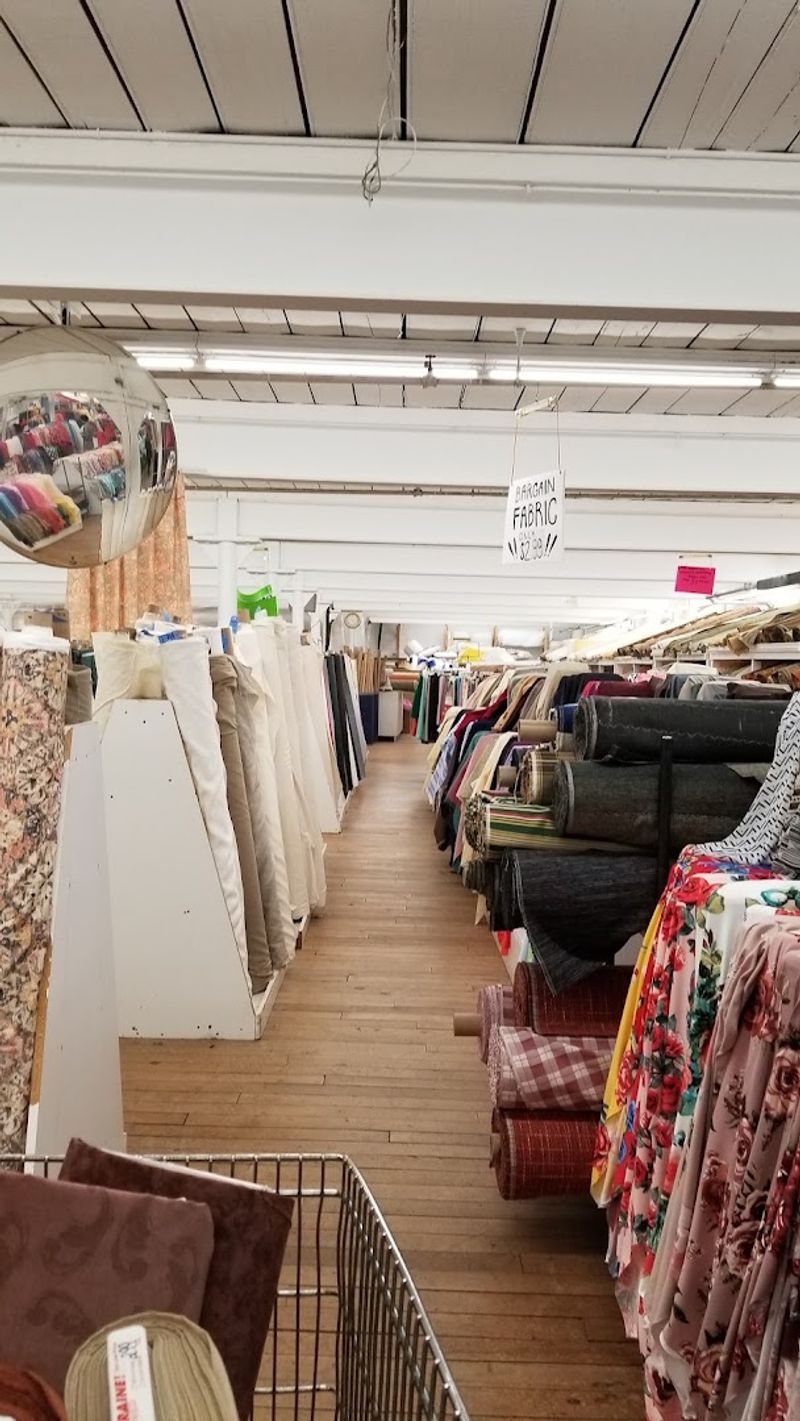
Choosing fabric is not just about color. Weight, weave, and stretch all matter depending on what you are making.
A skirt needs something different from a cushion cover, and knowing the difference saves a lot of frustration later.
Start by thinking about the end use. Outdoor projects need weatherproof or treated materials.
Structured garments need stiffer weaves like canvas or heavy linen. Flowy pieces call for silk, rayon, or soft jersey.
At a store like Lorraine Fabrics, you can actually feel each option before committing.
Touch the fabric. Scrunch it in your hand.
Let it fall. Does it drape the way you want?
Does it bounce back or stay wrinkled? These physical tests tell you more than any label ever could.
Lighting in the store matters too. Colors can shift dramatically between fluorescent store light and natural daylight.
If possible, carry a swatch to a window or doorway before buying. Budget also plays a role in the decision.
The bargain loft at Lorraine Fabrics is a smart place to experiment with new fabric types without risking too much money. Trying an unfamiliar material on a small project first builds confidence before you commit to a larger, more ambitious creation.
Inspiration From Traditional And Modern Patterns
Pattern mixing is one of the most exciting parts of working with fabric. Lorraine Fabrics carries both traditional and contemporary designs, which makes the creative possibilities feel almost endless.
Classic plaids and stripes sit alongside bold modern geometrics and painterly florals.
West African prints deserve special attention here. These fabrics carry cultural weight and visual energy that transform any project.
Pair them with a neutral linen or a soft cotton, and the contrast creates something genuinely striking. That combination of old-world tradition and fresh design sensibility is hard to find in one place.
Modern patterns at Lorraine Fabrics lean toward the unexpected. There are prints with graphic shapes, unusual color combinations, and textures that photograph beautifully.
If you are designing for a performance, a photo shoot, or a fashion project, those options open up a lot of creative doors.
Traditional patterns carry their own charm. Houndstooth, herringbone, and classic floral prints never go out of style.
They work for home decor just as well as they do for clothing. Mixing a traditional base with a modern accent fabric is a technique that designers use constantly.
The variety at this store makes that kind of experimentation easy and affordable. Inspiration tends to hit fast when you are surrounded by this many options all at once.
Impact Of Local Culture On Fabric Designs
Pawtucket has always been a city shaped by waves of immigration and cultural exchange. That diversity shows up directly in what Lorraine Fabrics stocks.
The store carries fabrics that reflect a wide range of cultural traditions, from West African prints to fine European laces and wools.
Rhode Island School of Design students regularly shop here. Their presence keeps the inventory fresh and culturally attuned.
Local theaters and restaurants also source materials from this store, which means the fabrics end up in costumes, sets, and interior design projects all across the region.
That community connection shapes what gets ordered and what stays on the shelves. When a local cultural festival needs specific prints or a theater production requires period-accurate textiles, Lorraine Fabrics often has exactly what is needed.
That responsiveness to local creative demand is part of what makes the store feel alive.
Culture influences color choices, too. Certain communities have strong preferences for specific palettes and patterns.
A store that serves such a wide and varied clientele naturally ends up carrying a broader, more globally influenced inventory. That breadth is one of the biggest reasons creative professionals in Rhode Island keep coming back.
The store reflects the community around it, and that makes shopping there feel connected to something larger than just a single purchase.
Sustainable Fabric Options And Their Benefits
Sustainable fabric choices are becoming more important for a lot of creative people. Natural fibers like linen, wool, and cotton are biodegradable and have a lower environmental footprint than many synthetic alternatives.
Lorraine Fabrics carries all three in a generous variety.
Linen is a standout sustainable option. It comes from the flax plant, requires less water than cotton to grow, and gets softer with every wash.
It works beautifully for clothing, home goods, and art projects. The fact that it is also incredibly durable makes it a smart long-term investment.
Wool is another natural winner. It regulates temperature, resists odors naturally, and lasts for decades when cared for properly.
Heavy wool at Lorraine Fabrics is priced competitively, which makes it accessible for projects that might otherwise be out of budget. That price point matters when sustainability and affordability need to coexist.
Buying fabric locally also reduces the carbon footprint of your creative projects. Shipping materials across the country adds up environmentally.
Supporting a store that has been part of the community since 1908 means your purchase stays local and meaningful. Using remnants and scraps, like the leather pieces sold by the pound here, is another form of sustainability.
Repurposing materials that would otherwise go to waste is one of the most practical and creative forms of eco-conscious making available today.
Tools And Supplies Essential For Textile Arts
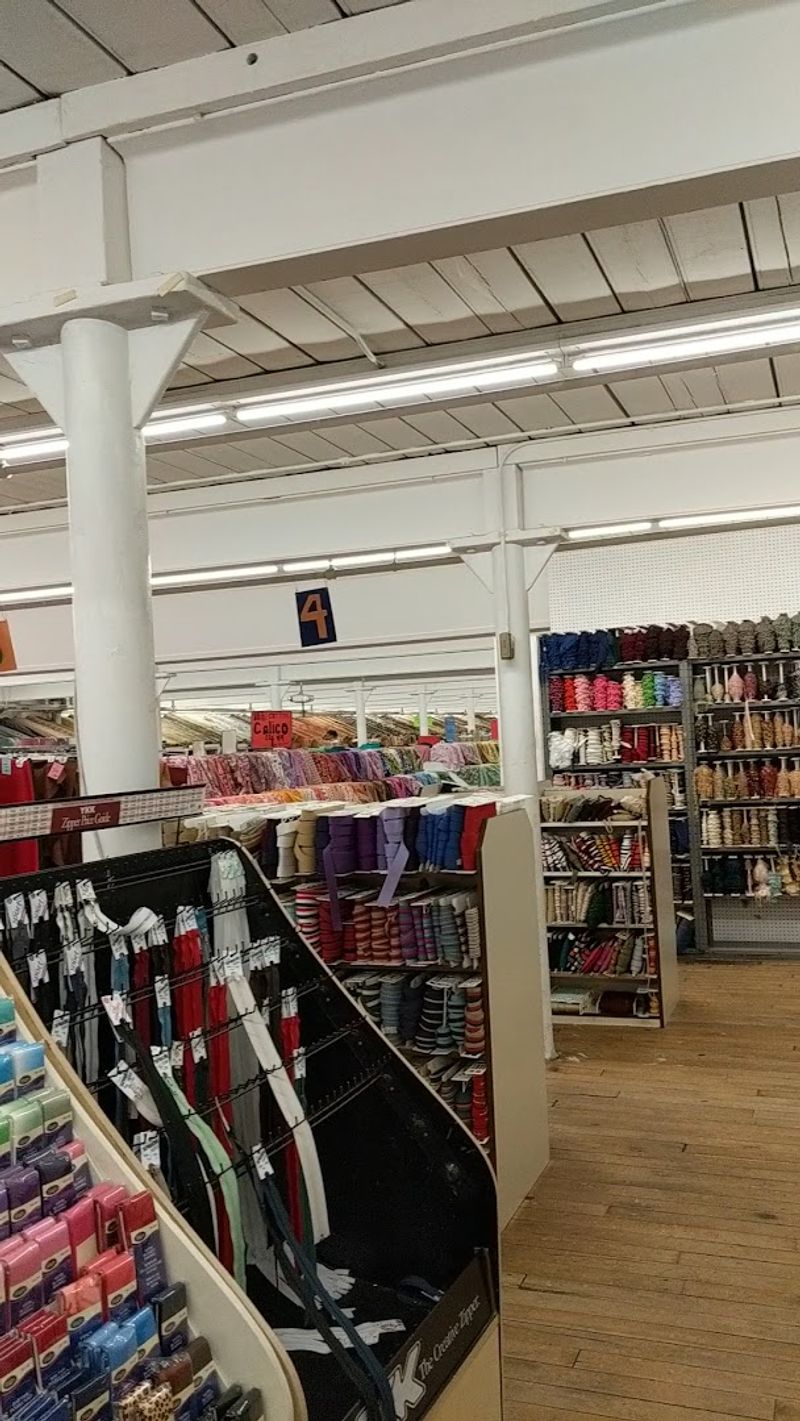
Having the right tools makes every sewing or textile project run more smoothly. Lorraine Fabrics stocks a solid selection of notions alongside its massive fabric inventory.
Sewing machine needles, thread in dozens of colors, scissors, zippers, and buttons are all available in one trip.
Thread selection here is genuinely impressive. The variety rivals what you would find at a major chain craft store, which is saying something for an independent local shop.
Having a matching thread available on the same visit as your fabric saves a separate errand and keeps your project moving forward.
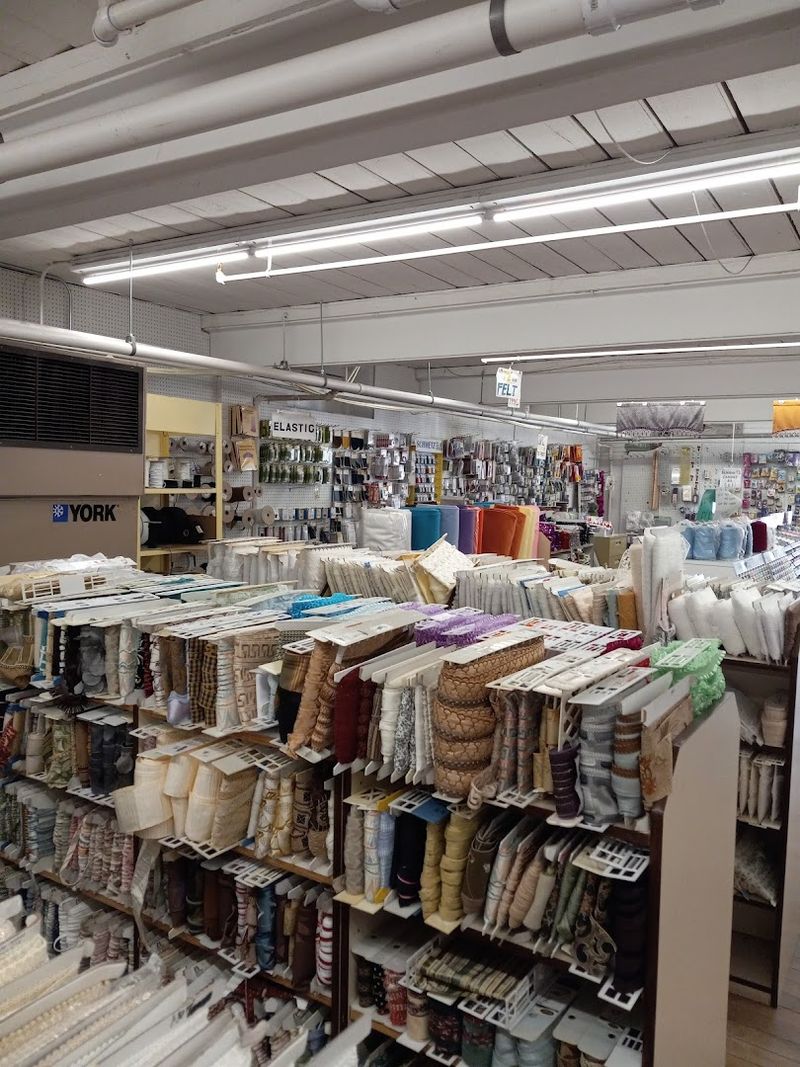
Trims and tassels add finishing details that elevate a project from basic to polished. Lorraine Fabrics carries a range of decorative trims that work for clothing, upholstery, and home decor alike.
These small details make a big visual difference in the final result.
Good scissors are non-negotiable for any serious textile work. Fabric shears need to be sharp and dedicated to fabric only.
Using them on paper dulls the blade fast. Beyond scissors, a quality seam ripper, measuring tape, and fabric chalk round out the essentials.
Pins and pincushions seem minor, but they matter on a long project. Lorraine Fabrics covers all of these basics, which means you can stock up on supplies and fabric in a single visit without hunting across multiple stores.
That convenience is a genuine time-saver for busy creative people.
Tips For Maintaining And Caring For Fabric Creations
Caring for your finished fabric creations keeps them looking great for years. The first rule is always checking the fiber content before washing.
Wool shrinks in hot water. Silk can pucker.
Cotton handles heat well but may fade over time with harsh detergents.
Hand washing is the safest option for delicate or mixed-fiber pieces. Use cool water and a gentle soap.
Skip the wringing and instead press the water out gently before laying the item flat to dry. That single habit extends the life of a garment or textile piece significantly.
Storing fabric creations properly matters just as much as washing them correctly. Fold items loosely to avoid permanent crease lines.
Store them away from direct sunlight, which causes fading even on high-quality dyes. Cedar blocks help deter moths naturally without the harsh chemical smell of mothballs.
Leather pieces, like those found in the bins at Lorraine Fabrics, need their own care routine. A light conditioning treatment every few months prevents cracking and keeps the material supple.
Avoid storing leather in plastic, which traps moisture and encourages mildew. For quilts and large textile pieces, rolling rather than folding reduces stress on seams and helps the piece hold its shape over time.
Proper care is not complicated, but it does require consistency. The time you invest in maintaining your creations reflects the care you put into making them.