
11 Dreamy Vermont Towns Perfect For A Slow-Paced Life

Vermont has a way of slowing time down, and honestly, that’s exactly what makes it so special. Picture rolling hills dotted with covered bridges, main streets lined with locally owned shops, and neighbors who actually wave hello from their front porches.
If you’ve been craving a life where you can breathe a little deeper and move a little slower, these eleven Vermont towns might just steal your heart. Each one brings its own flavor of charm, but they all share that irresistible small-town magic that makes you want to stay awhile.
1. Woodstock
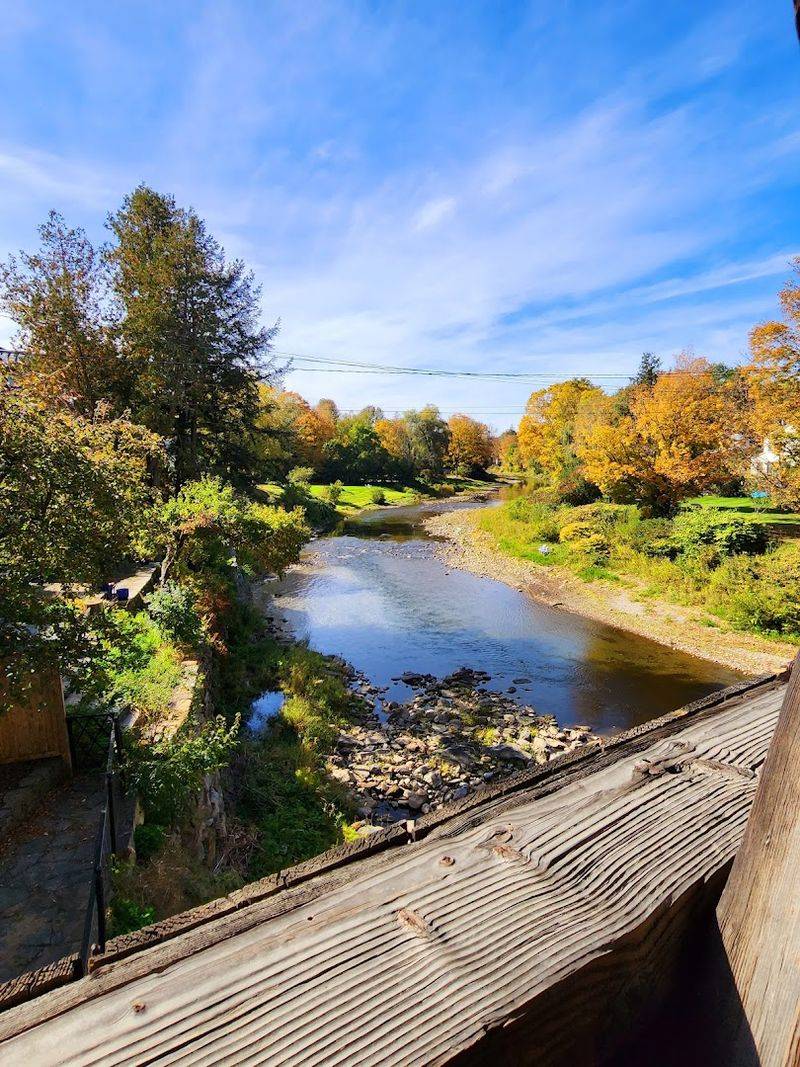
Woodstock feels like someone designed the perfect postcard and then decided to let people actually live there. The village green sits right in the heart of everything, surrounded by beautifully preserved 18th and 19th-century homes that look like they’ve been plucked straight from a history book.
You’ll find four covered bridges within town limits, and each one seems more photogenic than the last.
Walking down Central Street, you’ll pass art galleries, bookshops, and cozy cafes where locals gather for morning coffee and genuine conversation. The Billings Farm & Museum offers a glimpse into Vermont’s agricultural heritage, and kids absolutely love meeting the Jersey cows and draft horses.
Summers bring farmers markets overflowing with fresh produce, while autumn transforms the surrounding hills into a spectacular display of reds and golds.
What really sets Woodstock apart is how it balances tourism with authentic community life. Sure, visitors come through regularly, but this town has never lost its soul.
People here take pride in their local businesses, support their neighbors, and maintain traditions that go back generations. The pace is unhurried, the scenery is breathtaking, and the sense of belonging is real.
2. Stowe
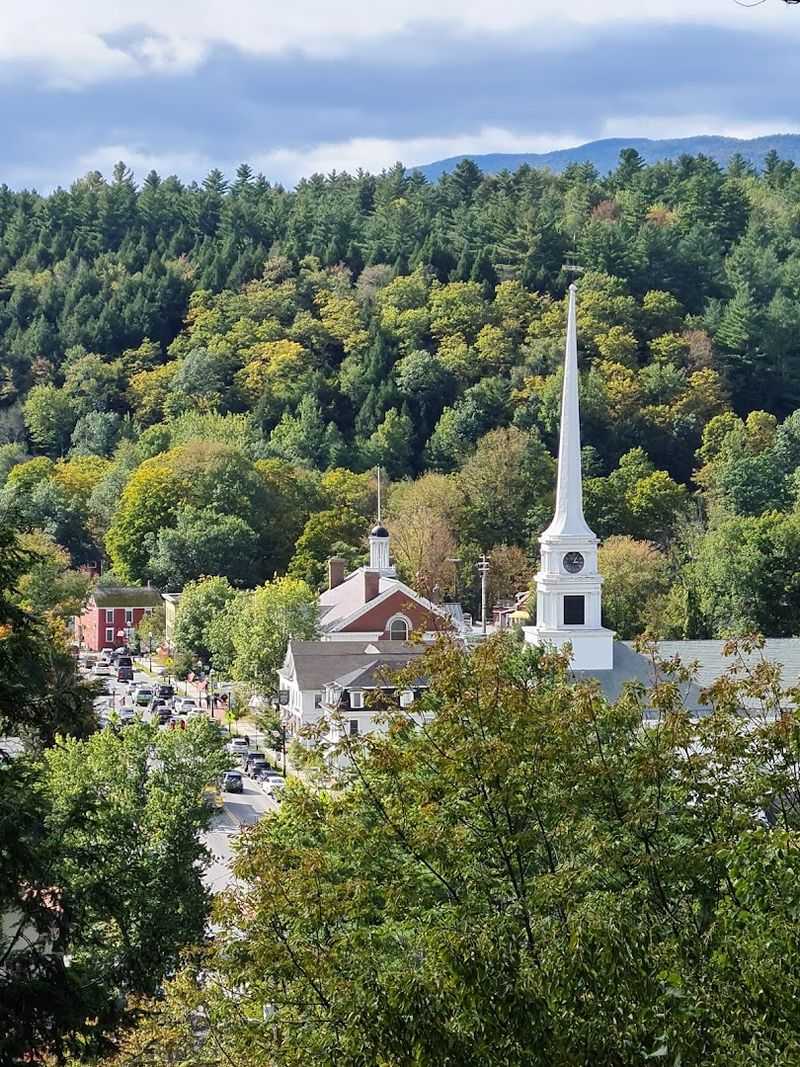
Mount Mansfield towers over Stowe like a protective guardian, and that mountain defines so much of what makes this town special. But Stowe isn’t just about skiing, though the winter sports scene here is legendary.
Come summer, the famous Recreation Path becomes the town’s social hub, winding 5.3 miles through meadows and alongside the West Branch River.
Downtown Stowe maintains that classic Vermont vibe with independently owned restaurants, craft breweries, and shops selling everything from handmade pottery to locally produced maple syrup. The community calendar stays packed year-round with concerts, art shows, and seasonal festivals that bring everyone together.
You’ll notice how people here genuinely enjoy outdoor living, and that enthusiasm is contagious.
Real estate prices reflect Stowe’s popularity, but many residents will tell you the investment pays off in quality of life. The school system earns consistently high marks, and the town offers amenities you wouldn’t expect in a population of around 5,000.
Morning fog rolling through the valley, neighbors skiing together on weekday afternoons, and sunset views that never get old. Stowe gives you mountain living without sacrificing convenience or community connection.
3. Manchester
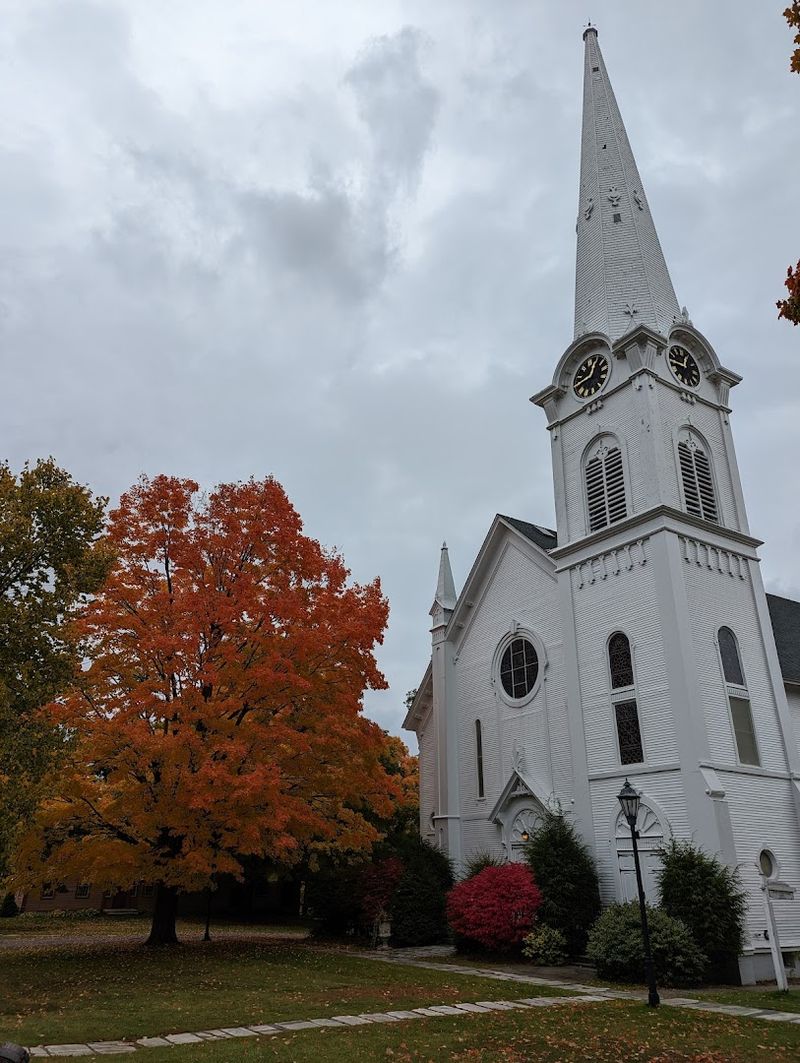
Manchester somehow manages to feel both upscale and unpretentious, which is a rare combination. The marble sidewalks downtown hint at the town’s prosperous past, while the surrounding mountains remind you that nature is never far away.
The Battenkill River runs through the area, attracting fly fishermen who consider these waters some of the best in the Northeast.
Shopping here goes beyond typical small-town offerings, with designer outlets mixed among local boutiques and antique stores. But don’t let the fancy shops fool you into thinking Manchester has lost its authenticity.
Head to the farmers market on Friday afternoons, and you’ll find genuine community spirit alongside organic vegetables and homemade baked goods. The American Museum of Fly Fishing celebrates a pastime that locals take seriously.
Hildene, Robert Todd Lincoln’s former estate, sits just outside town and offers tours through beautifully preserved grounds and gardens. The Equinox Preservation Trust maintains miles of hiking trails that range from easy walks to challenging climbs.
Manchester attracts visitors with its cultural offerings and natural beauty, but residents stay because the town delivers on its promise of gracious living. You can enjoy sophisticated amenities while still experiencing the slower pace that makes Vermont so appealing.
4. Dorset
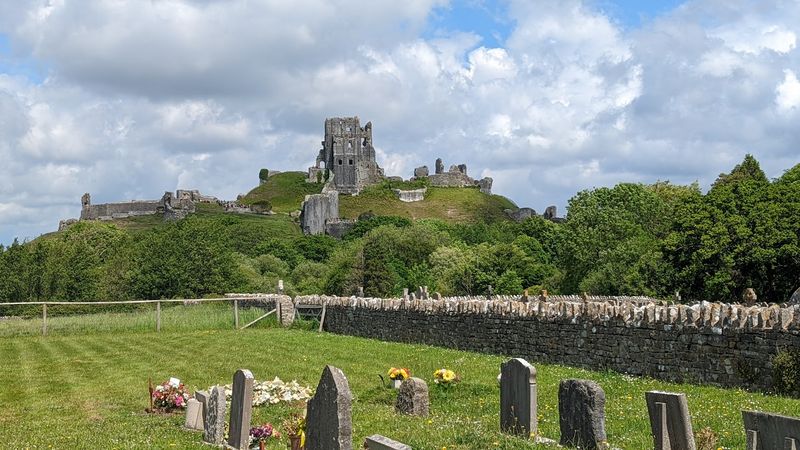
Population 2,000 might sound small, but Dorset proves that good things come in tiny packages. This town claims the distinction of hosting Vermont’s first marble quarry, and that abandoned quarry now serves as one of the most beautiful swimming holes you’ll ever see.
Crystal-clear water fills the deep pit, and locals gather there on hot summer days for swimming and cliff jumping.
Dorset Green anchors the village center, surrounded by elegant colonial homes and the Dorset Inn, which has been welcoming guests since 1796. The Dorset Playhouse brings professional theater to this small community, offering productions that rival anything you’d find in much larger towns.
Art galleries showcase work by local and regional artists, and the quality consistently impresses visitors and residents alike.
What makes Dorset truly special is how it has resisted the urge to overdevelop. There are no chain stores, no traffic lights, and no rush hour.
People know their neighbors, support local businesses, and participate in town meetings where every voice matters. The surrounding countryside offers endless opportunities for hiking, biking, and simply enjoying Vermont’s natural beauty.
Life here moves at exactly the pace it should, which is to say, slowly and intentionally.
5. Waitsfield
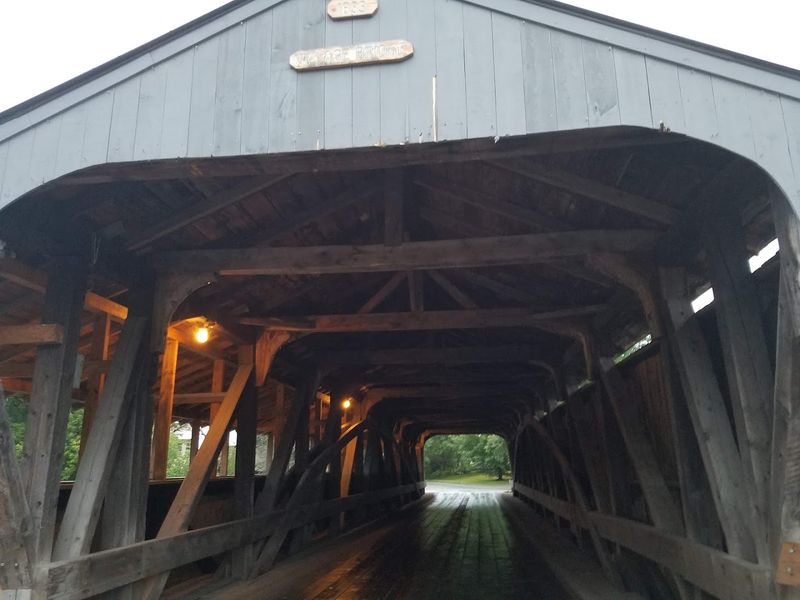
The Mad River Valley cradles Waitsfield in spectacular fashion, with mountains rising on both sides and the Mad River itself running right through town. Sugarbush and Mad River Glen ski areas bring winter sports enthusiasts, but summer might actually be the best season here.
The valley floor fills with working farms, and you can buy vegetables directly from the people who grew them.
Waitsfield Village Historic District preserves the town’s 19th-century character, with several covered bridges adding to the timeless atmosphere. The Waitsfield Farmers Market operates year-round, moving indoors during winter months, and it’s become a genuine community gathering place.
Local restaurants emphasize farm-to-table dining, and many chefs personally know the farmers supplying their ingredients.
Outdoor recreation opportunities are practically limitless here. The Mad River Path offers miles of walking and biking trails, while nearby mountains provide hiking in warmer months and skiing when snow falls.
What really defines Waitsfield, though, is the strong sense of community that residents have carefully cultivated. Town events draw impressive participation, local businesses support each other, and newcomers find themselves welcomed into the fold.
The pace is relaxed, the scenery is stunning, and the lifestyle emphasizes quality over quantity in every aspect.
6. Chester
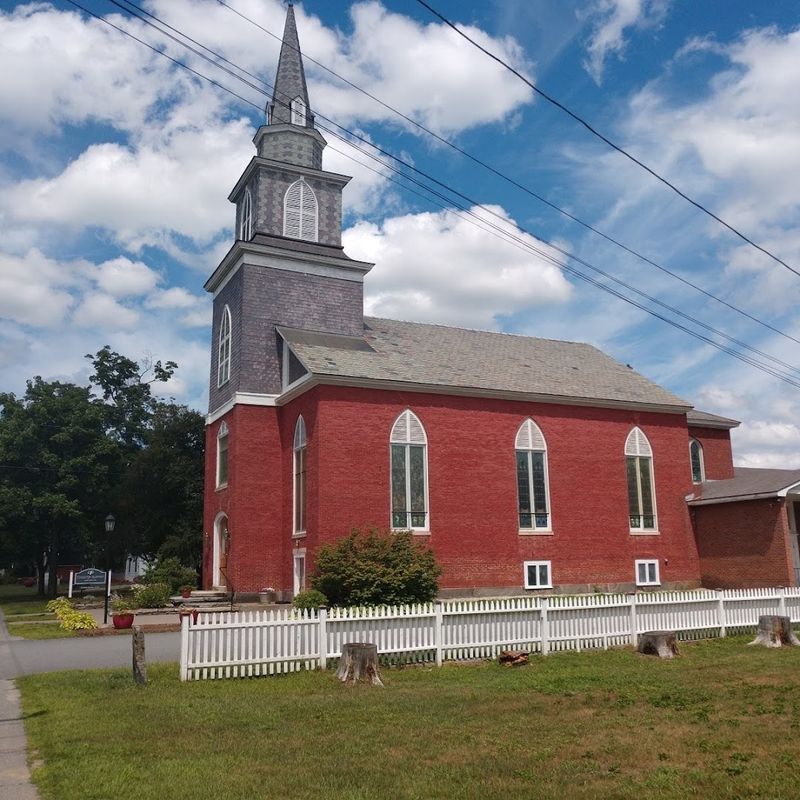
Chester actually contains two distinct village centers, which gives this town an interesting dual personality. Chester Village features classic Vermont architecture and a pleasant town green, while Stone Village showcases unique houses built from locally quarried gneiss in the 1830s and 1840s.
Those stone buildings create an atmosphere unlike anywhere else in Vermont, almost medieval in their solid, enduring presence.
The Green Mountain Flyer scenic railroad runs through Chester, offering vintage train rides that attract families and railroad enthusiasts. Downtown shops include several excellent antique stores, art galleries, and the wonderful Misty Valley Books, which has survived and thrived while many independent bookstores have closed.
The town maintains an active arts community, with regular exhibitions and performances throughout the year.
Chester’s location provides easy access to outdoor recreation without the crowds you’ll find in more famous Vermont destinations. Okemo Mountain is close by for skiing, while summer brings opportunities for hiking, fishing, and exploring back roads that wind through pristine countryside.
Housing costs remain relatively affordable compared to trendier Vermont towns, which attracts young families and retirees alike. The community is welcoming, the schools are solid, and the overall vibe is peaceful without being boring.
Chester delivers authentic small-town Vermont living without any pretense.
7. Shelburne
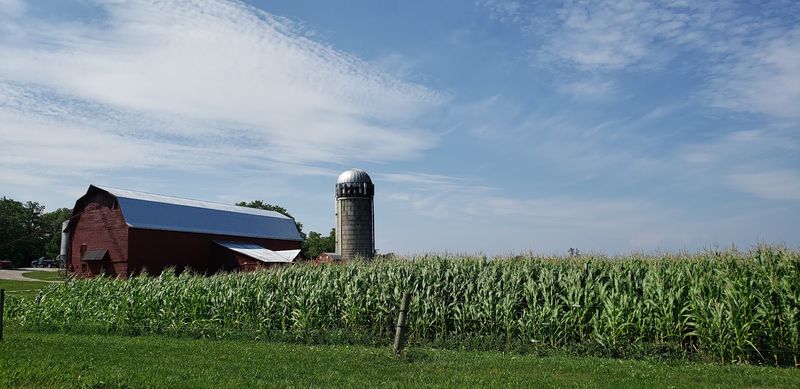
Sitting along Lake Champlain’s eastern shore, Shelburne offers water views that rival coastal towns while maintaining that essential Vermont character. Shelburne Farms, a 1,400-acre working farm and National Historic Landmark, dominates the landscape with its stunning red barns and rolling pastures.
You can tour the property, buy their award-winning cheddar cheese, and watch traditional farming practices that have been refined over generations.
The Shelburne Museum deserves its reputation as one of New England’s finest museums, with 39 buildings housing an eclectic collection of art, Americana, and historical artifacts. A full day barely scratches the surface of what you can see there.
Downtown Shelburne keeps things low-key, with local businesses serving residents rather than catering primarily to tourists.
Lake access provides recreational opportunities that set Shelburne apart from landlocked Vermont towns. Boating, fishing, and waterfront walks become part of daily life during warmer months, while winter brings cross-country skiing and ice fishing.
The town attracts people who want proximity to Burlington’s amenities while maintaining a quieter, more residential atmosphere. Property values reflect Shelburne’s desirability, but residents consistently say the location and lifestyle justify the investment.
Community spirit runs strong here, with active participation in local events and genuine neighborly connections that make this more than just a pretty place to live.
8. Grafton
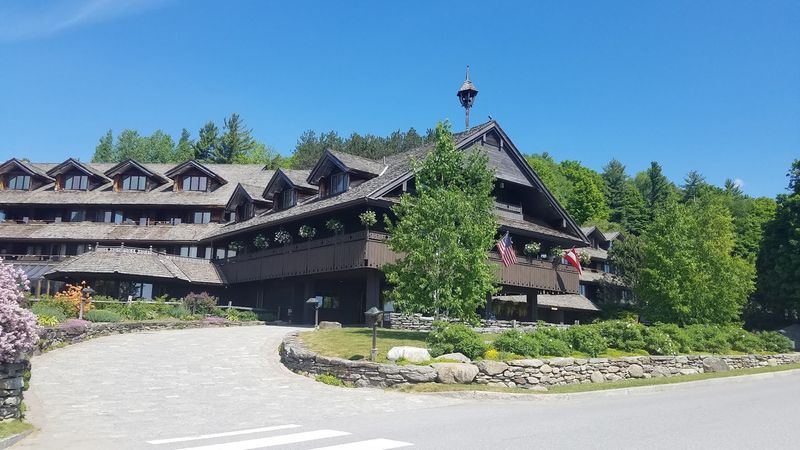
Step into Grafton, and you’ll feel like you’ve traveled back to the 1800s. This isn’t accidental—the Windham Foundation has spent decades carefully preserving and restoring this village to its 19th-century glory.
The result is a living museum where people actually live, work, and raise families. White clapboard buildings line the streets, and there’s not a garish sign or modern eyesore in sight.
The Grafton Village Cheese Company produces some of Vermont’s finest cheddar, and you can watch the cheese-making process through viewing windows. Their retail shop offers samples, and once you taste their product, you’ll understand why it wins awards.
The Old Tavern at Grafton has been hosting guests since 1801, and it remains a centerpiece of village life. Walking trails and cross-country ski paths wind through the surrounding countryside.
Grafton’s preservation comes with trade-offs. Strict architectural guidelines mean you can’t just build or renovate however you want, and that level of control doesn’t appeal to everyone.
But for those who value historical authenticity and visual harmony, these restrictions are exactly what makes Grafton special. The pace here is deliberate, the community is tight-knit, and the setting is undeniably beautiful.
You won’t find many places that have maintained their character this successfully while remaining vibrant and livable.
9. Brattleboro
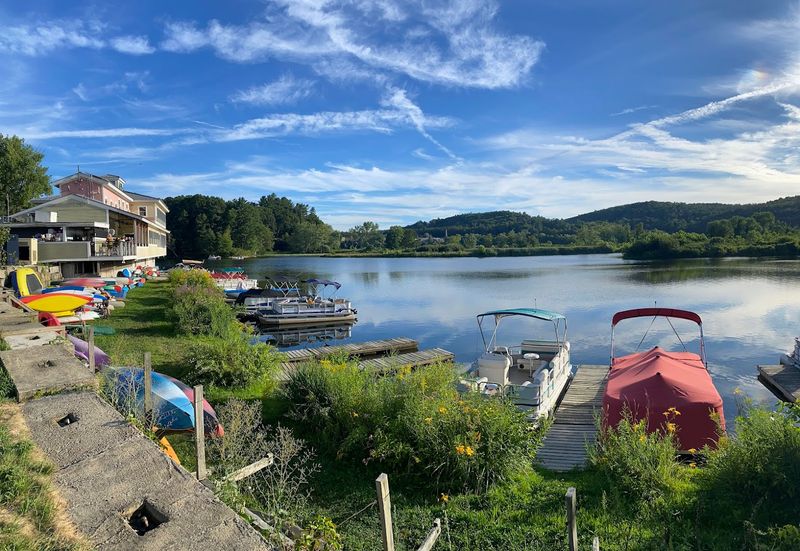
Brattleboro brings a slightly edgier, more bohemian energy to Vermont’s small-town scene. The arts community thrives here, with multiple galleries, the Brattleboro Museum & Art Center, and live music venues that book both local and touring acts.
You’ll notice the creative spirit immediately—murals decorate building walls, street performers appear on warm afternoons, and the downtown vibe feels genuinely eclectic.
The Connecticut River forms Brattleboro’s eastern border, providing a scenic backdrop and recreational opportunities. Main Street slopes upward from the river, lined with independent shops, restaurants serving diverse cuisines, and the Brattleboro Food Co-op, which has been community-owned since 1975.
The farmers market is legendary, drawing vendors and shoppers from throughout the region every Saturday morning.
With a population around 12,000, Brattleboro offers more services and amenities than tiny villages while maintaining a walkable, human-scale downtown. The school system gets high marks, and Brattleboro Memorial Hospital provides quality healthcare close to home.
Housing costs are reasonable compared to other desirable Vermont locations, which helps explain the town’s economic and age diversity. What really distinguishes Brattleboro is its progressive, inclusive atmosphere combined with genuine community engagement.
People here are politically active, culturally curious, and deeply committed to local sustainability. The pace is slower than city life but more energetic than Vermont’s quietest villages.
10. Middlebury
Middlebury College shapes this town’s identity, bringing intellectual energy and cultural programming that you wouldn’t typically find in a community of 9,000 people. The college hosts concerts, lectures, film screenings, and theatrical productions that are open to the public, effectively giving residents access to big-city cultural offerings.
But Middlebury is far from just a college town—it maintains its own distinct character and thriving local economy.
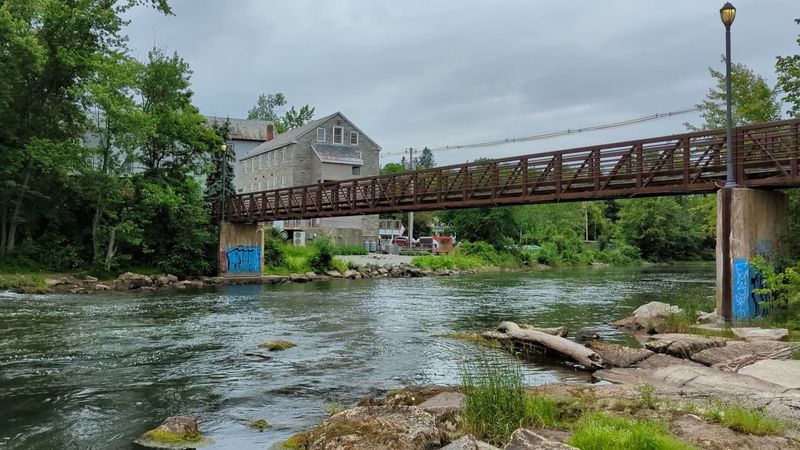
Otter Creek runs through downtown, and the falls provide both scenic beauty and a reminder of the town’s industrial past. The downtown area has been thoughtfully revitalized, with locally owned restaurants, shops, and the Middlebury Co-op Market serving as a community hub.
The Vermont Folklife Center preserves and shares the state’s cultural heritage through exhibitions and programs that connect past and present.
Outdoor enthusiasts appreciate Middlebury’s location between the Green Mountains and Lake Champlain, providing easy access to hiking, skiing, and water sports. The town maintains an extensive network of bike paths and recreational trails that get heavy use year-round.
What makes Middlebury special is how it balances small-town warmth with broader perspectives and opportunities. You can engage with ideas and culture while still knowing your neighbors and participating in a genuine community.
The pace allows for reflection and connection, and the setting inspires daily gratitude.
11. Montpelier
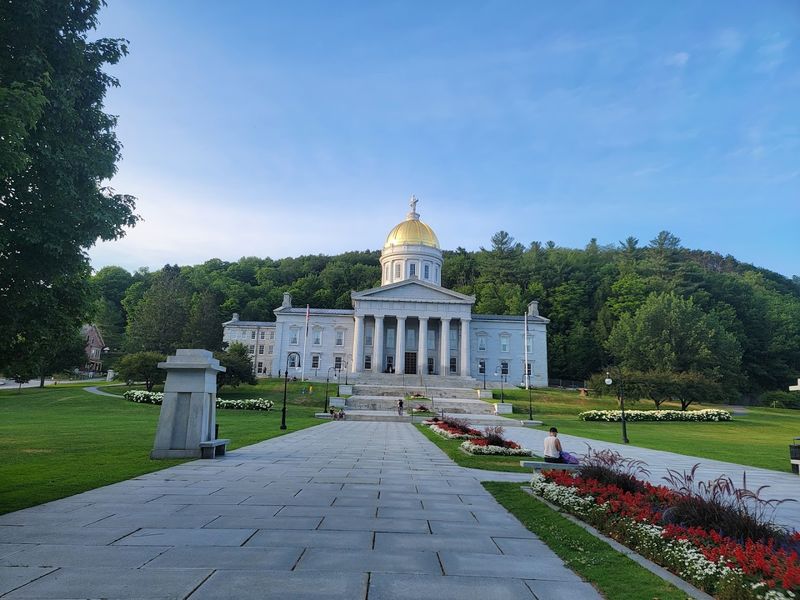
Being the smallest state capital in America gives Montpelier unique character. The golden-domed State House anchors downtown, but this feels nothing like a typical government town.
With only about 8,000 residents, Montpelier maintains an intimate, neighborhood atmosphere where you’ll regularly run into people you know. State Street and Main Street form the commercial heart, packed with independent businesses that reflect the community’s values and tastes.
The New England Culinary Institute established Montpelier’s reputation as a foodie destination, and that legacy continues with an impressive concentration of excellent restaurants. The Capitol Grounds farmers market operates year-round, and the Hunger Mountain Co-op serves as another gathering place for health-conscious shoppers.
Cultural offerings include the Lost Nation Theater, Savoy Theater showing independent films, and the T.W. Wood Gallery featuring regional artists.
The Winooski River flows through town, and the bike path along its banks provides a peaceful escape just steps from downtown. Hubbard Park’s 185 acres offer hiking trails and a stone observation tower with panoramic views.
What residents love most about Montpelier is how it combines small-town livability with capital city amenities and culture. You can walk everywhere, know your local shopkeepers personally, and still access services and opportunities that require driving in more rural areas.
The pace is humane, the community is engaged, and the setting is quintessentially Vermont.