
Each May, Horseshoe Crabs Still Come Ashore At This Quiet Virginia Bay Beach
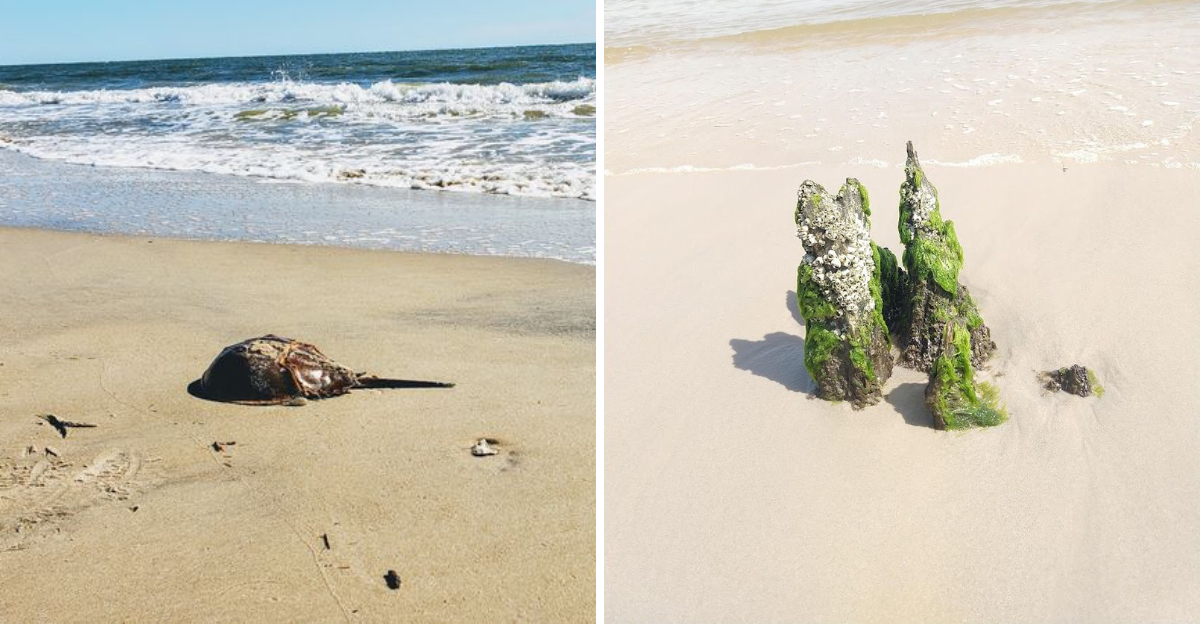
Something has crawled onto this same patch of Virginia shoreline for hundreds of millions of years, long before anyone thought to draw a map or name a state.
Each May, that ancient ritual returns to a quiet bay beach, and it happens almost without an audience. You could drive right past the turnoff and never guess what waits beyond it.
A narrow trail cuts through marsh grass and salty air, past herons frozen mid pose and osprey circling overhead. Birds gather here by the thousands, feasting on eggs left behind by creatures older than dinosaurs.
Few corners of Virginia feel this untouched or this alive. The details are worth chasing down before the tide turns and the moment slips away.
The Ancient Ritual That Starts Every May
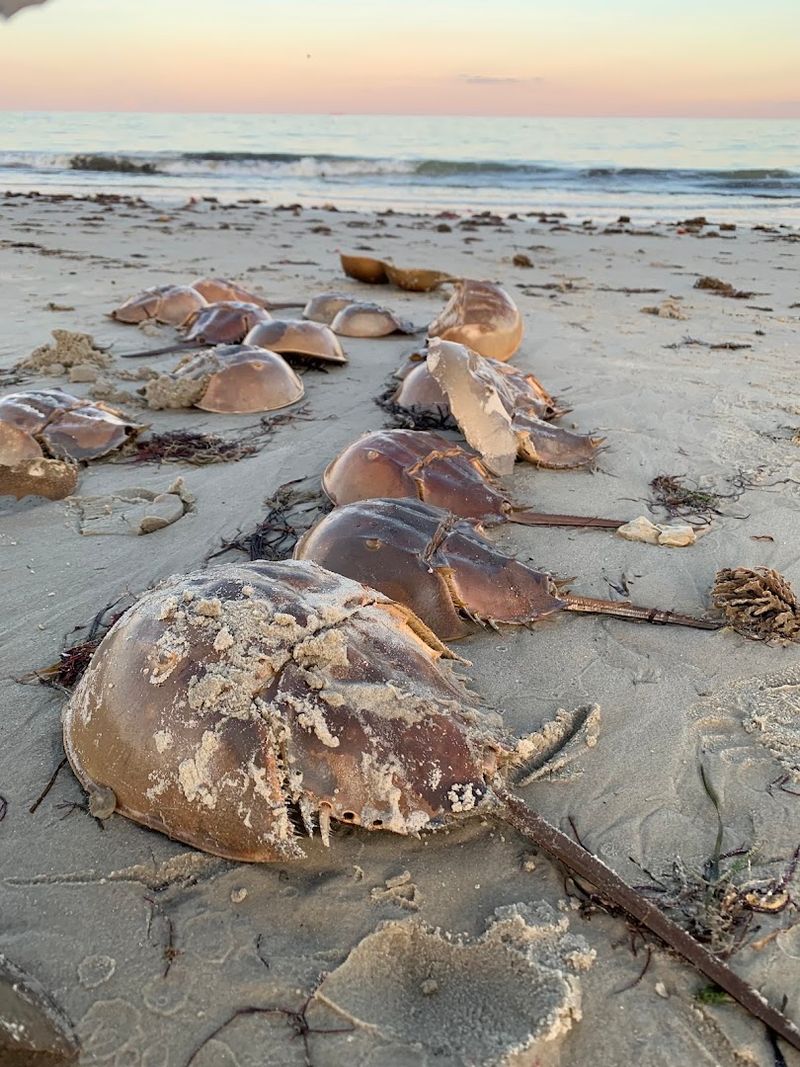
Long before humans built cities or drew maps, horseshoe crabs were already doing exactly this. Every May, they haul themselves out of the Chesapeake Bay and onto the beach at Grandview Nature Preserve, following tidal rhythms that have not changed in ages.
The females are the larger ones. They drag one or more smaller males behind them as they push into the wet sand to deposit clusters of tiny green eggs.
Those eggs are not just a biological event. They are a lifeline for migratory shorebirds refueling on their way to Arctic breeding grounds.
Peak spawning lines up with full and new moon high tides, especially in May and June. Visitors who time their visit right may find dozens of crabs moving slowly along the waterline.
If one is found flipped over, gently helping it right itself is both safe and encouraged. These creatures are living fossils, and watching them is genuinely humbling.
What Grandview Nature Preserve Actually Looks Like
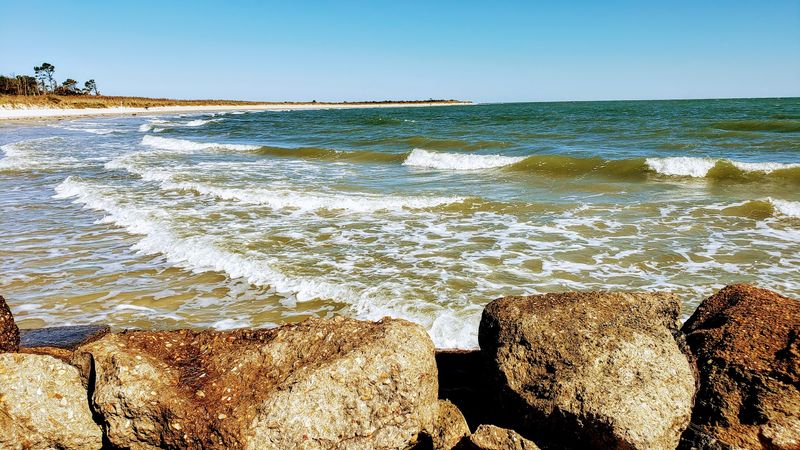
Picture a place where the city quietly disappears behind you. The gravel path from the parking area along State Park Dr, Hampton, VA 23664 winds through flat, open wetlands before delivering visitors to one of the most unpolished beaches on the Virginia coast.
The beach stretches for roughly two and a half miles. No concession stands, no lifeguard towers, no crowds fighting over the same patch of sand.
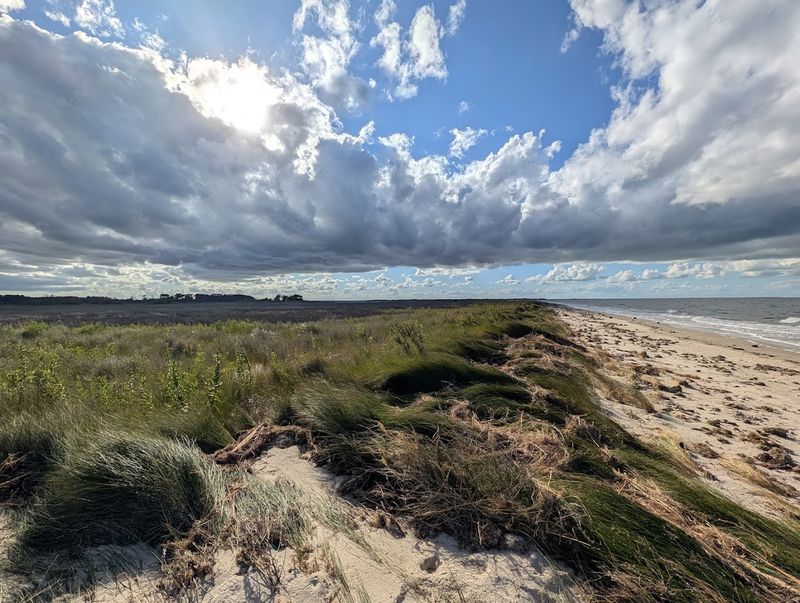
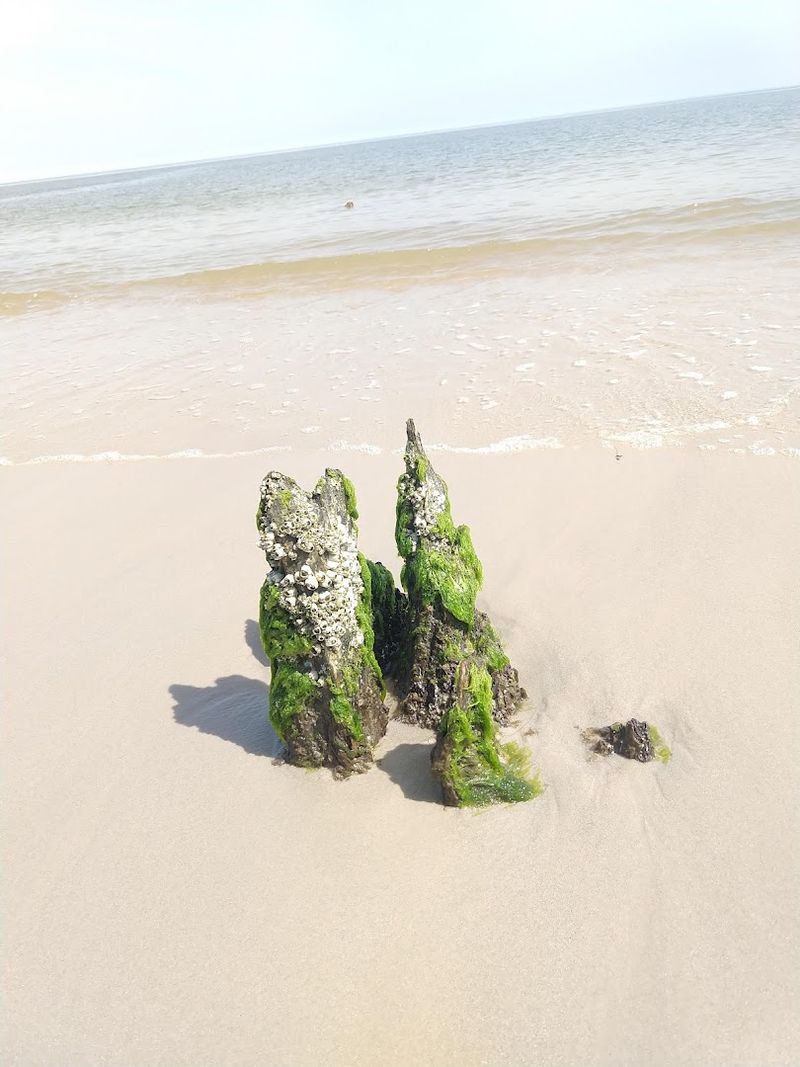
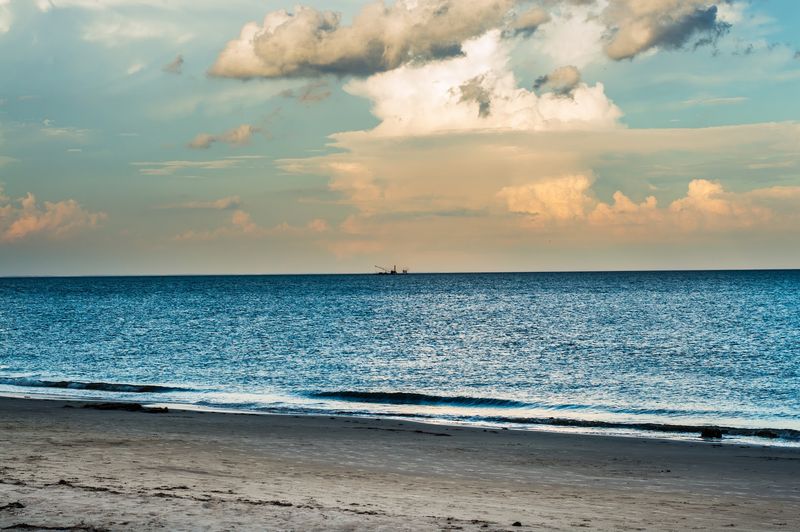
Just driftwood, shells, rock formations, and the steady rhythm of gentle Chesapeake Bay waves.
Salt marshes line the trail on both sides. Tidal creeks cut through the landscape in quiet, winding paths.
The whole preserve covers more than 475 acres, and most of it feels completely untouched. The sand is not groomed or raked.
Seaweed washes up and stays until the tide decides otherwise. For anyone tired of manicured tourist beaches, this stretch of Virginia coastline offers a refreshing and very real alternative.
The Walk In Is Half The Experience
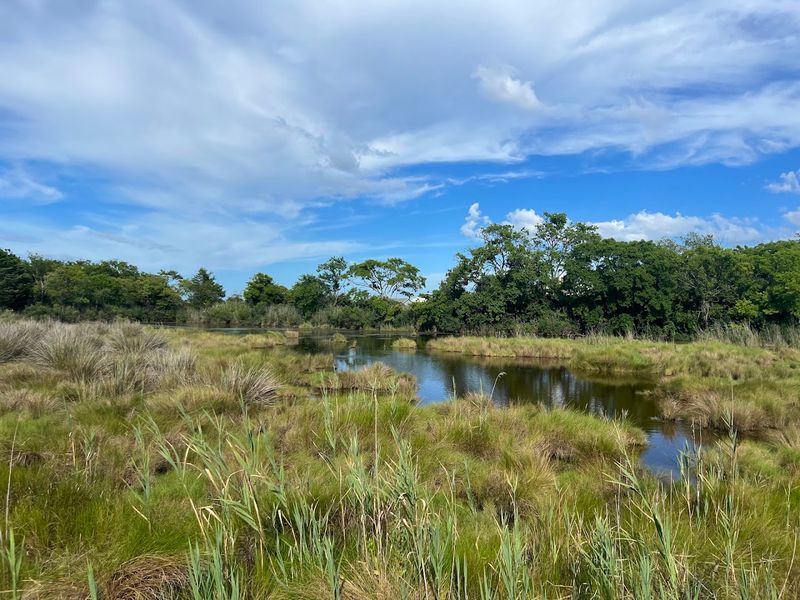
Most beaches start the moment you step off the parking lot. Grandview makes you earn it first, and that is entirely the point.
The trail from the road to the beach runs about a third to half a mile, cutting straight through marsh and wetland terrain that buzzes with its own quiet energy.
Benches appear along the way, placed thoughtfully for anyone who wants to stop and take in the view. Informational signs share pieces of the preserve’s history.
Osprey circle overhead. Ducks float in the shallow water beside the path.
Blue herons stand perfectly still in the marsh grass like they are posing for a painting.
The walk is flat and easy for most fitness levels. Bug spray is strongly recommended during warmer months, especially near the marsh sections where insects thrive.
Wheeled carts and bicycles are not permitted, so everything must be carried in by hand. Pack light, pack smart, and enjoy every step of the approach.
Birdwatching That Rivals Dedicated Wildlife Refuges
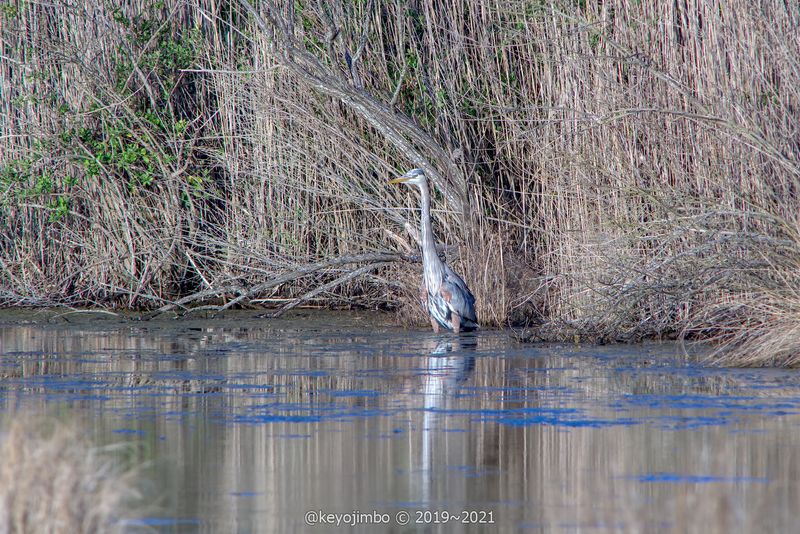
Birdwatchers who visit Grandview for the first time often leave wondering why it is not more famous. The preserve hosts the largest colony of Least Terns on the entire Atlantic Coast.
That alone would make it worth visiting, but the list of species goes much further.
Black Skimmers and American Oystercatchers work the shoreline. Eastern Towhees dart through the woodland edges.
Wading birds stalk the marsh channels with focused patience. During May, migratory shorebirds like red knots, sanderlings, and ruddy turnstones stop here to feed on horseshoe crab eggs before pushing north to Arctic breeding grounds.
The tip of the preserve, known as Factory Point, closes from April 1 through September 15 to protect nesting birds. This restriction is strictly enforced and exists for good reason.
Visitors are asked to respect the boundary. Binoculars are highly recommended.
Early morning visits tend to offer the most activity, with birds moving freely before the beach sees much foot traffic from other visitors.
A History Hidden In Rocks And Ruins
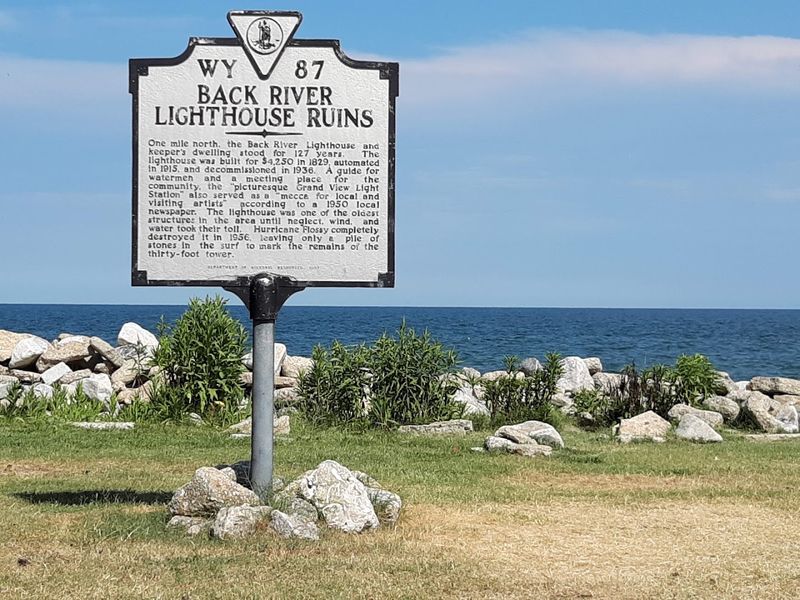
Factory Point did not get its name by accident. Back in 1879, a menhaden fish processing factory operated right here on this quiet peninsula.
The smell alone must have been something remarkable. Today, almost nothing remains of that industrial past except the name and a few historical markers along the trail.
The Back River Lighthouse once stood nearby, first constructed in 1829 to guide ships through the bay. It served mariners for over a century before being decommissioned in 1936.
A hurricane in 1956 finished what time had started, washing the structure away entirely. A scattered jumble of rocks offshore is all that remains.
By the 1960s and 1970s, efforts were already underway to protect this land from further industrial development. Those efforts succeeded, and what might have become another industrial site is now a preserved natural habitat.
Virginia has a number of historic coastal sites, but few carry this particular mix of ecological importance and layered human history in such a compact and accessible space.
Beachcombing Rewards That Keep Visitors Coming Back
Forget the souvenir shops. The real treasures at Grandview are scattered right along the waterline, free for anyone willing to look.
The beach is famously rich with shells, and not just the small broken fragments common at busier shores.
Whole conch shells turn up here. So does sea glass in various colors, smoothed by years of wave action.
Interesting rocks and driftwood pieces appear in abundance, along with the occasional oyster shell or piece of coral washed in from the bay. The beach is never raked or groomed, which means the natural deposits accumulate and stay put until the tide reclaims them.
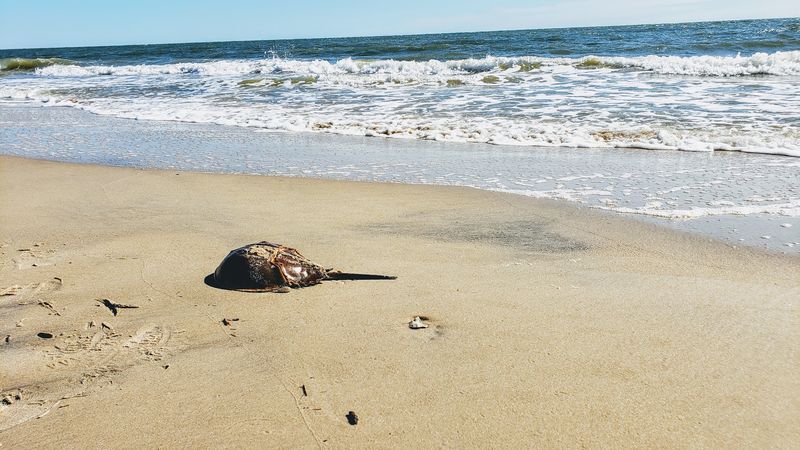
Horseshoe crab molts are extremely common finds along the shoreline, especially after the May spawning season. These shed shells often wash up intact, giving visitors a close look at the creature’s structure without disturbing any living animal.
Children tend to love this part. Adults usually end up just as absorbed in the search, pockets filling up long before they are ready to head back to the parking area.
Rules That Actually Make Sense
Grandview operates without a fee, but it does come with a clear set of rules. Understanding them before arriving saves a lot of frustration at the trailhead.
The preserve asks a fair amount of visitors in exchange for what it offers.
No camping, no open fires, no grills, no hunting, no collecting plants or animals, no bicycles, no off-road vehicles, and no entering designated bird nesting areas. Pets are banned from the main beach between May 15 and September 15, and from Factory Point between April 1 and September 15.
Outside those windows, leashed pets are welcome.
There are no trash bins anywhere on the preserve. Every visitor packs out everything they bring in.
This policy keeps the beach remarkably clean and places the responsibility exactly where it belongs. There are also no restrooms, no playgrounds, and no facilities of any kind on site.
Virginia’s natural coastal areas often operate this way, and Grandview is a strong example of how well that model can work when visitors respect it.
Why The Crowds Never Really Come
On a warm summer weekend, most Virginia beach spots fill up fast. Grandview stays quiet.
Part of that is by design, and part of it is simply geography working in the preserve’s favor.
Parking is roadside only, along State Park Drive. There is no parking lot, no shuttle, and no overflow area.
Spots fill up on busy days, which naturally limits how many people arrive at once. The half-mile walk through the marsh also filters out anyone looking for a quick, easy beach day with a cart full of gear.
Once past the trail, the beach opens wide. Even when the access point near the trail exit is busy, a short walk in either direction brings open sand and real solitude.
Visitors report seeing only a handful of people during their entire beach walk, even on weekends. For anyone who has spent a summer afternoon elbow-to-elbow on a crowded shore, the contrast here is immediate and deeply satisfying.
Quiet is the whole point.
Planning A Visit That Goes Smoothly
Timing matters at Grandview. For horseshoe crab spawning, May evenings around full or new moon high tides offer the best chances of seeing real activity along the shoreline.
Arriving early in the morning on any visit tends to reward birdwatchers most generously.
Bug spray is not optional during spring and summer. The marsh environment along the trail breeds mosquitoes and biting flies in warm weather, and an unprotected visitor will know about it quickly.
Comfortable walking shoes handle the gravel path well. The beach itself involves uneven natural terrain, so sandals with some grip work better than flip-flops.
Pack water, snacks, and anything else needed for the visit, because nothing is available on site. Carry out all waste without exception.
Arrive early on weekends to secure street parking along State Park Dr in Hampton, Virginia. The preserve is free, open to the public, and one of the most rewarding natural spaces along the Virginia coast for anyone willing to make the short but worthwhile walk in.