
12 Easygoing Small Towns In Tennessee Where Life Is Still Simple Even In 2026
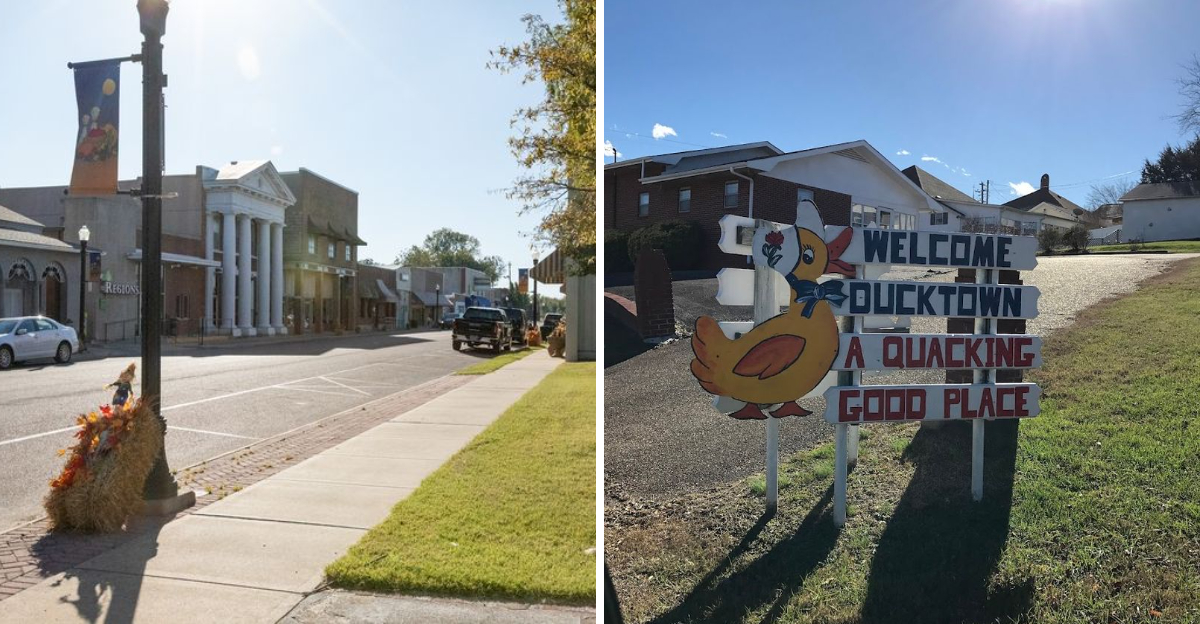
Life can feel surprisingly calm in certain corners of Tennessee. A drive down a two-lane road leads past old storefronts, courthouse squares, and cafés where the same faces gather every morning.
Time doesn’t rush here. People wave at passing cars, conversations linger on front porches, and the pace feels refreshingly steady.
Even in 2026, these small towns still hold on to the simple rhythms that once defined everyday life across the state. The streets are quieter, the communities close-knit, and the atmosphere easygoing in the best possible way.
Spend a little time in places like these and it quickly becomes clear why locals rarely feel the urge to hurry.
1. Cumberland Gap
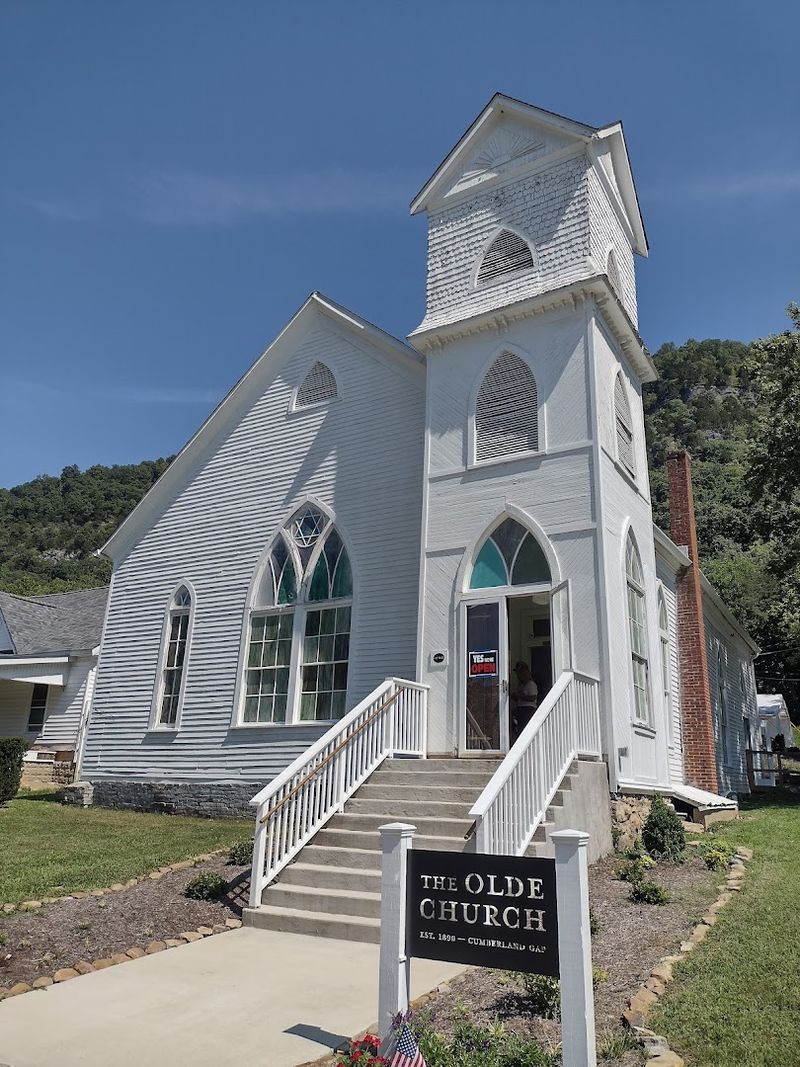
Long before interstate highways existed, Cumberland Gap was one of the most important doorways in all of American history, connecting the eastern colonies to the western frontier through a natural break in the Appalachian Mountains.
Today, this small Tennessee town sits at the tri-state corner where Tennessee, Kentucky, and Virginia meet, giving it a geography that feels almost storybook.
The old brick storefronts along the main street have a quiet dignity to them, and the surrounding Cumberland Gap National Historical Park offers miles of hiking trails with sweeping ridge views.
Visitors who enjoy history will find plenty of markers and preserved sites that tell the story of Daniel Boone and the thousands of settlers who passed through this same gap centuries ago.
The town itself is small enough that you can walk most of it in an afternoon, yet rich enough in character to hold your attention for a full weekend.
Locals here tend to move at a deliberate, unhurried pace, and the mountain air seems to encourage exactly that kind of slow, thoughtful living that feels increasingly rare in 2026.
2. Red Boiling Springs
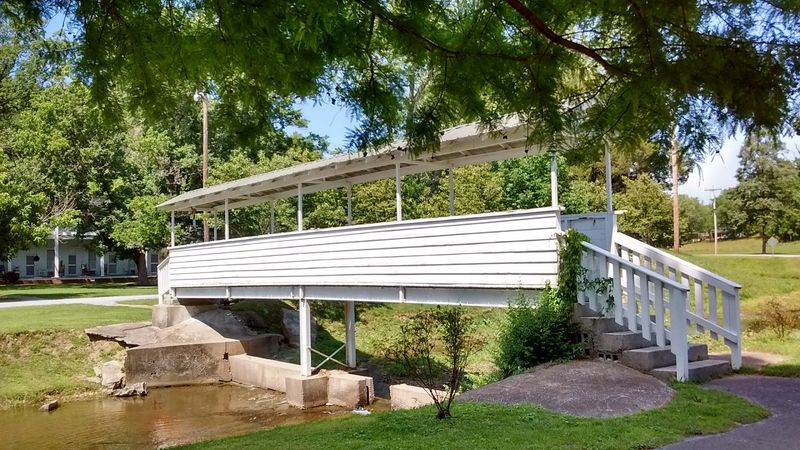
There is something wonderfully time-warped about Red Boiling Springs, a small Clay County town that once attracted visitors from across the South who came seeking the supposed healing powers of its mineral-rich waters.
The resort era has long faded, but the charm has not, and a handful of those original historic hotels still stand along quiet streets lined with old shade trees.
Walking through town on a weekday morning feels like stepping into a slower decade, where the biggest decision of the day might be which porch swing to settle into.
The surrounding countryside is equally peaceful, with winding two-lane roads cutting through farmland and wooded hollows that reward anyone willing to explore without a firm agenda.
Red Boiling Springs sits in north-central Tennessee, far enough from major highways that it has never been swallowed up by suburban sprawl or chain development.
For travelers who want a genuine small-town Tennessee experience without crowds or commercialization, this town delivers that rare combination of nostalgia and authenticity in a way that feels completely effortless and entirely real.
3. Carthage
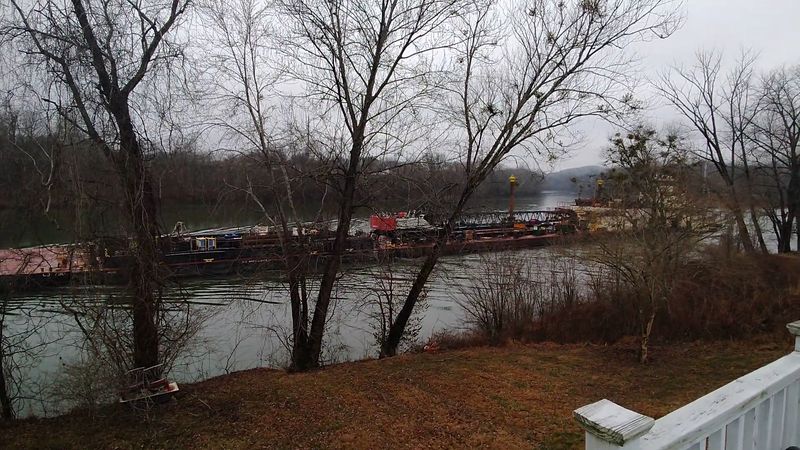
Sitting quietly along the banks of the Cumberland River in Smith County, Carthage carries the kind of small-town identity that feels increasingly hard to find in modern America.
The courthouse square at the center of town is the real heart of daily life here, surrounded by family-owned businesses, a hardware store that has probably been in the same location for generations, and locals who genuinely know each other by name.
Carthage is perhaps best known nationally as the hometown of former Vice President Al Gore, though residents seem more interested in talking about the river, the fishing, and the upcoming community events than any political footnote.
The Cumberland River adds a scenic backdrop to the whole town, and the boat ramps and riverside spots make it a casual destination for anyone who enjoys being near water without a big resort atmosphere attached.
Middle Tennessee has plenty of towns that have grown and changed over the years, but Carthage has managed to hold onto its character with impressive stubbornness.
A Saturday morning spent wandering the square here will leave you wondering why more people have not discovered just how quietly wonderful this place actually is.
4. Gainesboro
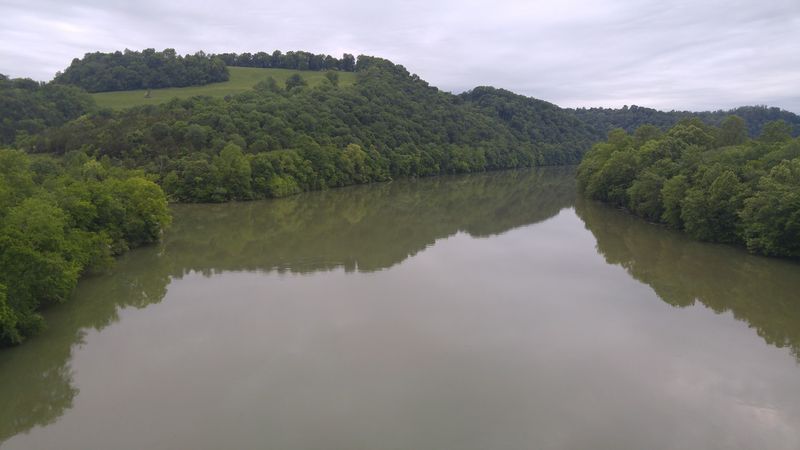
Perched above the shimmering expanse of Cordell Hull Lake in Jackson County, Gainesboro offers one of the most picturesque small-town settings in all of Middle Tennessee.
The historic downtown square is compact and well-preserved, with older storefronts that give the town a visual charm you might expect to see in a painting rather than on a GPS screen.
Cordell Hull Lake, named after the Nobel Peace Prize-winning statesman who was born nearby, provides a stunning natural backdrop for the community and draws boaters and anglers looking for calm water and uncrowded shorelines.
What makes Gainesboro especially appealing in 2026 is how genuinely unbothered it seems by the pressure to modernize or attract tourism at the expense of its identity.
The countryside surrounding the town is some of the quietest in the entire region, with rolling hills and forested ridges that make afternoon drives feel like a reward in themselves.
If you are the kind of traveler who measures a town’s quality by how easily you can find a bench, sit down, and simply watch the world go by, Gainesboro will earn very high marks indeed.
5. Ducktown
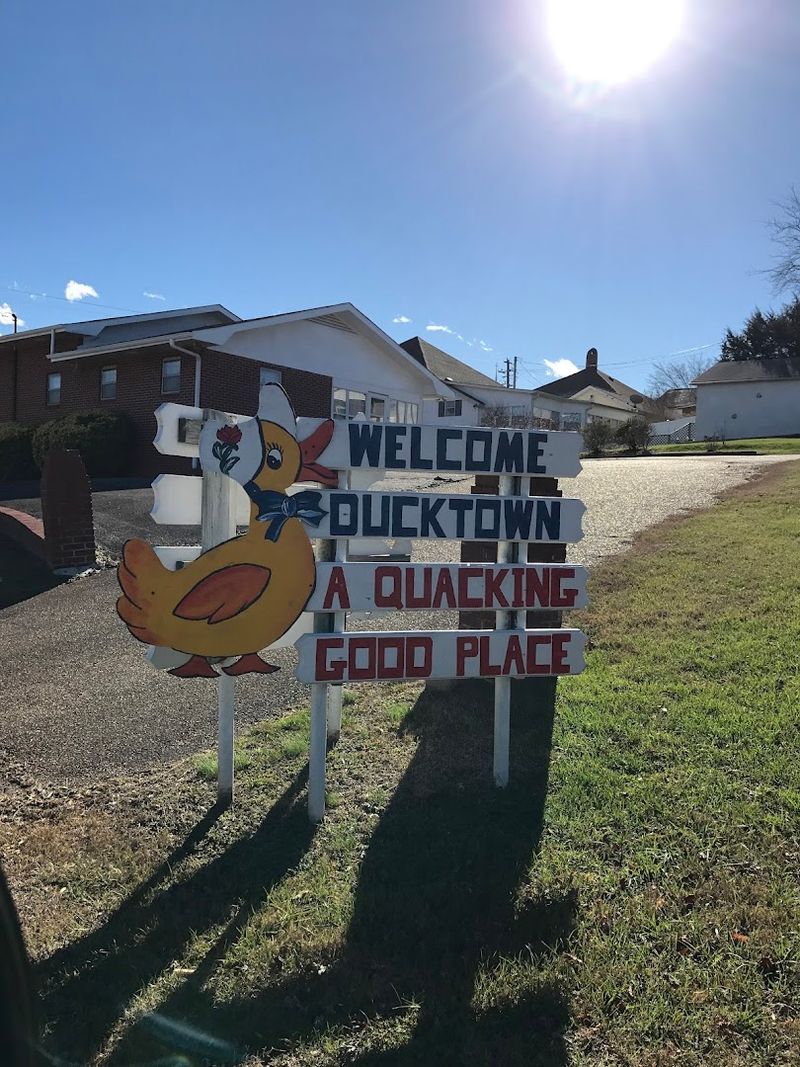
Copper mining once transformed the landscape around Ducktown so dramatically that NASA reportedly used the area’s barren red hills as a reference point when training astronauts to recognize landmarks from orbit.
Today, vegetation has largely returned to those once-stripped hillsides, creating a patchwork of green and rust-colored terrain that gives the Polk County area a visual character unlike anywhere else in Tennessee.
Ducktown sits deep in the southeastern corner of the state, surrounded on nearly all sides by the vast Cherokee National Forest and within easy reach of the Ocoee River, which hosted whitewater events during the 1996 Atlanta Olympics.
Despite that dramatic natural setting, the town itself remains beautifully small and quiet, with a tight-knit community that has adapted gracefully from its mining-era past into a simpler present.
The Ducktown Basin Museum does an excellent job of documenting the copper mining history that shaped the region, and it is the kind of local museum that rewards curious visitors with genuinely fascinating stories.
Mountain air, forest trails, and a town that carries its unusual history with quiet pride make Ducktown one of Tennessee’s most distinctly interesting places to spend a slow weekend.
6. Hohenwald
Founded largely by Swiss and German immigrants in the late 1800s, Hohenwald carries a name that literally means high forest in German, and the surrounding Lewis County landscape absolutely lives up to that description.
The town is small, relaxed, and largely off the radar for most Tennessee travelers, which is precisely what makes it so appealing to anyone seeking a genuine escape from overstimulation.
Hohenwald sits near the Natchez Trace Parkway, one of America’s most scenic and historically significant road corridors, making it a natural stopping point for anyone driving that legendary route through the mid-South.
Perhaps the most unusual thing about this quiet community is its proximity to The Elephant Sanctuary, a legitimate refuge for retired captive elephants that has operated here since 1995 and remains one of the largest natural-habitat elephant sanctuaries in the country.
While the sanctuary itself is not open for public tours, its presence gives Hohenwald a quirky distinction that locals wear with well-earned pride.
Between the forested countryside, the historic parkway, and the world-class elephant neighbors, Hohenwald manages to be quietly extraordinary without ever feeling like it is trying too hard to impress anyone.
7. Spencer
Sitting high on the Cumberland Plateau in Van Buren County, Spencer is the kind of town where the air feels cleaner, the nights feel quieter, and the pace of life feels genuinely slower than almost anywhere else in Tennessee.
As the county seat of one of the smallest and least populated counties in the state, Spencer has a modest but well-kept downtown that reflects a community comfortable with its own modest scale.
The big draw in this part of Tennessee is undoubtedly Fall Creek Falls State Park, located just a short drive from Spencer and home to one of the tallest waterfalls east of the Rocky Mountains.
Most visitors to the park drive right through Spencer without stopping, which means the town retains a peacefulness that gateway communities to popular parks almost never manage to hold onto.
Local restaurants and small shops serve the community without any pretense of catering to a tourist crowd, which gives the whole town an authenticity that feels refreshing.
Spencer is the rare place where you can enjoy proximity to a spectacular natural attraction while still feeling like you have found somewhere that the rest of the world has not quite caught up to yet.
8. Lynchburg
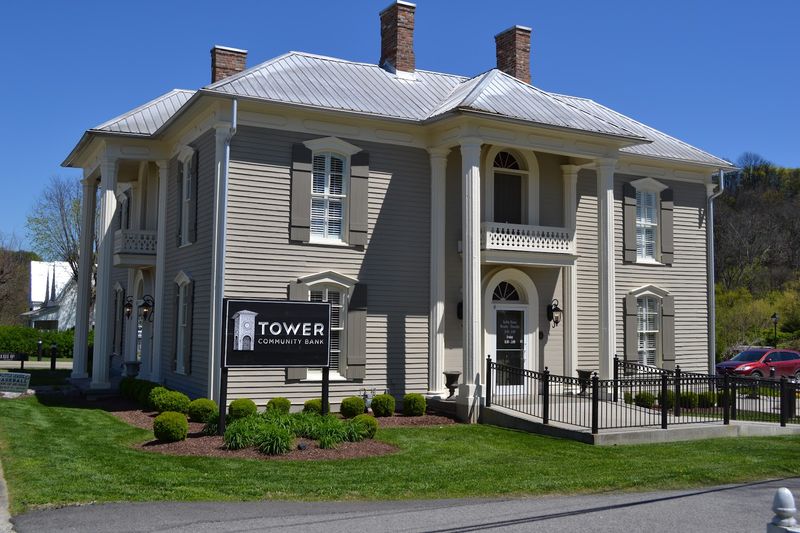
Moore County, where Lynchburg sits, holds the distinction of being one of the smallest counties in Tennessee, and yet it contains one of the most recognized names in American food and beverage culture.
The Jack Daniel Distillery, established here in 1866, draws visitors from around the world to this tiny town, but what surprises most of them is how thoroughly small-town and unchanged Lynchburg remains despite that global fame.
The courthouse square at the center of town is genuinely charming, lined with shops selling Tennessee crafts, local jams, and souvenirs that lean more toward authentic than kitschy.
Miss Mary Bobo’s Boarding House, a local institution serving traditional Southern meals at communal tables, has been feeding visitors and locals alike since the 1800s and still requires reservations well in advance.
The surrounding Moore County countryside is all rolling farmland and cedar-lined roads, giving the whole area a pastoral quality that the distillery tours cannot fully capture on their own.
Lynchburg proves that even a town with an internationally famous neighbor can keep its feet firmly planted in small-town Tennessee soil, and that is no small achievement in 2026.
9. Dover
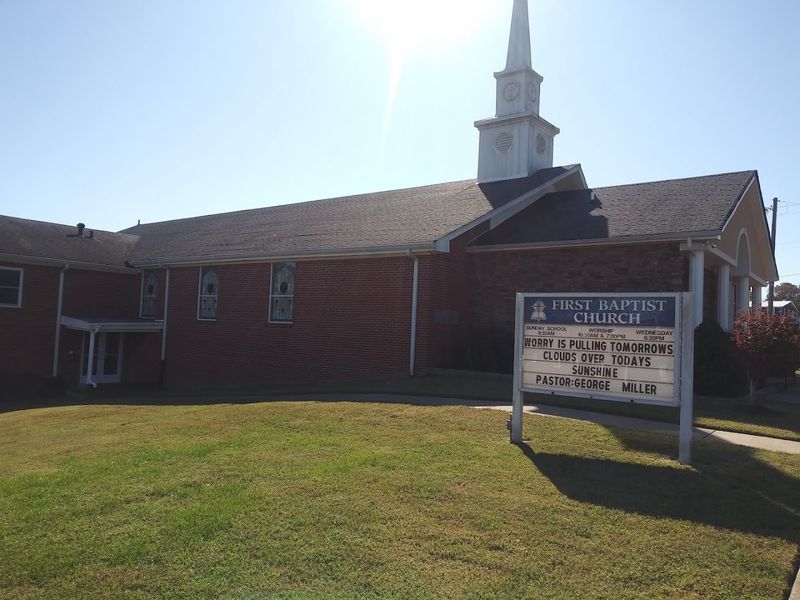
Stewart County’s quiet seat of Dover sits along the Cumberland River in northwest Tennessee, close enough to the Kentucky border that the landscape starts to flatten out into the broad, lake-dotted terrain of the Land Between the Lakes region.
History runs deep in this small river community, most notably at Fort Donelson National Battlefield, where one of the Civil War’s earliest and most significant Union victories took place in February 1862.
The battlefield and its well-maintained national cemetery are just a short walk from downtown Dover, making the town a genuinely meaningful stop for anyone interested in American military history.
Land Between the Lakes National Recreation Area, which begins practically at the town’s doorstep, offers an almost overwhelming amount of outdoor space for hiking, wildlife watching, and camping across its 170,000 acres of forests and shoreline.
Dover itself is refreshingly unassuming, with a small-town rhythm that revolves around the seasons, the river, and the kind of community events that bring people together without requiring much fanfare.
For a town with this much natural and historical significance surrounding it, Dover wears its gifts with remarkable modesty, which makes discovering it feel like a genuine reward.
10. Jamestown
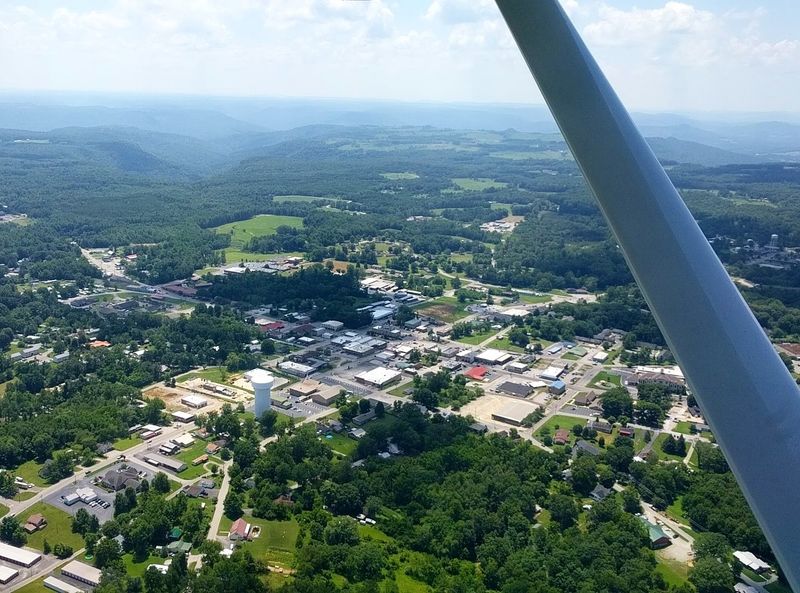
Fentress County’s Jamestown serves as the quiet gateway to one of the most rugged and rewarding natural areas in the entire eastern United States, the Big South Fork National River and Recreation Area.
Unlike many towns that sit near major parks and transform themselves into tourist hubs, Jamestown has largely resisted that transformation, remaining a working small town with hardware stores, local diners, and a courthouse square that still functions as the center of community life.
Big South Fork offers over 150,000 acres of river gorges, sandstone arches, waterfalls, and multi-use trails that attract hikers, horseback riders, mountain bikers, and paddlers looking for scenery without the crowds that follow more famous parks.
The Cumberland Plateau setting gives Jamestown a distinct four-season character, with wildflower blooms in spring, lush green summers, brilliant fall foliage, and occasionally snow-dusted winters that make the gorge country look almost otherworldly.
Jamestown also sits near the birthplace of Sergeant Alvin York, one of the most decorated American soldiers of World War I, and the Alvin C. York State Historic Site is well worth a visit.
This is the kind of town that rewards travelers who take the time to look past the park entrance signs and actually walk the streets for a while.
11. Huntingdon
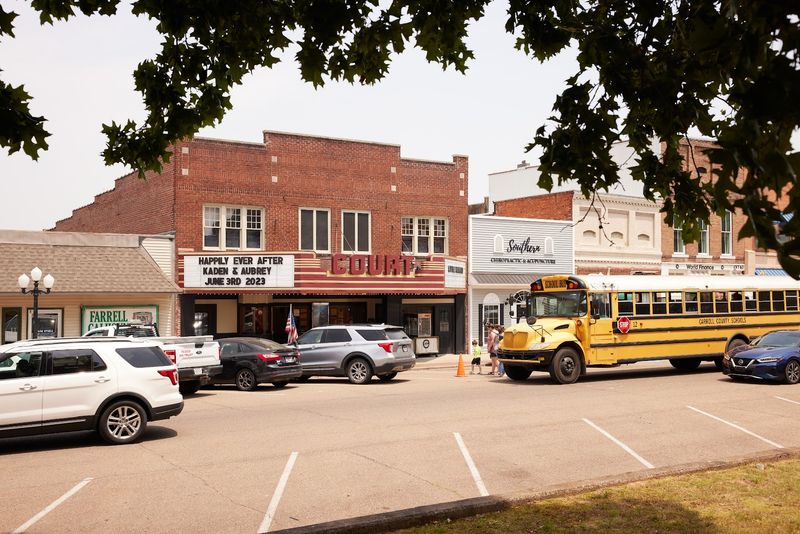
Carroll County’s seat of Huntingdon sits in the rolling countryside of west Tennessee, far from the interstate corridors that funnel most travelers past it without a second glance.
The town has the kind of historic courthouse square that urban planners spend millions trying to recreate in new developments, except Huntingdon’s version is the genuine article, built over generations by a community that simply stayed put and took care of what it had.
Local shops and small cafes ring the square, and on weekday mornings you will find the kind of unhurried conversations between neighbors that suggest people here actually enjoy running into each other.
Huntingdon is also home to Bethel University, a small liberal arts school that adds a modest but noticeable cultural energy to the community without overwhelming its small-town character.
The surrounding Carroll County landscape offers pleasant drives through farmland and woodland, and the nearby Natchez Trace Parkway corridor is accessible enough for a day trip without turning Huntingdon into a tourist stop.
In a part of Tennessee that often gets overlooked in favor of more famous destinations, Huntingdon quietly holds its own as a community where ordinary daily life still has a warmth and ease that is genuinely worth seeking out.
12. Tiptonville
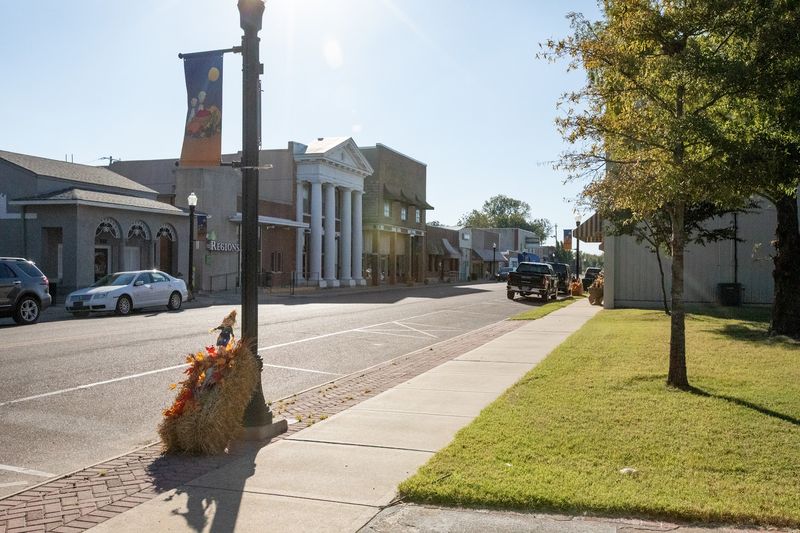
Reelfoot Lake, which surrounds Tiptonville on the western edge of Tennessee, was created not by a dam or a human engineering project but by a series of catastrophic earthquakes in 1811 and 1812 that caused the Mississippi River to flow backward and flood a vast cypress forest.
The result is one of the most visually extraordinary landscapes in the entire South, a shallow lake filled with the ghostly silhouettes of ancient cypress trees rising from the water, draped in Spanish moss and teeming with wildlife.
Tiptonville, the small Lake County seat that sits at the edge of this remarkable place, has the unhurried character of a fishing community that has never needed to reinvent itself because the lake has always provided what it needed.
Bald eagles gather here in impressive numbers during winter months, making Tiptonville a destination for birdwatchers who want a genuine wildlife experience without a long drive to a major national park.
The town itself is modest and unpretentious, with local restaurants serving catfish and other lake-fresh staples that taste exactly as good as they sound.
Tiptonville is living proof that the most unusual and memorable places in Tennessee are often the ones that have never felt the need to announce themselves to the world.