
Eight Miles Of Tennessee Back Road Connect More Than 100 Studios Where Artisans Still Work By Hand
Most people driving through eastern Tennessee point their cars straight at the mountains and never look sideways. Turn off one particular two-lane road, though, and you land in a stretch of countryside where potters, broom makers, and glass artists still work in front of anyone who wanders in.
There is no gate, no ticket booth, and no charge to walk the whole thing. It takes a full day if you do it right, and it costs almost nothing until you decide to buy something.
A Loop Road Three Miles From Downtown Gatlinburg
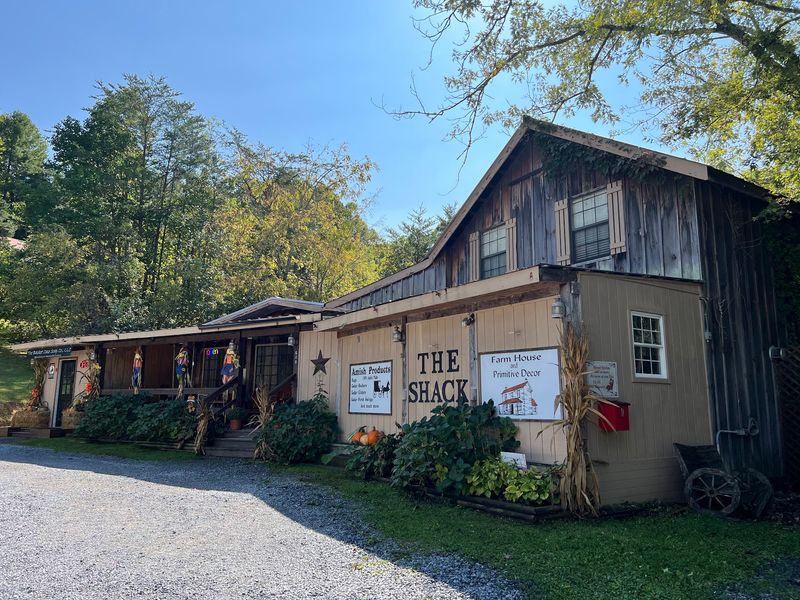
Head out Glades Road from Gatlinburg and the neon and pancake houses fall away within about three miles. What replaces them is an eight-mile loop of country road with more than 100 shops, studios, and galleries strung along it, most of them small wooden buildings set back under the trees.
The official address is 668 Glades Rd, Gatlinburg, TN 37738, though that single pin barely describes the place. Google classifies it as an art center, which undersells a working neighborhood of craftspeople spread across several roads.
Locals call it the Arts and Crafts Loop, and the shops cluster in groups rather than spacing out evenly. That matters for planning, because you can park once and walk through six or eight studios before getting back in the car.
Visitors regularly mention the drive itself as part of the appeal, with mountain views between clusters. The whole route is free to travel, and every shop, cafe, and gallery along it offers free parking.
Reaching it from Knoxville takes roughly an hour, making it an easy day trip for most of East Tennessee.
How A Scattering Of Mountain Workshops Became A National Standout
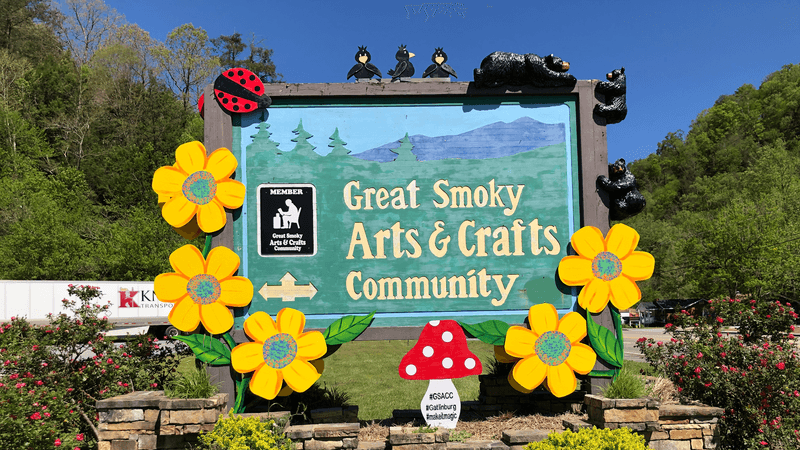
Started decades ago by mountain families who made things because they had to, the community grew into what is now recognized as the largest independent organization of artisans in the United States. Membership rules keep the focus tight: the yellow sign outside a shop signals that what is inside was made by hand, not imported.
Tennessee designated the route a Heritage Arts and Crafts Trail, an official nod to the skills that traveled down through generations here. Broom tying, basket weaving, quilting, and wood carving all predate tourism in these hills by a long stretch.
Several buildings along the loop were physically relocated to their current spots, and visitors who ask about them often get the full history from whoever is behind the counter.
Longtime visitors note that the community has shifted over the years as some artisans retired or moved on, so the roster is not static. New makers keep arriving, though, and the yellow-sign system remains the reliable filter.
Ask questions while you browse. Shop owners here tend to enjoy telling the story behind a piece.
Potters, Wood Carvers, And The Craft You Actually See Being Made
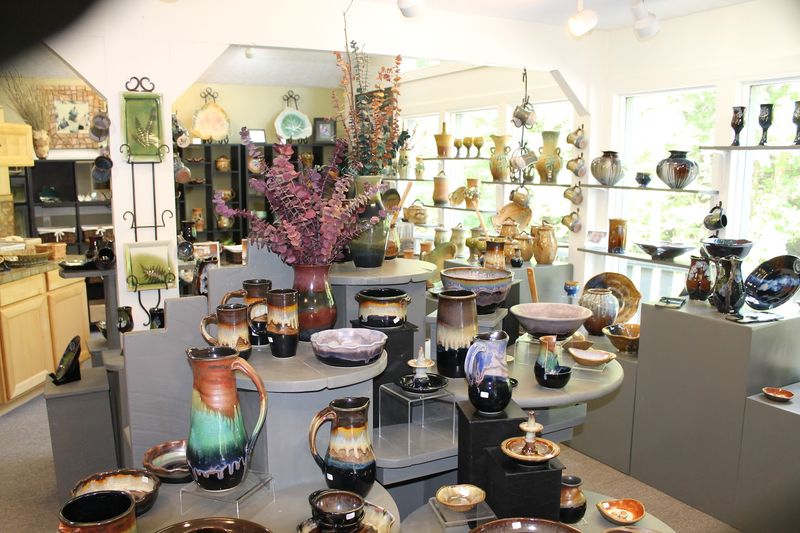
Pottery comes up more than almost anything else when people describe this loop, and for good reason. Wheels turn in open workrooms, and you can stand a few feet away watching a lump of clay become a mug while the potter keeps talking to you.
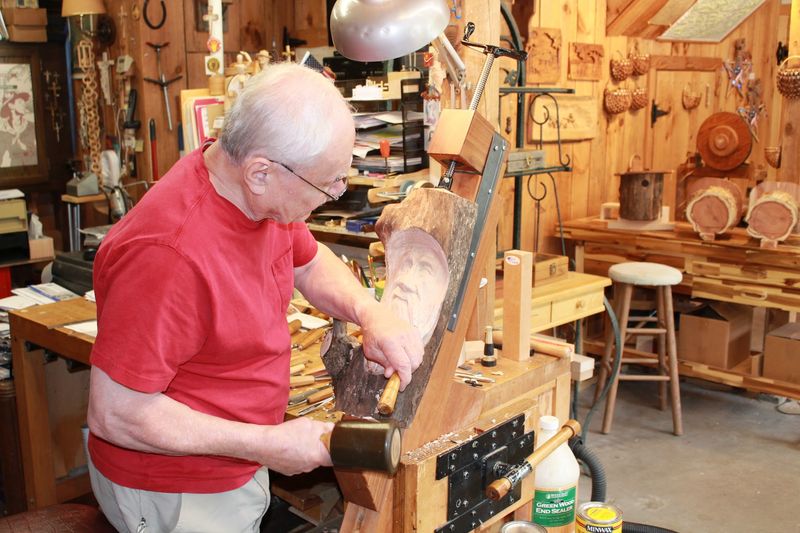
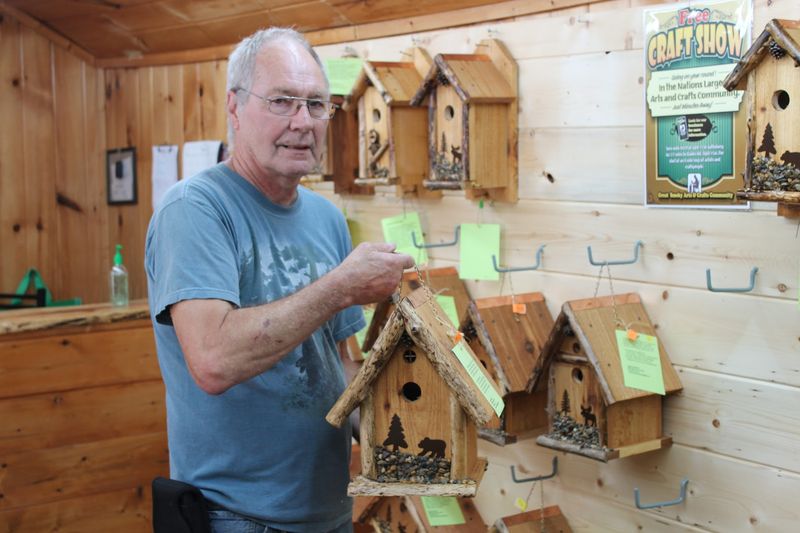
Wood carving runs a close second. Bears, walking sticks, relief panels, and furniture all come out of small shops where the shavings are still on the floor.
Glass blowing draws its own crowd, with molten gathers pulled from the furnace and shaped in front of whoever happens to be standing there. Sparky’s Glass and East Tennessee Leather Company get named often by repeat visitors.
Beyond those headliners you will find candle dippers, basket weavers, broom makers, quilters, jewelers, painters, photographers, and soap makers working with goat milk.
Not every studio has someone actively working every hour of the day, so the odds improve if you go mid-morning on a weekday. Regulars say the demonstrations are the part they remember long after the shopping.
Prices vary widely, but plenty of small handmade items land under twenty dollars.
Hands-On Classes Where Kids Make Something To Take Home
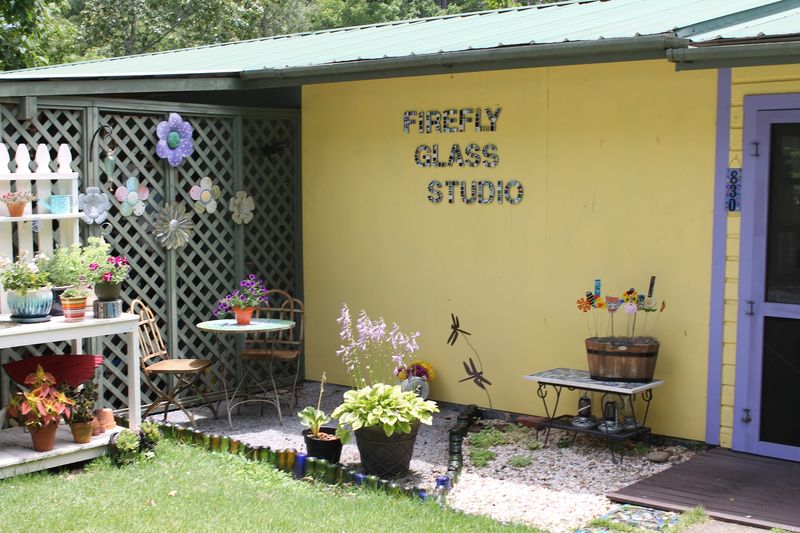
Ask a nine-year-old what they remember from a Tennessee vacation and it usually is not a scenic overlook. It is the thing they made with their own hands.
Several studios on the loop run make-your-own sessions. Firefly Glass Studio offers glass fusion projects, and Fowler’s Clay Works lets visitors work with clay.
Candle making and knife forging turn up elsewhere along the route.
Basket weaving classes have their own following. One visitor described spending a session with a patient instructor who quietly fixed every mistake without making a fuss about it, and left planning to come back for another class.
Class lengths and prices differ by studio, and some require booking ahead, so a phone call before you drive out saves disappointment. The community line is 865-436-6921.
What makes these sessions worth the money is the take-home piece. A fused glass suncatcher or a lopsided clay bowl outlasts any souvenir bought off a shelf.
Younger children generally do better with candles or clay than with anything involving heat and hammers.
The Yellow Sign Rule Every Shopper Should Learn First
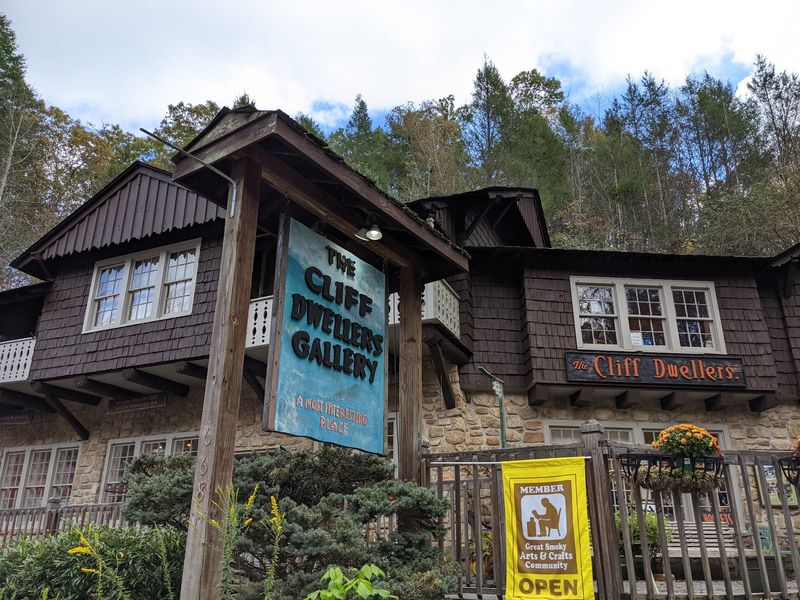
Here is the single most useful piece of advice anyone gives about this loop: look for the yellow sign before you walk in.
Members of the community display it, and it means the goods inside were made by the people who own the place rather than ordered from a catalog. Shoppers who know the system use it to sort real craft from filler.
Not everyone browsing has caught on, and a few visitors have come away disappointed after wandering into stops that felt more like general gift stores. The yellow marker removes that guesswork entirely.
Handmade items get mentioned constantly by people who have walked the route, along with the satisfaction of buying something you cannot find in a chain store.
Prices tend to be reasonable for what they are. One visitor who had driven past these shops for fifteen years before finally stopping was surprised at how affordable the work turned out to be.
Pick up a printed map at any shop. It lists members, and several studios do not show up correctly on phone map apps.
Free Admission, Free Parking, And What A Day Really Costs
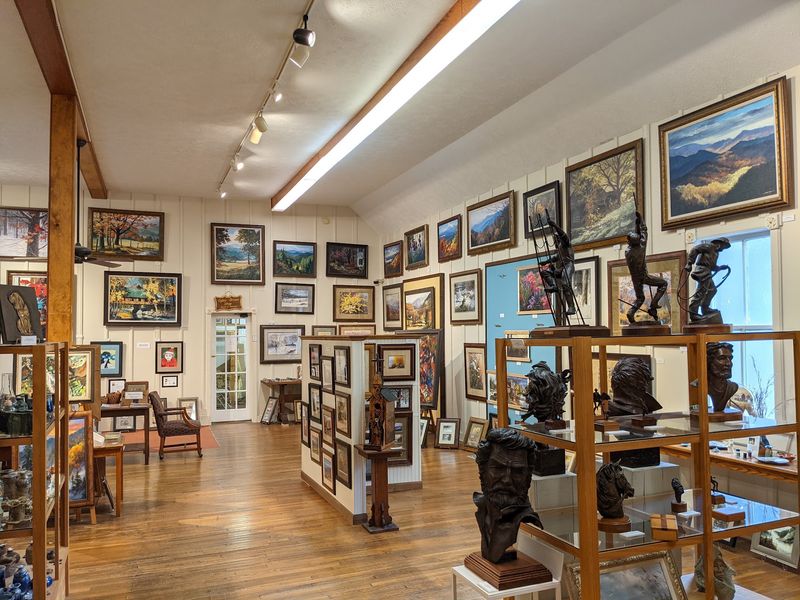
Nothing about entering this place costs a dime. No admission, no gate fee, no parking meters anywhere on the eight-mile route.
That makes the math friendly. A family of four can drive out, spend six hours walking through dozens of studios, watch craftspeople work, and leave having spent only on lunch and whatever they chose to buy.
Budget roughly thirty dollars for a casual lunch for two at one of the loop cafes, less if you pack sandwiches and eat in the car between clusters.
Small handmade purchases like soap, ornaments, or a pottery mug often run in the ten to twenty-five dollar range, though larger pieces such as furniture, framed photography, or blown glass climb well past that.
Hands-on classes add cost, and those vary by studio, so ask when you book.
Compared with a day on the Gatlinburg strip, where parking alone can eat into your wallet before you buy anything, the loop is one of the better-value outings in this corner of Tennessee. Prices and offerings may shift seasonally, so confirm before you plan around a specific studio.
Hours That Vary Shop By Shop And Why Mondays Can Disappoint
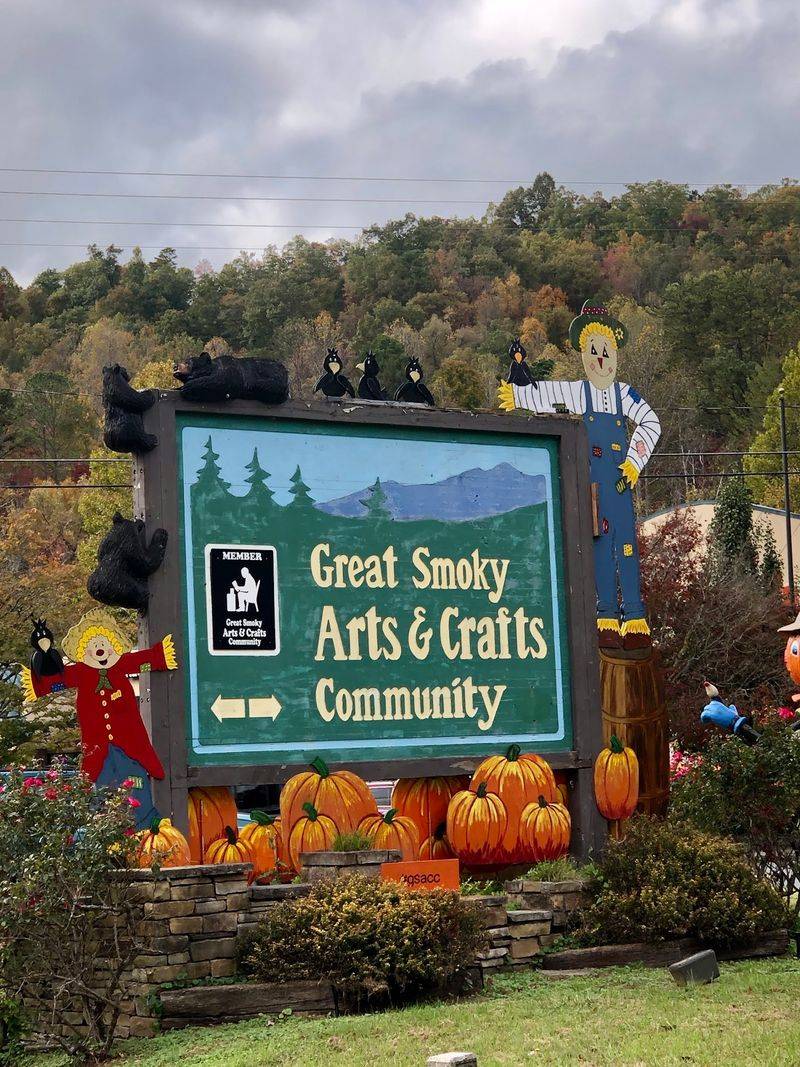
Most shops along the loop open around 10 a.m. and close near 5 p.m., and the community operates year-round. That is the general rule, not a guarantee.
Individual owners set their own schedules, and several visitors have found the hours posted online do not always match reality on the ground. One group reported a noticeable number of closures on a Monday.
The fix is simple enough. Check the websites of any studios you specifically want to see, or call the community office at 865-436-6921 before committing to a long drive.
Aim to arrive by mid-morning. Starting at ten gives you a full run at the route before shops begin shutting down, and the light on the drive is better early anyway.
Weekday mornings tend to be quieter than weekend afternoons, which helps if you want time to talk with artisans rather than queue behind other shoppers.
Seasonal adjustments happen too, particularly in deep winter and around holidays. Hours may change, so treat any published schedule as a starting point rather than the final word.
Riding The Yellow Trolley Route Instead Of Driving
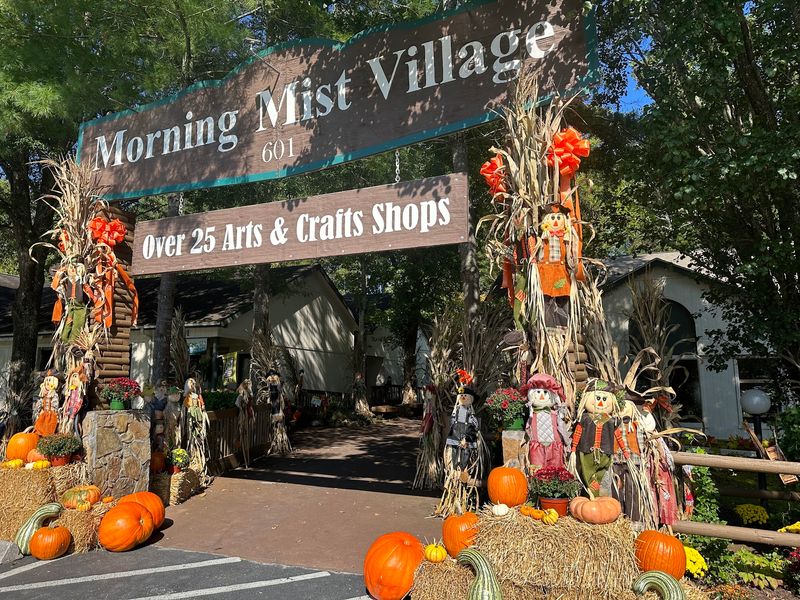
Parking is plentiful out here, but you do not have to drive at all if you would rather not.
The Gatlinburg Trolley runs a Yellow Route that services the arts and crafts community, with stops along the loop where riders can hop off, browse a cluster, and catch the next one. An all-day pass previously cost one dollar, and it is now reported to be free.
For families with young kids or older visitors who would rather skip the parking-and-repark rhythm, the trolley turns the whole loop into a single relaxed circuit.
Trolley frequency and route timing can change with the season, so pick up a current schedule in town or check before you count on it.
Driving still has its advantages. You control the pace, you can stash purchases in the trunk, and you can linger at one studio without watching the clock.
Cell service drops out in spots along the route, which catches people off guard. Grab a paper map early so you are not relying on a phone that has stopped cooperating.
Tea Rooms, Barbecue, And A Soda Fountain Kids Talk About
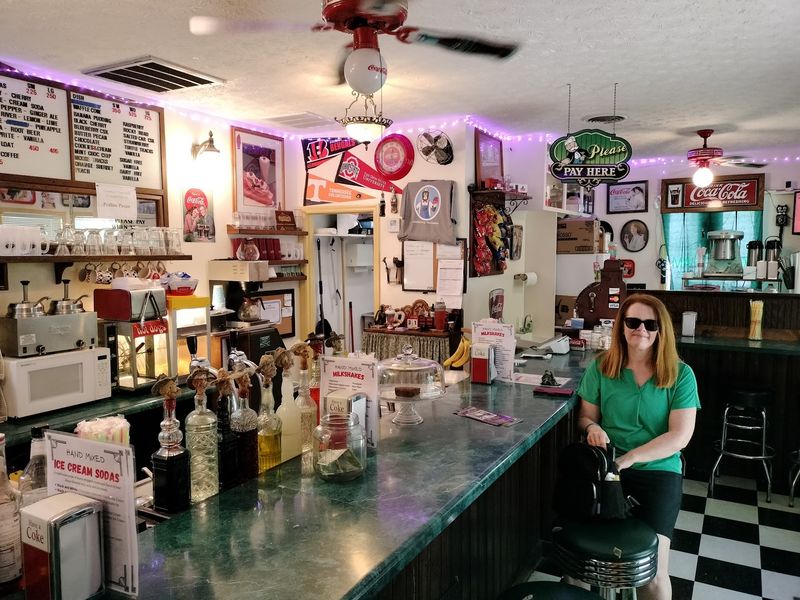
Six hours of browsing builds an appetite, and the loop does not send you back into town to solve it.
The Wild Plum Tea Room handles lunch with a menu people plan their day around, and reservations are recommended. Delauder’s BBQ covers the casual end, while Split Rail Eats leans into creative American diner cooking.
Morning Mist Cafe, various coffee houses, and a handful of sweet stops round out the choices.
The Glades Soda Fountain earns particular affection from families. Milkshakes there have been the highlight of the day for more than one carload of kids, and visitors from as far as the UK have singled them out.
Fudge shows up along the route as well, with buttermilk pecan getting specific praise from repeat visitors.
Restrooms are available at points along the loop, which matters when you are out for a full day with children.
Eating here keeps the budget in check compared with the downtown strip, and it saves you the twenty-minute round trip back into Gatlinburg traffic at the exact hour everyone else is heading in.
Autumn Color, Winter Quiet, And Choosing Your Season
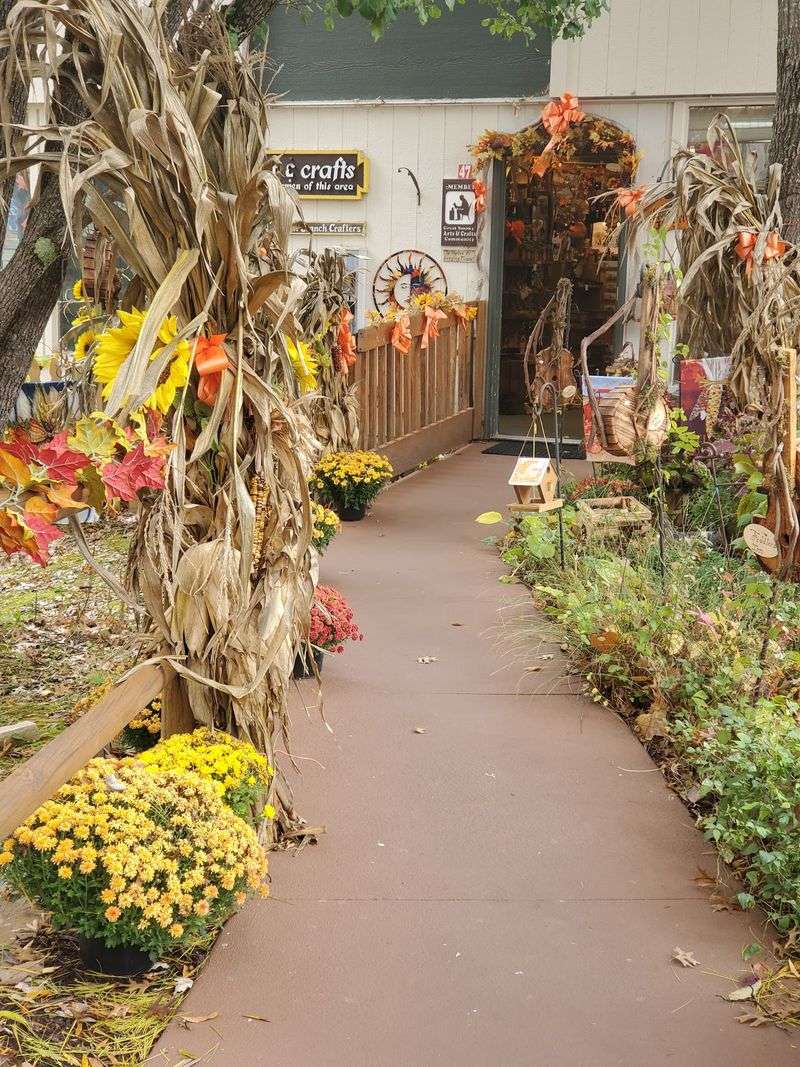
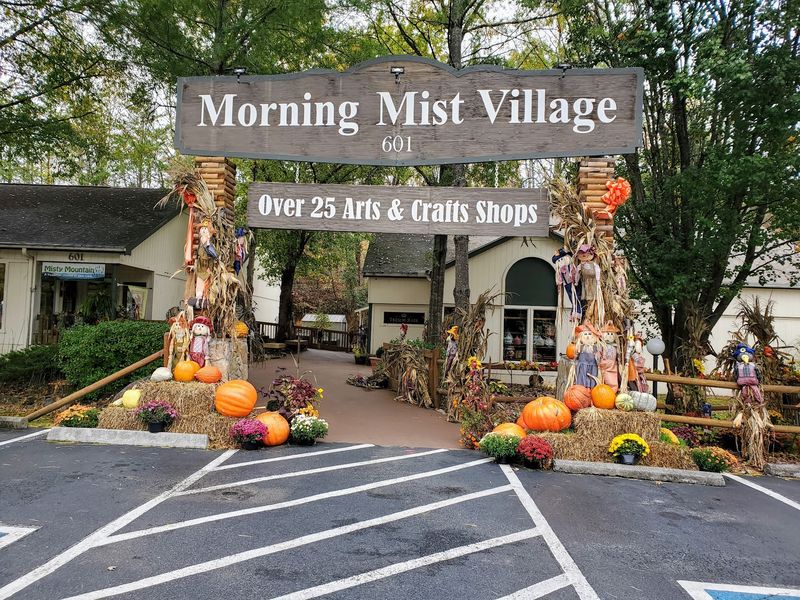
Fall turns this drive into something else entirely. The hills around the loop light up in October, and shops decorate their porches with pumpkins and mums that photograph as well as anything inside.
Visitors who come in autumn often mention the exterior scenery as much as the merchandise, which tells you how much the season adds.
Summer brings the biggest crowds, since the loop catches overflow from Gatlinburg and Pigeon Forge. Studios stay busy, but you share them with more people.
Winter runs quiet. Some shops trim their hours, though the year-round operation means you will still find plenty open, and the lack of crowds makes conversations with artisans easier.
Spring works well for anyone who wants moderate weather and green mountains without peak traffic.
Rain is not a dealbreaker. One group spent a soggy day walking the clusters and reported it barely affected their fun, since most of the time is spent indoors anyway.
Whatever season you choose, dress for walking. The clusters are close together, but the total distance covered on foot adds up fast.
Who Gets The Most Out Of A Day Here
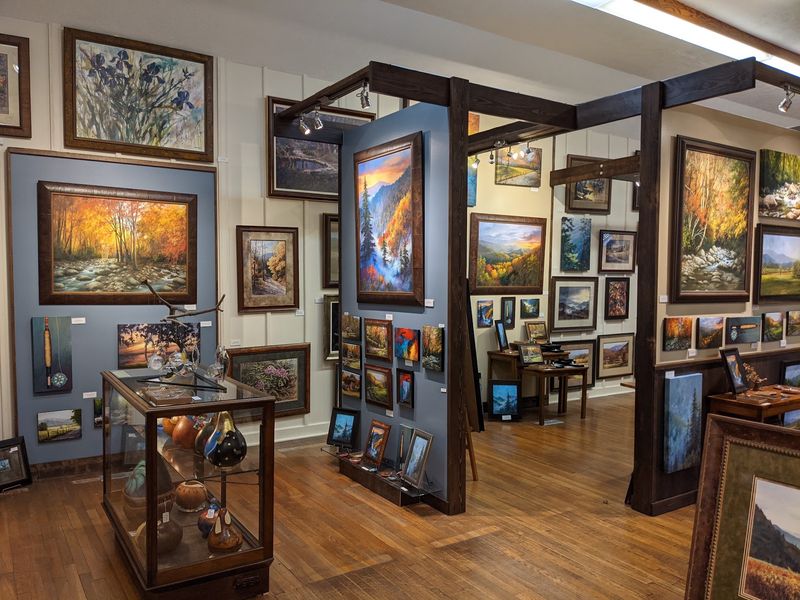
Shoppers hunting for something that is not mass-produced will do best here, obviously. But the loop rewards a wider crowd than that.
Retirees appreciate the unhurried pace and the willingness of artisans to sit and talk about their work. Several visitors describe conversations that lasted well past the purchase.
Families with kids old enough to enjoy watching things get made will find plenty, especially if you build in a class and a milkshake. Toddlers may struggle, since many shops are packed tight with breakable goods.
Anyone burned out on the downtown strip finds relief out here. One returning vacationer called it a pleasant break from the crowds, and the contrast is genuine.
Gift shoppers should absolutely plan a trip in October or November. Handmade pottery, jewelry, soaps, and wooden pieces solve a lot of holiday problems in a single afternoon.
Photographers, quilters, and anyone with their own creative streak tend to stay longer than they planned.
The one group who may leave lukewarm is the visitor expecting every single stop to be museum-quality. The yellow sign helps you skip the rest.
Practical Notes Before You Point The Car Toward Glades Road
Grab a paper map at the first shop you enter. Many studios are not listed accurately on phone maps, and cell service cuts out in stretches along the route.
Wear shoes you can walk in. Shops cluster in groups, so the smart approach is park, walk the cluster, drive to the next one, repeat.
Set aside a full day if you want to see most of it. People who rush through in two hours consistently say they wish they had given it longer.
Drive times from around Tennessee: about an hour from Knoxville, roughly three and a half from Nashville, and around three from Chattanooga.
Bring cash as a backup, though most shops handle cards.
The community website at greatsmokyartsandcrafts.com lists members and events, and the office line is 865-436-6921 if you need to confirm anything.
Restrooms are scattered along the loop rather than centralized, so use them when you see them.
Start early. A ten o’clock arrival gives you the full seven-hour window before the last shops close.
The Verdict On Eight Miles Of Handmade Tennessee
Eight miles does not sound like much until you try to cover it properly and realize the sun has gone down.
What holds this place together is not any single studio but the accumulation of them, more than a hundred, run by people who still make what they sell. Google reviewers rate it 4.6 stars across 859 reviews, and the recurring theme is friendliness rather than merchandise.
Honest caveat: the community is smaller than it was in past decades, and a few stops feel thinner than others. Longtime visitors notice the change and say so.
Even so, the value proposition is hard to argue with. Free admission, free parking, free trolley access, and a full day of watching skilled hands work.
For a Tennessee family looking at a Saturday that costs little more than gas and lunch, this delivers more than most paid attractions in the same county.
Bring patience, ask questions, and let the artisans talk. The stories are the part you will still be repeating months later, long after the mug goes into the cabinet.