
Every Golfer’s Bucket List Needs This Florida Golf Course Road Trip
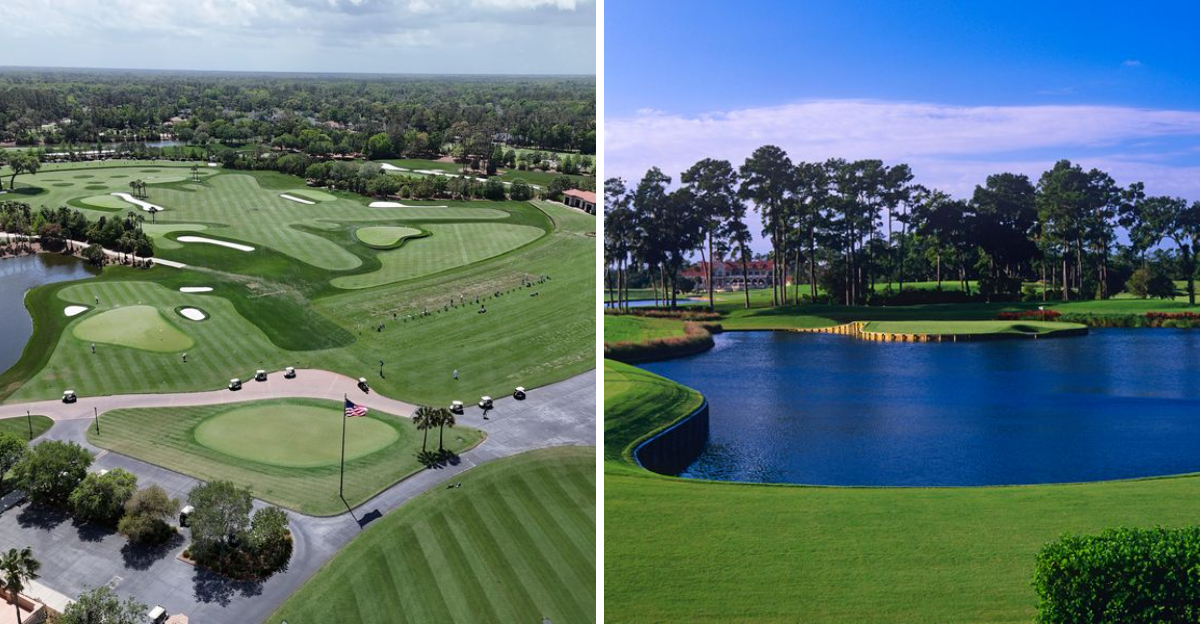
One dollar bought a swamp that turned into golf royalty. That’s the origin story fueling this whole Florida road trip.
Imagine wind-whipped fairways, water hazards on nearly every hole, and one green so famous it needs no introduction. Fans have packed these grass mounds for over four decades.
Could a single tee shot really rattle the best golfers alive?
Ask anyone who has watched a ball splash into that water and heard the groan ripple through the crowd.
Florida holds hundreds of golf courses, but few carry this much history and swagger. A dollar bill purchase, a wife’s bold idea, and decades of tournament drama built something golfers now chase for miles.
Ready to add this round to your own bucket list? Save this guide before you tee off.
Swampland Turned Golf Legend
One dollar. That is reportedly what changed hands for the wooded, marshy Florida acreage that became this course.
By the late 1970s, PGA Tour Commissioner Deane Beman had a dream of a permanent home for THE PLAYERS Championship. Local landowners sold roughly 415 acres of swampy ground for a symbolic single dollar.
The land was considered a headache. Wet, wooded, and stubborn.
Architect Pete Dye took the assignment anyway. Clever drainage work and careful shaping turned soggy ground into playable, dramatic golf terrain.
TPC Sawgrass opened in the autumn of 1980, and the address remains 110 Championship Way, Ponte Vedra Beach, FL 32082.
Standing near the first tee today, the transformation feels almost unbelievable. Water still sits everywhere, but now it works as design rather than obstacle.
The property also introduced the idea of a stadium course. Fans were part of the plan from day one.
Golfers planning a road trip through Florida usually treat this stop as the anchor. Everything else on the itinerary gets scheduled around it.
Knowing the origin story changes how the round feels. Every hazard suddenly seems intentional, because it absolutely was.
A Layout That Refuses To Play Favorites
Long hitters get no free pass here. Neither do careful plotters.
Pete Dye and Deane Beman built the Stadium Course to reward no single style. Precision, creativity, and nerve all get tested.
Each par category includes short, medium, and long versions. Variety keeps players from settling into one comfortable swing.
The routing avoids sending two holes in a row the same direction. Wind changes constantly, so club selection stays tricky.
Angled fairways, bold bunkering, and contoured greens force decisions on nearly every shot. Ego rarely survives the front nine.
By modern standards, the course is not overly long. Distance matters far less than placement.
Water shows up on many holes and acts as the main defense. Bail-out zones exist, but they usually leave awkward recovery shots.
Green complexes run large and undulating, so approach shots need a target smaller than the putting surface itself.
Golfers touring Florida courses often say this one asks the most questions. Answering them takes a plan, not just a swing.
Play smart, and the round becomes a puzzle worth solving.
The Island Green Everybody Talks About
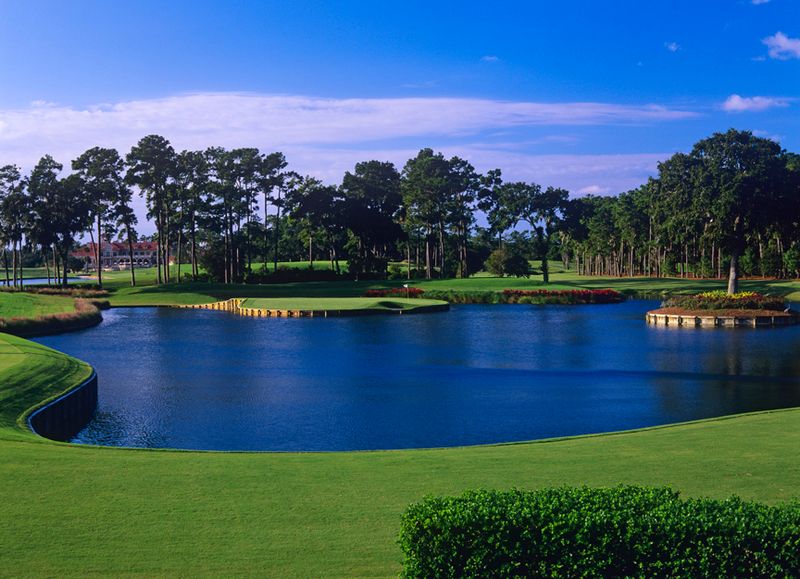
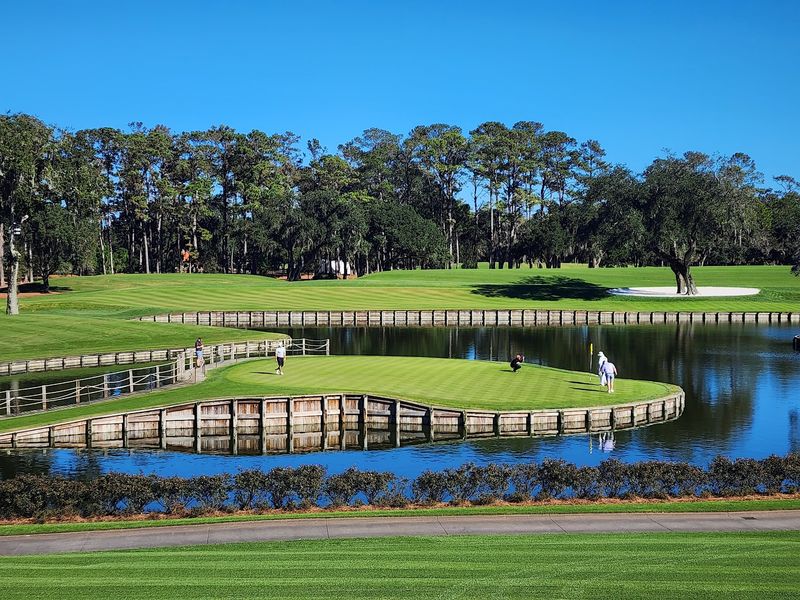
Roughly 137 yards. That is all that separates the tee from golf’s most nerve-rattling target.
The 17th at TPC Sawgrass is technically a peninsula, connected by a slim walkway. Nobody calls it that, though.
Its origin came by accident. Crews dug out huge amounts of sand for fairways elsewhere, leaving a big cavity around the green site.
Alice Dye suggested filling that hollow with water and keeping the green where it stood. The idea saved earthmoving costs and created an icon.
Players talk about the wind more than the yardage. A soft breeze can turn a wedge into a guessing game.
Visitors often bring extra balls just for this one swing. Smart move.
Some groups get a second attempt when pace of play allows, though that depends entirely on staff and the tee sheet behind you.
Watching from the mounded viewing areas during tournament week is its own thrill. Splashes draw groans, birdies draw roars.
Whatever happens, the shot sticks in memory far longer than the scorecard. Ask anyone who has stood on that tee at Ponte Vedra Beach.
Where THE PLAYERS Championship Comes Alive
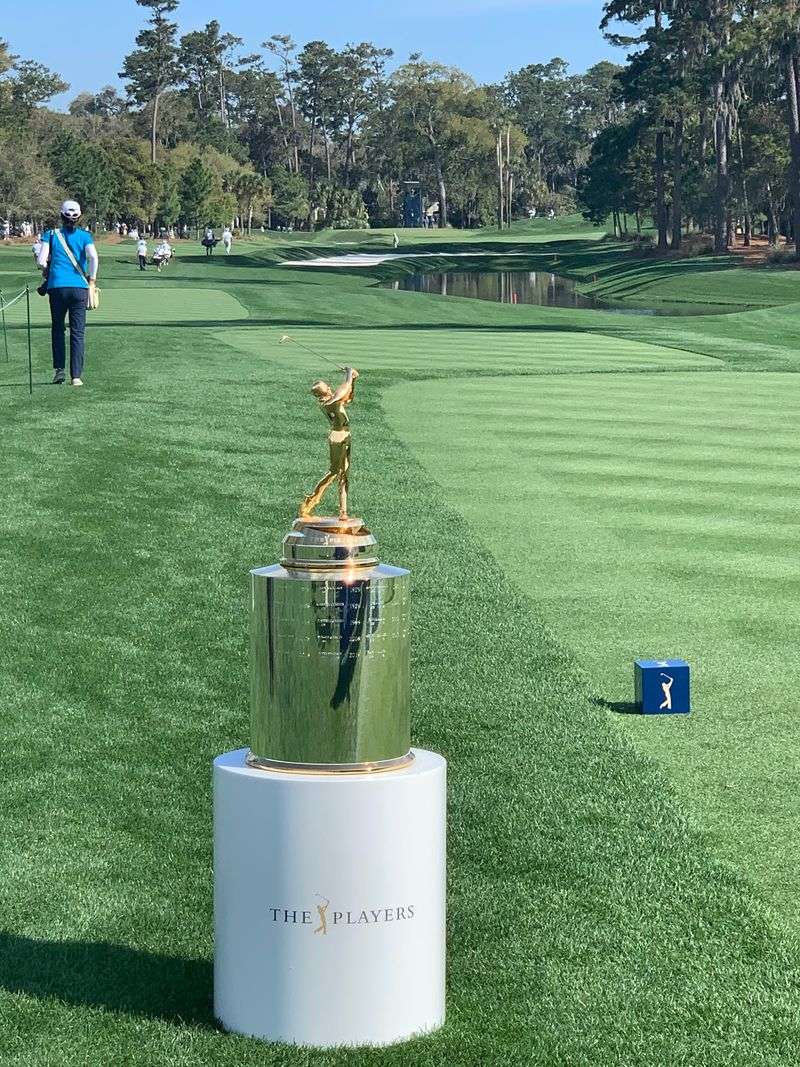
March in Ponte Vedra Beach means one thing to golf fans. THE PLAYERS Championship rolls into town.
The Stadium Course serves as the tournament’s permanent home. Many call the event golf’s unofficial fifth major.
The field is regularly among the strongest assembled anywhere. That depth alone makes the leaderboard unpredictable.
Pressure builds toward the closing stretch. Holes 16, 17, and 18 have flipped outcomes in a matter of minutes.
Clutch putts, water splashes, and last-second swings have all shaped careers here. Nothing feels settled until the final ball drops.
Spectators fill the grass mounds early. Grabbing a spot near the 17th is a popular tradition.
Attending is a different experience than playing. Everything looks tighter and faster in person than on television.
The fan store and hospitality areas stay busy, so arriving early helps. Popular merchandise can sell out during peak days.
Volunteers usually keep things moving smoothly, and parking sits reasonably close to the gates.
Timing a Florida golf road trip around tournament week adds serious energy to the itinerary. Just book accommodations well ahead.
Tough Holes Hiding Behind The Famous One
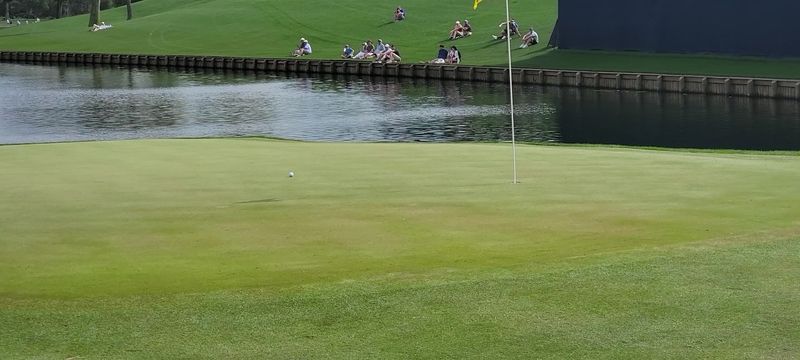
Everyone obsesses over 17. Meanwhile, 14 quietly ruins scorecards.
That par 4 stretches about 481 yards and ranks among the hardest on the property. Water hugs the left side of a narrow landing area.
Miss right, and mounds leave uneven lies. Neither option feels comfortable standing on the tee.
The green sprawls wide and rolls with contour. Three-putts happen often, even for skilled players.
Double bogeys show up here during tournament week more than most fans realize.
Then comes the par-5 16th, a hole built around temptation. Reaching in two is possible, but water guards the reward.
Bailing left of the green sounds safe until the short game test begins. Getting up and down from there is brutal.
Together, those two holes set up the closing drama before the island green even appears.
Playing the Stadium Course means respecting the whole eighteen, not just the postcard hole.
Golfers who arrive focused only on 17 usually leave surprised by everything else the layout throws at them. Consider yourself warned, in the friendliest possible way.
Built So Fans Can Actually See Something
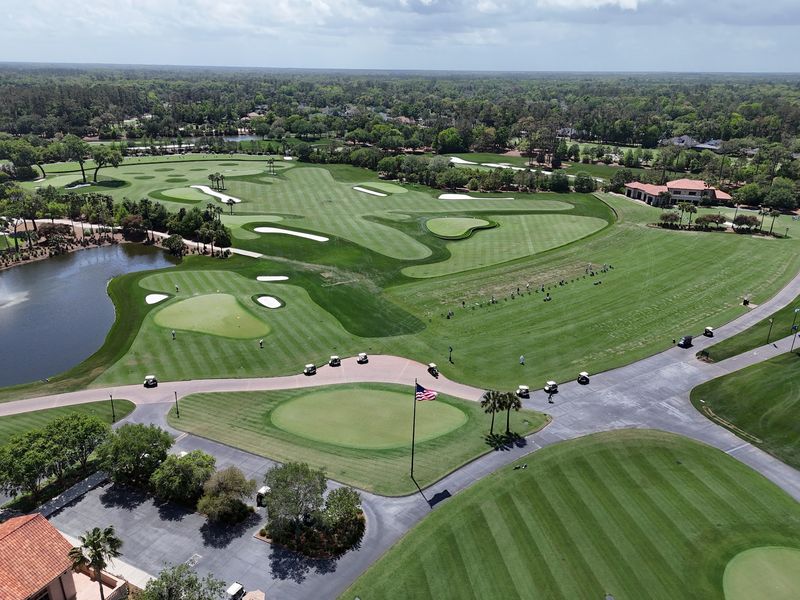
Grass bleachers. Simple idea, huge impact.
The stadium course concept debuted right here, changing how people watch professional golf. Deane Beman wanted fans close to the action, not squinting from behind ropes.
Raised mounds surround many greens and tee boxes. Those slopes work as natural seating with clear sightlines.
Spectators can watch big moments without craning necks or shuffling constantly.
Certain areas cluster tees, greens, and fairways together. Standing in one spot, fans catch several shots without walking far.
The design creates a buzzing atmosphere during tournament rounds. Cheers travel across the property in waves.
Even on a regular day, the mounds give the course a distinct shape. Recreational golfers notice the amphitheater feel immediately.
Other PGA Tour venues copied the blueprint afterward. This Florida property set the standard.
For anyone planning a spectator visit, comfortable shoes matter more than fancy gear. Grass slopes are forgiving but the walking adds up.
Choosing a spot early near a popular green pays off. Once the crowds settle in, moving becomes a challenge worth avoiding.
Teeing It Up As A Regular Golfer
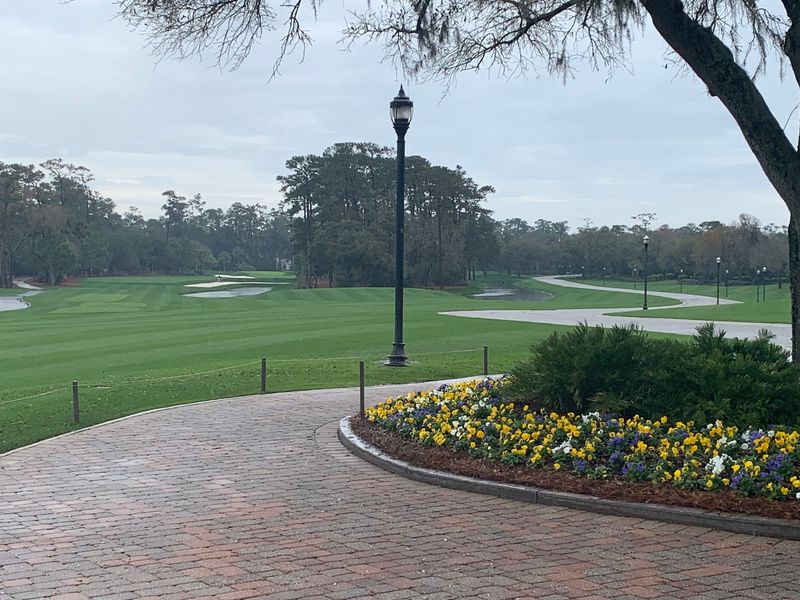
Good news for weekend players. Access here is not limited to tour professionals.
The Stadium Course welcomes public play, which is why it lands on so many bucket lists. Tee times can often be booked online.
Choosing the right set of tees changes everything. Matching yardage to actual driving distance keeps the round enjoyable rather than punishing.
Caddies and forecaddies frequently accompany groups. Their reads, lines, and ball-spotting skills are worth every bit of attention.
Many rounds run cart path only, so expect plenty of walking regardless. Comfortable shoes help.
Greens roll fast, especially during prime season. Lag putting becomes a survival skill.
A game plan beats bravado. Picking conservative targets on water holes saves strokes and sanity.
Rounds can take longer than a typical home course. Building extra time into the day prevents frustration.
Many visitors book breakfast beforehand and linger afterward, turning the round into a full-day event.
Golfers finishing at Ponte Vedra Beach often say the scorecard matters less than the memories. That bag tag becomes a souvenir people actually keep.
Clubhouse Comforts And Practice Grounds
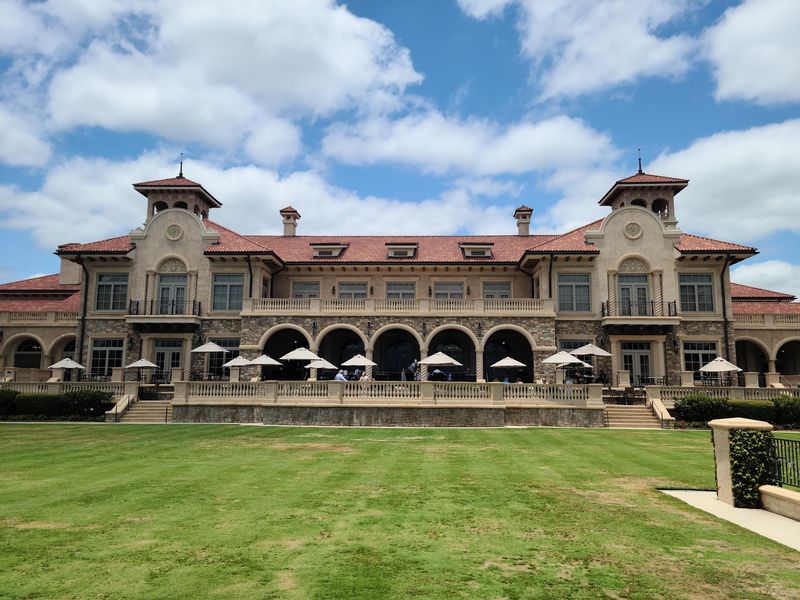
Grand does not quite cover it. The clubhouse spans roughly 77,000 square feet.
Mediterranean styling gives the building a warm, resort-like presence. Inside, dining rooms, a stocked pro shop, and event spaces keep visitors busy.
Meals get plenty of praise from guests. Breakfast before a round has become something of a ritual.
The pro shop is famously well stocked, though prices reflect the location.
Practice facilities deserve attention too. A large range accommodates plenty of golfers at once.
Short game areas and putting greens let players calibrate speed before facing those quick surfaces.
Historical tours of the clubhouse run for guests interested in the tournament’s story. Guides often share details about past championships and the property’s beginnings.
Staff hospitality comes up repeatedly in visitor comments. Service tends to feel attentive rather than stiff.
Corporate gatherings, charity events, and social functions fill the calendar throughout the year.
Even non-golfers find reasons to stop by. The building itself, packed with memorabilia, works as a small museum of the sport.
Plan a little extra time before or after the round.
Why Dye’s Vision Still Shapes The Game
Critics grumbled loudly at first. Professionals called the course unfair when it opened.
Decades later, the design sits among the most influential ever built. Pete Dye, supported by Alice Dye and Deane Beman, changed expectations for tournament venues.
Strategic complexity was the goal. Visual intimidation was the bonus.
Dye believed golf should challenge the mind as much as the swing. Precision and creativity outrank raw power here.
Adjustments over the years softened some early complaints without dulling the teeth.
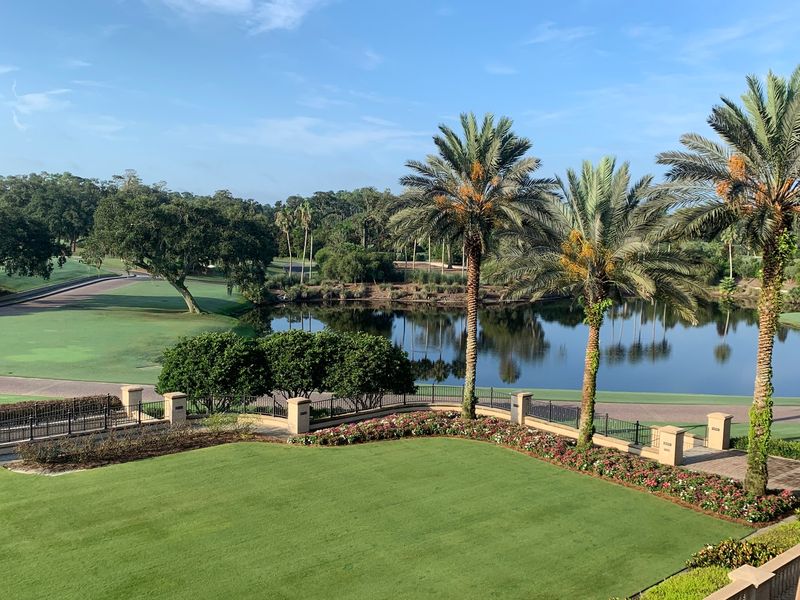
The routing still shifts direction constantly, keeping wind a live factor. Hazards remain placed to punish lazy thinking rather than modest ability.
Recognizable features, especially the 17th, appear on posters and screensavers worldwide. Few holes carry that kind of instant recognition.
Course designers everywhere borrowed from the stadium concept afterward. Its fingerprints show up across professional golf.
For a Florida road trip built around great golf, this stop offers architecture worth studying, not just playing.
Every mound, bulkhead, and water edge reflects a deliberate choice. Understanding that turns eighteen holes into a lesson.
The legacy holds firm, one nervous tee shot at a time.